35,000+ smart investors are already getting financial news, market signals, and macro shifts in the economy that could impact their money next with our FREE weekly newsletter. Get ahead of what the crowd finds out too late. Click Here to Subscribe for FREE.
Buying home insurance feels like checking a box. You sign papers, pay premiums, and move on. Most people assume that once coverage starts, almost every disaster is handled. The reality is less comforting. Policies come with limits, exclusions, and fine print that only matter after damage happens. That is usually when homeowners discover gaps they never expected. Weather, water, theft, and even wildlife can fall into grey areas. Knowing those gaps ahead of time can save money and stress. Here are 12 home insurance claims Canadians assume are covered (but often aren’t).
Overland Flooding from Heavy Rain
12 Home Insurance Claims Canadians Assume Are Covered (But Often Aren’t)
- Overland Flooding from Heavy Rain
- Sewer Backup Without Specific Coverage
- Gradual Water Leaks and Seepage
- Damage From Poor Maintenance
- Earthquake Damage Without an Endorsement
- Landscaping and Outdoor Property Limits
- Home-Based Business Losses
- High Value Jewelry and Collectibles
- Vacant Home Damage
- Damage From Certain Wildlife
- Identity Theft Expenses
- Government-Ordered Upgrades After Damage
- 22 Groceries to Grab Now—Before another Price Shock Hits Canada
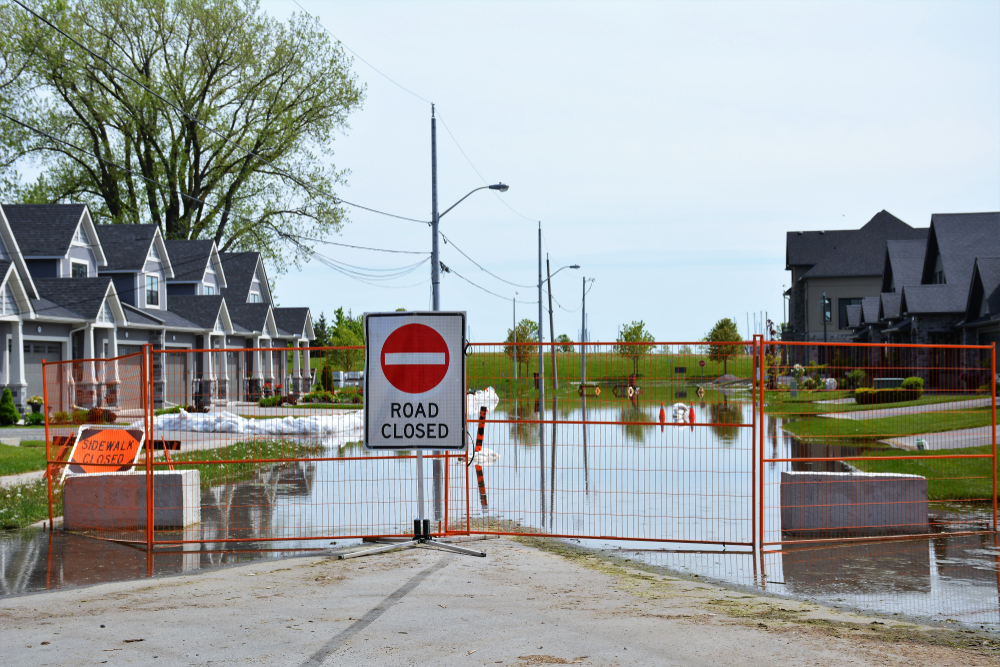
Many Canadians assume any water damage is covered. That is not always true. Overland flooding refers to water entering a home from the ground level. This often happens after heavy rain or rapid snowmelt. Standard policies typically exclude this coverage. Some insurers now offer optional flood endorsements. Without that add-on, repairs can be denied. Basement flooring, drywall, and furniture damage may not qualify. Sewer backup coverage is different and separate. Homeowners often confuse the two. Always check whether overland water protection appears clearly in your policy documents.
Sewer Backup Without Specific Coverage

Sewer backup is common in older neighborhoods. Many homeowners assume it falls under basic water damage protection. In most cases, it does not. Sewer backup coverage is usually optional. If drains overflow during a storm, the claim may be rejected. Cleanup costs can climb quickly. Contaminated water requires special removal procedures. Damaged appliances and finished basements increase expenses. Insurers often cap payout limits for this coverage. Those limits may be lower than expected. Review both inclusion and dollar caps carefully before relying on this protection.
Gradual Water Leaks and Seepage

Insurance is designed for sudden damage. Slow leaks rarely qualify. If a pipe drips behind a wall for months, claims may fail. Insurers often classify this as maintenance neglect. Mold growth from gradual moisture is commonly excluded. Homeowners are expected to inspect and maintain plumbing systems. Even small signs of water damage matter. Discoloration, soft drywall, and musty smells should not be ignored. Waiting too long can void coverage. Many policies clearly exclude damage caused by continuous leakage over time. Routine checks can prevent denied claims later.
Damage From Poor Maintenance
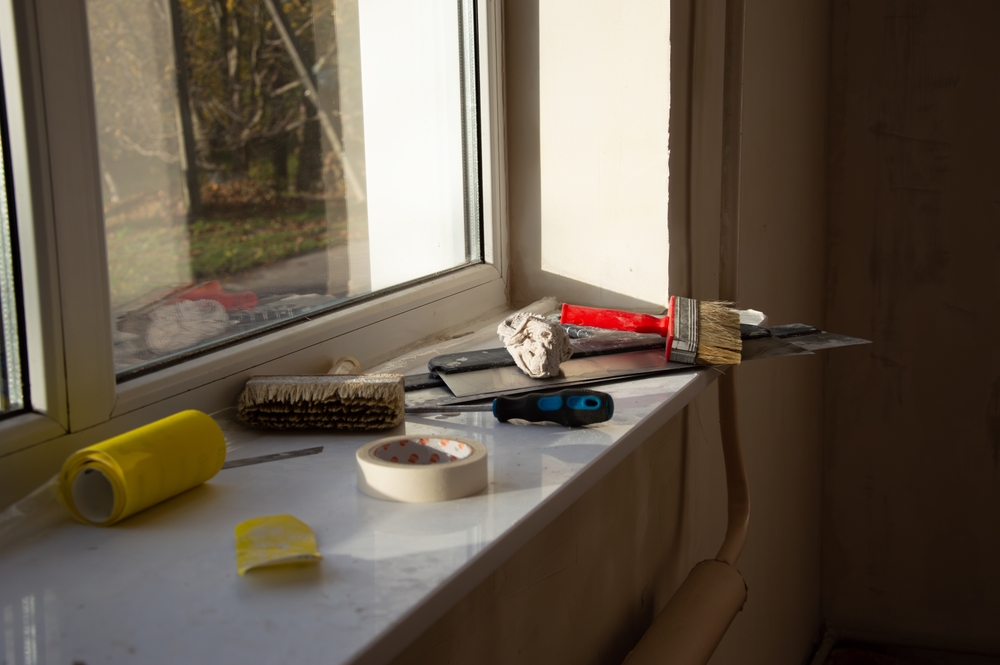
Insurance does not replace upkeep. If a roof deteriorates over the years, coverage may not apply. Missing shingles and clogged gutters can lead to denied claims. Insurers expect reasonable care. Frozen pipes without proper winterization may also fall under neglect. Wood rot, foundation cracks, and worn siding usually count as maintenance issues. Even storm damage can be questioned if upkeep was poor. Documentation of repairs helps support claims. Keep records of inspections and upgrades. Preventive maintenance reduces disputes when unexpected events occur.
Earthquake Damage Without an Endorsement

Earthquakes are rare in many regions. That does not mean coverage is automatic. Standard home insurance often excludes earthquake damage. British Columbia homeowners usually know this risk. Others may not think about it. Cracked foundations and structural shifts can be expensive. Even minor tremors cause costly repairs. Earthquake coverage typically requires a separate endorsement. Deductibles are often higher than regular claims. They are usually calculated as a percentage of home value. Review your region’s seismic risk before assuming you are protected.
Landscaping and Outdoor Property Limits
Many people assume yards are fully covered. Policies usually limit outdoor coverage. Trees, fences, and landscaping often have lower caps. Damage from wind or falling objects may qualify within limits. However, disease and rot are commonly excluded. High-end landscaping features can exceed standard coverage. Decorative lighting and garden structures may require special consideration. Replacement cost for mature trees can be high. Insurers may pay only a small fixed amount per item. Review outdoor limits if you invested heavily in curb appeal.
Home-Based Business Losses

Working from home is common. Standard home insurance rarely covers business losses. Office equipment may have limited protection. Inventory and client property are often excluded. Liability for business visitors may also fall outside coverage. Some insurers offer home business riders. Without that addition, claims may be denied. Even a small side business can create gaps. Income loss after damage usually requires separate protection. Clarify how your insurer defines business activity. That definition can determine whether your claim succeeds.
High Value Jewelry and Collectibles

Valuables often exceed default limits. Many policies cap jewelry coverage at modest amounts. Theft claims may be restricted. Watches, art, and collectibles face similar limits. Replacement value might not match the market price. Appraisals help secure proper coverage. Insurers offer scheduled property endorsements for higher limits. Without scheduling, payout may fall short. Storing items in a safe does not remove limits. Always check the sub limits for valuable categories. Special riders provide broader protection and fewer surprises.
Vacant Home Damage
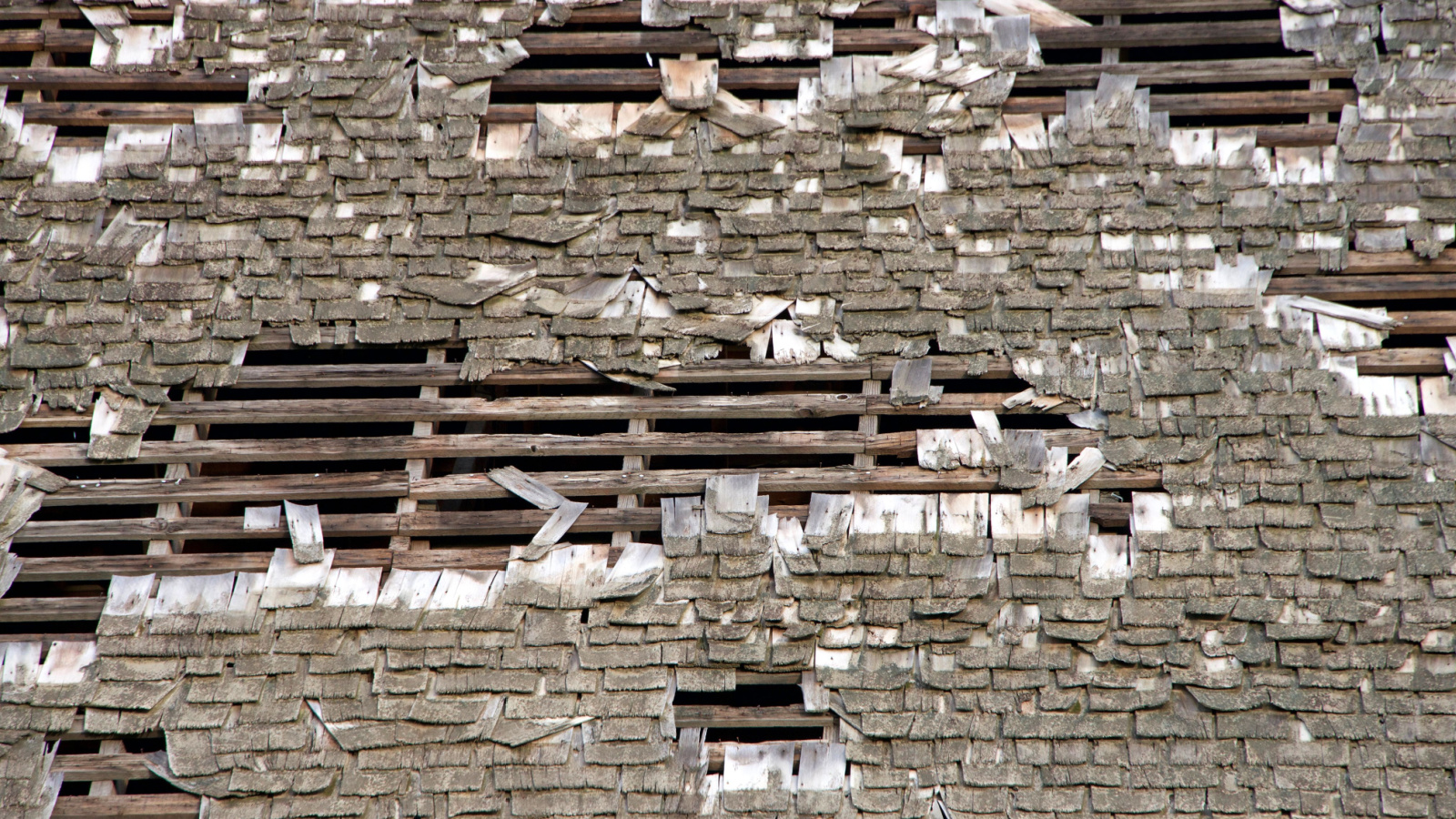
Vacancy changes coverage terms. If a home sits empty for extended periods, protection can shrink. Insurers often define vacancy after thirty days. Water damage and vandalism claims may be excluded. Snowbirds and landlords should pay attention. Some policies require notification of absence. Others need vacancy permits. Unattended homes carry higher risks. Burst pipes during winter are common. Failure to disclose long absences can void claims. Always inform your insurer before leaving a property empty.
Damage From Certain Wildlife
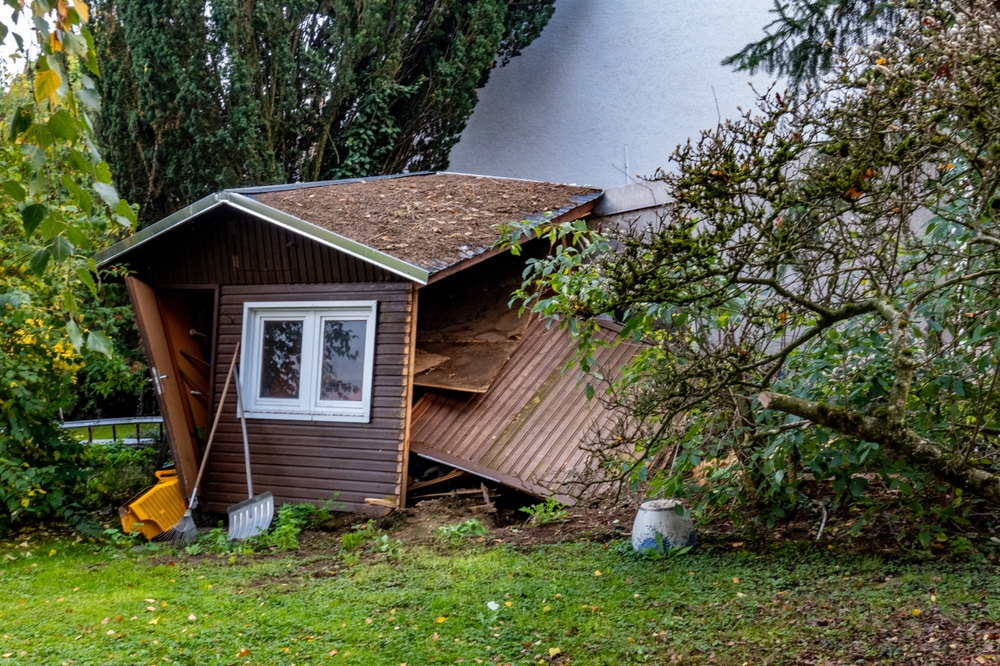
Wildlife damage sounds covered. It depends on the animal and the cause. Raccoons in attics may qualify under some policies. Rodent damage often does not. Chewed wires and insulation can be excluded. Insurers classify rodents as preventable risks. Bird infestations may also fall outside protection. Structural damage caused by larger animals might be covered. Policy wording matters greatly here. Regular inspections help reduce exposure. Sealing entry points shows reasonable care. Without proof of upkeep, insurers may challenge claims.
Identity Theft Expenses

Many homeowners assume identity theft is connected to home insurance. Traditional policies rarely include full identity restoration support. Some insurers now offer optional endorsements. Legal fees and credit monitoring costs may otherwise fall on you. Stolen mail can trigger fraud. Digital breaches at home do not always qualify. Coverage details vary widely between providers. Identity restoration services often require added protection. Review whether your policy mentions cyber or fraud assistance. If not, consider adding coverage for peace of mind.
Government-Ordered Upgrades After Damage

Building codes change over time. After damage, local authorities may require upgrades. Standard policies often exclude full coverage for these changes. This is called bylaw or ordinance coverage. Without that endorsement, you may pay out of pocket. Electrical systems and insulation standards evolve. Older homes face higher upgrade costs. Insurers may only cover restoring to the original condition. That may not satisfy current regulations. Adding bylaw coverage can close this gap. Always review whether your policy addresses code compliance expenses.
22 Groceries to Grab Now—Before another Price Shock Hits Canada

Food prices in Canada have been steadily climbing, and another spike could make your grocery bill feel like a mortgage payment. According to Statistics Canada, food inflation remains about 3.7% higher than last year, with essentials like bread, dairy, and fresh produce leading the surge. Some items are expected to rise even further due to transportation costs, droughts, and import tariffs. Here are 22 groceries to grab now before another price shock hits Canada.
22 Groceries to Grab Now—Before another Price Shock Hits Canada
This Options Discord Chat is The Real Deal
While the internet is scoured with trading chat rooms, many of which even charge upwards of thousands of dollars to join, this smaller options trading discord chatroom is the real deal and actually providing valuable trade setups, education, and community without the noise and spam of the larger more expensive rooms. With a incredibly low-cost monthly fee, Options Trading Club (click here to see their reviews) requires an application to join ensuring that every member is dedicated and serious about taking their trading to the next level. If you are looking for a change in your trading strategies, then click here to apply for a membership.