
35,000+ smart investors are already getting financial news, market signals, and macro shifts in the economy that could impact their money next with our FREE weekly newsletter. Get ahead of what the crowd finds out too late. Click Here to Subscribe for FREE.
Your credit score affects more than loan approvals. It can shape mortgage rates, car financing costs, and even rental applications. In Canada, scores usually range from 300 to 900. Lenders look closely at payment history, balances, and credit habits. The good news is that meaningful improvement does not require gimmicks. Small, steady changes can move the number faster than most people expect. You do not need expensive services or risky shortcuts. You need consistency and awareness. Here are 15 fastest ways Canadians can improve their credit score (without tricks).
Pay Every Bill on Time
15 Fastest Ways Canadians Can Improve Their Credit Score (Without Tricks)
- Pay Every Bill on Time
- Lower Your Credit Utilization
- Make Multiple Payments Each Month
- Ask for a Credit Limit Increase
- Keep Old Accounts Open
- Check Your Credit Report for Errors
- Avoid Applying for Too Much New Credit
- Pay Down High-Interest Debt First
- Set Up Automatic Minimum Payments
- Use a Secured Credit Card if Rebuilding
- Become an Authorized User Carefully
- Diversify Your Credit Mix Gradually
- Negotiate or Settle Collections Strategically
- Keep Balances Low Before Major Applications
- Track Your Score Regularly

Payment history carries the most weight in your credit score. Even one missed payment can lower your score quickly. Lenders want proof that you pay obligations as agreed. Set up automatic payments for at least the minimum amount due. Use calendar reminders if automation is not possible. Phone bills, credit cards, and lines of credit all count. Collection accounts hurt even more. If you missed a payment recently, bring the account current right away. Then stay consistent. Over several months, steady on-time payments can gradually lift your score and rebuild lender confidence.
Lower Your Credit Utilization

Credit utilization refers to how much of your available credit you use. High balances compared to your limit signal risk. Try to keep utilization below 30 percent. Under 10 percent is even better. For example, if your limit is $5,000, aim to keep the balance under $1,500. Pay down revolving balances aggressively. Make extra payments during the month if needed. Lower balances can improve your score within one reporting cycle. This is one of the fastest measurable changes you can make. It shows lenders that you are not relying heavily on borrowed money.
Make Multiple Payments Each Month

You do not need to wait for your statement due date. Paying your credit card several times a month can lower reported balances. Credit bureaus receive data based on statement dates. If you reduce the balance before it reports, utilization drops. That may help your score sooner. This approach works well if you use your card frequently. It requires discipline but no extra fees. Treat your credit card like a debit card. Spend, then pay it down quickly. Over time, lenders see consistently low balances, which supports steady improvement in your credit profile.
Ask for a Credit Limit Increase
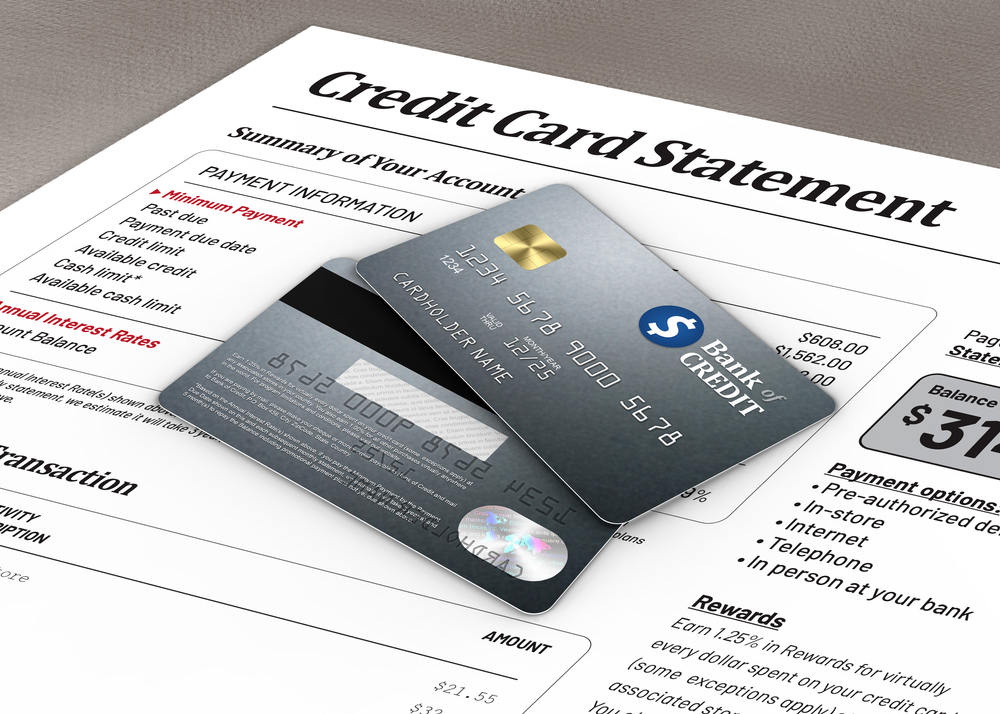
A higher credit limit can reduce utilization instantly. If your balance stays the same but the limit rises, your ratio improves. Contact your card issuer and ask about eligibility. Do not request multiple increases at once. A single increase with a soft inquiry is ideal. Confirm whether it affects your credit report before proceeding. Keep spending habits unchanged. The goal is to improve ratios, not expand debt. Used responsibly, a higher limit can create breathing room. That lower utilization may reflect positively on your score within a few reporting cycles.
Keep Old Accounts Open

Length of credit history matters. Older accounts add depth to your profile. Closing a long-standing card can shorten your average account age. It may also reduce your total available credit. Both factors can lower your score. If the card has no annual fee, consider keeping it open. Use it occasionally for small purchases. Then pay it off right away. This keeps the account active without building debt. A longer credit history shows stability. Lenders prefer borrowers with proven track records over many years rather than brand-new credit files.
Check Your Credit Report for Errors
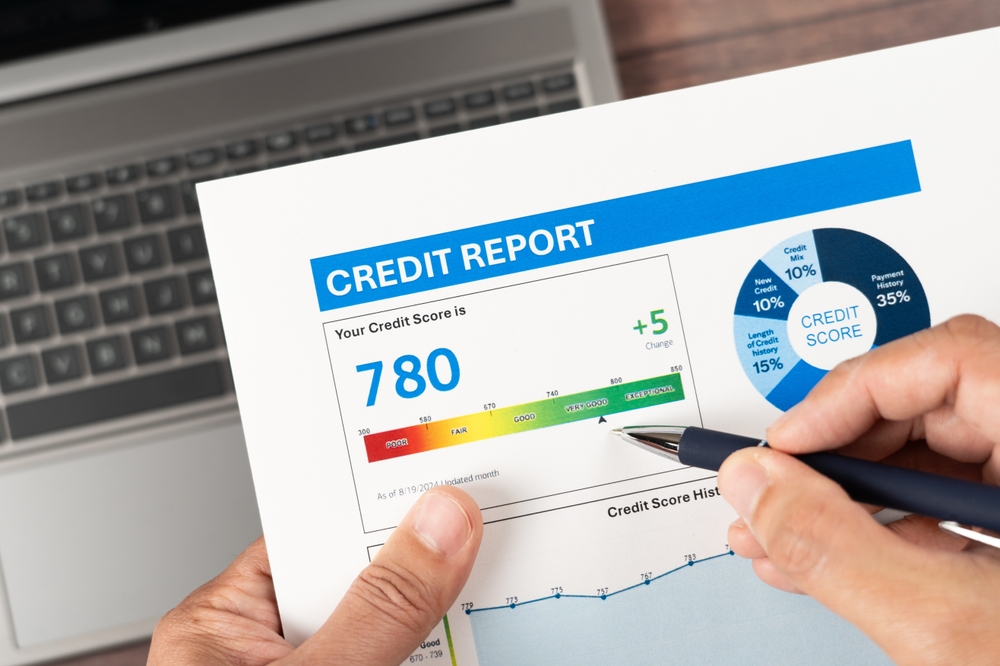
Mistakes happen more often than people expect. Incorrect late payments or accounts that are not yours can drag down scores. Canadians can request free credit reports from major bureaus. Review each entry carefully. Look for wrong balances, outdated collections, or unfamiliar accounts. If you spot an error, dispute it promptly. Provide documentation to support your claim. Corrections can take weeks, but they can make a real difference. Removing inaccurate negative information may boost your score faster than paying down debt alone. Accuracy is the foundation of a fair credit assessment.
Avoid Applying for Too Much New Credit

Each hard inquiry can lower your score slightly. One or two inquiries are normal. Several in a short period raise concerns. Lenders may see it as financial stress. Space out applications when possible. Only apply for credit you genuinely need. Rate shopping for mortgages or auto loans within a short window usually counts as one inquiry. That helps protect your score. Being selective with applications shows restraint. Over time, fewer inquiries support steady growth in your credit rating and reduce unnecessary downward pressure.
Pay Down High-Interest Debt First

Carrying large balances on high-interest cards hurts twice. You pay more interest and maintain high utilization. Focus on reducing the highest rate balances quickly. Make minimum payments on other accounts to stay current. Direct extra funds toward the most expensive debt. As balances shrink, your utilization improves. That can positively affect your score within months. You also save money on interest charges. This approach strengthens both your finances and your credit profile. Progress may feel gradual, but consistent reductions create visible improvement over time.
Set Up Automatic Minimum Payments
Missing a payment by accident can undo months of effort. Automation reduces that risk. Arrange automatic minimum payments from your bank account. You can still make extra payments manually. The automatic feature acts as a safety net. It protects your payment history, which carries heavy weight. Even one 30-day late mark can remain for years. Preventing it is easier than fixing it later. This simple setup requires little effort. Yet it can protect your score from sudden drops caused by oversight or busy schedules.
Use a Secured Credit Card if Rebuilding
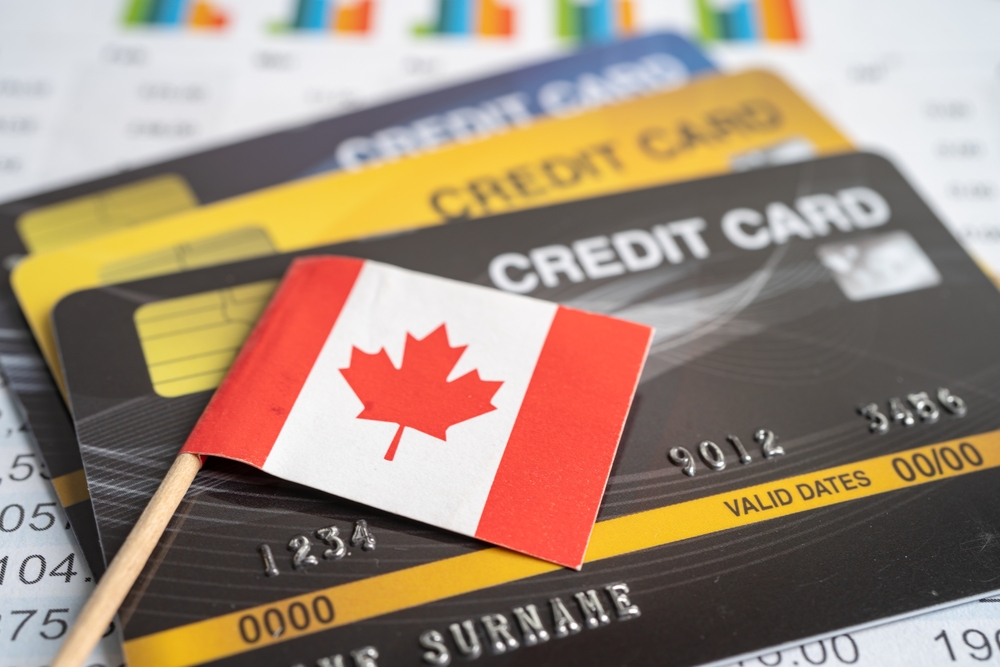
If your credit is weak or limited, a secured card can help. You provide a deposit, which becomes your limit. This reduces risk for the lender. Use the card for small purchases each month. Pay the balance in full before the due date. Over time, positive payment history builds. Many issuers report secured cards to credit bureaus. That reporting helps establish or repair your record. After consistent use, you may qualify for an unsecured card. This step can gradually shift your credit profile in a healthier direction.
Become an Authorized User Carefully
Some card issuers allow you to be added as an authorized user. If the primary cardholder has a strong payment history, that record may appear on your report. This can help your score. Choose carefully. The primary user must pay on time and maintain low balances. If they miss payments, your score may suffer. Discuss expectations before agreeing. This strategy works best within trusted relationships. When handled responsibly, it can provide a helpful boost, especially for those with short credit histories seeking faster progress.
Diversify Your Credit Mix Gradually

Credit scoring models consider different account types. A mix of revolving credit and installment loans can strengthen your profile. Do not open accounts solely for variety. Only add credit when it fits your needs. For example, responsibly managing a small personal loan alongside a credit card shows balance. Over time, this variety may support higher scores. Lenders want evidence that you handle different obligations well. Gradual diversification reflects maturity in credit management. Rushing into unnecessary debt defeats the purpose and can lower your score instead.
Negotiate or Settle Collections Strategically

Outstanding collections damage your credit. Contact the creditor to discuss payment options. Some may agree to payment plans or settlements. Always request written confirmation before sending money. Paying a collection may not remove it, but it can update its status. Newer scoring models sometimes weigh paid collections more favorably. If possible, ask whether the creditor will remove the entry after payment. Not all agree. Still, resolving old debts prevents further damage and can gradually support recovery in your overall credit standing.
Keep Balances Low Before Major Applications
If you plan to apply for a mortgage or car loan, prepare months ahead of time. Reduce credit card balances well before submitting applications. Lenders review recent reports. Lower utilization at that time can improve your approval odds. Avoid new inquiries during this period. Stability matters. Even small improvements in your score can affect interest rates. A better rate saves thousands over time. Planning gives your credit profile time to reflect positive changes. Thoughtful preparation often pays off in measurable financial benefits.
Track Your Score Regularly

Monitoring your score helps you see patterns. Many Canadian banks offer free credit score access. Use it to track progress monthly. Watch how balance changes affect the number. If your score drops unexpectedly, investigate quickly. Early action prevents long-term damage. Monitoring also builds awareness of reporting cycles. You begin to understand how lenders view your profile. That awareness supports better decisions. Improvement rarely happens overnight. Consistent tracking keeps you focused and accountable, which leads to steadier gains over time.
This Options Discord Chat is The Real Deal
While the internet is scoured with trading chat rooms, many of which even charge upwards of thousands of dollars to join, this smaller options trading discord chatroom is the real deal and actually providing valuable trade setups, education, and community without the noise and spam of the larger more expensive rooms. With a incredibly low-cost monthly fee, Options Trading Club (click here to see their reviews) requires an application to join ensuring that every member is dedicated and serious about taking their trading to the next level. If you are looking for a change in your trading strategies, then click here to apply for a membership.