35,000+ smart investors are already getting financial news, market signals, and macro shifts in the economy that could impact their money next with our FREE weekly newsletter. Get ahead of what the crowd finds out too late. Click Here to Subscribe for FREE.
Your credit score follows you around in Canada. It shows up when you apply for a mortgage, car loan, or even a phone plan. Because of that, advice spreads fast. Some of it sounds smart. Some of it is outdated. Much of it misses how lenders actually assess risk. Banks look at more than a single number. They review income, debt ratios, and payment patterns. Still, people cling to myths that shape bad decisions. Let’s clear the noise and focus on what matters. Here are 18 credit score myths Canadians repeat (and lenders don’t care about).
Checking Your Own Score Hurts It
18 Credit Score Myths Canadians Repeat (And Lenders Don’t Care About)
- Checking Your Own Score Hurts It
- You Need to Carry a Balance to Build Credit
- Closing Old Cards Always Improves Your Score
- Your Income Directly Raises Your Credit Score
- A Perfect 900 score Is Necessary
- Paying Off a Loan Instantly Boosts Your Score
- All Debt Is Bad for Your Score
- One Late Payment Ruins Everything Forever
- Debit Card Use Builds Credit
- Shopping Around for Rates Always Hurts Your Score
- Bankruptcy Means You Can Never Recover
- Paying Bills Before the Due Date Improves Your Score Faster
- Married Couples Share One Credit Score
- Student Loans Always Damage Your Score
- Having No Credit Is Better Than Bad Credit
- Credit Repair Companies Can Fix Everything Quickly
- Using All Your Available Credit Shows Trustworthiness
- Your Credit Score Alone Determines Loan Approval
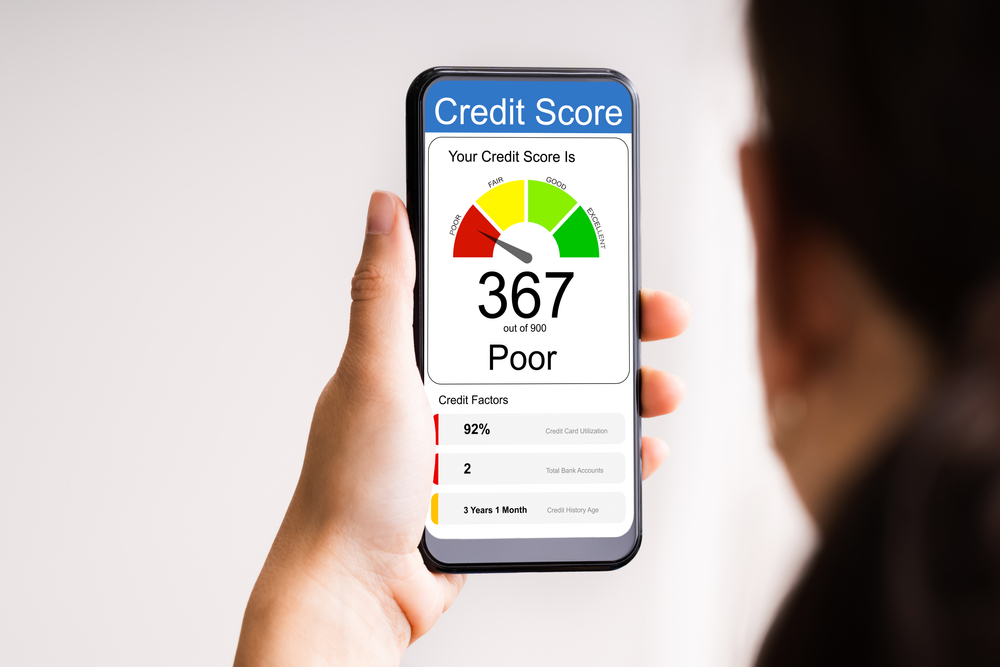
Many Canadians avoid checking their credit score because they think it lowers their score. That fear comes from confusion about inquiries. When you check your own score through Equifax or TransUnion, it counts as a soft inquiry. Soft inquiries do not affect your score. Lenders cannot even see them. Hard inquiries happen when you apply for credit. Those may cause a small, temporary dip. Monitoring your score is actually helpful. It lets you catch errors or fraud early. Ignoring it does not protect you. Staying informed gives you more control over your financial profile and future borrowing options.
You Need to Carry a Balance to Build Credit

This myth refuses to disappear. Some believe leaving a small balance helps their score grow. In reality, you do not need to pay interest to build credit. Credit scoring models reward consistent, on-time payments. If you pay your full statement balance each month, you still show responsible use. Carrying debt simply costs money in interest charges. Lenders care about payment history and utilization ratios. They do not reward you for paying extra interest. Keeping balances low while paying on time supports long-term credit health and stronger borrowing power.
Closing Old Cards Always Improves Your Score
People often close unused credit cards to tidy up their finances. That sounds responsible, but it can backfire. Older accounts help your credit history length. A longer history can support your score. Closing a card may also reduce your total available credit. That change can raise your utilization ratio overnight. Higher utilization can lower your score. Lenders prefer stable, well-managed accounts over frequent closures. If a card has no annual fee and you manage it well, keeping it open may be smarter than shutting it down without considering the impact.
Your Income Directly Raises Your Credit Score

A high salary feels impressive, but it does not appear in your credit score formula. Credit bureaus do not include income in score calculations. Your score reflects payment behavior, balances, credit mix, and history length. Lenders may review income during an application. That step helps them assess affordability. Still, income and credit score are separate measures. Someone earning less can have a higher score than someone earning more. The score measures habits, not paycheques. Strong payment patterns matter more than income size when it comes to maintaining a solid credit profile.
A Perfect 900 score Is Necessary

Canada’s credit scores typically range from 300 to 900. Chasing 900 becomes a personal mission for some. In practice, lenders group scores into ranges. Once you are in an excellent range, often above 760, you usually qualify for strong rates. The difference between 820 and 880 rarely changes loan terms. Lenders focus on overall risk, not bragging rights. Obsessing over tiny changes can cause stress without real benefit. A stable, strong score combined with solid income and manageable debt matters more than achieving the absolute ceiling of the scoring scale.
Paying Off a Loan Instantly Boosts Your Score

Clearing a car loan or personal loan feels like a victory. Some expect their score to jump immediately. Sometimes it rises slightly. Other times it dips. When you close an installment loan, your credit mix changes. You also lose that active account from your report. If it were your only installment loan, your profile would become less diverse. Scores reflect patterns over time, not single events. Paying off debt is still wise for your finances. Just do not expect fireworks from your credit score the next day after making the final payment.
All Debt Is Bad for Your Score

Debt often carries negative emotion. Credit scoring models, however, do not treat all debt equally. Responsible borrowing can help build history. Installment loans and credit cards show how you manage obligations. What hurts is missed payments or high utilization. A mortgage with consistent payments may support a strong profile. Zero credit history can actually make lenders cautious. They prefer some record of repayment. The goal is controlled debt, not complete avoidance. Showing that you can borrow and repay reliably often matters more than having no credit activity at all.
One Late Payment Ruins Everything Forever

A late payment can sting. It may lower your score, especially if it is over 30 days late. Still, it does not destroy your credit forever. The impact fades over time if you return to consistent payments. Lenders look at patterns. One isolated slip years ago carries less weight than recent repeated delinquencies. Staying current afterward matters more than panicking. Setting up automatic payments can help prevent future issues. Recovery is possible. Credit history reflects behavior over months and years, not a single imperfect moment that happened once.
Debit Card Use Builds Credit

Using a debit card feels responsible because you spend your own money. However, debit transactions are not reported to credit bureaus. They do not influence your credit score. Credit scores depend on borrowed funds and repayment behavior. Without credit products, there is no payment history to evaluate. That can leave your file thin. If you want to build credit, consider a credit card or a small installment loan. Use it carefully and pay on time. Debit helps budgeting, but it does not contribute to your credit profile in Canada.
Shopping Around for Rates Always Hurts Your Score

Rate shopping worries many borrowers. They fear multiple applications will tank their score. Credit scoring models often group similar inquiries within a short period. Mortgage, auto, and student loan inquiries made within that window may count as one. The idea is to allow comparison shopping. The window length varies by model, but it usually spans a few weeks. Applying randomly over months is different. Lenders understand that consumers compare offers. Smart, focused shopping is normal. Scattered applications without a strategy create more risk than structured rate comparisons.
Bankruptcy Means You Can Never Recover

Bankruptcy is serious, but it does not end your financial life. In Canada, it remains on your report for several years. After that, it drops off. During that time, rebuilding is possible. Secured credit cards and small loans can help reestablish history. Lenders look at recent behavior when making decisions. Demonstrating steady employment and consistent payments matters. The process takes patience. Many Canadians qualify for credit again before the record disappears. Lenders focus on current stability as much as past mistakes when evaluating applications.
Paying Bills Before the Due Date Improves Your Score Faster

Paying early feels proactive. Your score, however, reflects whether payments are on time, not how early they arrive. Paying before the due date does not create bonus points. What matters is avoiding late status. Credit card balances are often reported at statement closing dates. That timing affects utilization. Paying down balances before that date can lower reported usage. That may support your score. Paying weeks early beyond that does not add extra benefit. Consistency matters more than speed when building and maintaining strong credit habits.

Many assume marriage blends credit histories into one number. In Canada, each person has an individual credit file. Your spouse’s score does not merge with yours. Joint accounts can appear on both reports. Missed payments on shared credit can affect both parties. Otherwise, your personal history remains separate. Lenders may review both scores for joint applications. A strong score from one partner does not erase a weaker one from the other. Maintaining individual responsibility still matters, even within shared financial arrangements and long-term partnerships.
Student Loans Always Damage Your Score

Student loans often represent a first major debt. They do not automatically harm your score. Like any installment loan, they show payment history. On-time payments can support a positive record. Problems arise when payments are missed or accounts enter collections. Income-based repayment plans can help keep accounts current. Lenders understand that student debt is common. They focus on how you manage it. Responsible handling often looks better than avoiding credit entirely. The loan itself is neutral. Your behavior with it shapes the outcome.
Having No Credit Is Better Than Bad Credit

Some believe avoiding credit protects them from trouble. Having no credit history can create different challenges. Lenders have little data to assess risk. That uncertainty can lead to higher rates or declined applications. Building a modest history often improves options. A secured card or small limit card can start the process. Responsible use over time builds trust. Bad credit can be repaired with consistent behavior. No credit requires building from scratch. Both situations need action. Silence on your credit file rarely opens doors with cautious lenders.
Credit Repair Companies Can Fix Everything Quickly

Advertisements promise fast score jumps and clean reports. Reality moves more slowly. Accurate negative information cannot simply be erased. Only errors can be disputed and corrected. You can dispute mistakes yourself for free through credit bureaus. Credit repair companies cannot change legitimate history. Time and consistent payments remain the strongest tools. Paying down balances and staying current gradually improves scores. Quick fixes rarely exist. Lenders care about genuine patterns. Sustainable improvement requires patience rather than expensive promises that sound easier than they actually are.
Using All Your Available Credit Shows Trustworthiness

Some assume high usage proves lenders trust them. High utilization can signal financial strain. Credit scoring models compare balances to available limits. Ratios above certain thresholds may lower scores. Keeping usage below about 30 percent is often suggested. Lower can be better. Lenders view lower utilization as a sign of breathing room. Maxed-out cards, even if paid on time, raise questions. Access to credit is different from using all of it. Showing restraint tends to look stronger than stretching limits to their edge.
Your Credit Score Alone Determines Loan Approval

Your credit score plays a role, but it is not the only factor. Lenders review debt-to-income ratios, employment history, and down payments. They assess stability and overall risk. A strong score cannot compensate for unaffordable debt levels. A moderate score with stable income may still qualify. Automated systems use multiple inputs. Human underwriters may review complex cases. The score opens doors, yet it does not close them by itself. Approval decisions reflect a broader financial picture than a single three-digit number.
This Options Discord Chat is The Real Deal
While the internet is scoured with trading chat rooms, many of which even charge upwards of thousands of dollars to join, this smaller options trading discord chatroom is the real deal and actually providing valuable trade setups, education, and community without the noise and spam of the larger more expensive rooms. With a incredibly low-cost monthly fee, Options Trading Club (click here to see their reviews) requires an application to join ensuring that every member is dedicated and serious about taking their trading to the next level. If you are looking for a change in your trading strategies, then click here to apply for a membership.