35,000+ smart investors are already getting financial news, market signals, and macro shifts in the economy that could impact their money next with our FREE weekly newsletter. Get ahead of what the crowd finds out too late. Click Here to Subscribe for FREE.
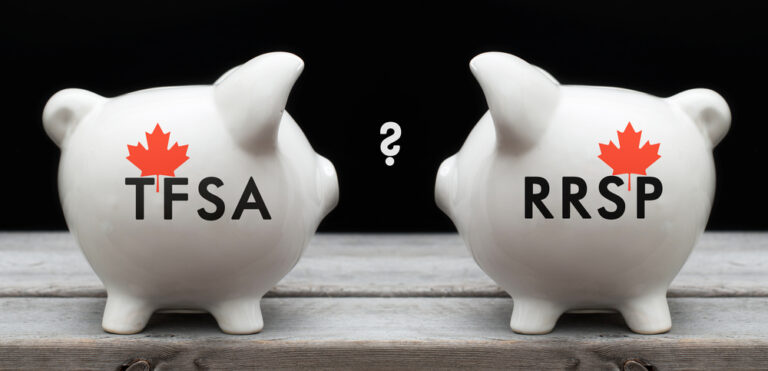
Tax season always sparks the same question across Canada. Should you put money in your RRSP or your TFSA? Friends swear by one. Financial headlines push the other. Both accounts offer tax advantages, yet they work in very different ways. The wrong choice can delay goals or shrink flexibility later. The right one can quietly build serious wealth. You do not need a finance degree to make a decision. You need clarity on income, timing, and withdrawal plans. Many Canadians overthink this choice or follow generic advice. Here are 17 RRSP vs TFSA decisions Canadians get wrong (and how to decide fast).
Assuming RRSP Is Always Better Because of the Tax Refund
17 RRSP vs TFSA Decisions Canadians Get Wrong (And How to Decide Fast)
- Assuming RRSP Is Always Better Because of the Tax Refund
- Believing TFSA Is Only for short-term savings
- Ignoring Current Income Level When Choosing
- Forgetting About Government Benefits in Retirement
- Using RRSP for Emergency Savings
- Thinking the Home Buyers’ Plan Makes RRSP Risk Free
- Overlooking Contribution Room Limits
- Choosing Based on Friends’ Advice
- Ignoring Employer Pension Plans
- Withdrawing RRSP Funds Too Early
- Treating TFSA as Completely Risk Free
- Contributing to RRSP During Low-Income Years
- Forgetting About Tax on RRSP Withdrawals
- Using TFSA Only After RRSP Is Maxed
- Ignoring Debt Before Investing
- Not Planning for Retirement Timing
- Overcomplicating the Decision
- 22 Groceries to Grab Now—Before another Price Shock Hits Canada
Many Canadians chase the RRSP deduction for the immediate refund. The refund feels like free money in April. However, that deduction defers tax until withdrawal. If your future tax rate matches today’s rate, the advantage shrinks. Higher-income earners often benefit more from RRSP contributions. Lower-income earners may gain little from the deduction today. A TFSA offers no upfront break, but withdrawals stay tax-free. If your income is modest or unstable, the TFSA often makes more sense. Compare your current tax bracket with your expected retirement bracket before deciding where to allocate contributions.
Believing TFSA Is Only for short-term savings

Some people treat the TFSA like a high-interest savings account. They park cash there for vacations or emergencies. That works, but it misses long-term potential. A TFSA can hold investments like stocks, ETFs, and mutual funds. Growth inside the account remains tax-free forever. Withdrawals are also tax-free, regardless of timing. Young Canadians with decades ahead often benefit from TFSA investing. The longer money compounds tax-free, the stronger the impact. If retirement income may be modest, TFSA withdrawals will not increase taxable income later. Think beyond short-term goals when funding your TFSA.
Ignoring Current Income Level When Choosing

Income level drives much of the RRSP versus TFSA decision. High earners receive larger deductions from RRSP contributions. That deduction can reduce taxes significantly in peak earning years. Lower-income earners may waste RRSP room early in their careers. They lock in a small deduction today and pay tax later. A TFSA does not depend on income level. Contributions offer flexibility without affecting government benefits. If you expect income to rise over time, consider saving RRSP room. Use the TFSA first during lower-earning years. Match your account choice to your current and expected income path.
Forgetting About Government Benefits in Retirement

RRSP withdrawals count as taxable income in retirement. That income can reduce benefits like Old Age Security. Large withdrawals may even trigger clawbacks. TFSA withdrawals do not count as income. They do not reduce federal benefits. Canadians expecting modest retirement income often prefer TFSA growth. It preserves eligibility for income-tested programs. Relying heavily on RRSP withdrawals can raise your taxable income unexpectedly. Planning helps prevent benefit reductions later. Estimate future income sources before committing large amounts to RRSP accounts. Consider how each withdrawal will affect taxes and government payments.
Using RRSP for Emergency Savings

An RRSP works poorly as an emergency fund. Withdrawals are taxed immediately unless under special programs. You also lose that contribution room permanently. That lost room cannot be regained in future years. A TFSA provides far more flexibility. Withdrawals are tax-free, and room returns the next calendar year. Emergencies demand access without penalties or tax surprises. Keeping short-term savings inside a TFSA avoids extra stress. RRSP contributions suit long-term retirement goals better. Build an emergency fund first before locking funds into an RRSP. Access matters more than deductions when life shifts suddenly.
Thinking the Home Buyers’ Plan Makes RRSP Risk Free

The Home Buyers’ Plan allows tax-free RRSP withdrawals for a first home. Many see this as a simple workaround. However, the money must be repaid over time. Missed repayments become taxable income. That can create unexpected bills later. Pulling funds out also removes them from market growth. Those lost years of compounding matter. A TFSA withdrawal has no repayment schedule. There are no penalties or future income inclusions. If buying soon, flexibility may matter more than deduction size. Weigh repayment pressure carefully before relying on RRSP funds for a down payment.
Overlooking Contribution Room Limits

Both accounts have contribution limits that Canadians often ignore. Overcontributing to an RRSP can trigger penalties. Excess TFSA contributions also face monthly fines. Tracking available room prevents unnecessary charges. RRSP room grows with earned income each year. TFSA room grows annually for eligible adults. If unused, both types carry forward. However, RRSP room does not return after withdrawal. TFSA room does return in the following year. Planning deposits carefully avoids costly mistakes. Check your available limits through official records before transferring funds. Small calculation errors can create avoidable tax problems.
Choosing Based on Friends’ Advice
Financial choices differ based on income, age, and goals. What works for a friend may not suit you. A coworker with a large salary benefits differently from someone self-employed. Personal debt levels also affect priorities. Blindly copying others often leads to mismatched strategies. Instead, review your tax bracket and future expectations. Consider job stability and retirement timing. Both accounts have value under different conditions. Personal numbers matter more than popular opinions. Base your choice on your financial reality, not someone else’s success story.
Ignoring Employer Pension Plans

Canadians with workplace pensions face different tradeoffs. A strong, defined benefit plan already provides taxable retirement income. Adding large RRSP withdrawals could raise taxes later. In that case, TFSA savings may offer balance. They provide tax-free income on top of pension payments. Those without pensions may need larger RRSP contributions. They depend more on personal retirement savings. Understanding future income streams helps allocate contributions wisely. Review pension projections before deciding each year. Account balance between taxable and tax-free income matters. A pension changes how both accounts should be used.
Withdrawing RRSP Funds Too Early

Early RRSP withdrawals create immediate tax consequences. Financial institutions withhold tax at source. The full amount also counts as income that year. This can push you into a higher bracket. Lost contribution room never returns. Rebuilding that space becomes impossible. TFSA withdrawals do not carry those penalties. They provide smoother access during career breaks or relocations. Before tapping retirement savings, consider other funding options. Short-term needs rarely justify long-term tax costs. Plan withdrawals carefully rather than reacting quickly to expenses.
Treating TFSA as Completely Risk Free
The TFSA label can be misleading. The account itself offers tax protection. The investments inside still carry market risk. Holding volatile assets may lead to losses. Losses inside a TFSA cannot be claimed on taxes. That differs from taxable accounts. Investors should still diversify properly. Choosing stable allocations matters regardless of account type. Some Canadians assume TFSA means guaranteed returns. That belief can lead to overconfidence. Understand investment risk separately from tax structure. Smart asset selection remains essential within both accounts.
Contributing to RRSP During Low-Income Years
Early-career workers often contribute to RRSP accounts quickly. Income may be relatively low at that stage. The tax deduction gained could be small. Later, income may rise into higher brackets. Using RRSP room during peak earning years often yields larger refunds. Meanwhile, TFSA contributions during low-income periods maintain flexibility. They do not lock in lower value deductions. Delaying RRSP contributions sometimes makes sense. Compare today’s bracket with expected future earnings. Strategic timing can change long-term tax outcomes.
Forgetting About Tax on RRSP Withdrawals
Some Canadians focus heavily on contribution benefits. They overlook taxation on withdrawal decades later. Every dollar withdrawn from an RRSP is taxable income. Large withdrawals may increase tax bills substantially. Planning gradual withdrawals can reduce strain. TFSA withdrawals remain tax-free regardless of size. That feature creates flexibility in retirement. You can adjust withdrawals without tax surprises. Retirement planning requires projecting income streams carefully. Ignoring withdrawal taxes creates avoidable stress. Consider the full lifecycle of the account before choosing where to save.
Using TFSA Only After RRSP Is Maxed
Common advice suggests maxing RRSP first. That approach does not fit everyone. High earners may benefit from that order. Others may gain more from TFSA flexibility. Younger Canadians without dependents often prefer accessible savings. Those planning an early retirement may value tax-free withdrawals. Each situation differs. Blindly prioritizing one account ignores personal context. Review goals such as travel, education, or business plans. Liquidity may outweigh immediate deductions. Choose funding order based on actual needs.
Ignoring Debt Before Investing

Contributing to either account while carrying high-interest debt can hurt. Credit card interest often exceeds expected investment returns. Paying down debt may offer better financial progress. RRSP deductions rarely offset high borrowing costs. TFSA growth also struggles against large interest charges. Clearing expensive debt first improves cash flow. Afterward, savings can grow more effectively. Evaluate interest rates before locking funds away. Financial stability starts with manageable liabilities.
Not Planning for Retirement Timing

Retirement age affects account strategy. Early retirees may rely heavily on savings before pensions begin. TFSA withdrawals can bridge that gap tax-free. RRSP withdrawals before age sixty-five increase taxable income. That may reduce benefits later. Planning timing helps balance income streams. Staggered withdrawals can smooth taxes across years. Canadians often ignore this sequencing. Thinking ahead prevents unnecessary strain. Match the account use with the expected retirement timeline.
Overcomplicating the Decision

Many Canadians freeze because the choice feels complex. In reality, a few factors guide most decisions. Compare the current tax bracket with the expected retirement bracket. Review the need for flexibility. Consider employer pensions and benefit eligibility. Those in high brackets often lean toward RRSP. Those in lower brackets often lean toward TFSA. When uncertain, splitting contributions may reduce risk. Action matters more than perfection. Delaying investment entirely causes larger setbacks. Keep the decision practical and move forward confidently.
22 Groceries to Grab Now—Before another Price Shock Hits Canada

Food prices in Canada have been steadily climbing, and another spike could make your grocery bill feel like a mortgage payment. According to Statistics Canada, food inflation remains about 3.7% higher than last year, with essentials like bread, dairy, and fresh produce leading the surge. Some items are expected to rise even further due to transportation costs, droughts, and import tariffs. Here are 22 groceries to grab now before another price shock hits Canada.
22 Groceries to Grab Now—Before another Price Shock Hits Canada
This Options Discord Chat is The Real Deal
While the internet is scoured with trading chat rooms, many of which even charge upwards of thousands of dollars to join, this smaller options trading discord chatroom is the real deal and actually providing valuable trade setups, education, and community without the noise and spam of the larger more expensive rooms. With a incredibly low-cost monthly fee, Options Trading Club (click here to see their reviews) requires an application to join ensuring that every member is dedicated and serious about taking their trading to the next level. If you are looking for a change in your trading strategies, then click here to apply for a membership.