
35,000+ smart investors are already getting financial news, market signals, and macro shifts in the economy that could impact their money next with our FREE weekly newsletter. Get ahead of what the crowd finds out too late. Click Here to Subscribe for FREE.
Every year, Canadian travelers return home with snacks, spices, and treats they assume are harmless. Many are shocked when these foods are taken at the airport. Canada has strict import rules designed to protect agriculture, ecosystems, and food safety. Items sold openly abroad can still break Canadian law. Some foods are restricted only in certain countries. Others are banned entirely, even in small amounts. Here are 20 foods Canadians keep bringing home that get seized at customs.
Fresh Fruits from Tropical Destinations
20 Foods Canadians Keep Bringing Home That Get Seized at Customs
- Fresh Fruits from Tropical Destinations
- Homemade Pickles and Preserved Vegetables
- Fresh Meat and Meat Products
- Dried Meat and Jerky
- Cheese Made From Unpasteurized Milk
- Milk And Dairy Drinks
- Fresh Herbs and Leaves
- Seeds And Raw Grains
- Fresh Fish And Seafood
- Eggs And Egg Products
- Fresh Bread with Fillings
- Traditional Sweets with Dairy or Nuts
- Spices Mixed with Raw Ingredients
- Fresh Coconut and Coconut Products
- Baby Food with Meat or Dairy
- Street Food and Ready Meals
- Fresh Nuts Still in Shell
- Herbal Teas with Leaves or Roots
- Fresh Honey and Bee Products
- Exotic Animal-Based Foods
- 22 Groceries to Grab Now—Before another Price Shock Hits Canada
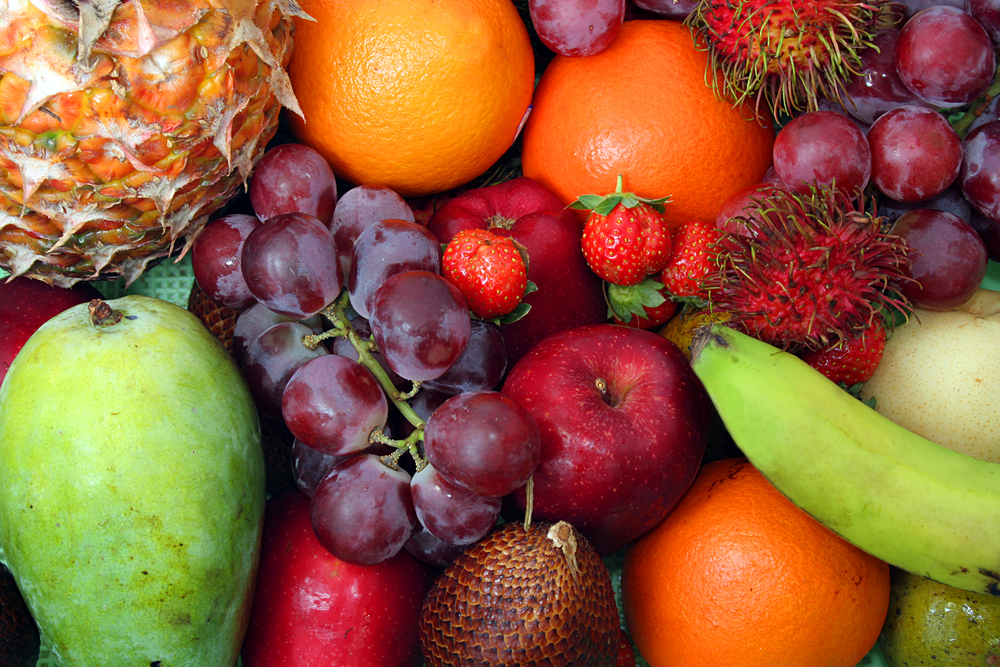
Fresh fruits are among the most commonly seized foods at Canadian customs. Mangoes, oranges, guavas, and bananas are often affected by pests or plant diseases. Even one piece in a carry-on can be confiscated. Many travelers assume store-bought fruit is acceptable. It usually is not. Canada restricts imports of fresh produce from most countries unless specific permits are in place. The risk lies in insects and larvae that can damage local crops. Declaring fruit does not make it allowed. Customs officers routinely check bags from warm destinations. Travelers frequently lose fruit intended as gifts or snacks after long flights home.
Homemade Pickles and Preserved Vegetables
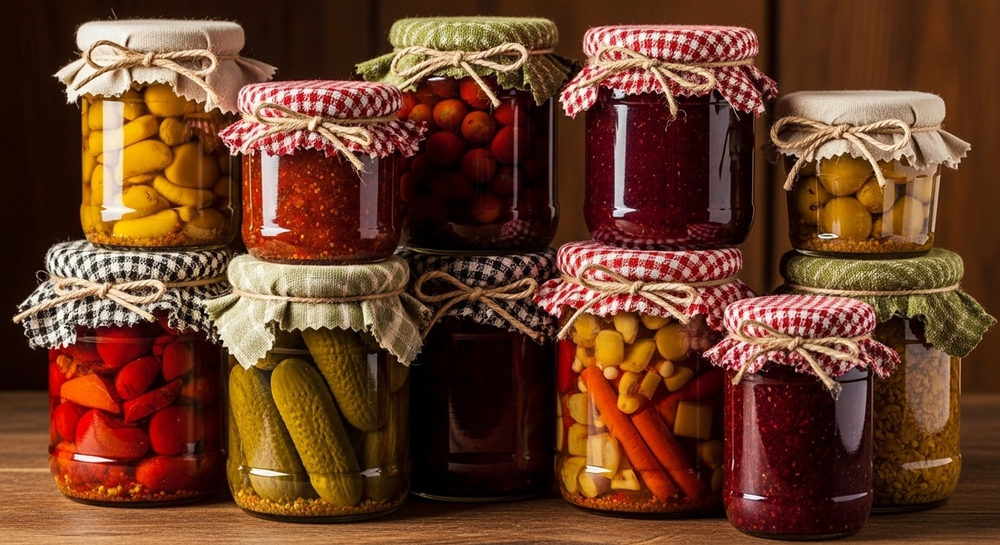
Homemade pickles are a frequent problem at Canadian borders. They lack commercial labeling, ingredient lists, and safety verification. Customs cannot confirm how they were prepared or stored. Even sealed jars can be seized. Oil-packed vegetables raise extra concern due to spoilage risks. Many travelers bring them as family gifts. Canada treats homemade preserved foods as high risk. Fermentation methods vary widely across cultures. Without standardized processing, bacterial growth cannot be ruled out. Declaring them does not guarantee approval. Officers often confiscate jars immediately. The rules apply regardless of quantity. One small jar can still be taken without exception.
Fresh Meat and Meat Products
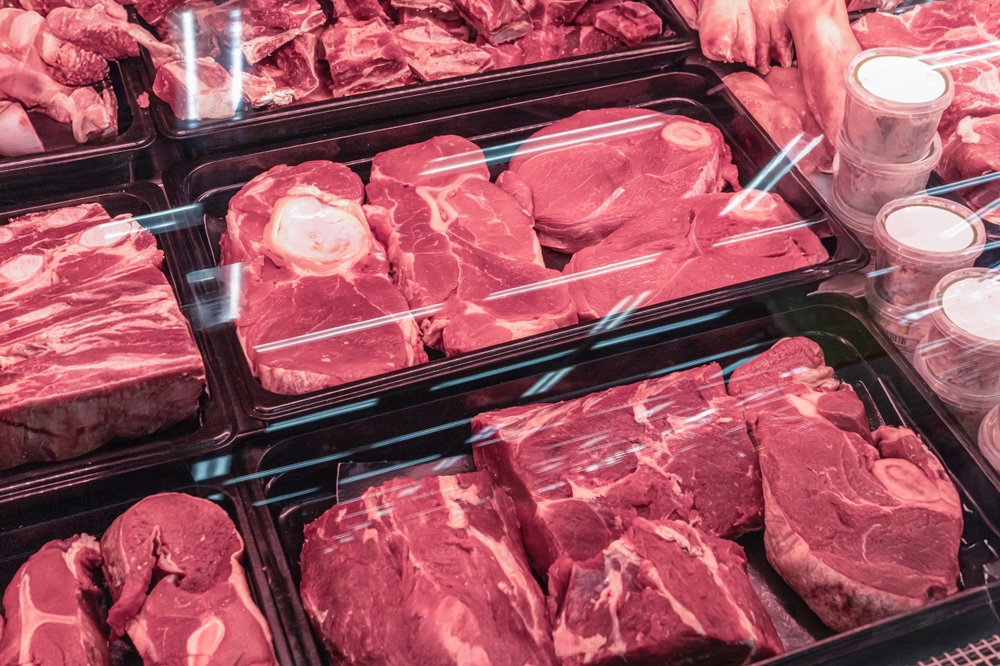
Fresh meat is almost always prohibited from entering Canada. This includes raw cuts, sausages, cured meats, and vacuum-sealed products. Travelers often assume cured meat is safe. It usually is not. Meat can carry animal diseases that threaten livestock. African swine fever has led to stricter enforcement in recent years. Even small amounts can be seized. Products bought at airports abroad are not exempt. Customs officers check for pork, beef, lamb, and goat. Many items are detected by scanners or dogs. Declaring meat may reduce penalties, but the product itself is rarely allowed through inspection.
Dried Meat and Jerky
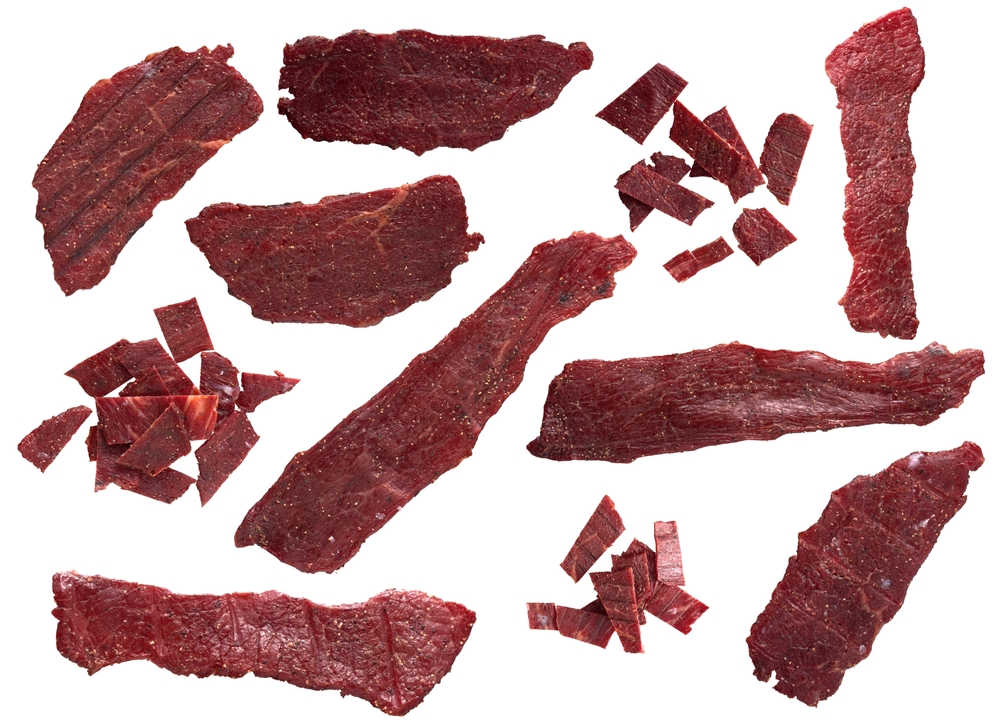
Dried meat feels travel-friendly, but it is commonly confiscated. Jerky made from beef, pork, or exotic animals is restricted. Drying does not remove disease risk. Packaging often lacks Canadian-approved inspection marks. Homemade jerky is almost always seized. Some commercially packaged jerky may be allowed from specific countries, but rules change often. Travelers rarely check current regulations. Customs officers treat all meat products cautiously. Even snacks labeled as souvenirs can be taken. Declaring jerky does not guarantee approval. Many Canadians lose jerky purchased abroad, thinking it qualifies as shelf-stable food.
Cheese Made From Unpasteurized Milk
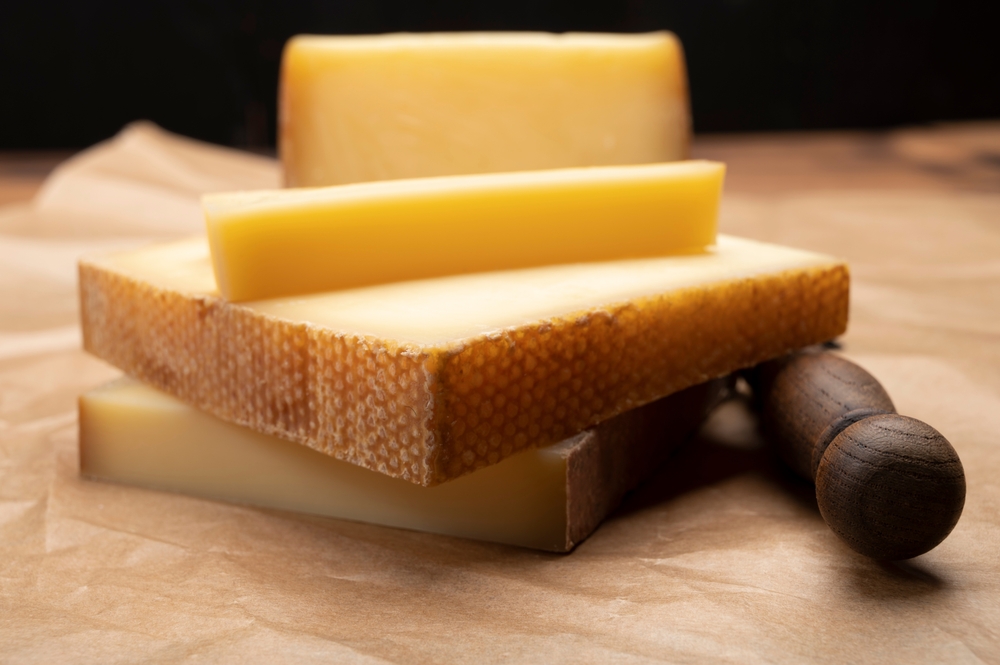
Unpasteurized cheese is heavily regulated in Canada. Many European cheeses fall into this category. Soft cheeses raise the greatest concern. They can carry harmful bacteria like Listeria. Even vacuum-sealed packaging does not guarantee entry. Travelers often assume cheese is safe because it is solid. Customs rules depend on milk treatment and aging period. Labeling must clearly state pasteurization details. Homemade cheese is not allowed. Officers may seize cheese without opening it. Declaring does not override safety rules. Cheese purchased legally abroad may still be illegal to import into Canada.
Milk And Dairy Drinks
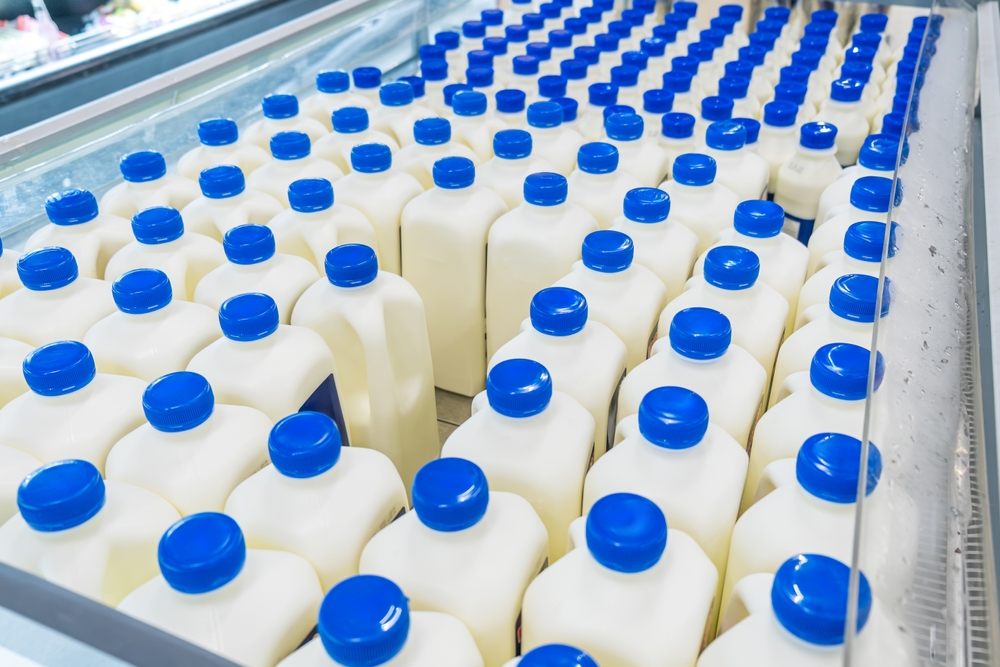
Milk-based drinks are commonly seized at airports. This includes flavored milk, yogurt drinks, and powdered milk mixes. Liquid dairy is especially restricted. Even small sealed cartons may be confiscated. Dairy can carry animal diseases and bacteria. Powdered forms are sometimes allowed, but rules vary by origin. Travelers often overlook dairy hidden in snack kits. Customs officers check ingredient lists carefully. Declaring dairy does not guarantee entry. Many travelers are surprised when protein drinks or baby milk products are taken. These rules apply regardless of brand, packaging, or whether the item was bought duty-free.
Fresh Herbs and Leaves
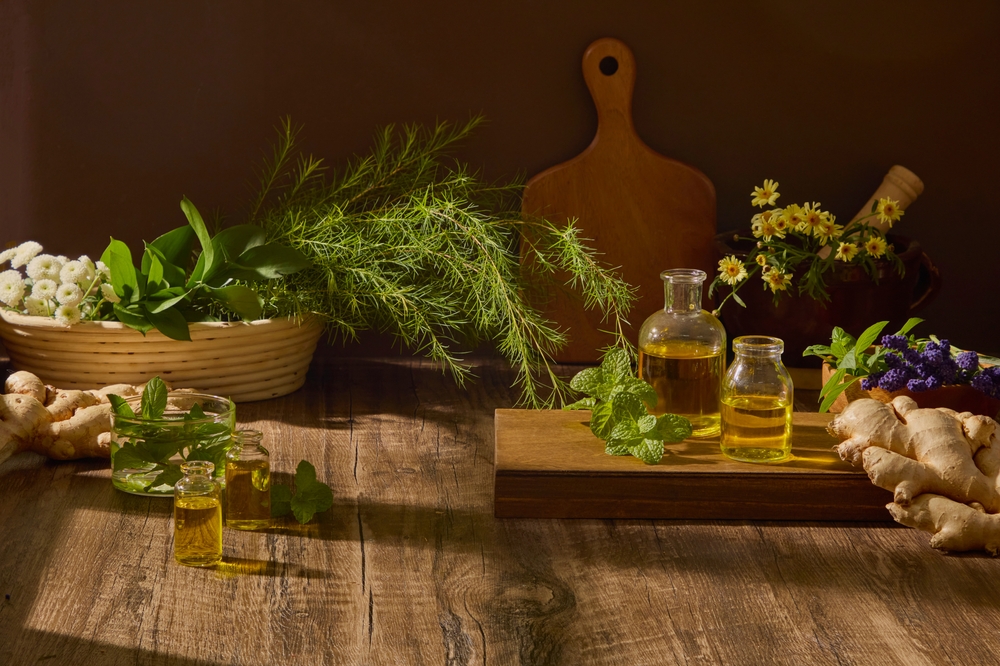
Fresh herbs are regularly seized at Canadian customs. Curry leaves, basil, mint, and coriander are common examples. Leaves can carry pests and fungal diseases. Even small bundles wrapped carefully are not allowed. Many travelers bring herbs for cooking traditional meals. Canada restricts fresh plant material from most regions. Dried herbs are usually safer, but freshness changes classification. Declaring herbs does not make them acceptable. Officers often confiscate them immediately. Herbs packed inside luggage or food containers are still detected. Travelers often underestimate how strictly plant imports are enforced at airports across the country.
Seeds And Raw Grains
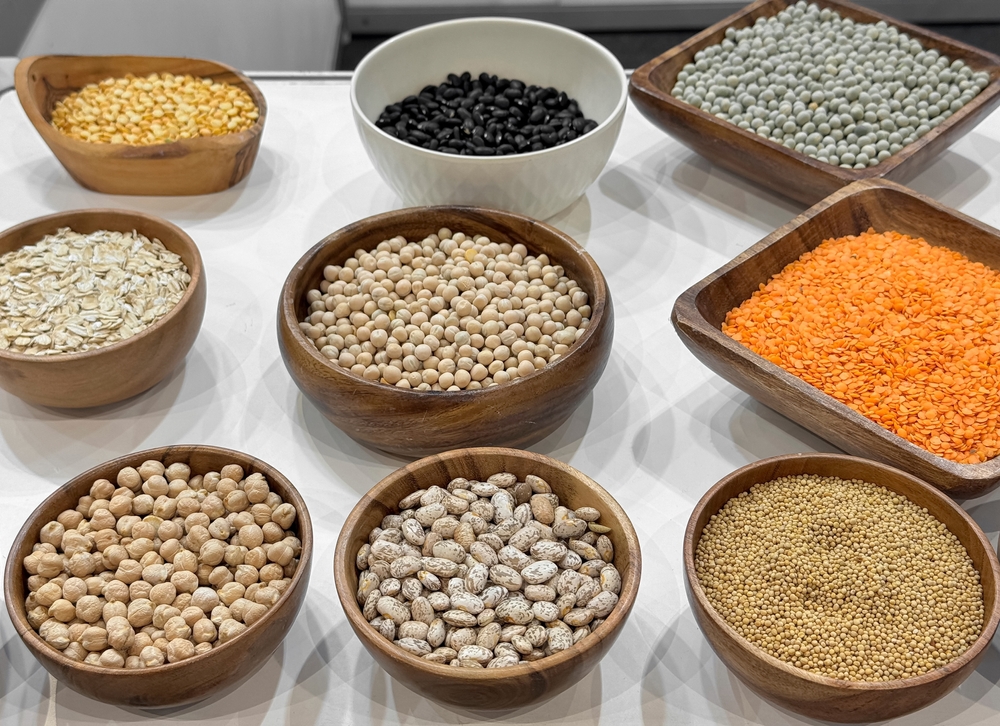
Seeds are tightly controlled due to agricultural risk. Raw rice, lentils, beans, and planting seeds are often seized. Even food seeds intended for cooking can be problematic. Canada wants to prevent invasive plants and crop diseases. Labeling rarely meets import requirements. Homemade packaging raises suspicion. Declaring seeds may prevent fines, but the items are often taken. Travelers frequently carry seeds for religious or cultural reasons. Customs officers treat all seeds cautiously. Even small quantities can be confiscated. Grinding or processing changes the classification. Whole seeds almost always face scrutiny and are commonly removed during inspection.
Fresh Fish And Seafood
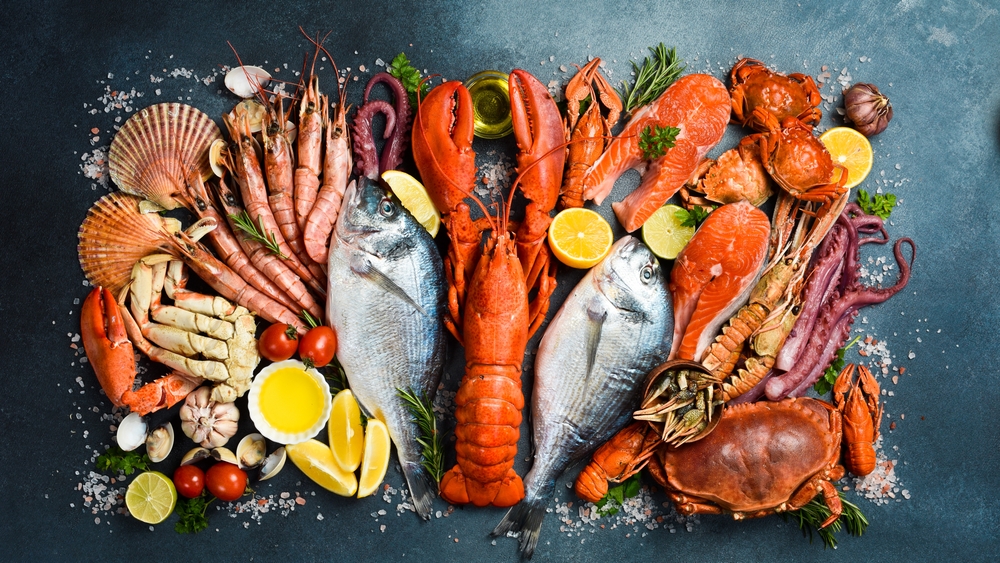
Fresh fish is commonly restricted at Canadian borders. Raw seafood can carry parasites and spoil quickly. Even chilled or vacuum-sealed fish may be seized. Rules depend on species, origin, and preparation. Travelers often assume seafood bought frozen is allowed. That assumption is risky. Customs officers check the temperature and packaging. Shellfish raises additional concerns. Homemade preparation is not permitted. Declaring seafood does not ensure approval. Many travelers lose fish brought from coastal destinations. Smell often triggers inspections. Canada prioritizes food safety and marine protection when enforcing seafood import rules at airports.
Eggs And Egg Products
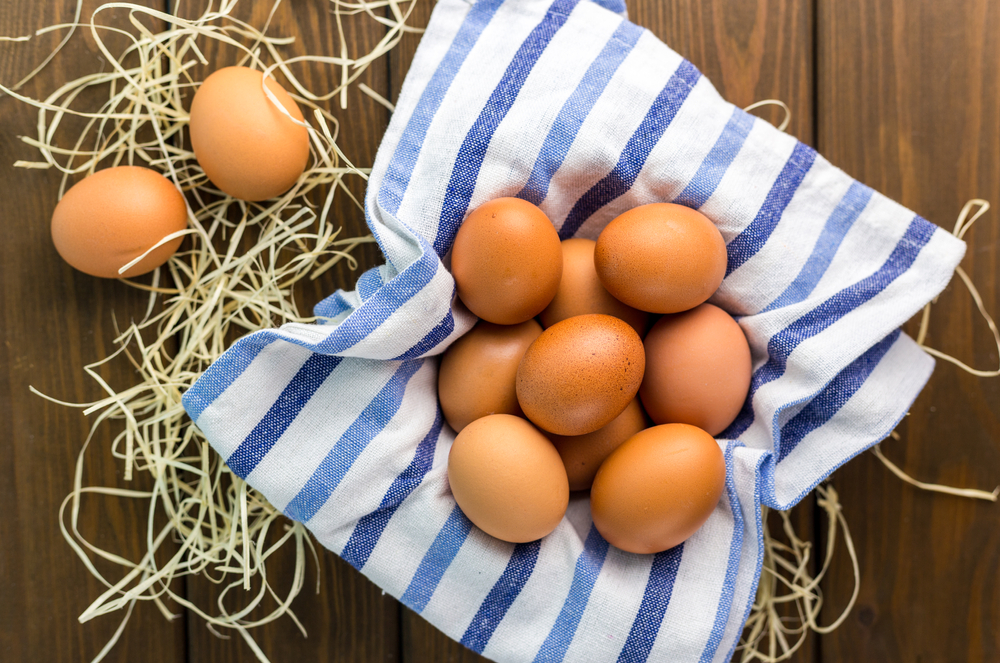
Eggs are frequently confiscated at customs. This includes raw eggs, boiled eggs, and egg-based snacks. Eggs can transmit avian diseases. Canada restricts its imports strictly. Travelers often carry boiled eggs for convenience. Even one egg can be seized. Powdered eggs may be allowed depending on origin and labeling. Homemade egg dishes are not permitted. Declaring eggs does not guarantee entry. Officers treat eggs seriously due to the poultry industry’s protection. Items like pastries containing eggs may pass, but visible eggs usually do not. Many travelers are surprised by how strictly egg rules are enforced.
Fresh Bread with Fillings
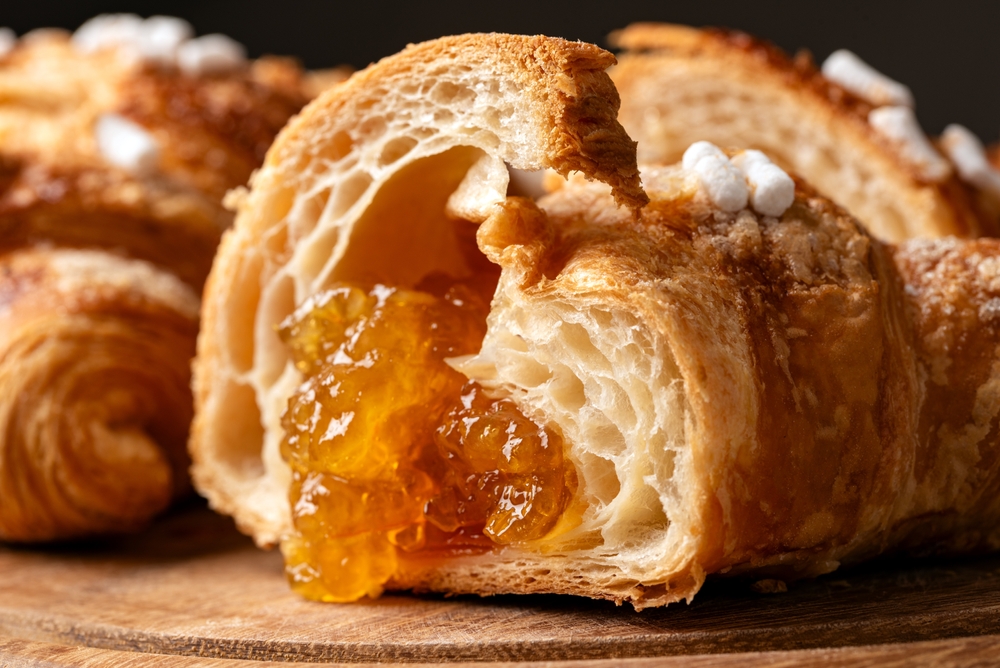
Plain bread usually passes customs. Bread with fillings often does not. Meat, cheese, or vegetable fillings trigger restrictions. Sandwiches are commonly seized. Travelers pack them for flights without realizing the risk. Customs officers inspect food items closely. Fillings can carry animal or plant risks. Homemade preparation raises concerns. Declaring a sandwich does not change the outcome. Even partially eaten food can be confiscated. The rule applies regardless of origin. Simple baked goods without fillings are safer. Stuffed breads are one of the most common items taken from carry-ons during inspection.
Traditional Sweets with Dairy or Nuts
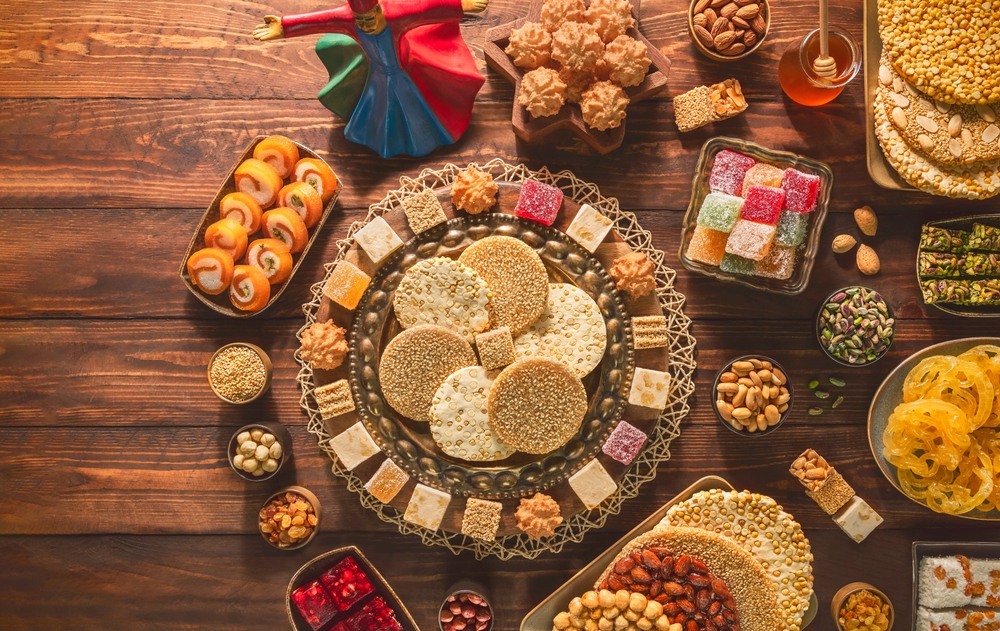
Traditional sweets are frequently seized due to their ingredients. Milk solids, cream, and fresh nuts raise red flags. Labeling is often unclear or absent. Homemade sweets cannot be verified for safety. Even boxed sweets may lack the required details. Customs officers check ingredient lists carefully. Declaring sweets does not guarantee approval. Nuts can carry pests. Dairy ingredients increase spoilage risk. Many travelers bring sweets as gifts. They are often disappointed at inspections. Dry candy without animal products is safer. Rich desserts made abroad frequently end up confiscated despite being legal for sale where purchased.
Spices Mixed with Raw Ingredients
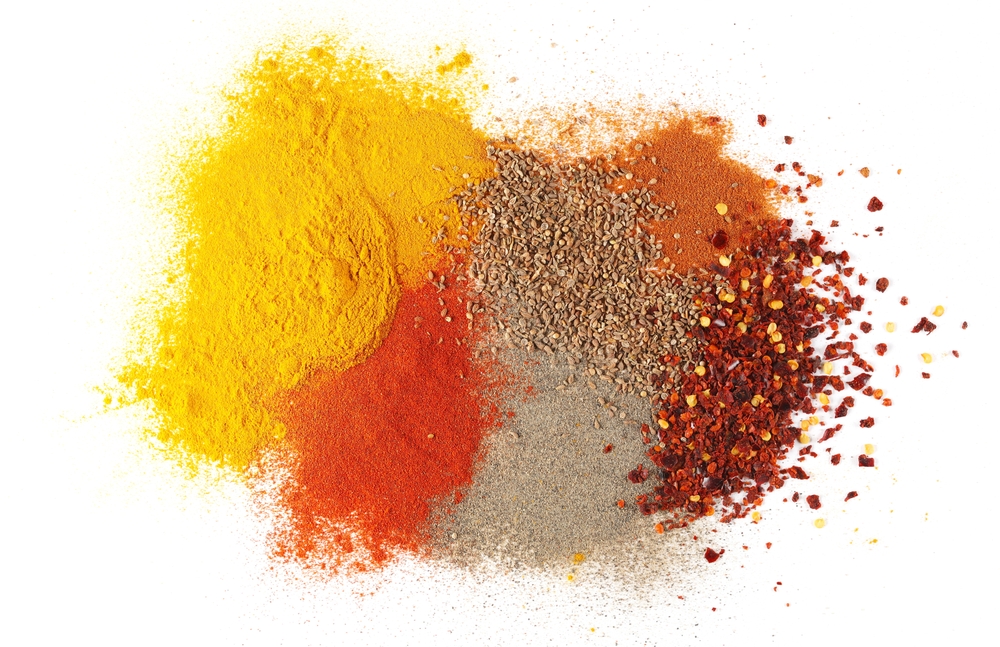
Pure dried spices usually pass customs. Mixed spice blends can be seized. Additions like seeds, dried leaves, or animal products cause issues. Homemade spice mixes lack labeling. Customs officers cannot verify the contents easily. Some spices are restricted in certain regions. Declaring spice blends does not always help. Even small packets can be confiscated. Travelers often assume spices are harmless. Canada treats agricultural material carefully. Grinding spices fully reduces risk. Whole components raise concern. Many travelers lose carefully packed spice blends during inspection because one ingredient violates import rules.
Fresh Coconut and Coconut Products
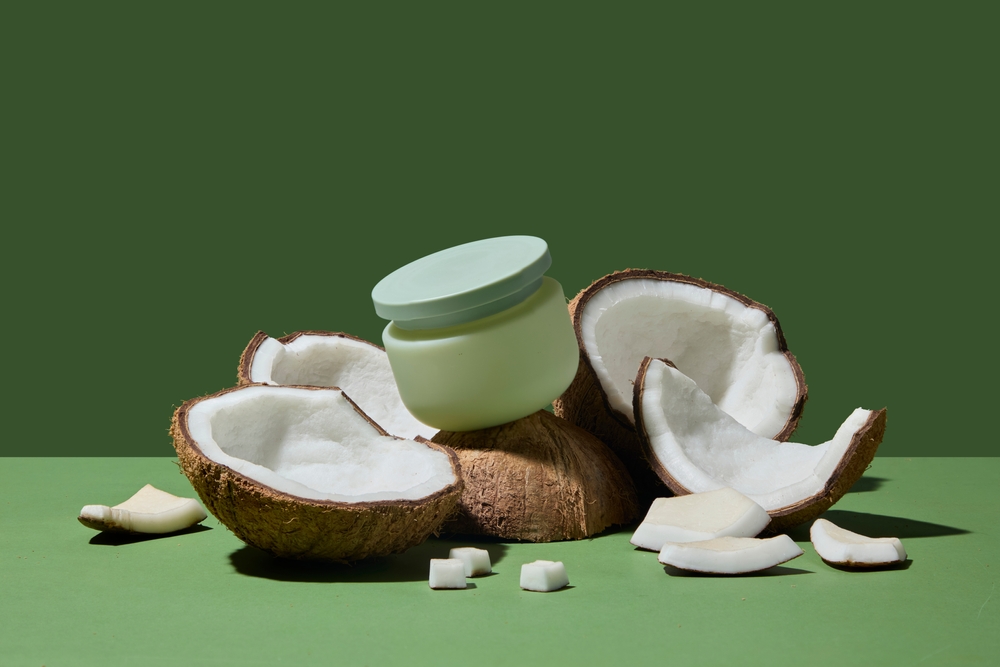
Fresh coconut is commonly seized at Canadian airports. Whole coconuts can carry pests inside their husks. Even partially processed coconut may be restricted. Coconut water in natural shells is not allowed. Packaged coconut products may pass depending on processing. Homemade coconut sweets face scrutiny. Declaring fresh coconut does not make it acceptable. Officers treat it as fresh produce. Dried coconut is usually safer. Many travelers bring coconuts for religious purposes. Customs rules still apply. Canada restricts untreated plant material strongly. Fresh coconuts are often confiscated despite being common at many travel destinations.
Baby Food with Meat or Dairy
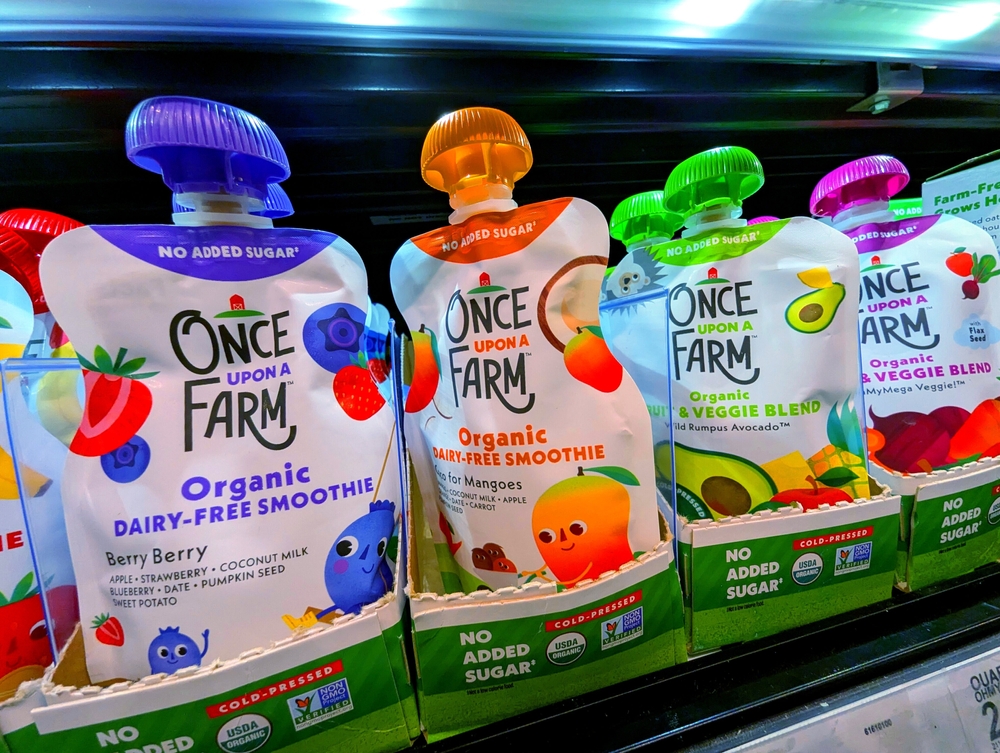
Baby food receives special attention at customs. Products containing meat or dairy are restricted. Even sealed jars may be seized. Rules depend on ingredients and origin. Travelers often assume baby food is automatically allowed. That is not always true. Homemade baby food is not permitted. Declaring it does not guarantee approval. Officers prioritize disease prevention. Plant-based baby food has fewer issues. Meat-based formulas face stricter control. Parents are often surprised during inspections. Canada allows limited exemptions, but they are narrow. Many baby food items are still removed during routine checks.
Street Food and Ready Meals
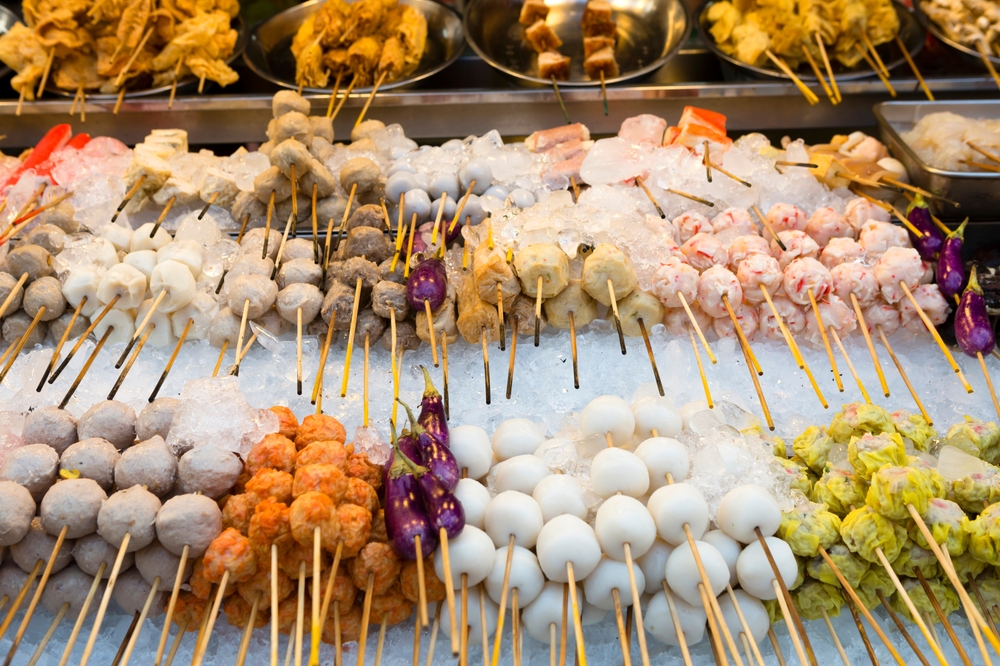
Street food is almost always seized at customs. It lacks labeling and safety verification. Even well-packed meals are not allowed. Rice dishes, curries, and noodles are common examples. Canada does not permit homemade ready meals. Declaring them does not help. Officers cannot assess storage conditions. Food safety risks are high. Many travelers pack leftovers for long flights. These items are routinely confiscated. Smell often triggers bag checks. Customs rules are strict regardless of cultural value. Ready meals prepared abroad rarely pass inspection. Travelers should avoid carrying cooked food entirely.
Fresh Nuts Still in Shell
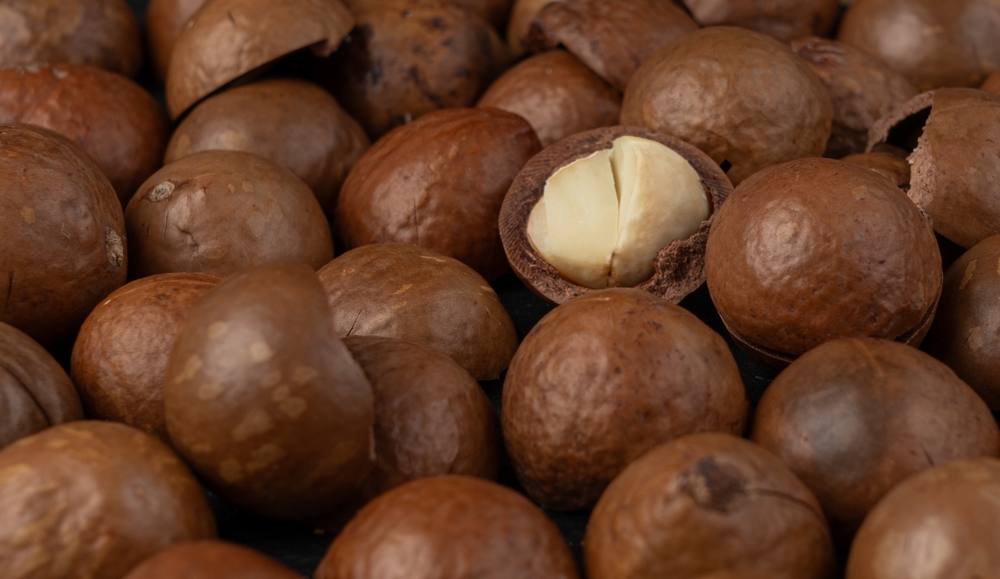
Nuts in shells are commonly seized. They can carry insects and plant diseases. Even roasted nuts may be restricted if shells remain. Canada treats them as agricultural products. Packaging often lacks the required certification. Declaring does not guarantee approval. Shelled nuts are safer than whole ones. Homemade packaging raises concern. Travelers often bring nuts as snacks or gifts. Customs officers inspect them carefully. Small quantities still matter. Grinding or processing reduces risk. Whole nuts with shells are frequently confiscated. Many travelers are surprised when they see nuts appear dry and harmless, yet they remain regulated.
Herbal Teas with Leaves or Roots
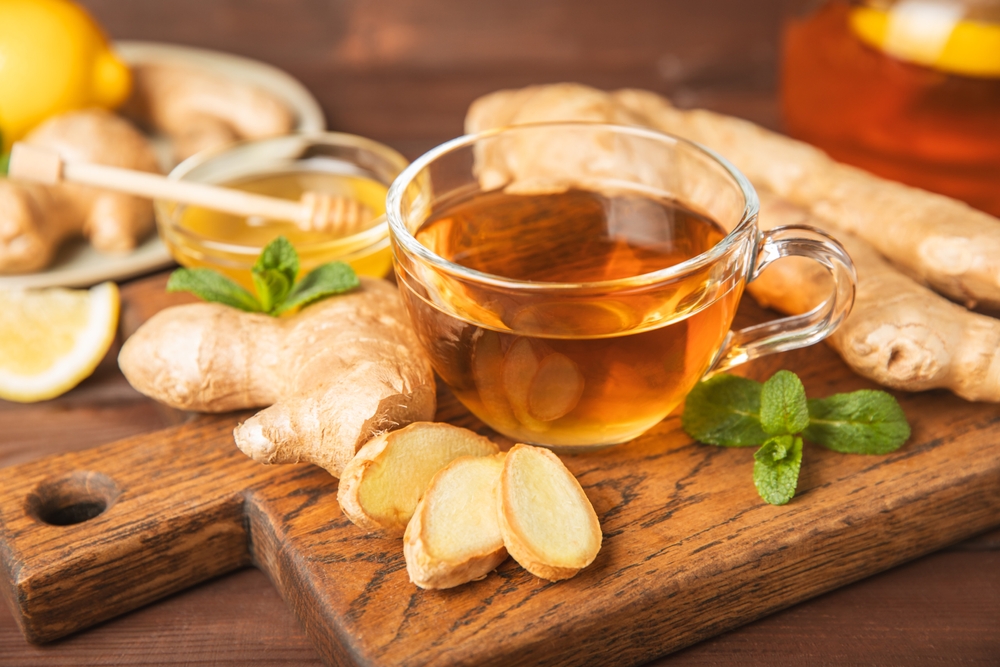
Herbal teas are often seized when ingredients are visible. Whole leaves, roots, or flowers raise concern. Customs officers cannot readily verify plant species. Some plants are restricted or protected. Labeling matters greatly. Loose tea blends without clear information are risky. Declaring them does not ensure entry. Tea bags with processed contents are safer. Homemade herbal mixes are commonly confiscated. Travelers often assume tea is fine. Canada treats plant imports cautiously. Even medicinal teas face scrutiny. Many herbal products are removed during inspections due to uncertainty about their origin and safety.
Fresh Honey and Bee Products
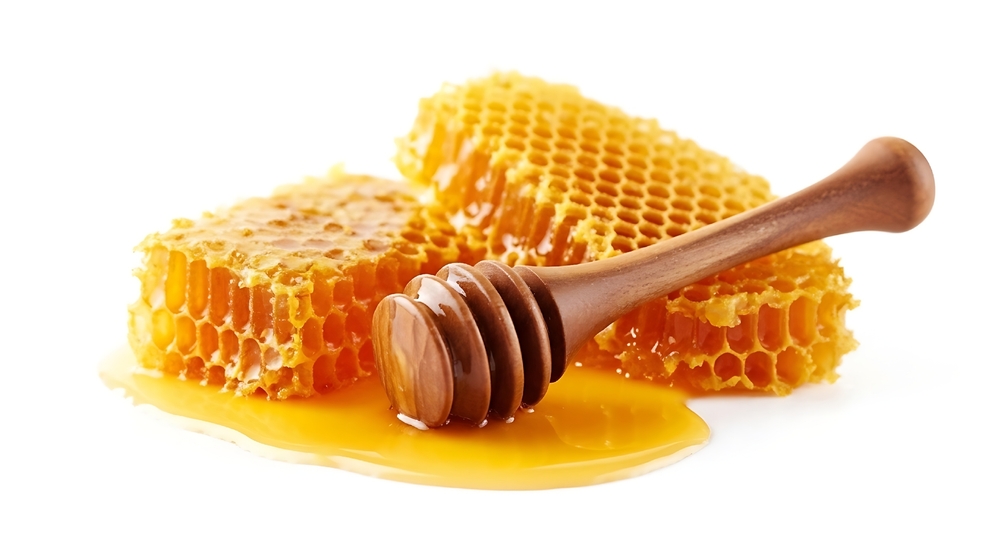
Fresh honey can be seized depending on the origin. Bee products may carry diseases harmful to local bees. Raw honey is more restricted than processed varieties. Labeling must clearly show the treatment and origin. Homemade honey is not allowed. Declaring honey does not guarantee approval. Small jars are still inspected. Customs officers take pollinator health seriously. Some commercial honey is permitted under conditions. Travelers often bring honey as gifts. Many lose it at inspection. Bee pollen and comb honey face stricter control. Canada regulates bee products to protect agriculture and ecosystems nationwide.
Exotic Animal-Based Foods
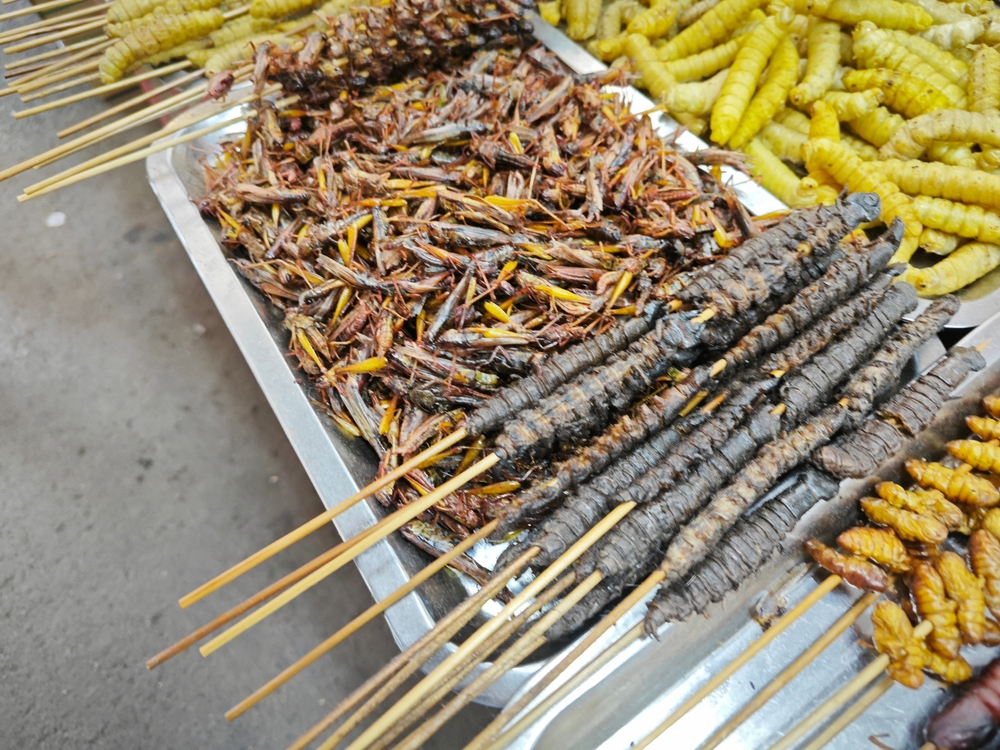
Food made from exotic animals is strictly restricted. This includes reptile, wild bird, or game products. Even dried or cooked forms can be seized. Canada enforces wildlife protection laws strictly. Packaging does not override restrictions. Declaring such items does not make them legal. Some products violate international agreements. Customs officers take these cases seriously. Travelers sometimes buy these foods as curiosities. They are often confiscated immediately. Penalties may apply. Canada aims to prevent illegal wildlife trade. Foods containing protected species rarely pass customs inspection.
22 Groceries to Grab Now—Before another Price Shock Hits Canada

Food prices in Canada have been steadily climbing, and another spike could make your grocery bill feel like a mortgage payment. According to Statistics Canada, food inflation remains about 3.7% higher than last year, with essentials like bread, dairy, and fresh produce leading the surge. Some items are expected to rise even further due to transportation costs, droughts, and import tariffs. Here are 22 groceries to grab now before another price shock hits Canada.
22 Groceries to Grab Now—Before another Price Shock Hits Canada
This Options Discord Chat is The Real Deal
While the internet is scoured with trading chat rooms, many of which even charge upwards of thousands of dollars to join, this smaller options trading discord chatroom is the real deal and actually providing valuable trade setups, education, and community without the noise and spam of the larger more expensive rooms. With a incredibly low-cost monthly fee, Options Trading Club (click here to see their reviews) requires an application to join ensuring that every member is dedicated and serious about taking their trading to the next level. If you are looking for a change in your trading strategies, then click here to apply for a membership.