
35,000+ smart investors are already getting financial news, market signals, and macro shifts in the economy that could impact their money next with our FREE weekly newsletter. Get ahead of what the crowd finds out too late. Click Here to Subscribe for FREE.
Condo fees look harmless when you are focused on purchase price and monthly mortgage payments. Many buyers treat them like a fixed utility cost. That mistake can get expensive. Condo fees can rise quickly, hide deeper building problems, or signal poor financial management. Some fees pay for real value. Others quietly drain your budget without warning. Understanding which fees deserve scrutiny can save years of frustration and surprise costs. Here are 14 condo fees that are red flags in Canada (before you buy).
Rapid Fee Increases Over Short Periods
14 Condo Fees That Are Red Flags in Canada (Before You Buy)
- Rapid Fee Increases Over Short Periods
- Extremely Low Fees Compared to Similar Buildings
- Separate Fees for Basic Utilities
- High Management Fees With Few Visible Services
- Frequent Special Assessments in the Past
- Large Reserve Fund Contributions With No Clear Plan
- Amenities Fees That Do Not Match Usage
- Insurance Related Fee Spikes
- Separate Parking or Locker Maintenance Fees
- Cleaning and Security Costs That Keep Rising
- Fees Covering Ongoing Legal Expenses
- High Fees With Deferred Maintenance Evidence
- Fee Structures That Change Frequently
- Fees That Exceed Rent for Comparable Units
- 22 Groceries to Grab Now—Before another Price Shock Hits Canada

A condo fee that rises sharply every year is a warning sign. Inflation explains small increases, not dramatic jumps. Large increases often signal deferred maintenance catching up fast. They may also point to poor budgeting by the condo board. Review the past five years of fee changes carefully. Patterns matter more than one spike. Frequent increases suggest future instability. Owners may already be struggling to keep up. That stress often leads to special assessments later. Ask why the increases happened and what was fixed. Vague answers are concerning. Predictable, gradual increases are healthier than sudden, painful ones.
Extremely Low Fees Compared to Similar Buildings

Very low condo fees can feel like a win, but they often hide problems. Buildings still need maintenance, insurance, and repairs. If fees are unusually low, something is being skipped. Deferred maintenance eventually becomes expensive emergencies. Roofs, elevators, and plumbing do not fix themselves. Low fees may also mean an underfunded reserve fund. That increases the risk for future owners. Compare fees with similar buildings nearby. If the difference is large, ask questions. Cheap now can mean costly later. Healthy buildings balance affordability with realistic long-term planning.
Separate Fees for Basic Utilities

Some condos charge extra fees for water, heat, or electricity. That is not always bad, but it needs scrutiny. Multiple separate charges complicate budgeting. They also make true monthly costs harder to compare. In older buildings, these fees often reflect outdated systems. Poor insulation or inefficient boilers can raise costs quickly. Ask for average monthly totals, not just base fees. Listings often understate real expenses. If utility costs fluctuate widely, budgeting becomes stressful. Transparency matters. Predictable bundled costs are usually easier to manage than fragmented billing structures.
High Management Fees With Few Visible Services

Condo management costs money, but the value should be clear. High management fees without visible service are concerning. Look for delayed repairs, poor communication, or unresponsive managers. These issues suggest inefficiency rather than quality. Ask what services are included in management costs. Compare that list with actual performance. A well-managed building shows organization, timely maintenance, and clear financial reporting. High fees should bring peace of mind, not frustration. If residents complain often, listen carefully. Management problems tend to worsen, not improve, without major changes.
Frequent Special Assessments in the Past

Special assessments happen, but frequent ones signal deeper trouble. They usually mean poor planning or ignored maintenance. Review meeting minutes and financial records carefully. Look for patterns rather than one event. Multiple assessments within a few years suggest unstable finances. That risk transfers directly to you. Assessments can cost thousands unexpectedly. Sellers may downplay this history. Do not rely on verbal reassurance. Written records matter. Buildings with strong reserve funds use them properly. Frequent assessments mean the reserve fund was likely insufficient or mismanaged.
Large Reserve Fund Contributions With No Clear Plan

High reserve fund contributions can be reasonable, but context matters. If fees are high without clear explanations, be cautious. Ask what projects the reserve fund supports. Long-term plans should be documented clearly. Vague references to future repairs are not enough. A good building explains timelines and priorities. Large contributions without transparency may cover past neglect. That burden falls on current owners unfairly. Review the reserve fund study carefully. It should feel logical, detailed, and realistic. Confusion or missing details suggest financial disorder behind the scenes.
Amenities Fees That Do Not Match Usage

Amenities sound appealing, but they come with costs. Pools, gyms, and concierge services are expensive to maintain. If you rarely use them, you still pay. High amenity fees become red flags when usage is low. Empty gyms still need cleaning, repairs, and staffing. Ask residents how often the amenities are used. Buildings sometimes add features without long-term planning. Over time, these costs rise faster than value. Paying for unused services strains budgets quietly. Practical amenities tend to age better than flashy features.
Insurance Related Fee Spikes

Insurance costs have risen across Canada, but spikes deserve attention. Sudden increases in insurance premiums may indicate frequent claims. That may indicate construction issues or poor maintenance. Water damage claims are especially common warning signs. Ask about recent insurance history. Repeated claims increase premiums long-term. That cost passes directly to owners. Buildings with chronic issues face ongoing increases. Good maintenance reduces insurance risk. If fees increase due to insurance, expect further increases ahead. Stability matters more than short-term affordability when evaluating long-term ownership.
Separate Parking or Locker Maintenance Fees

Some condos charge separate fees for parking and storage areas. That can be reasonable, but watch the amounts. High maintenance costs for these spaces suggest structural or drainage issues. Underground garages are expensive to repair. Concrete work and waterproofing failures cost millions. Ask about recent garage repairs. Review engineering reports if available. Small add-on fees often grow quickly. Buyers forget to include them when budgeting. Over time, these extras add real strain. Transparency and moderation matter. Hidden complexity often brings future financial stress.
Cleaning and Security Costs That Keep Rising

Cleaning and security are ongoing expenses, but steady increases can signal inefficiency. Rising costs may reflect poor vendor contracts. They can also suggest higher vandalism or safety issues. Ask why costs increased. Better service should be visible. Hallways, common areas, and entrances reveal a lot. If cleanliness remains poor despite rising fees, something is wrong. Security costs rising without clear reasons deserve attention. Well-run buildings manage vendors carefully. Escalating service costs without results usually mean weak oversight from the condo board.
Fees Covering Ongoing Legal Expenses

Legal fees within condo budgets are serious red flags. Ongoing disputes cost everyone money. These disputes may involve developers, contractors, or residents. Frequent legal spending suggests governance issues. Review meeting minutes for lawsuit references. Ask what issues are unresolved. Legal problems can last years. They drain reserve funds and raise fees. Even worse, they complicate resale. Buyers hesitate when litigation exists. Stable buildings avoid frequent legal action. Occasional legal costs happen. Regular ones indicate deeper conflicts that owners indirectly fund.
High Fees With Deferred Maintenance Evidence
High fees should result in well-maintained buildings. When they do not, worry. Look for cracked concrete, worn carpets, and outdated systems. These signs show money is not being used effectively. Deferred maintenance increases future costs sharply. Ask when major systems were last upgraded. Elevators, roofs, and plumbing have predictable lifespans. If upgrades are overdue, fees may rise further. Paying high fees without visible upkeep means mismanagement. Good buildings show where money goes. Poor ones collect fees while problems quietly grow.
Fee Structures That Change Frequently

Frequent changes to how fees are calculated are concerning. Stability matters for long-term planning. Constant restructuring creates confusion and mistrust. Ask why structures changed. Were previous models unsustainable? Frequent changes may hide budgeting mistakes. They can also unfairly shift costs among owners. Transparency is essential. Well-run condos rarely overhaul their fee structures. Predictability helps owners plan finances confidently. If explanations feel rushed or unclear, pause. Financial systems should feel boring and reliable. Complexity often signals unresolved issues beneath the surface.
Fees That Exceed Rent for Comparable Units
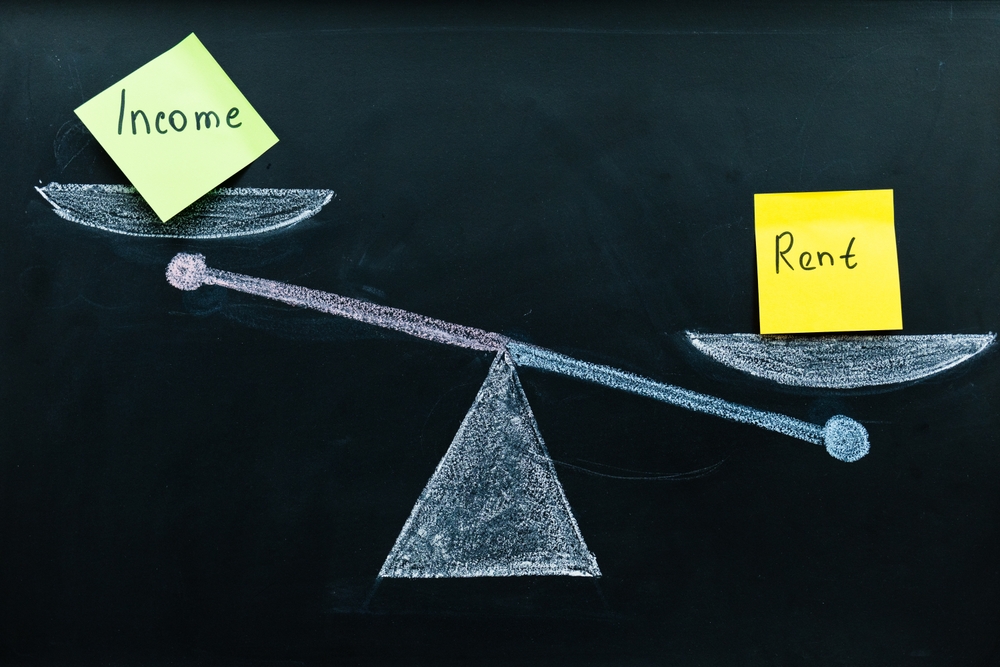
When condo fees approach local rent levels, reassess carefully. High fees limit resale appeal. Buyers compare total monthly costs, not just purchase price. If fees consume too much cash, ownership loses flexibility. Unexpected increases hurt affordability fast. High fees may reflect aging infrastructure or poor planning. Compare ownership costs with renting similar units. Sometimes renting is financially safer. Ownership should build stability, not stress. Excessive fees reduce that benefit. Long-term value depends on balanced costs, not just square footage or location appeal.
22 Groceries to Grab Now—Before another Price Shock Hits Canada

Food prices in Canada have been steadily climbing, and another spike could make your grocery bill feel like a mortgage payment. According to Statistics Canada, food inflation remains about 3.7% higher than last year, with essentials like bread, dairy, and fresh produce leading the surge. Some items are expected to rise even further due to transportation costs, droughts, and import tariffs. Here are 22 groceries to grab now before another price shock hits Canada.
22 Groceries to Grab Now—Before another Price Shock Hits Canada
This Options Discord Chat is The Real Deal
While the internet is scoured with trading chat rooms, many of which even charge upwards of thousands of dollars to join, this smaller options trading discord chatroom is the real deal and actually providing valuable trade setups, education, and community without the noise and spam of the larger more expensive rooms. With a incredibly low-cost monthly fee, Options Trading Club (click here to see their reviews) requires an application to join ensuring that every member is dedicated and serious about taking their trading to the next level. If you are looking for a change in your trading strategies, then click here to apply for a membership.