
35,000+ smart investors are already getting financial news, market signals, and macro shifts in the economy that could impact their money next with our FREE weekly newsletter. Get ahead of what the crowd finds out too late. Click Here to Subscribe for FREE.
Many homeowners renovate, believing upgrades always raise resale value. That assumption often leads to expensive disappointment. Canadian buyers tend to value function, durability, and market norms over personal taste. Renovations that feel exciting during planning can fall flat during appraisal or listing. Some upgrades cost far more than they return. Others even narrow the buyer pool. Climate, maintenance costs, and regional preferences matter more than trends. Renovation regret often appears when selling, refinancing, or facing unexpected repairs. Here are 21 home renovations Canadians regret (because they don’t add value).
Luxury Bathroom Overhauls
21 Home Renovations Canadians Regret (Because They Don’t Add Value)
- Luxury Bathroom Overhauls
- Finished Basements Without Permits
- Overly Customized Kitchens
- Garage Conversions into Living Space
- Swimming Pools
- High-End Landscaping Projects
- Home Theatres
- Open Concept Conversions
- Luxury Flooring Choices
- Built-In Furniture
- Smart Home Overloads
- Converted Bedrooms From Dining Rooms
- Sunrooms Without Insulation
- Trend-Driven Exterior Changes
- Luxury Laundry Rooms
- Removing Bathtubs Entirely
- Wine Cellars
- Expensive Window Upgrades
- Decorative Ceiling Treatments
- Home Offices with Permanent Fixtures
- Luxury Additions in Modest Neighbourhoods
- 22 Groceries to Grab Now—Before another Price Shock Hits Canada
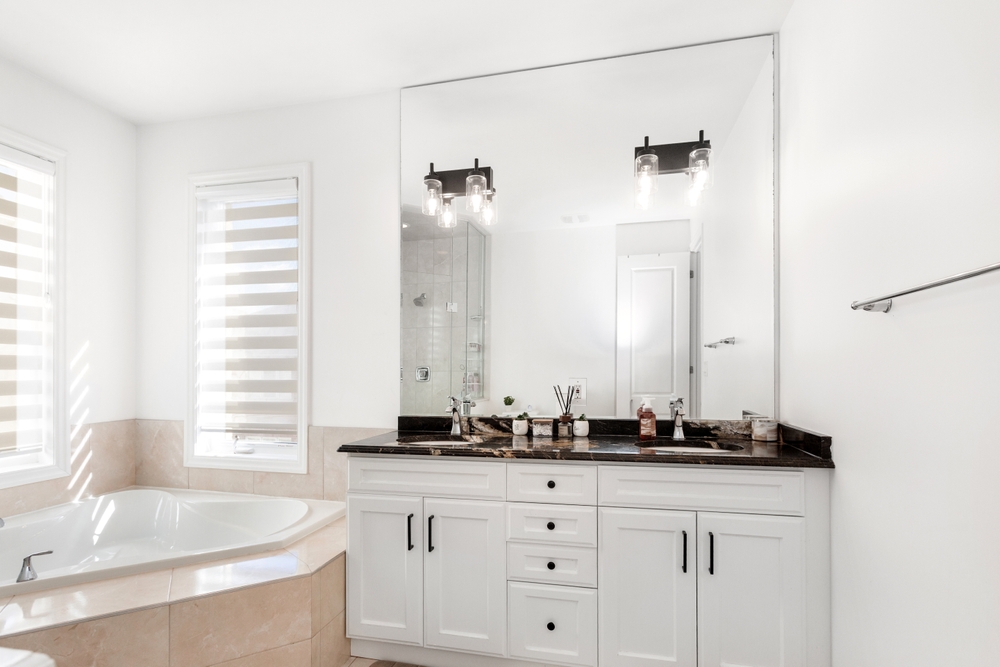
High-end bathrooms look impressive but rarely deliver proportional returns. Buyers appreciate clean, functional spaces over spa-level finishes. Heated floors, custom vanities, and designer fixtures raise costs quickly. Appraisals rarely credit those upgrades fully. Maintenance concerns also reduce appeal. Specialty tiles and imported fixtures increase replacement anxiety. Older buyers often prefer simplicity. Younger buyers focus on layout and storage. If the bathroom footprint stays unchanged, value gains stay limited. Mid-range updates usually perform better. Neutral finishes age more gracefully. Overspending here often leads to disappointment during resale negotiations.
Finished Basements Without Permits
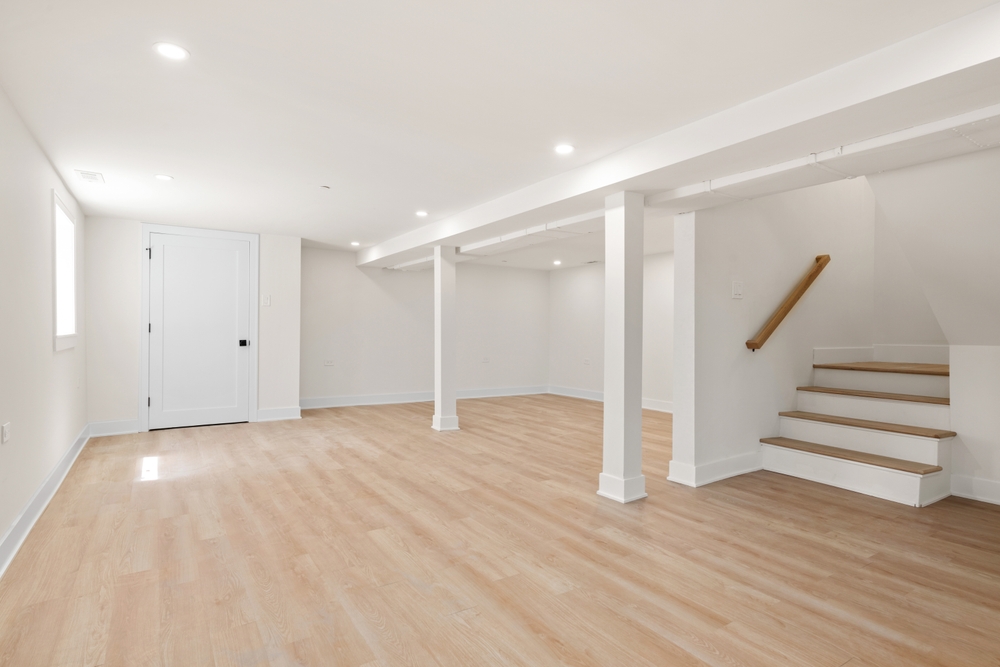
Finished basements add usable space, but unpermitted work scares buyers. Lenders and insurers often require proof of code compliance. Missing permits can delay sales or reduce offers. Buyers fear hidden electrical or moisture problems. Ceiling height issues further limit value. In many markets, unfinished basements offer flexibility. Buyers want to customize layouts themselves. Low natural light also reduces appeal. Without proper egress, bedrooms lack legal status. Appraisers discount unapproved spaces heavily. Permits cost less than the loss of value later.
Overly Customized Kitchens
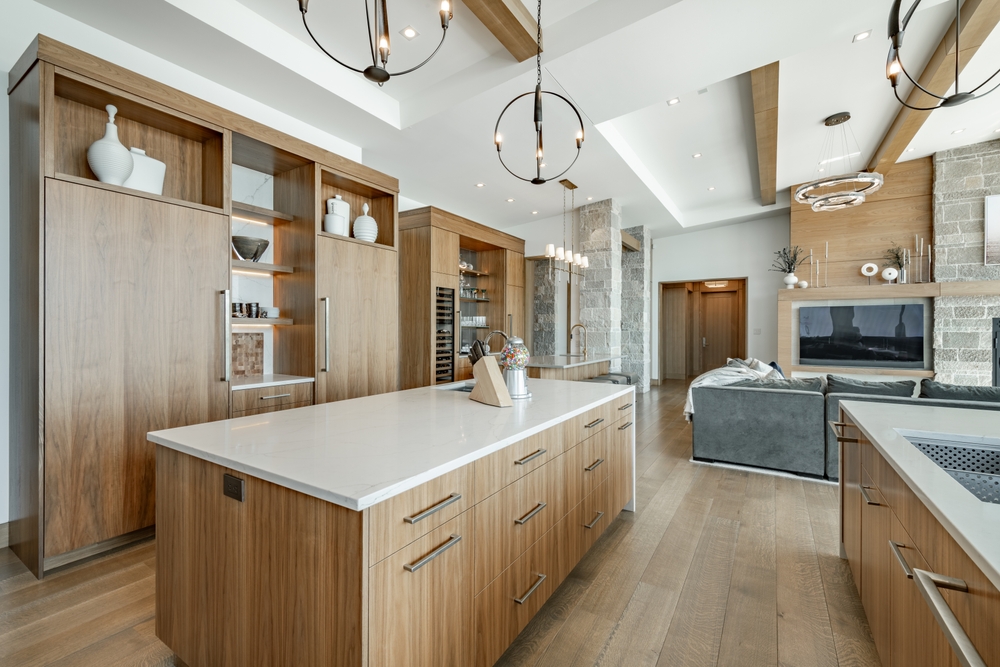
Kitchens sell homes, but personalization hurts resale. Bold cabinetry colors limit buyer appeal. Exotic stone countertops raise maintenance worries. Built-in appliances complicate replacement. Custom layouts reduce functionality for average families. Buyers prefer standard configurations. Storage matters more than style. Trendy backsplashes date quickly. Open shelving frustrates many buyers. High renovation costs rarely translate to higher offers. Neutral kitchens move faster. Function beats flair in most Canadian markets.
Garage Conversions into Living Space
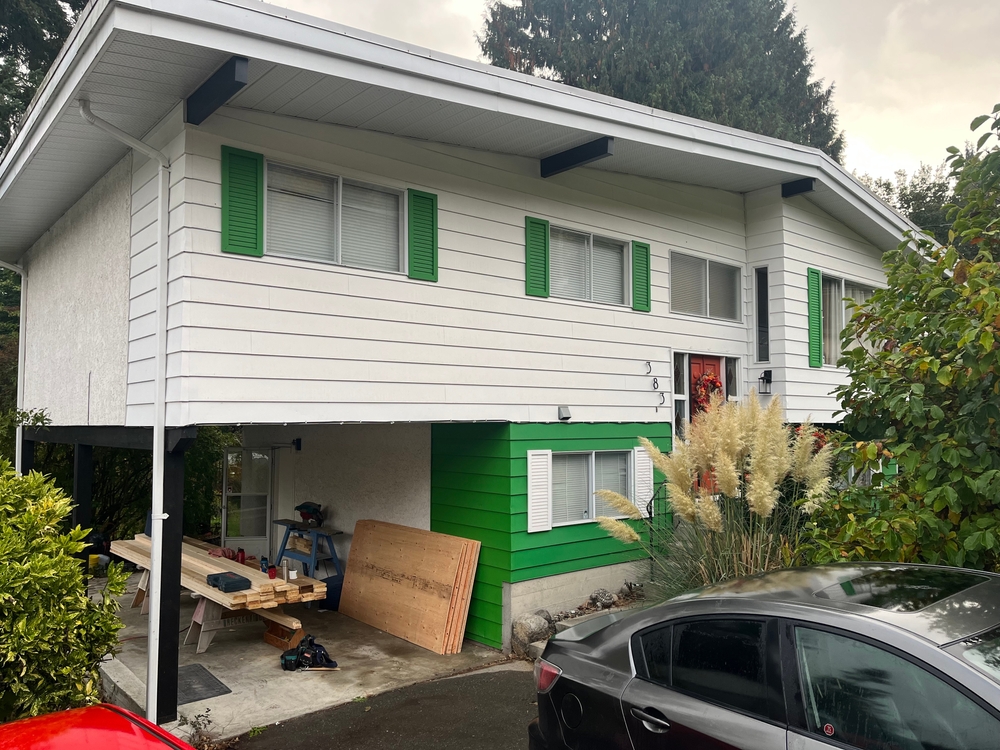
Garage conversions reduce parking options. Canadian winters make garages valuable. Buyers prioritize vehicle protection and storage. Converted garages often feel cold or disconnected. Insulation quality varies widely. Permits are often missing. Appraisers usually classify space differently. Parking shortages lower resale value. Families often need garages for gear storage. Conversions limit flexibility. Buyers prefer intact garages over extra interior space. This renovation often narrows the buyer pool.
Swimming Pools
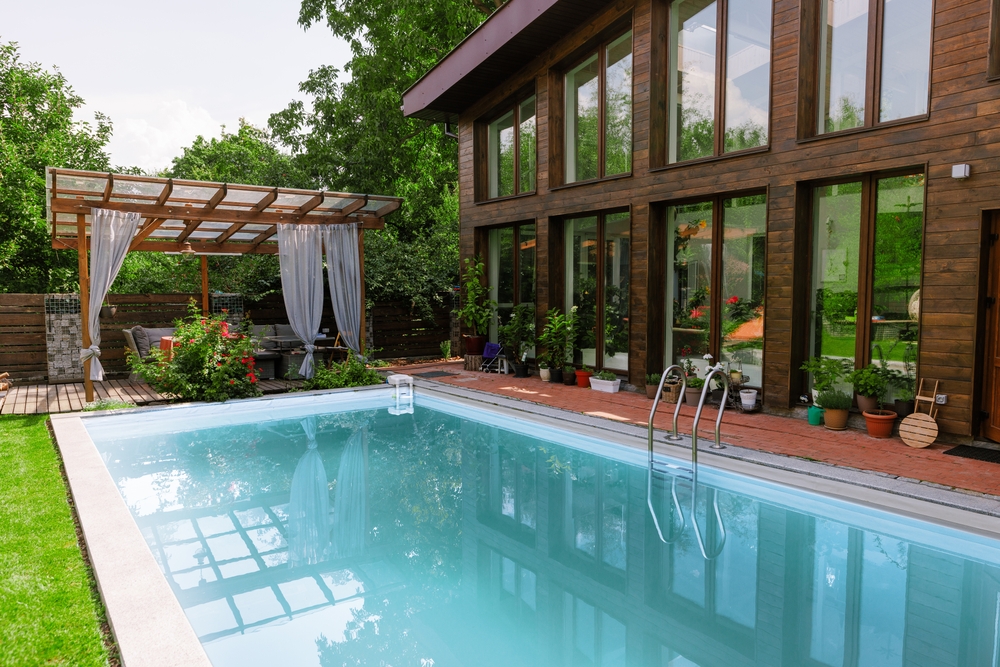
Pools cost a lot and scare many buyers. Short swimming seasons limit usage in Canada. Maintenance expenses add ongoing stress. Insurance premiums may increase. Families with young children worry about safety. Older buyers see pools as work. Removal costs also factor into offers. In many regions, pools reduce buyer interest. Yard space matters more. A well-kept lawn appeals to more buyers. Pools rarely recover installation costs during resale.
High-End Landscaping Projects

Elaborate landscaping looks stunning but ages quickly. Buyers calculate upkeep costs immediately. Complex designs require specialized maintenance. Water features raise repair concerns. Seasonal plants increase replacement expenses. Hardscaping can limit yard flexibility. Families often want simple lawns. Buyers imagine their own outdoor plans. Landscaping value depends heavily on condition. Poor upkeep reduces appeal fast. Simple, clean yards sell better across most regions.
Home Theatres
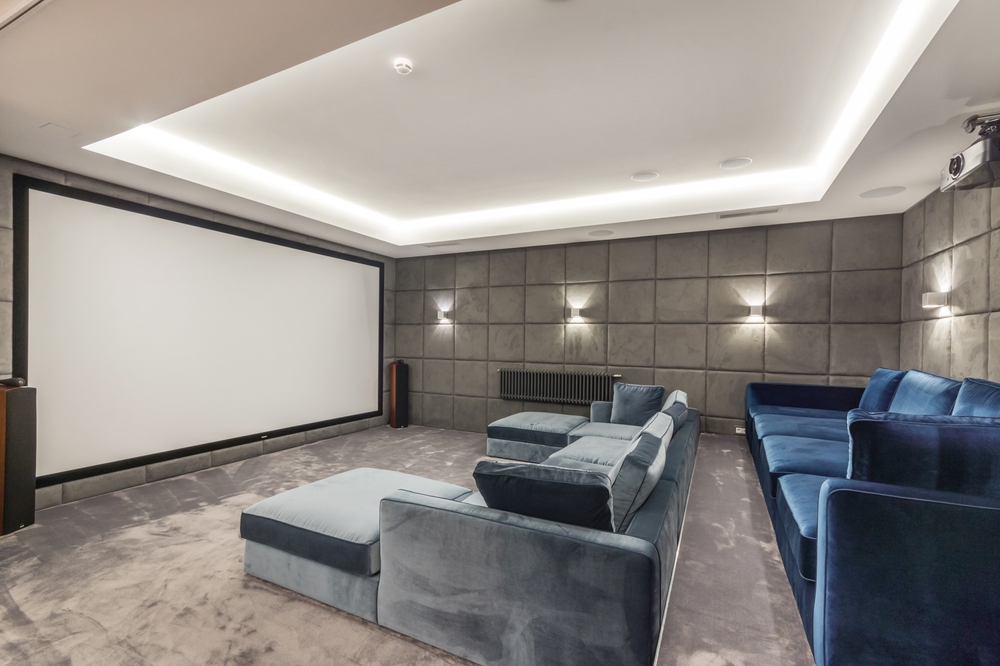
Dedicated home theatres often disappoint during resale. Buyers prefer flexible spaces that they can adapt. Technology changes quickly, making built-in systems feel outdated. Large screens and speaker wiring can intimidate non-technical buyers. Soundproofing reduces natural light and versatility. Theatre seating limits furniture options. Families may need playrooms or offices instead. Appraisers usually treat these rooms as standard finished space. The cost of installation is rarely reflected in offers. Many buyers factor removal expenses into pricing. A neutral media room appeals to more households. Flexibility consistently matters more than specialization.
Open Concept Conversions
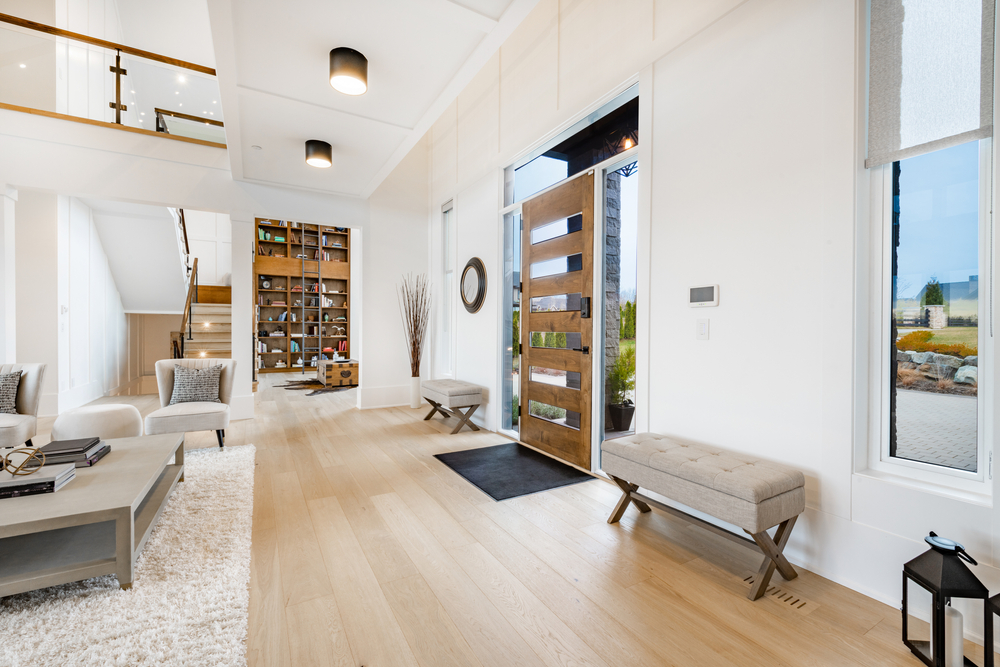
Open concept layouts once dominated renovation trends. Preferences have started shifting. Many buyers want separation for noise control and privacy. Families need doors for children and pets. Home offices require quiet spaces. Heating and cooling efficiency can decline after wall removal. Structural changes raise inspection concerns. Older homes often lose character. Load-bearing modifications increase risk. Appraisers value square footage, not openness. Partial openness offers balance. Buyers increasingly favor adaptable layouts over fully open spaces.
Luxury Flooring Choices
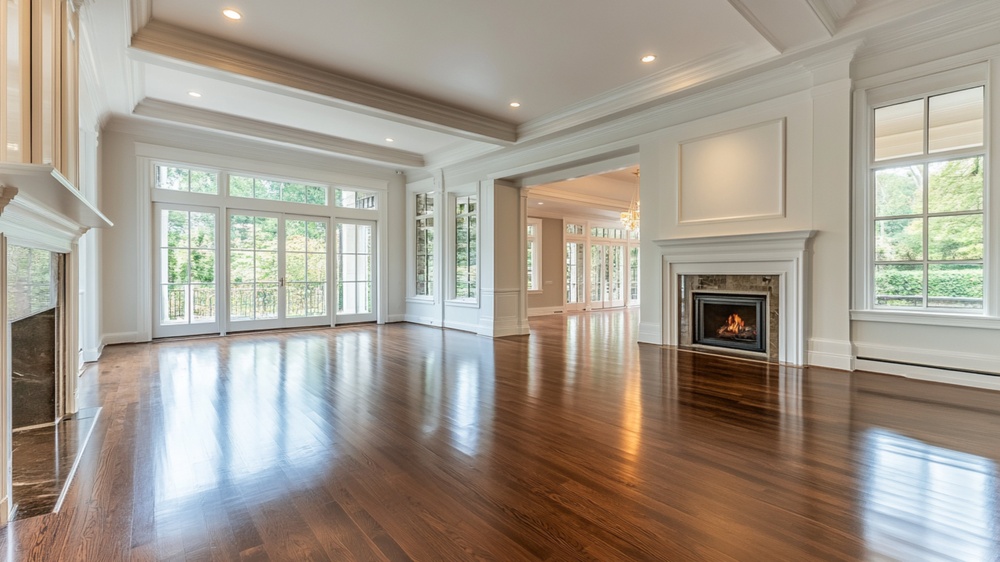
Exotic flooring materials rarely increase resale value. Soft woods scratch easily. High-gloss finishes show wear quickly. Buyers worry about pets and children. Replacement boards cost more and take longer to source. Patterned floors date fast. Standard hardwood remains popular. Durable vinyl appeals to budget-conscious buyers. Condition matters more than material rarity. Appraisers focus on overall quality. Expensive flooring often fails to recover installation costs. Practical, neutral choices perform better across Canadian markets.
Built-In Furniture
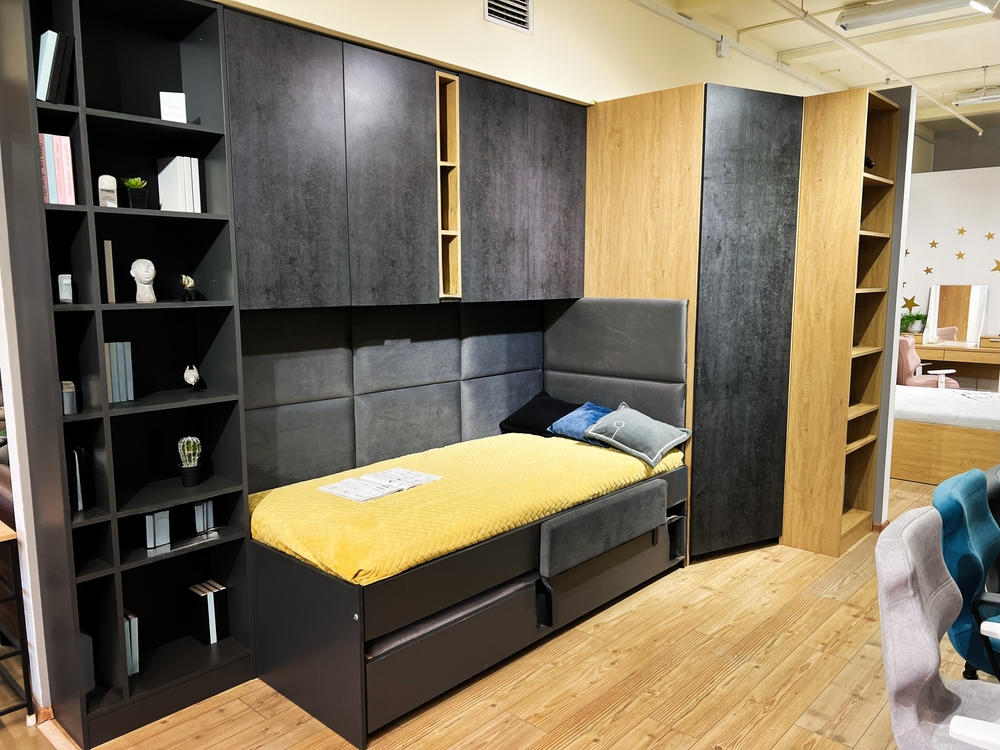
Built-in furniture limits buyer flexibility. Permanent desks restrict room use. Fixed shelving reduces layout options. Buyers imagine removal costs. Designs age faster than loose furniture. Bedrooms lose versatility with built-ins. Families need adaptable storage solutions. Appraisers rarely credit built-ins financially. Buyers prefer blank spaces. Neutral rooms photograph better. Built-ins can feel intrusive. Most buyers want the freedom to personalize rooms themselves. Flexibility consistently supports stronger resale outcomes.
Smart Home Overloads

Over-automated homes intimidate buyers. Systems become outdated quickly. Compatibility issues create anxiety. Buyers fear troubleshooting expenses. Proprietary platforms complicate upgrades. Missing manuals raise concerns. Not all buyers want connected features. Simple smart thermostats appeal broadly. Complex lighting and security systems overwhelm. Appraisers give limited credit for automation. Buyers prefer reliability over novelty. Too much technology narrows the audience. Balanced upgrades perform better than fully automated setups.
Converted Bedrooms From Dining Rooms
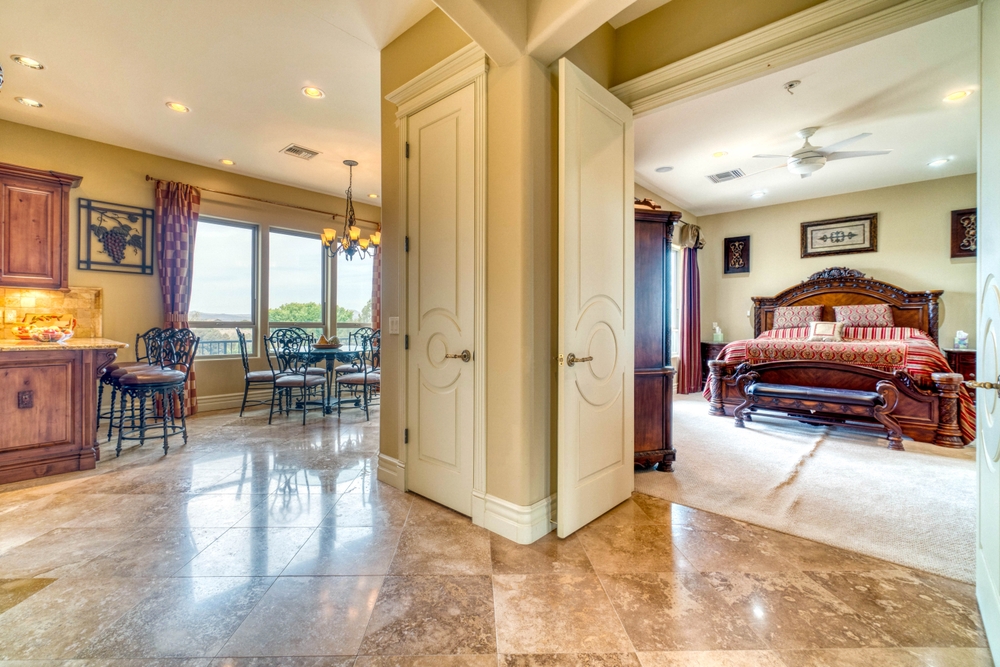
Turning dining rooms into bedrooms often creates regret later. Buyers expect traditional layouts when touring homes. Dining spaces still matter for gatherings and resale expectations. Converted rooms may lack proper lighting or privacy. Traffic flow often feels awkward. Appraisers usually value original layouts more highly. Buyers prefer flexible rooms over forced bedrooms. Families imagine hosting holidays or dinners. Removing dining space narrows buyer interest. Bedroom count matters, but layout balance matters more. Many buyers plan to reverse these changes. That uncertainty often lowers offers and slows resale timelines.
Sunrooms Without Insulation
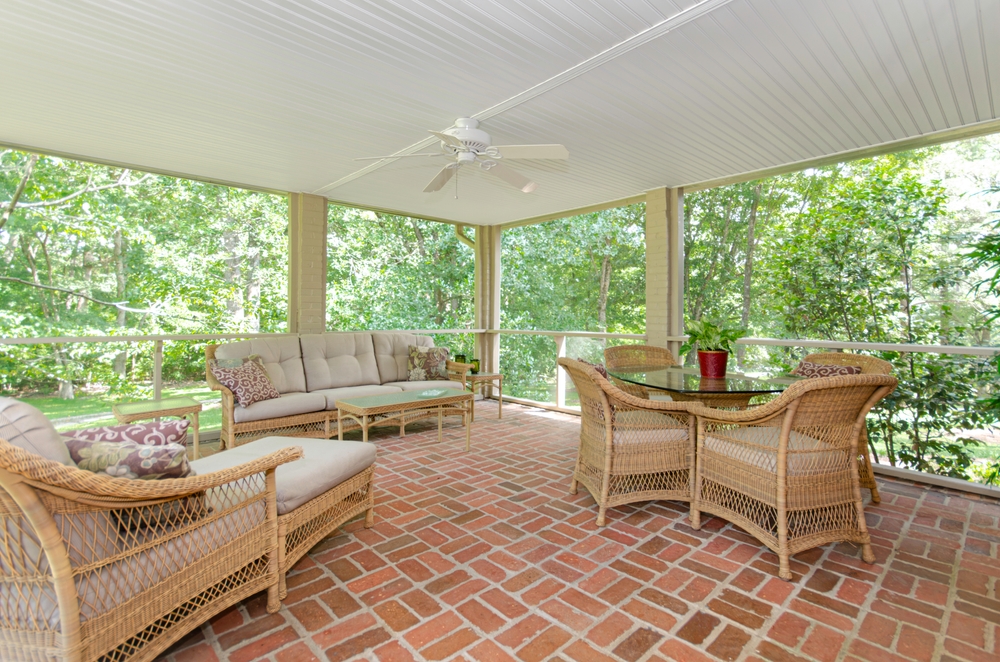
Uninsulated sunrooms add limited usable space. Cold Canadian winters restrict year-round use. Buyers see them as seasonal, not living space. Heating inefficiency raises energy concerns. Moisture and condensation problems are common. Flooring often wears quickly. Permits may be missing or incomplete. Appraisers typically exclude these rooms from square footage. Buyers calculate upgrade costs immediately. Fully insulated additions perform far better. Seasonal rooms rarely justify their price during resale negotiations.
Trend-Driven Exterior Changes
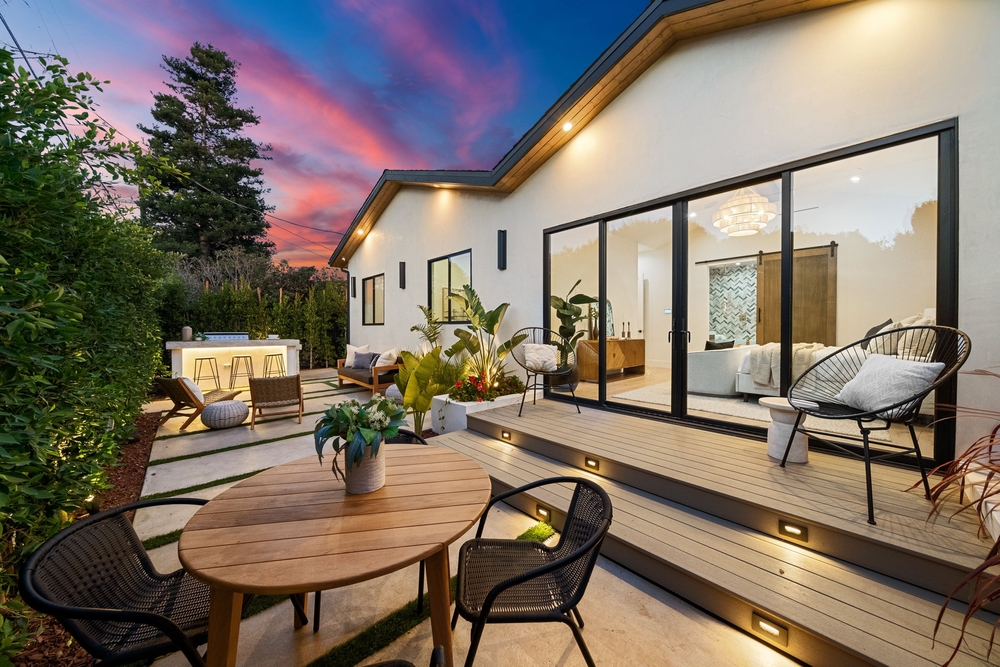
Exterior trends age faster than interiors. Bold colors limit buyer appeal. Unique siding materials raise maintenance questions. Replacement costs worry future owners. Weather exposure exaggerates flaws. Buyers notice curb appeal instantly. Appraisers favor neutral, standard finishes. Trend fatigue lowers perceived value quickly. Homes should blend into neighborhood styles. Safer exterior choices protect long-term value. Risky designs often lead to regret during resale.
Luxury Laundry Rooms
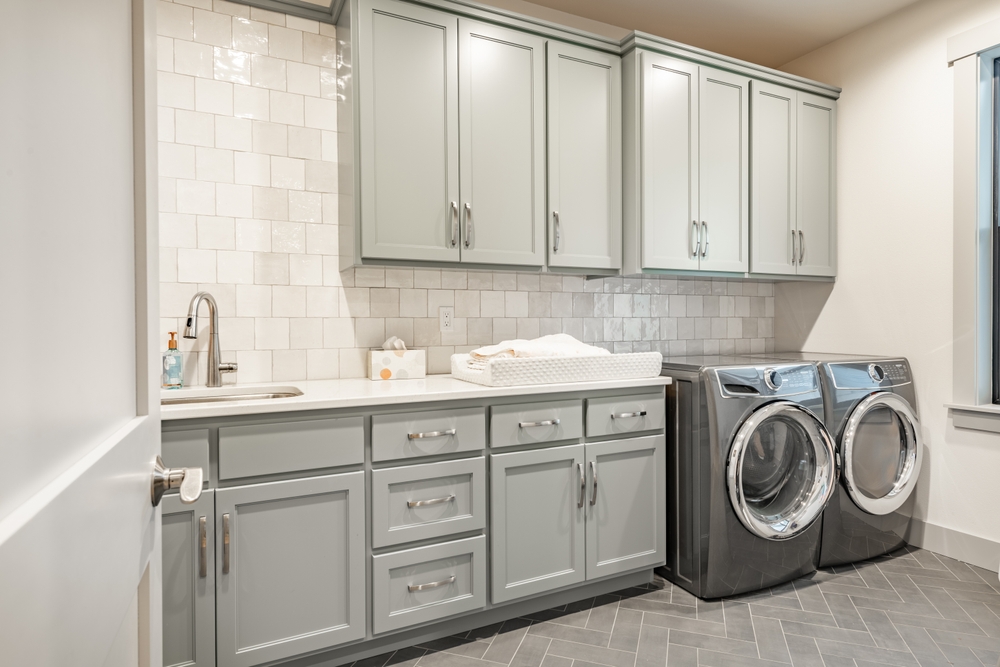
Luxury laundry rooms rarely influence purchase decisions. Buyers focus on appliance condition and location. Expensive tiles add little perceived value. Custom cabinetry increases costs quickly. Fancy sinks rarely affect offers. Appraisers give minimal credit for upgrades. Buyers expect functionality, not luxury. Overspending here limits budgets elsewhere. Clean, organized spaces matter most. Practical layouts outperform decorative features during resale.
Removing Bathtubs Entirely

Removing all bathtubs reduces buyer appeal across many demographics. Families with young children rely on tubs daily. Pet owners need them for washing. Some buyers expect at least one bathtub for guests. Walk-in showers attract specific age groups only. A home without a tub limits flexibility. Appraisers often flag missing bathtubs during evaluations. Buyers may factor replacement costs into offers. Full shower conversions narrow the buyer pool. Keeping one bathtub protects resale options. Balanced bathrooms consistently perform better across Canadian markets.
Wine Cellars
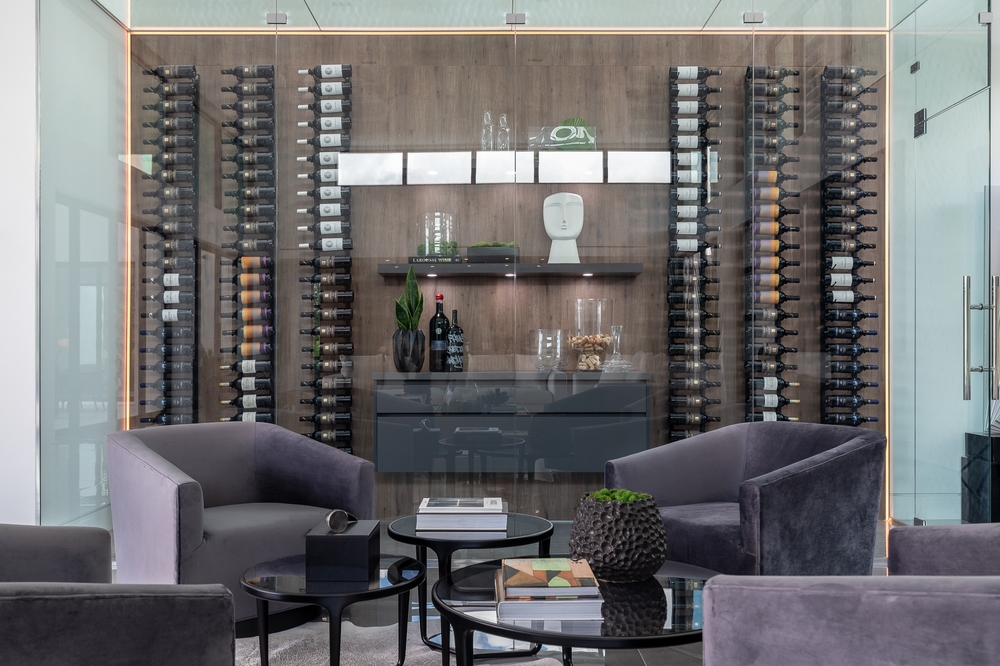
Wine cellars appeal to a very narrow audience. Many buyers see them as wasted square footage. Climate control systems add maintenance concerns. Installation costs are rarely recovered during resale. Appraisers typically assign little value to wine storage rooms. Buyers worry about humidity and repairs. Wine habits vary widely between households. Flexible storage spaces appeal to more buyers. Some buyers calculate removal costs immediately. Specialized rooms reduce versatility. Multi-purpose storage areas usually provide better long-term value.
Expensive Window Upgrades
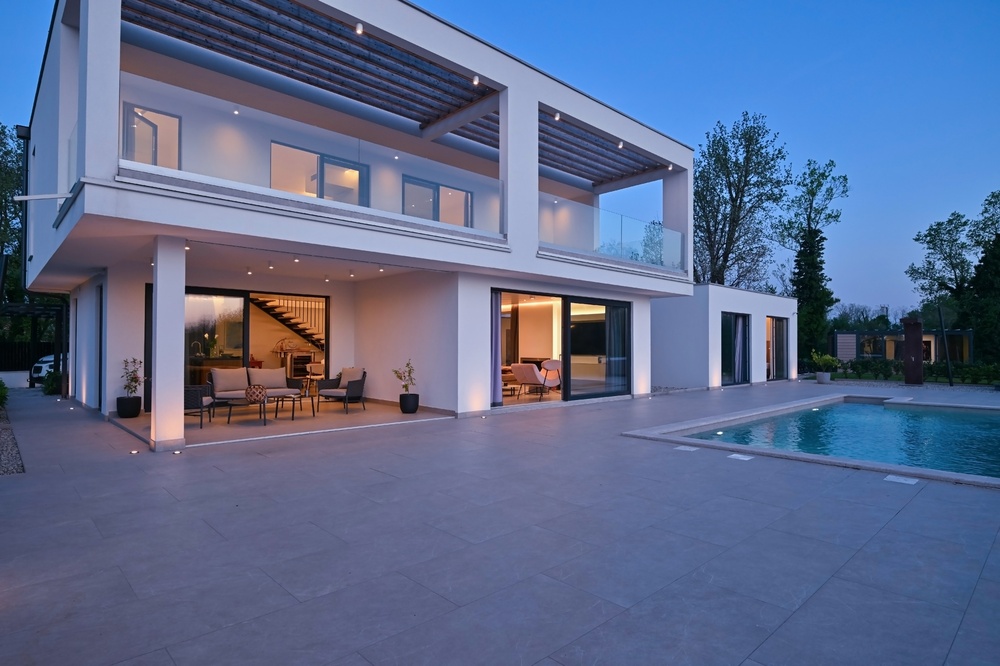
Ultra-premium windows rarely return their full cost. Energy savings take many years to offset installation expenses. Buyers expect functional, efficient windows, not luxury brands. Replacement costs raise hesitation. Appraisers credit efficiency modestly, not brand quality. Style consistency matters more than performance upgrades. Overcapitalization occurs quickly with top-tier options. Buyers focus on condition and appearance. Standard energy-efficient windows meet market expectations. Practical improvements generally perform better during resale negotiations.
Decorative Ceiling Treatments
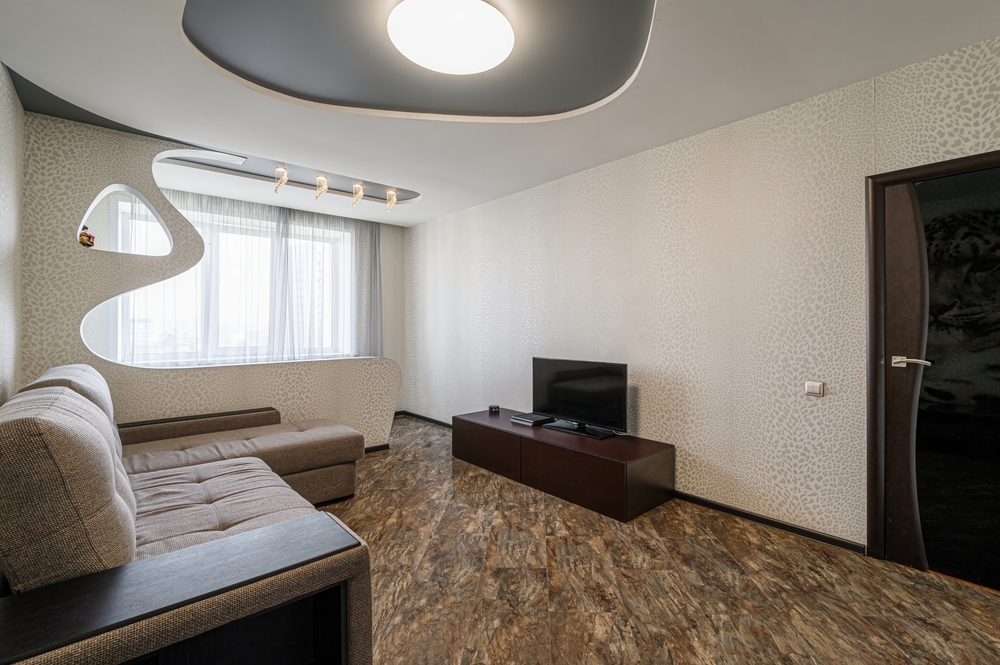
Decorative ceiling treatments divide buyer opinion. Coffered ceilings collect dust and require upkeep. Repairs cost more than flat ceilings. Trend fatigue appears quickly. Ceiling height perception can change negatively. Buyers often prefer clean finishes. Textured ceilings complicate repainting. Appraisers rarely add value for ceiling details. Neutral ceilings photograph better in listings. Simplicity appeals to a wider range of buyers.
Home Offices with Permanent Fixtures
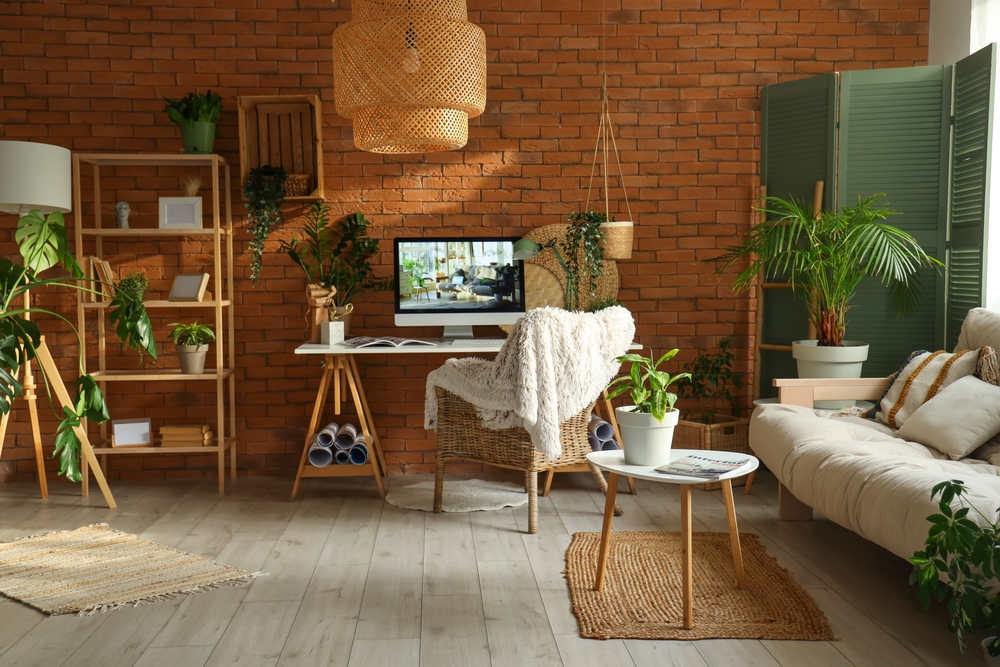
Permanent office fixtures reduce room flexibility. Buyers work differently across industries. Built-in desks limit future uses. Shelving designs date quickly. Bedrooms lose appeal after conversion. Appraisers value bedroom counts strongly. Multipurpose rooms attract more buyers. Fixed layouts restrict imagination. Buyers prefer adaptable spaces. Removable furniture supports resale flexibility. Permanent installations often lower perceived value.
Luxury Additions in Modest Neighbourhoods
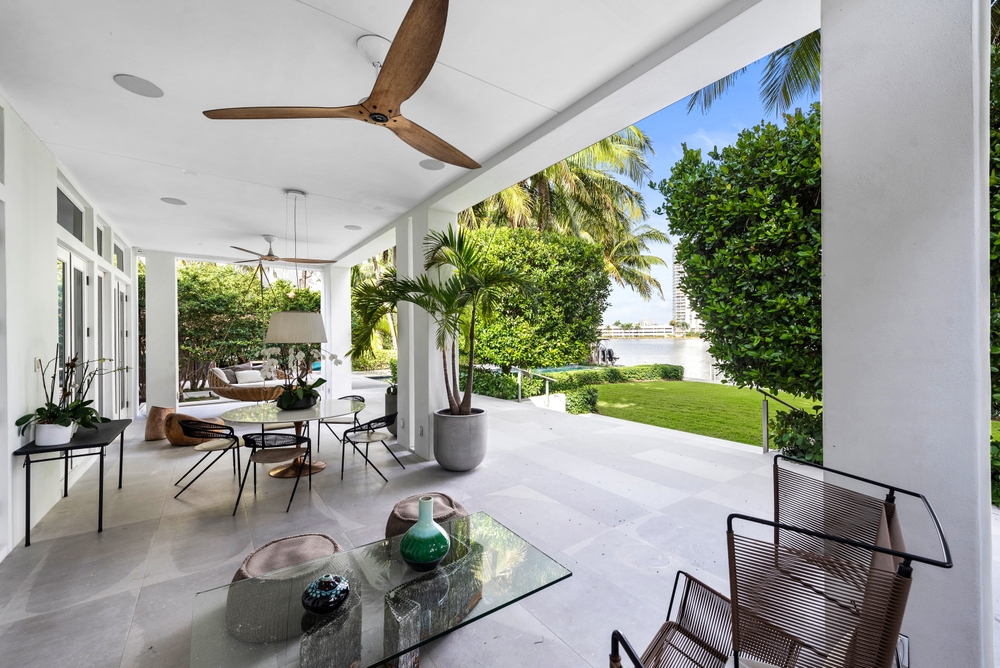
Over-improving creates pricing mismatches within neighbourhoods. Buyers compare homes against nearby sales. Luxury additions exceed local expectations. Appraisers cap valuations based on surroundings. Cost recovery drops sharply. Buyers hesitate to overpay beyond neighborhood norms. Quality matters less than consistency. Large upgrades increase tax and maintenance concerns. Balance protects investment value. Matching local standards supports smoother resale outcomes.
22 Groceries to Grab Now—Before another Price Shock Hits Canada

Food prices in Canada have been steadily climbing, and another spike could make your grocery bill feel like a mortgage payment. According to Statistics Canada, food inflation remains about 3.7% higher than last year, with essentials like bread, dairy, and fresh produce leading the surge. Some items are expected to rise even further due to transportation costs, droughts, and import tariffs. Here are 22 groceries to grab now before another price shock hits Canada.
22 Groceries to Grab Now—Before another Price Shock Hits Canada
This Options Discord Chat is The Real Deal
While the internet is scoured with trading chat rooms, many of which even charge upwards of thousands of dollars to join, this smaller options trading discord chatroom is the real deal and actually providing valuable trade setups, education, and community without the noise and spam of the larger more expensive rooms. With a incredibly low-cost monthly fee, Options Trading Club (click here to see their reviews) requires an application to join ensuring that every member is dedicated and serious about taking their trading to the next level. If you are looking for a change in your trading strategies, then click here to apply for a membership.