
35,000+ smart investors are already getting financial news, market signals, and macro shifts in the economy that could impact their money next with our FREE weekly newsletter. Get ahead of what the crowd finds out too late. Click Here to Subscribe for FREE.
Working from home is no longer a temporary arrangement for many Canadians. It has become a steady part of how people earn income. Tax rules, however, have not stayed frozen in time. Several pandemic shortcuts disappeared, while others quietly tightened. Some deductions still exist, but the way they are calculated has shifted. Many filers assume nothing changed and miss legitimate claims. Others try to claim expenses that no longer qualify and trigger reviews. Here are 19 work-from-home expenses Canadians can still claim in 2026 (and what’s changed).
Workspace-in-the-Home Percentage
19 Work-From-Home Expenses Canadians Can Still Claim in 2026 (And What’s Changed)
- Workspace-in-the-Home Percentage
- Rent Paid for Your Home
- Electricity and Heating Costs
- Water and Utility Services
- Internet Service Used for Work
- Office Supplies Like Paper and Ink
- Cell Phone Expenses for Work Calls
- Office Furniture Depreciation
- Computer Equipment Depreciation
- Maintenance and Minor Repairs
- Cleaning Supplies for the Workspace
- Home Insurance Premiums
- Property Taxes for Homeowners
- Condo Fees Related to Utilities
- Work-Related Software Subscriptions
- Stationery and Mailing Costs
- Work-Related Phone Accessories
- Accounting or Tax Preparation Fees
- Employment Use of Home Form Requirements
- 22 Groceries to Grab Now—Before another Price Shock Hits Canada

Canadians who work from home can still claim a portion of household costs. The key change is stricter documentation expectations. The flat-rate shortcut is gone for most filers. Claims now rely on actual workspace calculations. You must measure the area used for work. That space must be used mainly for employment duties. Shared spaces require time-based calculations. CRA expects reasonable math, not estimates. The percentage determines how much you can claim. Overstating space size is a common audit trigger. Keep floor plans or notes. This deduction applies only if your employer requires remote work.
Rent Paid for Your Home

Rent remains one of the largest claimable expenses for remote workers. Only the work-related portion qualifies. You cannot claim full rent unless the space is used exclusively for work. Shared living rooms require time adjustments. CRA now looks closely at consistency across years. Sudden jumps raise flags. Rent claims must align with your workspace percentage. Receipts or lease agreements matter more than before. Cash payments without proof may fail reviews. Homeowners cannot claim rent equivalents. This deduction applies only to employees, not independent contractors, using different rules.
Electricity and Heating Costs

Electricity and heating costs are still eligible for partial claims. These include power, natural gas, and heating oil. The Internet is not included here. Claims depend on workspace percentage and usage time. CRA expects reasonable allocation, not precision. Seasonal fluctuations are acceptable if explained. Utility bills should match the tax year. Estimating yearly totals without records can cause issues. Smart meter summaries help support claims. You cannot double-claim utilities already reimbursed by employers. Reimbursements must be subtracted before calculating deductions.
Water and Utility Services

Water expenses can still be claimed for workspaces in the home. This includes municipal water and sewer charges. The claim must follow the same workspace percentage method. CRA often questions water claims due to low perceived usage. Consistency matters more than justification detail. If you claimed water before, maintain similar ratios. If claiming for the first time, keep explanations simple. This deduction is smaller but legitimate. Ignoring small expenses adds up over time. Do not include bottled water or delivery services.
Internet Service Used for Work
Internet costs remain partially deductible for work use. Full internet bills are rarely accepted. You must allocate a reasonable work portion. Streaming, gaming, and personal browsing are excluded. CRA now expects clearer allocation logic. Many filers use time-based calculations. For example, work hours versus total household use. Employer reimbursements reduce eligible amounts. Mobile data plans qualify only if used for work tasks. Keep monthly bills. Screenshots help during reviews. Guessing percentages without logic can backfire.
Office Supplies Like Paper and Ink

Basic office supplies are still deductible in 2026. This includes paper, pens, printer ink, and notebooks. Furniture is excluded under this category. Supplies must be consumed during work activities. Stockpiling for future years is discouraged. Receipts should match the tax year. CRA sometimes disallows vague office store totals. Break down purchases where possible. Decorative items do not qualify. Supplies reimbursed by employers must be removed. This deduction is simple but often misclassified.
Cell Phone Expenses for Work Calls
Cell phone expenses can still be partially. Only the work-related portion qualifies. Personal texting and browsing do not count. CRA expects reasonable usage estimates. Employer-provided phones usually disqualify claims. Data plans used for hotspot work may qualify. Bills should show monthly charges clearly. Overclaiming phone costs is common and risky. Consistency with internet claims matters. Claiming both at high percentages may raise questions. Keep call logs if work use is significant.
Office Furniture Depreciation

Office furniture can still be claimed using depreciation rules. This includes desks and office chairs. You cannot deduct the full cost immediately. CRA requires a capital cost allowance over time. Only the work portion applies. Furniture used personally loses eligibility. Large furniture claims often trigger reviews. Keep purchase receipts and usage notes. Do not claim decorative furniture. Standing desks qualify if primarily used for work. This deduction benefits long-term remote workers.
Computer Equipment Depreciation
Laptops, desktops, and monitors remain deductible through depreciation. Full write-offs are not allowed in most cases. CRA assigns equipment to capital categories. Only work use counts toward deductions. Gaming or family use reduces eligibility. Sudden equipment upgrades may require explanations. Keep serial numbers and purchase dates. Used equipment purchases still qualify with proof. Repairs are treated separately. Leasing equipment follows different rules. Consistency year to year matters.
Maintenance and Minor Repairs

Minor repairs related to the workspace are still claimable. This includes fixing outlets or patching walls. General home repairs do not qualify. Claims must relate directly to the workspace area. CRA distinguishes repairs from improvements. Painting the entire house is not eligible. Painting only the office area may qualify partially. Keep invoices that specify locations. DIY repairs without receipts are risky. This deduction is often misunderstood and misapplied.
Cleaning Supplies for the Workspace

Cleaning supplies can be partially claimed if used for the workspace. This includes wipes, sprays, and vacuum supplies. Whole-house cleaning products require allocation. CRA expects modest claims here. Hiring cleaning services rarely qualifies unless limited to the workspace. Receipts should be itemized. Luxury cleaning products may raise eyebrows. This deduction is small but legitimate. Do not include personal hygiene items. Keep claims consistent with workspace size.
Home Insurance Premiums

Home insurance premiums are partially deductible for renters and owners. Only the workspace portion qualifies. CRA reviews these claims more closely than utilities. Sudden increases may trigger questions. Policy documents help support claims. Insurance covering the entire home must be allocated. Business-specific riders may qualify differently. You cannot claim mortgage insurance here. Employer reimbursement reduces eligibility. This deduction is commonly overlooked.
Property Taxes for Homeowners

Property taxes remain partially deductible for eligible homeowners. Renters cannot claim this expense. Claims must match the workspace percentage. CRA compares property tax claims with home size. Large homes claiming high percentages raise flags. Municipal statements provide proof. Seasonal reassessments should be explained. You cannot claim school taxes separately. This deduction does not apply to condo fees fully. Only the tax portion qualifies.
Condo Fees Related to Utilities

Condo fees can be partially claimed if they include utilities. Maintenance portions usually do not qualify. CRA expects breakdowns from condo statements. Flat claims without allocation may fail reviews. Owners must separate utility components. Security, landscaping, and amenities are excluded. Keep annual condo summaries. This deduction is often misused. Overclaiming condo fees is a common audit issue. Accuracy matters more than size.
Work-Related Software Subscriptions

Software subscriptions required for work can still be claimed. This includes productivity and communication tools. Entertainment subscriptions do not qualify. Annual licenses should be allocated if mixed use exists. CRA expects clear work necessity. Employer-paid subscriptions are excluded. Auto-renewed services should be reviewed yearly. Keep invoices showing service names. Cloud storage may qualify if used for work files. Avoid bundling personal subscriptions.
Stationery and Mailing Costs
Mailing supplies and postage can still be claimed. This applies mainly to job-related correspondence. Personal mail does not qualify. CRA allows reasonable claims here. Receipts should show dates and amounts. Bulk postage purchases should match work needs. Shipping personal items is excluded. This deduction is less common but valid. Overclaiming raises questions. Keep explanations simple if reviewed.
Work-Related Phone Accessories
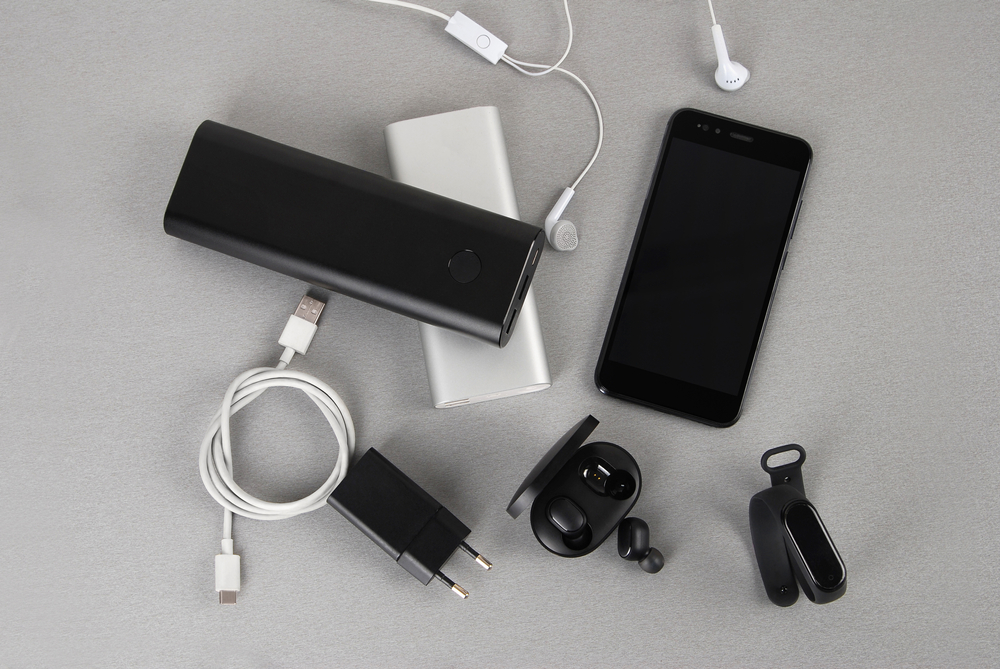
Headsets, webcams, and microphones may qualify partially. Items must be used mainly for work. Gaming accessories are excluded. CRA considers accessories part of the equipment. Larger purchases may require depreciation. Smaller accessories may be expensed immediately. Keep receipts and usage notes. Mixed personal use reduces eligibility. This deduction grew with remote meetings. Claims should align with job duties.
Accounting or Tax Preparation Fees

Tax preparation fees related to employment income are deductible. Fees for personal tax planning are excluded. CRA allows partial claims when services overlap. Keep invoices that separate services if possible. Employer-paid tax services are excluded. Online filing software may qualify partially. Subscription renewals count in the year paid. This deduction is often missed. Clear documentation helps during reviews.
Employment Use of Home Form Requirements
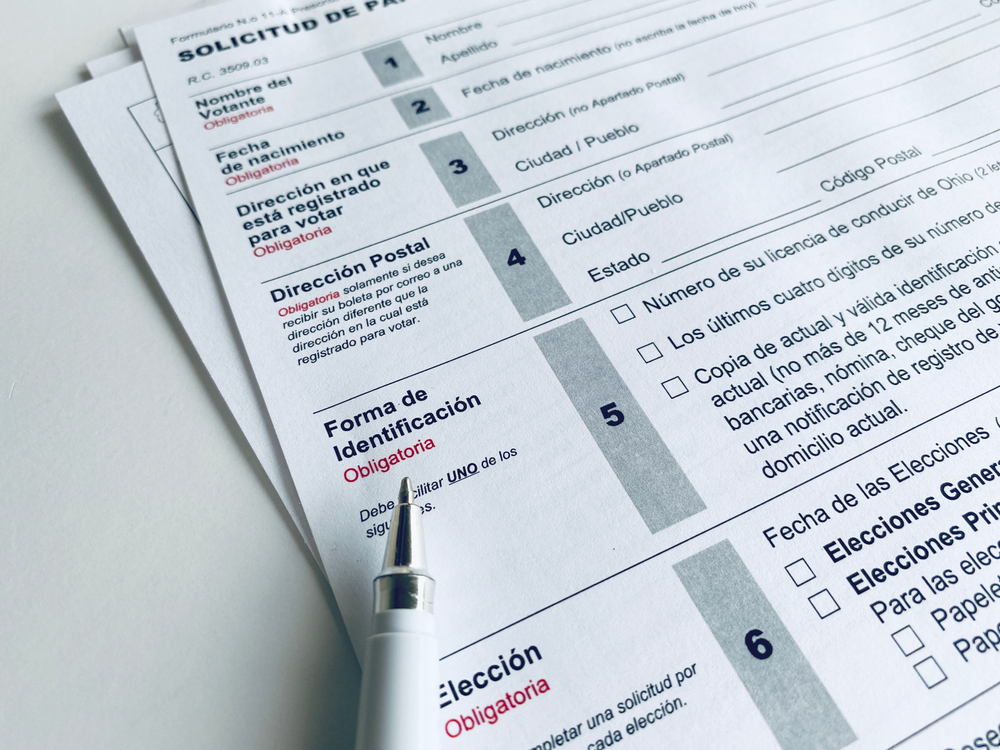
The T2200 and T2200S forms remain mandatory. Employers must certify remote work requirements. CRA now checks form accuracy more closely. Missing forms can void all claims. Digital signatures are accepted. Blanket approvals without details may fail audits. Employees should keep copies for several years. This requirement did not disappear after the pandemic. Many rejected claims trace back to missing forms.
22 Groceries to Grab Now—Before another Price Shock Hits Canada

Food prices in Canada have been steadily climbing, and another spike could make your grocery bill feel like a mortgage payment. According to Statistics Canada, food inflation remains about 3.7% higher than last year, with essentials like bread, dairy, and fresh produce leading the surge. Some items are expected to rise even further due to transportation costs, droughts, and import tariffs. Here are 22 groceries to grab now before another price shock hits Canada.
22 Groceries to Grab Now—Before another Price Shock Hits Canada
This Options Discord Chat is The Real Deal
While the internet is scoured with trading chat rooms, many of which even charge upwards of thousands of dollars to join, this smaller options trading discord chatroom is the real deal and actually providing valuable trade setups, education, and community without the noise and spam of the larger more expensive rooms. With a incredibly low-cost monthly fee, Options Trading Club (click here to see their reviews) requires an application to join ensuring that every member is dedicated and serious about taking their trading to the next level. If you are looking for a change in your trading strategies, then click here to apply for a membership.