
35,000+ smart investors are already getting financial news, market signals, and macro shifts in the economy that could impact their money next with our FREE weekly newsletter. Get ahead of what the crowd finds out too late. Click Here to Subscribe for FREE.
January paycheques often feel different, even when salaries stay the same. That confusion usually comes from behind-the-scenes payroll changes. New year resets affect deductions, contribution caps, and tax withholding rules across Canada. Many workers notice slightly smaller deposits, while others see modest increases. These shifts can happen even without a raise or job change. CPP and EI updates are the most common drivers, but tax brackets also play a role. Here are 11 big paycheque changes Canadians noticed in January (CPP, EI, Withholding).
Higher CPP Contributions on Early-Year Paycheques
11 Big Paycheque Changes Canadians Noticed in January (CPP, EI, Withholding)
- Higher CPP Contributions on Early-Year Paycheques
- CPP2 Contributions Appearing for Some Workers
- EI Contribution Rates Reset in January
- Federal Tax Bracket Indexing Adjustments
- Provincial Tax Withholding Changes
- Basic Personal Amount Updates Affecting Withholding
- Changes to TD1 Forms Taking Effect
- Overtime and Bonus Withholding Differences
- Pay Frequency Effects Becoming More Obvious
- Union Dues and Benefit Premium Adjustments
- Payroll System Rounding and Timing Differences
- 22 Groceries to Grab Now—Before another Price Shock Hits Canada

Many Canadians saw smaller net pay in January because the CPP contribution rates were adjusted. Each year, contribution limits rise to reflect wage growth. Employees start contributing at the new rate immediately. Those earning above the exemption threshold feel this change right away. Higher earners reach the annual CPP maximum faster. Once the cap is hit, deductions stop for the year. January feels heavier because contributions reset to zero annually. Employers match employee CPP contributions dollar for dollar. This adjustment affects most salaried and hourly workers. The change is predictable but still catches people off guard. Pay stubs usually explain the difference clearly.
CPP2 Contributions Appearing for Some Workers

Some Canadians noticed a new CPP2 line on their pay stubs. CPP2 applies to earnings above the first CPP maximum. It affects higher-income earners only. This second tier was phased in recently and continues expanding. Contributions begin once regular CPP limits are reached. CPP2 deductions lower net pay later in the year. However, some payroll systems show it early as a placeholder. Employers also match CPP2 contributions. Not all workers see this change. Many people confuse CPP2 with a payroll error. It is a permanent part of the expanded pension system. Long-term retirement payouts increase slightly as a result.
EI Contribution Rates Reset in January

Employment Insurance contributions reset every January. Workers start paying EI again after reaching the prior year’s maximum. This reset makes January paycheques smaller for many people. EI premiums are deducted from every eligible dollar earned. Like CPP, there is an annual cap. Once reached, deductions stop for the year. Employers contribute more than employees toward EI. Even small rate changes impact take-home pay. Self-employed workers enrolled in EI also feel the reset. The change happens automatically through payroll software. Many people forget EI resets until January hits. Pay stubs usually reflect this clearly.
Federal Tax Bracket Indexing Adjustments
Federal income tax brackets are indexed annually for inflation. That adjustment usually happens in January. For some workers, withholding drops slightly. Others see no difference at all. Payroll systems calculate taxes per pay period. Even small bracket changes can shift withholding amounts. These adjustments help prevent bracket creep over time. They do not change the actual tax owed yet. The final impact appears at tax filing time. Some employees assume that payroll made a mistake. In reality, indexing updates quietly reduce tax pressure. The effect depends on income level and pay frequency. Not everyone benefits immediately. The change is subtle but intentional.
Provincial Tax Withholding Changes

Provincial tax brackets also adjust yearly. Each province sets its own rates and thresholds. January payroll updates include these changes automatically. Some provinces increase personal credits. Others adjust surtaxes or brackets. Workers may notice net pay shifts even without federal changes. Moving provinces can amplify this effect. Pay frequency influences how visible the change feels. Monthly pay shows differences more clearly. Biweekly pay spreads change thinner. Employers follow CRA and provincial tables exactly. Payroll departments usually cannot override these deductions. Many Canadians blame employers incorrectly. Provincial changes are easy to miss unless reviewed closely. Pay stubs reveal the source.
Basic Personal Amount Updates Affecting Withholding

The basic personal amount reduces taxable income. This amount adjusts periodically for inflation. January payroll tables reflect the updated value. For some workers, tax withheld decreases slightly. The impact depends on income and credits claimed. Higher earners may see less benefit due to phase-outs. Lower-income workers notice the change more. This update does not change gross pay. It affects only withholding calculations. Many employees never notice the adjustment. The difference may be only a few dollars per cheque. Over a full year, it adds up modestly. This change helps offset the cost-of-living pressures. Payroll systems apply it automatically.
Changes to TD1 Forms Taking Effect
Employees who updated TD1 forms saw changes in January. TD1 forms control personal tax credits. Updates usually apply starting with the January payroll. Life events often trigger TD1 changes. New dependents or tuition credits are common reasons. Incorrect TD1s cause over- or under-withholding. January is when employers refresh stored forms. Workers sometimes forget they submitted updates months earlier. The effect becomes visible only in the January pay. Some see higher take-home pay. Others see less. Reviewing TD1 forms annually prevents surprises. Employers cannot guess credit eligibility. Accuracy matters to avoid tax bills later. January highlights those differences clearly.
Overtime and Bonus Withholding Differences
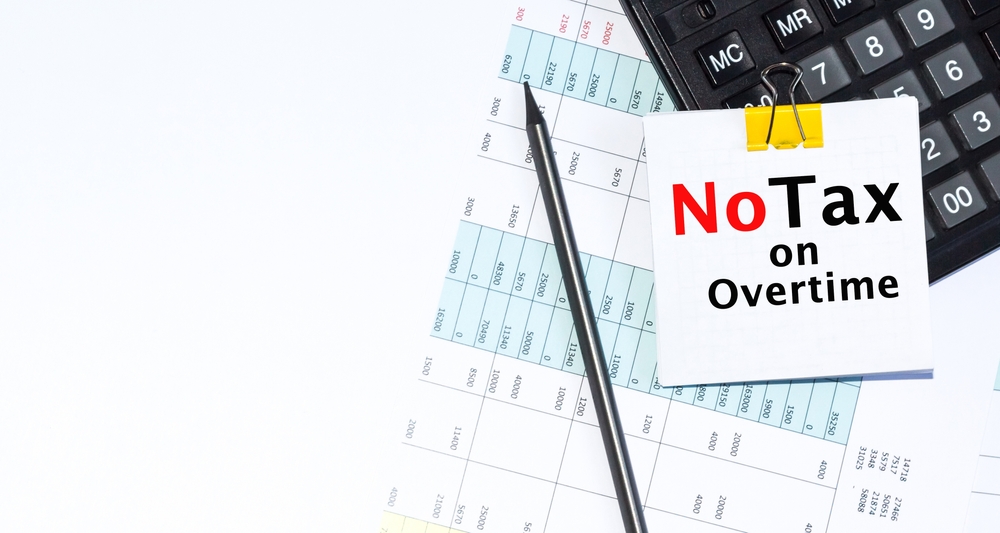
Bonuses paid in January often face higher withholding. Payroll treats bonuses differently from regular wages. Taxes are withheld as if income repeats all year. This inflates withholding temporarily. Overtime early in the year can have similar effects. Workers expect larger deposits and feel disappointed. The extra tax is not lost. It often returns at tax time. January bonuses feel especially harsh due to resets. CPP and EI also apply again. Employers follow CRA formulas strictly. Manual adjustments are rare. Understanding bonus taxation prevents frustration. The actual tax owed depends on annual income. January exaggerates the impact temporarily.
Pay Frequency Effects Becoming More Obvious

January highlights differences between pay frequencies. Weekly, biweekly, and semi-monthly pay calculates deductions differently. Annual contribution caps are spread unevenly. Some workers hit CPP and EI limits faster. Others see deductions linger longer. The first few pay periods feel heavier. Monthly pay shows the most noticeable change. Biweekly pay spreads deductions across more cheques. Employees often compare pay with coworkers unfairly. Pay frequency explains many differences. Payroll software calculates everything accurately. The math just feels unintuitive. January magnifies these effects due to resets. Over the year, totals even out. Comparing net pay without context leads to confusion. Pay frequency matters more than people realize.
Union Dues and Benefit Premium Adjustments

Some workers saw changes unrelated to taxes. Union dues sometimes adjust annually. Benefit premiums may reset or increase in January. Health and dental plans often renew yearly. Employer cost-sharing may change. These deductions appear alongside tax changes. Workers may assume the government caused the difference. In reality, benefits drive the change. New plans sometimes begin on January first. Premiums are deducted immediately. Employers usually communicate these updates in advance. Many people miss those notices. Reviewing benefit statements helps clarify. These deductions affect net pay directly. They are not recoverable at tax time. January often stacks multiple changes together.
Payroll System Rounding and Timing Differences

Small technical factors also affect January pay. Payroll systems are updated annually. Rounding rules can change slightly. Stat holiday timing impacts some workers. First pay periods may cover unusual date ranges. New year calendars shift biweekly cycles. This alters gross calculations temporarily. Hourly workers feel this more. Salaried workers notice less impact. Delays in system updates can shift deductions by one pay period. These differences correct themselves quickly. Employees often assume errors immediately. Payroll usually balances within weeks. Reviewing pay stubs side by side helps. January is noisy for payroll systems. Minor fluctuations are common and expected.
22 Groceries to Grab Now—Before another Price Shock Hits Canada

Food prices in Canada have been steadily climbing, and another spike could make your grocery bill feel like a mortgage payment. According to Statistics Canada, food inflation remains about 3.7% higher than last year, with essentials like bread, dairy, and fresh produce leading the surge. Some items are expected to rise even further due to transportation costs, droughts, and import tariffs. Here are 22 groceries to grab now before another price shock hits Canada.
22 Groceries to Grab Now—Before another Price Shock Hits Canada
This Options Discord Chat is The Real Deal
While the internet is scoured with trading chat rooms, many of which even charge upwards of thousands of dollars to join, this smaller options trading discord chatroom is the real deal and actually providing valuable trade setups, education, and community without the noise and spam of the larger more expensive rooms. With a incredibly low-cost monthly fee, Options Trading Club (click here to see their reviews) requires an application to join ensuring that every member is dedicated and serious about taking their trading to the next level. If you are looking for a change in your trading strategies, then click here to apply for a membership.