35,000+ smart investors are already getting financial news, market signals, and macro shifts in the economy that could impact their money next with our FREE weekly newsletter. Get ahead of what the crowd finds out too late. Click Here to Subscribe for FREE.
Another extreme wildfire season is no longer a distant warning. It is a near certainty. Hotter summers, dry winters, and heavy fuel buildup have shifted fire behavior across Canada. Fires now move faster, burn hotter, and threaten places once considered low risk. Entire towns face evacuation with little notice. Smoke impacts stretch far beyond burn zones. Insurance costs, rebuilding delays, and lost jobs follow quickly. Here are 18 Canadian communities most at risk from the next record wildfire season.
Fort McMurray
18 Canadian Communities Most at Risk from the Next Record Wildfire Season
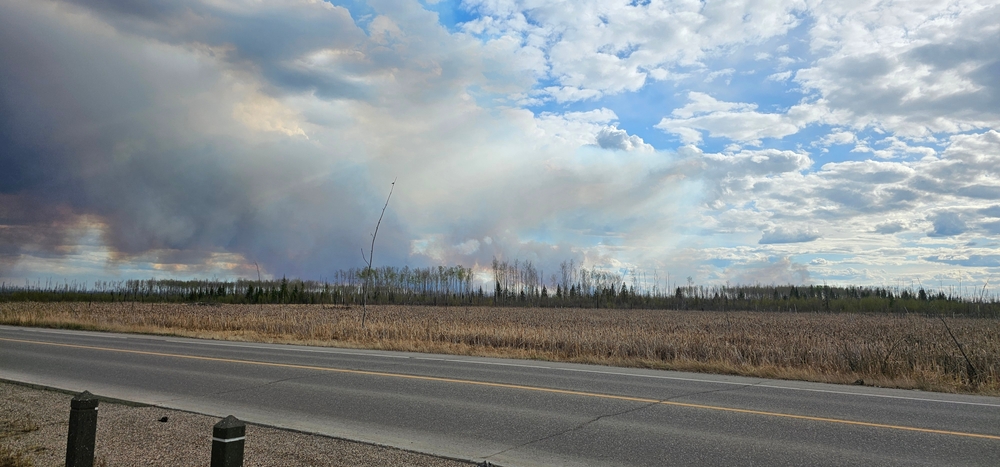
Fort McMurray sits inside a dense boreal forest that dries quickly during heat waves. The region already knows how fast fires can overrun neighborhoods. Expanding development pushes deeper into forested areas. Long evacuation routes add pressure during emergencies. Spring snow melts earlier than before. Summers bring longer dry spells. Wind funnels through river valleys, accelerating fire spread. Oil sands activity increases ignition sources across wide areas. Smoke often lingers for weeks. Rebuilding remains costly and slow. Each new season brings higher alert levels. Residents now prepare earlier. Fire risk here is persistent, not occasional.
Kelowna
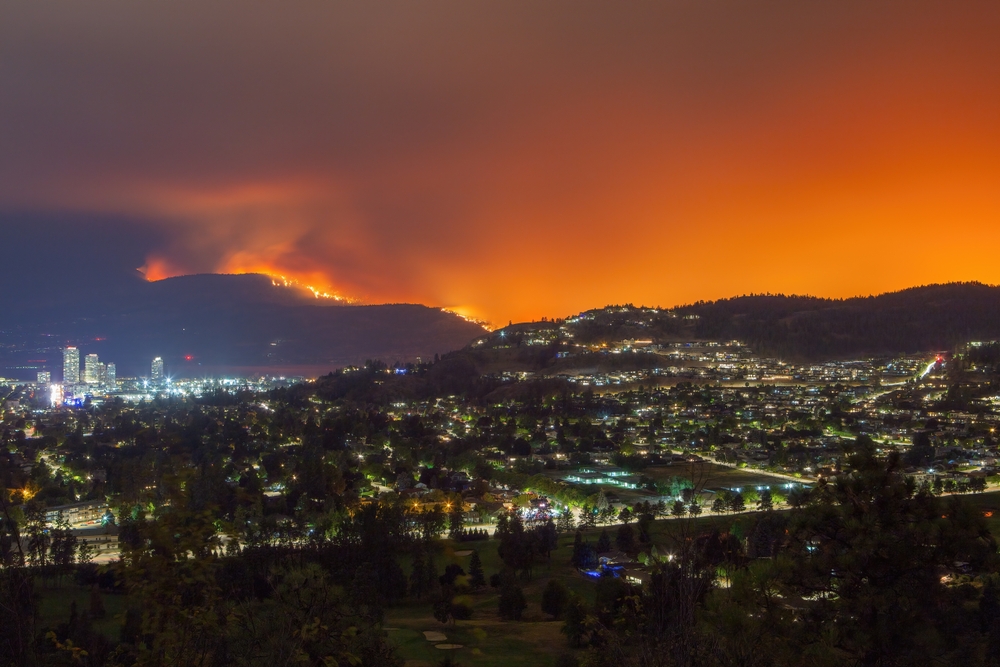
Kelowna lies where forested hills meet dense suburban growth. Hot, dry Okanagan summers raise fire danger every year. Steep terrain complicates firefighting access. Homes climb higher into wooded slopes. Winds shift quickly across the valley. Evacuation routes funnel through limited highways. Tourism season overlaps peak fire risk. Smoke can disrupt hospitals, flights, and businesses. Water levels drop during drought years. Crews face multiple ignition points during lightning storms. Fire breaks are hard to maintain near homes. The city balances growth with rising seasonal danger.
Kamloops
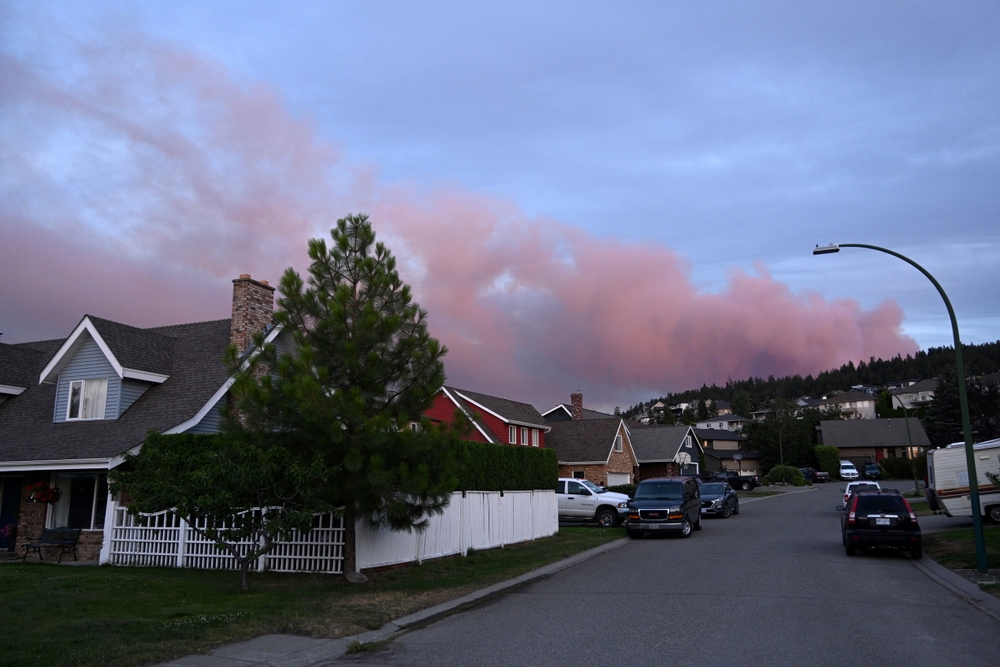
Kamloops sits at the junction of dry grasslands and forest. Heat builds early in spring. Winds often pick up without warning. Fires spread fast through open terrain. Surrounding hills act like chimneys. Rail and highway traffic spark risks. Nearby rural areas stretch firefighting resources thin. Smoke often settles in the valley. Evacuation plans cover large zones. Infrastructure crosses fire-prone corridors. Repeated burn seasons weaken forests. Each year adds more dead fuel. The city now treats wildfire risk as a constant seasonal threat.
Lytton
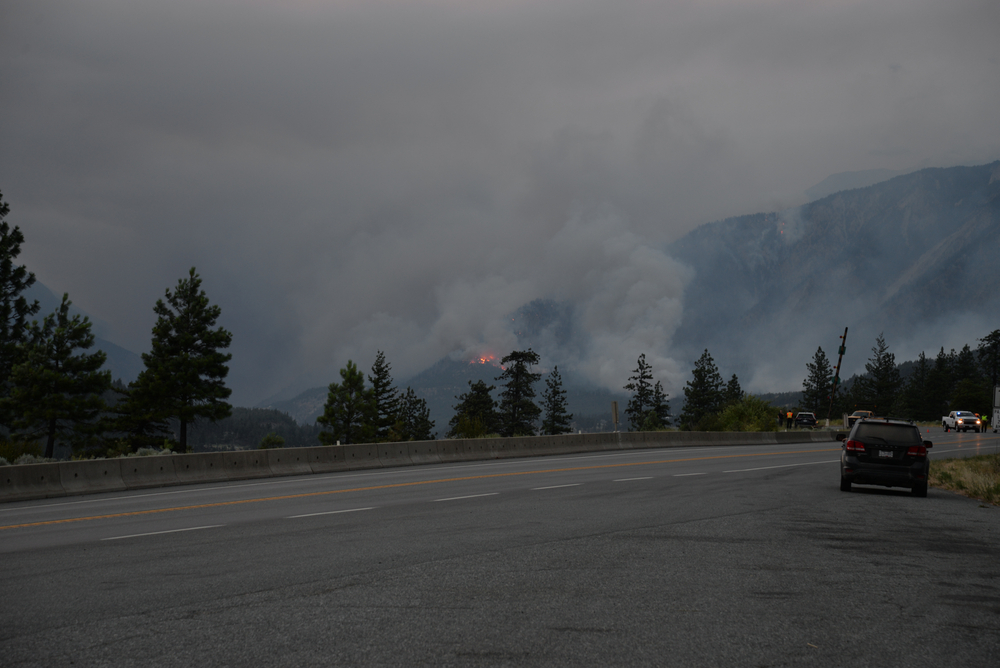
Lytton’s location makes it extremely vulnerable. Dry climate meets narrow river corridors. Heat records have already shattered local limits. Steep canyon winds intensify flames. Limited access roads restrict escape. Fire can surround the town quickly. Rebuilding has faced repeated delays. Vegetation regrowth adds new fuel. Rail lines nearby increase ignition chances. Emergency response time is tight. Residents live with ongoing uncertainty. Fire danger remains even after past devastation. Future seasons carry serious rebuilding risks. Lytton stands as a warning for other small communities.
Prince George
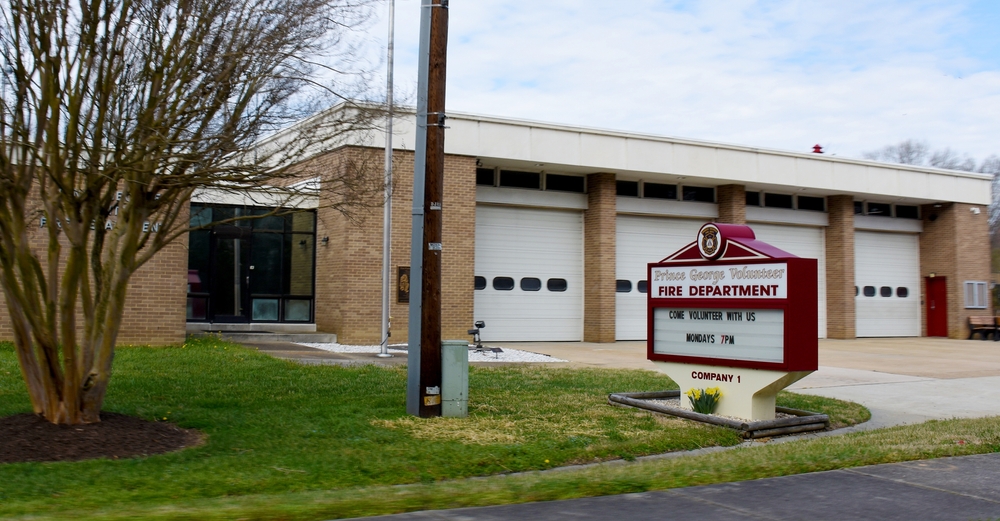
Prince George sits near extensive forest harvesting zones. Logging roads allow fires to travel farther. Summers are becoming warmer and drier. Smoke often blankets the city for weeks. Health impacts accumulate over long seasons. Surrounding forests contain beetle-damaged wood. That fuel burns hotter and longer. Fire crews manage wide rural areas nearby. Evacuations can involve multiple communities at once. Infrastructure like power lines crosses forest corridors. Response resources face heavy demand. Each summer, tests are preparedness across northern British Columbia.
Williams Lake
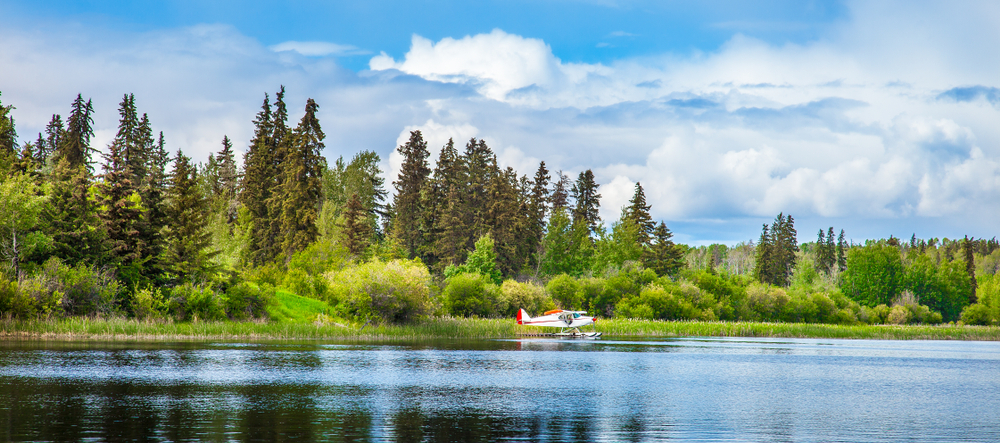
Williams Lake lies in a fire-prone interior plateau. Surrounding forests dry quickly after light winters. Lightning storms arrive with little rain. Past fires have already stressed local systems. Residents remain alert every summer. Rural homes increase wildland interface exposure. Evacuation zones stretch across large areas. Highway access can close suddenly. Smoke affects ranching and tourism. Water supplies face strain during droughts. Fire breaks require constant maintenance. Repeated burn cycles reduce recovery time. Risk here grows with each passing season.
Quesnel

Quesnel is surrounded by dense interior forests. Beetle-killed wood remains widespread. Dry summers allow fires to start easily. River valleys channel smoke into town. Highway corridors pass through forested slopes. Evacuation plans depend on weather timing. Fire crews often defend multiple fronts nearby. Economic activity slows during heavy smoke. Residents face recurring alerts each summer. Forest recovery remains uneven. Suppression costs rise every year. Risk persists despite previous burn scars. The region remains highly exposed to severe fire behavior.
Yellowknife
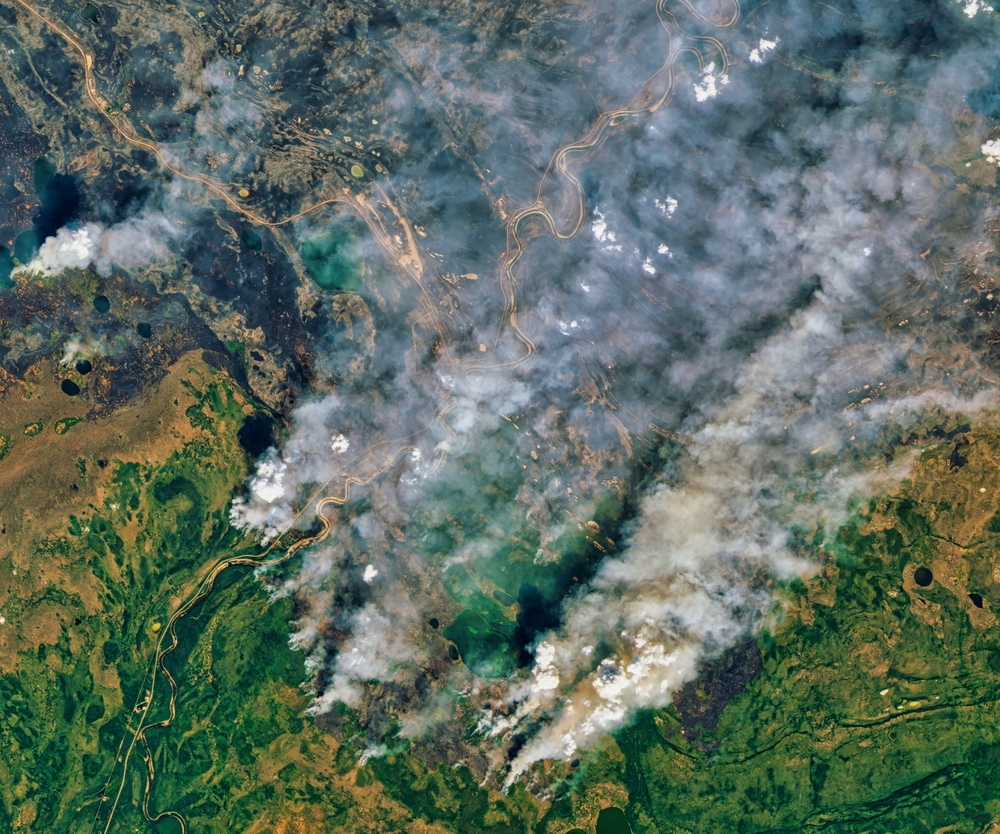
Yellowknife sits within the Boreal Forest close to lakes. Dry lightning is a growing threat. Limited road access complicates evacuations. Smoke can ground flights for days. Fire seasons now start earlier. Northern soils dry faster than before. Suppression resources must travel long distances. Communities rely on timely air support. Fuel breaks need constant upkeep. Residents prepare emergency kits annually. Large fires nearby strain territorial systems. Climate shifts amplify risk. Yellowknife now plans for longer, more intense fire seasons.
Whitehorse
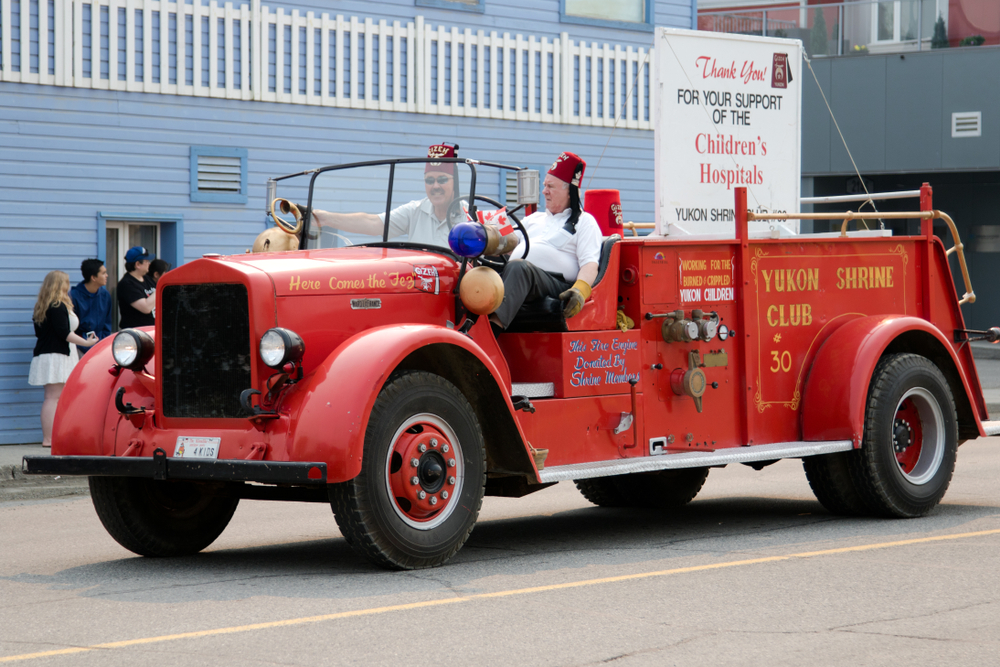
Whitehorse faces rising wildfire danger each summer. Warmer temperatures dry the surrounding forests quickly. Lightning storms increase across the Yukon. Limited firefighting crews cover vast territory. Smoke impacts linger due to the valley geography. Evacuations rely on a few highways. Communities outside the city face even greater risk. Fuel management remains challenging near homes. Tourism overlaps peak fire periods. Emergency shelters face capacity pressure. Northern fire behavior is changing fast. Whitehorse prepares for seasons once considered unlikely.
Grande Prairie
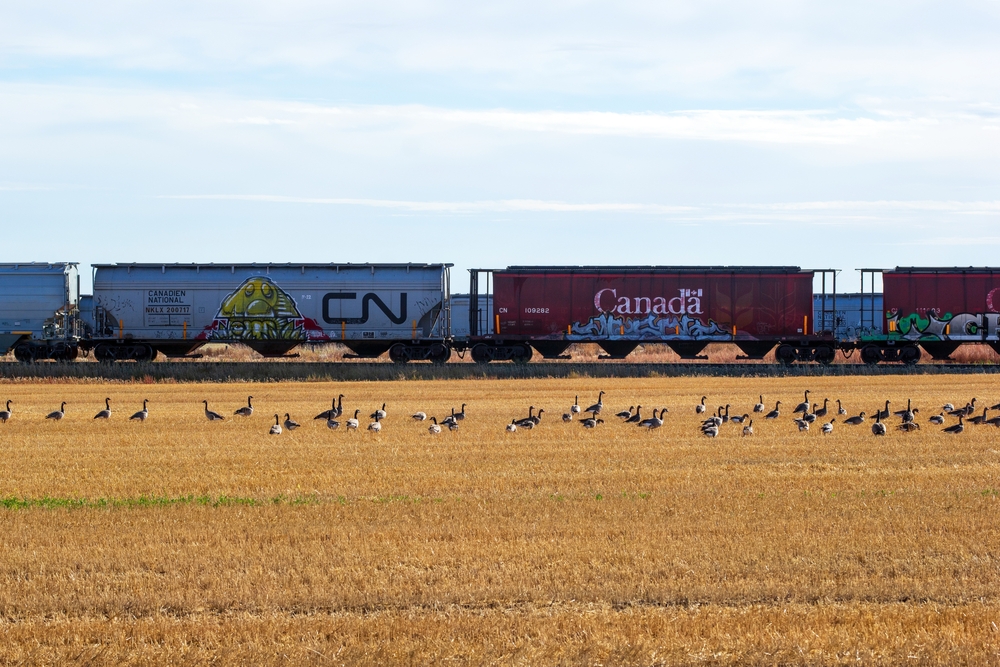
Grande Prairie borders agricultural land and forest. Drought conditions increase grass and brush fires. Winds push flames toward developed areas. Oil and gas activity raises ignition risks. Surrounding rural homes stretch response coverage. Smoke often disrupts daily life. Highway closures affect supply chains. Fire seasons extend longer into fall. Local crews face repeated deployments. Water sources shrink during dry summers. Population growth adds complexity. The region faces mixed fire types in one season.
Slave Lake
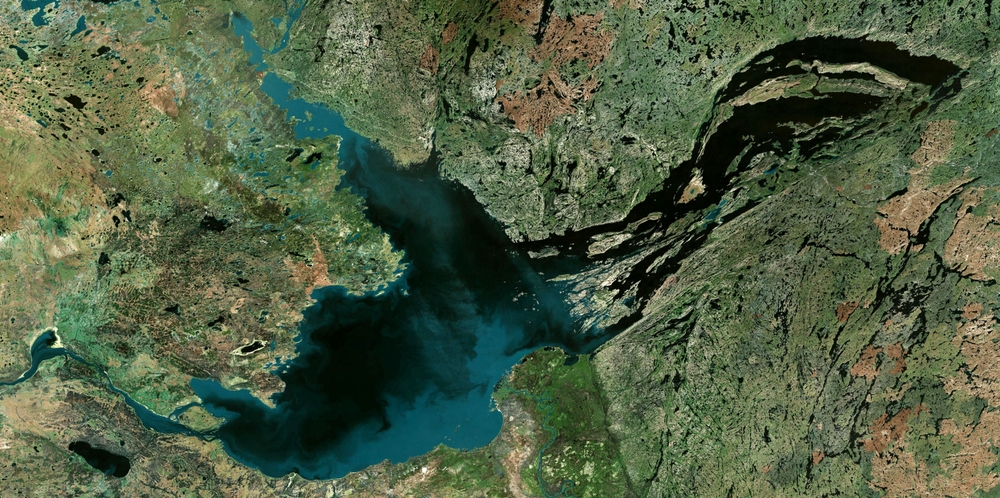
Slave Lake remains closely tied to wildfire memory. Dense forests surround residential areas. Dry springs shorten preparation time. Wind conditions shift rapidly near the lake. Evacuation routes remain limited. Rebuilt neighborhoods still face exposure. Fuel reduction requires constant effort. Smoke impacts health services often. Fire seasons test insurance coverage limits. Crews monitor nearby ignition zones closely. The town lives with seasonal readiness. Risk remains high despite lessons from the past.
High Level
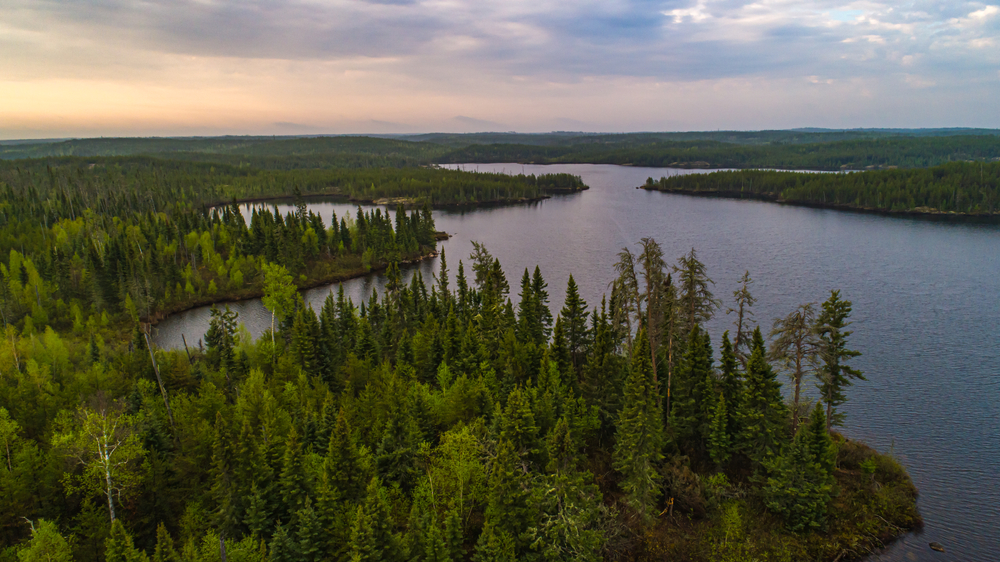
High Level sits deep within the Boreal Forest. Remote location complicates rapid response. Fires can grow large before detection. Limited road access delays evacuations. Smoke often affects air quality for weeks. Local resources are stretched thin. Lightning storms spark multiple fires at once. Fuel loads remain heavy across the region. Community services face disruption quickly. Supply deliveries depend on clear highways. Fire seasons increasingly dominate summer planning here.
Red Lake
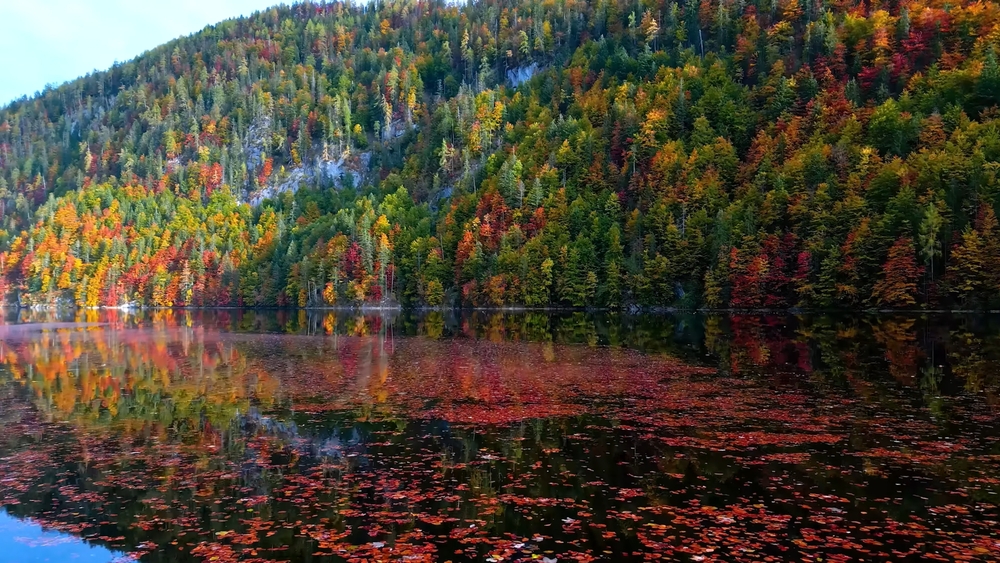
Red Lake lies within the northern Ontario forest. Dry lightning is a constant concern. Remote geography delays reinforcements. Mining activity increases ignition potential. Evacuations depend heavily on air travel. Smoke can isolate the community. Water bombing distances remain long. Fire seasons now start earlier. Residents face recurring alerts. Infrastructure corridors cut through dense forest. Recovery time between seasons keeps shrinking. Risk continues to climb across northwestern Ontario.
Dryden
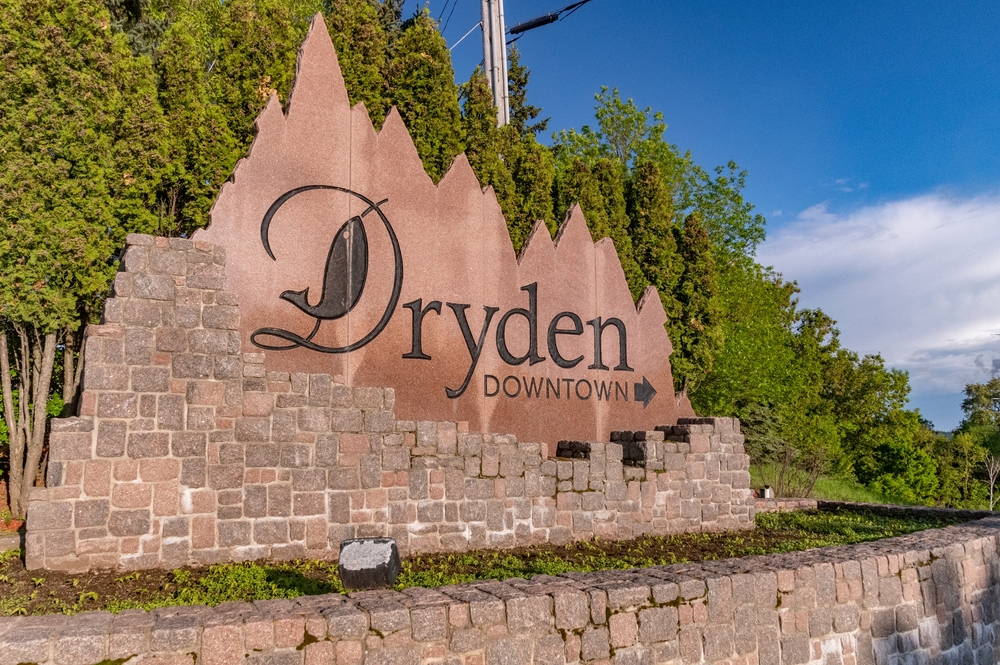
Dryden sits along key transportation routes. Surrounding forests dry rapidly during heat waves. Fires threaten highways and rail lines. Smoke disrupts regional travel quickly. Nearby lakes do not reduce fire spread. Evacuation plans cover wide rural zones. Local crews manage multiple ignition sources. Fire seasons strain municipal budgets. Residents prepare for repeated alerts. Forest health issues add fuel. Dryden faces increasing pressure each summer.
Kenora
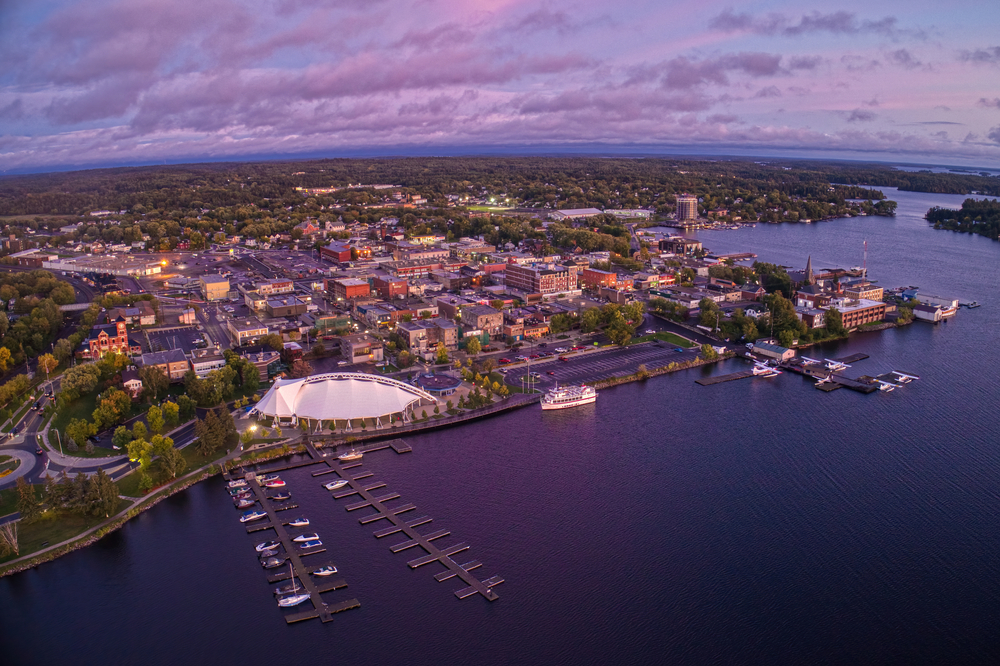
Kenora’s lake-rich landscape masks fire danger. Forested islands and shorelines burn easily. Dry summers raise lightning risks. Tourism increases seasonal population pressure. Evacuations must cross water or highways. Smoke impacts linger over the lake basin. Fire suppression faces logistical hurdles. Cottages increase wildland interface exposure. Infrastructure spreads across wooded terrain. Fire seasons disrupt the regional economy. Kenora now plans for longer emergency windows.
Thompson
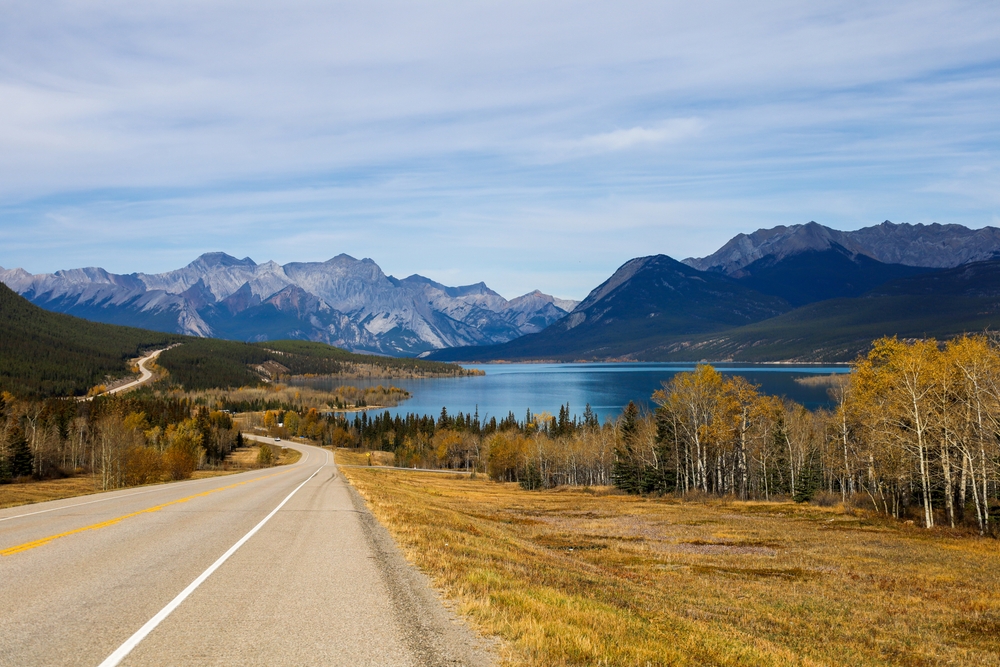
Thompson lies within the northern boreal forest. Dry conditions now arrive earlier. Lightning-driven fires dominate risk. Remote access delays outside support. Evacuations depend on limited roads. Smoke often affects vulnerable residents. Fuel buildup remains widespread. Mining operations increase ignition concerns. Fire seasons strain health services. Community preparedness has improved, yet exposure remains high. Northern Manitoba faces expanding wildfire threats each year.
Flin Flon
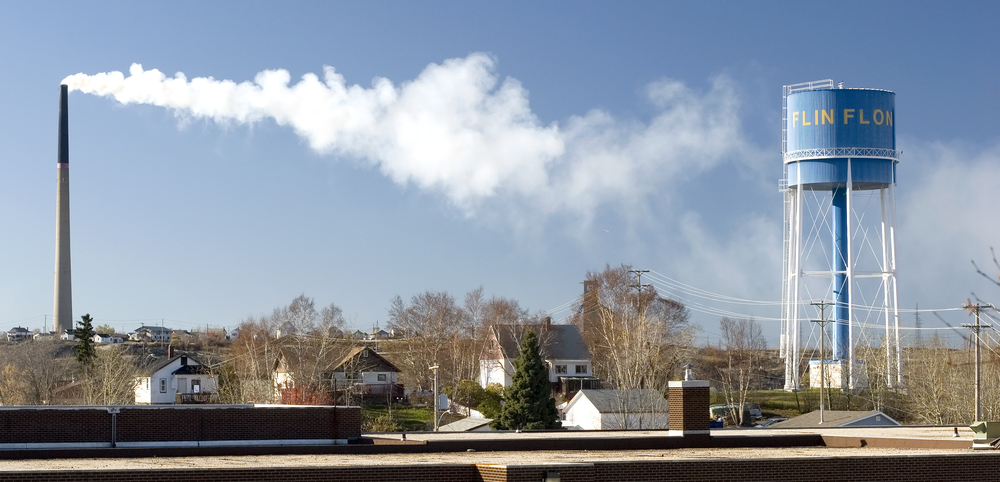
Flin Flon sits near forested lake country. Fires can spread quickly through mixed terrain. Remote location complicates logistics. Evacuation routes cross fire-prone corridors. Smoke often grounds flights. Seasonal dryness worsens each year. Infrastructure remains vulnerable. Fire breaks need constant upkeep. Community size limits response capacity. Long fire seasons disrupt daily life. Flin Flon faces growing northern wildfire pressures.
La Ronge
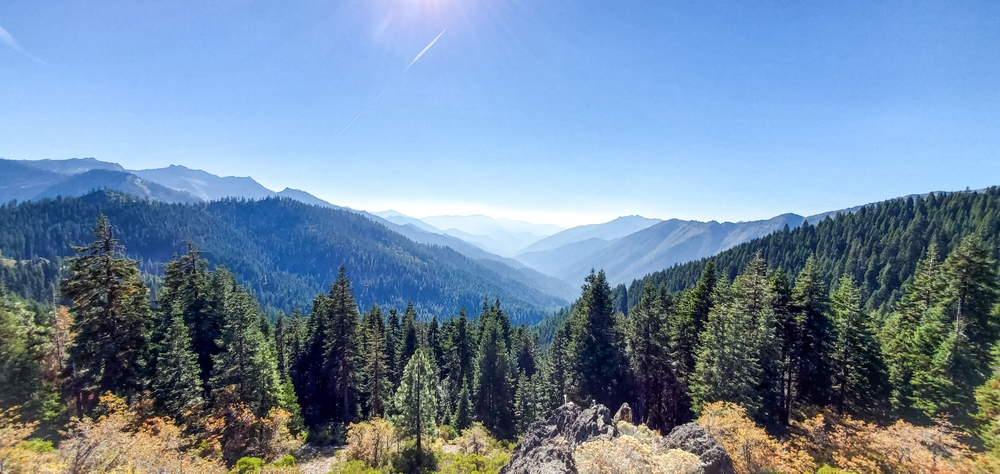
La Ronge lies within dense northern forest. Lightning storms trigger frequent ignitions. Remote geography delays reinforcements. Evacuations rely on limited highways. Smoke impacts last for weeks. Local crews cover vast territory. Fuel loads remain heavy. Climate shifts shorten recovery time. Community services face disruption often. Fire seasons dominate summer planning. Risk continues to rise across northern Saskatchewan.
22 Groceries to Grab Now—Before another Price Shock Hits Canada

Food prices in Canada have been steadily climbing, and another spike could make your grocery bill feel like a mortgage payment. According to Statistics Canada, food inflation remains about 3.7% higher than last year, with essentials like bread, dairy, and fresh produce leading the surge. Some items are expected to rise even further due to transportation costs, droughts, and import tariffs. Here are 22 groceries to grab now before another price shock hits Canada.
22 Groceries to Grab Now—Before another Price Shock Hits Canada
This Options Discord Chat is The Real Deal
While the internet is scoured with trading chat rooms, many of which even charge upwards of thousands of dollars to join, this smaller options trading discord chatroom is the real deal and actually providing valuable trade setups, education, and community without the noise and spam of the larger more expensive rooms. With a incredibly low-cost monthly fee, Options Trading Club (click here to see their reviews) requires an application to join ensuring that every member is dedicated and serious about taking their trading to the next level. If you are looking for a change in your trading strategies, then click here to apply for a membership.