
35,000+ smart investors are already getting financial news, market signals, and macro shifts in the economy that could impact their money next with our FREE weekly newsletter. Get ahead of what the crowd finds out too late. Click Here to Subscribe for FREE.
The crisis in Venezuela is shaking markets, migration systems, energy flows, and diplomacy across the Americas. Canadians may feel distant from Caracas, yet what happens next matters for jobs, prices, human rights, and Canada’s role in the world. Oil prices in Canada already wobble when the Venezuelan situation shifts. Our government has responded with sanctions, diplomatic statements, and support for Venezuelan refugees. Here are 18 reasons Canada can’t ignore what happens next in Venezuela.
Canada’s Oil Sector Faces New Competition
18 Reasons Canada Can’t Ignore What Happens Next in Venezuela
- Canada’s Oil Sector Faces New Competition
- Canada’s Currency Is Sensitive to Venezuelan News
- Canadian Diplomatic Policy Is Already Linked to Venezuela
- Human Rights and Canadian Values Are at Stake
- Refugee and Migration Issues Affect Canadian Communities
- Canada Is Part of the Lima Group of Nations
- Security Considerations Extend Beyond Borders
- Trade and Investment Ties Could Shift
- Canada’s Global Standing Is on Display
- Humanitarian Aid Decisions Could Grow More Urgent
- Canada Must Navigate U.S. Policy Changes
- Canadian Businesses Could Face Legal Risks
- Energy Security Narratives Are Shifting
- Canadian Public Opinion Is Evolving
- Venezuela Offers Lessons on Resource Dependence
- Regional Stability Affects Canadian Security
- Venezuela Could Become a Long-Term Partner
- What Happens Next Will Shape Hemisphere Policy
- 22 Groceries to Grab Now—Before another Price Shock Hits Canada

Canada exports heavy crude mostly to the United States, and Venezuela produces a similar grade. If Venezuela resumes exports after sanctions or political change, U.S. refiners might buy more Venezuelan oil instead of Canadian shipments. That would reduce demand for Canada’s heavy crude and tighten profit margins for producers back home. Analysts already see Venezuela’s potential output pushing down Canada’s prices and market leverage. A shift in oil flows could affect jobs in Western Canada and impact federal and provincial revenues tied to energy production. For Canada’s energy sector, Venezuela’s fate matters for business and policy.
Canada’s Currency Is Sensitive to Venezuelan News

Investors reacted to the possibility of more Venezuelan oil by selling the Canadian dollar. In recent trading sessions, the Loonie weakened and lagged other major currencies amid uncertainty over how Venezuelan output might shift global markets. Currency moves affect Canadian import costs, household budgets, and interest rates. When traders see risks tied to Venezuelan oil and politics, they price that into the exchange rate. A weaker Canadian dollar can make travel and imported goods more expensive. More volatility may follow future news from Caracas, putting Canadian financial markets on edge.
Canadian Diplomatic Policy Is Already Linked to Venezuela

Canada has taken a clear stance on Venezuela’s government and its democratic crisis. Our government has refused to recognize the Maduro regime for several years and has imposed targeted sanctions on officials tied to rights abuses. Canadian foreign policy statements repeatedly call for respect for democratic will and human rights. This stance reflects Ottawa’s values as well as its interest in stable governments in the Americas. By the actions it chooses or declines, Canada is already entangled diplomatically. These choices shape Canada’s reputation and influence among allies and in international institutions.
Human Rights and Canadian Values Are at Stake
Reports from Venezuela describe repression, lack of fair elections, and arbitrary detentions by state actors. Canada has condemned these violations in diplomatic statements and joined international calls for greater freedoms and protections. Respecting human dignity is part of Canada’s foreign policy identity. And failing to speak out when abuses escalate could weaken Canada’s moral position abroad. What unfolds in Venezuela will test Canadian resolve to stand behind rights and democratic processes. Global audiences watch whether Canada will act or pivot when democratic norms falter nearby.
Refugee and Migration Issues Affect Canadian Communities
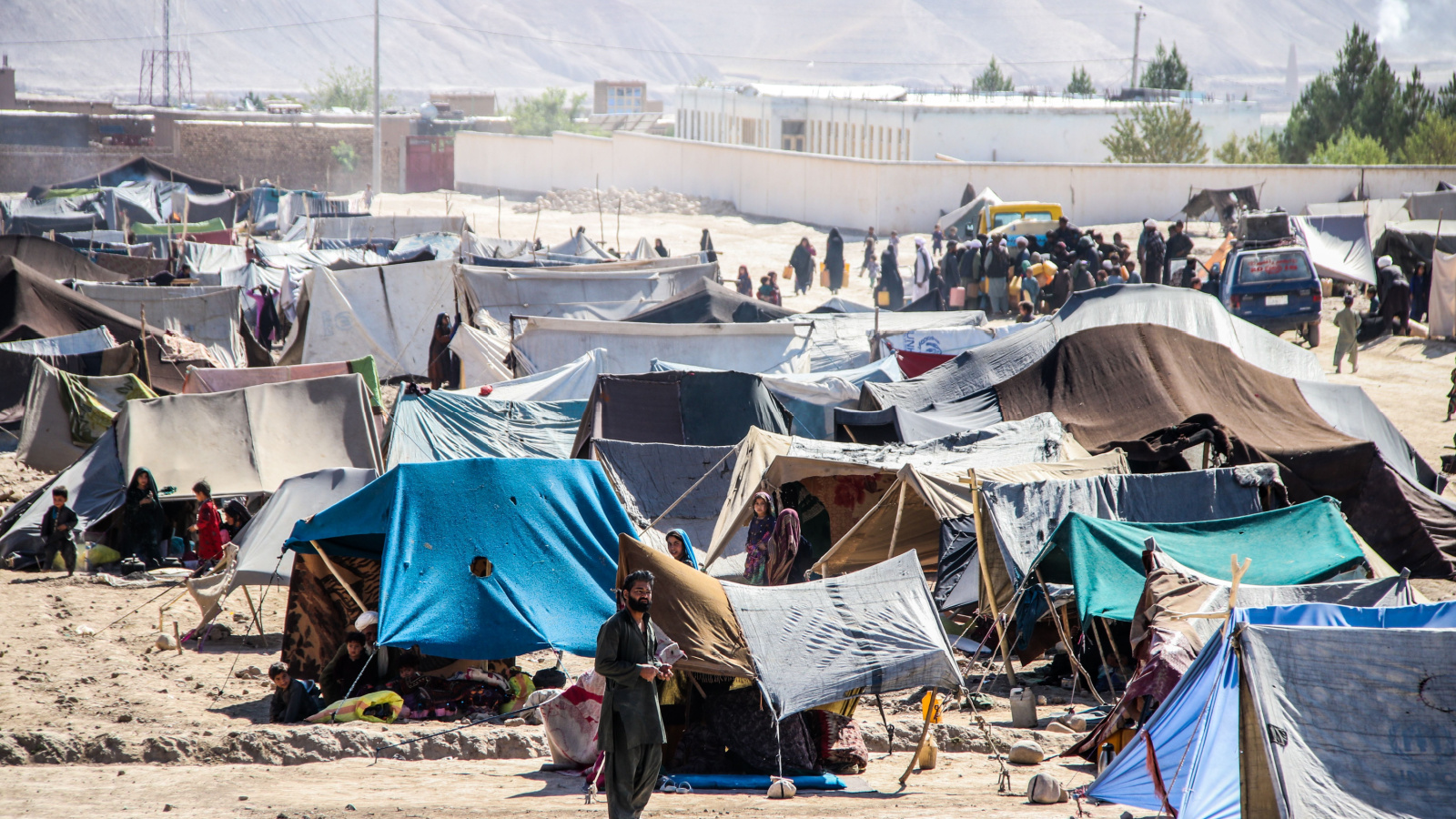
The humanitarian crisis in Venezuela has pushed millions to seek safety elsewhere. Some refugees have resettled in nations closer to home, while others have moved farther. Canada has programs to accept asylum seekers and work with partners on migration assistance. Public debate around migration policy has included how Canada should respond to Venezuelan displacement. Shifts in Venezuela’s conditions might increase movements toward North America. Planning and resources for resettlement, integration, and support services could come under pressure if crises escalate. For Canada’s social systems, this is a tangible part of the Venezuelan story.
Canada Is Part of the Lima Group of Nations
Canada joined the Lima Group, a multilateral coalition of countries condemning repression in Venezuela and pushing for negotiation. This group aims at a peaceful, democratic transition in Caracas with free and fair elections. Canada’s participation in this forum means Ottawa’s policy and credibility are linked to outcomes in Venezuela. As events shift, Canada may face pressure to reaffirm its stance or change course. How neighbors in the Americas see Canada’s role will depend on how we engage with other Lima Group members and the results they achieve.
Security Considerations Extend Beyond Borders

Instability in Venezuela could draw in regional powers or non-state armed groups. When governance breaks down, violence can spill outward. Canada and allies keep watch on potential shifts in security dynamics, from arms trafficking to gang networks. A power vacuum in Caracas could embolden actors hostile to democratic partners. Canada may need to reassess its security cooperation with hemispheric allies. These concerns are not distant geopolitical puzzles but real questions about stability in our hemisphere and the safety of Canadians abroad.
Trade and Investment Ties Could Shift

Historically, Canada and Venezuela had trade and investment relations, especially in oil and manufactured goods. Agreements dating back decades included protections for Canadian firms. Renewed stability or market access in Venezuela might revive opportunities for Canadian exporters and investors. Conversely, prolonged turmoil means lost potential revenue for Canadian businesses seeking to diversify markets. Canada’s future economic plans may factor in what happens to Venezuelan demand for imports or its capacity to host foreign firms. Trade is not static, and Venezuela could become relevant again.
Canada’s Global Standing Is on Display
How Canada responds to crises abroad influences how other nations see it. Allies and partners watch to see if Canada acts with consistent principles or retreats under pressure. Engagement in Venezuela signals Canadian priorities on the rule of law and multilateral cooperation. If Canada steps up with humanitarian aid, diplomacy, or sanctions, other countries may view Ottawa as a reliable partner. Failing to maintain a clear position could weaken Canada’s voice on other global issues where moral leadership is tested. Venezuelan events are a chance to show Canadian consistency.
Humanitarian Aid Decisions Could Grow More Urgent

Millions of Venezuelans face shortages of food, medicine, and basic services. As conditions worsen or improve, international aid needs shift accordingly. Canada contributes to humanitarian relief and works with NGOs and partner governments. Decisions about funding increases, refugee sponsorship, and emergency assistance tie back to the situation in Venezuela. Canadian charities and diaspora groups may call for support or policy changes. The suffering of ordinary people is not an abstract issue. For millions in crisis, Canada’s choices matter on the ground.
Recent events have altered U.S. policy toward Venezuela, including military action and discussions over leadership transitions. Canada has insisted all sides respect international law and sovereignty, even while disagreeing with some U.S. tactics. As America shifts its approach, Canada must decide whether to align, diverge, or carve its own path. This balancing act affects our relationship with Washington and our influence in Western Hemisphere policy circles. Canada’s voice is tested when close allies adopt controversial moves nearby.
Canadian Businesses Could Face Legal Risks

Investments and contracts tied to Venezuela, including arbitration cases involving Canadian firms, reveal legal exposure. Agreements from decades past may still influence the rights of investors and sovereign powers. If Venezuela changes its legal framework or enforcement of contracts, Canadian companies might pursue claims abroad. These disputes can cost time, money, and diplomatic capital. Ensuring legal protections for Canadian investors has been a long-standing foreign policy goal. The unfolding Venezuela story may keep those issues alive on the negotiation tables.
Energy Security Narratives Are Shifting

North American energy security debates now include Venezuela’s potential role. If sanctions ease, Venezuelan oil could supply U.S. refineries, which might reduce Canadian market share. Canada has argued for energy plans that reinforce continental cooperation and avoid overreliance on unstable producers. Canadian leaders cite shared oil needs between Canada and the U.S. as reasons for coordinated energy policy. When Venezuela’s situation changes, these conversations pick up steam in boardrooms and legislatures across the continent.
Canadian Public Opinion Is Evolving

Canadians are increasingly aware of foreign-policy issues that affect their daily lives. Social media, news reports, and diaspora voices shape public views about what Ottawa should do in crises like Venezuela’s. Immigration, human rights, economic ties, and security all feed into the debate. If the public pushes for a stronger position, Canada’s political leaders may respond. Public sentiment plays a role in shaping long-term foreign policy direction. Venezuela is part of that ongoing national conversation about our international role.
Venezuela Offers Lessons on Resource Dependence
Venezuela’s economic troubles stem in large part from extreme reliance on oil revenue and weak governance. Canada’s own resource-rich provinces watch those developments with interest. How Venezuela manages recovery or reform could influence debates about economic diversification back home. Policymakers, academics, and industry groups study Venezuela’s weaknesses to shape resilient futures for Canadian regions. Energy markets may change, but lessons about sustaining broad-based growth remain relevant. Venezuela’s story may help Canadians think more broadly about economic plans.
Regional Stability Affects Canadian Security

Latin America’s stability is important for overall Western Hemisphere security. Instability in one nation can affect neighbors and trade routes. Canada participates in hemispheric organizations and regional dialogues focused on peace and growth. A stable Venezuela would strengthen these platforms and support development across Central and South America. Alternatively, chaos could drag in external actors, complicating security cooperation. Canada’s interest in a peaceful region connects to policies from defense to development.
Venezuela Could Become a Long-Term Partner

If political reform and economic recovery take hold in Venezuela, new opportunities could emerge for collaboration. Canadian firms might invest in rebuilding industries, and educational, cultural, and diplomatic ties could deepen. A positive shift would create space for engagement on climate, trade, and governance issues. Canada’s ability to pivot from crisis response to partnership would demonstrate flexibility and foresight. Preparing for that possibility means thinking beyond current headlines to what a stable Venezuela might mean for Canada.
What Happens Next Will Shape Hemisphere Policy

The outcome in Venezuela will influence how nations across the Americas deal with authoritarian tendencies, economic collapse, and mass displacement. Canada, the U.S., Mexico, and other partners will revise strategies based on what unfolds. Whether governments choose sanctions, diplomacy, or aid packages, the results will reverberate in Ottawa. Canada’s actions today help define its role in shaping policy across the hemisphere for years to come. Venezuelan events are not isolated. They are part of a broader story that will shape regional affairs.
22 Groceries to Grab Now—Before another Price Shock Hits Canada

Food prices in Canada have been steadily climbing, and another spike could make your grocery bill feel like a mortgage payment. According to Statistics Canada, food inflation remains about 3.7% higher than last year, with essentials like bread, dairy, and fresh produce leading the surge. Some items are expected to rise even further due to transportation costs, droughts, and import tariffs. Here are 22 groceries to grab now before another price shock hits Canada.
22 Groceries to Grab Now—Before another Price Shock Hits Canada
This Options Discord Chat is The Real Deal
While the internet is scoured with trading chat rooms, many of which even charge upwards of thousands of dollars to join, this smaller options trading discord chatroom is the real deal and actually providing valuable trade setups, education, and community without the noise and spam of the larger more expensive rooms. With a incredibly low-cost monthly fee, Options Trading Club (click here to see their reviews) requires an application to join ensuring that every member is dedicated and serious about taking their trading to the next level. If you are looking for a change in your trading strategies, then click here to apply for a membership.