
35,000+ smart investors are already getting financial news, market signals, and macro shifts in the economy that could impact their money next with our FREE weekly newsletter. Get ahead of what the crowd finds out too late. Click Here to Subscribe for FREE.
Winter in Canada often comes with big expectations and even bigger bills. Ski towns sell nostalgia, scenery, and the promise of escape. What many visitors actually face are crowded lifts, inflated hotel rates, and meals priced like special occasions. Popularity has shifted the focus from skiing to selling an image. Some towns still deliver value quietly, but others rely heavily on reputation. Here are 22 Canadian ski towns that are overrated and overpriced this season.
Whistler, British Columbia
22 Canadian Ski Towns That Are Overrated and Overpriced This Season
- Whistler, British Columbia
- Banff, Alberta
- Lake Louise, Alberta
- Mont-Tremblant, Quebec
- Blue Mountain, Ontario
- Sun Peaks, British Columbia
- Big White, British Columbia
- Panorama, British Columbia
- Revelstoke, British Columbia
- Fernie, British Columbia
- SilverStar, British Columbia
- Kimberley, British Columbia
- Jasper, Alberta
- Stoneham, Quebec
- Le Massif, Quebec
- Mount Norquay, Alberta
- Cypress Mountain, British Columbia
- Mount Washington, British Columbia
- Apex Mountain, British Columbia
- Nakiska, Alberta
- Mont-Sainte-Anne, Quebec
- Grouse Mountain, British Columbia
- 22 Groceries to Grab Now—Before another Price Shock Hits Canada

Whistler remains Canada’s most famous ski destination, and the pricing reflects that reputation aggressively. Lift tickets cost more than at some international resorts. Hotels raise rates early and rarely offer value packages. Dining prices rival downtown Vancouver without the same variety. Lift lines stretch long during peak hours. The village feels crowded even midweek. Parking adds another daily expense. Families feel the cost most. Terrain remains impressive, but many visitors spend more time navigating crowds than skiing. Whistler now sells status as much as snow. For many travelers, the experience no longer matches the total bill.
Banff, Alberta
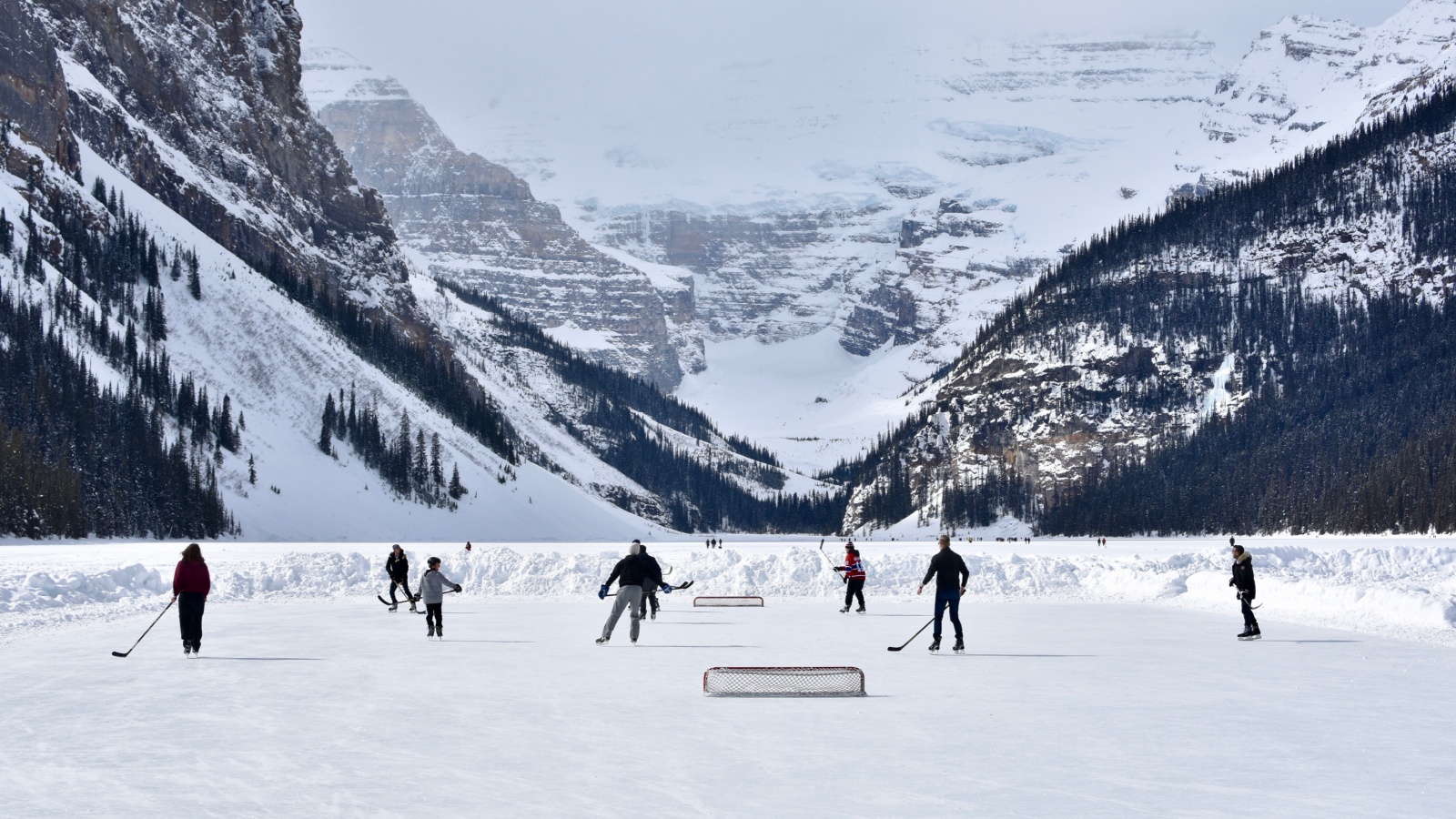
Banff combines mountain scenery with nonstop tourism pressure. Hotel prices surge during ski season regardless of conditions. Dining feels expensive even for casual meals. Skiing requires driving to nearby resorts, adding time and fuel costs. Parking fills quickly on busy days. Crowds remain constant, especially during holidays. The town feels busy rather than peaceful. Many visitors pay premium rates for atmosphere instead of slope time. Banff remains visually stunning, but skiing often feels secondary. Travelers expecting value often leave surprised by how quickly costs stack up.
Lake Louise, Alberta

Lake Louise is iconic, and the prices reflect that image. On the mountain, lodging is scarce and costly. Nearby hotels raise rates because alternatives are limited. Lift tickets remain expensive even during crowded days. Parking fills early and adds stress. Dining options are limited yet pricey. Weather closures can reduce skiable terrain quickly. Many visitors pay top dollar for short ski windows. Views remain spectacular, but the experience often feels rushed. Lake Louise delivers scenery reliably, but value has become inconsistent for many winter travelers.
Mont-Tremblant, Quebec
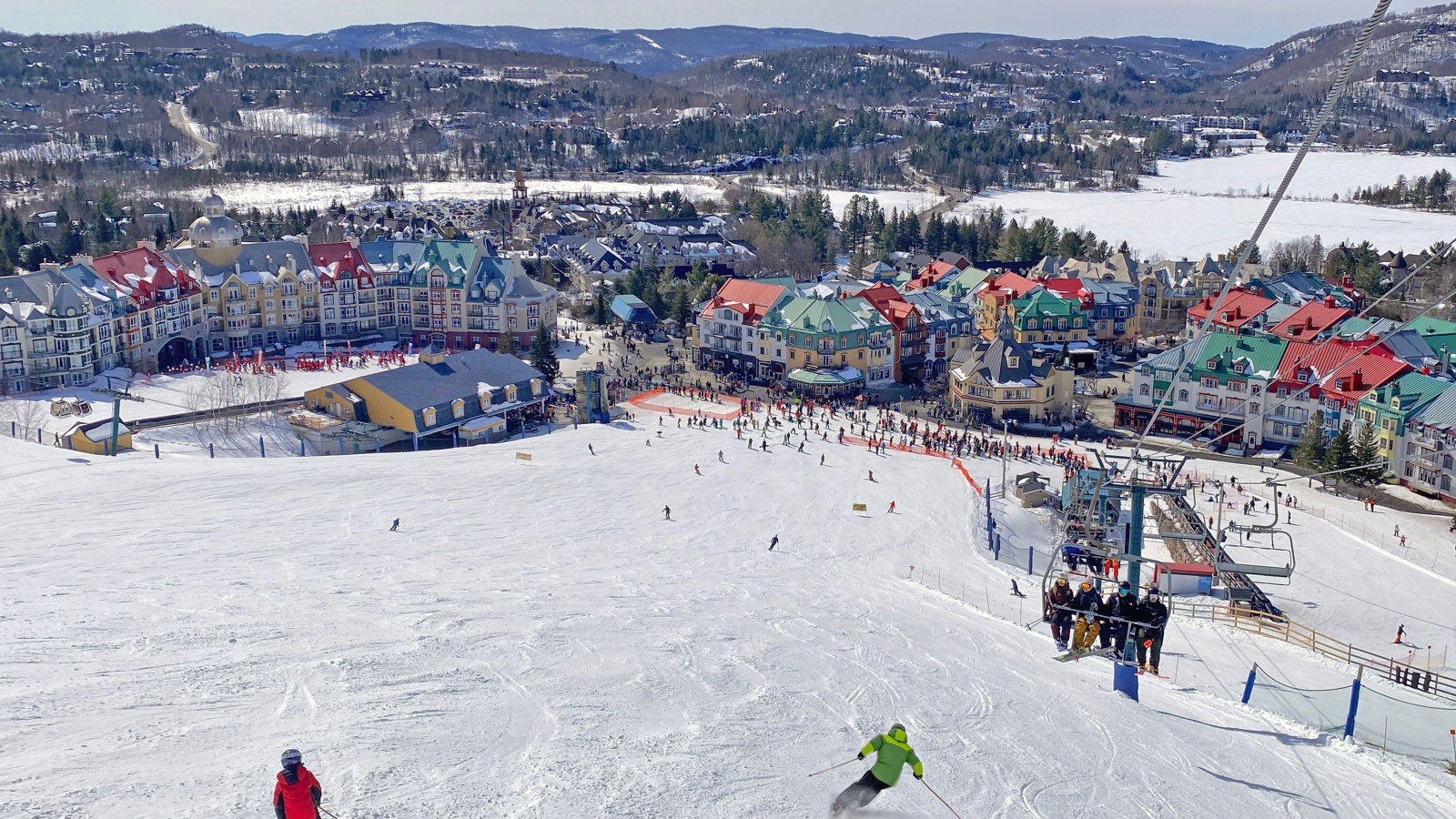
Mont-Tremblant markets charm heavily, and pricing follows the fantasy. Lodging inside the village costs far more than surrounding towns. Food prices target visitors, not locals. Lift lines grow quickly on weekends. Terrain variety feels limited for repeat trips. Snow quality depends heavily on artificial coverage. Parking outside the village adds extra logistics. The experience often feels packaged rather than relaxed. Many skiers leave feeling they paid for aesthetics more than skiing. Tremblant remains popular, but affordability has faded significantly.
Blue Mountain, Ontario

Blue Mountain dominates Ontario skiing despite limited terrain. Lift tickets feel high for the vertical offered. Runs grow crowded quickly on weekends. Lodging prices mirror destination resorts without destination scale. Dining remains expensive for basic options. Parking adds daily costs. Snow conditions rely heavily on machines. Many visitors travel hours for short runs and long waits. Blue Mountain sells convenience rather than quality. For families and casual skiers, the total cost rarely aligns with the actual experience delivered on the slopes.
Sun Peaks, British Columbia
Sun Peaks promotes a relaxed, family-friendly atmosphere. Prices have risen faster than amenities. Lodging now rivals larger resorts. Dining remains limited yet costly. Lift tickets increase annually with little change. Evening activities feel minimal for the price. Travel logistics add extra expense. Snow quality varies depending on the weather. The village feels calm, but value erosion is noticeable. Visitors expecting affordability often feel surprised. Sun Peaks still works for certain travelers, but pricing no longer reflects its quieter scale.
Big White, British Columbia
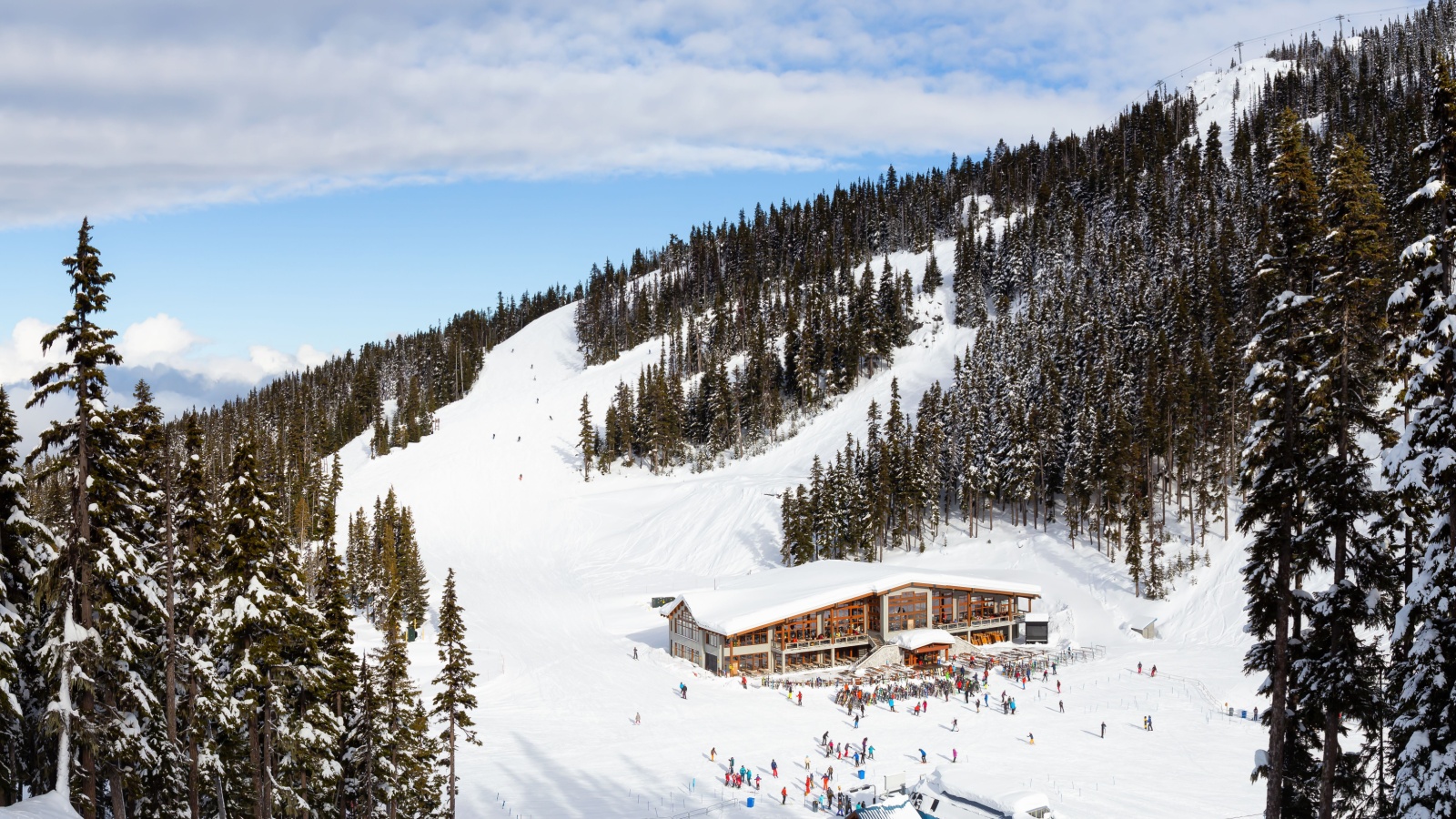
Big White is known for reliable snowfall, and pricing leans into that reputation. Ski-in in ski-out lodging commands premium rates. Dining choices remain limited and expensive. Visibility issues often reduce enjoyment. Lift infrastructure feels dated in parts. Nightlife remains minimal. Travel adds time and cost. Families often pay luxury prices for average variety. The mountain delivers snow consistently, but the surrounding experience feels inflated. Many visitors expect more flexibility and choice for the total amount spent.
Panorama, British Columbia
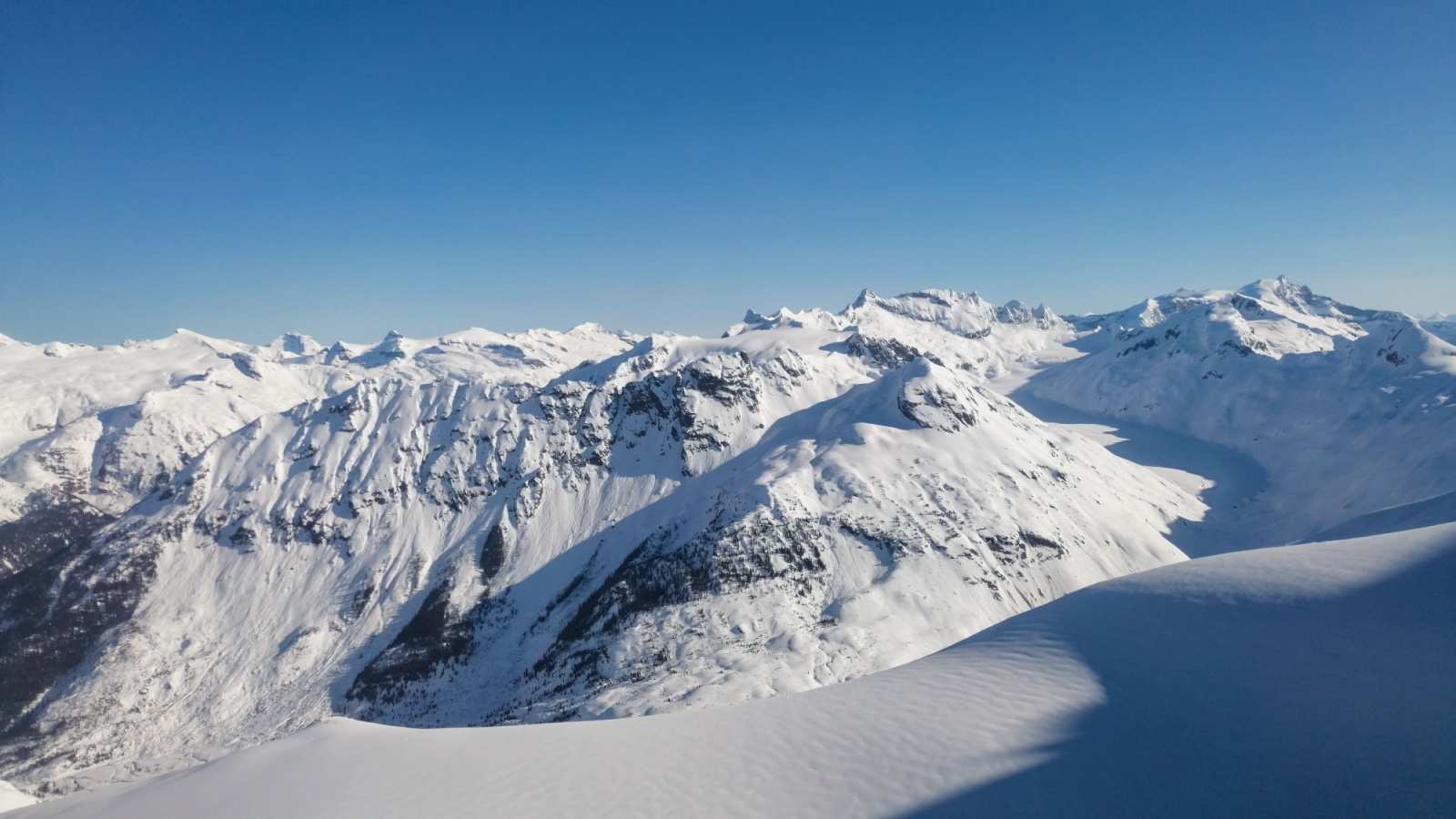
Panorama markets space and exclusivity. Pricing supports that image strongly. Lodging spikes during peak weeks. Dining costs feel high given the limited selection. Terrain favors intermediate skiers, limiting replay value. Nightlife and off-slope activities remain sparse. Travel requires planning and expense. Snow quality varies with conditions. Many visitors pay premium rates for quiet rather than excitement. Panorama suits a specific audience well, but its broader appeal weakens when value comparisons are made.
Revelstoke, British Columbia
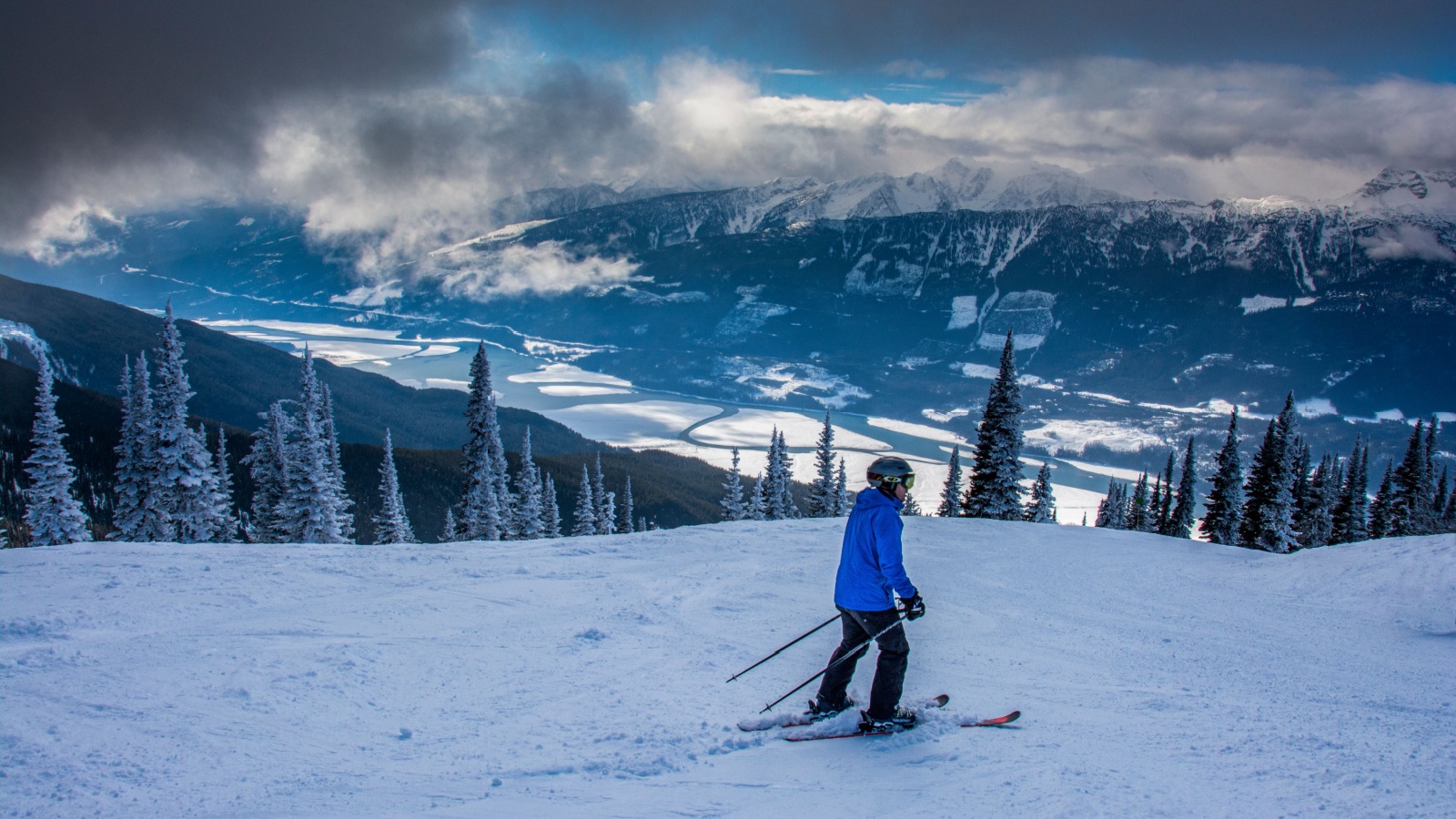
Revelstoke attracts advanced skiers chasing steep terrain. Prices now reflect hype more than access. Lodging inventory remains limited and expensive. Dining costs climb yearly. Lift lines grow fast during powder days. The weather frequently closes upper lifts. Casual skiers struggle with terrain variety. Travel logistics add cost and time. Many visitors pay premium prices for limited usable terrain. Revelstoke rewards skill but offers little flexibility for mixed groups or relaxed ski holidays.
Fernie, British Columbia
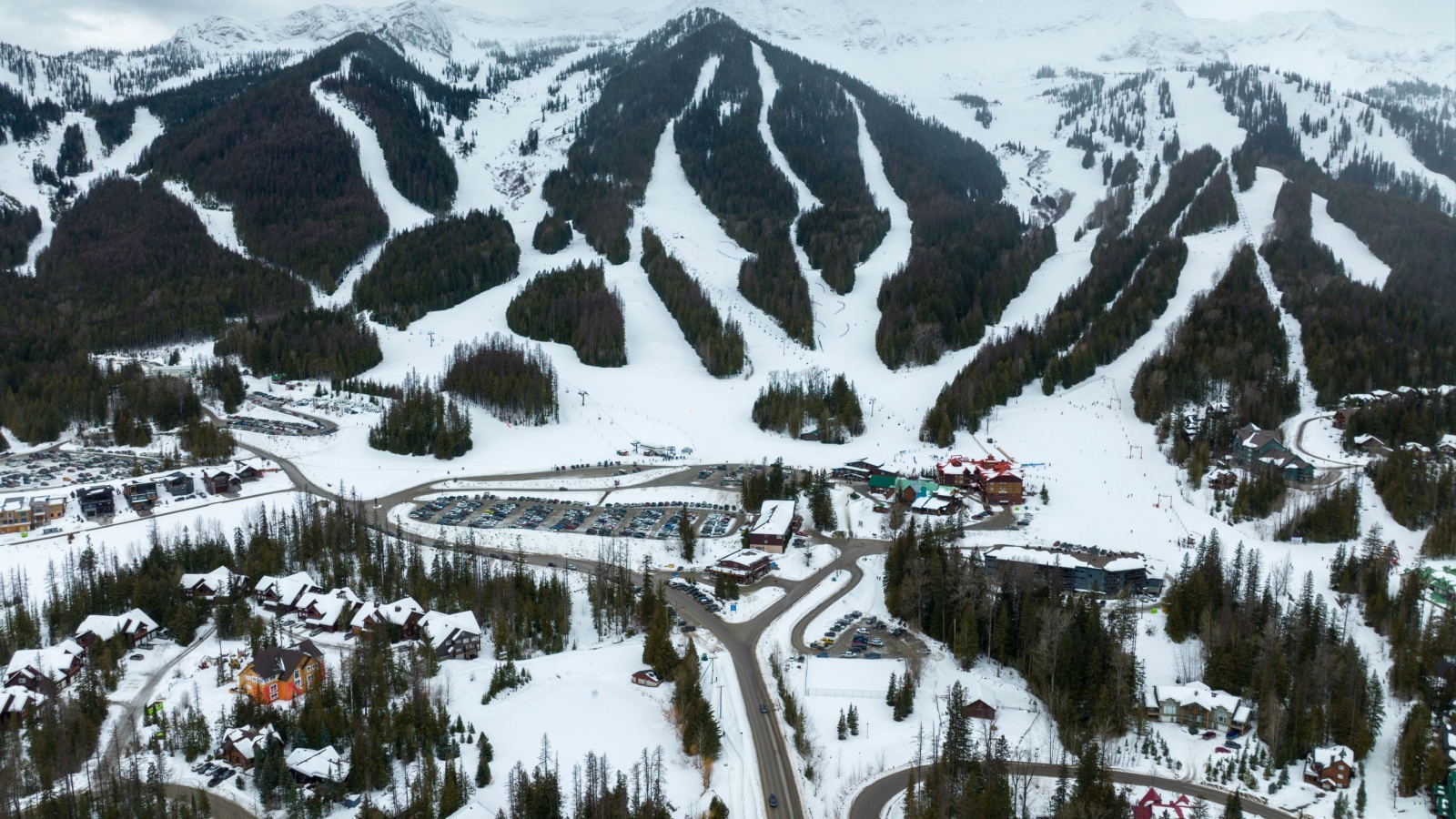
Fernie maintains a laid-back reputation, but pricing has caught up quickly. Accommodations cost more each season. Dining prices continue rising. Lift tickets approach major resort levels. Weather patterns impact snow consistency. Terrain closures frustrate visitors. The town still feels welcoming, but costs undermine that charm. Many travelers arrive expecting affordability that no longer exists. Fernie remains enjoyable, yet the value equation has shifted noticeably in recent winters.
SilverStar, British Columbia
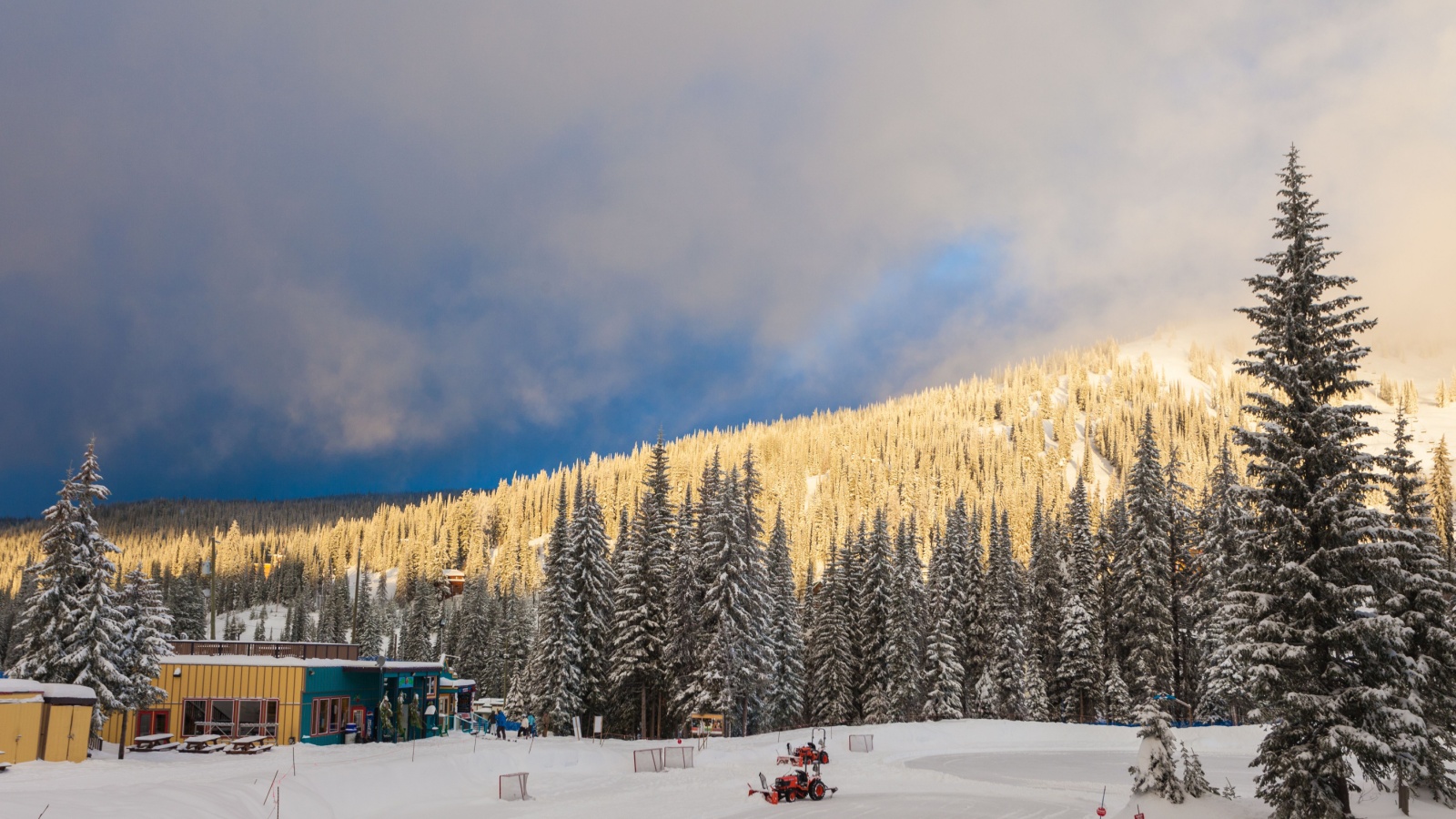
SilverStar feels colorful and family-focused. Prices suggest something larger. Lodging rates climb despite limited nightlife. Dining options remain costly for the variety offered. Terrain suits beginners and intermediates mostly. Advanced skiers feel limited after a few days. Weather affects snow quality. Travel adds expense. Visitors often expect better value due to the quieter atmosphere. SilverStar delivers comfort and predictability, but pricing no longer matches its modest scale.
Kimberley, British Columbia
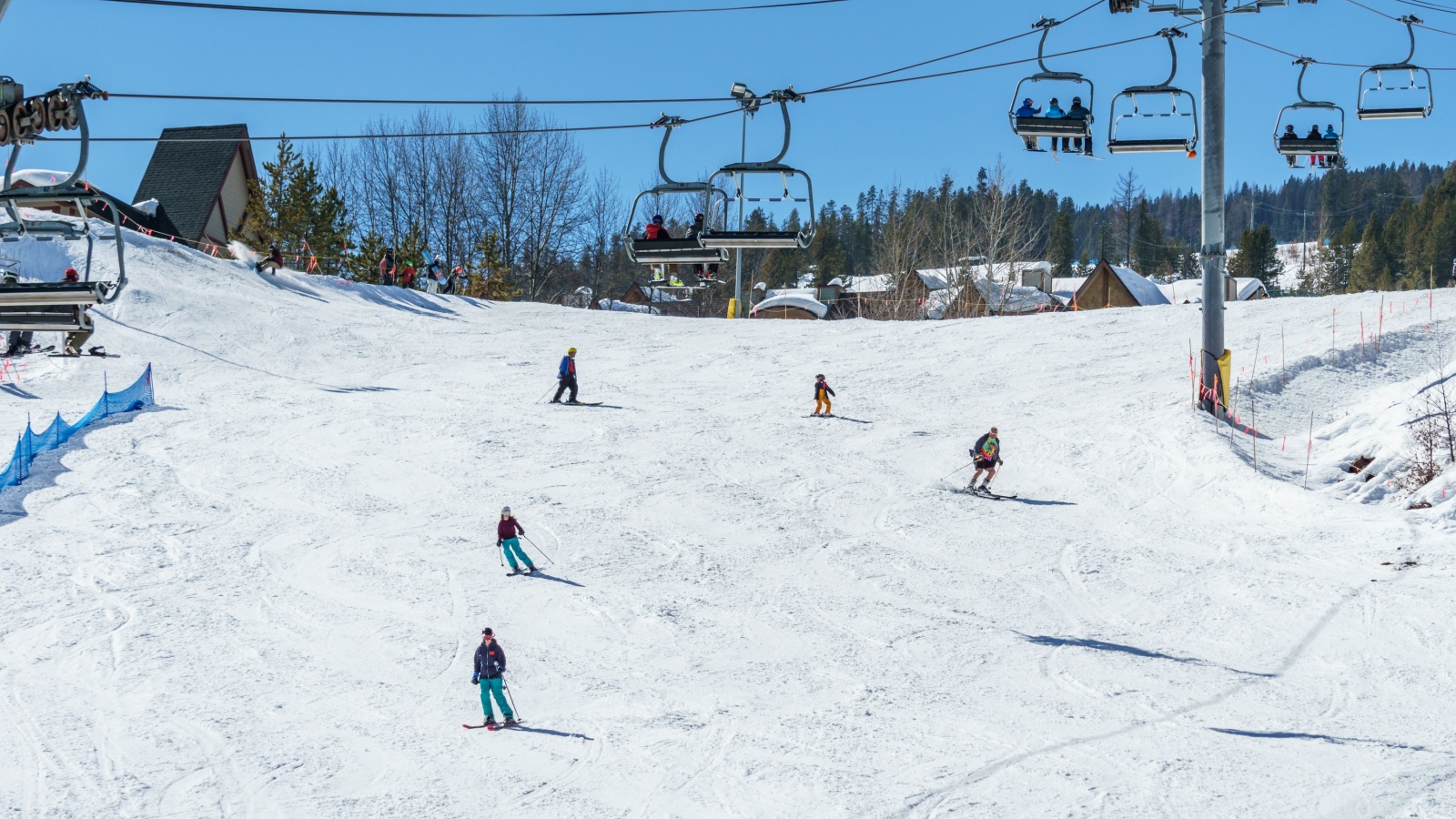
Kimberley promotes itself as a friendly small town ski destination, but pricing has quietly shifted. Lift tickets increase each season steadily. Lodging costs jump sharply during holidays. Dining options remain limited yet priced aggressively. Terrain variety feels narrow for longer stays, especially for advanced skiers. Snow quality depends heavily on weather patterns. Evening activities are minimal. Travel logistics add time and fuel costs. Visitors often pay destination prices for a regional-scale experience. Kimberley still feels welcoming, but the cost no longer reflects its modest size and limited amenities.
Jasper, Alberta
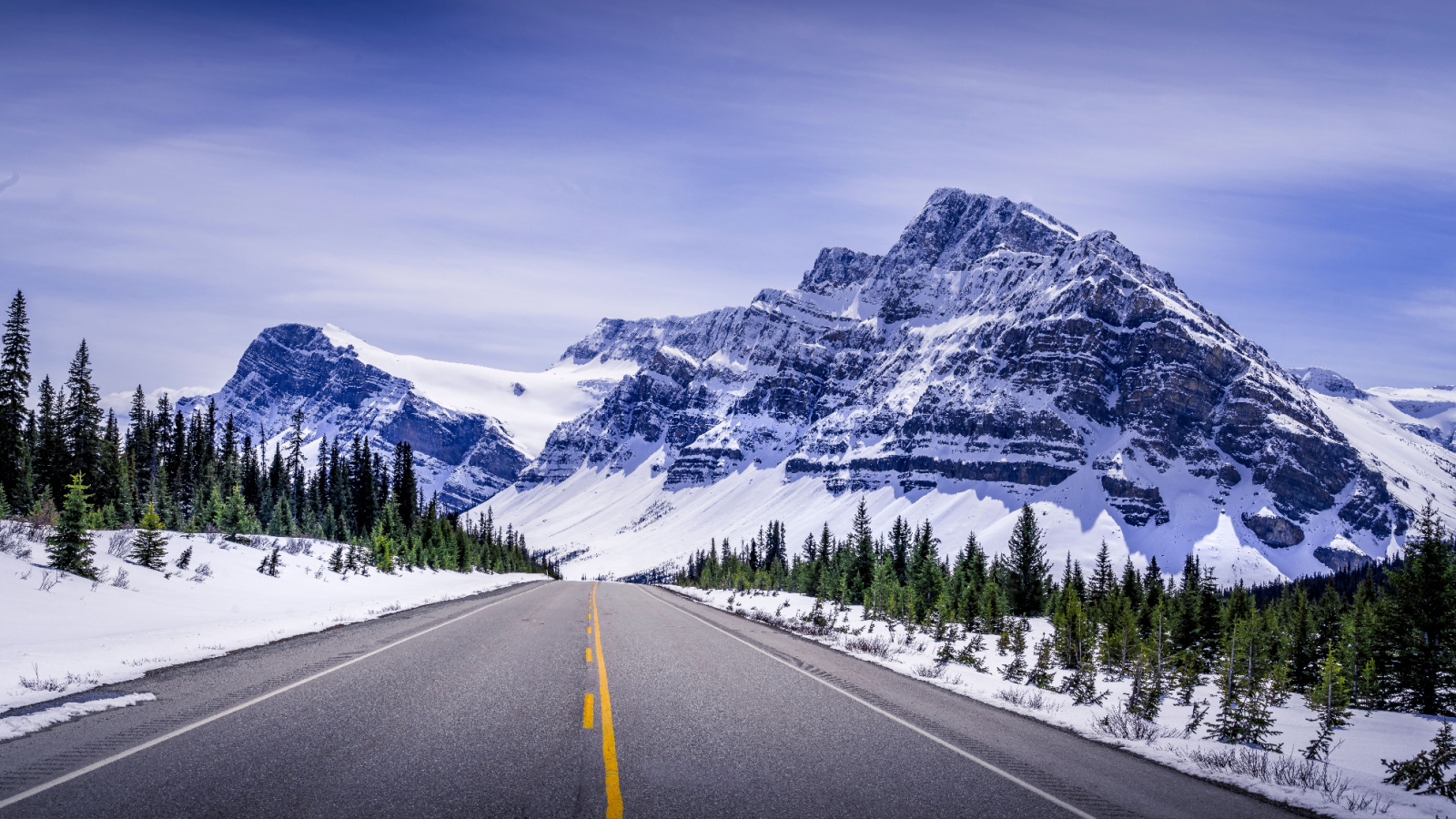
Jasper blends wilderness appeal with rising winter prices. Accommodations charge premium seasonal rates regardless of snowfall. Marmot Basin requires driving, adding time and transportation costs. Dining prices reflect tourism demand rather than local value. Lift tickets continue climbing despite moderate terrain size. Weather closures occur frequently. Parking logistics add daily frustration. Jasper feels quieter than Banff but not cheaper. Many visitors arrive expecting savings and instead face similar expenses with fewer dining and entertainment choices available during peak ski season.
Stoneham, Quebec
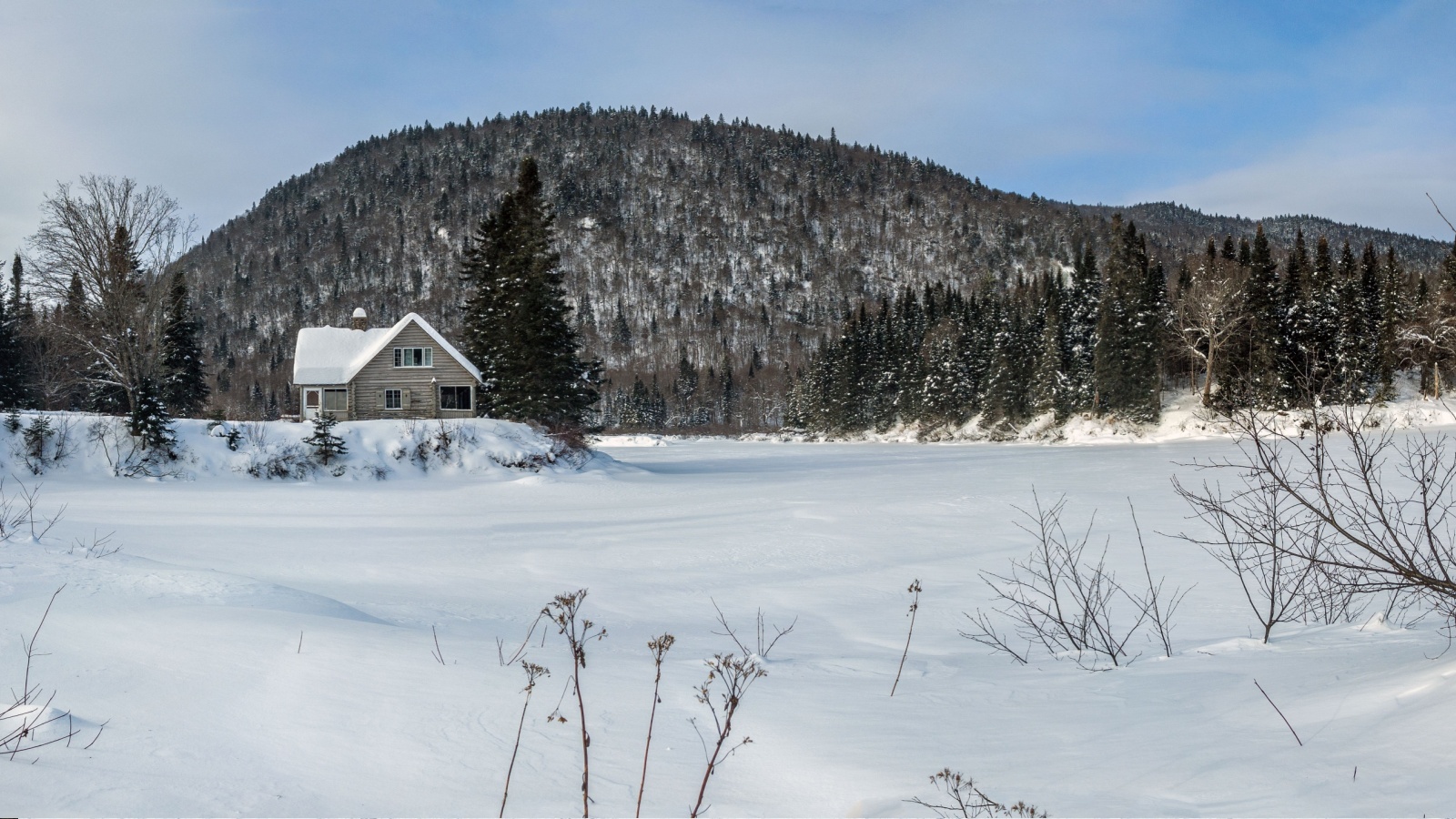
Stoneham attracts skiers from Quebec City quickly, which drives weekend pricing upward. Lift tickets spike during peak periods. Terrain size limits the variety for longer visits. Lift lines build fast on busy days. Dining options remain basic yet expensive. Snow quality relies heavily on artificial coverage. Lodging near the mountain is limited and priced accordingly. Many visitors pay more than expected for a short-day experience. Stoneham works best as a local hill, but destination-style pricing weakens its overall value.
Le Massif, Quebec
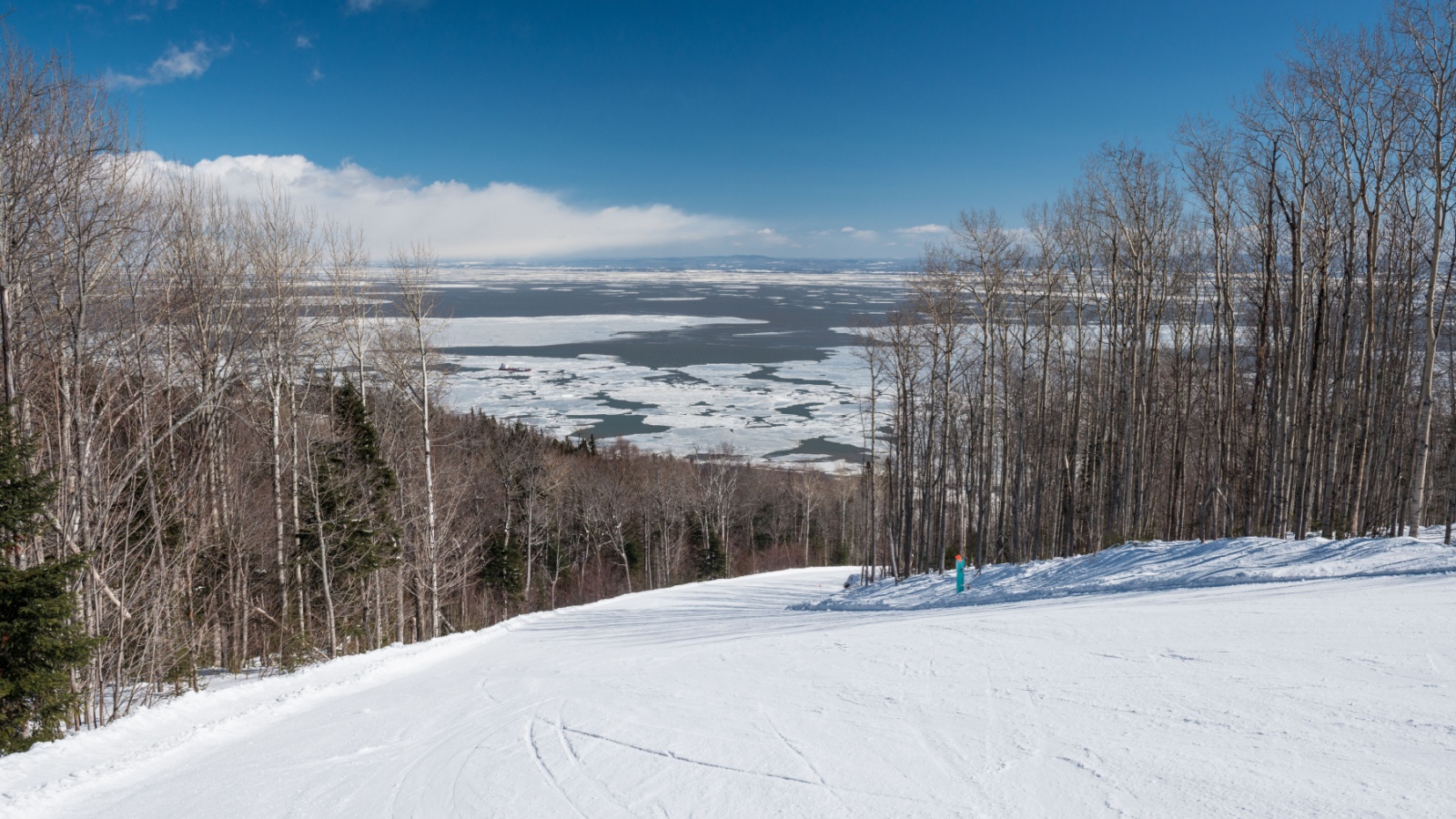
Le Massif markets dramatic scenery and elevation aggressively. Pricing reflects ambition more than convenience. Travel logistics remain complicated, especially in winter weather. Lodging options cost premium rates with limited alternatives. Dining prices exceed expectations for the variety offered. Weather can restrict lift access. Terrain variety feels narrower than advertised. Many visitors pay high prices for short ski windows. The mountain impresses visually, but the total experience often feels constrained by cost, access challenges, and unpredictable conditions.
Mount Norquay, Alberta
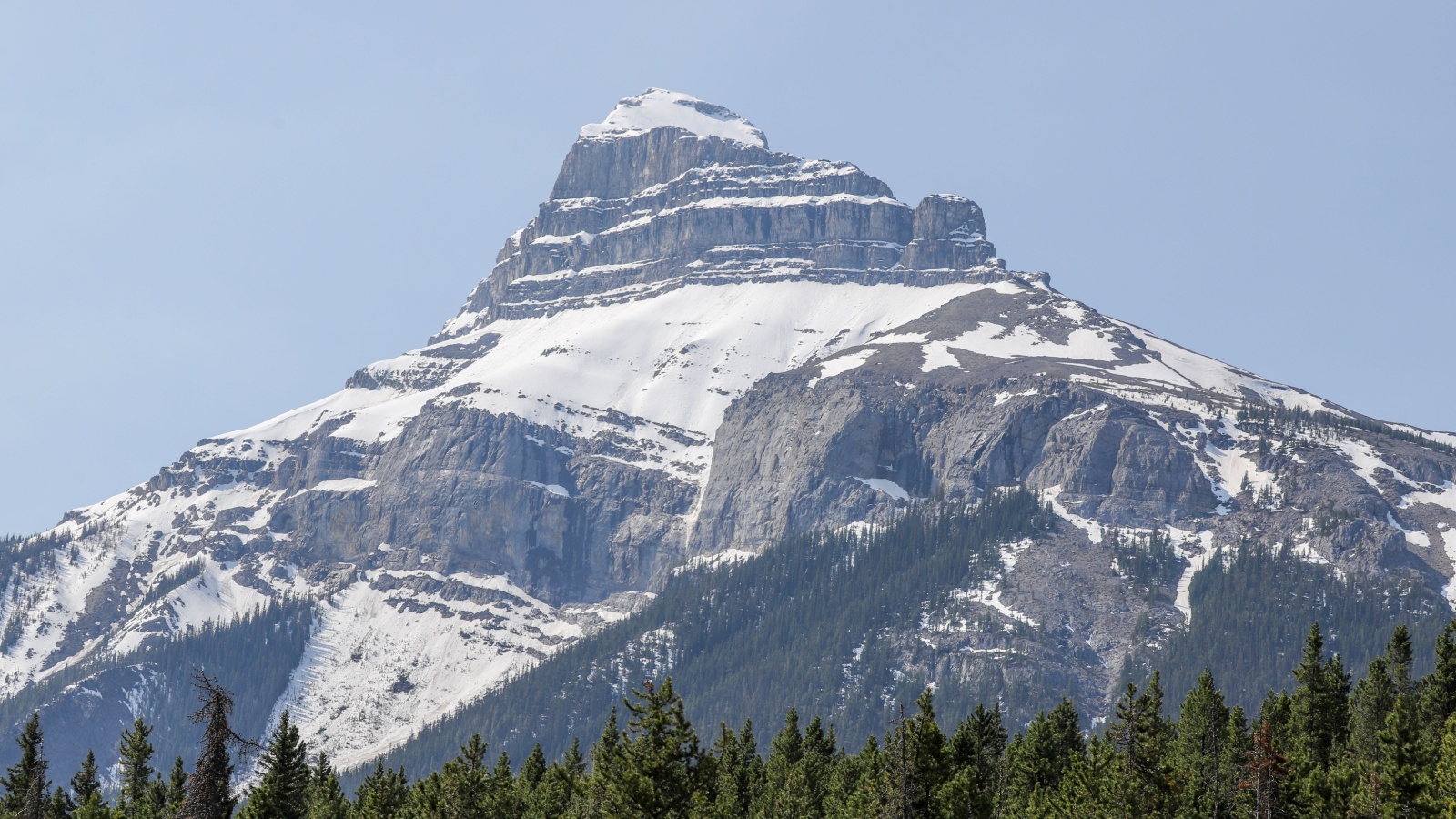
Mount Norquay benefits from its proximity to Banff, which heavily influences pricing. Lift tickets feel high for the limited terrain available. Runs become crowded quickly. Parking challenges add daily stress. Snow conditions vary widely throughout the season. Lift infrastructure feels basic. Many skiers finish within a few hours. Norquay works well for locals seeking short sessions. Destination travelers often feel underwhelmed by the cost compared to the brief and repetitive experience offered on the slopes.
Cypress Mountain, British Columbia
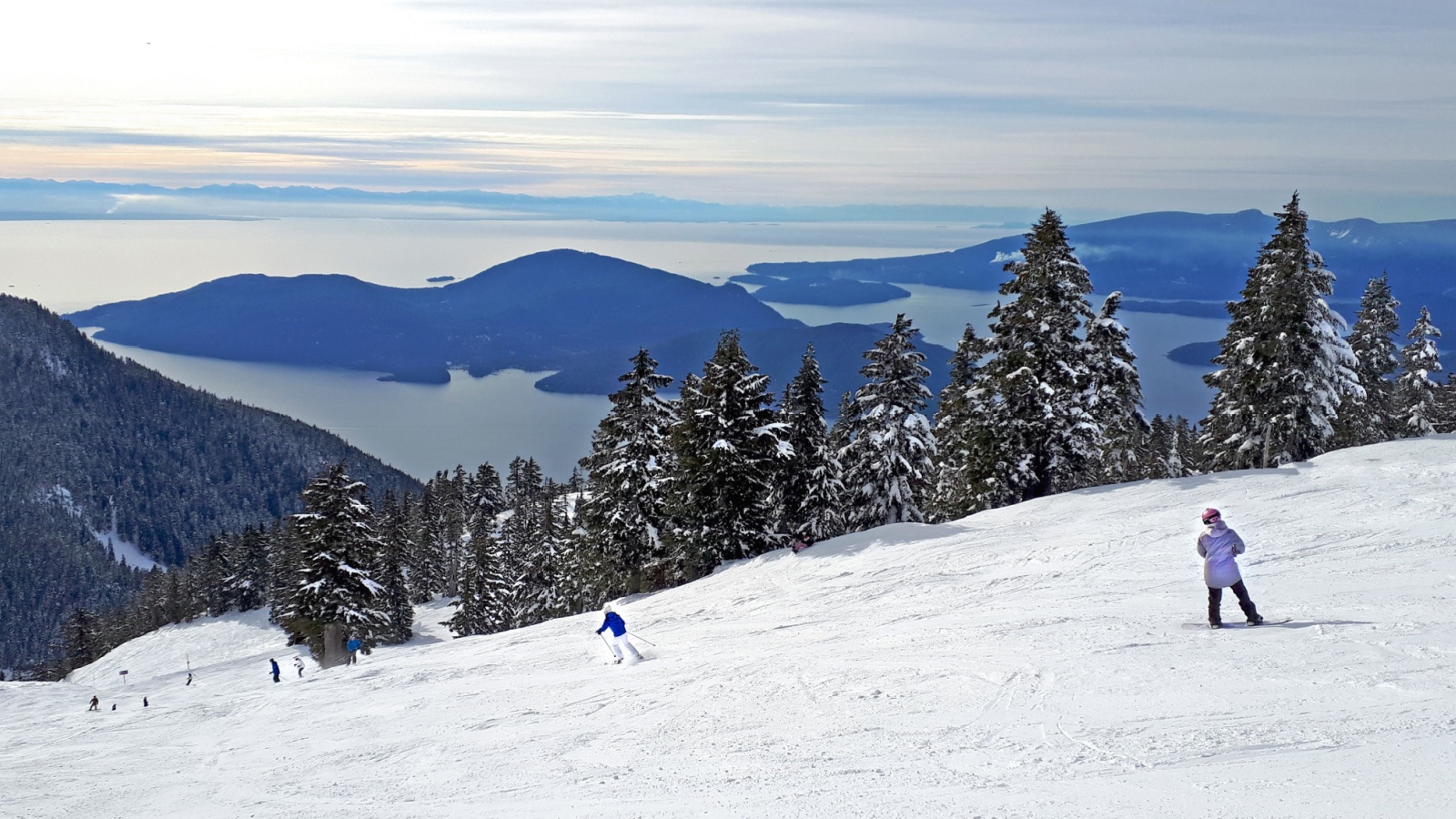
Cypress Mountain offers quick access from Vancouver, and prices reflect convenience. Lift lines grow heavy on weekends and evenings. Terrain feels crowded during peak hours. Dining remains basic but expensive. Parking becomes stressful during storms. Snow quality varies with coastal weather. Lift tickets mirror larger resorts despite limited scale. Visitors often pay premium rates simply for proximity. Cypress works for short outings, but destination-level pricing makes extended visits difficult to justify for most skiers.
Mount Washington, British Columbia
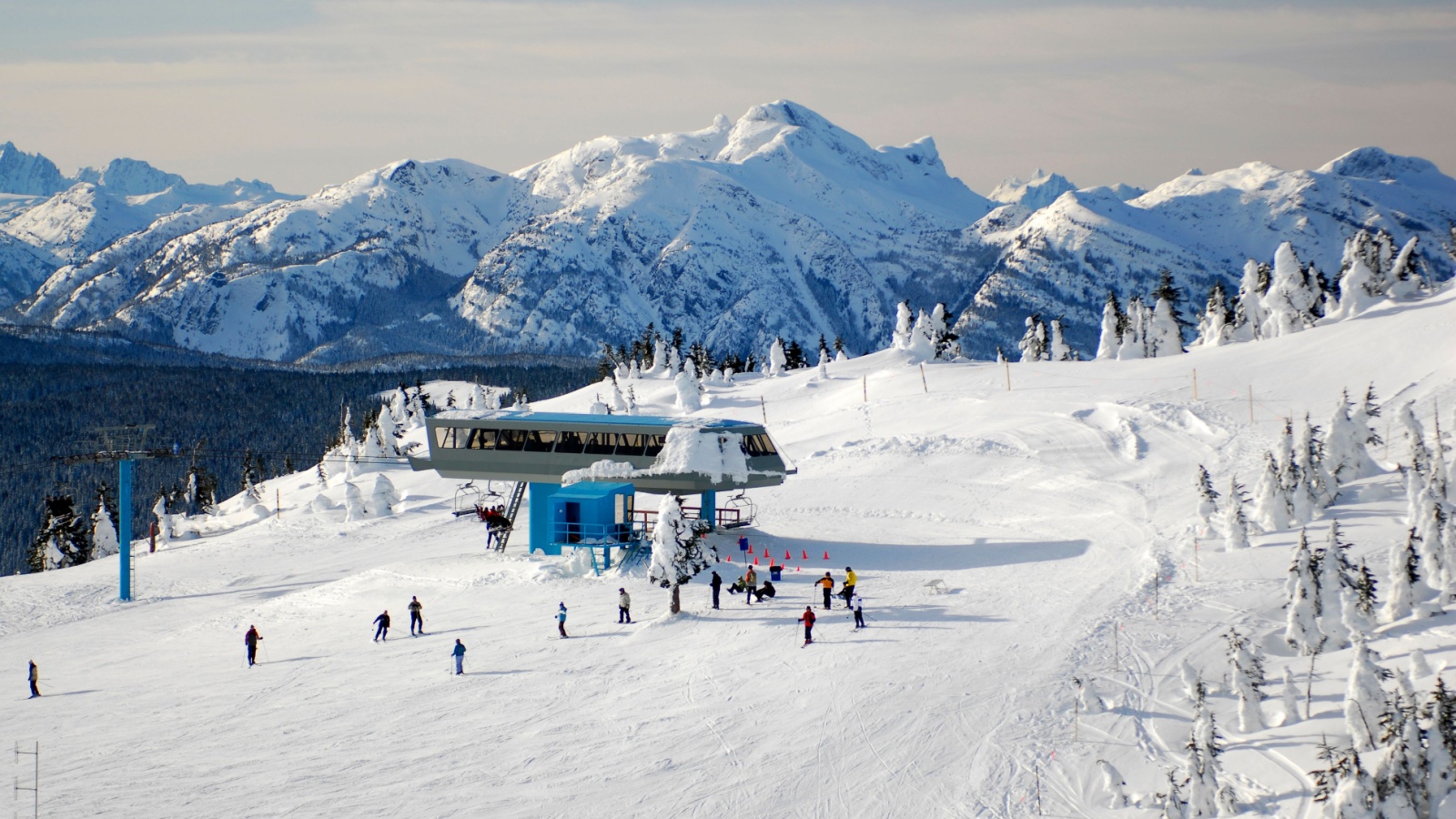
Mount Washington promotes rugged conditions and strong snowfall. Prices remain high despite unpredictable access. Weather closures occur often. Lodging costs rise quickly during peak periods. Dining options remain limited. Lift infrastructure feels dated. Terrain access varies daily depending on conditions. Travel logistics add expense. Many visitors pay destination prices without consistent returns. The experience can feel adventurous, but uncertainty makes it hard to justify the cost for travelers planning multi-day ski trips.
Apex Mountain, British Columbia
Apex Mountain emphasizes quiet slopes and family appeal. Prices suggest exclusivity. Lodging rates climb quickly during ski season. Dining remains expensive due to limited choices. Terrain variety suits short stays more than extended visits. Nightlife and amenities remain minimal. Travel logistics add cost and time. Visitors often pay premium prices for calm rather than variety. Apex delivers space and quiet, but many skiers question whether the experience justifies the growing expense compared to nearby alternatives.
Nakiska, Alberta
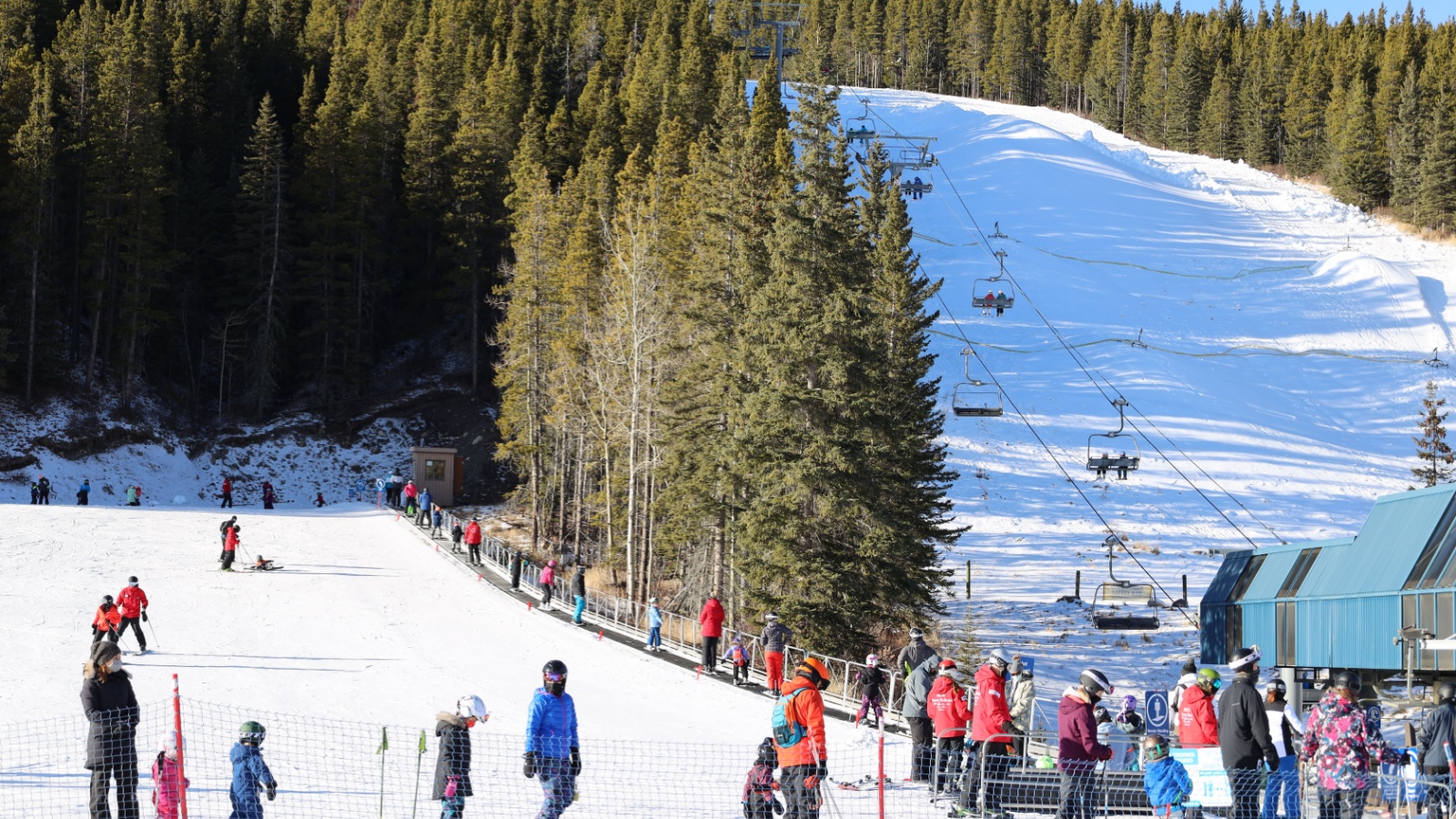
Nakiska benefits from its Olympic history and proximity to Calgary. Pricing feels optimistic for the terrain size offered. Lift lines build quickly on weekends. Snow quality relies heavily on artificial coverage. Dining options remain minimal and costly. The mountain suits day trips more than destination stays. Many visitors pay premium prices for short sessions. Nakiska works well for locals practicing or learning, but destination pricing limits its appeal for travelers seeking variety and full resort experiences.
Mont-Sainte-Anne, Quebec
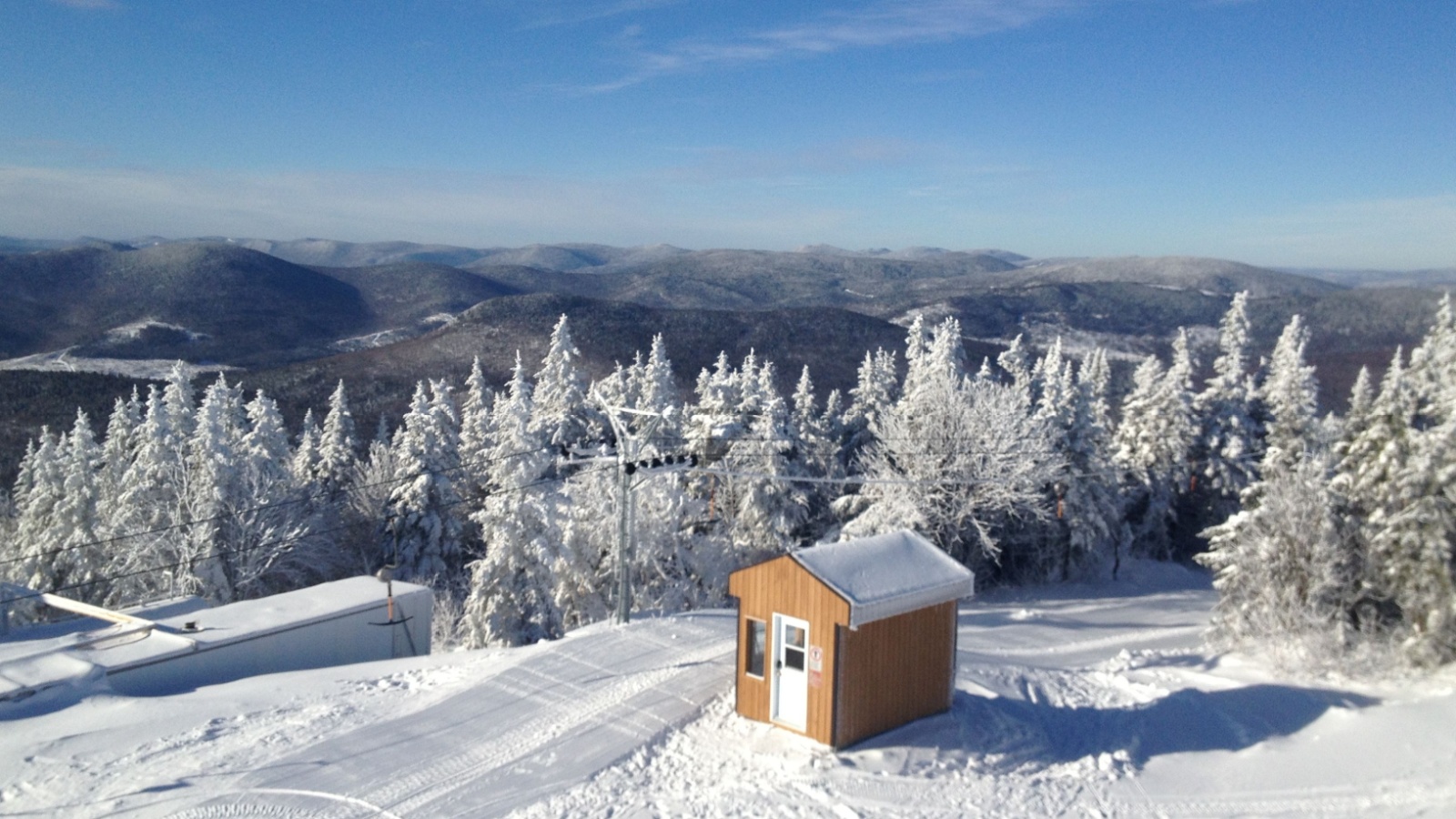
Mont-Sainte-Anne remains popular regionally, which drives prices upward. Lift tickets rise steadily. Terrain variety feels limited for repeat visits. Weather impacts snow quality frequently. Dining remains expensive. Lodging near the mountain costs more than expected. Lift lines grow during peak periods. Many skiers leave questioning the value. Mont-Sainte-Anne still attracts crowds, but affordability continues slipping as prices rise faster than improvements to terrain or overall guest experience.
Grouse Mountain, British Columbia
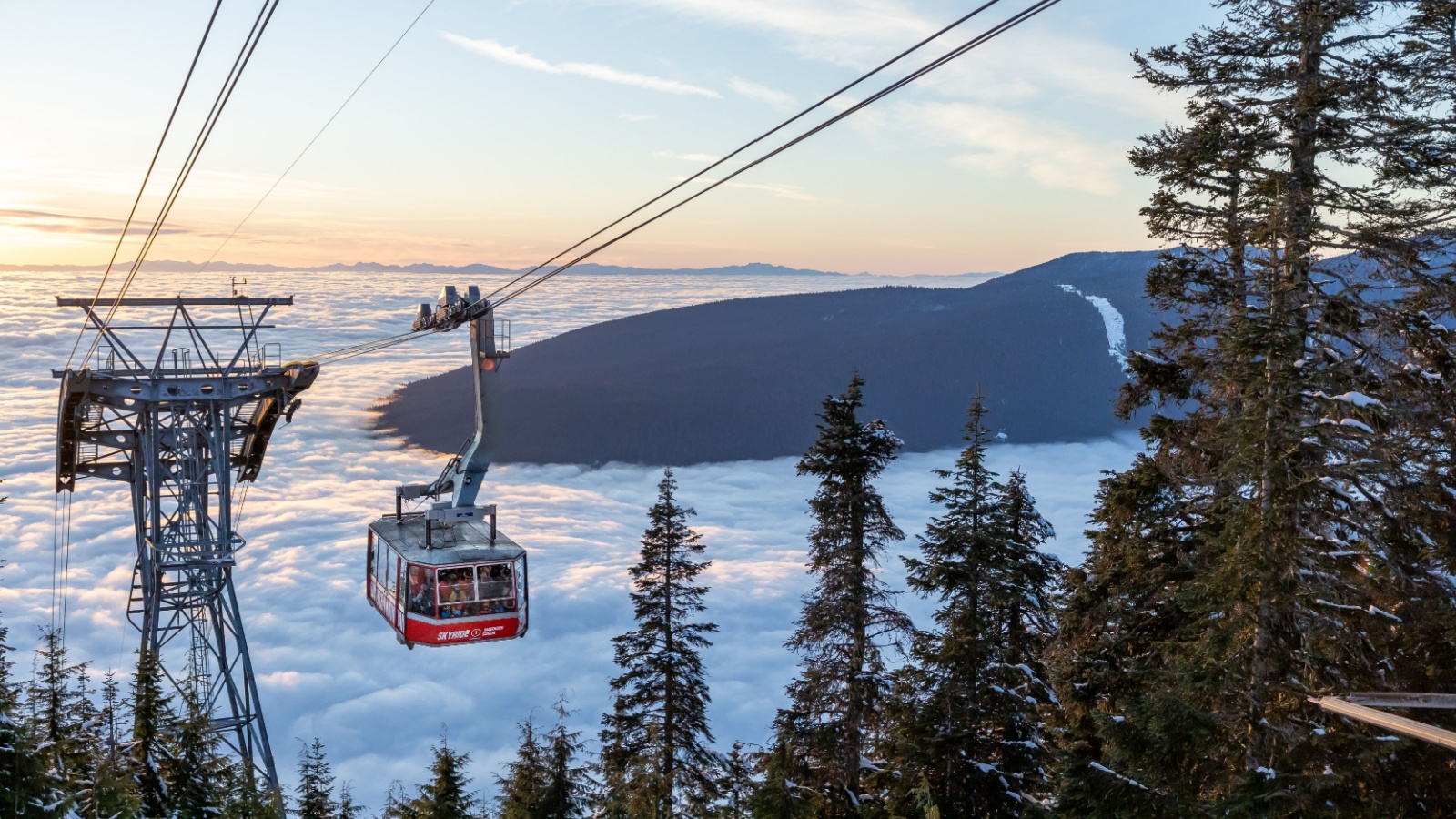
Grouse Mountain sells views and accessibility more than skiing itself. Prices reflect tourism demand. Terrain remains limited. Lift lines build quickly. Dining costs exceed expectations. Snow conditions vary heavily. Visitors often pay premium prices for sightseeing rather than ski time. Grouse works well as an attraction or short outing. For dedicated skiers, value feels thin compared to alternatives nearby that offer more terrain and better overall skiing for similar or lower costs.
22 Groceries to Grab Now—Before another Price Shock Hits Canada
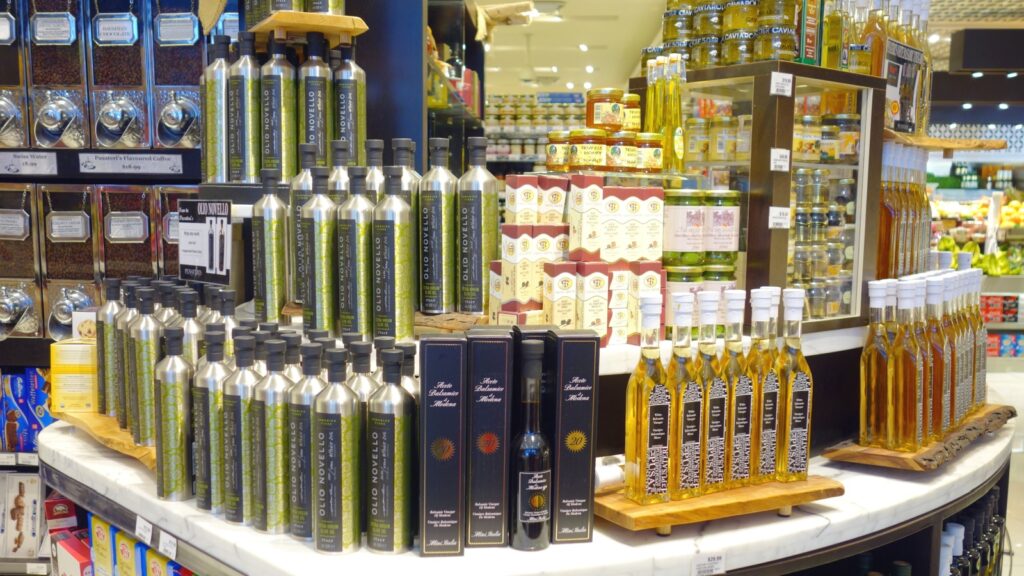
Food prices in Canada have been steadily climbing, and another spike could make your grocery bill feel like a mortgage payment. According to Statistics Canada, food inflation remains about 3.7% higher than last year, with essentials like bread, dairy, and fresh produce leading the surge. Some items are expected to rise even further due to transportation costs, droughts, and import tariffs. Here are 22 groceries to grab now before another price shock hits Canada.
22 Groceries to Grab Now—Before another Price Shock Hits Canada
This Options Discord Chat is The Real Deal
While the internet is scoured with trading chat rooms, many of which even charge upwards of thousands of dollars to join, this smaller options trading discord chatroom is the real deal and actually providing valuable trade setups, education, and community without the noise and spam of the larger more expensive rooms. With a incredibly low-cost monthly fee, Options Trading Club (click here to see their reviews) requires an application to join ensuring that every member is dedicated and serious about taking their trading to the next level. If you are looking for a change in your trading strategies, then click here to apply for a membership.