
35,000+ smart investors are already getting financial news, market signals, and macro shifts in the economy that could impact their money next with our FREE weekly newsletter. Get ahead of what the crowd finds out too late. Click Here to Subscribe for FREE.
Canadians agree on very few things. Winter is long. Coffee is necessary. Ketchup chips are strange but acceptable. Chicken Bones candy, however, breaks families. Some people wait all year for it. Others avoid it like a driveway full of ice. This bright pink candy has sparked arguments at holiday tables for generations. It looks harmless, yet reactions are intense. Here are 15 “Chicken Bones” facts that prove It’s the most controversial candy in Canada.
The Name Immediately Creates Doubt
15 “Chicken Bones” Facts That Prove It’s the Most Controversial Candy in Canada
- The Name Immediately Creates Doubt
- It Is Treated Like a Holiday Obligation
- The Hard Shell Demands Commitment
- The Soft Centre Catches People Off Guard
- Cinnamon Is a Polarizing Flavor Choice
- The Bright Pink Color Confuses Expectations
- The Bone Shape Makes the Candy Feel Awkward
- Many Canadians First Tried It Under Social Pressure
- Nostalgia Strongly Protects Its Reputation
- The Candy Refuses to Change with the Times
- People Rarely Feel Neutral About It
- It Is Often Given as a Joke Gift
- The Smell Announces Its Presence Immediately
- Opinions Almost Never Change Over Time
- It Survives Despite Relentless Criticism
- 22 Groceries to Grab Now—Before another Price Shock Hits Canada

Chicken Bones do not sound like candy. The name often stops people mid-sentence. First-time buyers assume it contains meat flavoring. Others think it is a novelty item or a joke. Many Canadians remember asking questions before trying it. A candy name usually invites curiosity. This one invites caution. Even longtime fans admit the name does not help. It creates confusion before taste comes into play. That hesitation shapes the experience. When a candy has to explain itself, opinions form early. The name alone sets the stage for debate.
It Is Treated Like a Holiday Obligation

Chicken Bones rarely appear outside the winter season. Their arrival feels scheduled rather than spontaneous. They show up at family gatherings, offices, and community events. People expect them, even if they dislike them. That expectation creates tension. Seasonal foods carry pressure. You cannot ignore them without comment. Chicken Bones become part of the holiday environment. Whether welcome or not, they take up space. This forced presence makes opinions stronger. Candy that appears briefly but loudly often sparks stronger reactions than everyday treats.
The Hard Shell Demands Commitment
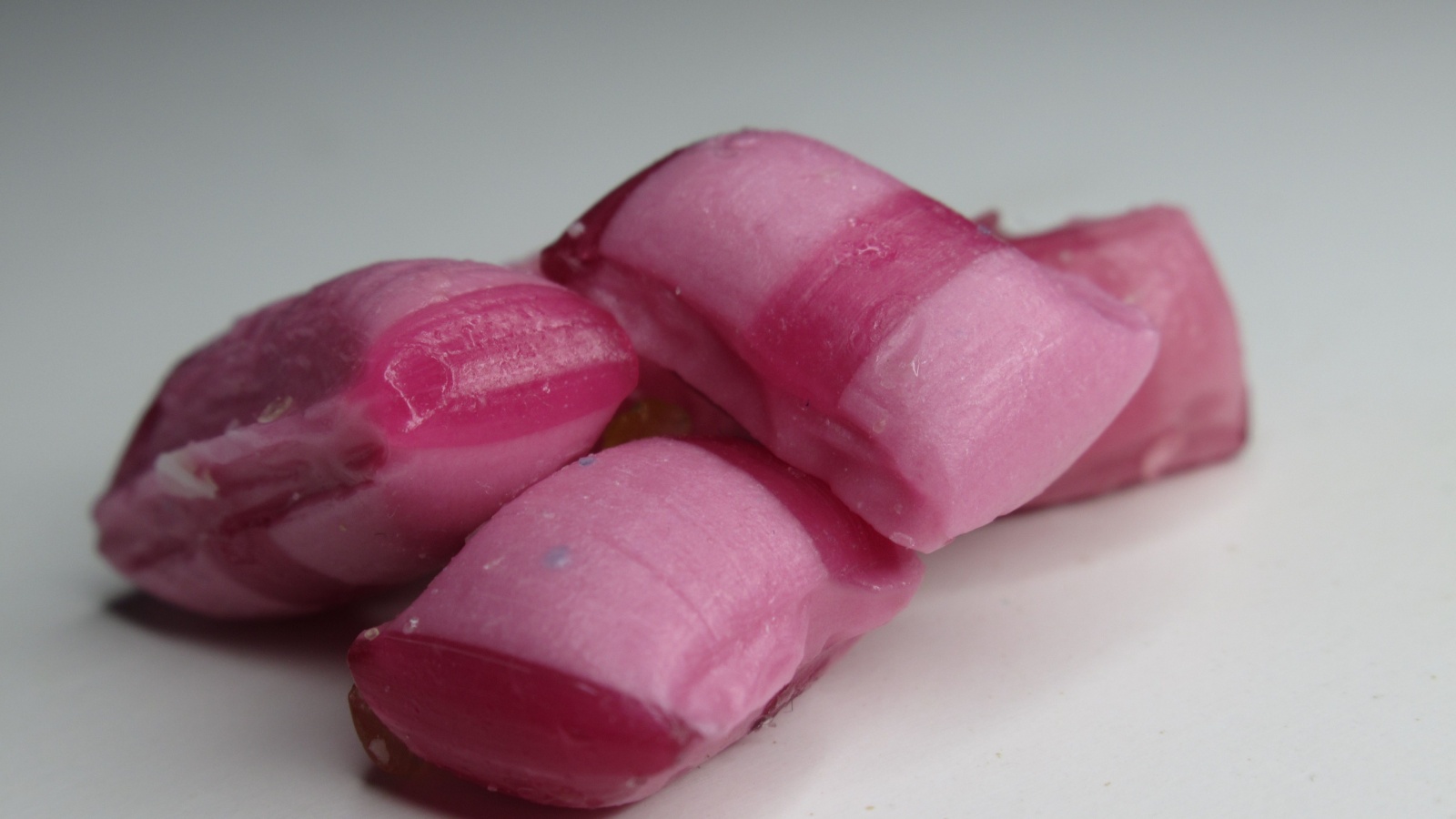
The outer shell is firm and unforgiving. It cracks sharply when bitten. Some people enjoy that intensity. Others worry about their teeth immediately. There is no gentle introduction. You either bite or walk away. The shell does not soften slowly. It makes the experience decisive. Texture matters deeply in candy. Chicken Bones offer no flexibility. That lack of compromise turns curiosity into judgment quickly. One bite is enough to decide. Many candies invite second chances. This one rarely does.
The Soft Centre Catches People Off Guard
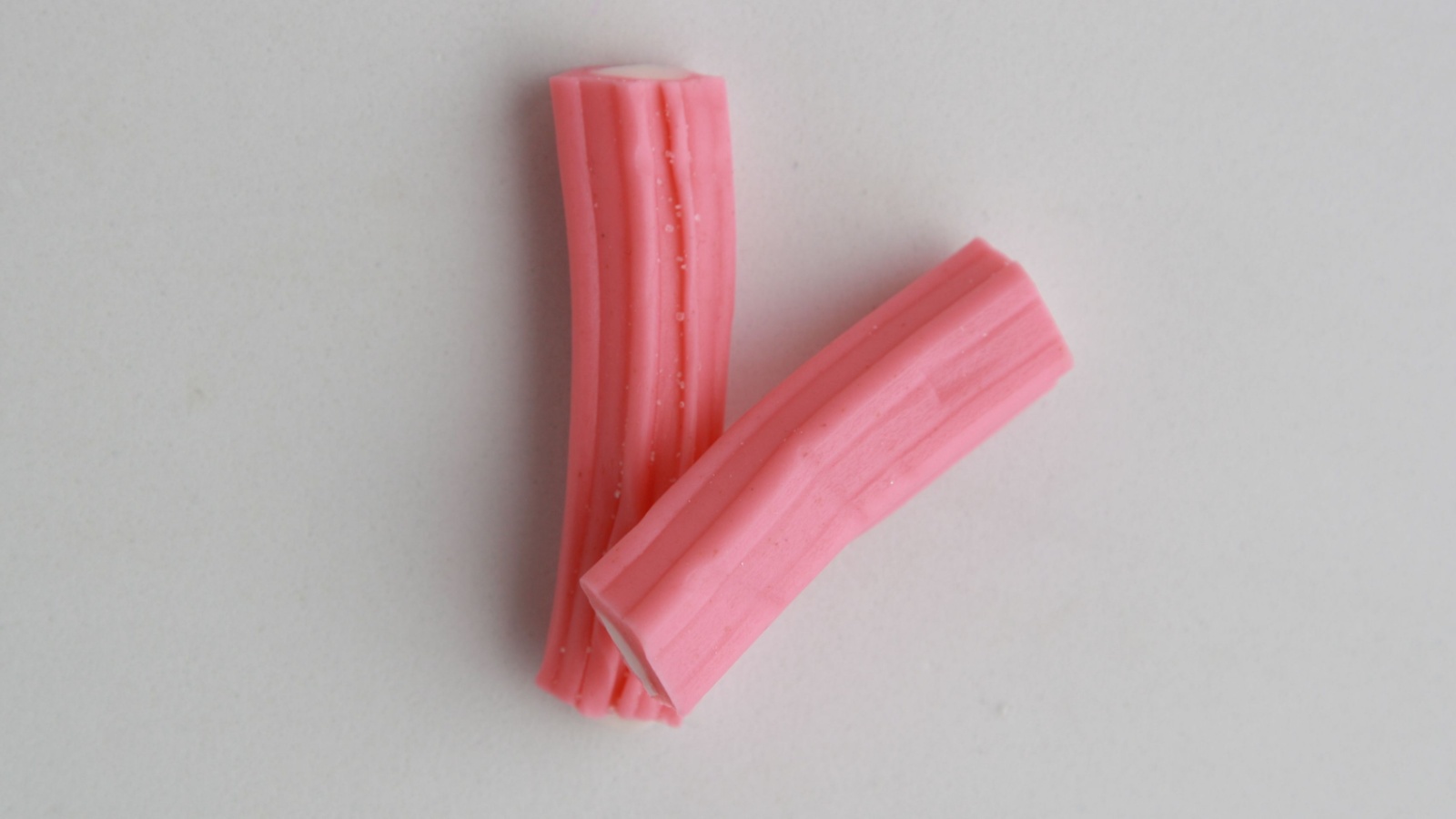
Inside the shell sits a soft, cinnamon paste. That contrast surprises many people. Some enjoy the shift in texture. Others find it strange or unexpected. The center arrives quickly after the crack. There is little time to adjust. People who prefer consistent textures struggle with it. Candy expectations matter. When reality differs, disappointment follows. This surprise element plays a large role in strong reactions. Fans appreciate it. Critics dislike the lack of warning. Either way, the center defines the experience.
Cinnamon Is a Polarizing Flavor Choice
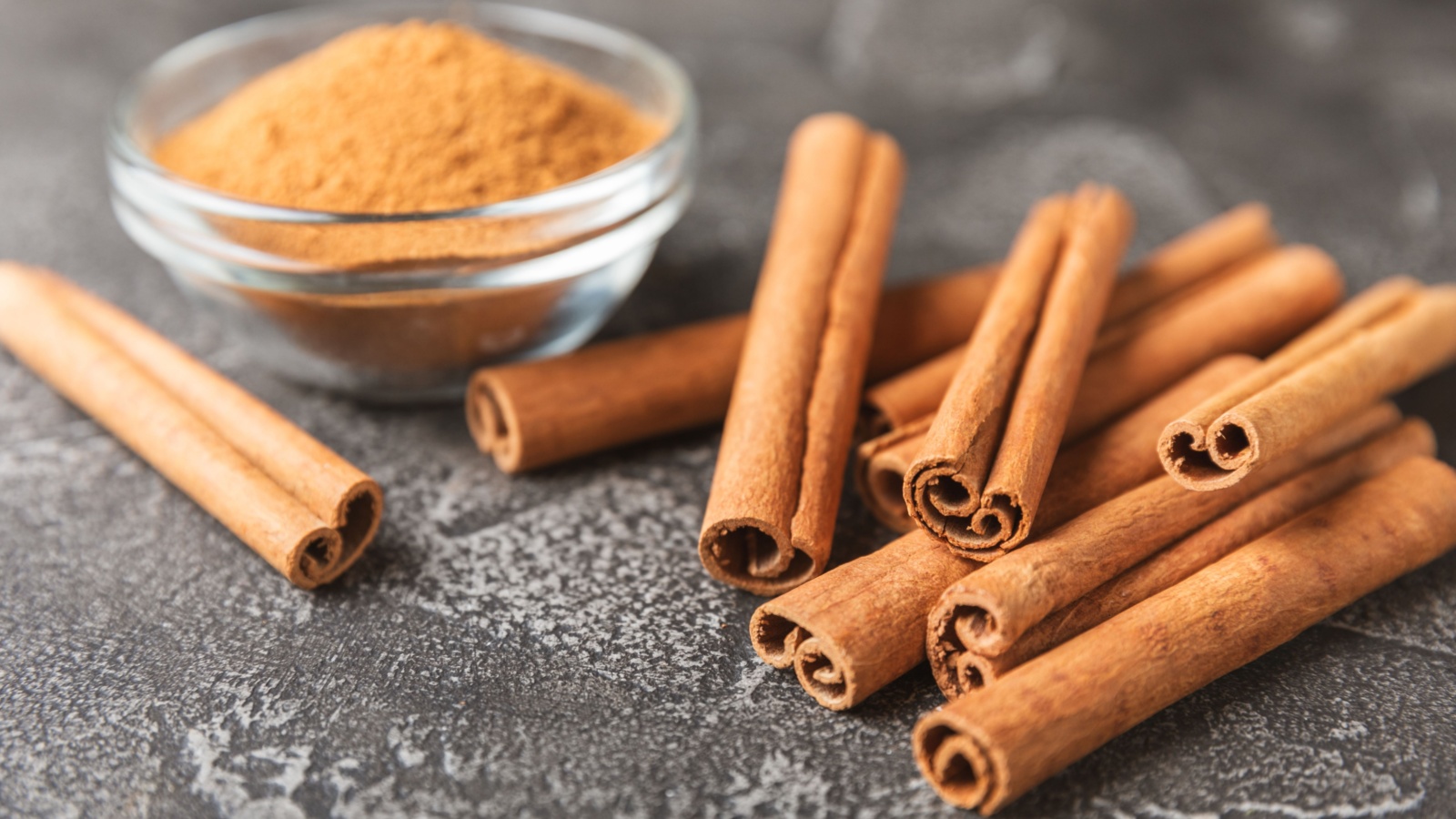
Cinnamon divides people more than most candy flavors. Some associate it with warmth and comfort. Others connect it to medicine or spice overload. Chicken Bones commit fully to cinnamon. The flavor does not fade quietly. It stays present long after the bite. That persistence turns mild dislike into strong rejection. Candy flavors usually aim to please many. Cinnamon narrows the audience. Choosing it ensures debate. Chicken Bones never soften the flavor to appeal broadly. They accept the consequences.
The Bright Pink Color Confuses Expectations

The candy’s bright pink shell feels disconnected from its flavor. Pink often suggests sweetness or fruit. Cinnamon contradicts that assumption. This mismatch creates confusion before tasting. Visual cues matter. When they mislead, disappointment follows. Some people expect something lighter. Others feel surprised by the intensity. The color also feels dated to some eyes. It stands out sharply in any candy dish. That visibility invites comment. The color alone becomes part of the argument surrounding the candy.
The Bone Shape Makes the Candy Feel Awkward
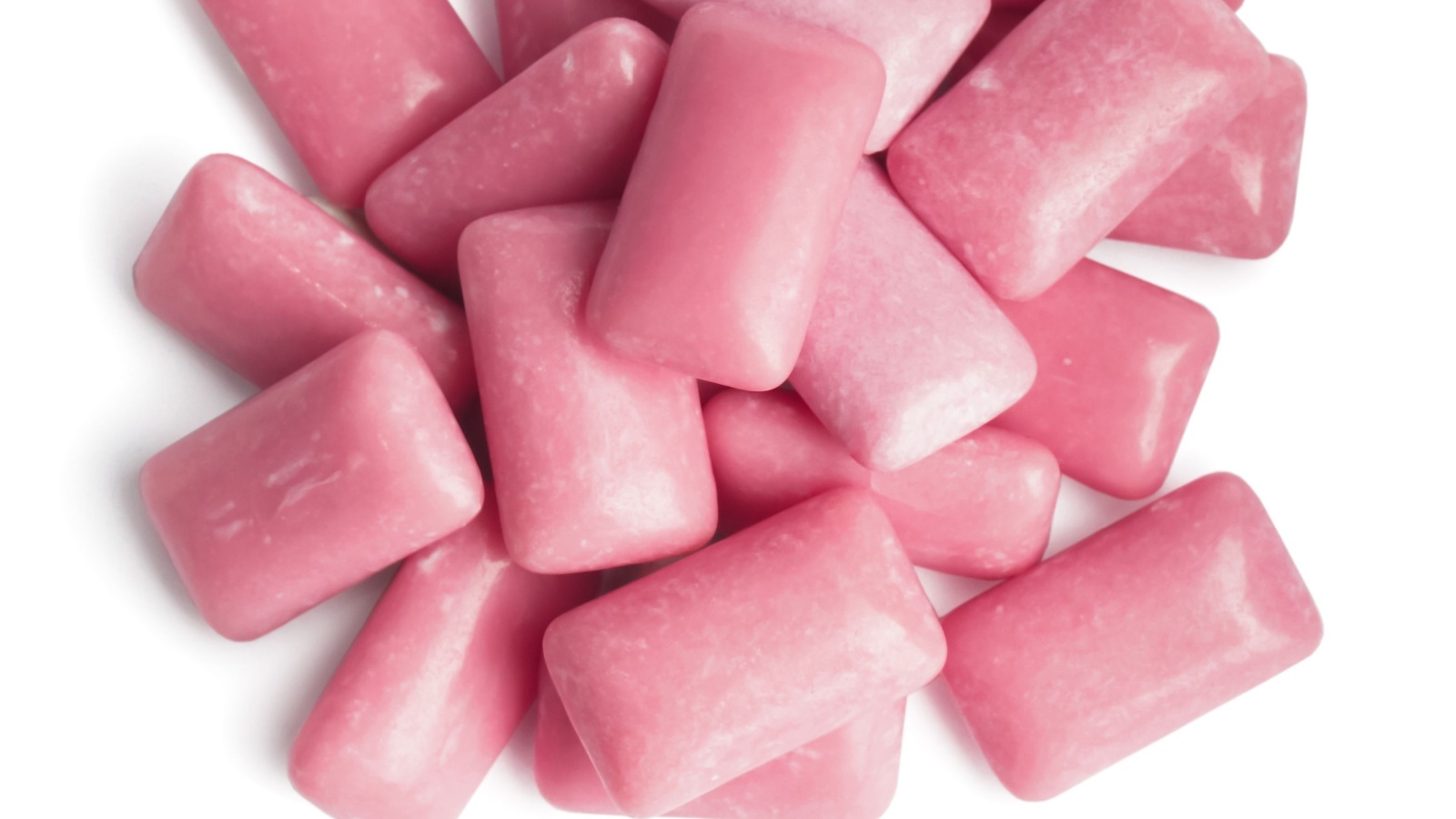
Chicken Bones are shaped like small bones, which immediately makes some people uncomfortable. Candy is usually round, flat, or abstract. This shape feels too literal. Eating something that looks like a bone can trigger hesitation, especially for first-time tasters. Some people laugh it off. Others quietly pass. The shape becomes part of the judgment before flavor even matters. It also invites jokes that never fully disappear. Design influences appetite more than people admit. Chicken Bones challenge that instinct directly. For many Canadians, the shape alone is enough to spark debate.
Many Canadians First Tried It Under Social Pressure

Few people remember choosing Chicken Bones willingly the first time. Most recall being offered one repeatedly. Someone insisted it was good. Someone dared them to try it. That pressure shapes perception. Starting with reluctance rarely helps a food’s reputation. If the first bite disappoints, the memory sticks. Candy experiences form quickly and emotionally. Chicken Bones often arrive with warnings or jokes attached. That framing influences taste more than people realize. Instead of curiosity, the experience begins with obligation. This dynamic plays a major role in long-term opinions.
Nostalgia Strongly Protects Its Reputation

Fans of Chicken Bones often connect them to childhood holidays. Grandparents kept them in dishes. Visits included a bowl on the table. Those memories matter deeply. Criticizing the candy can feel personal. Rejecting it can feel like rejecting tradition. Nostalgia shields the candy from disappearing. At the same time, it limits new fans. Younger Canadians without those memories approach it differently. This generational gap fuels disagreement. Food tied to memory rarely fades quietly. Chicken Bones survive because memory defends them, not because taste convinces everyone.
The Candy Refuses to Change with the Times
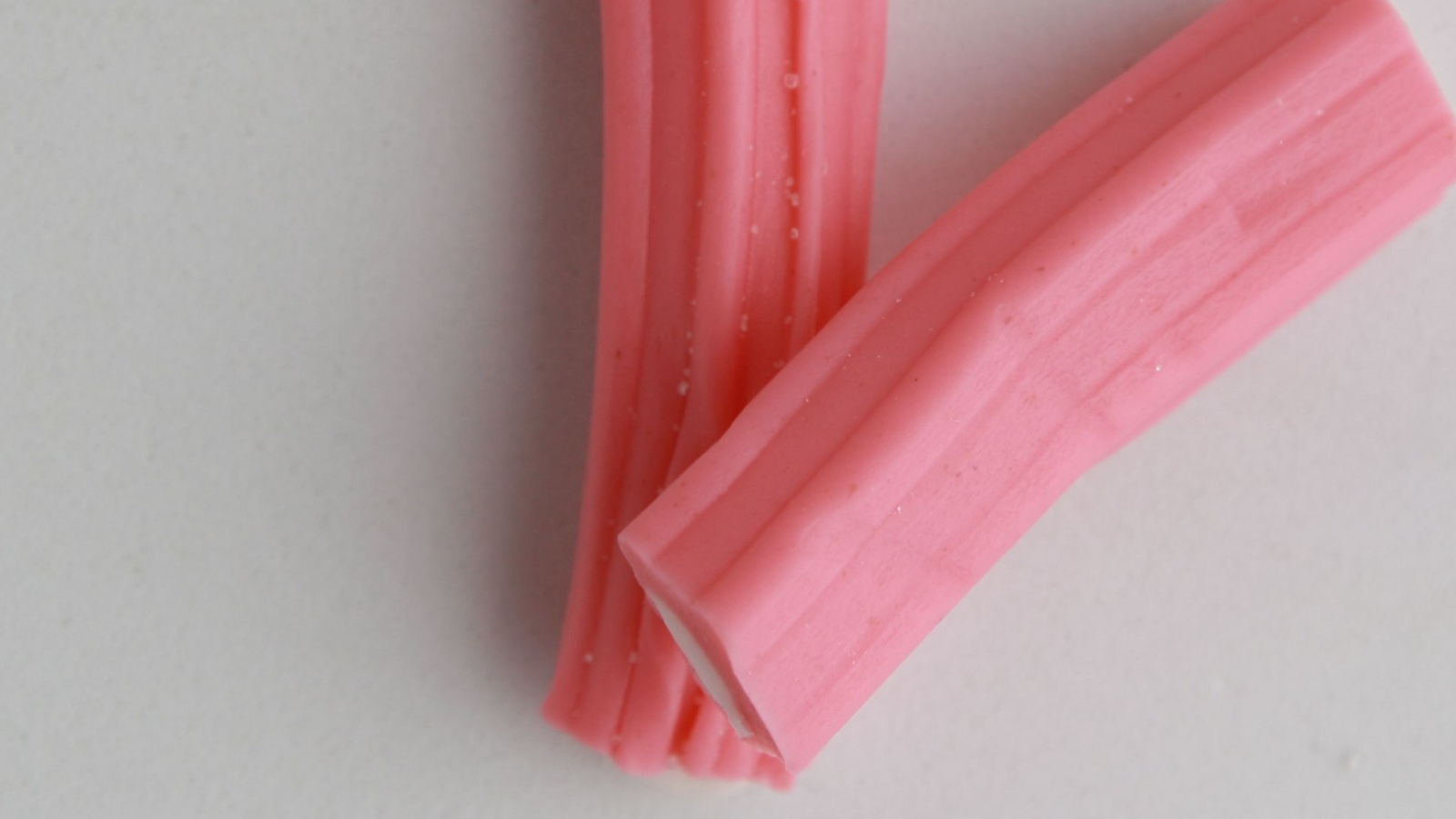
Chicken Bones look and taste almost exactly as they did decades ago. Packaging updates are minimal. The flavor profile stays untouched. While other candies chase trends, this one stays fixed. Some admire that consistency. Others see stubbornness. Modern candy markets reward novelty and variety. Chicken Bones reject both. This refusal attracts loyalty and criticism equally. Staying unchanged keeps longtime fans satisfied. It also turns away curious newcomers. The lack of evolution becomes part of the controversy, not just a background detail.
People Rarely Feel Neutral About It

Most candies receive mild reactions. Chicken Bones do not. People either enjoy them or actively dislike them. Neutral opinions are rare. That absence of middle ground matters. Strong reactions lead to conversation. Candy rarely becomes a discussion topic. This one does every year. Taste turns into an argument instead of a detail. People defend their stance with surprising passion. When food sparks identity-level reactions, it lasts longer. Chicken Bones remain relevant because people feel compelled to take a side.
It Is Often Given as a Joke Gift

Chicken Bones frequently appear in stockings as gag gifts. They are handed over with a laugh or a warning. That framing lowers expectations immediately. At the same time, jokes keep the candy visible. Mockery still counts as attention. Some people try it again out of curiosity. Others confirm their dislike. Either outcome keeps the candy in circulation. Being treated as a joke has not hurt its survival. Instead, it has become part of its identity. Few candies benefit from being mocked this consistently.
The Smell Announces Its Presence Immediately

Chicken Bones release a strong cinnamon smell as soon as they are opened. You notice them before tasting. That aroma fills shared spaces quickly. Some find it comforting. Others find it overwhelming. Smell shapes appetite powerfully. A strong scent invites immediate reaction. Quiet candies avoid attention. This one demands it. In offices and homes, the smell sparks comments and complaints. Sensory presence plays a role in controversy. Chicken Bones refuse to stay in the background once introduced.
Opinions Almost Never Change Over Time

Many foods grow on people gradually. Chicken Bones usually do not. First impressions tend to stick. Fans remain fans. Critics remain critics. That lack of conversion is unusual. It locks people into long-term positions. Each holiday season repeats the same arguments. Minds rarely change. This predictability keeps the debate alive. Without gradual acceptance, opinions harden. The candy becomes part of personal identity rather than taste preference. That permanence fuels its reputation as divisive.
It Survives Despite Relentless Criticism

Many candies disappear quietly when tastes change. Chicken Bones never do. They return every year, unchanged and unapologetic. Criticism has not pushed them out. It has reinforced their place. People expect to argue about them. That expectation becomes tradition. Survival through controversy proves resilience. Love alone does not explain their longevity. Neither does hate. Chicken Bones exist because they provoke a reaction. Few candies can claim that kind of staying power in Canadian culture.
22 Groceries to Grab Now—Before another Price Shock Hits Canada
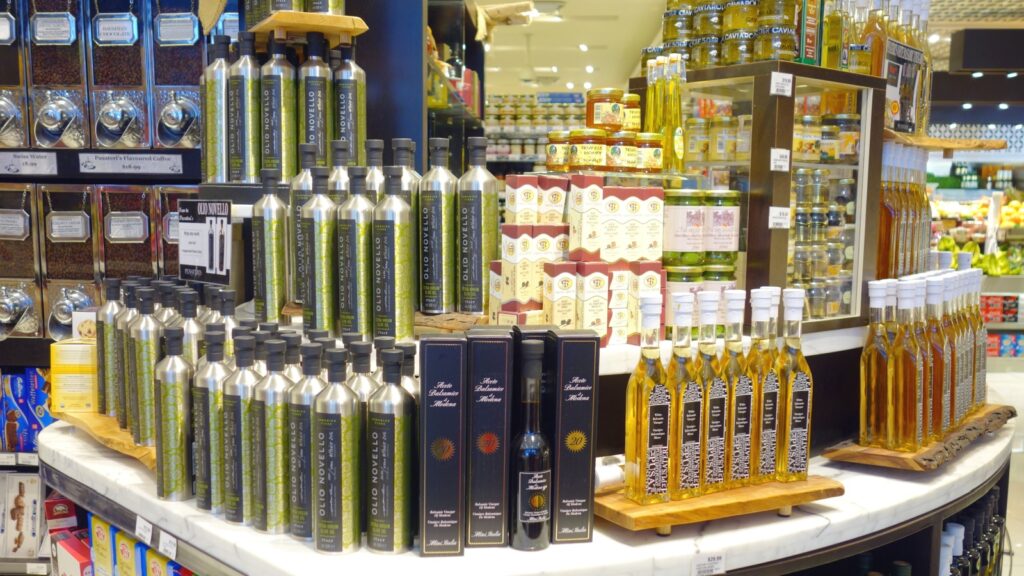
Food prices in Canada have been steadily climbing, and another spike could make your grocery bill feel like a mortgage payment. According to Statistics Canada, food inflation remains about 3.7% higher than last year, with essentials like bread, dairy, and fresh produce leading the surge. Some items are expected to rise even further due to transportation costs, droughts, and import tariffs. Here are 22 groceries to grab now before another price shock hits Canada.
22 Groceries to Grab Now—Before another Price Shock Hits Canada
This Options Discord Chat is The Real Deal
While the internet is scoured with trading chat rooms, many of which even charge upwards of thousands of dollars to join, this smaller options trading discord chatroom is the real deal and actually providing valuable trade setups, education, and community without the noise and spam of the larger more expensive rooms. With a incredibly low-cost monthly fee, Options Trading Club (click here to see their reviews) requires an application to join ensuring that every member is dedicated and serious about taking their trading to the next level. If you are looking for a change in your trading strategies, then click here to apply for a membership.