
35,000+ smart investors are already getting financial news, market signals, and macro shifts in the economy that could impact their money next with our FREE weekly newsletter. Get ahead of what the crowd finds out too late. Click Here to Subscribe for FREE.
35,000+ smart investors are already getting financial news, market signals, and macro shifts in the economy that could impact their money next with our FREE weekly newsletter. Get ahead of what the crowd finds out too late. Click Here to Subscribe for FREE.
Canada’s cities hide many misunderstood buildings. Critics label some as bulky, awkward, or out of date. First impressions often stop at surface looks. Many structures become shorthand examples of unattractive design without deeper evaluation. Yet architectural significance rarely depends on beauty alone. Innovation, engineering challenge, social purpose, and historical persistence shape true architectural importance. Across Canada, several visually controversial buildings pioneered new construction methods, hosting cultural, scientific, and political milestones. Here are 16 “ugly” Canadian buildings that are actually architectural marvels.
Toronto City Hall – Toronto
16 “Ugly” Canadian Buildings That Are Actually Architectural Marvels
- Toronto City Hall – Toronto
- Habitat 67 – Montreal
- Library and Archives Canada – Ottawa
- Canadian Museum of History – Gatineau
- Confederation Centre of the Arts – Charlottetown
- Robarts Library – Toronto
- Shaw Centre – Ottawa
- Vancouver Public Library – Central Branch
- Toronto Reference Library – Toronto
- Place Bonaventure – Montreal
- Manulife Centre – Toronto
- Confederation Building – St. John’s
- Portage Place – Winnipeg
- Shaw Conference Centre – Edmonton
- Brutalist Science Centre – Vancouver
- Calgary Central Library – Calgary
- 22 Groceries to Grab Now—Before another Price Shock Hits Canada
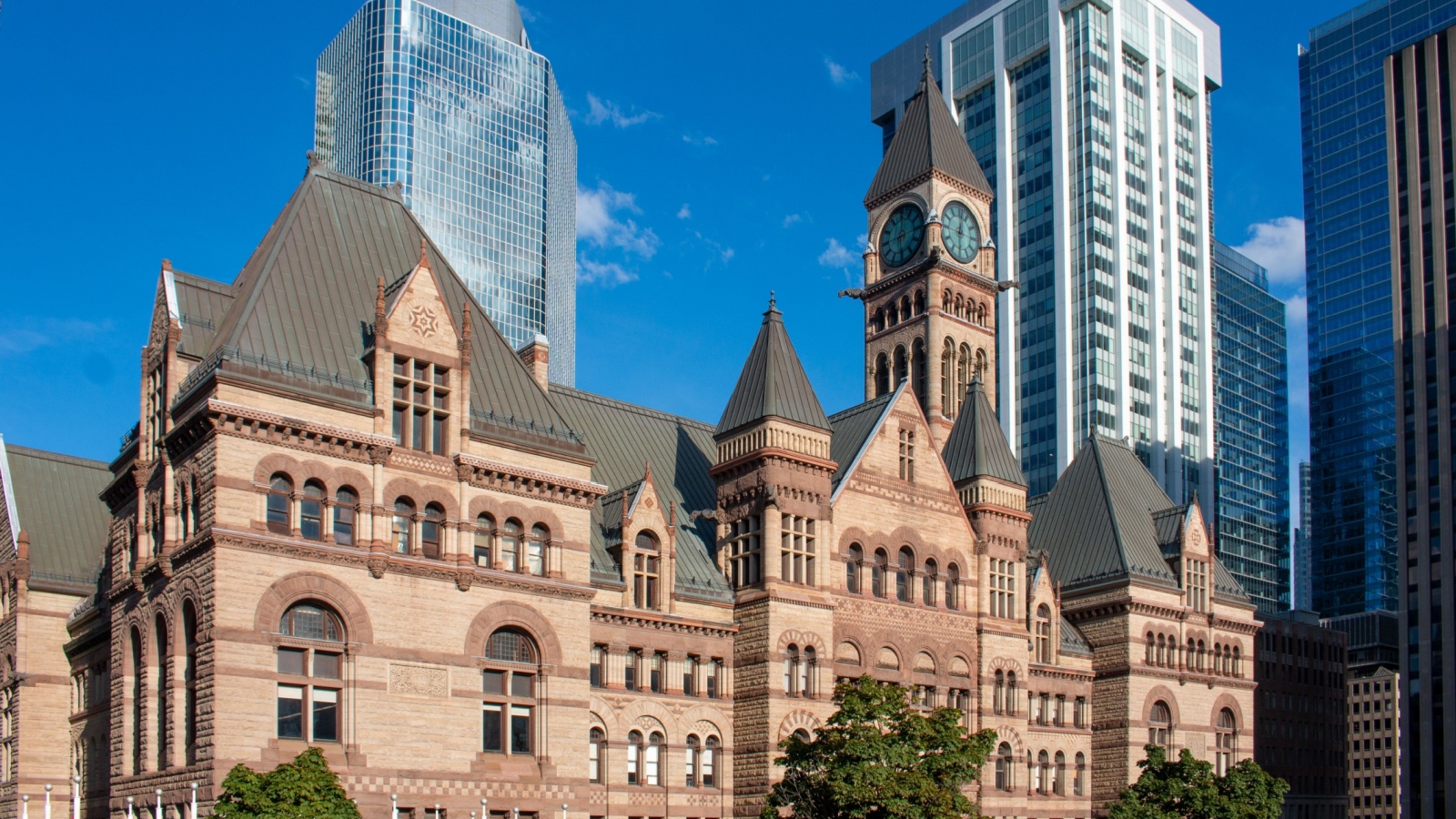
Toronto City Hall shocked the public when it opened in 1965. The curved twin towers flanking a saucer-shaped council chamber broke dramatically from conservative municipal architecture. Many residents viewed the stark modernism as cold and aggressively futuristic. Public criticism persisted for decades. Yet architect Viljo Revell’s design reshaped North American civic architecture standards. The structure proved municipalities could project openness rather than authoritarian presence. The arrangement created symbolic equality between governing bodies and citizens. Engineering challenges required innovative concrete forming methods. The sweeping curves demanded a precise reinforcement design, uncommon at the time. Interior public walkways enhanced transparency by encouraging constant foot traffic. International architectural associations praised the project. Toronto City Hall inspired similar civic designs across major cities.
Habitat 67 – Montreal
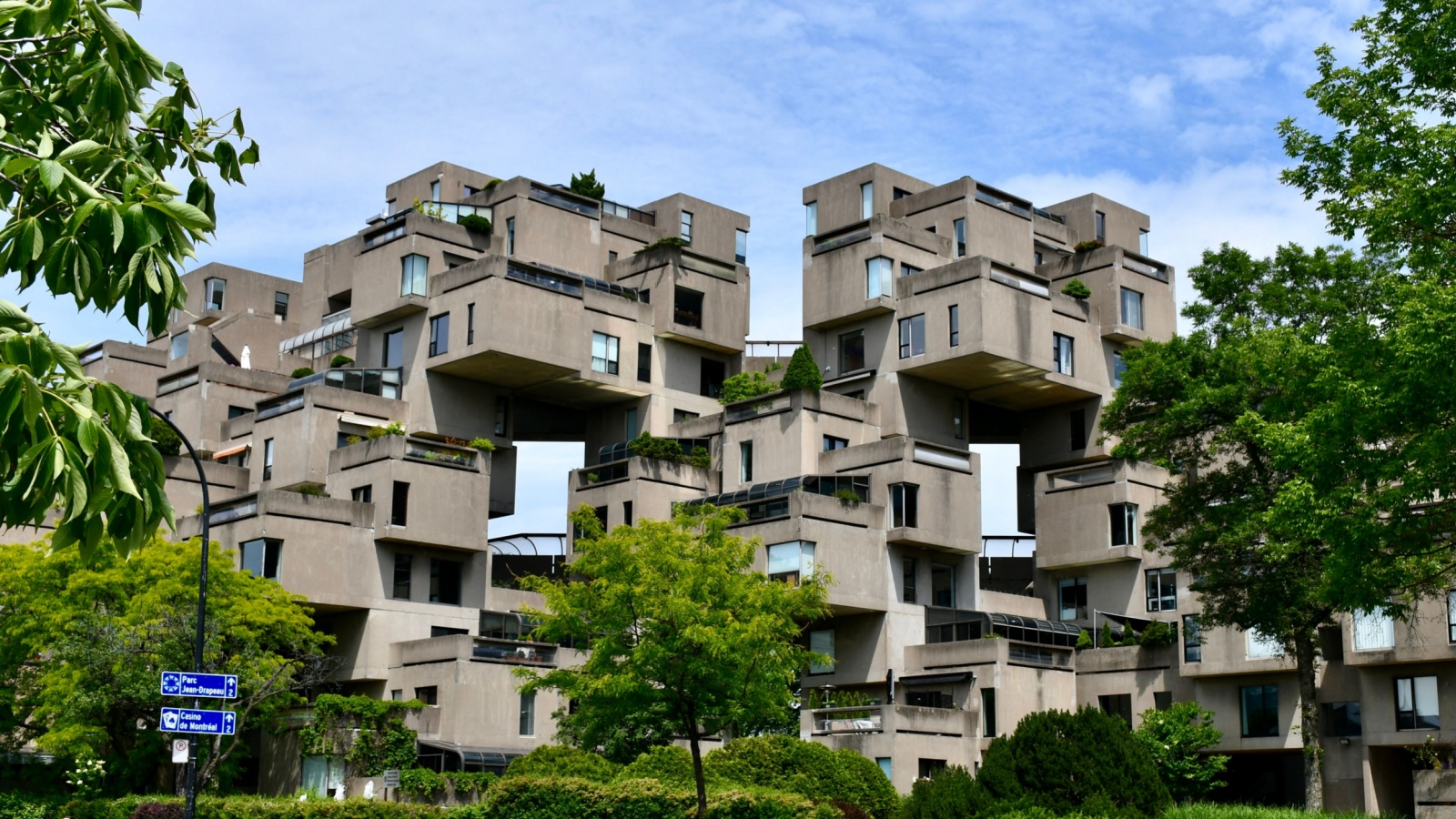
Built for Expo 67, Habitat 67 aimed to redefine urban housing. Architect Moshe Safdie stacked 354 prefabricated concrete modules into cubic apartment clusters. Critics described the structure as chaotic and visually overwhelming. Many dismissed it as an experimental failure. Over time, Habitat gained recognition as one of Canada’s most influential residential designs. The modular concept balanced private outdoor terraces with high-density living. Prefabrication methods tested on-site production models decades ahead of widespread modular housing adoption. Each unit achieved natural light from multiple directions. Structural supports required precise load engineering to maintain vertical stacking stability. Though expensive to construct initially, the prototype proved that vertical communities could preserve livability without traditional tower uniformity. Global architects still study Habitat as a pioneering statement in humane urban density design.
Library and Archives Canada – Ottawa
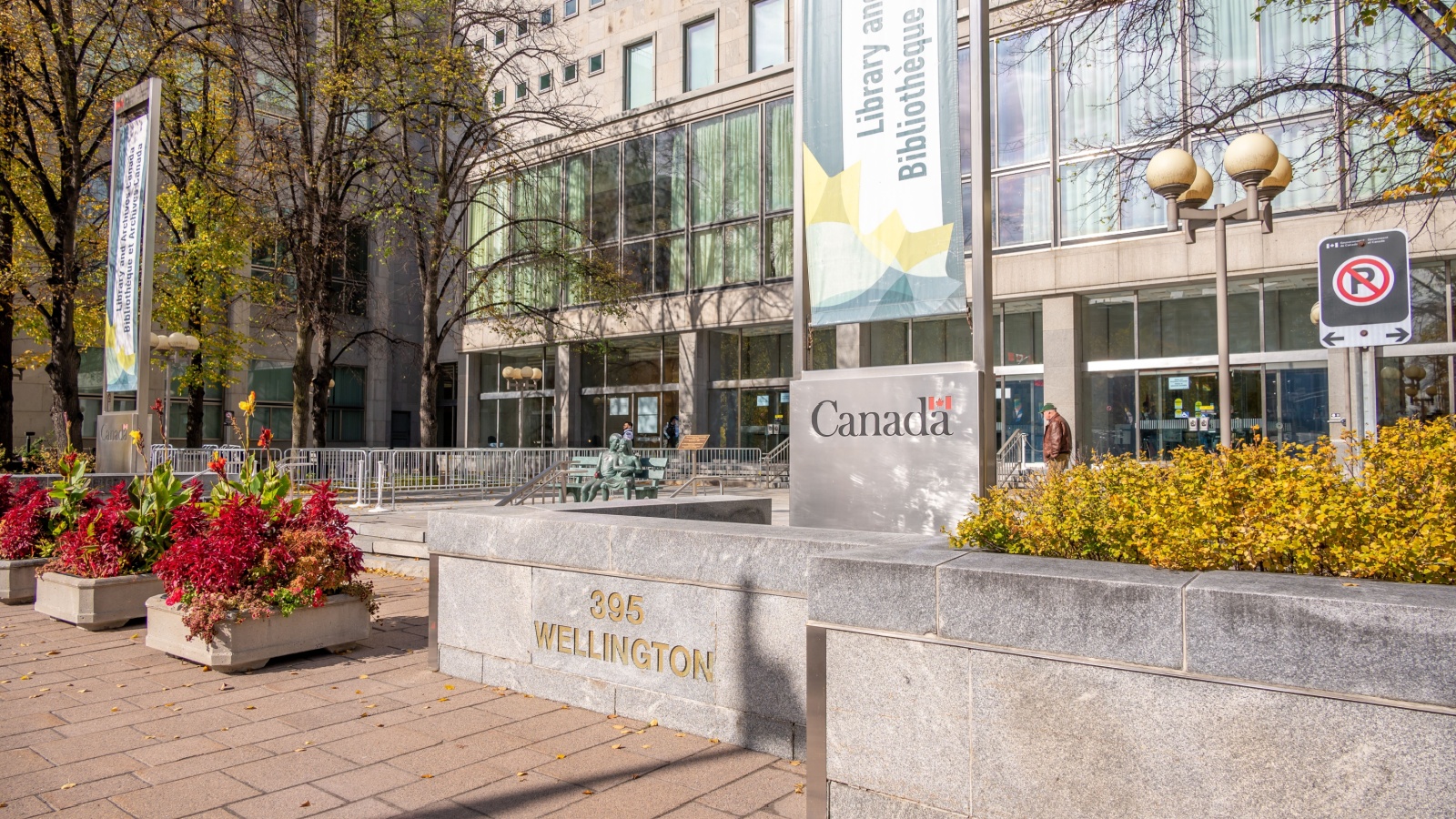
Completed alongside Canada’s centennial celebrations, Library and Archives Canada’s headquarters drew immediate criticism for its concrete block massing. The Brutalist exterior felt imposing and unfriendly for a public cultural institution. However, functional innovation defined its design success. Vast temperature-controlled vault environments preserve millions of irreplaceable documents. The internal load-bearing framework supports immense shelving weight without vibration damage. Window placement minimizes ultraviolet exposure for record longevity. Researchers access protected materials through carefully engineered climate passages. Though visually austere, the building performs preservation roles with remarkable efficiency. Canada’s national archival endurance capability grew exponentially because of this structure. International archival engineers evaluate the facility as one of the world’s most advanced document preservation environments.
Canadian Museum of History – Gatineau
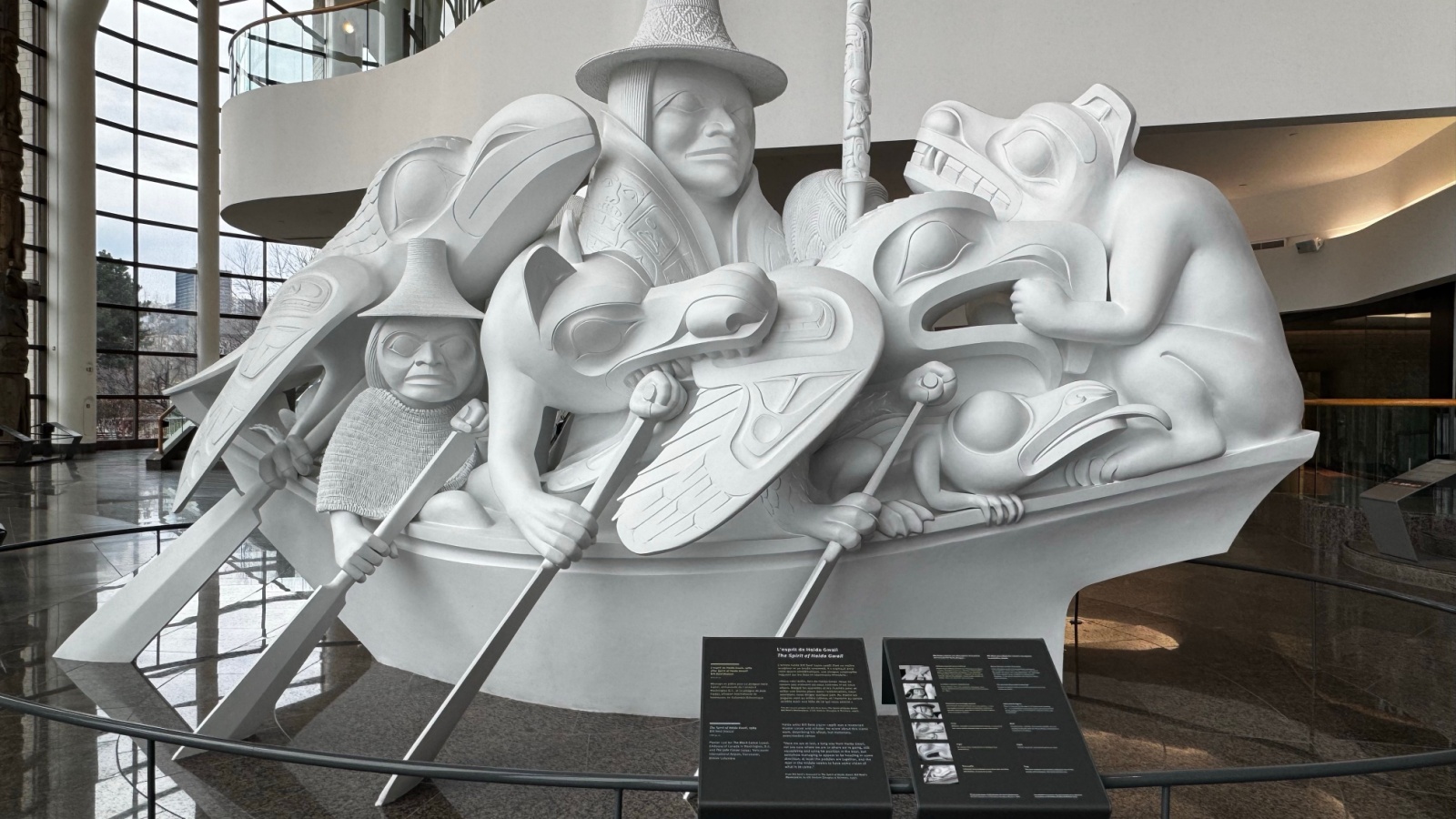
Douglas Cardinal’s undulating concrete forms contrast sharply with traditional museum silhouettes. When the museum opened in 1989, many Canadians found its curving design confusing. Critics viewed the organic shapes as messy or inconsistent. Cardinal’s Indigenous-inspired architectural language rejected conventional rectangular symmetry. His flowing walls mirrored landscapes rather than monuments. Structural design required custom-form concrete molds rarely attempted at such a scale. Interior galleries eliminate rigid corridors to create living exhibition movement. Visitors experience exhibits as evolving spaces rather than static rooms. Natural light strategies integrate skylight curves without artifact exposure risk. The building gained international awards over subsequent decades. Architectural scholars now recognize it as a breakthrough, melding Indigenous storytelling approaches with modern museum design.
Confederation Centre of the Arts – Charlottetown
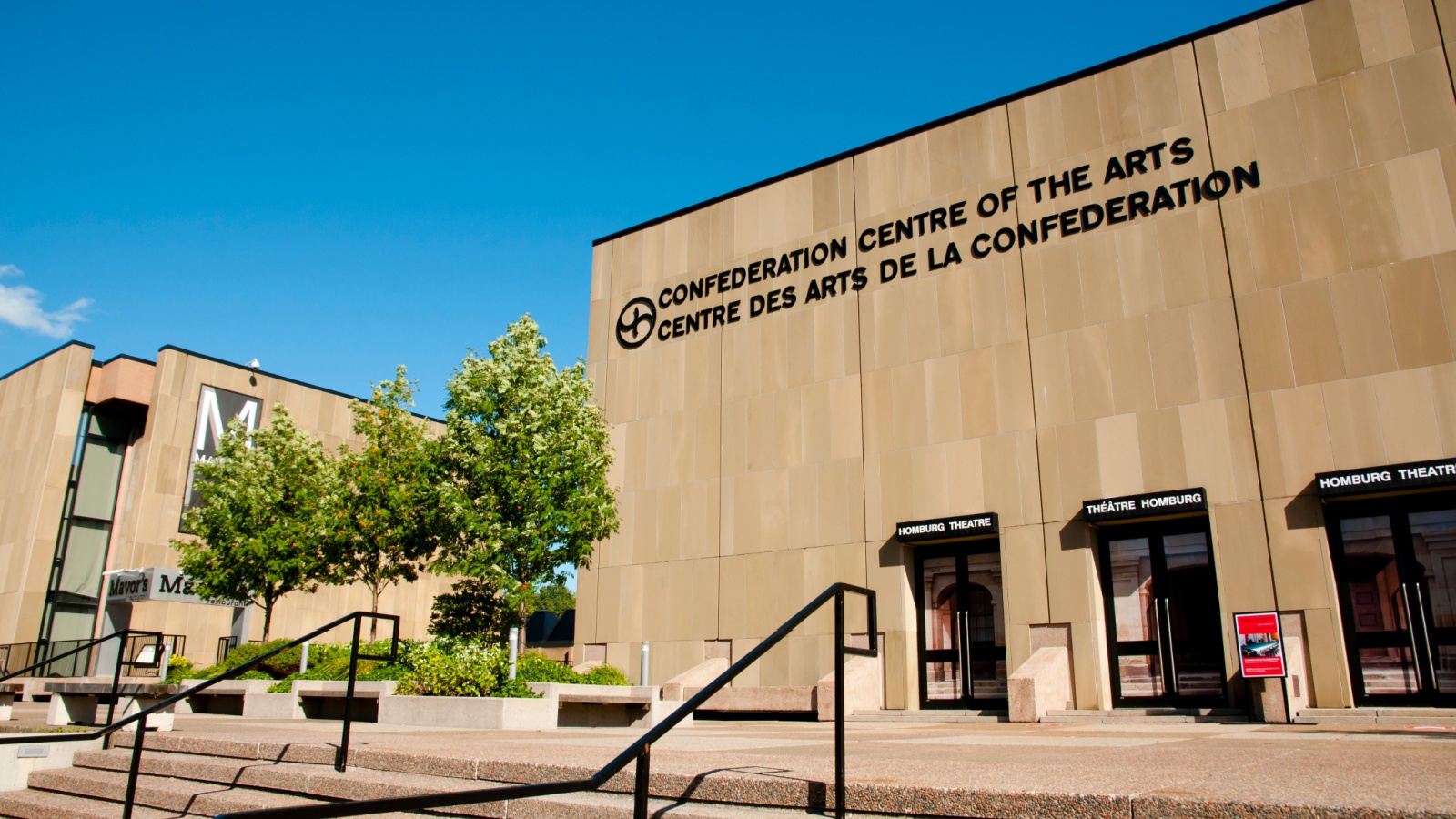
Built to commemorate Canada’s centennial era political heritage, the centre’s solid modernist mass unsettled residents familiar with Charlottetown’s heritage streets. Locals criticized its heavy cubic appearance near historic properties. Yet the project introduced facilities linking the national theatre, galleries, education studios, and rehearsal halls under one roof. Structural planners accommodated performance acoustics within thick concrete shells. These walls insulated sound leakage while preserving downtown zoning harmony. The centre became Canada’s permanent home of “Anne of Green Gables – The Musical.” The building transformed Charlottetown into a national performing arts hub long-term. Its rigid exterior disguises sophisticated acoustic and spatial engineering inside. The project demonstrated mid-century architectural confidence even within conservative historic contexts.
Robarts Library – Toronto
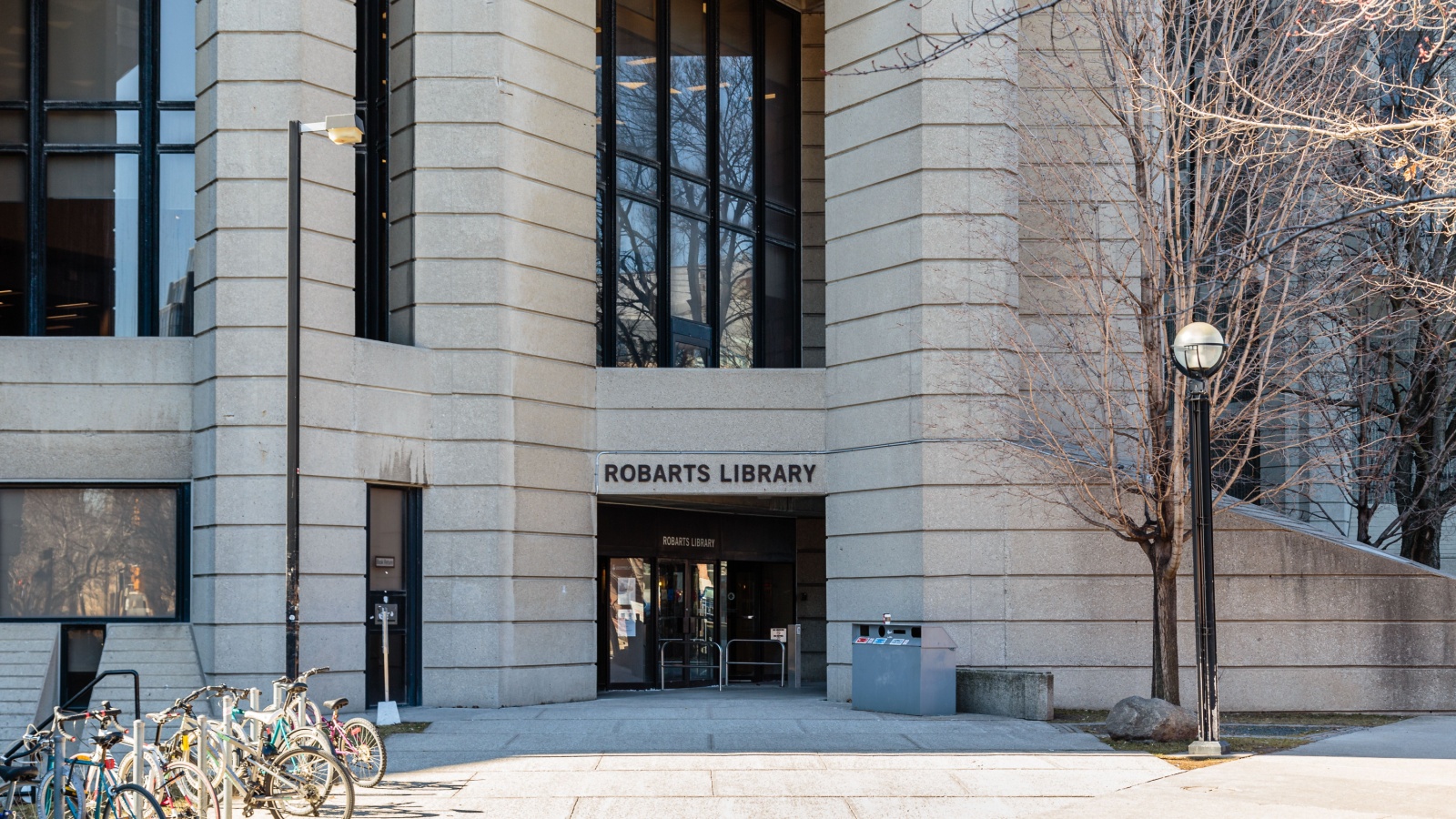
Nicknamed “Fort Book,” Robarts Library’s brutal triangular mass rises like a concrete fortress above St. George campus. Frequent rankings list it among the world’s ugliest libraries. Opened in 1973, its shape resulted from strict fire-safety zoning and containment compartment engineering. Internal layouts support rapid evacuation design through segmented levels. Each wing maintains independent fire suppression resilience. Climate isolation strategies protect rare collections from urban temperature fluctuations. Vertical reading room insulation ensures quiet environments despite central cores. Construction utilized cantilevered concrete balancing to accommodate high book loads. Robarts operates one of Canada’s most resilient academic libraries. Its durability supports thousands of daily students. While controversial visually, it remains admired for engineering practicality and disaster procurement foresight.
Shaw Centre – Ottawa
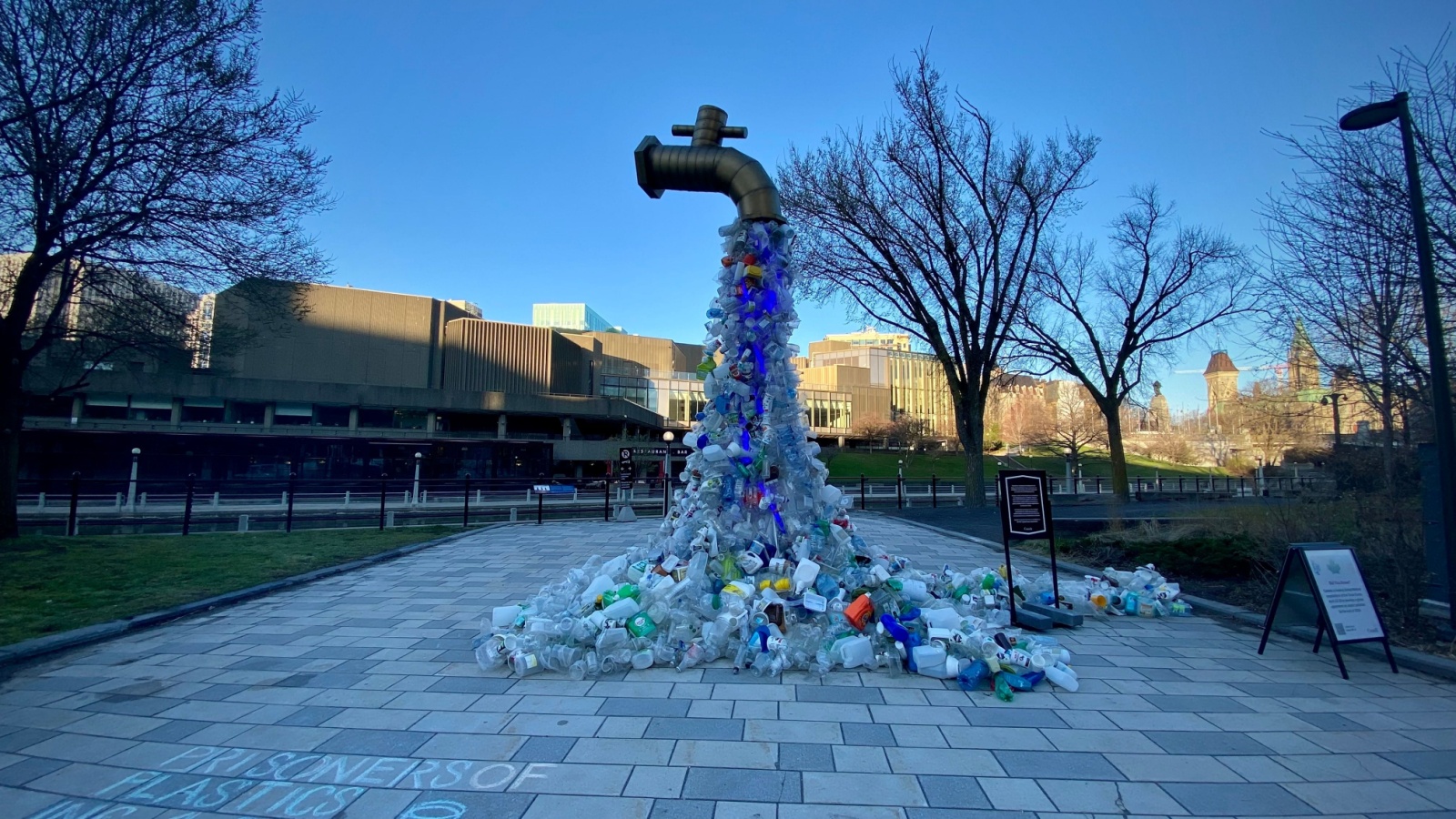
Huge glass surfaces and towering facades drew criticism when the Shaw Centre arrived in Ottawa’s skyline in 2011. Some residents labeled it overly commercial and austere. However, its sustainable design achievements stand out. The centre employs triple-glazed curtain walls, maximizing energy efficiency. Solar shading diffusers minimize heat gain while preserving natural lighting. Advanced water reclamation systems reduce environmental footprint. Structural engineering allowed vast column-free exhibition halls spanning entire city blocks. Seasonal airflow modulation decreases winter heating demands significantly. The Shaw Centre became a model for large-scale sustainable convention architecture within cold climate cities.
Vancouver Public Library – Central Branch
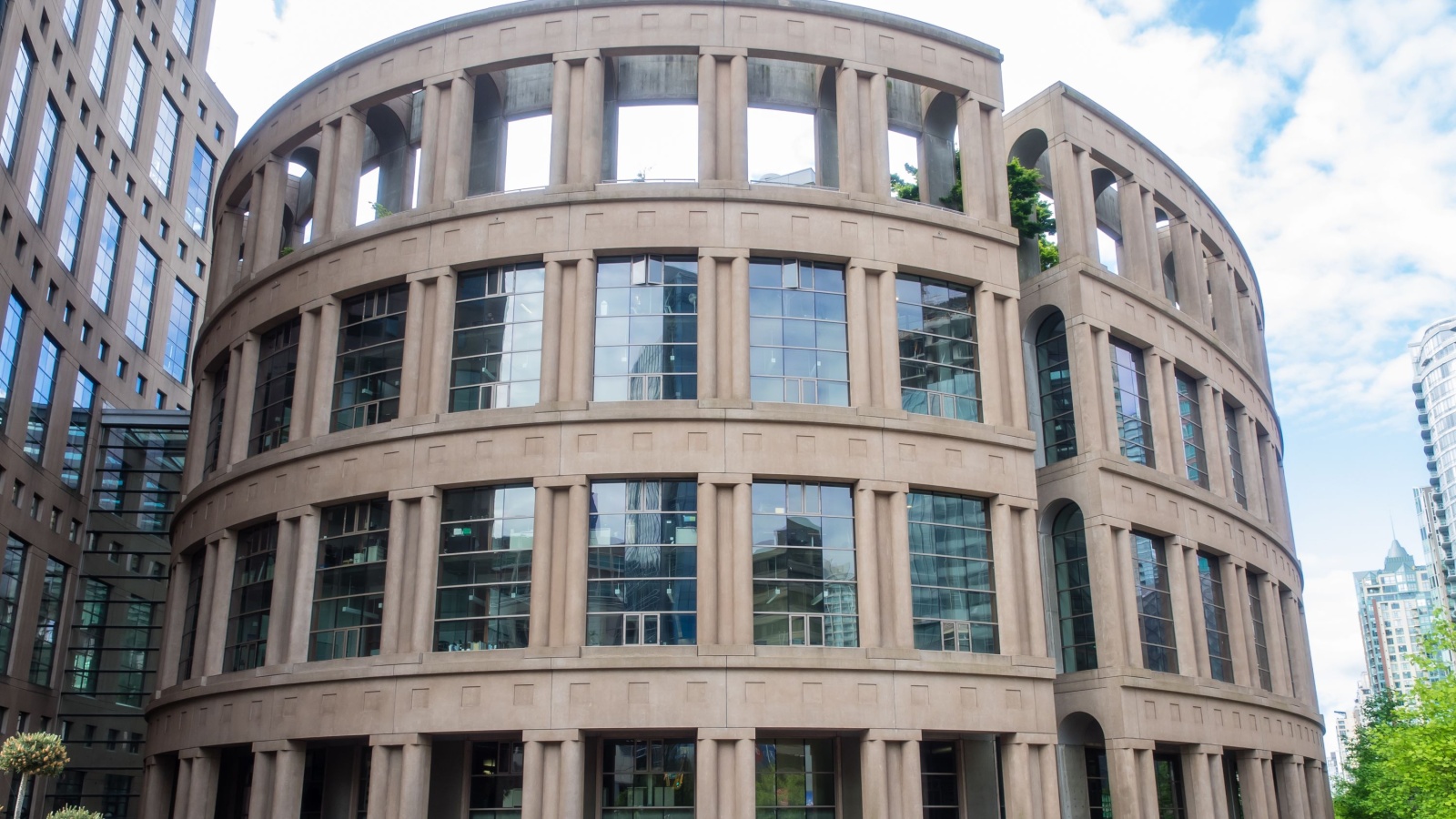
Designed to resemble a Roman amphitheatre, the library opened in 1995 to mixed reviews. Critics found its circular exterior theatrical and unnecessary. The massive colonnade seemed disconnected from Vancouver’s modern skyline. Inside, the space proved revolutionary. The ring layout maximizes daylight penetration while supporting efficient navigation. Multi-level terraces create visual continuity between floors. Passive ventilation designs circulate fresh coastal airflow naturally. The rooftop gardens regulate urban heat while providing public green space. The library’s capacity supports over one million annual visitors comfortably. The building transformed libraries beyond book storage into civic community centers. Architectural recognition steadily grew following public reappraisal. The building now stands respected for marrying spectacle with functional excellence.
Toronto Reference Library – Toronto
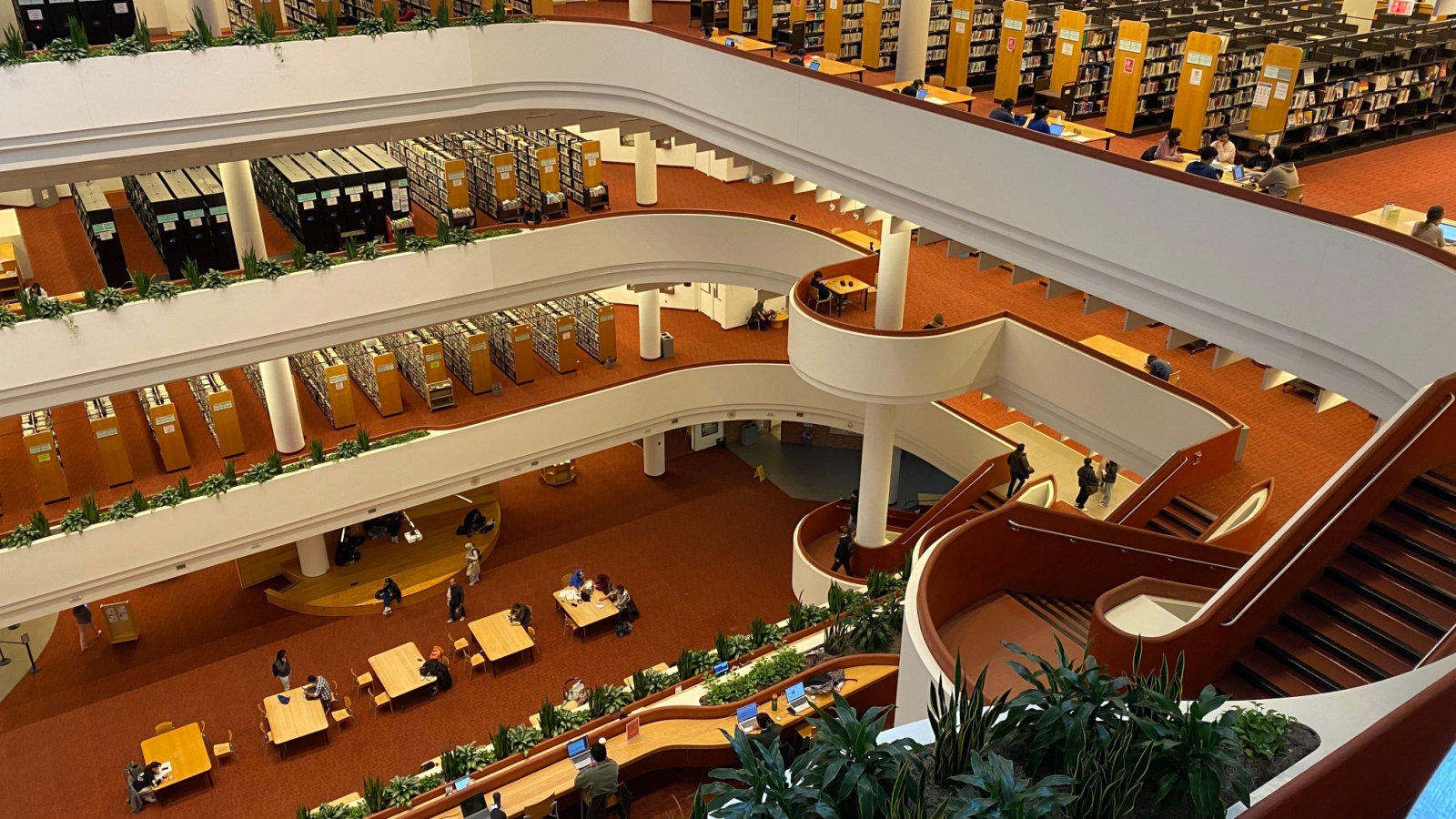
When the Toronto Reference Library opened in 1977, its stark geometric concrete exterior drew immediate criticism for appearing blocky and severe. Neighbourhood observers expected warmer materials to match the surrounding residential streets. Architect Raymond Moriyama instead prioritized interior civic experience over street-level decoration. The building’s vast atrium introduces natural light through layered glass skylights cascading across five stories. Structural engineering allowed massive open reading terraces without intrusive columns. Sound-dampening systems keep quiet despite heavy daily foot traffic. The library became the busiest in Canada within a few decades of operation. Preservation of book collections required controlled humidity zones integrated invisibly throughout the structure. Flexible floor design permitted future technological upgrades without major reconstruction. Moriyama intended the external restraint to place emphasis on internal knowledge openness. Over time, architects praised the building for advancing large-scale public reading environments without sacrificing accessibility.
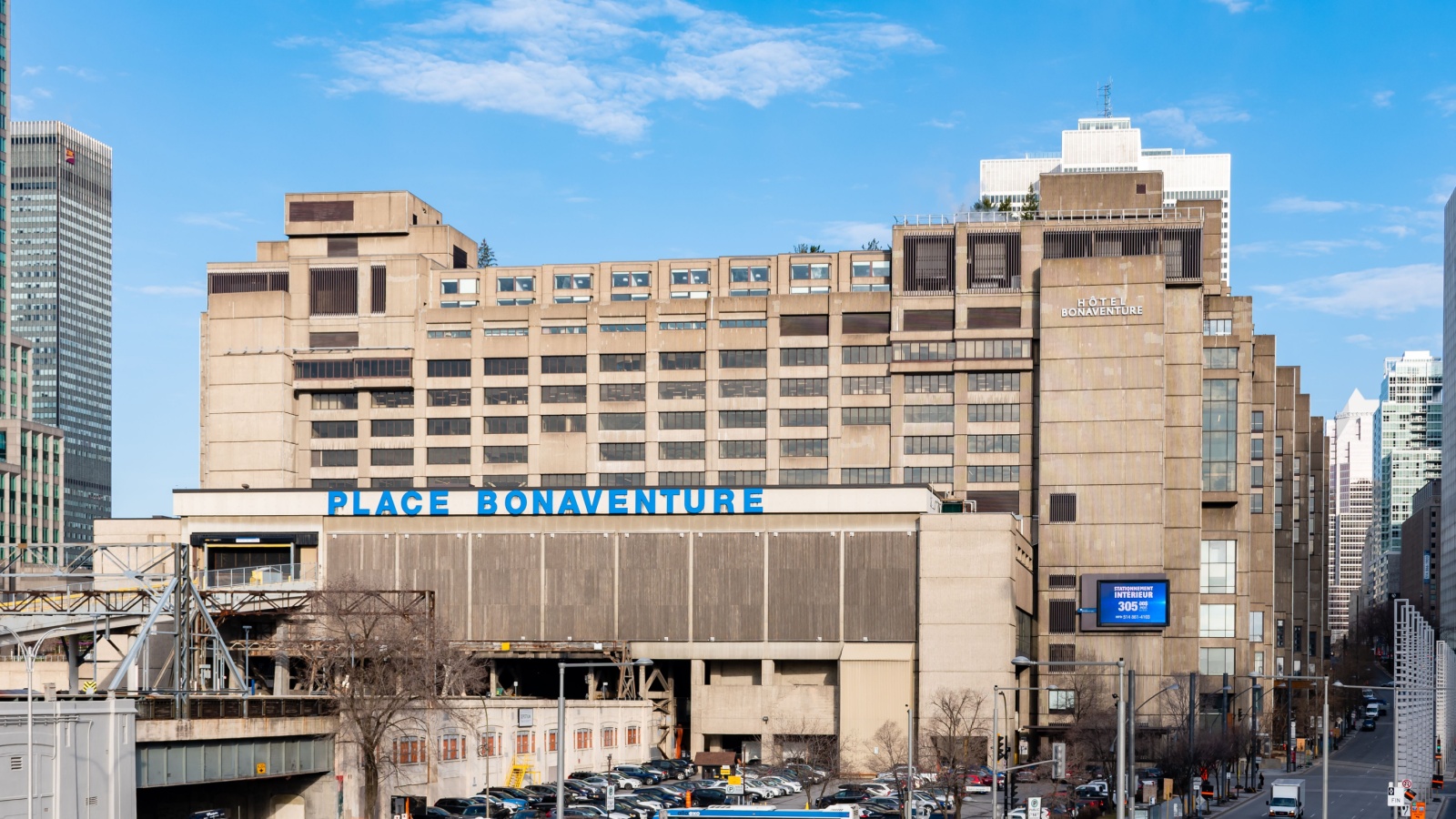
Built for Expo 67, Place Bonaventure emerged as a sprawling concrete mega-complex near Montreal’s central rail corridor. Many locals disliked its windowless expanses and fortress-like silhouette. Yet the design addressed extreme site challenges. Railway tracks passing beneath required vibration isolation engineering. The building’s five connected halls accommodate exhibitions, offices, hotels, and retail simultaneously. Structural plates distribute loads carefully to avoid stress disruptions from train vibrations. Rooftop gardens replaced lost urban greenspace atop the structure. Interior route organization permits crowds exceeding tens of thousands to circulate safely. Expo crowds proved this logistical capacity quickly. Modular build strategies shortened construction timelines dramatically during the international deadline crunch. International planners later studied the scale-mixing design for multifunctional convention centers. While few defend its visual softness, Place Bonaventure remains an unmatched logistical marvel engineered for urban density challenges rarely acknowledged by casual observers.
Manulife Centre – Toronto
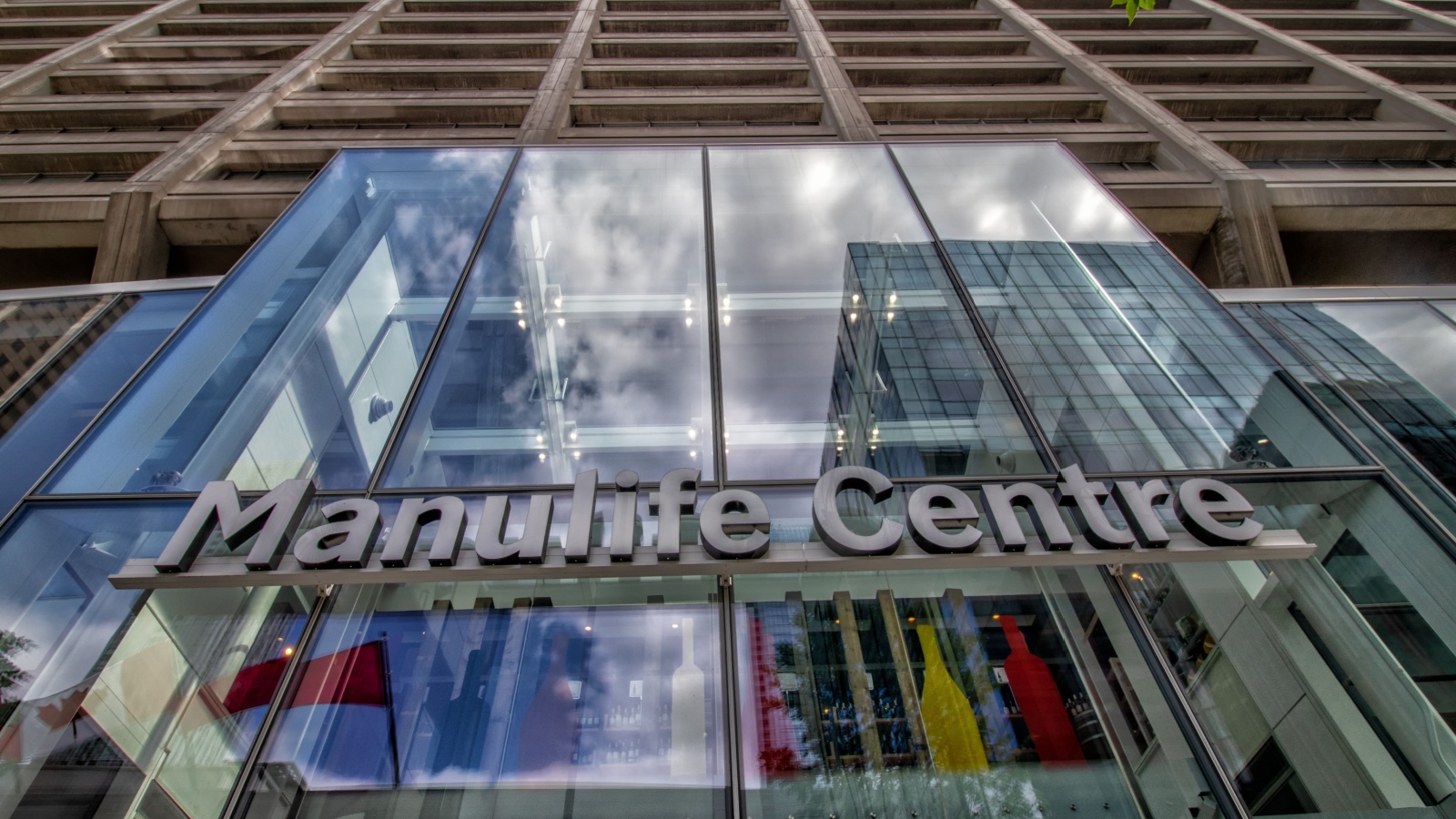
When opened in 1974, the Manulife Centre tower offended critics with its bulky articulation and seeming indifference to skyline elegance. Residents described its massive footprint as clumsy. Yet the building pioneered fully integrated mixed-use vertical planning in Canadian urban centers. It combined offices, residences, hotels, underground retail, and parking inside one continuous structure. Mechanical engineers developed noise isolation systems separating active shopping levels from private residential floors above. Load distribution designs balanced commercial density beneath lighter housing towers. Emergency egress networks allowed simultaneous evacuation from distinct zones safely. The complex’s grid anticipated later transit-oriented megadevelopment concepts. Public movement through connected underground corridors strengthened seasonal accessibility in the winter months. Toronto’s PATH system expanded largely from Manulife’s connectivity model. The building shaped downtown urban density strategies for decades afterward.
Confederation Building – St. John’s
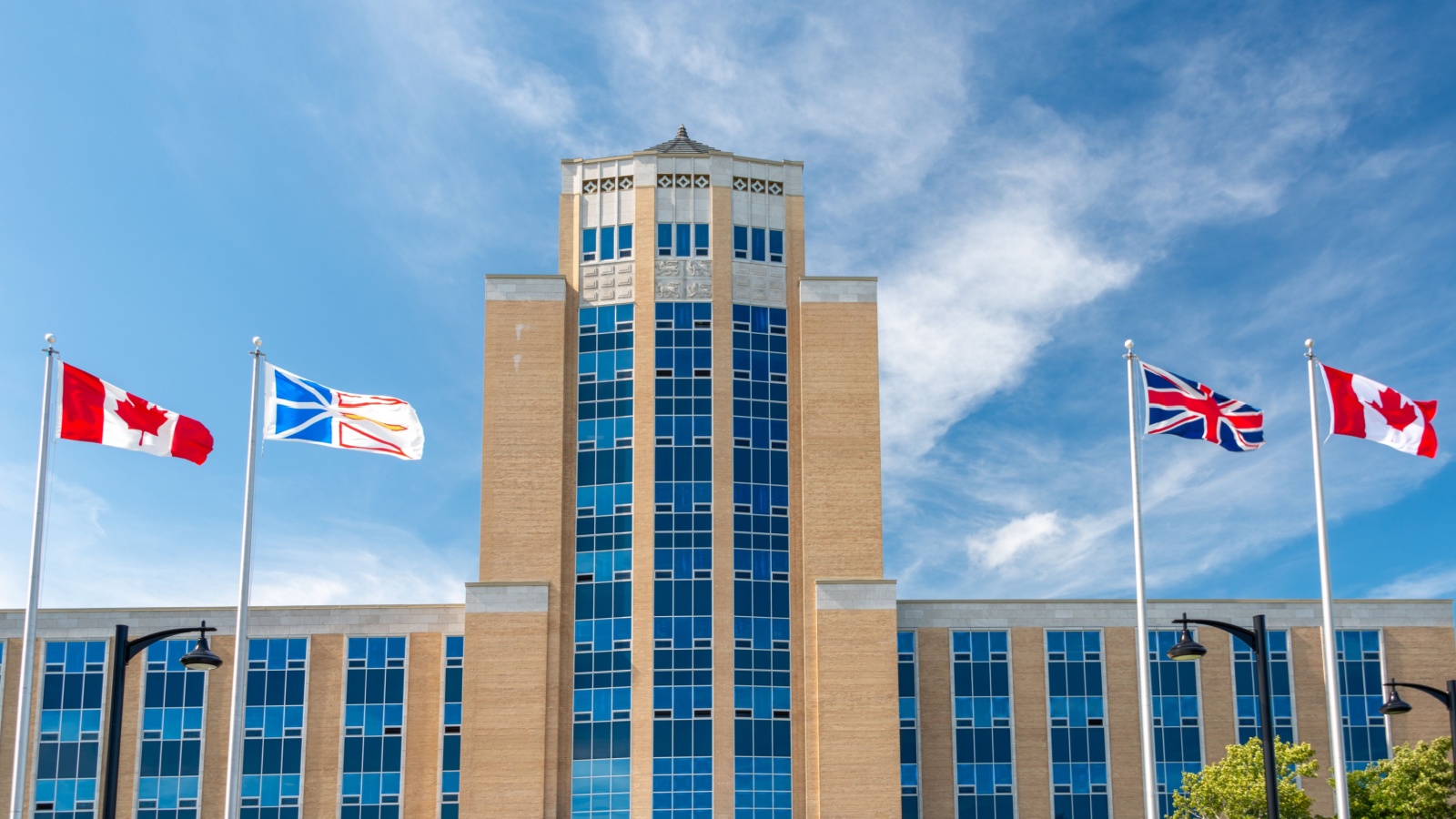
When it was completed in 1973, Newfoundland’s Confederation Building drew criticism for its utilitarian silhouette dominating the historic St. John’s skyline. The modernist slabs contrasted sharply with colourful row houses below. Designers prioritized climatic resilience above appearance. Atlantic wind engineering demanded reinforced structural stability. Thick exterior cladding resists salt corrosion and hydrostatic pressure from constant coastal weather exposure. Government offices inside require flexible spatial partitioning adapted for evolving administrative use. Heating circulation corridors were integrated into vertical shafts to prevent dangerous ice buildups around entrances. The building consolidated dispersed provincial departments into a centralized governance hub, streamlining provincial administration efficiency immediately. Modern heritage preservation circles now acknowledge the necessity-driven pragmatism guiding its form. Though considered visually intrusive, the Confederation Building represents advanced northern climate institutional engineering seldom mirrored elsewhere nationally.
Portage Place – Winnipeg
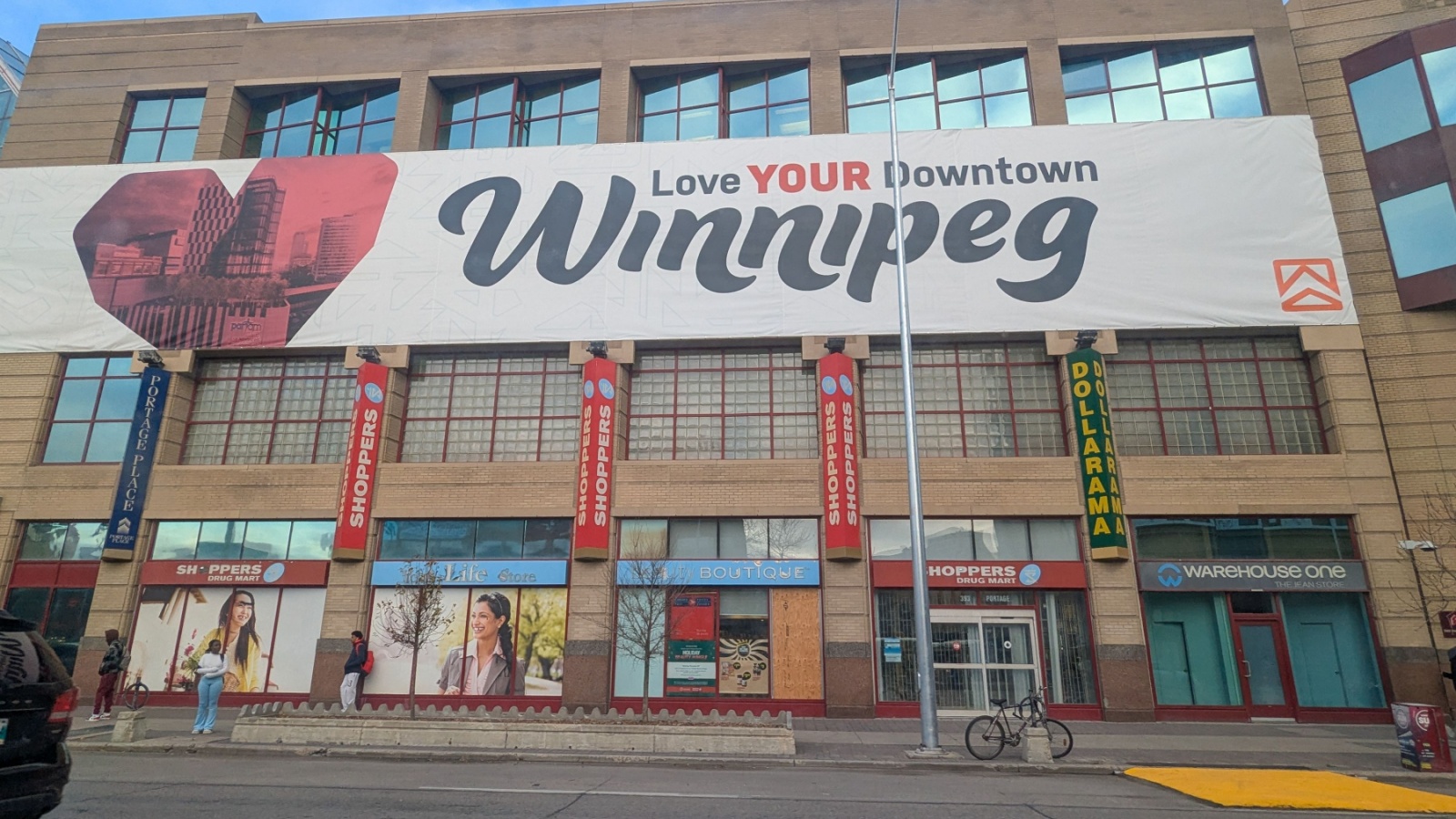
Opening in 1987, Portage Place faced harsh critique for appearing enclosed and overly concrete-heavy. Winnipeg developers designed it in response to downtown retail desertification and winter pedestrian dangers. Skywalk integration connected dozens of neighboring structures into climate-protected networks. Vertical retail zoning allowed sunlight circulation through layered stair and atrium cores. Structural engineering protected large skylight spans from snow load collapse. Street-level urban revitalization stalled initially but amplified foot traffic across decades. The building sustained downtown commerce through several recession cycles. Academic urban planners later studied the climate-focused enclosed retail model as an adaptation tool emerging uniquely from prairie conditions. Though stylistically polarizing, Portage Place demonstrated resilience strategies in cold weather urban revitalization development.
Shaw Conference Centre – Edmonton
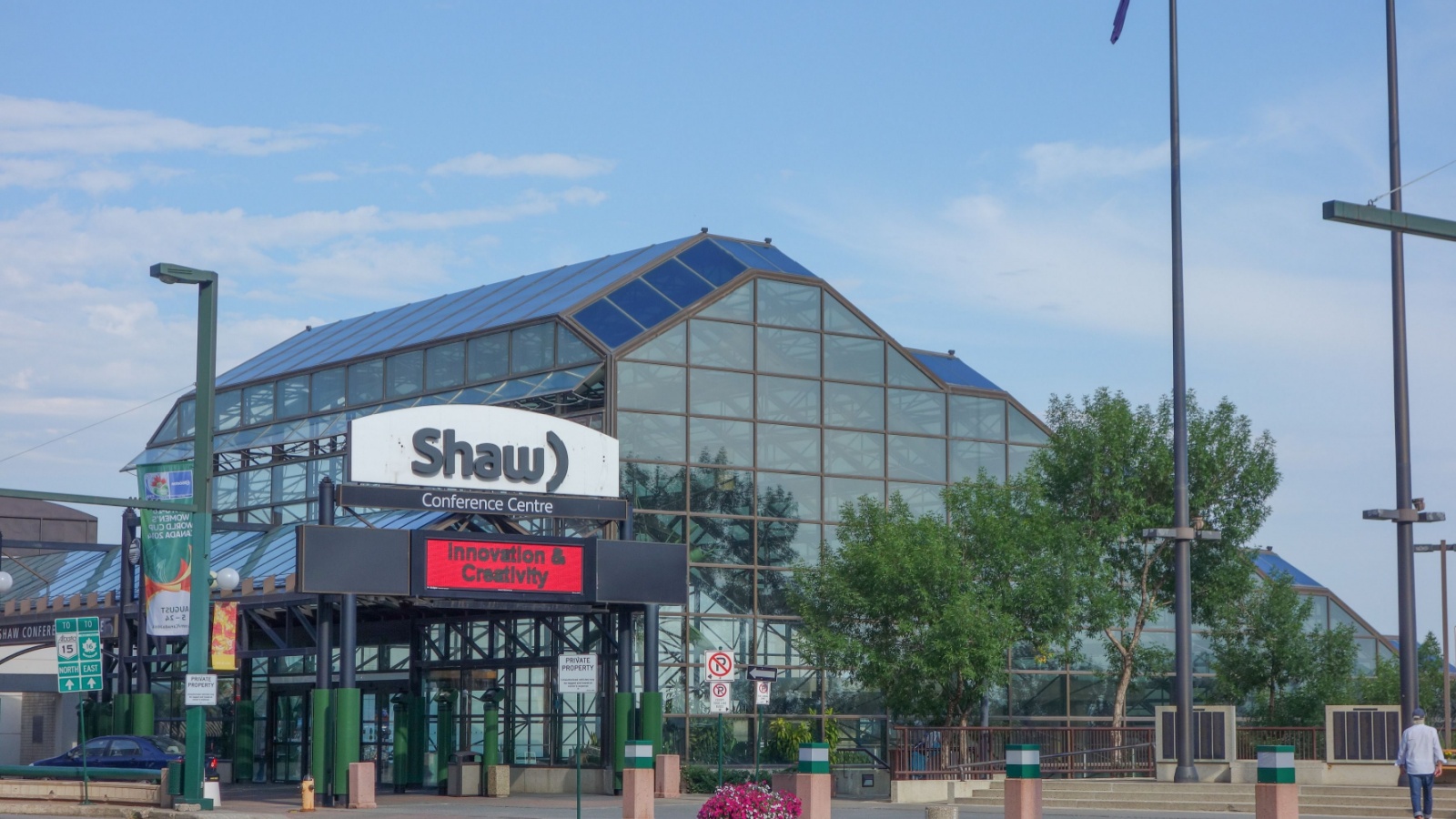
Built along Edmonton’s river valley in 1984, the conference centre blends into the landscape’s topography. Many locals derided the low-profile concrete structure as visually invisible or uninspired. Designers embedded the building beneath public parkland to protect natural sightlines. Extensive earth berming preserves insulation efficiency across seasons. Structural roof spans support landscaped pathways open daily to public use. Interior halls operate as major event venues while preserving uninterrupted parks above. Sound engineering minimizes disturbance to nearby ecological corridors. The design offered a rare blend of civic gathering function and environmental conservation. Urban planners reference this model as an early green-roof mega-development practice. Though aesthetically overlooked, its integration of landscape architecture and structural engineering remains highly respected internationally.
Brutalist Science Centre – Vancouver
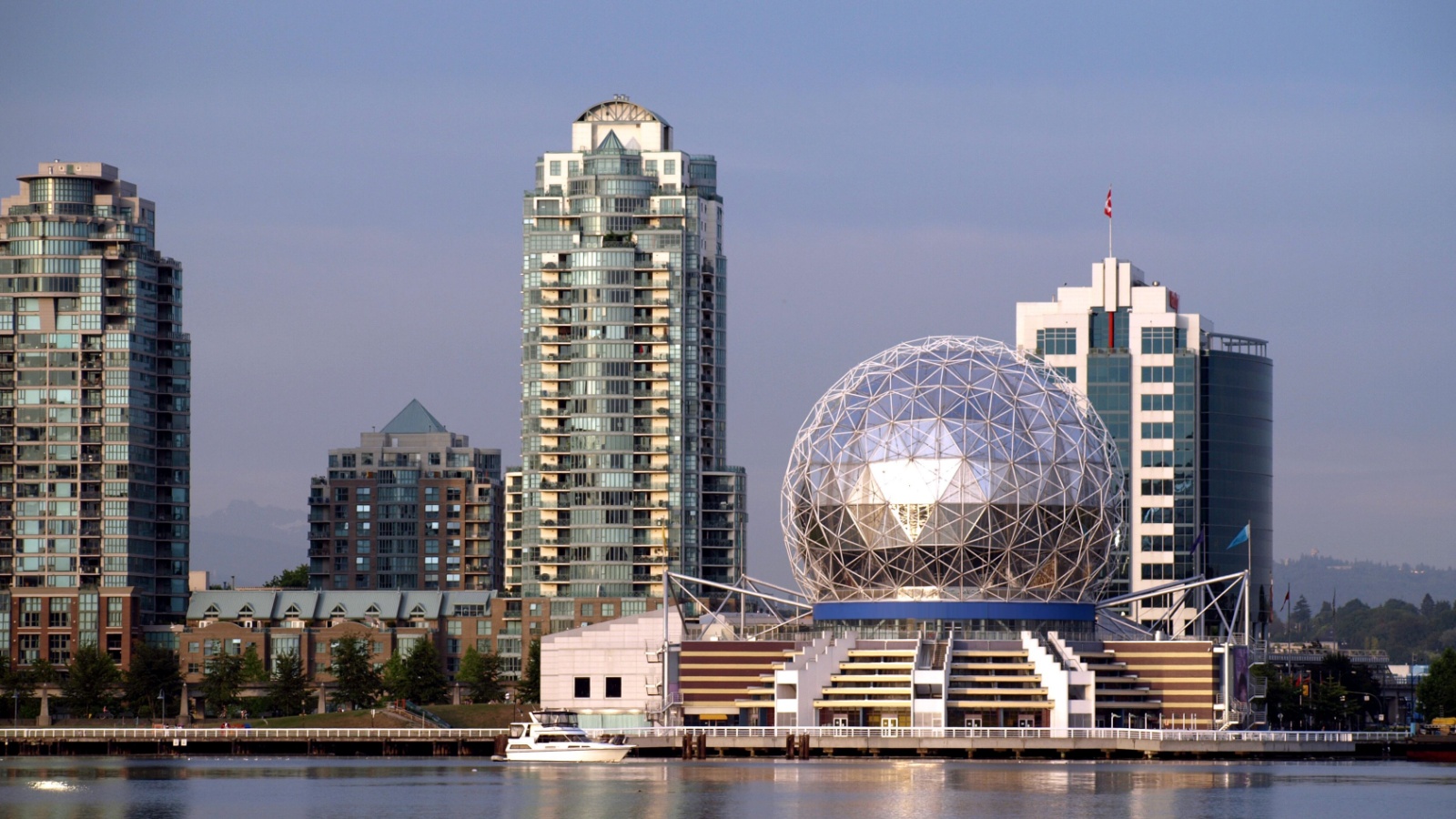
The Vancouver Science World geodesic dome opened in 1977 with stark industrial framing visible externally. Critics labeled it unfinished or mechanical. The structure instead reflected advanced experimental geodesic engineering techniques inspired by Buckminster Fuller. The dome supports massive column-free interior exhibits using tension-distributed load pathways. Steel joints engineered for seismic resilience became case-study examples in earthquake-resistant architecture. Exhibition floor suspension systems allow heavy installations without stressing the dome shell. The design later informed science center developments worldwide. Though visually divisive, the dome’s engineering brilliance secured long-term admiration from architectural institutions.
Calgary Central Library – Calgary
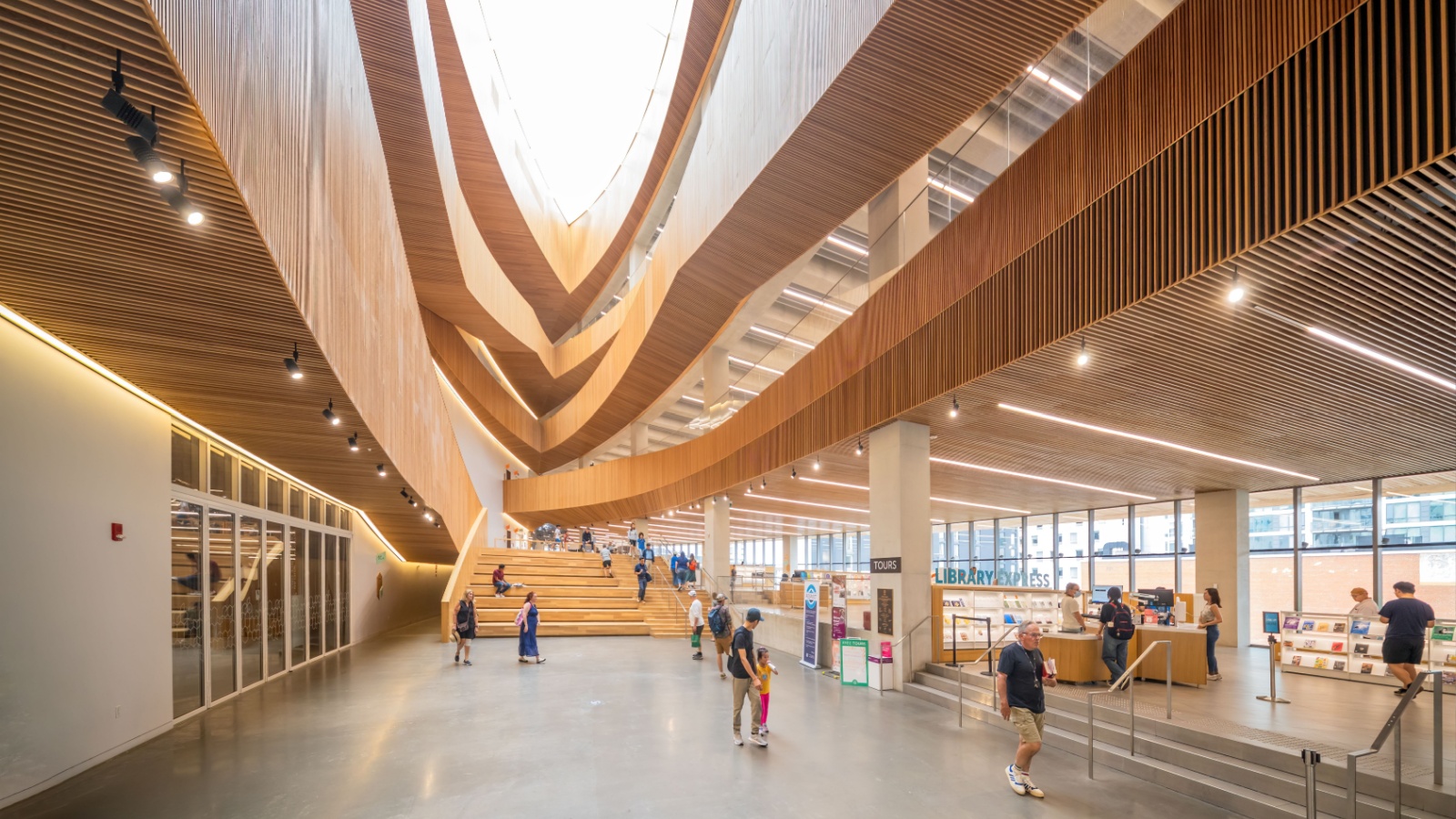
Early public reaction to the Calgary Central Library criticized its honeycomb façade as chaotic and mismatched. Opened in 2018, the structure bridges over an active railway line requiring unprecedented column positioning engineering. Earthquake resilience dampers were embedded in its curved framework. Interior lighting funnels natural daylight through sculptural apertures. Structural wood integration reduced the carbon footprint dramatically. The library became a leading example of modern sustainable civic architecture. Acoustic buffering systems isolate trains passing directly below reading rooms. Award recognition followed swiftly despite early public skepticism. Calgary gained a world-class public space born from bold design risk.
22 Groceries to Grab Now—Before another Price Shock Hits Canada

Food prices in Canada have been steadily climbing, and another spike could make your grocery bill feel like a mortgage payment. According to Statistics Canada, food inflation remains about 3.7% higher than last year, with essentials like bread, dairy, and fresh produce leading the surge. Some items are expected to rise even further due to transportation costs, droughts, and import tariffs. Here are 22 groceries to grab now before another price shock hits Canada.
22 Groceries to Grab Now—Before another Price Shock Hits Canada
This Options Discord Chat is The Real Deal
While the internet is scoured with trading chat rooms, many of which even charge upwards of thousands of dollars to join, this smaller options trading discord chatroom is the real deal and actually providing valuable trade setups, education, and community without the noise and spam of the larger more expensive rooms. With a incredibly low-cost monthly fee, Options Trading Club (click here to see their reviews) requires an application to join ensuring that every member is dedicated and serious about taking their trading to the next level. If you are looking for a change in your trading strategies, then click here to apply for a membership.