
35,000+ smart investors are already getting financial news, market signals, and macro shifts in the economy that could impact their money next with our FREE weekly newsletter. Get ahead of what the crowd finds out too late. Click Here to Subscribe for FREE.
Quality Street tins remain a familiar holiday sight in many Canadian homes. Families expect colourful wrappers signalling shared treats and treasured traditions. The tins usually sit proudly beside cookies and shortbread. Children shake them to guess what surprises await inside. Grandparents remember earlier versions more fondly. Expectations rose as generations continued the ritual. However, reality didn’t always meet nostalgic hopes every Christmas season. Some disappointments stemmed from declining variety selections. Here are 22 times the “Quality Street” tin disappointed Canadian families.
Too Many Toffees, Too Little Chocolate
22 Times the “Quality Street” Tin Disappointed Canadian Families
- Too Many Toffees, Too Little Chocolate
- Missing Fan Favorites Randomly
- Shrinking Chocolate Sizes
- Increased Wrapper Waste
- Recipes That Tasted “Different”
- Fewer Nut-Filled Options
- Candy Melting During Transport
- Too Much Filler Candy
- Confusing Mini Tins
- Price Increases Without Improvements
- Recycled Wrapping Patterns
- Inconsistent Candy Ratios
- Chocolate That Stuck to Wrappers
- Reduced Tin Weight
- Loss of Holiday Exclusivity
- Repetitive Flavour Profiles
- Hard-to-Open Wrappers
- Flavor Substitutions Without Warning
- Seasonal Stock Shortages
- Excessive Plastic Tins
- Rising Competition Quality
- Fading Nostalgia Value
- 22 Groceries to Grab Now—Before another Price Shock Hits Canada

Canadian tins frequently overflowed with hard toffees. Chocolate-centered favourites seemed noticeably scarce. Kids reached inside expecting creams and pralines. Instead, sticky wrappers dominated the mix repeatedly. Families joked about “toffee-heavy batches” around tables. Quality Street denied deliberate assortment adjustments. However, customers reported consistent distribution imbalances annually. Toffees lost popularity among younger family members. Internet memes reinforced these grievances internationally. Canadian forums flooded with frustrated tin photos. The dominance of toffee damaged overall festive enjoyment significantly.
Missing Fan Favorites Randomly

Some holiday tins unexpectedly lacked classic favourites entirely. The green triangle chocolates vanished in some seasons. Strawberry creams disappeared without explanation. Orange segments became scarce seemingly overnight. Families speculated about supply issues constantly. No official consistency standards guided assortment inclusion. Expectations remained unmet during festive gatherings. Children argued over the limited leftover favourites. Grandparents told stories about fuller selections decades earlier. Nestlé never clarified rotation criteria publicly.
Shrinking Chocolate Sizes

Over time, the chocolate pieces noticeably became smaller. Individual candies weighed less than those remembered by earlier generations. Bite satisfaction dropped alongside visible shrink-flation trends. Packaging retained similar dimensions misleadingly. Families compared old photographs to current contents online. Differences appeared painfully obvious side-by-side. Chocolate shells thinned substantially. Fillings became lighter and less indulgent. Kids finished pieces unsatisfied quickly. Seniors lamented lost sensory richness openly. The perception of paying more for less intensified.
Increased Wrapper Waste

Modern tins included far more plastic wrappers than before. Environmental awareness grew among Canadian households. Unwrapping produced excessive landfill-targeted waste quickly. Parents attempted candy rewrapping recycling systems. Children complained about difficult-to-open wrappers. Shiny materials proved non-recyclable locally. Sustainability concerns overshadowed festive joy unexpectedly. Earlier tins included paper-based wrappings historically. Packaging modernisation reversed eco-friendly progress. Families felt conflicted about enjoying treats with guilt. Classroom discussions raised kids’ awareness of plastics. Social media posts critiqued the waste impact widely. Quality Street offered no clear sustainability shifts publicly.
Recipes That Tasted “Different”

Longtime buyers noticed flavour profile changes over decades. Caramel tasted less rich. Chocolate seemed waxier than memories suggested. Hazelnut fillings lacked previous creamy balance. This generated fierce debates among family elders. Recipe standards either evolved or cost-cutting influenced quality. Nestlé rarely confirmed recipe modifications. Taste disappointment built through each holiday sampling. Some candies lacked recognizable intensity entirely. Kids noticed muted flavours immediately. Descriptions of “cheap chocolate” circulated frequently online. Brand loyalty softened under taste dissatisfaction.
Fewer Nut-Filled Options

Nut lovers observed diminishing variety offerings annually. Almond and hazelnut chocolates disappeared gradually. Fewer crunchy textures meant reduced sensory diversity. Cream-based candies filled the space instead. Some Canadians disliked excessive creamy fillings. Allergy-friendly formulations altered original lineups, perhaps. However, no formal allergen explanation surfaced publicly. Nut candy fans felt particularly neglected. Preference diversity narrowed within tins painfully. Families argued over the limited nut options remaining. Older members remembered plentiful nut selections nostalgically. Younger generations missed experiencing the former variety entirely.
Candy Melting During Transport

Canadian winters, ironically, still produce shipping melt issues. Temperature variations during transport softened chocolates unpredictably. Resolidified chocolate developed unsuitable grainy textures. Deformed shapes looked unappealing inside tins. Families noticed swirl smudges regularly. Complaints increased during warm-spike shipment seasons. Gift tins arrived partly melted, occasionally. Retailers rarely refunded melted cosmetic issues. The inconsistency damaged holiday presentation enjoyment. Melted wrappers stuck together frustratingly.
Too Much Filler Candy
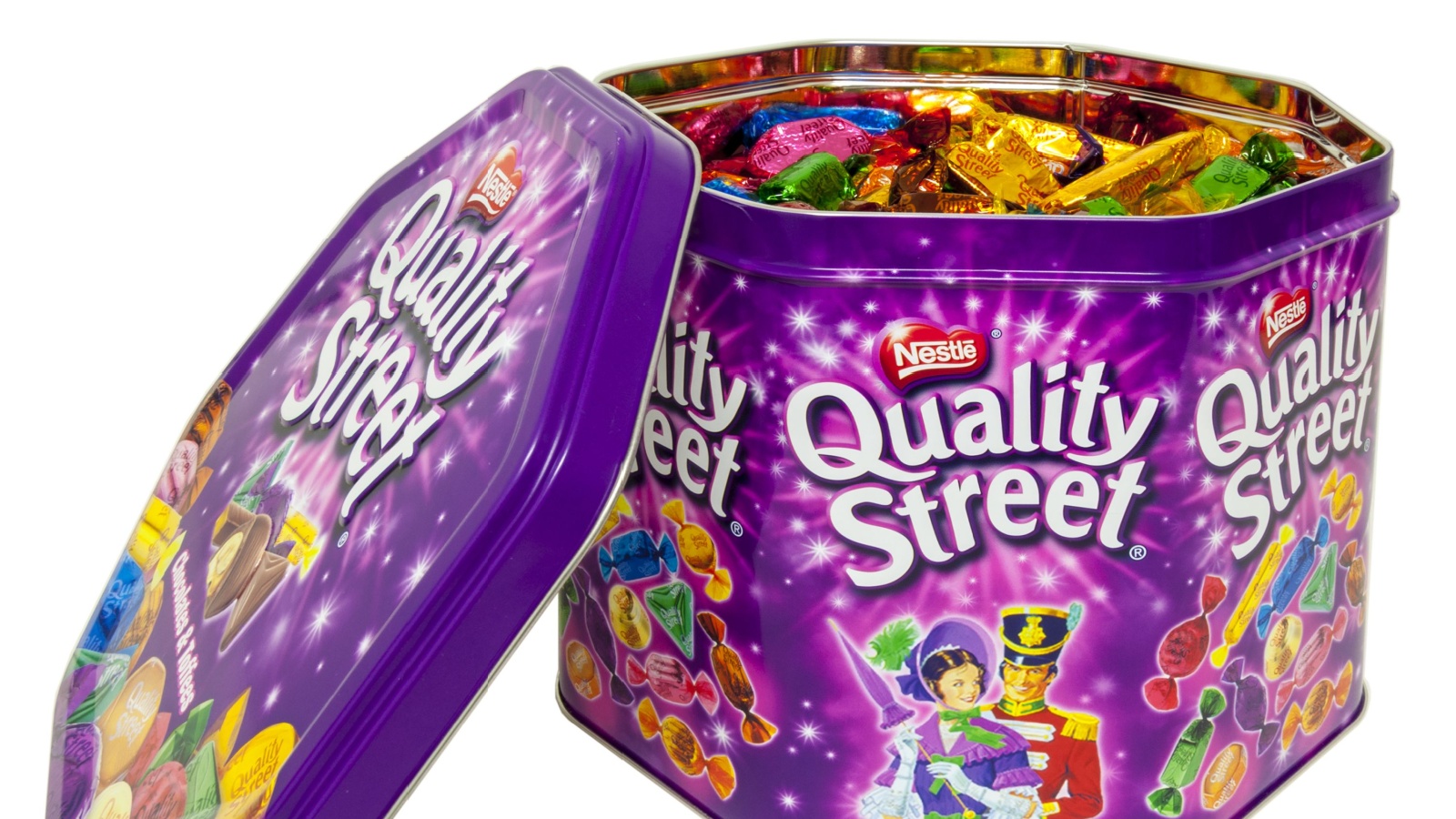
Non-chocolate fillers dominated certain tins noticeably. Plain caramels and chew candies expanded share proportions. Chocolate fans felt increasingly underserved. Buying tins felt less rewarding each year. Canadian buyers sought richer experiences. Lower-value candies suggested cost-cutting motives. Kids immediately sorted unwanted candies aside. Recycling candy between relatives grew awkward. The sense of “luxury tin” eroded with filler emphasis. Packaging didn’t indicate internal ratios clearly. Shoppers felt misled about the composition contents.
Confusing Mini Tins

Smaller tins confused shoppers expecting full assortments. Mini tins carried similar artwork patterns. Families purchased the wrong sizes accidentally. The revelation happened only after opening at home. Contents were dramatically limited in number. Children felt visibly shortchanged by the small size. Pricing structures misled unprepared shoppers. Marketing failed to clarify the differences adequately. Canadian consumers reported buyer’s remorse frequently. Gift exchanges suffered embarrassing moments. Relatives believed forgotten generosity implied insult.
Price Increases Without Improvements

Retail prices rose steadily over several seasons. Improvements in content quality failed to accompany price hikes. Shoppers compared tins with competing chocolate boxes. Competitors offered better value alternatives domestically. Quality Street’s perceived value declined noticeably. Canadians balked at paying a premium without upgrades. Household budgets tightened under rising grocery costs nationwide. Many reduced purchase frequencies consciously. Brand loyalty eroded under a cost-value imbalance.
Recycled Wrapping Patterns
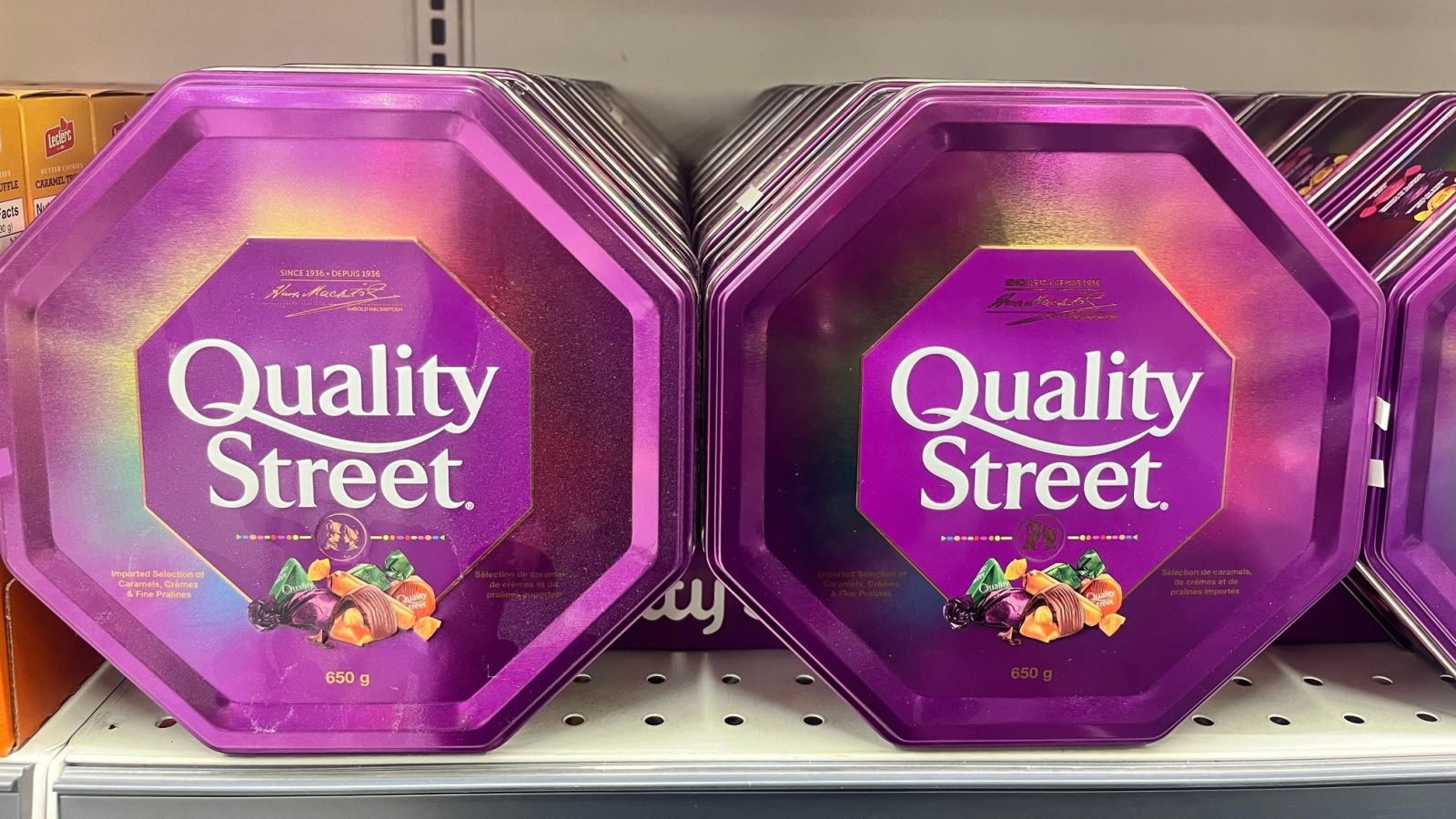
Recent seasons reused wrapper designs repeatedly. Collectors noticed limited variation annually. Earlier decades offered fresh festive visuals each year. Repeated patterns bored collectors quickly. Children no longer recognize novelty wrapper excitement. Decorative crafts dependent on variation declined. Corporate cost-cutting revealed through design repetition signals. Families perceived reduced effort investment in traditional branding. Holiday magic thrives on novelty creation. Design stagnation felt disappointing over time. Collectors voiced dissatisfaction on forums frequently.
Inconsistent Candy Ratios

Canadian families noticed wildly different candy ratios between tins. One tin overflowed with caramels while another lacked chocolates entirely. Holiday guests compared selections across households mid-conversation. Surprise ratios heated light-hearted family debates. Nestlé provided no guarantees over assortment distribution. Randomly damaged packaging perceived product fairness. Buyers expected standardized mixes each season. Instead, unequal experiences undermined group celebrations.
Chocolate That Stuck to Wrappers

Chocolate is increasingly stuck to the inner wrappers during unboxing. Warm shipment or thin coatings caused adhesive issues. Sugar bloom formed along plastic contact points. Guests unwrapped misshapen candy remnants. Visual appeal vanished instantly. Kids complained that the candies tasted like plastic afterward. Families discarded warped pieces reluctantly. Complaints circulated on regional consumer forums. Quality Street offered no reform packaging solutions publicly. This issue occurred most frequently during fluctuating shipping temperatures.
Reduced Tin Weight

Tin packaging remained large yet lighter inside. Weight reductions became noticeable over time. Shoppers weighed tins year‐to‐year, noticing steady declines. Stores posted fine-print net weight disclaimers unnoticed by many. Consumers expected increased interior emptiness each season. Paying more for less reinforced negative value perceptions. Holiday abundance symbolism dissolved. Casual buyers felt misled by unchanged tin size illusions. Shrinking content quietly damaged trust expectations. Comparison shopping with scales became trending content online.
Loss of Holiday Exclusivity

Previously, Quality Street felt exclusively seasonal. Year-round checkout displays eliminated holiday uniqueness. The special-occasion magic diminished instantly. Families felt that this lost celebratory significance. Holiday traditions depend on the limited availability of elements psychologically. Permanent availability reduced perceived value drastically. Shoppers skipped purchases, expecting future opportunities. The gift presentation lost emotional weight significantly. Younger Canadians missed experiencing “holiday only” anticipation entirely. Brand positioning quietly weakened through overexposure.
Repetitive Flavour Profiles

Current tins feature too many caramel-centric flavours. Variety appeal suffered significantly. Distinct taste experiences became limited. Chocolate diversity decreased. Guests observed sameness across wrappers and fillings. Young tasters quickly lost interest after a few pieces. Holiday platters lack the excitement and variety needed. Nostalgic memories referenced older, balanced assortments.
Hard-to-Open Wrappers

Plastic twists proved difficult for older hands. Arthritis issues made opening painful. Wrappers slipped fingers aggravating frustrations. Candy sharing slowed noticeably during gatherings. Grandparents required assistance unwrapping pieces. Festive momentum stalled awkwardly. Previous paper wrappers were easier alternatives. Packaging redesign prioritized sheen over usability. Accessibility concerns gained online attention.
Flavor Substitutions Without Warning

Certain candies tasted noticeably altered without announcement. Longtime aficionados detected subtle switching of flavour compounds. Caramels lacked the buttery richness previously expected. Fruit creams tasted more artificial. Veteran consumers noticed immediate downgrades. Younger eaters perceived changes as “cheap tasting.” Trust erosion followed uncommunicated substitutions. The absence of transparency magnified feelings of deception.
Seasonal Stock Shortages

Canadian stores routinely sold out unpredictably early. Shoppers visiting mid-December found empty spots instead. Retailers blamed supply limitations variably. Families lost the chance to purchase entirely. Stock shortages triggered frustration, traditions, and disruptions. Dependable holiday planning collapsed without product availability reliability.
Excessive Plastic Tins

Switching to plastic containers disappointed sustainability-minded buyers. Metal tins held reusable afterlife value. Plastic replacements lacked heirloom sentiment. Environmental guilt worsened consumption satisfaction. Families reused old tins out of preference. Brand environmental optics suffered greatly.
Rising Competition Quality

Competitor brands have enhanced quality noticeably. Boutique chocolate gift boxes gained popularity. Quality Street comparisons became unfavourable quickly. Canadians judged taste and presentation poorly relative to competitors. Loyalty collapsed when alternatives outperformed significantly.
Fading Nostalgia Value

Over time, disappointment replaced nostalgia and anticipation. Traditions depended on emotional consistency. Repeated letdowns eroded excitement steadily. Families stopped placing tins on centerpiece tables. Purchase habits changed toward custom chocolates. The tradition lost emotional potency nationally. What once symbolized celebration now triggers muted reactions.
22 Groceries to Grab Now—Before another Price Shock Hits Canada
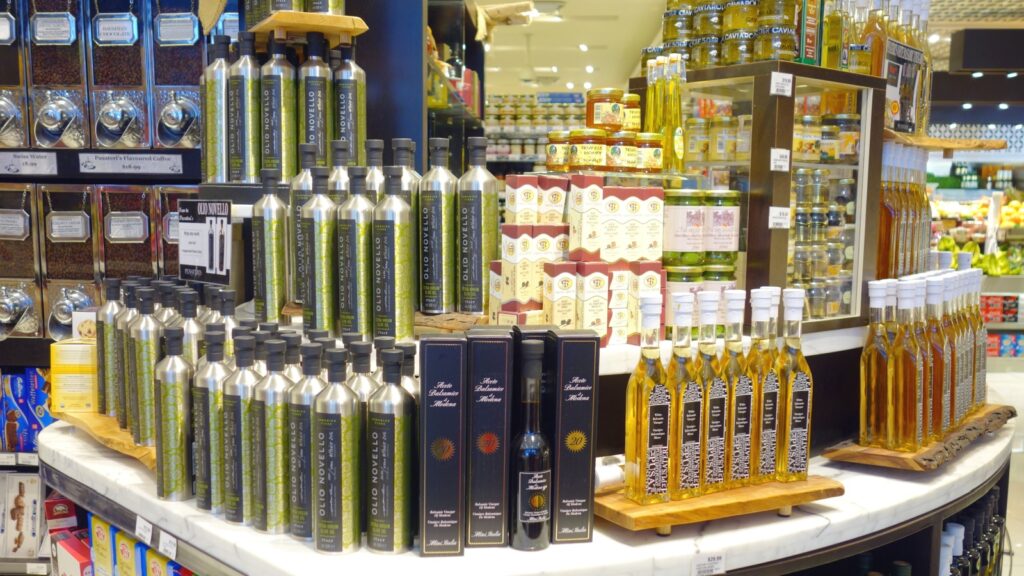
Food prices in Canada have been steadily climbing, and another spike could make your grocery bill feel like a mortgage payment. According to Statistics Canada, food inflation remains about 3.7% higher than last year, with essentials like bread, dairy, and fresh produce leading the surge. Some items are expected to rise even further due to transportation costs, droughts, and import tariffs. Here are 22 groceries to grab now before another price shock hits Canada.
22 Groceries to Grab Now—Before another Price Shock Hits Canada
This Options Discord Chat is The Real Deal
While the internet is scoured with trading chat rooms, many of which even charge upwards of thousands of dollars to join, this smaller options trading discord chatroom is the real deal and actually providing valuable trade setups, education, and community without the noise and spam of the larger more expensive rooms. With a incredibly low-cost monthly fee, Options Trading Club (click here to see their reviews) requires an application to join ensuring that every member is dedicated and serious about taking their trading to the next level. If you are looking for a change in your trading strategies, then click here to apply for a membership.