
35,000+ smart investors are already getting financial news, market signals, and macro shifts in the economy that could impact their money next with our FREE weekly newsletter. Get ahead of what the crowd finds out too late. Click Here to Subscribe for FREE.
Canadian winter weather has repeatedly stunned international audiences across generations. Global broadcasters document our snowstorms, ice events, and extreme cold in near disbelief. Footage of daily life continuing despite dangerous conditions circulates frequently on social platforms. These moments often confirm Canada’s reputation for resilience worldwide. Some storms prompted major emergency policy reforms at home. Other moments became viral cultural touchstones abroad. Together, they form a unique timeline of wintry global attention. Here are 23 times Canadian winter weather made international headlines.
Montreal Extreme Cold – 1934
23 Times Canadian Winter Weather Made International Headlines
- Montreal Extreme Cold – 1934
- Ottawa Blizzard – 1971
- Toronto Blizzard – 1979
- Quebec Ice Storm – 1998
- Winnipeg Blizzard Shutdown – 1997
- Saskatchewan Polar Vortex – 2019
- Vancouver Snow Disruption – 2019
- Alberta “Snow Birds” Blizzard – 2018
- Toronto Ice Storm – 2013
- Yukon Deep Freeze – 2021
- Manitoba Whiteouts – 2010s
- Nunavut Grounded Flights – 2020s
- Alberta Flash Freeze – 2014
- Toronto “Polar Bear Commute” Cold – 2018
- Winnipeg Blizzard Shutdown – 1997
- B.C. Avalanche Disaster – 1965
- Quebec City Ice Collapse – 2008
- Halifax Ice Pellet Storm – 2015
- Ontario Snow Squall Pileups – 2022
- Labrador Blizzard Isolation – 2017
- Prairie Ice Fog Event – 2014
- “Snow Roller” Phenomenon – 2016
- Arctic Freeze of Nunavik – 1989
- 22 Groceries to Grab Now—Before another Price Shock Hits Canada

In February 1934, Montreal recorded temperatures below −34°C during a historic cold wave. European and American newspapers highlighted the astonishing numbers prominently. Water mains burst across several districts, disrupting supply to thousands of homes. Streetcar rail switches froze solid across transit routes. Schools suspended classes while hospitals treated rising frostbite cases daily. Photographers captured images of fur-covered pedestrians navigating iced sidewalks. International climatologists referenced Montreal when setting extreme cold benchmarks. Editorials portrayed Canadians as uniquely cold-hardened citizens. The event remained embedded in meteorological literature worldwide. Even decades later, weather analysts reference Montreal’s 1934 deep freeze for comparison studies.
Ottawa Blizzard – 1971

In March 1971, nearly fifty centimeters of snow buried Canada’s capital within a single day. Federal offices closed for the first time during a storm emergency. Parliamentary sessions halted as transportation became impossible citywide. Foreign news agencies chronicled Ottawa’s shutdown across front pages. Military units assisted clearing downtown streets and access points. Airports suspended all aircraft operations temporarily. Snowbanks rose higher than parked vehicles across the city core. The storm forced emergency management reforms nationally.
Toronto Blizzard – 1979
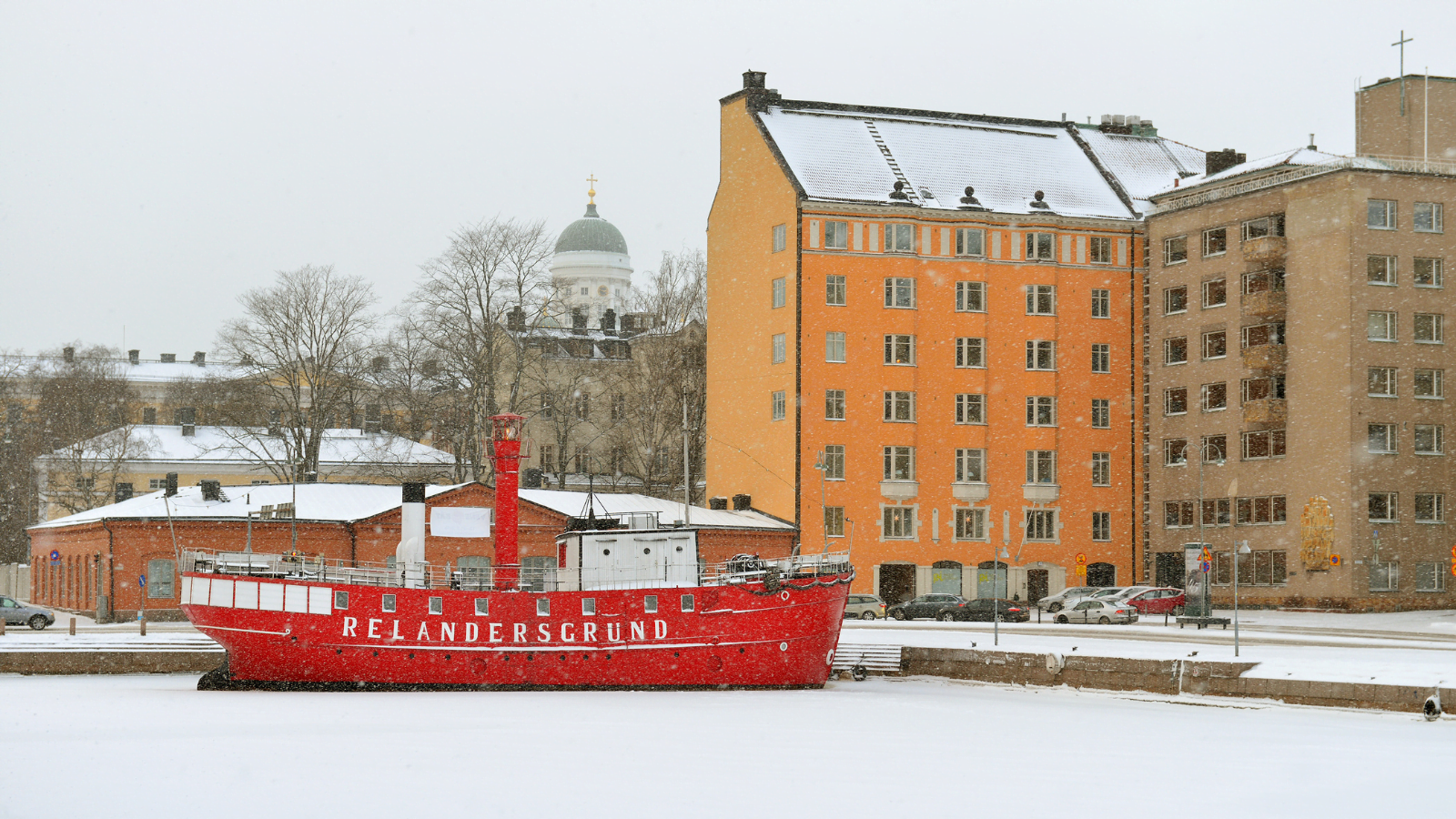
In February 1979, more than forty centimeters of snow paralyzed Toronto unexpectedly. Major highways turned into static parking lots overnight. News helicopters captured abandoned commuter vehicles from the sky. International outlets mocked Toronto’s snow response capacity critically. Public transit shut down for extended periods across the region. Emergency coordination shortcomings drew widespread scrutiny. Municipal snow-clearing systems underwent immediate policy improvement afterward. Globally, the blizzard became an urban-planning cautionary tale cited in winter preparedness discussions.
Quebec Ice Storm – 1998

In January 1998, weeks of freezing rain devastated Quebec and eastern Ontario. Millions of residents lost electricity during peak winter cold. Ice-coated transmission towers collapsed dramatically on camera. International news labelled the event Canada’s worst natural disaster. American military assistance arrived with heavy-duty generators. Community shelters housed displaced families statewide. Rural farms experienced massive livestock losses. Emergency preparation systems were redesigned nationwide afterward. The storm remains a global reference for ice-disaster risk modelling.
Winnipeg Blizzard Shutdown – 1997
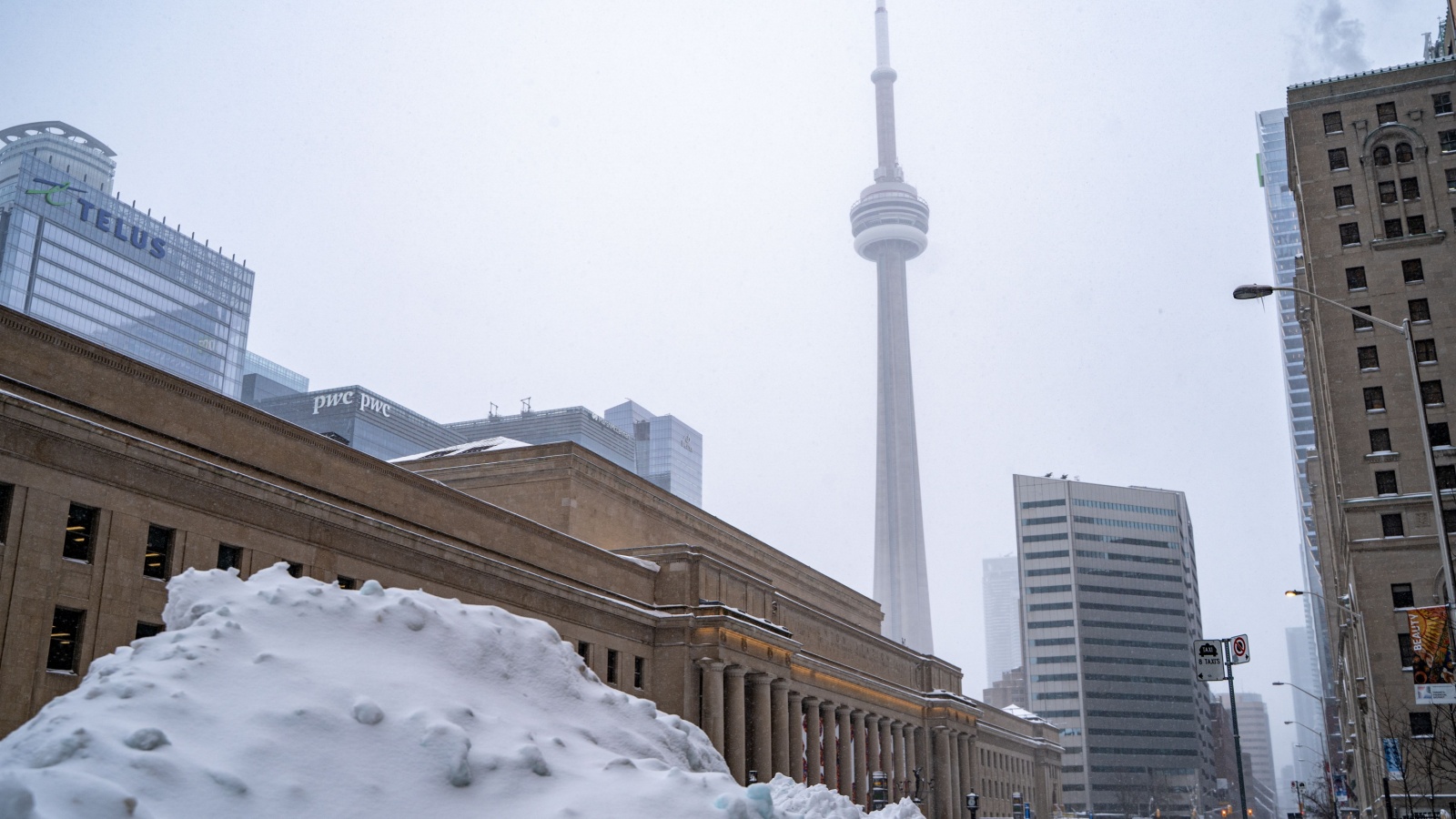
In March 1997, Winnipeg faced a blizzard that shut the city completely. Snow depths surpassed forty centimeters within hours. City buses stalled along major routes. Airport operations ceased for several days straight. Emergency shelters filled with stranded residents rapidly. International broadcasters compared Winnipeg to Siberian conditions. Residents improvised transportation using snowmobiles. Municipal snow-clearing equipment expanded afterward. Globally, the storm symbolized prairie winter severity.
Saskatchewan Polar Vortex – 2019

In January 2019, Saskatchewan endured wind chills near −50°C. Videos showing frozen eyelashes spread across social platforms instantly. Demonstrations of boiling water freezing midair trended globally. Schools cancelled mass classes provincewide. International meteorologists labelled the region a “real-world polar laboratory.” Power grids strained under immense heating demand. Foreign media expressed disbelief at daily commuting routines. The event strengthened Canada’s reputation for extreme cold endurance worldwide.
Vancouver Snow Disruption – 2019

In February 2019, Vancouver received over twenty centimeters of rare snowfall. Transit systems struggled to operate under unprepared conditions. International media humorously criticized coastal snow management shortcomings. Numerous vehicles were abandoned on major roadways. Vancouver International Airport cancelled flights for several days. Images circulated globally showing stranded travellers sleeping on terminal floors. Comparisons arose between coastal softness and prairie winter toughness abroad.
Alberta “Snow Birds” Blizzard – 2018

In 2018, Alberta blizzard winds shaped airborne snow into massive swirling formations. Aerial drone footage resembled giant migrating bird flocks. European broadcasters aired the surreal scenes repeatedly. Meteorologists confirmed the involvement of natural atmospheric phenomena. Universities analyzed the visuals for fluid dynamics studies. Zero visibility grounded flights and closed highways. International audiences marvelled at Canada’s visually dramatic winter weather.
Toronto Ice Storm – 2013
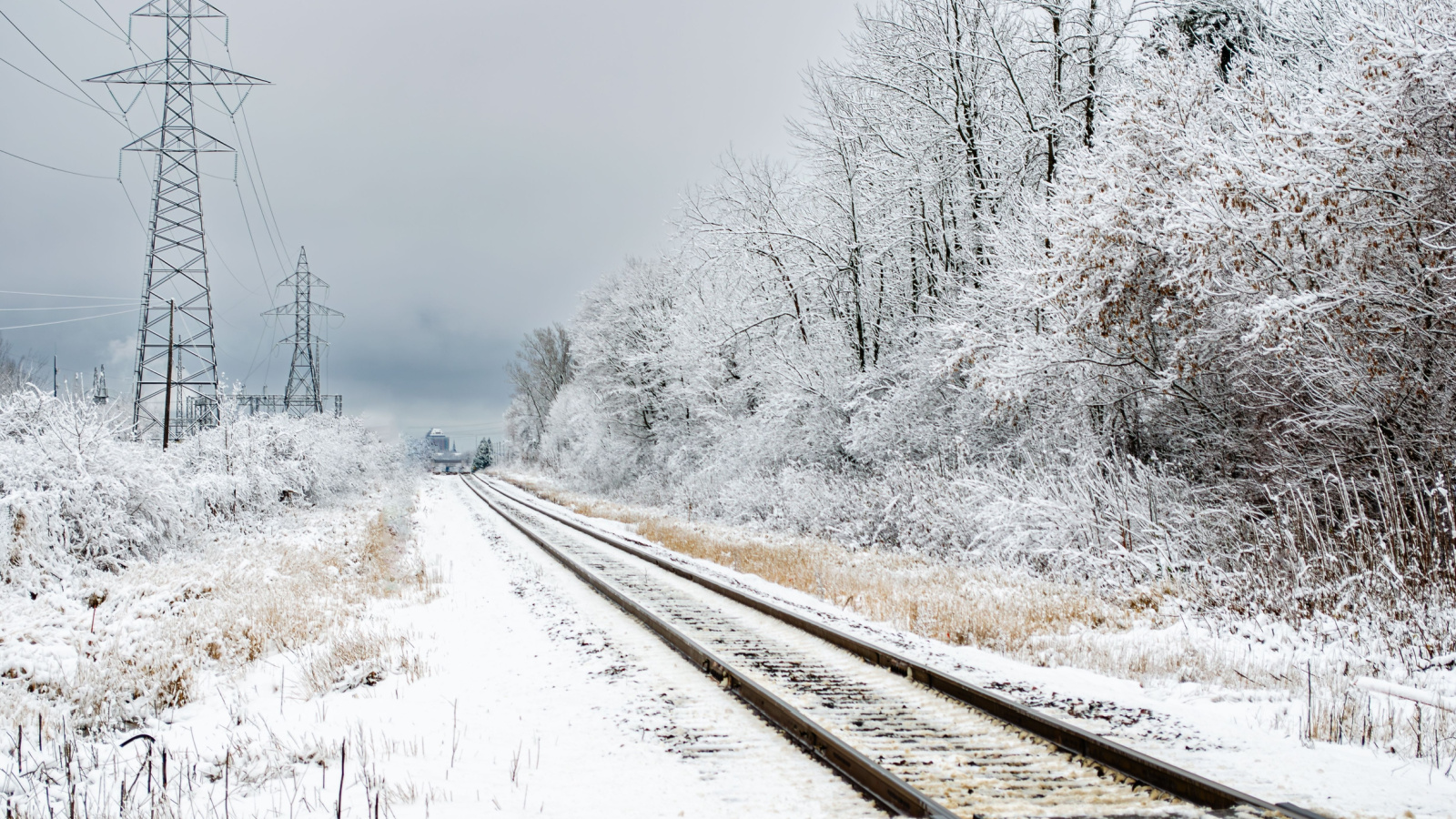
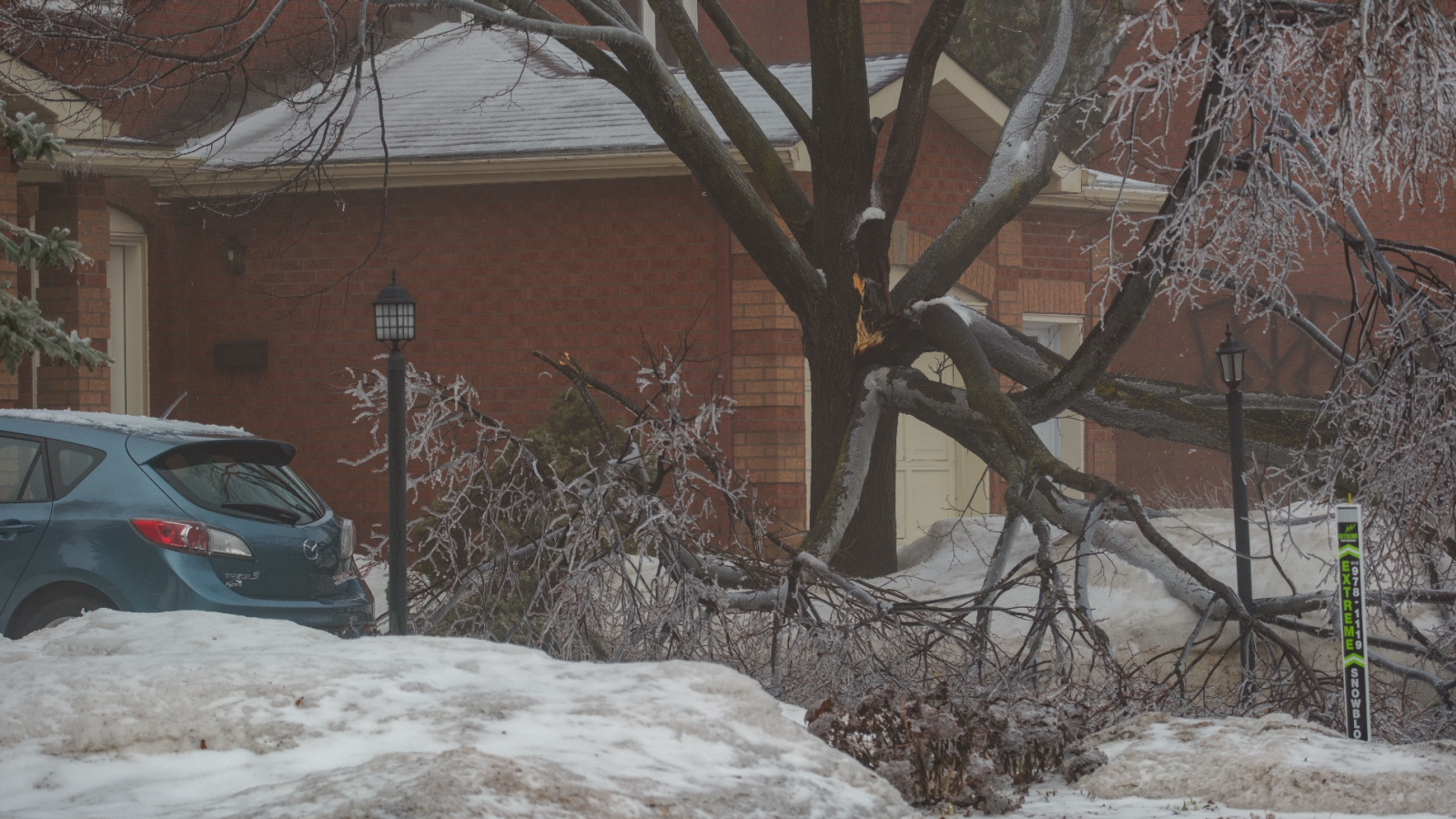
In December 2013, freezing rain crippled Toronto’s electrical grid. Hundreds of thousands lost power over Christmas week. Residents cooked outdoors using propane grills on balconies. Candlelit condominiums glowed throughout the skyline nightly. Pearson Airport cancelled major international connections. Global broadcasters praised volunteer community cleanup chains. Emergency shelters opened across the GTA rapidly. The storm reinforced Toronto’s vulnerability to ice weather abroad.
Yukon Deep Freeze – 2021
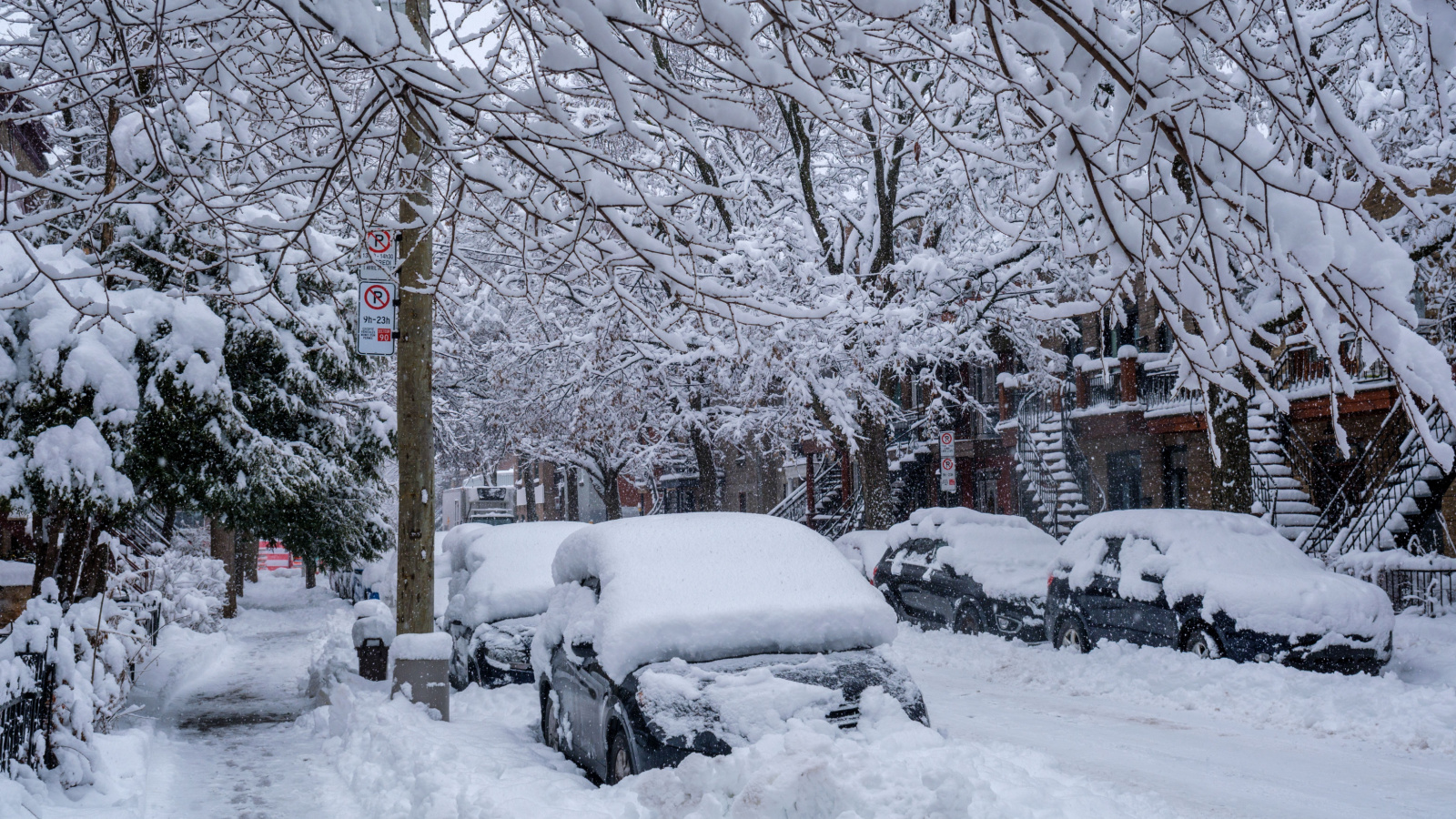
In January 2021, Yukon temperatures plunged near −53°C. Vehicles failed as fuel gelled solid. Airports suspended operations entirely. Schools closed temporarily for safety reasons. Buildings became coated in thick frost layers. Satellite maps showing purple temperature zones spread internationally. Climate scientists referenced Yukon data for Arctic modelling studies. The freeze fascinated audiences worldwide focused on northern survival routines.
Manitoba Whiteouts – 2010s
Throughout the 2010s, Manitoba experienced repeated highway whiteout emergencies. Visibility dropped to zero within seconds during snow squalls. Large multi-vehicle pileups required helicopter evacuations. Local farmers assisted emergency response efforts directly. European weather agencies used Manitoba footage for winter travel training. International audiences expressed disbelief at invisible roadway conditions. These whiteouts became textbook storm examples globally.
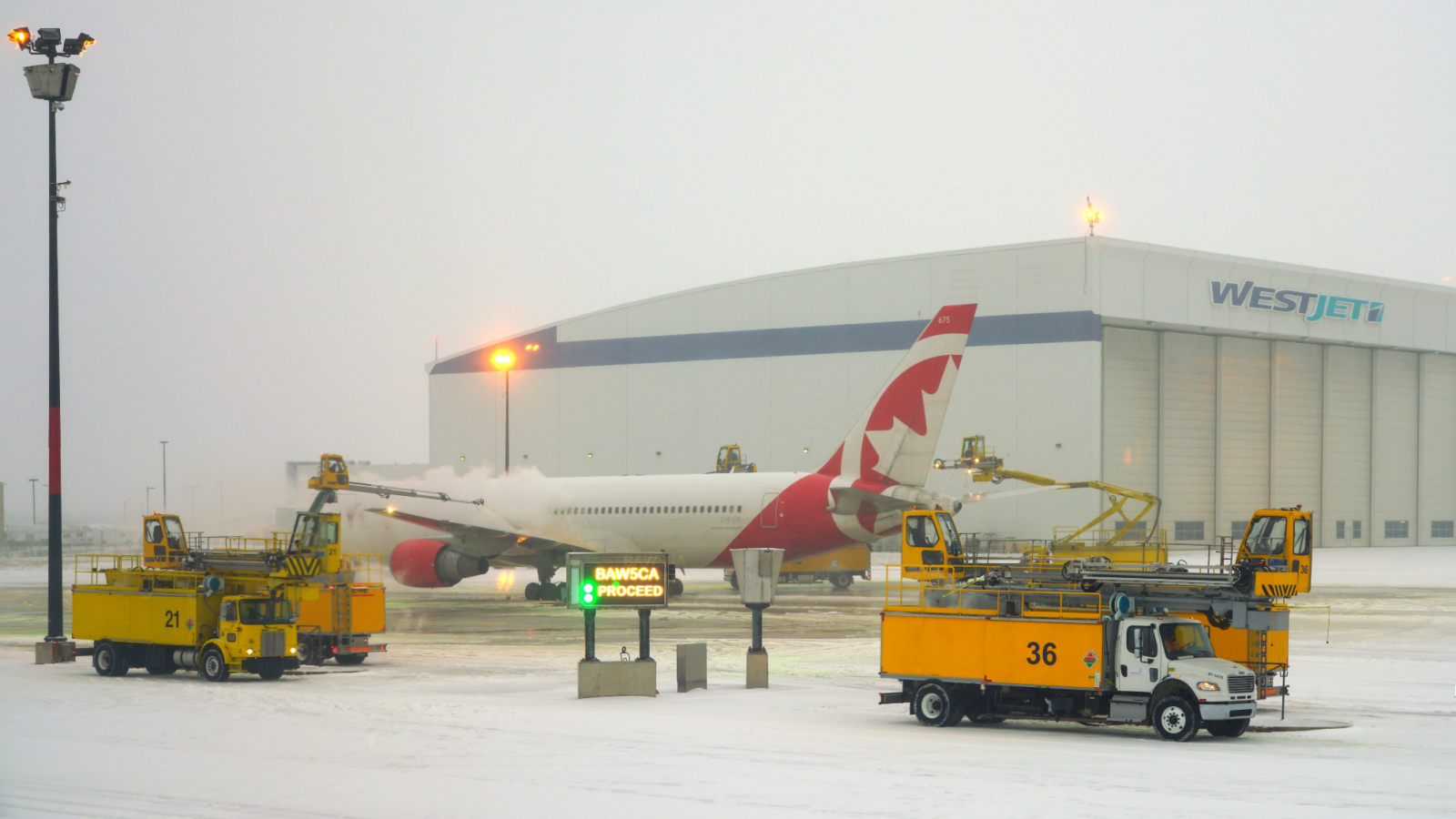
Throughout the 2020s, Nunavut blizzards repeatedly halted regional air travel. Whiteout conditions erased runway visibility entirely. Essential supply flights faced dangerous delays. Documentary film crews depicted northern isolation struggles vividly. Photographs of snow-buried aircraft circulated internationally. Aviation safety conferences referenced Nunavut footage frequently. These stories illustrated Canada’s extreme geographic vulnerability worldwide.
Alberta Flash Freeze – 2014
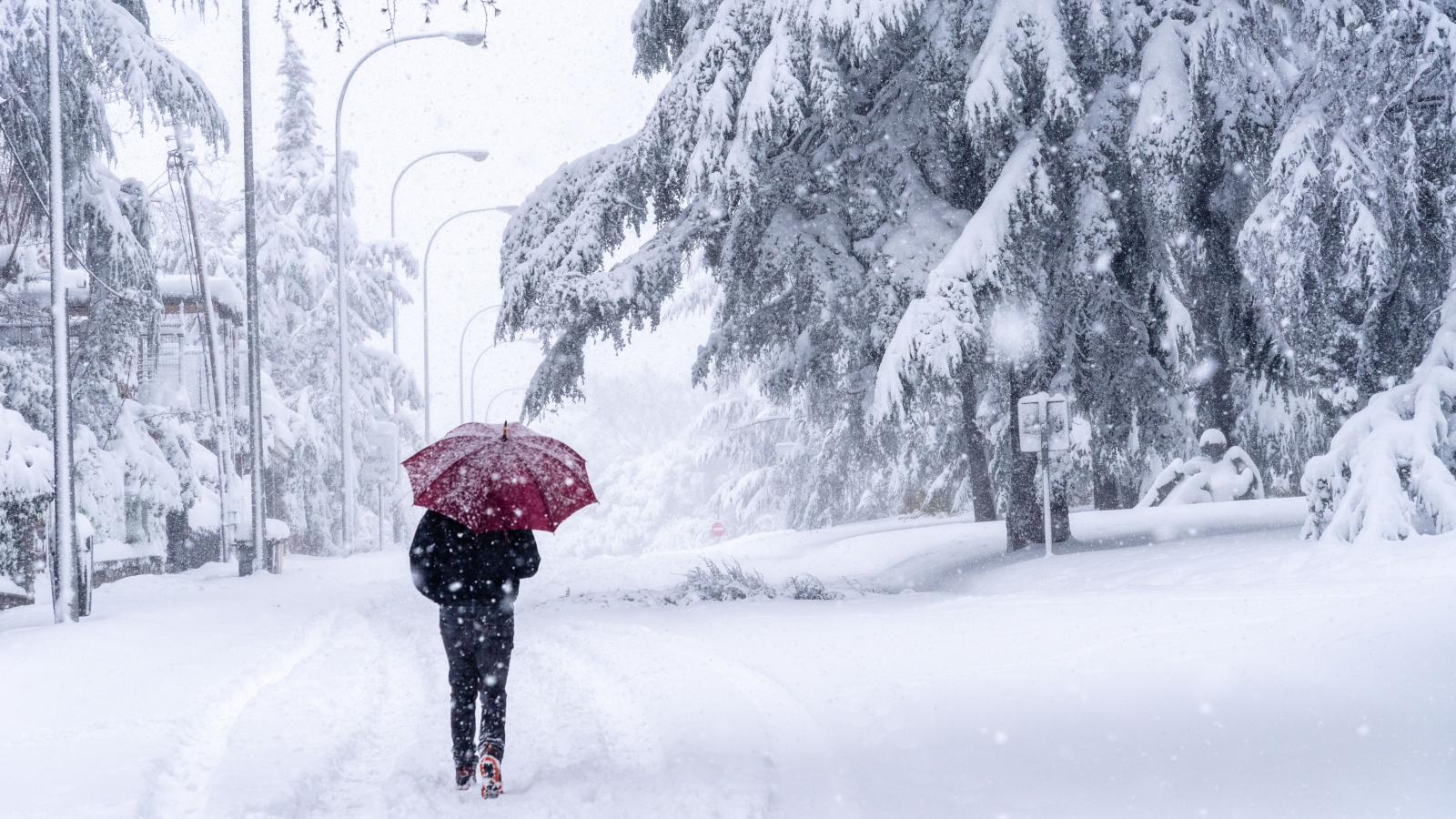
In November 2014, Alberta experienced a sudden flash freeze after heavy rainfall. Temperatures dropped rapidly overnight into extreme cold conditions. Roads turned into sheets of black ice instantly. Multi-vehicle collisions shut down major highways. International broadcasters aired dashcam footage showing cascading accidents. Emergency services worked continuously through hazardous roadways. Airports delayed hundreds of regional flights across western Canada. Weather experts cited the freeze as textbook rapid-transition icing. European safety agencies referenced Alberta’s road footage for winter-driving advisories. International audiences reacted with disbelief at highway conditions. Social videos depicting skidding semi-trucks trended globally. Officials used the event to promote winter tire mandates. The storm highlighted risks caused by climate volatility.
Toronto “Polar Bear Commute” Cold – 2018
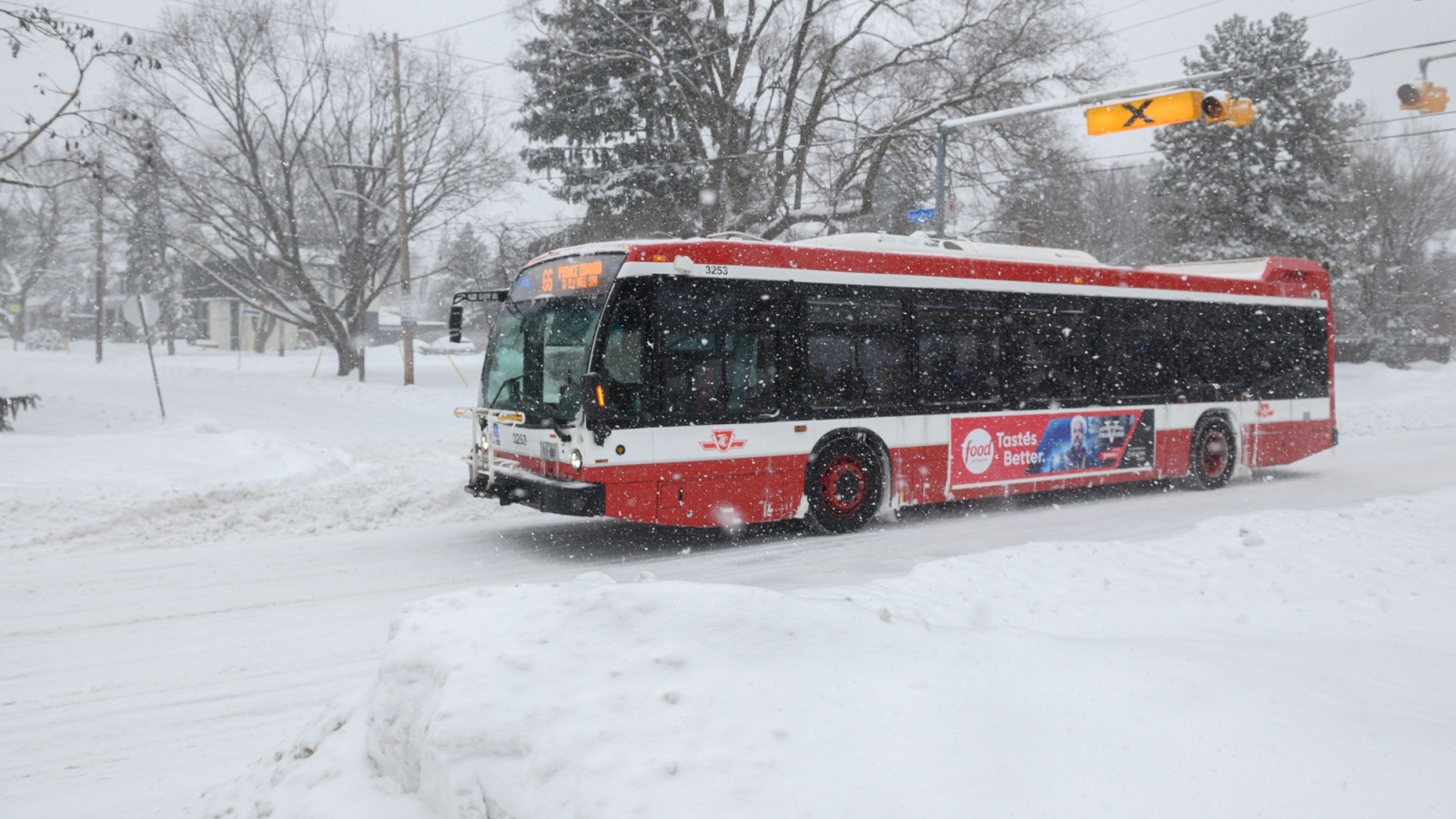
In January 2018, Toronto endured prolonged extreme cold below −25°C. Videos showed subway platforms filled with frost-coated commuters. International outlets compared Canadian transit exposures to Arctic research conditions. Social discussions centered on polar-breaking endurance of daily routines. Exposed eyelashes froze instantly during waits outside stations. School boards kept buildings closed intermittently. Homeless shelters reported overflow conditions nationwide. Weather agencies abroad highlighted Toronto’s cold as “urban Arctic weather.” Commuter resilience drew international admiration online. Temperature maps broadcasting over Ontario appeared across American news networks. The cold snap reinforced severe urban weather planning debates globally.
Winnipeg Blizzard Shutdown – 1997
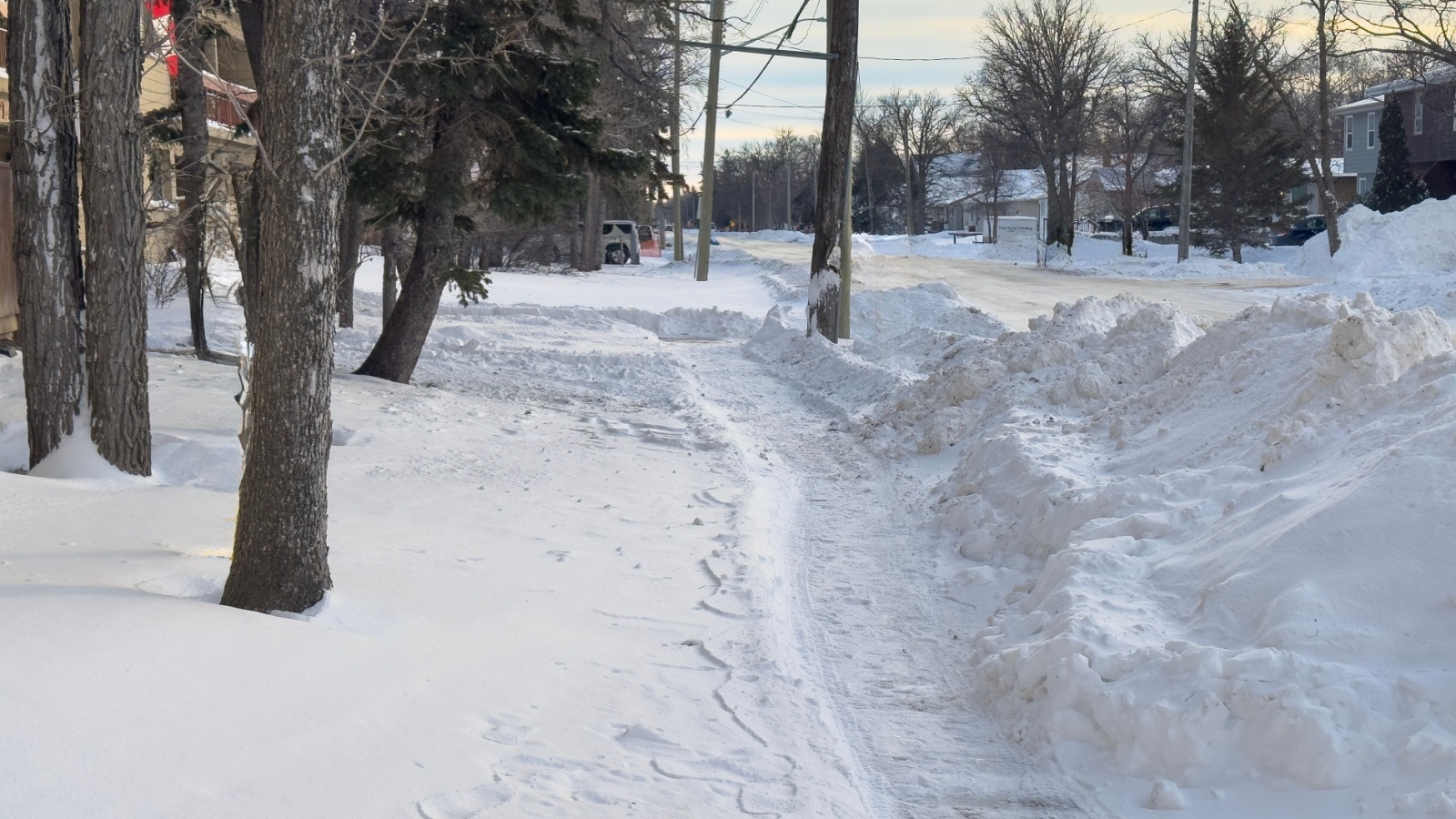
In March 1997, Winnipeg faced a massive blizzard paralysis. More than forty centimeters fell rapidly across the city. International networks broadcast abandoned buses frozen in snowdrifts. Airports cancelled all departures for extended periods. National Guard–style rescue operations assisted stranded residents. Emergency shelters filled beyond capacity. European outlets compared Winnipeg’s shutdown to Siberian weather disruptions. Global meteorologists used the storm as a severe urban example. Snow clearance required several weeks to resume normal traffic flow. Food deliveries were disrupted temporarily. Residents used snowmobiles for neighbourhood access. Civic snow-equipment upgrades followed soon after.
B.C. Avalanche Disaster – 1965
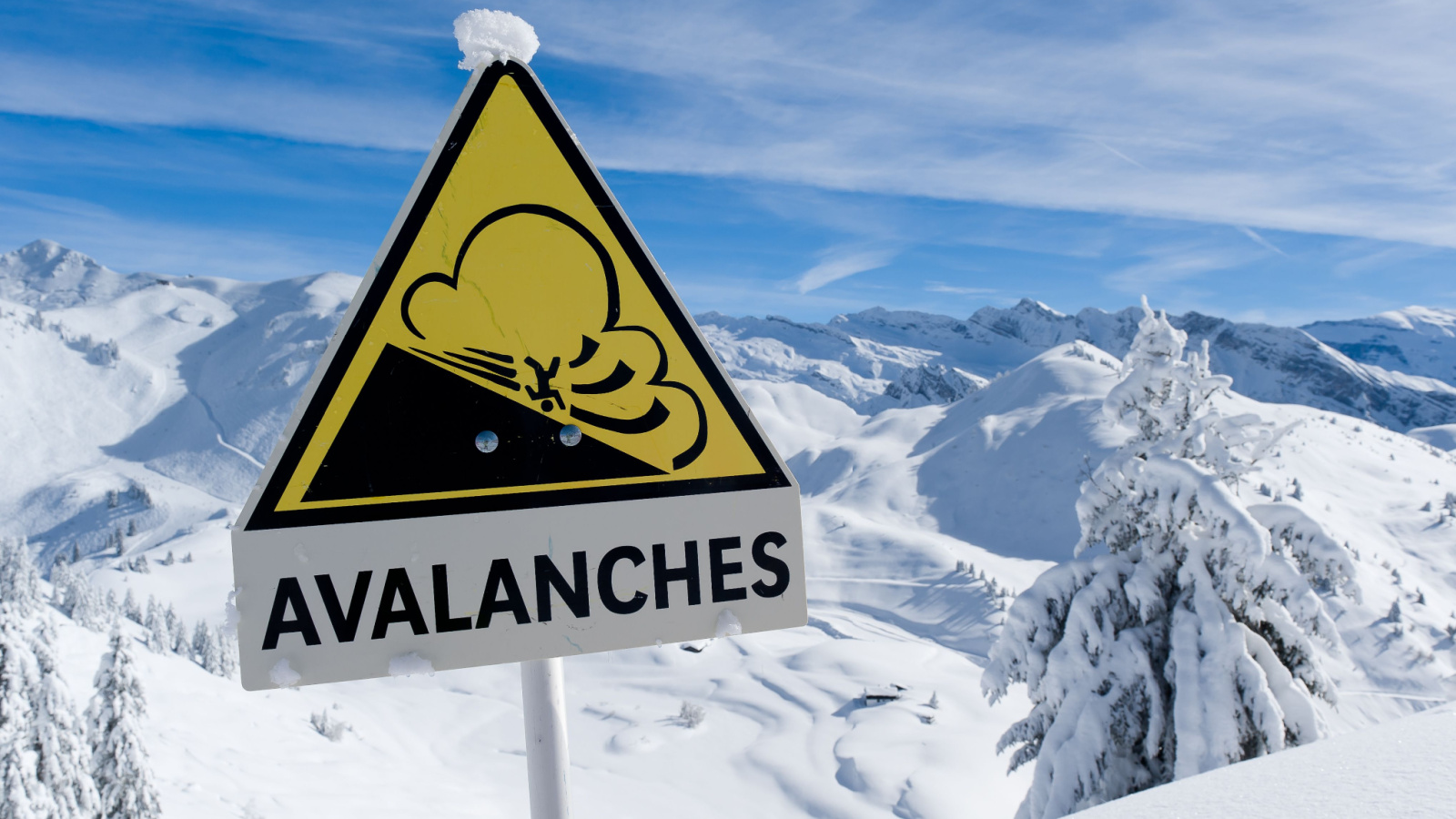
In January 1965, massive avalanches struck Rogers Pass, British Columbia. Heavy snowfall triggered deadly slope collapses. Railway operations were suspended indefinitely. International news reports covered rescue efforts in remote conditions. Search teams fought deep snow and dangerous terrain. Helicopter evacuations faced severe weather restrictions. Alpine rescue organizations worldwide studied Canada’s response methods afterward. Fatality reports emphasized winter backcountry risks publicly. European mountain councils referenced the avalanches when updating safety codes. Aviation footage showed unstable snowpack layers across the region. Canada’s rugged winter geography received heightened global attention.
Quebec City Ice Collapse – 2008
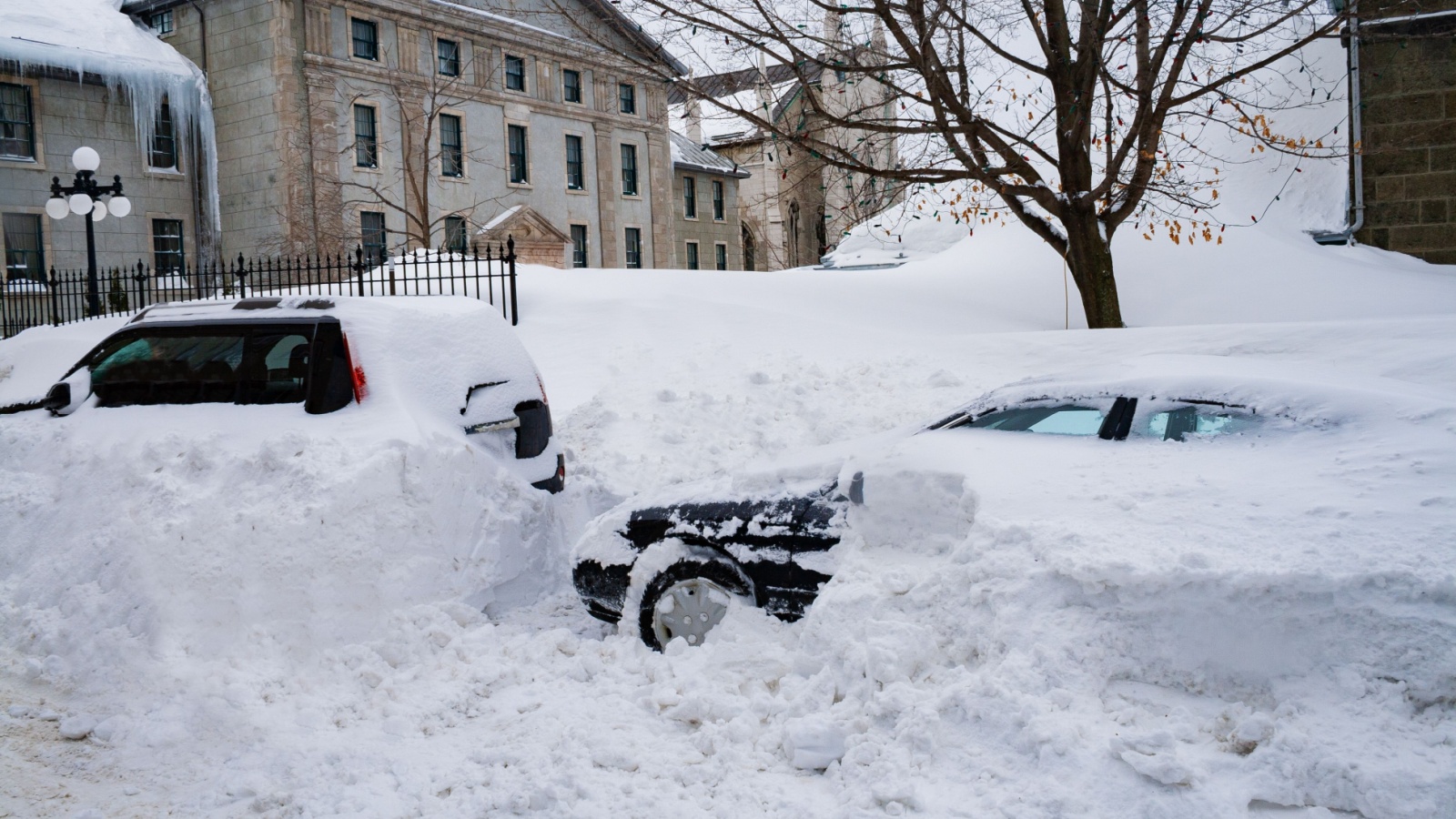
In March 2008, heavy ice accumulation caused roof collapse incidents in Quebec City. Emergency evacuations occurred across multiple commercial structures. International news outlets shared striking structural failure imagery. Engineers analyzed ice load vulnerabilities worldwide. European building codes cited the Quebec collapse incidents. Canadian infrastructure safety audits followed quickly. Fire crews performed mass evacuations during extreme icing events. Snow load regulations became stricter nationwide afterward. Media discussions focused on cold-climate building resilience. Quebec’s wet snow and ice profiles gained scientific interest abroad. Structural risk from winters garnered added scrutiny globally.
Halifax Ice Pellet Storm – 2015
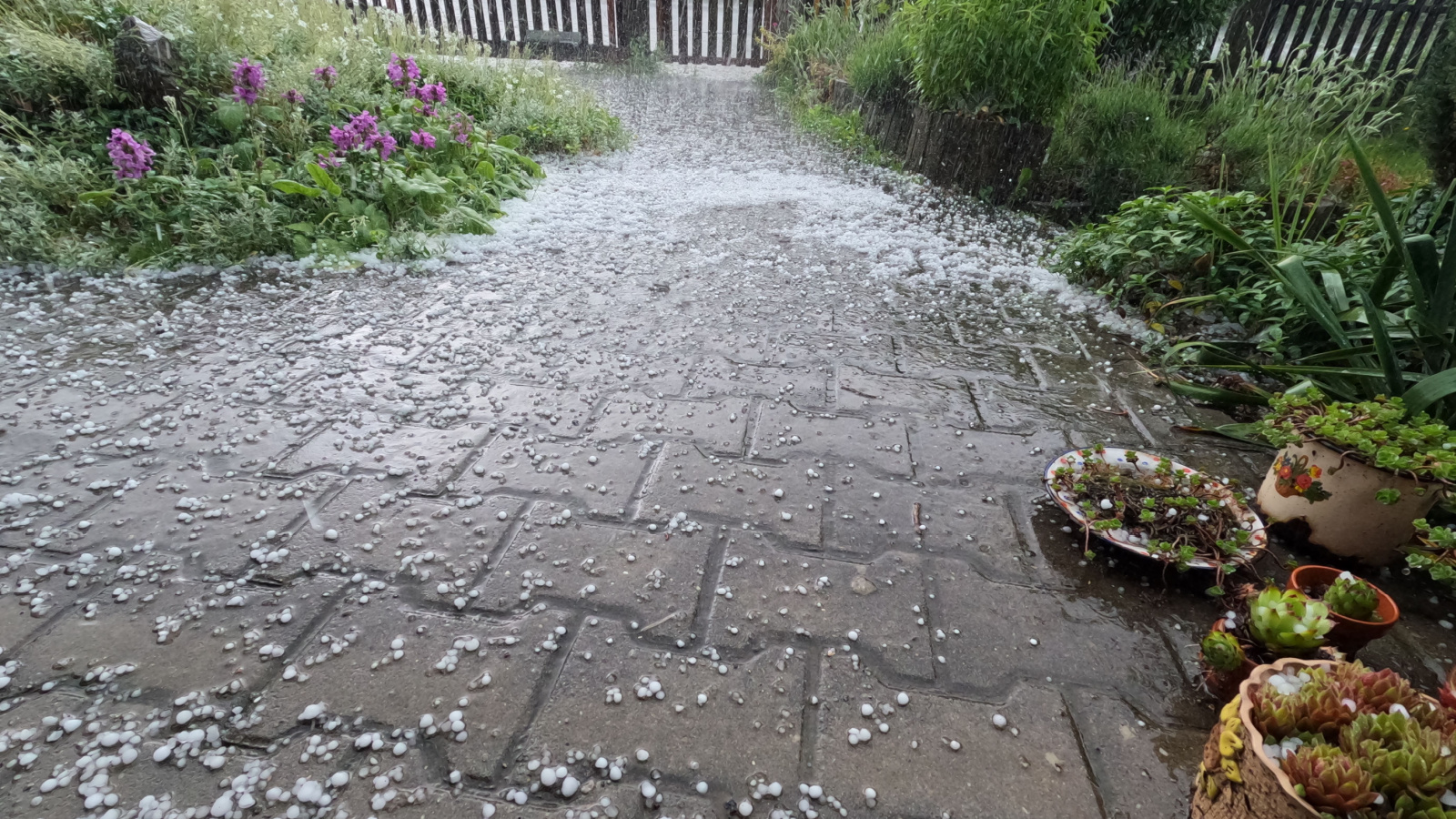
In February 2015, Halifax endured a prolonged ice pellet storm. Accumulating pellets clogged drainage systems immediately. Urban flooding followed despite freezing surfaces. International networks aired footage of ice-buried downtown streets. Ferry services were suspended across the harbor. Airport runways closed under frozen layer formations. Meteorologists abroad analyzed the rare ice pellet phenomenon. Public transit ceased operations entirely. Residents used makeshift sled routes over sidewalks. Weather training institutes used Halifax footage for precipitation modelling. The storm illustrated rare hybrid winter event behaviour. Canada became a reference point for freezing rain research internationally. Nova Scotia’s coastal vulnerability drew global climate attention.
Ontario Snow Squall Pileups – 2022

In November 2022, snow squalls hit southern Ontario highways. Whiteout conditions formed within minutes. Major pileups involved over one hundred vehicles. Helicopters evacuated the injured drivers quickly. International broadcasts replayed the visibility footage repeatedly. Transportation agencies worldwide cited Ontario’s storm for squall safety briefings. Emergency warning systems gained public evaluation afterward. Meteorologists described the squalls as uniquely fast-forming hazards. Public reaction centered on limited warning times. Canadian authorities revised alert push-notification methods. This event increased international awareness of snow squall dangers.
Labrador Blizzard Isolation – 2017
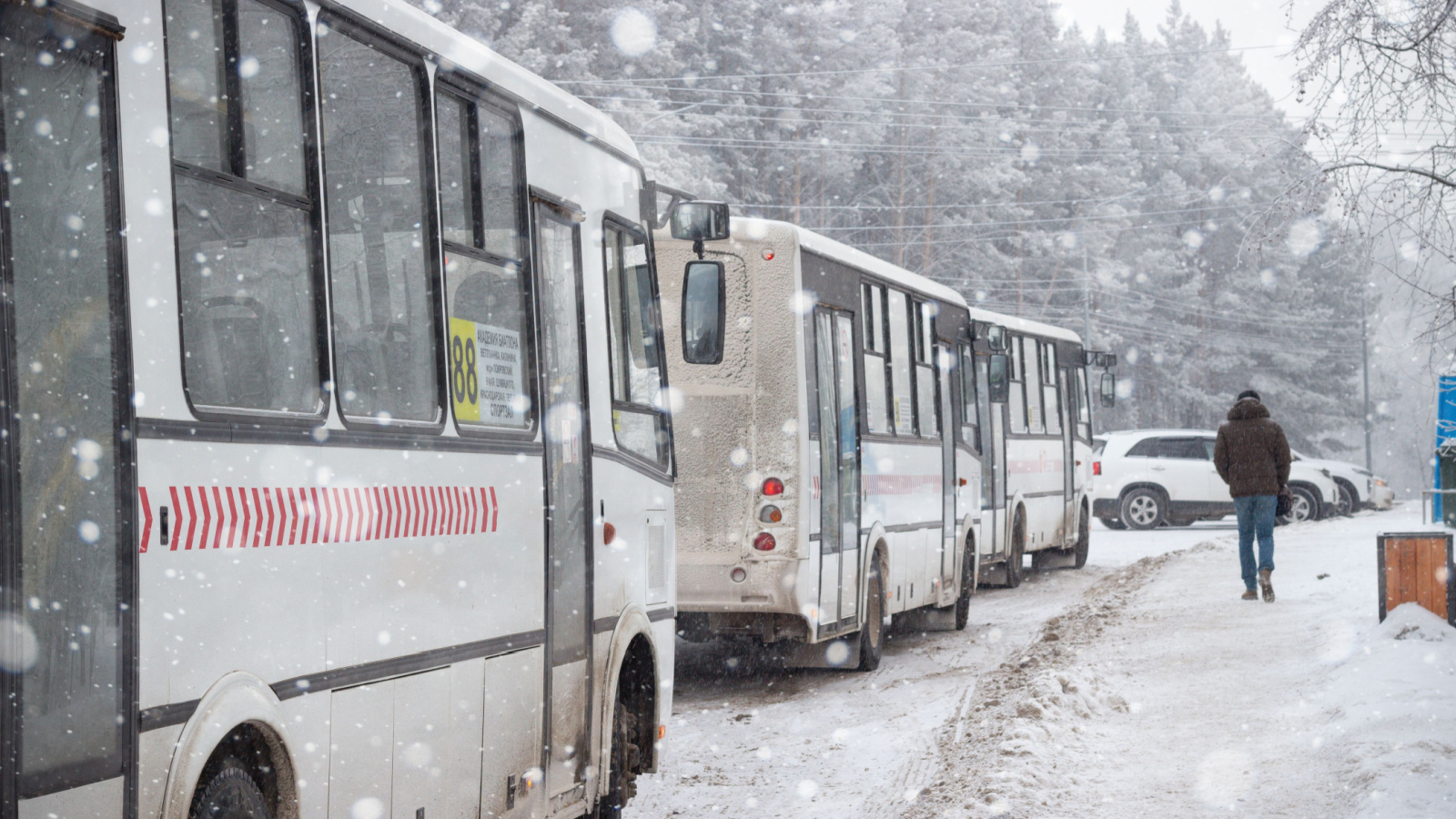
In February 2017, a massive blizzard isolated Labrador communities. Snow depths cut off all road access. Emergency air deliveries supported food supplies. International documentaries aired coverage of storm isolation realities. Residents rationed heating fuel carefully. Medical evacuations required specialized aircraft landings. Global audiences viewed Labrador life as uniquely resilient. Aviation journals referenced the storm’s logistics challenges. Communications outages delayed rescue coordination. The story highlighted Canada’s northern winter vulnerability worldwide.
Prairie Ice Fog Event – 2014
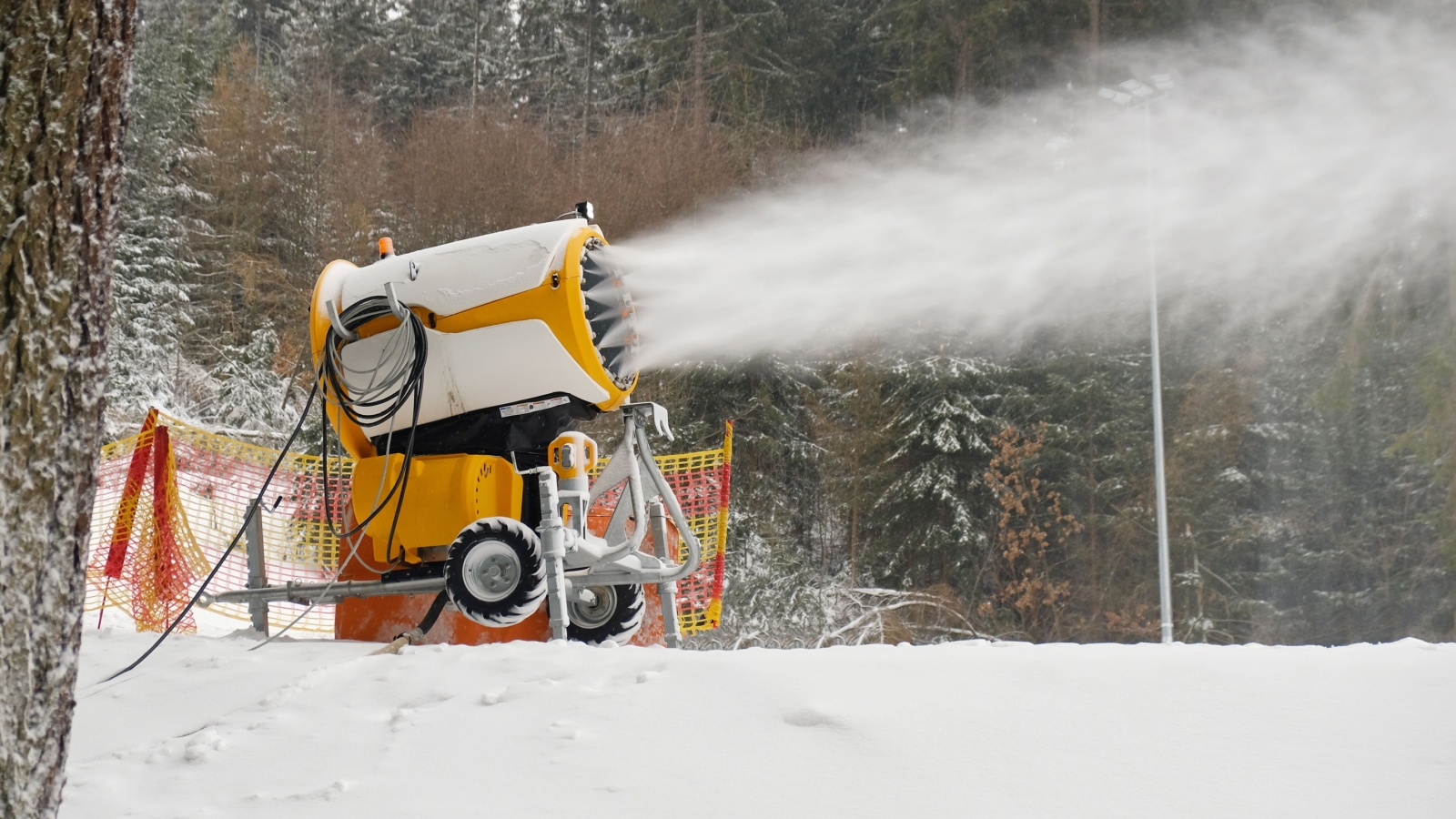
In December 2014, extreme ice fog blanketed Alberta and Saskatchewan. Visibility fell nearly to zero daily. Airports cancelled morning departures repeatedly. International news stories compared conditions to Antarctic ice clouds. Health officials issued breathing advisories. Transport agencies halted freight trucking nightly. Drone imagery showcased glowing frozen fog layers. The rare phenomenon fascinated climate scientists globally. Research papers cited prairie ice fog events subsequently. Canada’s atmospheric extremes became academic study topics internationally.
“Snow Roller” Phenomenon – 2016
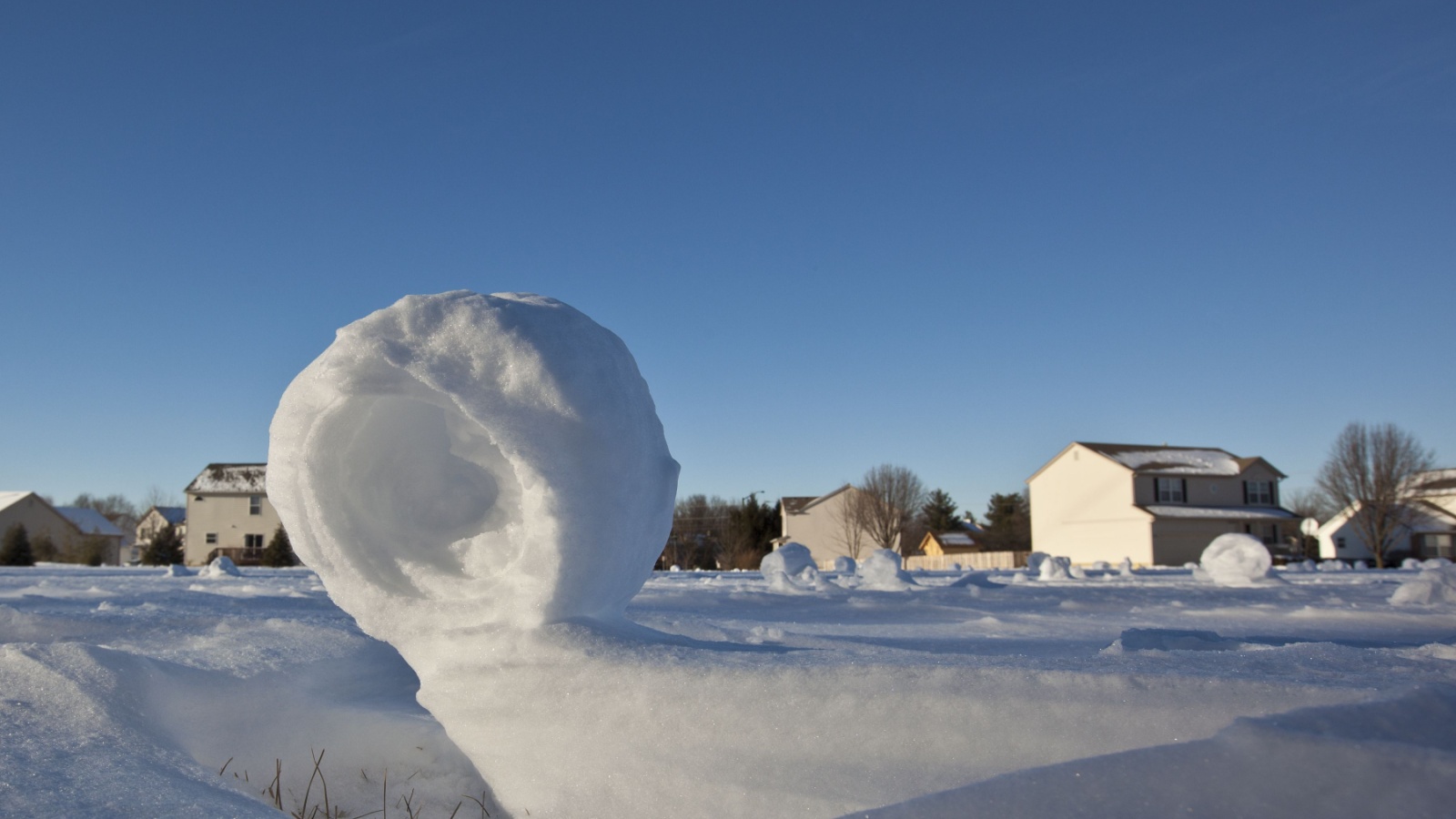
In February 2016, natural snow rollers formed across Ontario farmlands. Wind sculpted thousands of cylindrical snow shapes. Footage went viral across global news channels. Experts confirmed the event as a rare meteorological formation. Universities published explanatory models afterward. International curiosity peaked around natural snow physics. Canada’s countryside appeared surreal worldwide. The phenomenon became a viral winter wonder story.

In January 1989, Nunavik temperatures plunged below −52°C. Entire settlements shut down outdoor operations. International outlets questioned human habitability at such extremes. Aviation suspended northern operations entirely. Satellite imagery highlighted the deep purple temperature zones. Scientists later referenced the freeze frequently in Arctic climate research. Residents shared survival routines with visiting journalists. Canada’s adaptive northern communities impressed global viewers. This freeze became one of the most cited extreme Canadian cold events internationally.
22 Groceries to Grab Now—Before another Price Shock Hits Canada

Food prices in Canada have been steadily climbing, and another spike could make your grocery bill feel like a mortgage payment. According to Statistics Canada, food inflation remains about 3.7% higher than last year, with essentials like bread, dairy, and fresh produce leading the surge. Some items are expected to rise even further due to transportation costs, droughts, and import tariffs. Here are 22 groceries to grab now before another price shock hits Canada.
22 Groceries to Grab Now—Before another Price Shock Hits Canada
This Options Discord Chat is The Real Deal
While the internet is scoured with trading chat rooms, many of which even charge upwards of thousands of dollars to join, this smaller options trading discord chatroom is the real deal and actually providing valuable trade setups, education, and community without the noise and spam of the larger more expensive rooms. With a incredibly low-cost monthly fee, Options Trading Club (click here to see their reviews) requires an application to join ensuring that every member is dedicated and serious about taking their trading to the next level. If you are looking for a change in your trading strategies, then click here to apply for a membership.