
35,000+ smart investors are already getting financial news, market signals, and macro shifts in the economy that could impact their money next with our FREE weekly newsletter. Get ahead of what the crowd finds out too late. Click Here to Subscribe for FREE.
As Canada grows older, financial scams against seniors keep rising quietly but sharply. New schemes exploit trust, loneliness, fear, and unfamiliarity with modern technology. Scams now deploy phone calls, fake emails, social-media impersonations and phishing websites. Many target retirement savings, pension cheques, or even identity documents of older Canadians. Seniors often live alone or lack support to verify suspicious claims. That makes them especially vulnerable. Below are 15 scams targeting Canadian seniors that are on the rise.
The Grandparent (Emergency) Scam
15 Scams Targeting Canadian Seniors That Are on the Rise
- The Grandparent (Emergency) Scam
- Tech-Support and “Computer-Virus” Scams
- Investment and “Too-Good-to-Be-True” Fraud
- Romance and Online Relationship Scams
- Identity Theft and Phishing Scams
- Door-to-Door and Home Improvement Scams
- Fake Prize, Lottery and Sweepstakes Scams
- Charity and Service-Call Scams
- Impersonation — Pretending to Be Government or Bank Officials
- CRA Refund and Tax Reassessment Scams
- COVID Testing and Vaccine Phishing Scams
- Utility Disconnection Threat Scams
- Fake Relationship Caregiving Scams
- Pension Loan Advance Scams
- Family Imposter Power of Attorney Scams
- 22 Groceries to Grab Now—Before another Price Shock Hits Canada

In this scam, a caller impersonates a grandchild, friend or relative in urgent trouble — often claiming bail is needed or a medical emergency occurred. The elderly person feels panic, guilt, or duty to help. Scammers demand money immediately, often via wire transfer or gift cards. Once transferred, the funds vanish. Seniors across Canada have lost thousands this way. The emotional manipulation is powerful — regret and embarrassment often prevent victims from reporting the crime. Law enforcers warn loudly: don’t send money before independently verifying facts yourself. Precious retirement savings can disappear in minutes along with that trust.
Tech-Support and “Computer-Virus” Scams

Scammers call or email, claiming your computer is infected with a virus, or your software licence has expired. A “technician” asks for access or a payment to “fix” the problem. Once granted, they gain control of sensitive files or demand excessive repair fees. This scam exploits limited technical familiarity and fear of breaking devices. Seniors often respond under pressure, especially if devices carry family photos or important documents. After payment or remote access, scammers disappear — leaving victims locked out or defrauded. The result: lost savings, stolen identity information, and broken trust. This rising tactic feeds on isolation and uncertainty around technology for older adults.
Investment and “Too-Good-to-Be-True” Fraud

Some fraudsters promise high returns from exotic investments — foreign real estate, “low-risk” stocks, or cryptocurrency deals. They pressure seniors to invest lump sums quickly before supposedly limited offers expire. Many victims are retired Canadians with pension savings looking for extra income security. In 2022, the CAFC reported a steep rise in investment fraud involving seniors — contributing significantly to losses for older adults that year. Often, once money is handed over, contact stops and investments vanish. The scam plays on trust, retirement hopes, and fear of financial instability, leaving seniors with empty accounts and shattered confidence.
Romance and Online Relationship Scams

Loneliness and companionship needs drive many seniors online. Scammers create fake dating or friendship profiles, pretending to care deeply. They move fast — professing affection, then inventing crises needing money. Appeals to emotion make older victims vulnerable. The deceptive persona vanishes once funds arrive. National data shows romance fraud leads in senior victim losses among various scam types. Scammers often demand secrecy from the victim under emotional pressure — making intervention difficult. The heartbreak runs deeper than financial loss. Seniors lose not only savings, but trust in human connection.
Identity Theft and Phishing Scams
Fraudsters send emails or calls posing as banks, government agencies, or utility companies. They ask for personal identification numbers — SIN, banking details, or health card numbers. Seniors supply data believing it’s urgent for account safety or benefit verification. Then fraudsters steal identities — applying for loans, credit cards, or draining bank balances. In 2018 alone, nearly 1,600 seniors reported identity theft-related fraud to authorities. Cases left lasting consequences. Revival costs, emotional stress, credit damage — often far worse than stolen money. Seniors remain frequent targets because they may trust official-looking messages more readily than younger, digitally savvy populations.
Door-to-Door and Home Improvement Scams

Scammers posing as tradespeople — offering furnace cleaning, roof repair, or home improvements — ring doorbells with urgent urgency. Seniors living alone or lacking other opinions often agree. Once work begins, costs skyrocket or materials remain subpar. In some cases, promised work never happens after collecting deposits. Substandard workmanship brings safety hazards. Worst cases involve fake loans tied to high-interest deals on aging homeowners. Recent reports highlight widespread activity of such scams targeting seniors across Ontario and other provinces. Victims lose thousands, often from life savings or home equity. The combination of age, isolation, and homeownership makes seniors prime targets.
Fake Prize, Lottery and Sweepstakes Scams

Seniors receive letters or emails claiming they “won” big — a lottery jackpot, contest prize or cash reward. The catch: to claim it, they must first send a fee or provide bank details for “taxes or processing.” Often the tax or fee is non-refundable and higher than actual winnings. Once paid, both prize and contact vanish. The scams play on hopes and retirement dreams. Authorities warn that legitimate lotteries never ask for upfront fees. The frequency of these deceptive offers soared in recent years. Many seniors have lost cash savings after trusting seemingly official letters.
Charity and Service-Call Scams
Scammers pose as charitable organizations, often claiming to raise funds for urgent causes — disaster relief, medical research, or veteran support. With pleading voices and tearful stories, they target senior compassion and generosity. They request donations over the phone or online, sometimes using scam payment links. Many seniors respond quickly before the urgency fades. Later, they discover the charity never existed. Unless the donation was via traceable methods, recovery is nearly impossible. The combination of emotional manipulation and perceived social duty makes this scam increasingly common. Canadian seniors are among the most frequent victims.
Impersonation — Pretending to Be Government or Bank Officials

Fraudsters now routinely impersonate officials from the Canada Revenue Agency, banks, or even law enforcement. They claim that the senior’s taxes, pension, or account security faces a serious problem. Panic, fear of legal consequences, or confusion over regulations pressures seniors into handing over account details or transferring money. Government warnings repeatedly say agencies never call requesting personal financial information or immediate transfers. Despite that, many seniors comply out of concern or respect for authority. Once data is shared, identity theft and fund theft follow quickly.
CRA Refund and Tax Reassessment Scams
Scammers impersonating Canada Revenue Agency officials contact seniors claiming reassessment errors or blocked refunds. These calls surged nationally after pandemic benefit rollouts beginning in 2020. Seniors receive voicemail threats demanding immediate payment to avoid arrest or account seizure. Fraudsters direct victims to wire money or provide banking credentials for supposed refunds. Caller ID numbers replicate ministry office lines convincing unsuspecting recipients. Seniors fearing government penalties comply quickly. No real CRA department demands immediate payment without documentation. Follow-up verification is rarely encouraged during scam calls. Many victims report losses exceeding several thousand dollars within hours.
COVID Testing and Vaccine Phishing Scams
Following pandemic confusion in 2021 and 2022, scammers began exploiting vaccine scheduling and testing programs. They sent emails or texts directing seniors toward fake health portals. Victims were asked to “confirm eligibility” through personal information forms. Banking and identification data became the real target. Fraudsters later used stolen identities to apply for credit products and benefits. Seniors trusted apparent public-health messaging due to government authority association. Links led to professional-looking websites cloned from legitimate health sources. Thin differences were easily overlooked. Losses often surfaced months afterward during credit checks.
Utility Disconnection Threat Scams
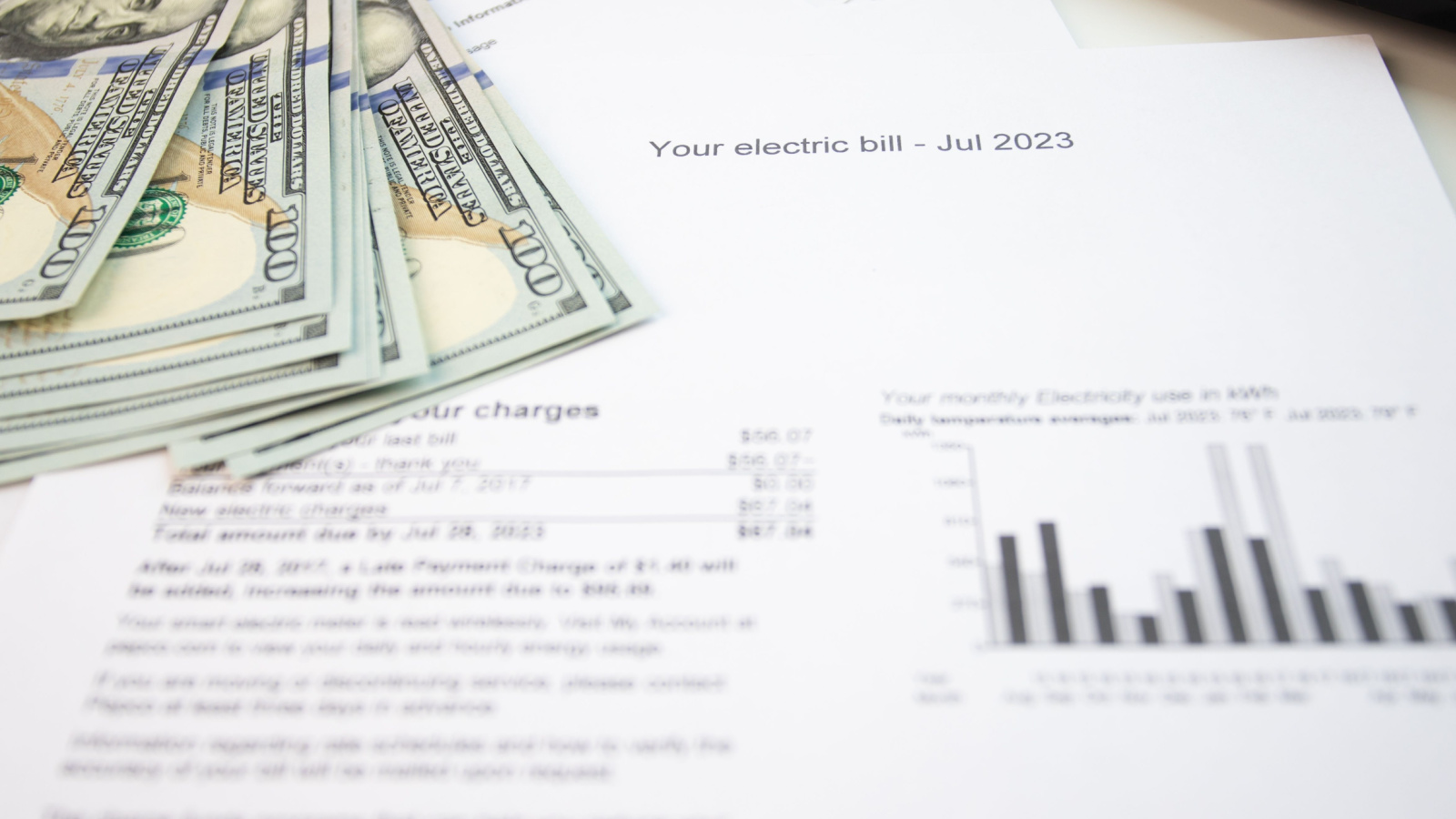
Scammers contact seniors claiming unpaid electricity or water balances risk immediate service disconnection. Threats of same-day termination pressure victims to comply quickly. Payment demands are routed through prepaid gift cards or cryptocurrency accounts. Caller IDs spoof legitimate utility lines. Many seniors living alone fear sudden power loss especially in winter months. This Scotland-style scam grew rapidly across Ontario after 2021 utility arrears became public news. Utilities confirm they never demand immediate card payments via phone. Yet seniors unaware of corporate billing processes comply out of fear and confusion. Victims often sacrifice grocery funds or pension savings to restore “service.”
Fake Relationship Caregiving Scams

Fraudsters build long-term online relationships with seniors over months instead of weeks. Emotional trust replaces urgency manipulation. Eventually, scammers claim illness, inheritance complications, or referral expenses requiring help. Seniors send small sums initially. Requests escalate steadily. Payments shift into thousands. This tactic surged nationally from 2022 onward as isolation levels remained elevated among older adults. Unlike romance scams, these relationships resemble platonic companionship. The betrayal runs emotionally deep. Seniors lose both funds and personal confidence. The method thrives on patient grooming techniques rather than immediate pressure.
Pension Loan Advance Scams

Pension loan advance scams surged following market volatility and inflation concerns beginning in early 2022. Fraudsters promote “early pension cash access” programs targeting retirees awaiting benefit approvals. Seniors receive professional-looking brochures or emails promising immediate lump-sum payments against future pensions. Contracts hide extreme interest rates, insurance add-ons, and compounding repayment structures. Victims initially feel relief after receiving legitimate small payouts. Over time, repayments balloon unexpectedly. Monthly deductions exceed fixed retirement incomes. Many realize too late that loans violate provincial lending protections. Some victims discover that operators were never licensed lenders.
Family Imposter Power of Attorney Scams

Power of attorney scams increased notably after digital legal services expanded beginning in 2023. Criminals impersonate distant relatives facing urgent legal emergencies requiring immediate authorization. Seniors receive emotionally persuasive phone calls claiming hospital crises or overseas estate complications. Fake lawyers or notaries join conversations to legitimize requests. Documents appear authentic with electronic formatting. Seniors instructed to sign digitally or provide verification data quickly. Victims rarely verify independently due to emotional shock. Once signed, access is abused to empty bank accounts or redirect benefit payments. Withdrawals appear legally sanctioned at first. Losses may go unnoticed for weeks.
22 Groceries to Grab Now—Before another Price Shock Hits Canada

Food prices in Canada have been steadily climbing, and another spike could make your grocery bill feel like a mortgage payment. According to Statistics Canada, food inflation remains about 3.7% higher than last year, with essentials like bread, dairy, and fresh produce leading the surge. Some items are expected to rise even further due to transportation costs, droughts, and import tariffs. Here are 22 groceries to grab now before another price shock hits Canada.
22 Groceries to Grab Now—Before another Price Shock Hits Canada
This Options Discord Chat is The Real Deal
While the internet is scoured with trading chat rooms, many of which even charge upwards of thousands of dollars to join, this smaller options trading discord chatroom is the real deal and actually providing valuable trade setups, education, and community without the noise and spam of the larger more expensive rooms. With a incredibly low-cost monthly fee, Options Trading Club (click here to see their reviews) requires an application to join ensuring that every member is dedicated and serious about taking their trading to the next level. If you are looking for a change in your trading strategies, then click here to apply for a membership.