
35,000+ smart investors are already getting financial news, market signals, and macro shifts in the economy that could impact their money next with our FREE weekly newsletter. Get ahead of what the crowd finds out too late. Click Here to Subscribe for FREE.
Canadian humour survives on understatement, dry delivery and quiet digs hidden inside polite conversation. It rarely waves its arms and announces, “Here comes the joke.” That works perfectly at home, where everyone knows the rhythm. Across the border, though, those same moments often land like awkward pauses. American audiences expect big setups, bigger reactions, and a clear signal that something is meant to be funny. Here are 22 times Canadian humor went over Americans’ heads.
Mike Myers’ Over-Polite Wayne’s World Rehearsals (1990)
22 Times Canadian Humor Went Over Americans’ Heads
- Mike Myers’ Over-Polite Wayne’s World Rehearsals (1990)
- Kids in the Hall’s “Nothing Really Happens” Sketches (Early 1990s)
- Norm Macdonald’s First Weekend Update Shows (1994)
- Rick Moranis’ “Too Normal” Talk Show Appearances (Mid-1980s)
- Colin Mochrie’s Underplayed Improv on Whose Line (Late 1990s)
- John Candy Playing Gentle Instead of Wild (Late 1980s)
- Seth Rogen’s Self-Roasting on U.S. Press Tours (Mid-2000s)
- Catherine O’Hara’s Dead Serious Absurdity (Early 1990s)
- Early Trailer Park Boys Screenings in the U.S. (2001–2002)
- SCTV’s Fake Local Commercials on U.S. TV (Early 1980s)
- The Vancouver 2010 Closing Ceremony Jokes (2010)
- Martin Short’s Polite Chaos on Late-Night Interviews (1994–1996)
- Brent Butt’s Corner Gas Humour in Cross-Border Airings (2004)
- Russell Peters’ Cultural Observation Comedy (Mid-2000s Growth)
- Jay Baruchel’s Awkward Interview Persona (Late-2000s)
- The Baroness von Sketch Show’s Soft Satire (2016 U.S. Streaming)
- Letterkenny’s Rural Dialogue Rhythm (2017 Expansion)
- Tom Green’s Anti-Humour on U.S. Networks (Late 1990s)
- Red Green’s DIY Satire Touring the U.S. (Mid-1990s)
- Schitt’s Creek’s Gentle Class Satire (Pre-2019 Popularity)
- Nathan Fielder’s Realism-Based Comedy (2013)
- Ryan Reynolds’ Self-Roasting Publicity Style (2015 Onward)
- 22 Groceries to Grab Now—Before another Price Shock Hits Canada

During early Wayne’s World rehearsals at Saturday Night Live in 1990, Mike Myers leaned hard into Canadian politeness. Wayne and Garth kept saying “sorry” at bizarre moments, apologizing for nothing, then moving on like it was normal. NBC executives watching run-throughs thought the character seemed insecure rather than funny. They asked if Myers wanted to “pump up the confidence” or make Wayne tougher. For Canadians, the joke was crystal clear. The over-apologizing was the point, a send-up of our habit of saying sorry for existing. American test audiences laughed more at the slapstick than the politeness gags.
Kids in the Hall’s “Nothing Really Happens” Sketches (Early 1990s)

When Kids in the Hall episodes first aired in the United States, one recurring complaint came from confused American viewers: “But nothing really happens in these scenes.” Sketches where a character obsessively lists boring tasks, or calmly spirals into emotional disaster while making coffee, baffled people used to obvious punchlines. One test audience supposedly marked a sketch as “unfinished” because it ended with a shrug instead of a gag. Canadians knew exactly what was funny.
Norm Macdonald’s First Weekend Update Shows (1994)

When Norm Macdonald took over Weekend Update in 1994, early American audiences didn’t quite know what to do with him. He would stare at the camera, deliver a joke in a low, steady tone, then let silence sit there like a brick. Studio crowds sometimes hesitated, unsure if the joke had actually finished. NBC executives reportedly wondered if he was forgetting his lines. Canadians watching from home recognized that silence instantly. That pause was the whole trick. Norm wanted people to feel slightly uncomfortable before the laugh arrived. American viewers used to big reactions and loud tags, found it hard to read at first.
Rick Moranis’ “Too Normal” Talk Show Appearances (Mid-1980s)

In the mid-1980s, when Rick Moranis appeared on American late-night shows, he often did something very Canadian. Instead of putting on a big talk-show persona, he answered questions like a regular person who had just wandered onto the set by accident. Hosts expected wild stories; Moranis gave quiet, slightly odd ones. Sometimes he dropped soft jokes under his breath, then moved on without waiting for laughter. U.S. audiences occasionally thought he seemed shy or uncomfortable. Canadian viewers knew he was playing it straight on purpose. The humour lived in how ordinary he pretended to be while sitting in the most artificial environment on television. American shows wanted him louder.
Colin Mochrie’s Underplayed Improv on Whose Line (Late 1990s)

When Whose Line Is It Anyway? went big in the United States, Colin Mochrie’s style confused some early viewers. Surrounded by very animated performers, he often stood still, delivered one devastating line, then stared calmly into space. American audiences were used to improvisers selling every joke with their whole body. Colin usually let his lines do the work. He would quietly twist a suggestion into something bizarre and then move on. At first, some U.S. viewers assumed he wasn’t “trying hard enough” compared to louder castmates.
John Candy Playing Gentle Instead of Wild (Late 1980s)

American studios originally wanted John Candy to be nonstop chaos: big falls, loud shouting, obvious jokes. Instead, in films like Planes, Trains and Automobiles, he played characters who were strange but heartbreakingly gentle. U.S. test audiences expected a cartoon. They got a lonely salesman who cracked a quiet joke, then looked genuinely hurt when ignored. Some early feedback apparently questioned whether he was “funny enough” for a lead. Canadian viewers saw the humour immediately. It came from warmth, awkwardness and little stumbles instead of huge gags. The jokes hid inside the humanity.
Seth Rogen’s Self-Roasting on U.S. Press Tours (Mid-2000s)

During mid-2000s American press tours, Seth Rogen often answered success questions by mocking himself. When asked about fame, he’d say he still felt like a guy who should be working at a Vancouver coffee shop. Some U.S. hosts looked genuinely worried, as if he had impostor syndrome and needed reassurance. Canadians watching recognized the pattern instantly. This was standard self-mockery, not a cry for help. The joke was that someone who looked and sounded like him was suddenly a Hollywood lead. Many American interviewers missed the humour and tried to comfort him.
Catherine O’Hara’s Dead Serious Absurdity (Early 1990s)

In the early 1990s, Catherine O’Hara often played characters who behaved completely seriously while everything around them fell apart. On American sets, there were moments when crew members weren’t sure if she was still acting. Her lines weren’t delivered like “jokes.” They sounded like real frustration or confusion. Canadian audiences, used to this deadpan style from SCTV, caught the humour immediately. The more earnest she seemed, the funnier it was. Some U.S. reviewers at the time described her performances as “oddly flat,” missing that the flatness was the knife. It wasn’t a lack of energy. It was precision.
Early Trailer Park Boys Screenings in the U.S. (2001–2002)

When Trailer Park Boys first got shown to American distributors in the early 2000s, responses were baffled. Executives asked where the “actual jokes” were. To them, it looked like a shaky documentary about sad people swearing in a parking lot. They didn’t catch that the ridiculous seriousness about tiny crimes, homemade liquor, and broken schemes was the entire gag. Canadians understood right away: this was satire built on sincerity. The characters cared deeply about the dumbest possible goals. American viewers, especially early on, wanted clearer punchlines. The show looked too raw to be scripted comedy, so the humour slid right past them.
SCTV’s Fake Local Commercials on U.S. TV (Early 1980s)

When SCTV sketches aired in the United States, their fake commercials sometimes confused viewers. The ads were shot to look exactly like low-budget local spots. No one winked at the camera. The products sounded just believable enough. Some American viewers genuinely thought they were watching real, badly produced regional advertising. Canadians knew the type instantly and laughed at the perfect imitation. The humour wasn’t in shouting “this is fake.” It was in creating something so close to the real thing that you only realized later you’d been watching a joke. Without that context, many Americans simply changed the channel.
The Vancouver 2010 Closing Ceremony Jokes (2010)

During the Vancouver 2010 Olympics closing ceremony, Canada poked fun at itself on a world stage. The show included Mountie clichés, giant inflatable beavers, and a gag about fixing the broken cauldron from the opening ceremony. Canadian viewers understood this as self-awareness: yes, we know the stereotypes, and we’ll mock them before anyone else does. Some American commentators, however, treated the bits as sincere patriotism rather than comedy. They explained the symbolism earnestly while Canadians at home laughed.
Martin Short’s Polite Chaos on Late-Night Interviews (1994–1996)

On American late-night talk shows during the mid-1990s, Martin Short brought characters who spoke in frantic voices yet remained overly courteous. His interviews often included elaborate tangents delivered without signposting where jokes began or ended. U.S. audiences sometimes viewed segments as strange celebrity rambling rather than comedic performance. Canadians recognized immediately that he was parodying polite entertainers losing emotional control. Hosts often tried steering conversations back to structure, unintentionally interrupting punchlines. The humour thrived on discomfort rather than on formal joke rhythm. Without clear setups, many American viewers assumed he was merely eccentric.
Brent Butt’s Corner Gas Humour in Cross-Border Airings (2004)

When Corner Gas syndicated intermittently in U.S. markets around 2004, reactions varied strongly. American audiences expected workplace sitcom plots with escalating chaos. Instead, they met dead-simple storylines about convenience store boredom. Jokes came from silence, glances, and underreaction. Some broadcast markets quietly dropped reruns citing lukewarm viewer response. Canadians recognized the humour instantly. The quiet rhythm mirrored prairie stoicism and small-town absurdity. Most jokes required viewers to accept nothing “big” would happen. Without stunning payoff gags, Americans misread scenes as dull rather than dry.
Russell Peters’ Cultural Observation Comedy (Mid-2000s Growth)

Russell Peters exploded internationally by the mid-2000s with accent-based observational humour. Yet early American feedback misinterpreted how his jokes worked. His comedy relied on multicultural Canadian perspective familiarity. Audiences from Canada understood references to immigrant households, multilingual parenting dynamics, and polite confrontation habits. U.S. crowds sometimes took accents literally rather than satirically. Some even mistook jokes as insults rather than reflectively critical humour. Peters frequently explained afterward how jokes were about shared experiences rather than ridicule.
Jay Baruchel’s Awkward Interview Persona (Late-2000s)

Jay Baruchel became known in the late 2000s for nervous interview appearances featuring self-deprecating stammering and socially anxious humour. Canadians recognized this persona as performance art reflecting everyday modest Canadian expression. American media often interpreted Jay as genuinely uncomfortable or overwhelmed by fame. Hosts regularly reassured him unnecessarily rather than letting bits unfold. The humour hid under authenticity rather than caricature. Jay leaned into authenticity as comedic camouflage. The joke became the awkwardness itself, not a punchline waiting at the end. Americans unfamiliar with subtle persona comedy misread the entire act as personality discomfort rather than comedic intent.
The Baroness von Sketch Show’s Soft Satire (2016 U.S. Streaming)

When the sketch series streamed into U.S. homes in 2016, reactions showed misalignment. Sketches tackled workplace sexism, generational tension, and corporate culture without shouting moral commentary. The satire flowed gently under everyday scenarios. Americans expecting sharper satire framed the humour as passive or restrained. Canadians appreciated the subdued observational bite immediately. Comedy relied on viewers spotting absurdity within recognizable discomforts. Without bold punchline beats, many jokes slipped past unregistered.
Letterkenny’s Rural Dialogue Rhythm (2017 Expansion)

When Letterkenny reached wider U.S. streaming in 2017, its rapid-fire rural dialogue puzzled newcomers. Humour came through rhythm, repetition, and subtle Canadian phrasing. Americans unfamiliar with rural Canadian speech patterns struggled decoding where jokes ended. Some thought scenes were aggressive arguments rather than playful banter. Canadians recognized stylized exaggerations of local speech traditions instantly. The joke lived in cadence more than content. Without that cadence familiarity, humour landed bluntly. Over time, American audiences adapted as rhythm recognition improved.
Tom Green’s Anti-Humour on U.S. Networks (Late 1990s)

Tom Green’s prank style thrived ironically on Canadian understatement mixed with shock. His American network show faced frantic backlash in the late 1990s. Audiences confused his intentionally pointless stunts for nonsensical chaos lacking purpose. Canadian viewers understood anti-humour traditions underlying his work. Jokes emerged from audience discomfort itself. Americans expected prank payoffs or moral structure. Tom famously offered neither. Executives remained baffled. The cultural disconnect fuelled controversies that eventually shortened the show’s run prematurely.
Red Green’s DIY Satire Touring the U.S. (Mid-1990s)

Touring American communities in the 1990s, Red Green performed intentionally incompetent handyman routines. Audiences unfamiliar with Canadian DIY satire hovered between concern and laughter. Some genuinely wondered why advice seemed unsafe. Canadians recognized the joke as parody of overconfident masculinity. The humour mocked reckless bravado through exaggerated solutions. Americans without that framing occasionally missed the punchline, interpreting demonstrations literally until laughter filled the room belatedly.
Schitt’s Creek’s Gentle Class Satire (Pre-2019 Popularity)

Before mainstream American breakout around 2019, early U.S. audiences struggled connecting with Schitt’s Creek. The humour avoided cruelty toward wealthy characters. Instead, it played gentle irony and slow-earned emotional warmth. Americans used to sharper class satire, perceived the softness as lack of edge. Canadians saw the restraint as intentional compassion-based comedy. Jokes lived inside awkward kindness, not humiliation. Subtlety delayed U.S. adoption despite strong Canadian viewership initially.
Nathan Fielder’s Realism-Based Comedy (2013)

Nathan For You launched nationally in 2013 with extreme realism disguised as business consulting. American viewers often felt unsettled unsure when scenes were scripted. Canadians recognized hidden satire built on polite absurd confrontation. Nathan maintained constant sincerity masking comedic setups entirely. The joke emerged slowly through escalating deadpan chaos. U.S. viewers sometimes thought participants were manipulated without comedic framing. It took expanded exposure to develop audience understanding that realism itself was the punchline.
Ryan Reynolds’ Self-Roasting Publicity Style (2015 Onward)
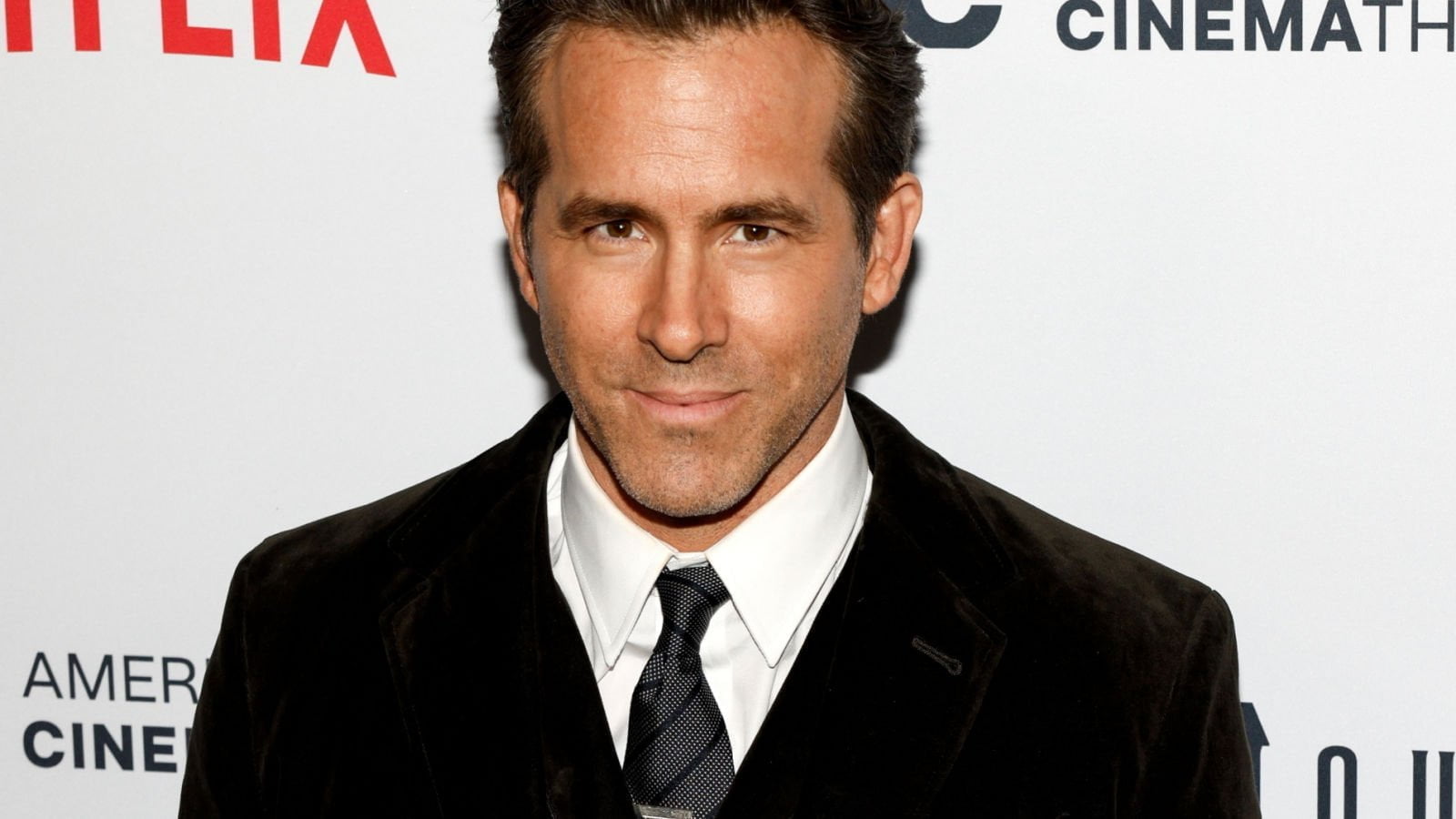
Ryan Reynolds deploys relentless self-mockery during promotional campaigns beginning heavily in 2015. Canadians read this as comfortable humility. Americans sometimes misinterpreted the tone as insecurity or defensive humour. Hosts would assure him he was successful while he continued roasting himself casually. The disconnect persisted across interviews. For Canadians, understatement illuminated confidence. For Americans, it seemed contradictory. What was comedic casualness at home translated into awkward humility abroad. His style demonstrates how Canadian humour remains misread when wrapped in quiet self-deprecation without exaggerated sarcasm signposting.
22 Groceries to Grab Now—Before another Price Shock Hits Canada

Food prices in Canada have been steadily climbing, and another spike could make your grocery bill feel like a mortgage payment. According to Statistics Canada, food inflation remains about 3.7% higher than last year, with essentials like bread, dairy, and fresh produce leading the surge. Some items are expected to rise even further due to transportation costs, droughts, and import tariffs. Here are 22 groceries to grab now before another price shock hits Canada.
22 Groceries to Grab Now—Before another Price Shock Hits Canada
This Options Discord Chat is The Real Deal
While the internet is scoured with trading chat rooms, many of which even charge upwards of thousands of dollars to join, this smaller options trading discord chatroom is the real deal and actually providing valuable trade setups, education, and community without the noise and spam of the larger more expensive rooms. With a incredibly low-cost monthly fee, Options Trading Club (click here to see their reviews) requires an application to join ensuring that every member is dedicated and serious about taking their trading to the next level. If you are looking for a change in your trading strategies, then click here to apply for a membership.