
35,000+ smart investors are already getting financial news, market signals, and macro shifts in the economy that could impact their money next with our FREE weekly newsletter. Get ahead of what the crowd finds out too late. Click Here to Subscribe for FREE.
Canadian malls and main streets were once powered by familiar brands that felt permanent. Weekend shopping rituals, family dinners, and after-school hangouts revolved around names that seemed untouchable. Many chains expanded rapidly, opening hundreds of locations across provinces within a few years. Then consumer habits shifted. Rents surged. Big-box competition intensified. Digital shopping reshaped loyalty. Some brands failed to adapt. Others were swallowed by ownership changes or restructuring decisions. Here are 19 once-popular Canadian chains that vanished overnight.
Target Canada
19 Once-Popular Canadian Chains That Vanished Overnight
- Target Canada
- Zellers
- Sears Canada
- Future Shop
- Eaton’s
- Mexx Canada
- White Rose Cafeterias
- The Source by Circuit City
- Bench Canada Stores
- Payless ShoeSource Canada
- HMV Canada
- The Body Shop Canada
- Laura Ashley Canada
- Jean Machine
- Danier Leather
- BiWay
- Bargain Harold’s
- Mark’s Work Warehouse Cafés
- Ponderosa Steakhouse Canada
- 22 Groceries to Grab Now—Before another Price Shock Hits Canada

Target’s Canadian arrival in 2013 promised to revive former Zellers locations nationwide. Shoppers expected U.S. pricing and selection parity. Instead, sparse shelves, supply chain failures, and pricing gaps damaged consumer trust quickly. Less than two years later, in 2015, all locations closed abruptly. Over 17,000 workers lost jobs almost immediately. Mall corridors filled with shuttered red storefronts within weeks. Canadians felt whiplash from the sudden collapse. Target underestimated distribution complexity across Canada’s vast geography. Inventory forecasting missteps created empty aisles while warehouses were overflowing with improperly sorted goods. Brand goodwill evaporated almost instantly. Few retail failures matched Target’s speed of rise and fall. It remains the most infamous example of overnight disappearance in Canadian retail history.
Zellers

Zellers anchored malls across Canada for generations. Families bought clothes, furniture, toys, and budget groceries under one roof. The chain faltered through the early 2000s as competitors improved discount offerings. Lease sales to Target in 2011 erased most remaining locations practically overnight. Stores closed in waves rather than gradual declines. Clearance sales stripped shelves bare quickly before lights dimmed permanently. Canadian shoppers lost a distinctly homegrown alternative to big-box retail. Nostalgia remains strong because Zellers once served smaller communities lacking mall diversity. Online resellers still trade vintage logo merchandise. Even pop-up revival attempts could not restore widespread presence. Zellers vanished swiftly after decades of quiet reliance by budget-conscious families.
Sears Canada

Sears Canada once filled role as a dependable department store anchor. Catalogue shopping and appliance financing drove loyalty for decades. Foot traffic declined sharply after 2010 as online retail expanded. Store renovations lagged behind competitors. Ownership uncertainty compounded operational stagnation. By 2017, liquidation announcements shuttered all remaining locations within months. Tens of thousands lost jobs rapidly. Pension controversies fueled public outrage. Malls were left with massive vacant footprints requiring major redevelopment. Sears had survived previous economic downturns only to be overtaken by changing consumer habits. Shoppers realized how quickly familiarity offers little protection in modern retail economics. Its disappearance felt abrupt despite years of warning signs.
Future Shop

Future Shop built its reputation selling affordable electronics nationally. It competed head-to-head with Best Buy for decades. Both chains operated under the same ownership eventually. In 2015, corporate leadership decided to fold Future Shop operations entirely into Best Buy branding. Overnight massive store closures swept across Canada. Employee layoffs followed immediately. Customers returned to locked doors days after shopping trips. Entire branding disappeared without long phase-outs. The conversion decision stunned loyal customers who preferred the chain’s pricing styles and layout formats. The sudden withdrawal exemplified how corporate consolidation can eliminate familiar brands instantly regardless of public support or recognition.
Eaton’s

Eaton’s represented Canadian retail prestige for much of the twentieth century. Holiday catalogues defined gift traditions nationwide. Downtown Eaton’s stores anchored flagship shopping districts. Financial strain grew after 1990 from operational overhead costs. Missed modernization opportunities weakened competitiveness. Restructuring attempts failed. Final closures in 1999 shut remaining doors quickly. Communities lost landmark buildings almost simultaneously. Employee separations occurred nationwide. The disappearance symbolized department store decline long before Sears’ parallel fate. Many Canadians recall Eaton’s exit as an emotional turning point marking an end of traditional retail dominance.
Mexx Canada
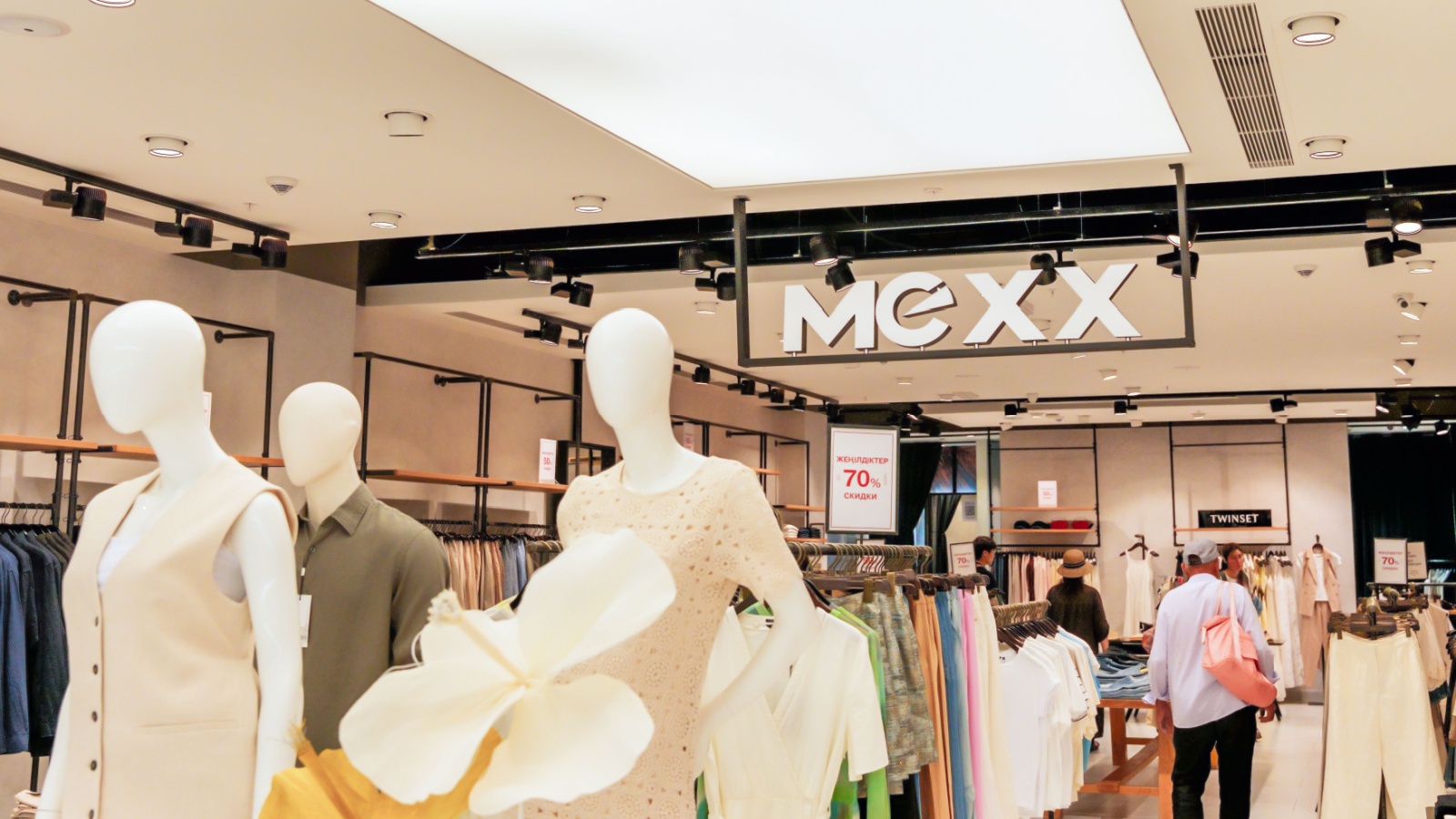
Mexx thrived as a fashion staple for urban professionals and students. Global ownership reshuffling destabilized funding through the early 2010s. Canadian operations announced insolvency suddenly in 2014. Over 60 stores closed quickly after clearance sales. Workers were laid off with minimal advance notice. Consumers were caught unaware. Gift cards expired almost instantly. Mall corridors replaced vibrant storefronts with empty spaces overnight. Mexx’s disappearance illustrated vulnerability of apparel brands when trend cycles accelerate. Financial support dwindled internationally. Canadian markets paid immediate consequences of global restructuring decisions beyond local consumer influence.
White Rose Cafeterias

White Rose Cafeterias operated affordable family diners across Ontario for decades. Cafeteria-style dining thrived before fast food dominance. Rising labor and food costs narrowed profits through late 1990s. Younger diners gravitated toward quick-service chains. Locations quietly dwindled. Final closures occurred rapidly around 2000. Regulars often arrived to locked doors without lengthy notice. These neighborhood institutions disappeared without widespread media coverage. Residents only noticed commutes missing familiar signage. White Rose exemplified how entire restaurant chains can vanish quietly once tipping points arrive.
The Source by Circuit City

Circuit City entered Canada through The Source takeover in 2004. Electronics retail competition intensified rapidly afterward. Circuit City’s U.S. bankruptcy in 2008 cascaded instantly north. The Canadian operation collapsed almost overnight. Gift cards were frozen abruptly, frustrating consumers nationwide. Mall locations shut without phase-out periods. Employees learned closure plans through public announcements. Later, Bell acquired The Source brand remnants. The Circuit City chapter remains one of the shortest-lived foreign retail expansions into Canada. It revealed how international corporate failures immediately impact Canadian retail landscapes regardless of local store performance.
Bench Canada Stores
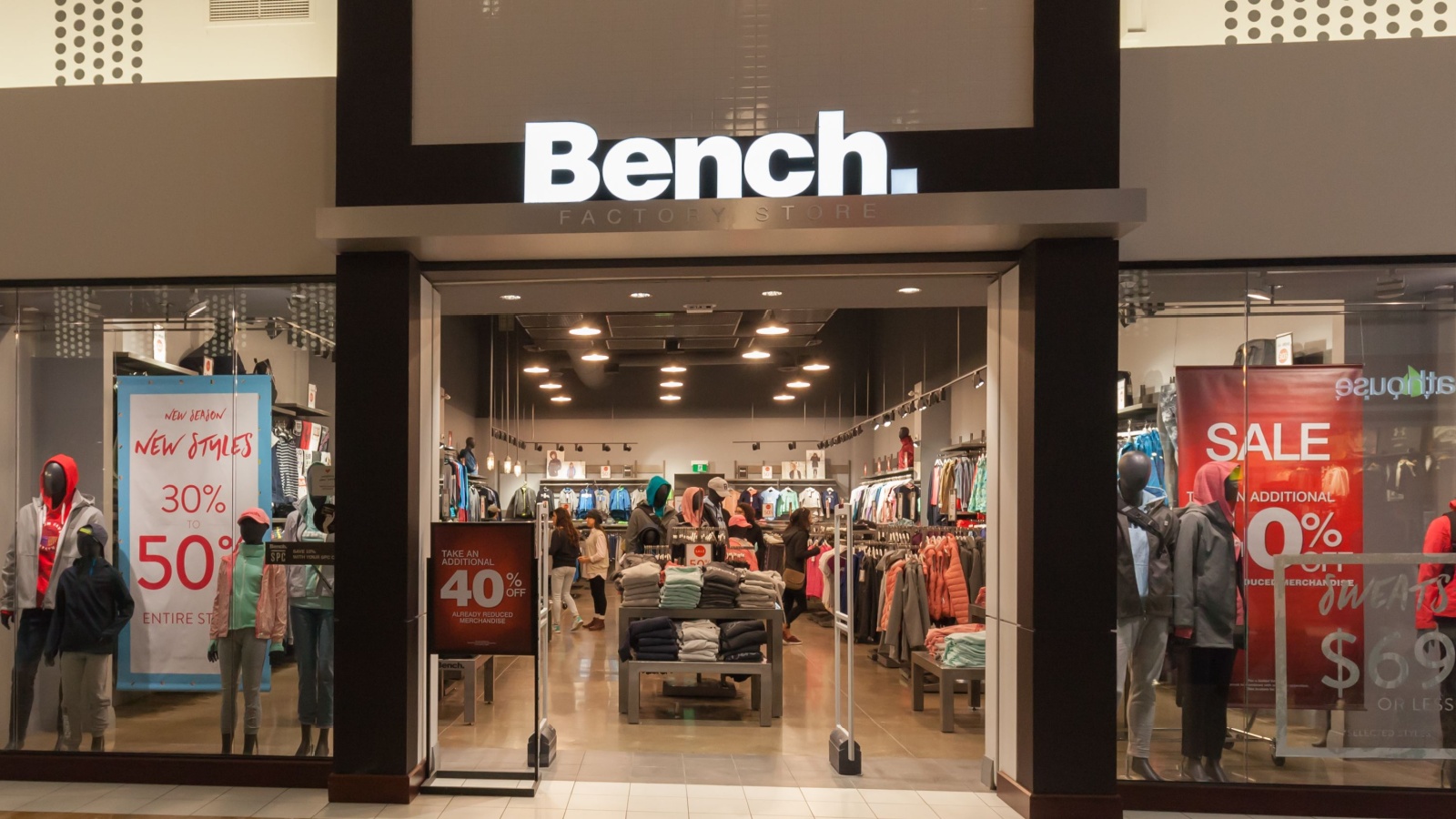
Bench apparel expanded mall presence during the 2000s as youth athleisure trends surged. Financial strain and online competition weakened brick-and-mortar profit margins. Canadian physical stores closed quietly after bankruptcy proceedings in 2020. Shoppers discovered batch closures within weeks. Remaining shelves were cleared almost immediately. Digital platforms continued operations while physical chains vanished altogether. Consumers saw familiar logos disappear nearly overnight from mall corridors nationwide. Bench’s story shows how retail brands can survive digitally even as physical Canadian footprints vanish entirely.
Payless ShoeSource Canada
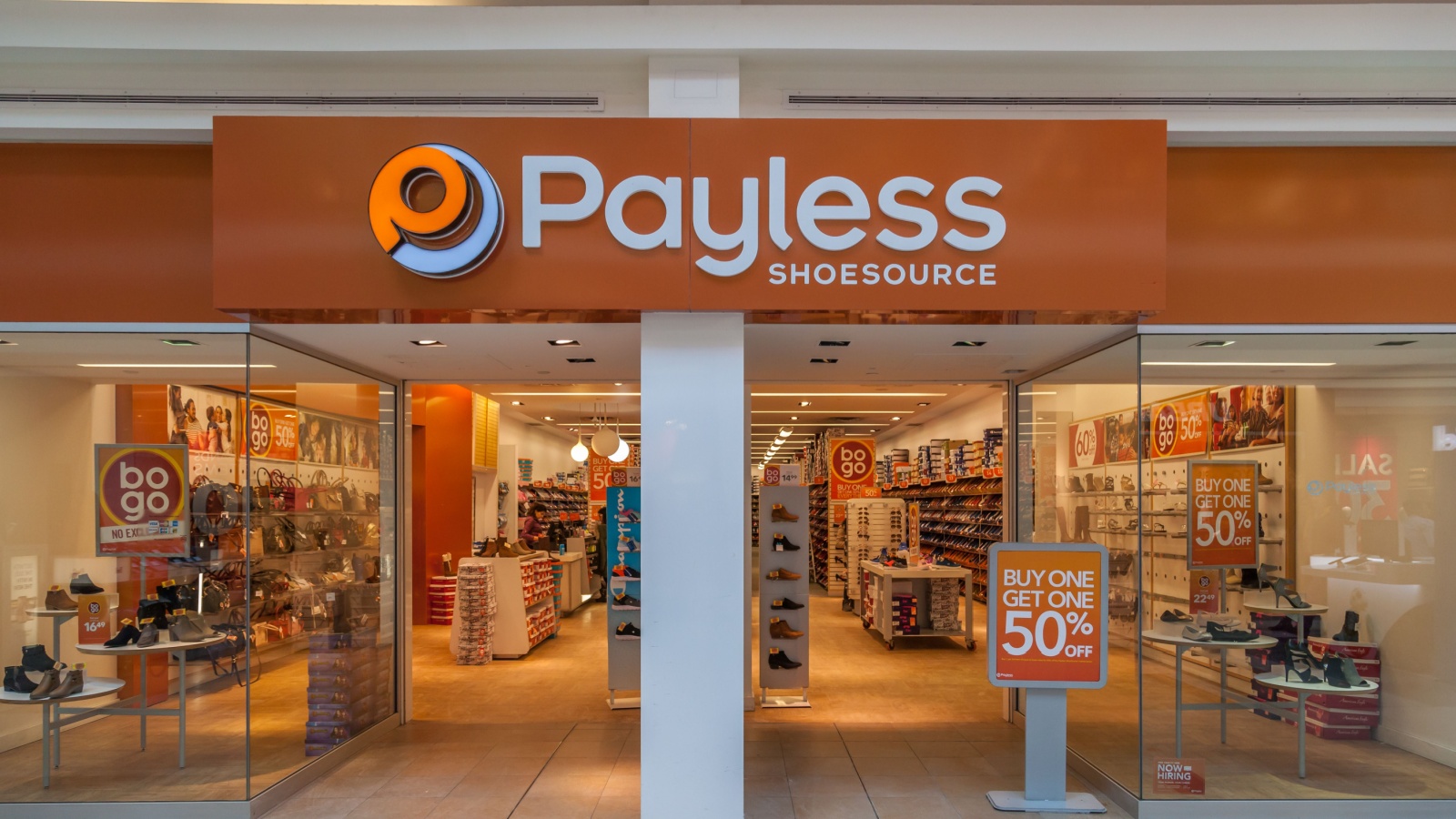
Payless filled footwear gaps for families seeking low-cost options. Rapid global expansion destabilized inventory management mid-2010s. Parent-company financial failures forced abrupt Canadian liquidation in 2019. Over 200 locations closed within weeks. Clearance sales emptied remaining stock quickly. Shoppers found stores shuttered en masse almost overnight. Job losses came swiftly. Families lost one of few accessible low-budget footwear retailers. Former mall spaces remain empty years later. Payless demonstrated how corporate financial collapse can instantly dismantle reliable household retail staples across the entire country.
HMV Canada

HMV dominated physical music retail across Canadian malls for decades. Album launches and celebrity signings drove heavy foot traffic. Streaming platforms steadily eroded CD sales through the 2000s. Store profits collapsed quickly. Rising mall rents intensified pressure further. In 2017, administrators announced full liquidation unexpectedly. Over 100 locations closed simultaneously within days. Canadian music fans watched entire retail corridors empty at once. Gift cards became unusable almost immediately. Collectors rushed final clearance sales nationwide. Staff lost employment with minimal warning. Communities lost gathering spots tied closely to pop culture discovery. Vinyl resurgence later could not resurrect physical locations. HMV’s collapse felt sudden despite years of industry decline signals.
The Body Shop Canada

The Body Shop built loyal Canadian followings around ethical beauty marketing concepts. Mall locations thrived during the 1990s and early 2000s. Ownership transitions destabilized operations gradually. Foot traffic declined following mainstream cosmetic brand expansions. By 2024, insolvency proceedings forced nationwide store closures. Shuttered storefronts appeared across shopping centers almost overnight. Employees lost positions rapidly as restructuring plans unfolded. Canadians accustomed to refill stations and fragrance sampling were caught off guard. Stock clearance emptied shelves quickly. Ethical niche branding lost ground to online-first competitors. The swift exit reflected how vulnerable mall-based beauty chains remain during retail reorganizations and landlord pressure escalations.
Laura Ashley Canada

Laura Ashley decorated Canadian homes and wardrobes with soft prints and classic designs for decades. Global e-commerce pressures undercut physical store profitability through the 2010s. Canadian outlets closed suddenly in 2020 amid corporate insolvency. Employees learned of closures through formal announcements rather than gradual reductions. Locations swiftly liquidated inventory within days. Windows displayed clearance signage briefly before darkening permanently. Loyal customers returned expecting routine shopping only to find locked doors. The chain’s domestic disappearance contrasted with continued online brand survival internationally. For Canadians, its physical presence effectively vanished overnight.
Jean Machine
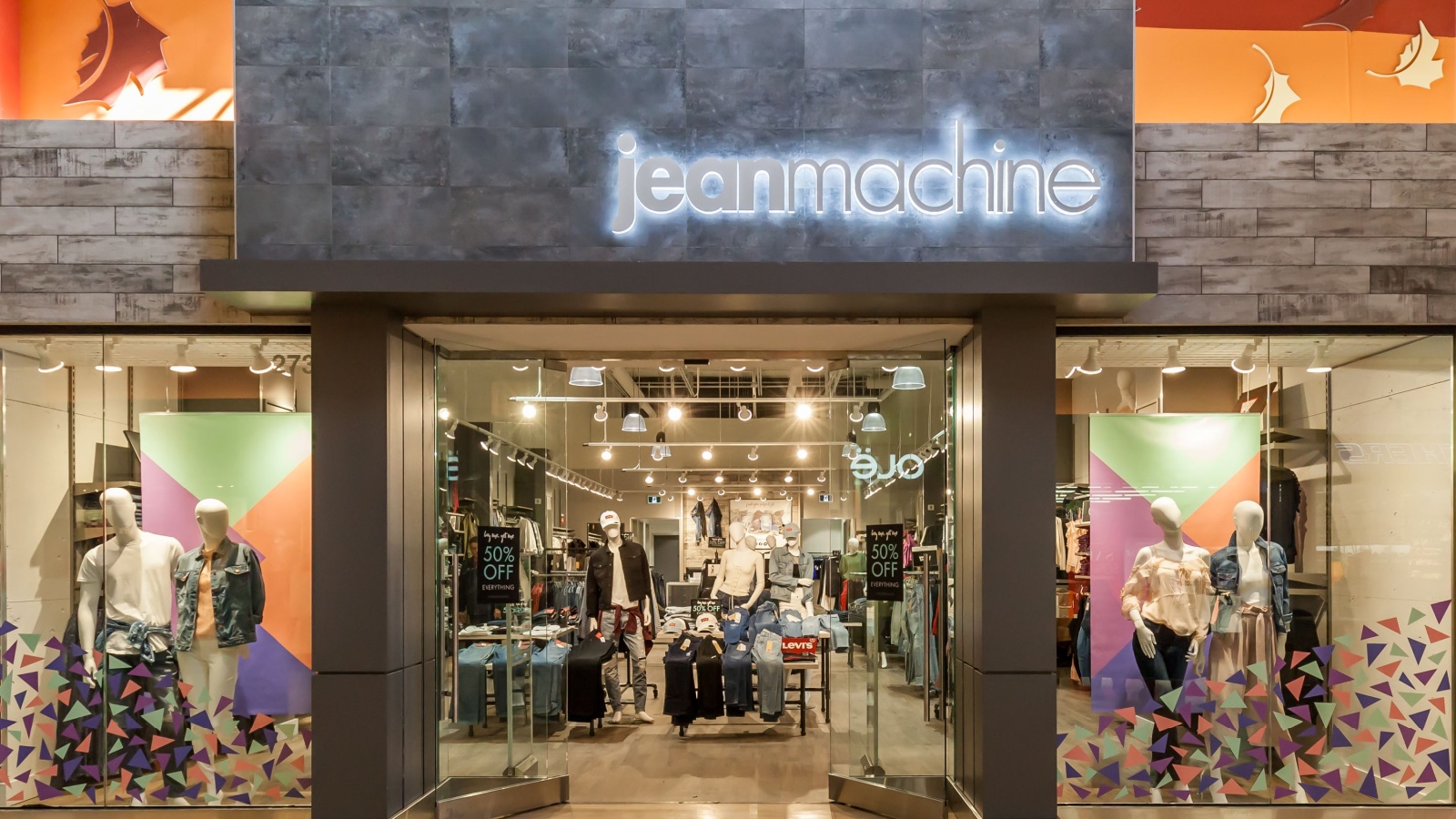
Jean Machine built Canadian denim fashion credibility nationwide. Youth-labelling malls used it as a wardrobe hub during the 1990s. Competition from fast-fashion giants eroded uniqueness. Rising mall rents compressed operating margins. Supply chain inflexibilities limited rapid trend adaptation. Bankruptcy filings in 2018 shut all locations almost immediately. Final markdowns lasted mere weeks. Staff departures occurred across provinces swiftly. Shoppers realized closures only after seeing papered windows. The sudden evaporation surprised longtime customers. The absence of years-long wind-down emphasized how retail brands can disappear globally within single financial quarters.
Danier Leather
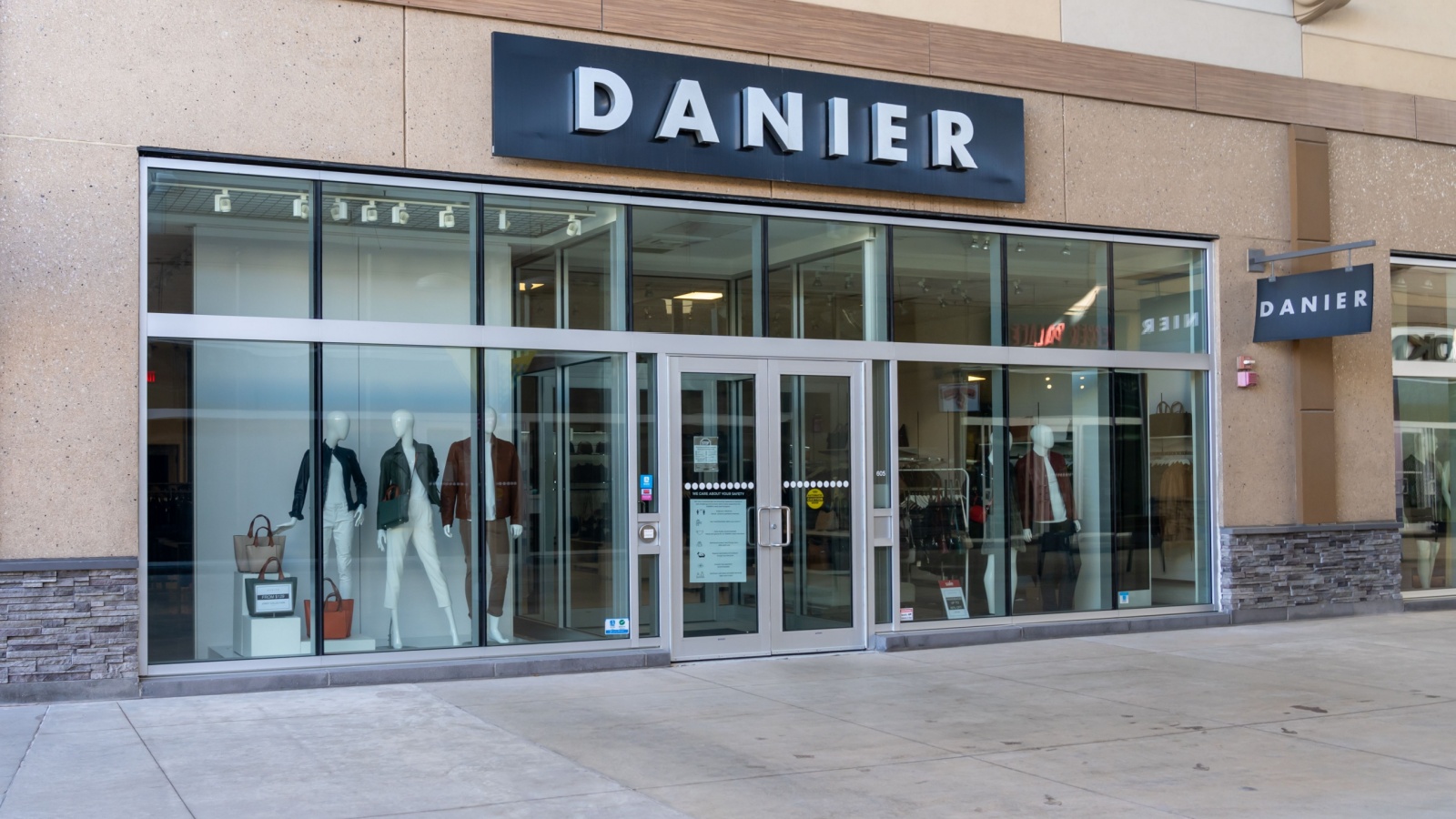
Danier achieved iconic status selling leather garments mid-century. Canadian consumers trusted its warranties and craftsmanship reputation. Fashion demand shifted toward synthetic materials and lighter wearables. Cost pressures increased post 2010. Changing climate wardrobes reduced outerwear purchases. Brick-and-mortar costs grew unsustainable. By 2016, Danier announced immediate store closures nationwide. Mall spaces emptied quickly. Gift cards expired abruptly. Employees faced unexpected layoffs. Consumers lost affordable Canadian-made leather staples overnight. Brand revival online later did not restore pathway access through malls. Danier’s disappearance revealed how classic apparel becomes vulnerable when trends pivot sharply.
BiWay

BiWay thrived during the 1990s as extreme discount department retail. Sparse merchandising styles appealed to bargain-focused shoppers. Corporate mismanagement weakened inventory diversity. Supplier relationships deteriorated rapidly. Competition from Walmart intensified pricing battles. Bankruptcy filings in 2001 triggered sudden store shutdowns nationwide. Liquidation emptied aisles within weeks. Employees found themselves unemployed nearly immediately. Small-town malls lost primary traffic drivers. New tenants proved hard to attract afterward. BiWay’s swift collapse demonstrated vulnerability of low-margin retail operations exposed to global competition changes.
Bargain Harold’s
Bargain Harold’s became a retail legend specializing in closeout merchandise deals. Locations operated primarily in Western Canada during the 1990s. Financial strain increased after ownership transitions. Reduced supplier access limited product variety unpredictably. In 2012, stores began closing quickly amid solvency concerns. Customers learned closures through papered storefronts rather than announcements. Loyal shoppers mourned the loss of treasure-hunt style shopping experiences. The brand faded without lengthy public attention. Its unique discount format left an irreplaceable gap within Canadian off-price retail history.
Mark’s Work Warehouse Cafés

Early Mark’s Work Warehouse stores occasionally operated attached cafés serving working shoppers. This experimental retail hospitality hybrid existed primarily in the 1980s. Cost inefficiencies ended the concept quietly. Cafés disappeared abruptly across locations without replacement programs. Few Canadians remember the brief experiment. Store expansions without café layouts became standard afterward. Though Mark’s retail further succeeded, the dining concept vanished without explanation. These café closures illustrate how entire business concepts can vanish silently when unprofitable pilot operations end.
Ponderosa Steakhouse Canada
Ponderosa flourished across Canada, offering family buffet steakhouse dining through the 1980s. Changing restaurant tastes favoured quicker dining formats later. Rising beef costs narrowed profitability margins. Suburban development patterns shifted demographics. Final closures occurred rapidly during the 2000s. Entire restaurant network faded with little documentation. Regular diners often found locked doors returning weeks later. Nostalgia persists among Canadians remembering buffet nights and birthday celebrations. The disappearance marked a shift in dine-in chain culture nationwide.
22 Groceries to Grab Now—Before another Price Shock Hits Canada

Food prices in Canada have been steadily climbing, and another spike could make your grocery bill feel like a mortgage payment. According to Statistics Canada, food inflation remains about 3.7% higher than last year, with essentials like bread, dairy, and fresh produce leading the surge. Some items are expected to rise even further due to transportation costs, droughts, and import tariffs. Here are 22 groceries to grab now before another price shock hits Canada.
22 Groceries to Grab Now—Before another Price Shock Hits Canada
This Options Discord Chat is The Real Deal
While the internet is scoured with trading chat rooms, many of which even charge upwards of thousands of dollars to join, this smaller options trading discord chatroom is the real deal and actually providing valuable trade setups, education, and community without the noise and spam of the larger more expensive rooms. With a incredibly low-cost monthly fee, Options Trading Club (click here to see their reviews) requires an application to join ensuring that every member is dedicated and serious about taking their trading to the next level. If you are looking for a change in your trading strategies, then click here to apply for a membership.