
35,000+ smart investors are already getting financial news, market signals, and macro shifts in the economy that could impact their money next with our FREE weekly newsletter. Get ahead of what the crowd finds out too late. Click Here to Subscribe for FREE.
Housing affordability across Canada continues to erode faster than incomes rise. Medium-sized cities once offering relief now attract migration from larger markets. Limited housing supply combines with population growth to accelerate price pressures. Investors follow these trends, tightening local rental availability. Infrastructure projects and employer expansions fuel increased demand further. Many households relocating for affordability, find only short-term relief before costs surpass expectations. Here are 20 Canadian cities that are about to become unaffordable.
Kelowna, British Columbia
20 Canadian Cities That Are About to Become Unaffordable
- Kelowna, British Columbia
- Guelph, Ontario
- Kamloops, British Columbia
- Barrie, Ontario
- St. Catharines, Ontario
- Red Deer, Alberta
- Kingston, Ontario
- Penticton, British Columbia
- Moncton, New Brunswick
- Lethbridge, Alberta
- Fredericton, New Brunswick
- Truro, Nova Scotia
- Cranbrook, British Columbia
- Brockville, Ontario
- Summerside, Prince Edward Island
- Swift Current, Saskatchewan
- Cochrane, Alberta
- Yarmouth, Nova Scotia
- Chilliwack, British Columbia
- Nelson, British Columbia
- 22 Groceries to Grab Now—Before another Price Shock Hits Canada

Kelowna continues attracting retirees, remote workers, and investors. Migration from Vancouver drives residential demand upward each year. Housing supply struggles to match rising population inflows. New construction remains focused on higher-priced developments. Rental vacancy remains near historic lows. Short-term tourism rentals continue reducing long-term availability. Wages fail to keep pace with housing cost increases. Many service workers now commute from surrounding communities. Infrastructure improvements draw additional migration interest. Recreation appeal intensifies demand year-round, not seasonally. Secondary home purchases inflate market prices further.
Guelph, Ontario

Guelph benefits from proximity to Toronto employment corridors. Commuter interest has increased consistently in recent years. Buyer competition rose as urban households sought regional pricing relief. New home supply remains limited despite zoning changes. Rental vacancy collapsed following population growth. Student housing demand pressures surrounding neighbourhoods annually. Infrastructure investments raised community desirability. Average local income trails housing price escalation trends. Detached home pricing now approaches unaffordable thresholds for median earners.
Kamloops, British Columbia

Kamloops attracts both retirees and remote employees. Accessibility improvements enhance commuting possibilities. Limited downtown development restricts inventory growth. Rising regional wages encourage buyer migration from urban centres. Recreational tourism supports secondary residence purchasing. Rental markets tighten each year due to student demand from Thompson Rivers University. Infrastructure upgrades continue drawing external interest. Local wages remain modest relative to average home prices. Construction pace lags behind sustained demand growth. Property investors increasingly secure smaller unit developments.
Barrie, Ontario

Barrie’s commuter appeal to Toronto workers remains strong. Transportation improvements shortened travel times. Residential developers struggle to add inventory quickly. Population growth accelerated post-pandemic. Rental markets tightened as ownership prices surged. Average earnings have not matched housing inflation. Investors convert homes into rental units, reducing supply further. Waterfront development increased city desirability significantly. Suburban growth zones experience escalating price pressures. Younger buyers struggle meeting mortgage qualification requirements.
St. Catharines, Ontario

St. Catharines draws buyers escaping Greater Toronto prices. Cross-border trade employment supports population stability. Housing renovation activity targets resale profit. Rental demand continues rising near educational hubs. Inventory remains constrained amid zoning delays. Competition now mirrors surrounding Niagara markets. Household income growth remains limited. Investor purchases squeeze first-time buyer options. Infrastructure and transit upgrades fuel future demand expectations. Waterfront redevelopment lifts neighbourhood price ceilings. Student housing congestion pressures local rental units. Homeownership benchmarks climb yearly.
Red Deer, Alberta

Red Deer once represented a low-cost Alberta alternative. Worker migration has gradually altered demand patterns. Local industry stabilizes employment levels. Limited new housing construction pressures inventories. Rental supply tightened considerably over recent years. Property pricing increased faster than wage growth. Remote workers entering the market inflate competition. Infrastructure spending enhances city liveability appeal. First-home affordability continues shrinking. Land availability constraints slow affordable developments. Investor interest in duplex housing intensifies. Community housing waitlists grow annually.
Kingston, Ontario
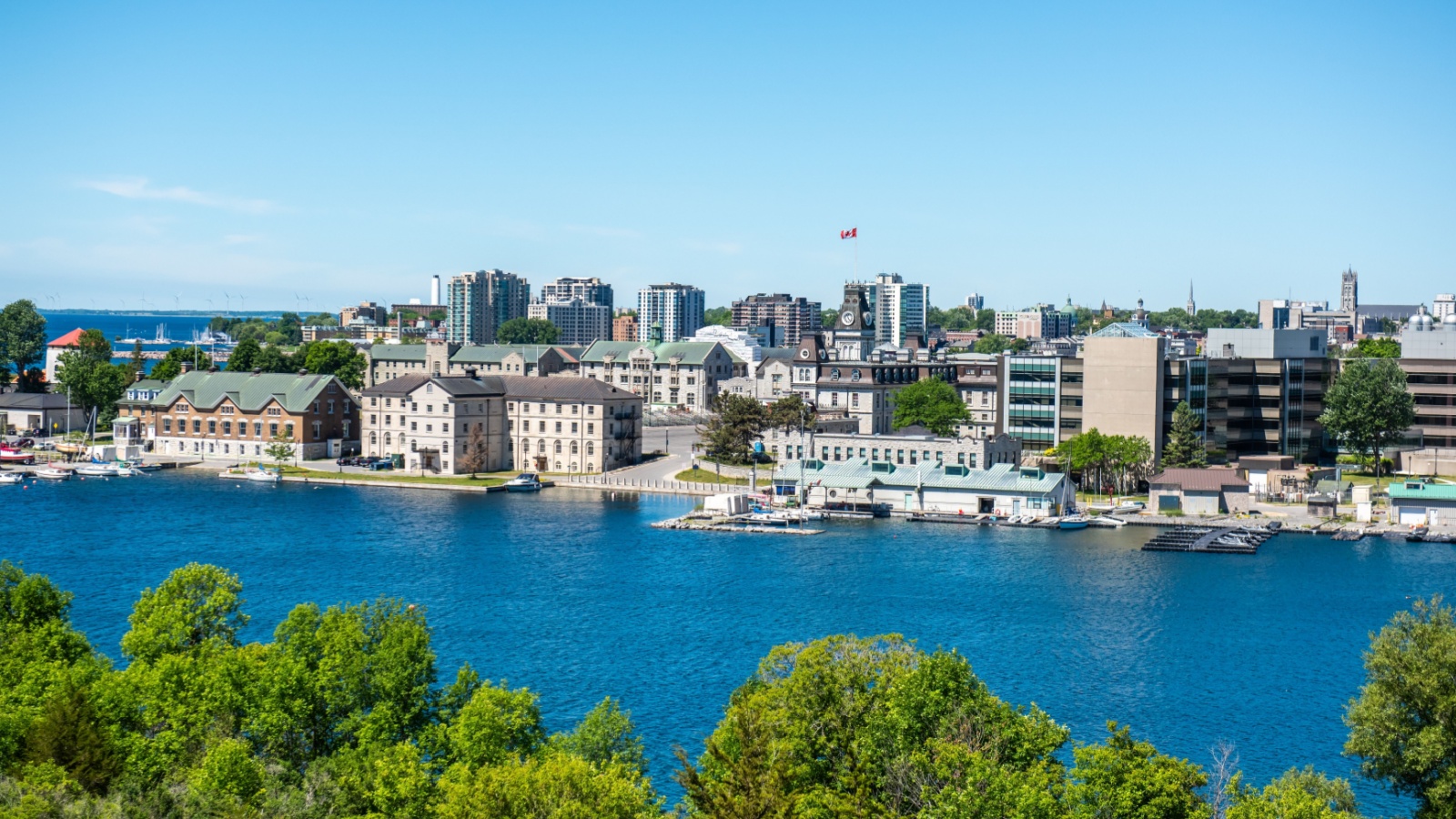
Kingston’s education sector fuels strong housing demand. Student renters consume much of the available rental inventory. Government employment strengthens income stability. New housing approvals remain modest. Heritage zoning restrictions limit development intensity. Waterfront redevelopment draws higher-income buyers. Rental pricing inflates annually across surrounding neighbourhoods. Median household income trails rising real estate values. Single-family home listings remain extremely scarce. Investors purchase duplexes aimed at student accommodation. Infrastructure upgrades boost city attractiveness further.
Penticton, British Columbia

Penticton benefits from lakefront tourism and retirement migration. Seasonal rental conversions remove long-term housing stock. Limited developable land caps construction growth. Property prices respond sharply to outsider demand. Local wages remain service-based and comparatively lower. Increased vacation property ownership inflates average household costs. Infrastructure spending heightens market interest. Apartment availability tightens across most neighbourhoods. Population growth outpaces new housing completions. Younger locals struggle remaining within the market. Bidding pressure continues increasing during peak buying seasons.
Moncton, New Brunswick

Moncton attracted national migration during housing affordability surges. Price escalations followed accelerated demand. Rental stock failed to expand quickly enough. Vacancy rates plunged historically. New developments prioritize mid-range rather than entry-level housing. Incomes did not rise at matching speed. Investor acquisition targeted smaller rental buildings. Transportation upgrades boost relocation appeal further. Growing healthcare and logistics employment increases inbound workers. Demand pressure now mirrors larger urban centres. Average home prices doubled in short timeframes. Rental competition remains intense.
Lethbridge, Alberta

Lethbridge once offered extreme affordability advantages. University expansion increased rental pressures. Student housing absorbs market supply. Industrial projects bring new worker inflows. Construction remains slower than household growth. Property prices rose quickly from low bases. Rental inventory tightened noticeably. Household income growth failed to keep pace. Multigenerational housing became increasingly common locally. Investment purchasing grows annually. Municipal development delays restrict rapid inventory additions. Qualified buyers encounter rising mortgage qualification barriers. Rental escalations impact younger populations disproportionately.
Fredericton, New Brunswick

Fredericton’s housing market shifted quickly after an influx of remote workers. Buyers searching for lower costs arrived from Ontario and British Columbia. New residential construction failed to match population increases. Limited apartment development tightened the rental supply. Vacancy rates remain extremely low year-round. University housing needs place additional pressure on nearby neighbourhood stock. Local wage levels remain relatively modest. Average home prices now exceed traditional affordability thresholds for many residents. Infrastructure investments increase long-term attractiveness, boosting further interest. Growth in government and technology employment fuels continued demand. Investors often purchase entry-level homes for rental use. Young families encounter restricted options.
Truro, Nova Scotia

Truro transitioned rapidly from a previously overlooked housing market. Buyers escaping Halifax prices increasingly target the town. Commuter traffic expansion improved employment access. Limited housing inventory magnifies price sensitivity. Rental vacancy dipped sharply following migration increases. New builds remain small-scale and slow-moving. Investor activity increased across duplex and triplex sectors. Household income growth has not kept pace with housing cost inflation. Property taxes reflect rising assessed values. Younger residents struggle to remain in rental units affordably. Homeownership thresholds surpassed realistic local wage support.
Cranbrook, British Columbia

Cranbrook’s supply constraints strongly influence rising housing costs. Mountain tourism growth increases secondary property ownership. Retiree migration contributes to sustained buying demand. Limited construction land restricts new housing delivery. Remote workers increase higher-range asking prices. Rental vacancy remains critically low. Local service wages trail housing price escalation severely. Investor purchases reduce starter home inventory further. Infrastructure expansion improves transportation links into larger markets. Community development efforts raise desirability perceptions. First-time buyers struggle meeting qualification thresholds.
Brockville, Ontario

Brockville benefits from commuter proximity to Kingston and Ottawa. Migration increased as families sought housing relief. Supply shortages developed as listings declined rapidly. Rental development remains minimal compared with population expansion. Investors purchase smaller homes for rental conversions. Infrastructure upgrades stimulate long-term demand outlooks. Average household income fails to keep pace with price inflation. Multiple-offer situations now occur regularly. Property taxes rise alongside assessed valuations yearly. Waterfront redevelopment boosts buyer interest further. Zoning limitations restrict density growth opportunities. Younger residents report declining homeownership access.
Summerside, Prince Edward Island

Summerside experienced a notable influx of newcomers seeking affordable coastal living. Limited construction capacity restricts inventory additions. Seasonal rental properties reduce year-round housing availability. Rental vacancy rates dropped sharply. Local wages remain modest relative to increasing rent levels. Tourism-related employment supports migration but not sufficient income growth. Investor interest expanded considerably following regional media exposure. Housing developments price beyond first-time buyer reach. Population growth continues exceeding local building timelines. Home values have risen at double-digit rates.
Swift Current, Saskatchewan

Swift Current historically offered stable housing prices. Energy sector cycles brought new workforce inflows. Housing supply remained tightly controlled. Construction activity failed to accelerate with population demands. Average rents climbed steadily. Homeownership pricing crossed affordability indexes recently. Investor acquisitions increased among duplex stock. Infrastructure expansion enhances regional accessibility appeal. Median wages have not matched housing inflation. Rental availability grows scarce during employment surges. Younger households find entry increasingly difficult.
Cochrane, Alberta

Cochrane’s proximity to Calgary drives commuter demand intensity. Family migration continues rising steadily. Residential construction struggles matching demand volume trends. New community developments emphasize higher-priced housing models. Rental options remain limited across town. Home prices increased sharply after pandemic population shifts. Household income growth lags purchase requirements. Investors increasingly target townhomes for leasing. Infrastructure enhancements strengthen Calgary commuter routes. Property taxes rise with reassessments. Younger residents exit toward more distant communities.
Yarmouth, Nova Scotia

Yarmouth’s affordability reputation shifted following increased remote worker relocation. Limited apartment development tightened rental options rapidly. Housing construction remains slow due to workforce shortages. Service-sector wages remain low relative to housing inflation. Home prices rose quickly from modest bases. Investors converted single-family properties into rentals. Tourism growth reduced off-season housing availability. Infrastructure enhancements expand regional connectivity perception. Rental vacancy rates remain among the lowest provincially. Many residents experience increasing housing payment burdens.
Chilliwack, British Columbia

Chilliwack faces intense spillover migration from the Fraser Valley. Highway improvements increased commuter appeal significantly. Supply remained strained amid population increases. New developments skew toward mid-to-high price ranges. Rental construction lags behind ongoing demand growth. Wage levels remain mixed across employment sectors. Investors continue purchasing starter homes. Home prices rose faster than regional incomes. Property tax charges follow market escalations. Rental rate increases widen affordability gaps. Families relocate further east seeking relief.
Nelson, British Columbia

Nelson’s scenic appeal fuels strong housing demand. Lifestyle migration introduces higher-income buyers into the market. Limited developable land constrains new housing availability. Tourism rental conversions reduce long-term housing stock. Wages remain service-sector focused. Home prices rose dramatically over recent years. Rental vacancy stays near zero annually. Housing inventory turns over rapidly. Investors purchase heritage properties for vacation leasing. Infrastructure improvements raise regional interest further. Residents report increasing housing insecurity concerns. Local young families struggle staying within town limits.
22 Groceries to Grab Now—Before another Price Shock Hits Canada

Food prices in Canada have been steadily climbing, and another spike could make your grocery bill feel like a mortgage payment. According to Statistics Canada, food inflation remains about 3.7% higher than last year, with essentials like bread, dairy, and fresh produce leading the surge. Some items are expected to rise even further due to transportation costs, droughts, and import tariffs. Here are 22 groceries to grab now before another price shock hits Canada.
22 Groceries to Grab Now—Before another Price Shock Hits Canada
This Options Discord Chat is The Real Deal
While the internet is scoured with trading chat rooms, many of which even charge upwards of thousands of dollars to join, this smaller options trading discord chatroom is the real deal and actually providing valuable trade setups, education, and community without the noise and spam of the larger more expensive rooms. With a incredibly low-cost monthly fee, Options Trading Club (click here to see their reviews) requires an application to join ensuring that every member is dedicated and serious about taking their trading to the next level. If you are looking for a change in your trading strategies, then click here to apply for a membership.