
35,000+ smart investors are already getting financial news, market signals, and macro shifts in the economy that could impact their money next with our FREE weekly newsletter. Get ahead of what the crowd finds out too late. Click Here to Subscribe for FREE.
Canada’s natural wealth supports not only its own prosperity but also global economic and environmental stability. From its vast freshwater reserves and renewable energy capacity to critical minerals and sustainable forestry, the country provides essential materials and knowledge that power industries worldwide. These assets are managed under strict environmental and ethical standards, ensuring long-term sustainability. Here are 23 Canadian resources the world can’t replace.
Freshwater Reserves and Clean Drinking Water Systems
23 Canadian Resources the World Can’t Replace
- Freshwater Reserves and Clean Drinking Water Systems
- Vast Forests and Sustainable Timber Exports
- Critical Minerals and Rare Earth Elements
- Oil Sands and Conventional Energy Exports
- Hydroelectric Power and Renewable Energy Capacity
- Uranium for Global Nuclear Energy Production
- Fisheries and Sustainable Seafood Supply
- Nickel and Cobalt for Electric Vehicle Batteries
- Potash for Global Agriculture and Fertilizer Production
- Aluminum and Bauxite Processing Capabilities
- Natural Gas and LNG Export Potential
- Gold and Precious Metal Mining Operations
- Wheat, Canola, and Grain Exports
- Maple Syrup and Forest-Based Food Exports
- Icewine and Specialty Agricultural Products
- Freshwater Fisheries and Aquaculture Exports
- Arctic Shipping Routes and Northern Trade Corridors
- Rare Geological Sites and Gemstone Mining
- Wind and Tidal Energy Development Zones
- Advanced Recycling and Circular Economy Technologies
- Indigenous Knowledge and Sustainable Land Stewardship
- Research Expertise in Climate Science and Resource Management
- Protected Wilderness and Global Biodiversity Reserves
- 21 Products Canadians Should Stockpile Before Tariffs Hit

Canada holds nearly 20% of the world’s freshwater reserves, making it one of the most water-rich nations. Its lakes, rivers, and groundwater systems support agriculture, industry, and urban needs while exporting expertise in water treatment technologies. Provinces such as Ontario, Quebec, and British Columbia maintain advanced purification systems that ensure clean drinking water across vast territories. Canadian firms also contribute to international water management projects, promoting safe and sustainable access globally. With growing global water scarcity, Canada’s freshwater reserves remain an irreplaceable natural asset.
Vast Forests and Sustainable Timber Exports

Nearly 38% of Canada’s land area is covered by forests, accounting for about 9% of the world’s total forest cover. The forestry sector provides a major export advantage through sustainably managed timber and pulp products. Canada’s strict reforestation laws ensure harvested areas are replanted, maintaining ecological balance. Provinces like British Columbia and Quebec lead in certified sustainable forestry practices recognized globally. Canadian wood products are preferred in construction, packaging, and paper manufacturing due to their quality and traceable origin.
Critical Minerals and Rare Earth Elements

Canada is emerging as a reliable source of critical minerals and rare earth elements essential for modern technology. The country produces lithium, graphite, nickel, and cobalt—materials needed for batteries, semiconductors, and renewable energy systems. Deposits in Ontario, Quebec, and the Northwest Territories are being developed with strong environmental oversight. The Canadian Critical Minerals Strategy aims to strengthen global supply chains while supporting clean energy transition goals. With demand for electric vehicles and high-tech manufacturing increasing worldwide, Canada’s role as a secure and ethical supplier of these resources has become irreplaceable.
Oil Sands and Conventional Energy Exports

Canada ranks third globally in proven oil reserves, primarily concentrated in Alberta’s oil sands. The country supplies a significant portion of U.S. crude oil imports, offering energy security to North America. Technological advancements have made extraction cleaner and more efficient, reducing emissions intensity per barrel. Beyond oil, conventional energy fields in Saskatchewan and Newfoundland and Labrador sustain export diversity. Canada’s transparent regulation and political stability enhance investor confidence.
Hydroelectric Power and Renewable Energy Capacity
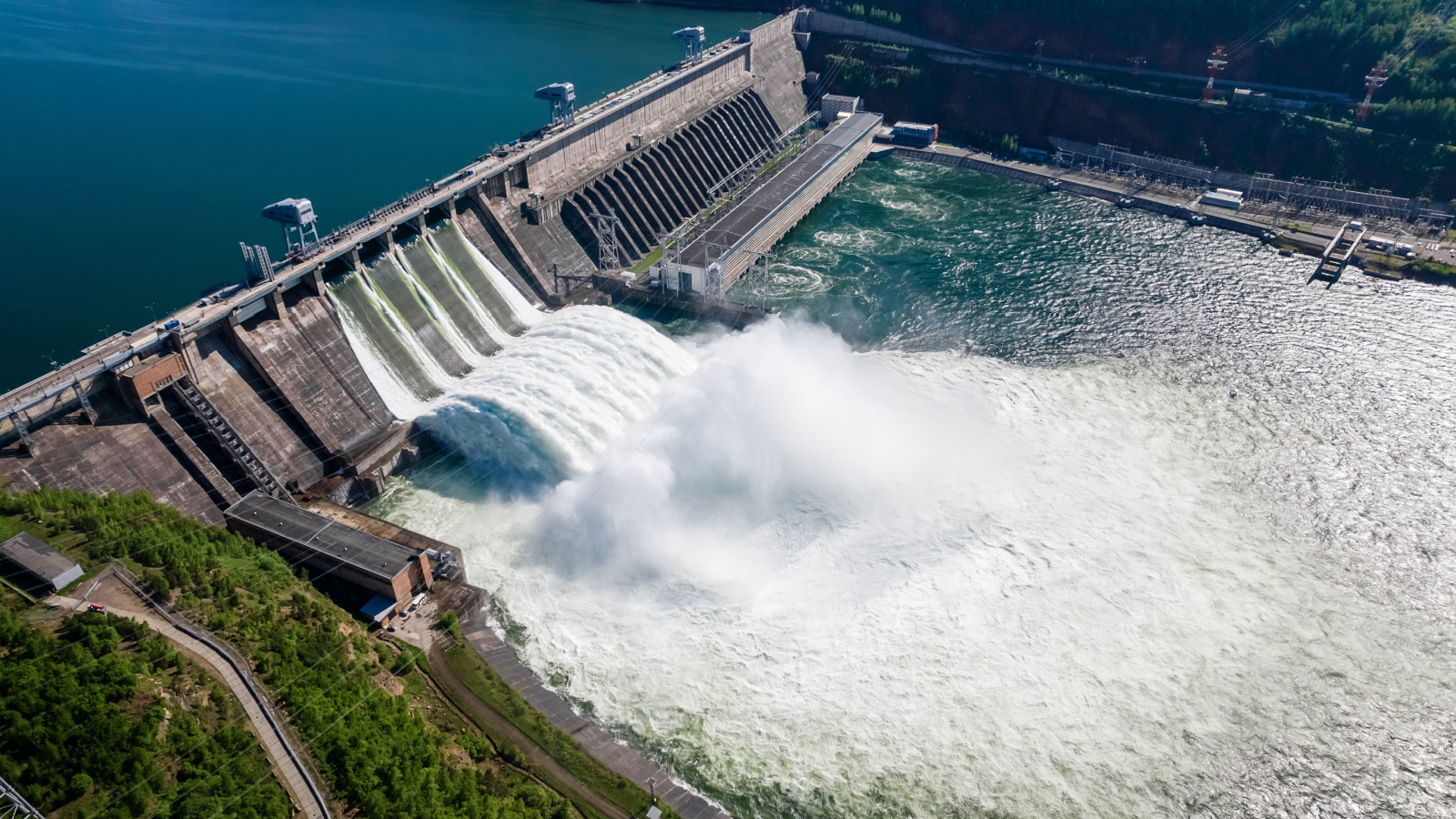
Canada generates about 60% of its electricity from hydroelectric power, one of the highest proportions globally. Provinces such as Quebec, Manitoba, and British Columbia export clean electricity to U.S. states, helping lower North American carbon emissions. The country’s geography offers abundant water flow and elevation suitable for long-term renewable generation. Canada also invests in wind, solar, and tidal energy to diversify its renewable portfolio. Its leadership in hydroelectric engineering and cross-border power infrastructure demonstrates how renewable energy can drive sustainable economic growth and regional cooperation.
Uranium for Global Nuclear Energy Production

Canada is the world’s second-largest uranium producer, with Saskatchewan’s Athabasca Basin supplying some of the highest-grade uranium deposits. This resource powers nuclear plants across North America, Europe, and Asia. Canadian uranium contributes significantly to low-carbon electricity generation, supporting global climate targets. The industry is regulated under stringent safety and environmental standards, ensuring responsible extraction and export. Companies like Cameco Corporation lead in safe mining and processing technologies.
Fisheries and Sustainable Seafood Supply
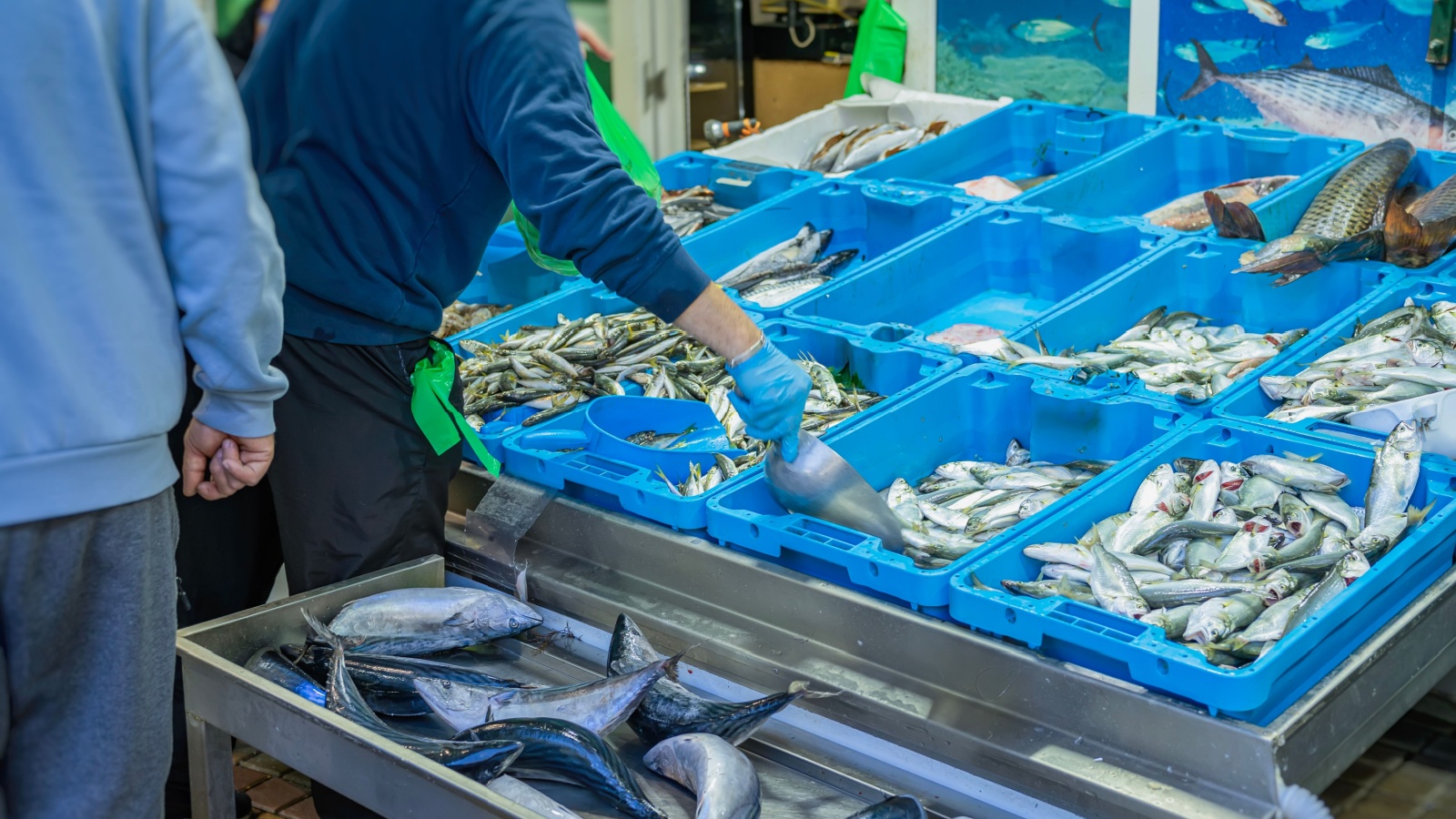
Canada’s extensive coastlines on the Atlantic, Pacific, and Arctic Oceans provide access to some of the richest fisheries in the world. The seafood industry, led by exports of lobster, crab, and salmon, contributes billions to the national economy each year. Canada enforces strict sustainability standards, ensuring healthy marine populations and traceable seafood products. Atlantic provinces like Nova Scotia and Newfoundland and Labrador have built global reputations for premium seafood. With responsible management practices and advanced aquaculture research, Canada’s fisheries remain essential to global food security and marine conservation.
Nickel and Cobalt for Electric Vehicle Batteries

Nickel and cobalt are critical for lithium-ion batteries that power electric vehicles, and Canada is one of the few nations producing both at scale. Ontario, Manitoba, and Quebec host major mines and refining operations that supply global battery manufacturers. The Canadian government supports clean mining technologies to minimize environmental impacts. With the rapid shift toward electric transportation, Canada’s role in providing ethically sourced materials has become strategically important.
Potash for Global Agriculture and Fertilizer Production

Canada is the world’s leading exporter of potash, a key component in fertilizers that enhance crop yields. Over 30% of global potash exports come from Saskatchewan, where vast underground deposits are mined efficiently. This mineral plays a crucial role in maintaining soil fertility and global food security. Canada’s potash industry follows rigorous environmental standards while supporting agricultural production in Asia, Europe, and South America. With rising global demand for sustainable food sources, Canadian potash remains indispensable for feeding the world’s growing population.
Aluminum and Bauxite Processing Capabilities

Canada is one of the world’s top aluminum producers, with operations concentrated in Quebec and British Columbia. Although Canada imports bauxite, its hydroelectric-powered smelters make aluminum production far more energy-efficient and environmentally sustainable than in many other regions. Companies like Rio Tinto and Alcoa operate large-scale facilities that supply industries worldwide, including automotive and aerospace manufacturing. The use of clean electricity gives Canadian aluminum a low carbon footprint, making it highly attractive in global markets seeking greener materials.
Natural Gas and LNG Export Potential
Canada holds the fifth-largest natural gas reserves globally, primarily in Alberta and British Columbia. The country is expanding its liquefied natural gas (LNG) export capacity through major projects like LNG Canada, which aim to supply Asian markets with cleaner-burning fuel alternatives. Canadian natural gas supports both domestic energy needs and global transitions away from coal. Advanced extraction methods, such as carbon capture and storage, help lower emissions intensity. With vast reserves, strong environmental regulations, and reliable infrastructure, Canada is positioned as a key global partner in meeting future energy demand.
Gold and Precious Metal Mining Operations

Canada is among the top five gold-producing countries in the world, with major operations in Ontario, Quebec, and Nunavut. The country’s mining sector also yields significant quantities of silver, platinum, and palladium used in technology and jewelry. Canadian mines are known for their safety standards and responsible environmental practices. The Toronto Stock Exchange serves as a global hub for mining finance, attracting investment from across continents. With stable regulations and high-quality ore, Canada continues to supply the world with precious metals that are essential to both industry and investment markets.
Wheat, Canola, and Grain Exports

Canada is one of the largest exporters of wheat, canola, and other grains, supporting global food supply chains. The Prairie provinces—Alberta, Saskatchewan, and Manitoba—produce high-protein wheat and premium canola oil valued for its purity and nutritional quality. Canadian farmers use advanced technology and sustainable cultivation practices that ensure consistent yields despite harsh climates. The Canadian Grain Commission oversees quality and safety standards recognized worldwide. With growing global populations, Canada’s agricultural exports are vital for maintaining stable food prices and ensuring dependable supply to markets across Asia, Africa, and Europe.
Maple Syrup and Forest-Based Food Exports

Canada produces nearly 75% of the world’s maple syrup, with Quebec alone accounting for over two-thirds of the global supply. This naturally sourced product represents a sustainable and culturally significant export. The industry follows strict quality controls under the Federation of Quebec Maple Syrup Producers, ensuring consistent taste and purity. Beyond syrup, Canada’s forests provide edible exports such as mushrooms, berries, and specialty tree-based products. These forest-derived foods support local economies and showcase Canada’s unique ecological resources that few nations can replicate at scale.
Icewine and Specialty Agricultural Products

Canada is internationally recognized for its premium icewine, produced primarily in Ontario’s Niagara region and British Columbia’s Okanagan Valley. Harvested from grapes naturally frozen on the vine, Canadian icewine commands high export value due to its quality and limited production. In addition, Canada develops niche agricultural exports like honey, organic produce, and heritage grains that meet rising global demand for specialty foods. These high-value exports highlight the country’s adaptability in agricultural innovation and its commitment to producing world-class products through sustainable and precise farming methods.
Freshwater Fisheries and Aquaculture Exports

Canada’s freshwater systems, including the Great Lakes and northern river basins, sustain a thriving aquaculture and inland fisheries industry. Trout, Arctic char, and freshwater salmon are among the key exports that meet global seafood demand. The sector follows strict health and environmental regulations, ensuring clean, high-quality fish for domestic and international markets. Research in sustainable aquaculture practices has positioned Canada as a leader in freshwater fish farming efficiency. These exports contribute to global food diversity while preserving aquatic ecosystems through science-based resource management.
Arctic Shipping Routes and Northern Trade Corridors

As Arctic ice continues to recede, Canada’s northern maritime routes are becoming increasingly vital for international trade. The Northwest Passage offers shorter global shipping routes between Asia, Europe, and North America. Canada’s sovereignty and investments in Arctic infrastructure, including ports and navigation systems, enhance global connectivity and resource transport. The region also holds vast untapped reserves of oil, gas, and minerals. By balancing economic development with environmental protection and Indigenous partnerships, Canada’s Arctic corridors are shaping the future of global logistics and northern resource access.
Rare Geological Sites and Gemstone Mining

Canada hosts unique geological formations rich in valuable gemstones and minerals. The Northwest Territories’ Diavik and Ekati mines produce some of the world’s highest-quality diamonds, while regions in Quebec and Yukon yield sapphires and jade. These industries are tightly regulated to ensure ethical sourcing and minimal environmental disruption. Canadian gemstones are prized for their traceability and responsible mining standards, making them highly sought after in the luxury market. Beyond economic value, these rare geological resources contribute to Canada’s scientific research and its reputation for responsible resource development.
Wind and Tidal Energy Development Zones

Canada has emerged as a leader in renewable power diversification through its growing wind and tidal energy sectors. The country’s Atlantic provinces, especially Nova Scotia and Prince Edward Island, harness strong coastal winds and tidal currents from the Bay of Fundy—the site of some of the highest tides in the world. Western provinces such as Alberta and Saskatchewan also invest heavily in wind farms to complement hydroelectric generation. Government incentives and private investments have accelerated renewable installations, positioning Canada as a clean energy innovator.
Advanced Recycling and Circular Economy Technologies

Canada is advancing in circular economy innovation, focusing on reducing waste and maximizing material reuse. Cities like Toronto and Vancouver have implemented large-scale recycling programs that serve as international models. Canadian companies are developing technologies to recover metals from electronic waste, repurpose plastics, and convert organic waste into bioenergy. Research institutions collaborate with industry to design sustainable materials and improve product life cycles. These innovations not only reduce landfill dependency but also create new economic opportunities in green manufacturing.
Indigenous Knowledge and Sustainable Land Stewardship

Indigenous communities across Canada play an essential role in managing forests, fisheries, and wildlife through traditional ecological knowledge. Their stewardship practices emphasize balance, renewal, and long-term resource sustainability. Collaborative governance models, such as Indigenous Protected and Conserved Areas, integrate ancestral wisdom with modern science to protect biodiversity. These partnerships guide responsible mining, forestry, and energy projects while strengthening cultural and environmental resilience. Recognized internationally, Canada’s inclusion of Indigenous leadership in environmental management offers a model for reconciling development with conservation and cultural respect.
Research Expertise in Climate Science and Resource Management
Canada’s research institutions and universities contribute globally to climate and environmental science. Organizations like Environment and Climate Change Canada, along with universities in British Columbia, Alberta, and Ontario, conduct advanced studies on carbon cycles, glacial dynamics, and ecosystem conservation. Canadian scientists collaborate on international climate models and Arctic monitoring programs critical for global climate predictions. This expertise informs both domestic policy and global sustainability strategies.
Protected Wilderness and Global Biodiversity Reserves

Canada safeguards over 12% of its land through national parks, conservation areas, and UNESCO biosphere reserves. Iconic sites such as Banff, Jasper, and Nahanni preserve ecosystems that host diverse wildlife and plant species found nowhere else. These protected regions serve as global benchmarks for conservation and eco-tourism. The federal government’s ongoing efforts to expand protected zones, including marine reserves, reflect a strong commitment to biodiversity protection. With vast, untouched landscapes and world-class conservation policies, Canada remains an irreplaceable guardian of some of Earth’s last great wilderness ecosystems.
21 Products Canadians Should Stockpile Before Tariffs Hit

If trade tensions escalate between Canada and the U.S., everyday essentials can suddenly disappear or skyrocket in price. Products like pantry basics and tech must-haves that depend on are deeply tied to cross-border supply chains and are likely to face various kinds of disruptions
21 Products Canadians Should Stockpile Before Tariffs Hit
This Options Discord Chat is The Real Deal
While the internet is scoured with trading chat rooms, many of which even charge upwards of thousands of dollars to join, this smaller options trading discord chatroom is the real deal and actually providing valuable trade setups, education, and community without the noise and spam of the larger more expensive rooms. With a incredibly low-cost monthly fee, Options Trading Club (click here to see their reviews) requires an application to join ensuring that every member is dedicated and serious about taking their trading to the next level. If you are looking for a change in your trading strategies, then click here to apply for a membership.