
35,000+ smart investors are already getting financial news, market signals, and macro shifts in the economy that could impact their money next with our FREE weekly newsletter. Get ahead of what the crowd finds out too late. Click Here to Subscribe for FREE.
Canada’s history is filled with bold decisions that many once considered too risky, too ambitious, or simply too unconventional. From redefining social policy to pioneering global technologies, Canadians have repeatedly proven that taking calculated risks can yield remarkable results. Whether it was building the world’s longest national highway, legalizing cannabis, or leading international peacekeeping, each gamble reflected confidence in innovation, unity, and progress. Here are 1 Canadian risks that paid off surprisingly well.
The Construction of the Trans-Canada Highway
19 Canadian Risks That Paid Off Surprisingly Well
- The Construction of the Trans-Canada Highway
- Legalizing Cannabis Nationwide
- Creating the Charter of Rights and Freedoms
- Establishing Universal Healthcare
- Launching the Canadarm Program
- Founding Shopify During the 2008 Financial Crisis
- Building the CN Tower as a National Symbol
- Hosting the 2010 Vancouver Winter Olympics
- Supporting Early Artificial Intelligence Research in Montreal and Toronto
- Investing in Clean Energy and Hydroelectric Expansion
- Developing the IMAX Film Technology for Global Use
- Founding Bombardier and Expanding Aerospace Manufacturing
- Pioneering Peacekeeping Missions Through the United Nations
- Building Confederation Across Diverse Provinces and Cultures
- Expanding Bilingualism and Multiculturalism Policies
- Investing in Arctic Research and Northern Sovereignty
- Launching the Montreal Protocol to Protect the Ozone Layer
- Supporting Indigenous Self-Governance Agreements
- Promoting Sustainable Tourism and Environmental Stewardship
- 21 Products Canadians Should Stockpile Before Tariffs Hit

When construction began in 1950, many doubted the feasibility of connecting Canada’s vast provinces with a single road network. Despite enormous costs and logistical challenges, the Trans-Canada Highway became one of the longest national highways in the world, spanning over 7,800 kilometers. It united distant regions, boosted domestic trade, and transformed tourism. What once seemed like an overly ambitious public investment is now considered one of Canada’s most successful infrastructure achievements, symbolizing national unity and accessibility.
Legalizing Cannabis Nationwide

In 2018, Canada became the first major industrialized country to legalize recreational cannabis. Critics predicted social and economic backlash, but the move created a thriving, well-regulated industry generating billions in revenue and thousands of jobs. Legalization reduced black-market sales and allowed better public health oversight. The world took notice, with several countries using Canada’s model to design their own cannabis policies. The risk redefined Canada’s image as a progressive and pragmatic leader in social reform.
Creating the Charter of Rights and Freedoms

Introduced in 1982, the Canadian Charter of Rights and Freedoms was a bold decision that reshaped the nation’s legal and moral foundation. It placed strong constitutional limits on government power and enshrined equality, freedom, and justice for all citizens. At the time, some feared it would cause legal uncertainty or political conflict, but instead, it strengthened democracy and national identity. The Charter has inspired human rights legislation worldwide and remains one of Canada’s proudest accomplishments.
Establishing Universal Healthcare

When Canada adopted publicly funded healthcare in the 1960s, many believed it was financially unsustainable. Yet the system became a defining part of Canadian identity, providing equitable access to medical care regardless of income. Universal healthcare improved national health outcomes and set a global standard for fairness. What began as a controversial policy now ranks among Canada’s most admired and envied achievements, influencing nations across Europe and beyond.
Launching the Canadarm Program

In the late 1970s, Canada took a technological leap by investing in robotic arm systems for NASA’s space shuttle program. The risk was immense for a small nation’s aerospace sector, but the Canadarm became a symbol of precision engineering and international cooperation. Its success led to future innovations, including Canadarm2 on the International Space Station. This bold venture established Canada as a global leader in space robotics and earned international recognition for innovation and reliability.
Founding Shopify During the 2008 Financial Crisis

Launching a startup during one of the worst global recessions seemed like a poor gamble. Yet Shopify’s founders took the risk of betting on small business e-commerce when few believed in online retail’s long-term viability. Their vision paid off spectacularly. Shopify became one of the world’s most influential tech platforms, powering millions of merchants and transforming global retail. The company’s rise is a testament to how bold decisions during uncertain times can redefine entire industries.
Building the CN Tower as a National Symbol
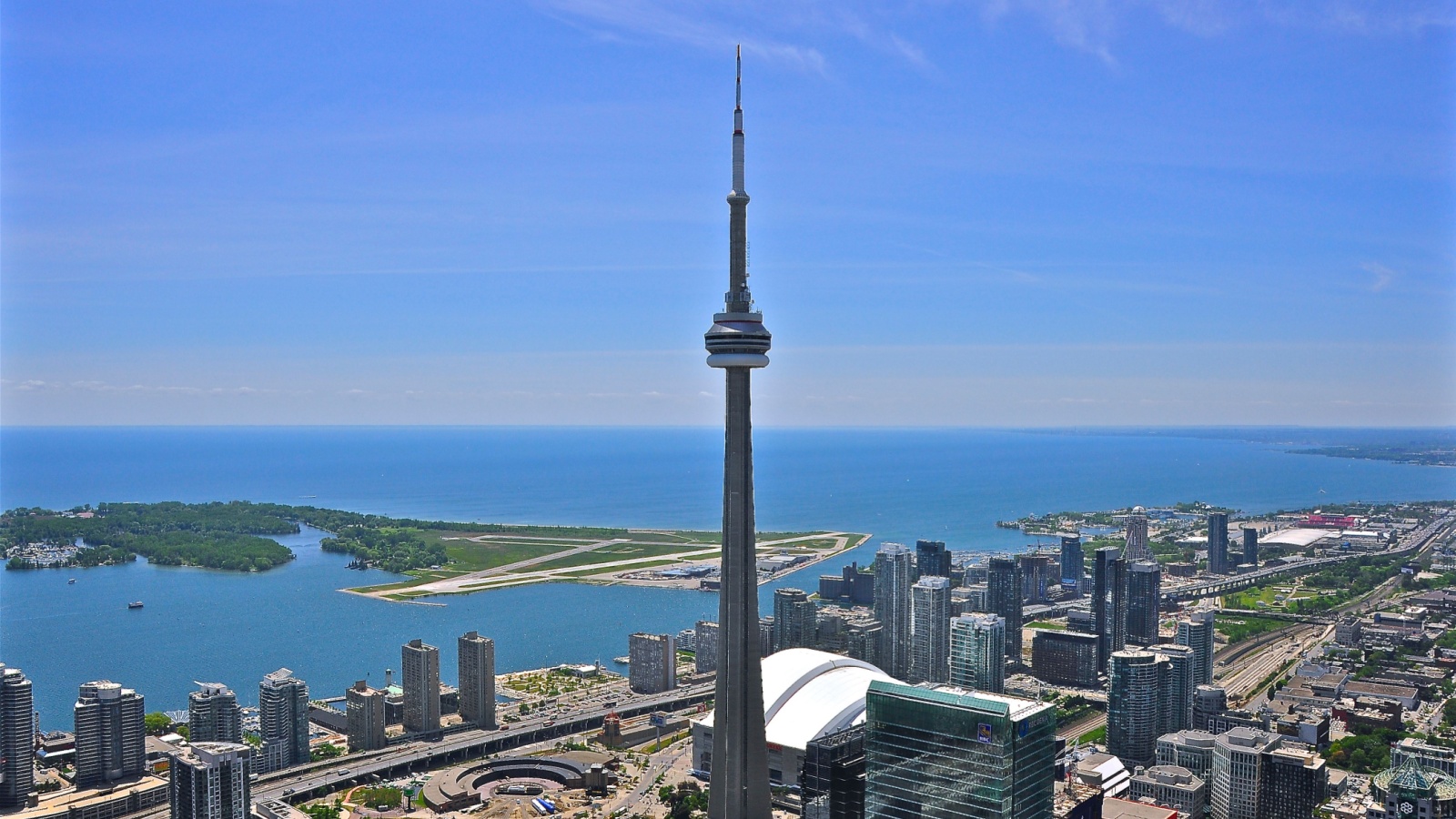
When construction began in 1973, the CN Tower was viewed by many as an unnecessary vanity project. Yet, when completed in 1976, it became the tallest free-standing structure in the world and a defining symbol of Canadian achievement. The tower transformed Toronto’s skyline, attracted millions of tourists, and stood as a global icon of modern engineering. What started as a high-cost gamble became a lasting emblem of national pride and innovation.
Hosting the 2010 Vancouver Winter Olympics

Hosting the Winter Olympics was a financial and logistical risk, but Canada’s investment in Vancouver paid off in global reputation and long-term infrastructure. The Games showcased Canadian hospitality and athletic excellence, producing record medal counts and uniting the nation. Post-Olympic economic growth and sustainable facilities proved that large-scale international events could strengthen tourism and national confidence. The Vancouver Games redefined Canada’s global image as a capable and forward-looking host.
Supporting Early Artificial Intelligence Research in Montreal and Toronto

At a time when artificial intelligence was still a theoretical field, Canada invested in early research and academic talent in Montreal and Toronto. The decision seemed risky due to uncertain commercial returns, but it ultimately positioned Canada as a global AI powerhouse. Today, leading AI labs and global tech firms operate in these cities, driving innovation and investment. The foresight to nurture research over immediate profit has made Canada central to the world’s AI future.
Investing in Clean Energy and Hydroelectric Expansion

Canada’s commitment to renewable energy development, particularly hydroelectric power, was a long-term risk with high upfront costs. Yet this strategy provided the country with one of the cleanest electricity grids in the world. It reduced dependence on fossil fuels, strengthened energy security, and positioned Canada as a global leader in sustainable power generation. What began as an expensive gamble became a foundation for future green energy innovation.
Developing the IMAX Film Technology for Global Use

When Canadian inventors first developed IMAX in the late 1960s, few believed it would compete with established film formats. The bold move to create a revolutionary cinematic experience paid off spectacularly. IMAX became synonymous with large-scale, immersive filmmaking and is now used in theaters around the world. The technology showcased Canada’s creative and technical capabilities, proving that homegrown innovation could dominate global entertainment.
Founding Bombardier and Expanding Aerospace Manufacturing

Bombardier’s evolution from a small snowmobile company to a major aerospace manufacturer was a high-stakes journey. Investing in aircraft production during economic volatility seemed reckless, yet Bombardier succeeded in developing world-class business jets and rail systems. The company’s engineering breakthroughs helped define Canada’s industrial strength and secured a reputation for excellence in transportation innovation. Its calculated risks turned into one of Canada’s most recognized global brands.
Pioneering Peacekeeping Missions Through the United Nations

When Canada first championed UN peacekeeping in the 1950s, it was a novel and uncertain concept. Yet under Lester B. Pearson’s leadership, Canada’s approach to conflict resolution became a global model. Peacekeeping elevated Canada’s international standing and helped stabilize regions in crisis. The nation’s willingness to lead with diplomacy and neutrality proved that soft power could achieve lasting impact. It remains one of Canada’s most respected and enduring global contributions.
Building Confederation Across Diverse Provinces and Cultures
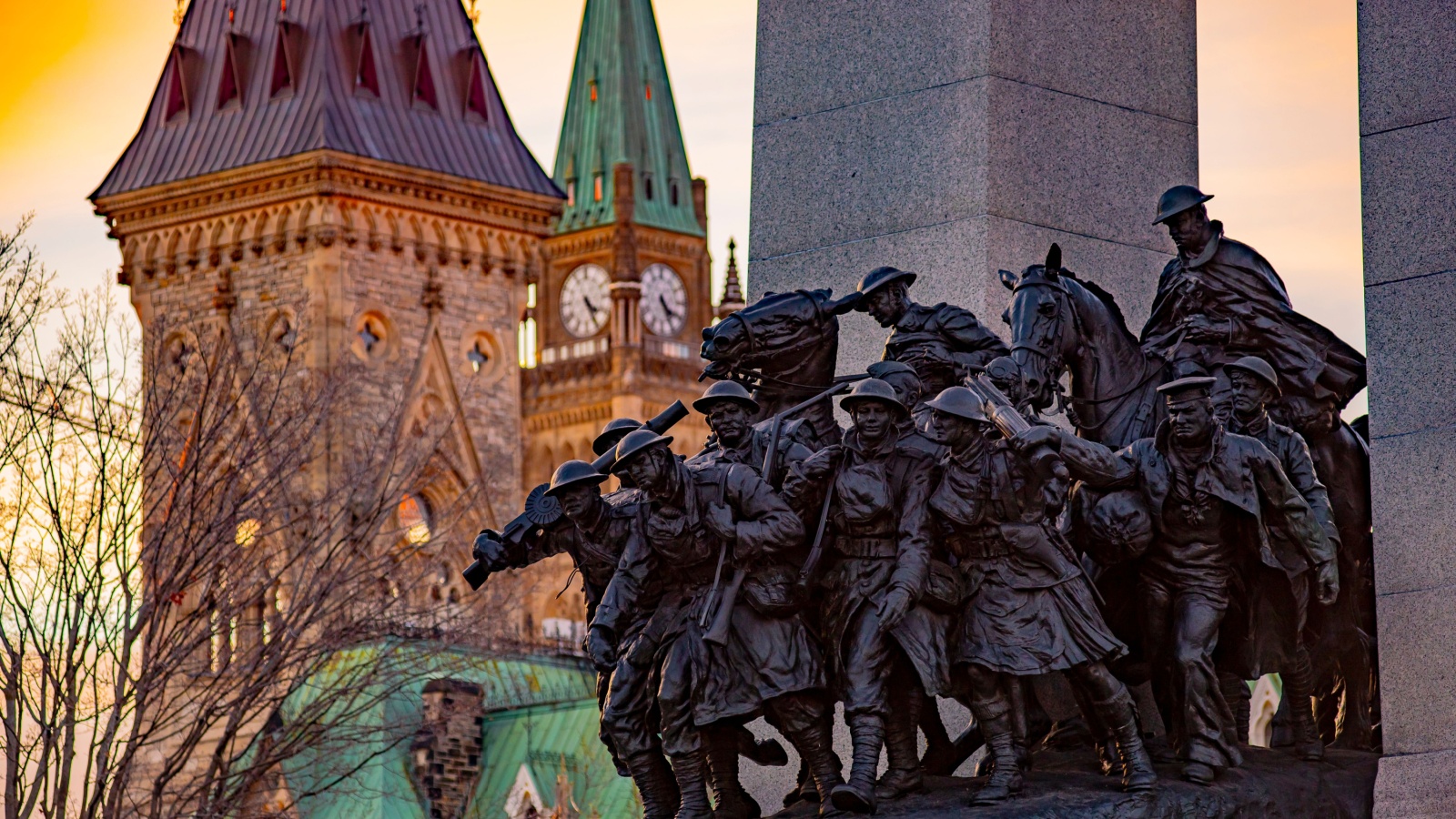
Creating the Canadian Confederation in 1867 was an enormous political gamble. Bringing together provinces with different languages, economies, and priorities required unprecedented compromise and vision. Despite doubts about unity and viability, Confederation succeeded in establishing one of the world’s most stable federal systems. It fostered a sense of shared identity while allowing regional autonomy, proving that diversity could be a foundation for national strength rather than division.
Expanding Bilingualism and Multiculturalism Policies

Canada’s decision to officially embrace bilingualism and multiculturalism was controversial in its early years. Critics feared it would create divisions instead of unity. However, these policies became defining elements of Canadian identity, promoting inclusivity, tolerance, and social cohesion. Today, Canada’s cultural diversity is seen as one of its greatest strengths, enhancing its global reputation as a welcoming and forward-thinking nation. The move turned potential conflict into a model of coexistence.
Investing in Arctic Research and Northern Sovereignty
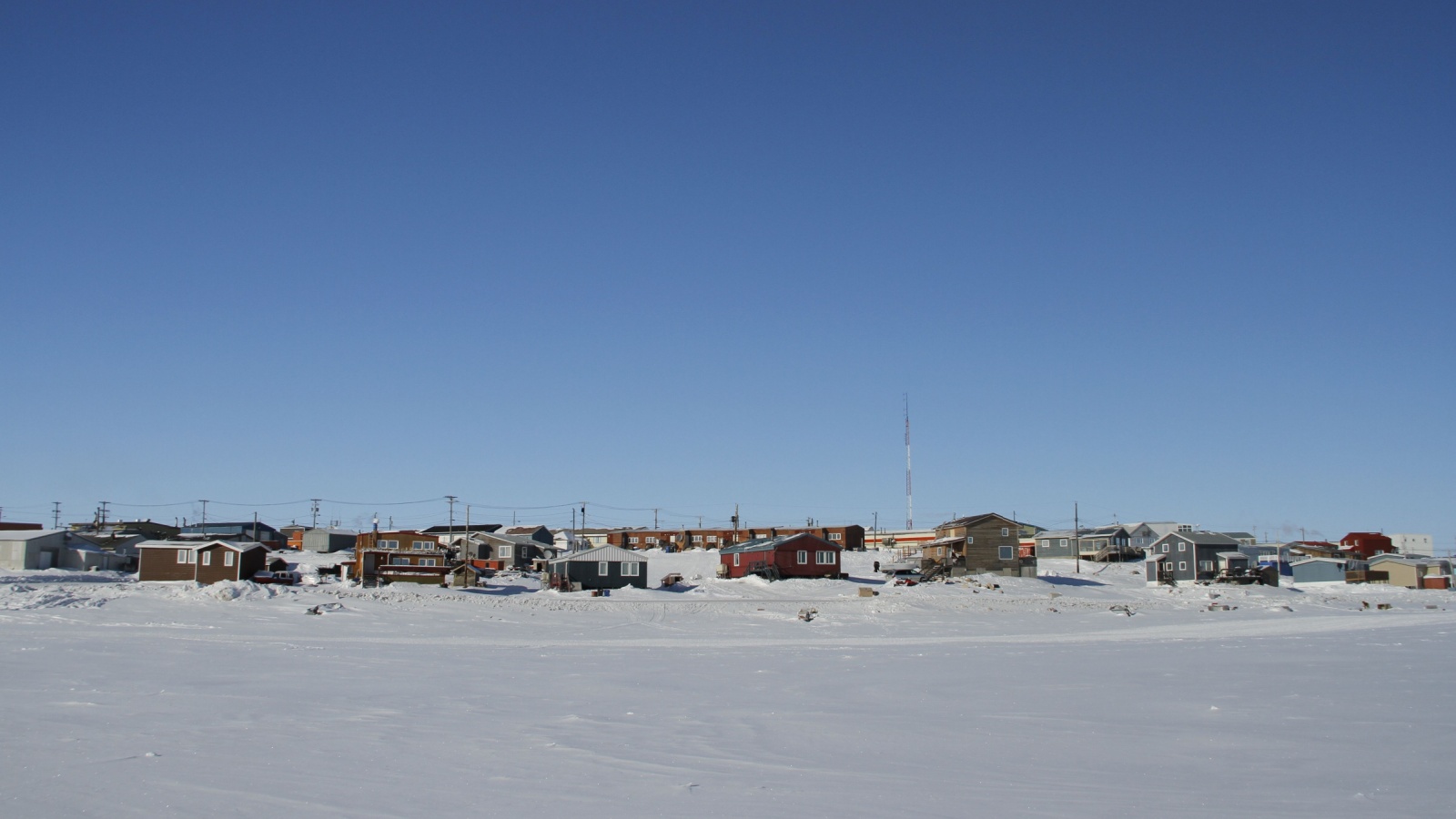
Canada’s investment in Arctic research and sovereignty was initially seen as costly and geographically remote. Yet, as climate change and global interest in the North grew, these early efforts proved crucial. Canada established a strong scientific and strategic presence in the Arctic, safeguarding environmental data and national interests. This commitment strengthened both Canada’s global influence and its ability to lead in polar science and environmental stewardship.
Launching the Montreal Protocol to Protect the Ozone Layer

When Canada led international cooperation on the Montreal Protocol in 1987, it took a major diplomatic risk by pushing for strong environmental regulation. The agreement became one of the most successful global treaties ever signed, reversing ozone depletion and inspiring later climate accords. Canada’s leadership demonstrated that collective environmental action could yield measurable results. The Protocol remains one of the world’s most important environmental successes — and a testament to Canada’s foresight.
Supporting Indigenous Self-Governance Agreements

Encouraging Indigenous self-governance was a politically sensitive move that challenged decades of centralized policy. Canada’s support for self-government agreements marked a shift toward reconciliation and respect for Indigenous rights. Though progress has been gradual, these agreements have empowered Indigenous communities with greater autonomy and participation in governance. The risk of political backlash was outweighed by the long-term benefit of building trust, accountability, and shared prosperity.
Promoting Sustainable Tourism and Environmental Stewardship

Canada’s focus on sustainable tourism — prioritizing conservation over rapid development — initially seemed economically limiting. However, the approach strengthened both the tourism industry and environmental protection efforts. Destinations like Banff, Jasper, and the Maritimes became global examples of responsible tourism. By balancing economic growth with ecological integrity, Canada turned environmental caution into a powerful competitive advantage that continues to attract global admiration.
21 Products Canadians Should Stockpile Before Tariffs Hit

If trade tensions escalate between Canada and the U.S., everyday essentials can suddenly disappear or skyrocket in price. Products like pantry basics and tech must-haves that depend on are deeply tied to cross-border supply chains and are likely to face various kinds of disruptions
21 Products Canadians Should Stockpile Before Tariffs Hit
This Options Discord Chat is The Real Deal
While the internet is scoured with trading chat rooms, many of which even charge upwards of thousands of dollars to join, this smaller options trading discord chatroom is the real deal and actually providing valuable trade setups, education, and community without the noise and spam of the larger more expensive rooms. With a incredibly low-cost monthly fee, Options Trading Club (click here to see their reviews) requires an application to join ensuring that every member is dedicated and serious about taking their trading to the next level. If you are looking for a change in your trading strategies, then click here to apply for a membership.