
35,000+ smart investors are already getting financial news, market signals, and macro shifts in the economy that could impact their money next with our FREE weekly newsletter. Get ahead of what the crowd finds out too late. Click Here to Subscribe for FREE.
Canada’s agricultural sector has long been intertwined with the U.S. market, but in recent years, many Canadian farmers have diversified their exports and built stronger global connections. Rising demand across Asia, Europe, and the Middle East has opened new doors for Canadian crops, seafood, and specialty products. Here are 22 Canadian farmers who found new markets beyond the U.S.
Prairie Grain Producers Exporting to Japan
22 Canadian Farmers Who Found New Markets Beyond the U.S.
- Prairie Grain Producers Exporting to Japan
- Ontario Dairy Farmers Supplying Southeast Asia
- British Columbia Blueberry Growers Selling to India
- Alberta Beef Ranchers Entering European Markets
- Saskatchewan Lentil Farmers Trading with Turkey
- Quebec Maple Syrup Producers Expanding into the Middle East
- Manitoba Canola Farmers Partnering with the EU
- Nova Scotia Apple Growers Supplying the UK
- Canadian Pork Producers Reaching South Korea
- Atlantic Lobster Fishermen Exporting to China
- Ontario Greenhouse Vegetable Growers Selling to Mexico
- Alberta Barley Farmers Supplying Australia’s Breweries
- British Columbia Wine Makers Entering the European Market
- Saskatchewan Pulse Farmers Expanding to Africa
- Quebec Cheese Producers Selling to France and Belgium
- Manitoba Honey Producers Exporting to the UAE
- Ontario Organic Farmers Supplying Singapore
- Alberta Potato Growers Partnering with the Philippines
- BC Cherry Growers Expanding to South Korea and Taiwan
- Newfoundland Seafood Processors Selling to Europe
- Prairie Hemp Farmers Reaching Global Wellness Brands
- Canadian Mushroom Growers Supplying International Restaurants
- 21 Products Canadians Should Stockpile Before Tariffs Hit

Prairie grain farmers in Saskatchewan, Alberta, and Manitoba have successfully expanded exports to Japan, one of Canada’s most consistent agricultural partners. Japan’s demand for high-quality wheat and barley has grown due to its strong food processing and brewing sectors. Canadian producers benefit from trade access through the CPTPP, ensuring low tariffs and reliable shipping routes. With Japan valuing Canada’s strict quality standards and sustainability practices, Prairie grain producers have built long-term contracts that reduce dependence on U.S. markets.
Ontario Dairy Farmers Supplying Southeast Asia

Ontario dairy farmers have tapped into rising demand for milk powder, cheese, and butter across Southeast Asia. Countries such as Malaysia, Vietnam, and Singapore are now key buyers of Canadian dairy products. Canada’s advanced processing facilities and strong food safety regulations make its dairy exports highly competitive. Support from trade missions and agricultural marketing programs has helped farmers develop distribution channels abroad. These new partnerships provide steady growth opportunities and diversify export revenue beyond the U.S.
British Columbia Blueberry Growers Selling to India

British Columbia’s blueberry growers have successfully reached the rapidly expanding Indian market, where rising incomes and health-conscious consumers drive demand for superfoods. Canada’s blueberries are prized for their freshness, quality, and long shelf life. The development of improved cold-chain logistics and trade agreements with India has made year-round exports possible. This expansion allows BC growers to offset seasonal volatility and U.S. import restrictions, securing stronger returns and a more stable international customer base.
Alberta Beef Ranchers Entering European Markets
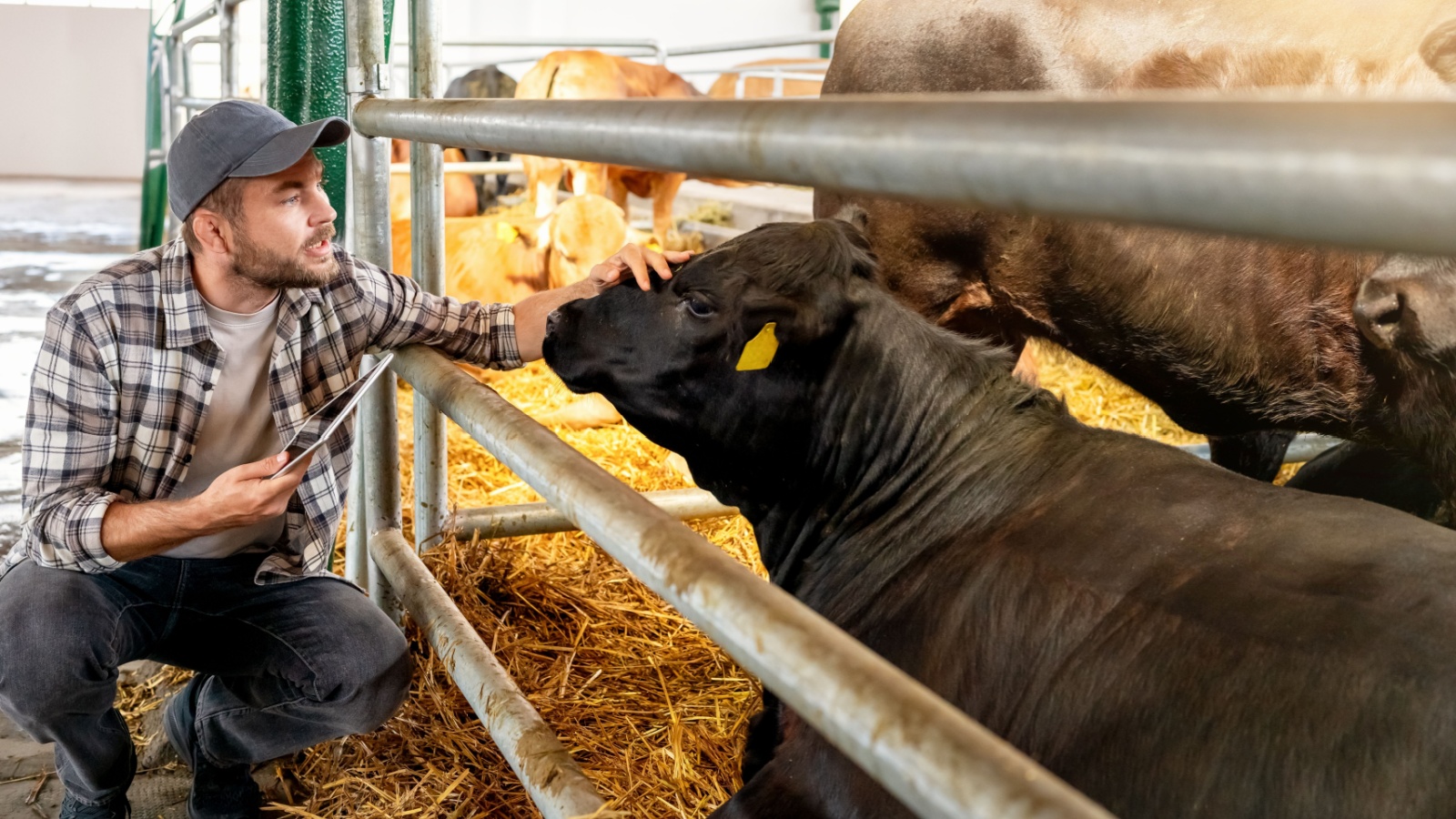
Alberta beef ranchers have gained access to premium European markets thanks to Canada’s CETA trade agreement with the European Union. The EU values Canada’s high-quality, hormone-free beef, allowing producers to sell at competitive prices to countries like Germany, France, and the Netherlands. Investments in traceability systems and sustainable farming have further strengthened the sector’s reputation. These international connections reduce reliance on U.S. buyers and position Canadian beef as a trusted global brand.
Saskatchewan Lentil Farmers Trading with Turkey
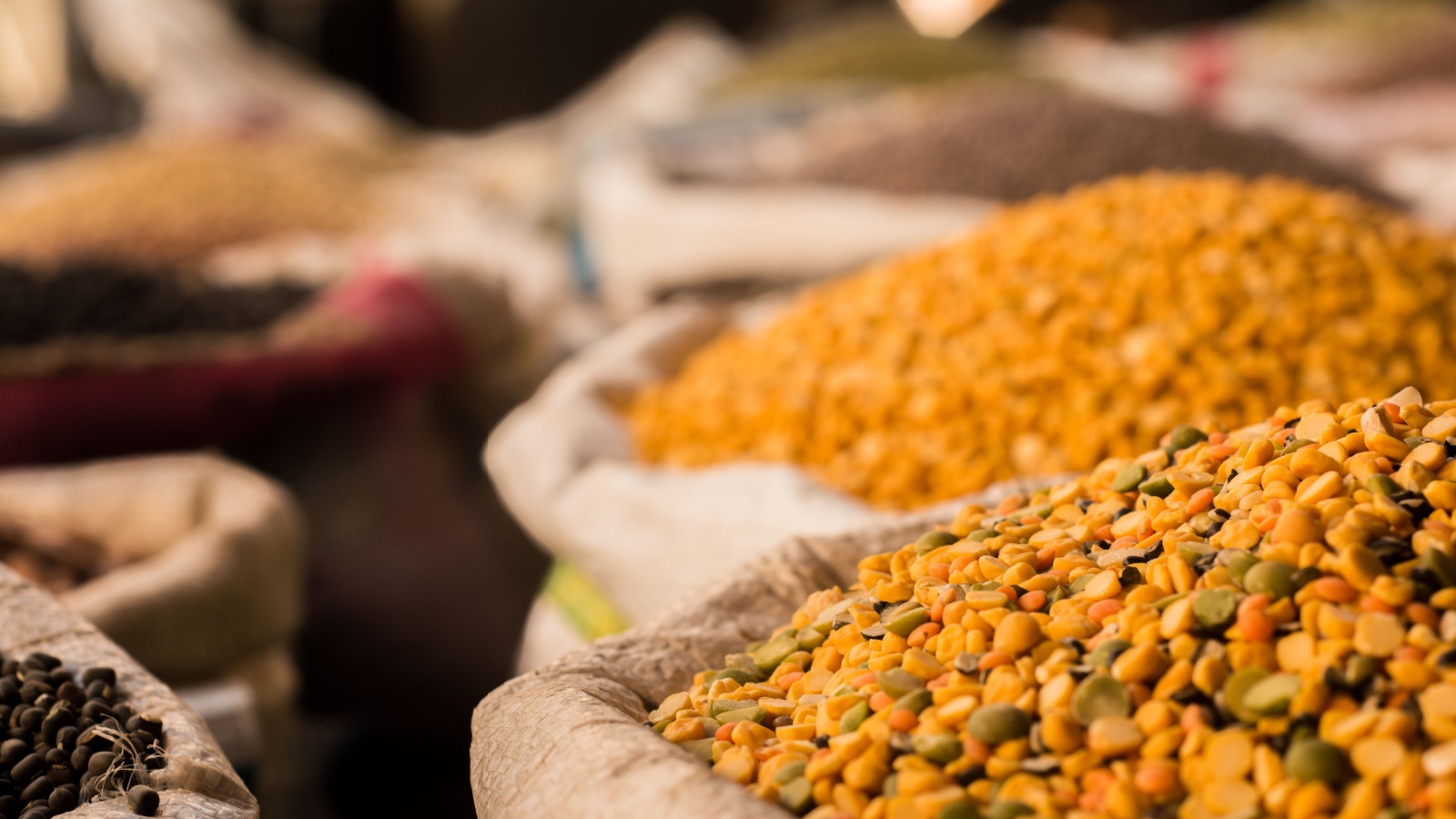
Saskatchewan’s lentil producers have built a strong trade relationship with Turkey, one of the world’s largest consumers of pulses. Turkey’s food industry and export processing plants rely on high-protein lentils sourced from Canada. Saskatchewan’s climate and advanced farming techniques ensure consistent, large-scale production that meets Turkish quality standards. This dependable partnership not only stabilizes prices for Canadian farmers but also strengthens Canada’s reputation as a global leader in sustainable pulse exports.
Quebec Maple Syrup Producers Expanding into the Middle East

Quebec’s maple syrup industry, known for producing over 70% of the world’s supply, has found lucrative new markets across the Middle East. Countries such as the UAE and Saudi Arabia have seen growing demand for natural sweeteners and premium food products. Exporters have benefited from strong branding and Canada’s reputation for purity and authenticity. By developing distribution partnerships and online retail presence, Quebec’s syrup producers have expanded far beyond traditional North American buyers.
Manitoba Canola Farmers Partnering with the EU

Manitoba’s canola farmers have secured new opportunities in the European Union, particularly in countries transitioning to biofuels and plant-based food production. Through CETA, tariffs on Canadian canola oil and meal have been reduced or eliminated, creating competitive access to European processors. The demand for sustainable vegetable oils continues to grow, positioning Manitoba’s farmers as reliable suppliers. This shift toward European partnerships enhances market diversity and strengthens Canada’s agricultural trade resilience.
Nova Scotia Apple Growers Supplying the UK

Nova Scotia’s apple growers have revitalized their export business by targeting the United Kingdom, where demand for fresh, high-quality fruit remains strong. Using cold storage and improved shipping logistics, Canadian apples reach UK supermarkets in peak condition. Canada’s longstanding agricultural trade relationship with Britain underpins this renewed partnership. As consumer preferences move toward sustainably grown produce, Nova Scotia farmers benefit from both higher prices and consistent demand outside the U.S. market.
Canadian Pork Producers Reaching South Korea

Canadian pork producers have made major inroads into South Korea, one of Asia’s fastest-growing markets for high-quality meat. South Korea’s preference for lean, safe, and traceable pork aligns with Canada’s strict food safety and quality standards. Through the Canada–Korea Free Trade Agreement, tariffs have been gradually reduced, making Canadian pork more competitive. Producers in Quebec, Ontario, and Manitoba have benefited most, diversifying their customer base while maintaining stable prices independent of U.S. market fluctuations.
Atlantic Lobster Fishermen Exporting to China

Atlantic Canada’s lobster industry has transformed by building direct export relationships with China. Rising middle-class incomes and luxury dining trends have made live Canadian lobsters a prized delicacy across major Chinese cities. Through improved air freight logistics and government-backed marketing efforts, exporters have achieved record shipments in recent years. This demand provides reliable income for coastal communities and ensures the lobster industry’s resilience against shifts in U.S. seafood import policies.
Ontario Greenhouse Vegetable Growers Selling to Mexico

Ontario’s greenhouse vegetable growers have expanded into the Mexican market, taking advantage of seasonal gaps and growing demand for high-quality produce. Products such as bell peppers, cucumbers, and tomatoes are exported during months when the local Mexican supply is low. The consistent quality and safety standards of Canadian produce appeal to both Mexican retailers and consumers. These trade ties have turned Ontario’s greenhouse sector into a year-round operation with a broader global reach beyond the U.S. market.
Alberta Barley Farmers Supplying Australia’s Breweries

In an unexpected shift, Alberta’s barley producers are now exporting to Australia’s brewing industry, which values Canadian grain for its unique malting characteristics. Weather-related crop shortages in Australia have opened opportunities for Canadian exporters to fill the gap. These shipments strengthen ties between two major agricultural nations and demonstrate Canada’s adaptability in global trade. The Alberta barley industry has effectively reduced its reliance on North American buyers by capitalizing on global market shortages.
British Columbia Wine Makers Entering the European Market

British Columbia’s wine producers, particularly from the Okanagan Valley, have started exporting to select European countries such as Germany, the Netherlands, and the UK. The region’s premium wines, made from cool-climate grapes, are gaining recognition for their quality and distinct character. Supported by trade events and tourism partnerships, BC wineries are finding a niche audience among European sommeliers and wine retailers. This diversification enhances long-term growth and reduces dependence on domestic and U.S. wine consumers.
Saskatchewan Pulse Farmers Expanding to Africa
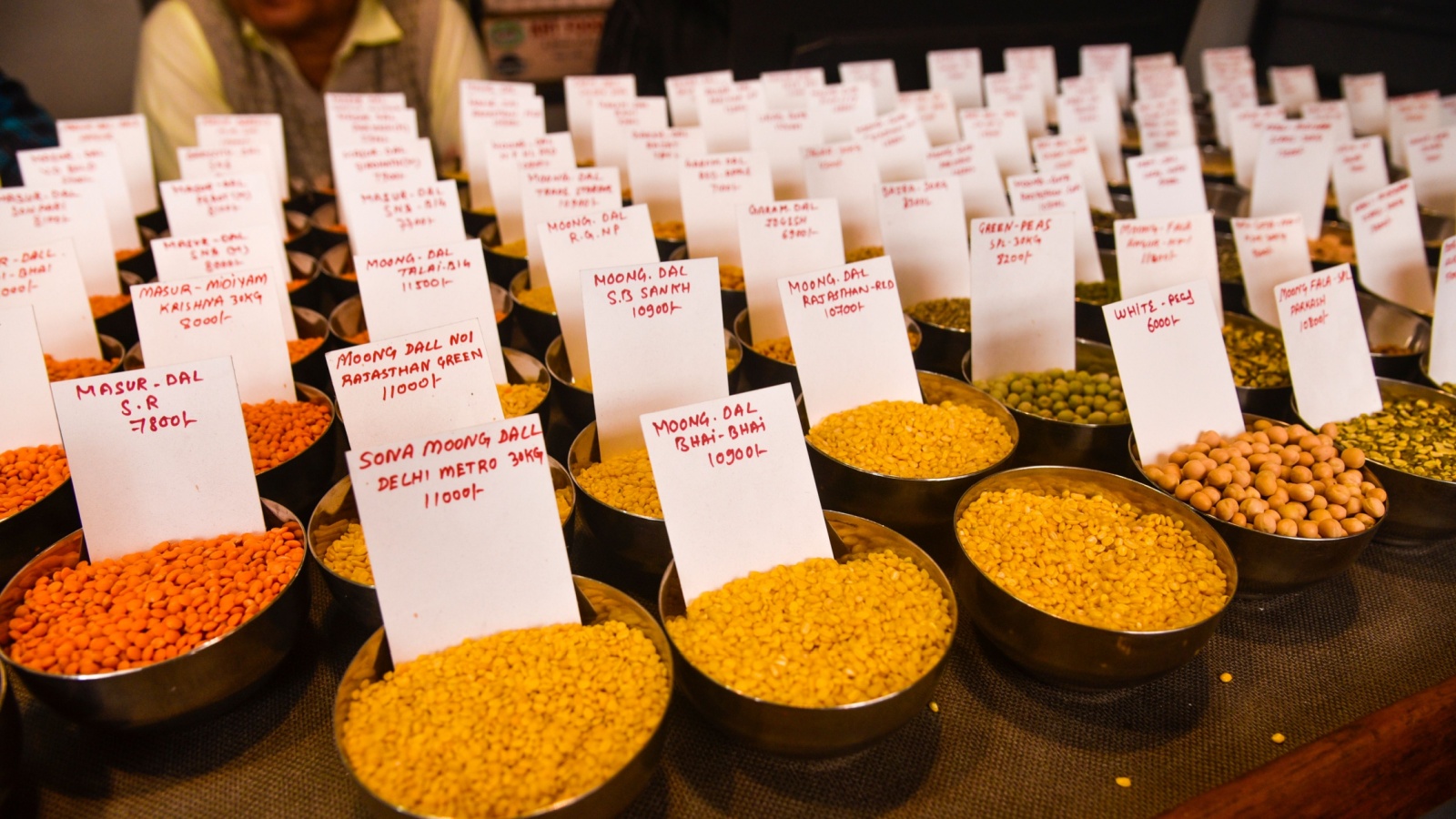
Saskatchewan’s pulse industry has successfully grown exports to African nations, including Egypt, Kenya, and Ethiopia. These countries rely on lentils, chickpeas, and peas as key dietary staples. Canada’s high yield and advanced sorting systems ensure consistent quality, making it a preferred supplier. With food security becoming a priority across Africa, Canadian pulse exports are vital for both humanitarian and commercial markets. This diversification has strengthened the province’s agricultural export base beyond traditional Western buyers.
Quebec Cheese Producers Selling to France and Belgium

Quebec’s artisanal cheese makers have entered the European market, particularly France and Belgium, through trade advantages provided by CETA. These countries, known for their deep cheese traditions, have embraced select Canadian varieties for their quality and innovation. Quebec producers have leveraged Canada’s strict dairy standards to position their products as premium imports. This success not only expands export potential but also reinforces Canada’s growing reputation as a producer of world-class specialty cheeses.
Manitoba Honey Producers Exporting to the UAE

Manitoba’s honey producers have found new prosperity by exporting to the United Arab Emirates, where demand for natural and organic sweeteners is on the rise. Canadian honey is prized for its purity, traceability, and mild flavor. The UAE’s growing health-conscious consumer base has created a steady market for bulk and branded honey imports. These trade developments have provided rural Manitoba beekeepers with consistent income and long-term export security beyond North America.
Ontario Organic Farmers Supplying Singapore

Ontario’s organic farmers have secured new export deals with Singapore, a nation that values food safety, sustainability, and premium produce. Products such as grains, fruits, and specialty health foods have gained traction among Singaporean retailers and restaurants. The partnership is supported by Canada’s reputation for rigorous agricultural standards and reliable logistics. For Ontario’s organic sector, Singapore represents not only a profitable market but also a strategic gateway to broader Southeast Asian trade expansion.
Alberta Potato Growers Partnering with the Philippines

Alberta’s potato industry has established a strong export partnership with the Philippines, where demand for high-quality frozen and processed potatoes is rising. Canadian potatoes are valued for their consistency, freshness, and adherence to international food safety standards. The partnership was supported by agricultural trade missions and growing demand from the Philippines’ fast-food and snack industries. These exports help Alberta farmers diversify beyond U.S. buyers while stabilizing prices through long-term supply contracts.
BC Cherry Growers Expanding to South Korea and Taiwan
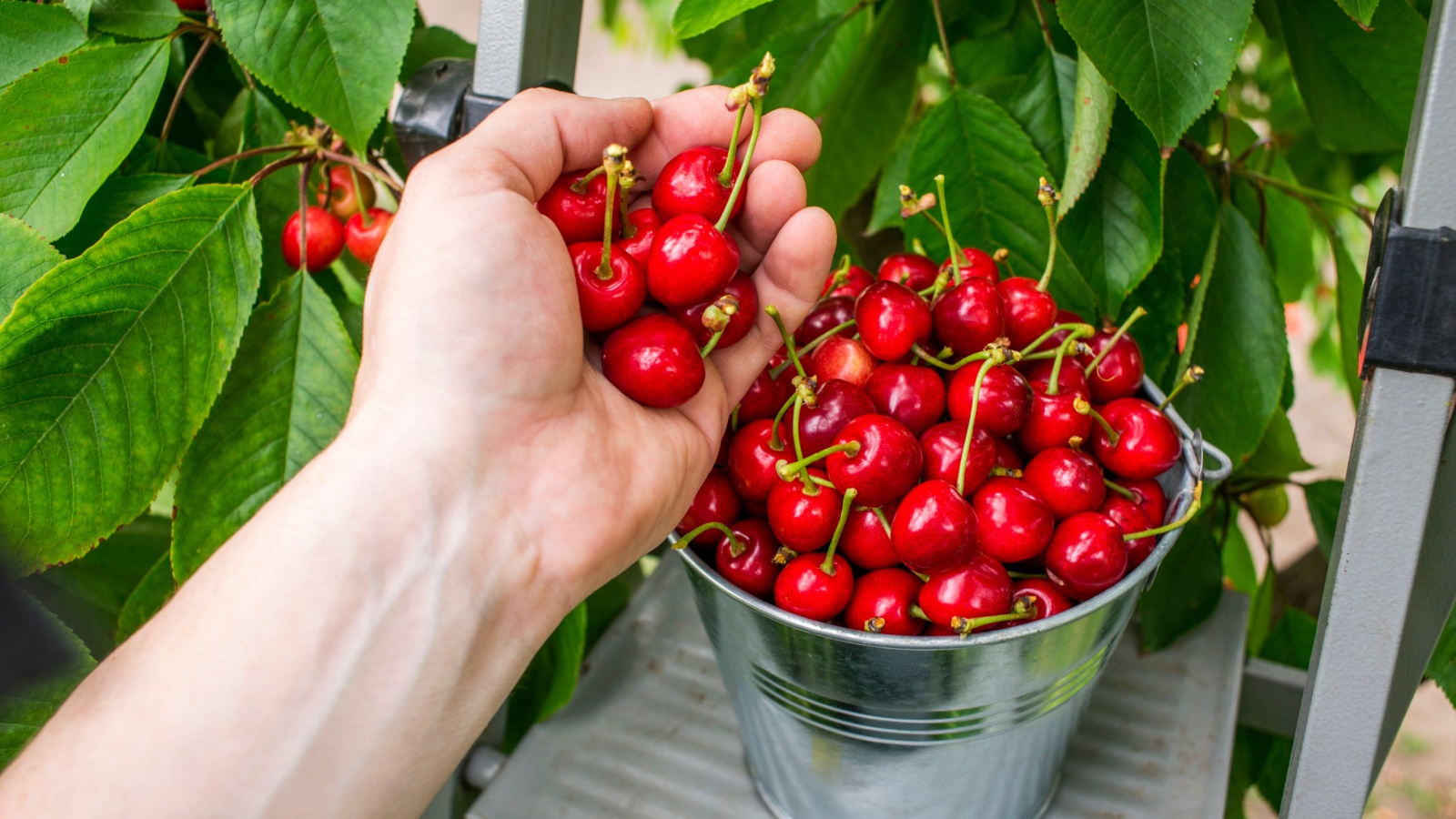
British Columbia’s cherry growers, especially those in the Okanagan Valley, have achieved remarkable success in South Korea and Taiwan. These markets prize Canadian cherries for their large size, sweetness, and impeccable quality. Improved cold-chain logistics and phytosanitary agreements have allowed BC exporters to ship fresh cherries within days of harvest. The result is a lucrative niche market that provides stable revenue even when U.S. exports face trade fluctuations or oversupply.
Newfoundland Seafood Processors Selling to Europe
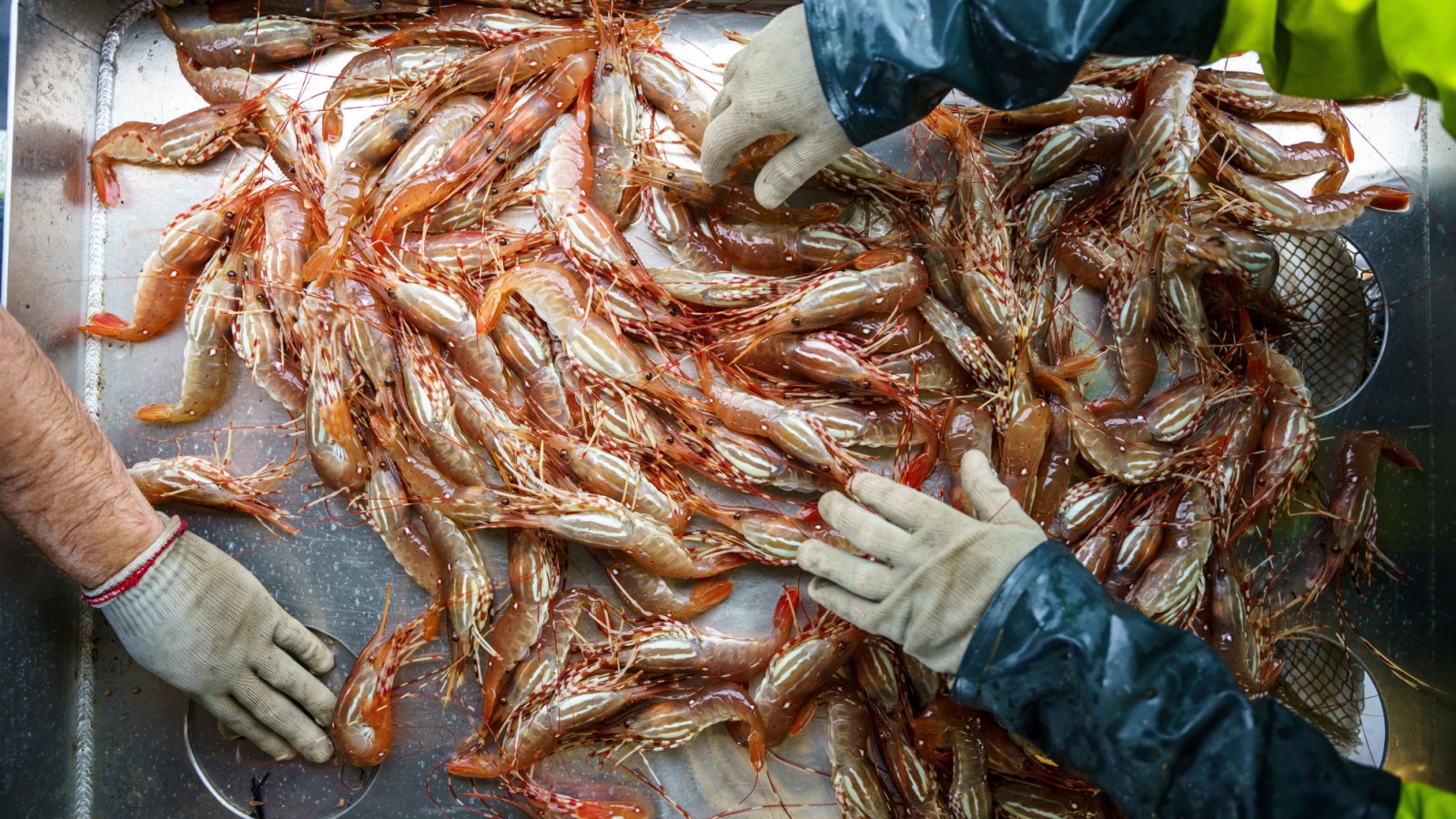
Newfoundland’s seafood processors have expanded exports to European countries such as Spain, Italy, and Portugal under CETA. Products like snow crab, shrimp, and cod have gained recognition for their sustainability and premium taste. The European market’s emphasis on traceable, responsibly sourced seafood aligns well with Newfoundland’s fishing practices. This expansion has revitalized coastal economies while reducing dependence on U.S. seafood buyers, who once dominated the export landscape.
Prairie Hemp Farmers Reaching Global Wellness Brands

Hemp farmers across the Prairies are now exporting to global wellness and health-product companies in Europe and Asia. Canada’s leadership in hemp regulation and quality control has positioned it as a top supplier of seeds, oils, and protein powders. As demand for plant-based and sustainable ingredients rises, Canadian hemp exporters have built partnerships with major international brands. These opportunities have helped stabilize income and reduce reliance on fluctuating North American demand.
Canadian Mushroom Growers Supplying International Restaurants

Canadian mushroom growers have expanded their reach to international restaurant chains and gourmet distributors in Asia and Europe. Demand for fresh, organic, and specialty mushrooms—such as shiitake, oyster, and lion’s mane—has surged among global culinary professionals. Leveraging Canada’s advanced indoor farming techniques, producers maintain a consistent year-round supply and quality. This diversification allows Canadian mushroom farms to flourish, even when domestic or U.S. markets experience downturns.
21 Products Canadians Should Stockpile Before Tariffs Hit

If trade tensions escalate between Canada and the U.S., everyday essentials can suddenly disappear or skyrocket in price. Products like pantry basics and tech must-haves that depend on are deeply tied to cross-border supply chains and are likely to face various kinds of disruptions
21 Products Canadians Should Stockpile Before Tariffs Hit
This Options Discord Chat is The Real Deal
While the internet is scoured with trading chat rooms, many of which even charge upwards of thousands of dollars to join, this smaller options trading discord chatroom is the real deal and actually providing valuable trade setups, education, and community without the noise and spam of the larger more expensive rooms. With a incredibly low-cost monthly fee, Options Trading Club (click here to see their reviews) requires an application to join ensuring that every member is dedicated and serious about taking their trading to the next level. If you are looking for a change in your trading strategies, then click here to apply for a membership.