
35,000+ smart investors are already getting financial news, market signals, and macro shifts in the economy that could impact their money next with our FREE weekly newsletter. Get ahead of what the crowd finds out too late. Click Here to Subscribe for FREE.
Money advice is loud these days. Social feeds push quick wins, hot takes, and overnight millionaires. Most people just want calm guidance that works in real life. Canadians face rising housing costs, student debt, and confusing investment choices. A good book can cut through the noise. The titles below skip hype and stick to habits, behaviour, and long-term thinking. They are widely recommended by readers, planners, and everyday earners. No coins with rocket emojis required. Here are 22 personal finance books Canadians swear changed their life (no crypto bros).
The Wealthy Barber by David Chilton
22 Personal Finance Books Canadians Swear Changed Their Life (No Crypto Bros)
- The Wealthy Barber by David Chilton
- The Psychology of Money by Morgan Housel
- Millionaire Teacher by Andrew Hallam
- The Value of Simple by John Robertson
- Your Money or Your Life by Vicki Robin and Joe Dominguez
- I Will Teach You to Be Rich by Ramit Sethi
- The Total Money Makeover by Dave Ramsey
- Rich Dad Poor Dad by Robert Kiyosaki
- The Automatic Millionaire by David Bach
- Quit Like a Millionaire by Kristy Shen and Bryce Leung
- The Millionaire Next Door by Thomas J. Stanley and William D. Danko
- The Richest Man in Babylon by George S. Clason
- The Little Book of Common-Sense Investing by John C. Bogle
- Die with Zero by Bill Perkins
- The Barefoot Investor by Scott Pape
- The Latte Factor by David Bach and John David Mann
- The Behavior Gap by Carl Richards
- Broke Millennial by Erin Lowry
- The Simple Path to Wealth by JL Collins
- Wealthing Like Rabbits by Robert R. Brown
- The Opposite of Spoiled by Ron Lieber
- The Wealthy Renter by Alex Avery

This Canadian classic still shows up on recommended lists. David Chilton explains money through simple stories set in a small town. He covers budgeting, insurance, investing, and retirement basics. The advice reflects Canadian systems like RRSPs and TFSAs. Readers like the plain language and practical tone. The book does not assume you love spreadsheets. It focuses on paying yourself first and staying consistent. Many Canadians say it was their first real lesson in money. It feels dated in spots, yet the core habits still apply. Start early. Spend less than you earn. Invest regularly. Repeat for decades.
The Psychology of Money by Morgan Housel

Morgan Housel writes about behavior instead of stock tips. He argues that financial success depends on patience and self-control. The stories are short and easy to follow. Canadians often connect with the focus on long horizons. The book explains why reasonable decisions beat flashy ones. It also shows how luck and risk shape outcomes. Readers say it changed how they think about saving and investing. The tone is calm, not preachy. You finish with fewer urges to chase trends. That alone can protect your portfolio from expensive mistakes over time.
Millionaire Teacher by Andrew Hallam

Andrew Hallam built wealth as a school teacher. He did it through low-cost index investing. The book breaks down fees and how they eat returns. Canadians appreciate discussions of mutual fund costs. Hallam compares expensive funds with simple ETFs. The math is clear and direct. He also shares stories from his own journey. Readers often say this book pushed them to check their statements. Many switched to lower-fee investments after reading it. The message is steady and practical. Keep costs low. Stay diversified. Let time do the heavy lifting.
The Value of Simple by John Robertson

John Robertson focuses on Canadian investors who feel overwhelmed. He explains how to build a simple ETF portfolio. The book walks through account types and asset allocation. It also addresses risk tolerance in plain terms. Canadians like that it speaks directly to local rules. There is no stock picking pressure. The advice supports steady investing and ignoring noise. Readers say it reduced their anxiety around investing. The book feels like guidance from a patient friend. It does not promise huge returns. It promises clarity and a plan you can follow for years.
Your Money or Your Life by Vicki Robin and Joe Dominguez

This book links money with time and values. It asks readers to track every dollar they spend. The goal is awareness, not guilt. Canadians often find the life energy concept eye-opening. The book encourages financial independence through mindful spending. It does not focus on luxury or status. Readers say it changed how they see work and consumption. The tone is thoughtful and grounded. You are invited to define enough for yourself. That shift alone can reshape savings habits. Many people report spending less without feeling deprived.
I Will Teach You to Be Rich by Ramit Sethi

Despite the bold title, the book is practical. Ramit Sethi talks about automation and conscious spending. He suggests cutting costs on things you do not value. Then spend freely on what matters to you. Canadians adapt the systems to local banks and accounts. The steps include setting up savings and investment transfers. Readers like the focus on action over theory. The tone is direct and sometimes blunt. Still, the advice is grounded in basic financial habits. Automate bills. Avoid high-interest debt. Invest regularly. Repeat without overthinking every market headline.
The Total Money Makeover by Dave Ramsey

Dave Ramsey promotes a debt-free approach. His baby steps outline a clear path. Build a small emergency fund. Pay off debt using the snowball method. Then invest for retirement. Canadians may not follow every detail. Still, the structure appeals to many households. The book is strict about avoiding consumer debt. Readers say it helped them feel in control again. The advice can feel rigid, yet it suits people who need guardrails. For families buried in credit cards, the plan offers momentum and visible progress.
Rich Dad Poor Dad by Robert Kiyosaki
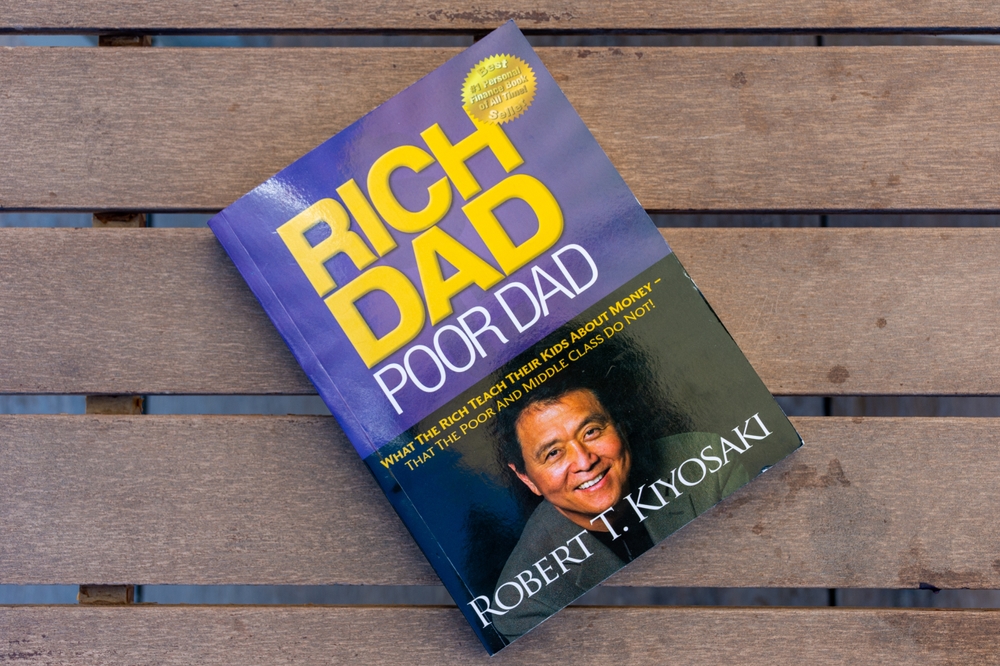
This book sparks debate, yet it remains popular. Robert Kiyosaki focuses on assets and liabilities. He encourages readers to think like owners. Canadians often take the mindset lessons rather than the specifics. The stories push people to question traditional career paths. Some claims lack detail, which critics point out. Still, many readers say it shifted how they view money. The book highlights cash flow and financial education. It can motivate action, though it should be read with a critical eye. Treat it as a starting point, not a blueprint.
The Automatic Millionaire by David Bach

David Bach argues that small habits add up. He promotes automatic savings and investment plans. Canadians can apply this through payroll deductions. The book stresses paying yourself first. It also discusses home ownership and long-term growth. Readers often say the automation idea changed everything. Once transfers run in the background, progress feels steady. The advice avoids complicated strategies. You focus on consistency instead of market timing. Over decades, that approach can compound into real wealth. The book remains accessible for beginners.
Quit Like a Millionaire by Kristy Shen and Bryce Leung

Written by a Canadian couple, this book speaks to local readers. Kristy Shen and Bryce Leung describe reaching financial independence early. They use index funds and geographic flexibility. The tone is candid about career burnout. Canadians relate to the discussion of high housing costs. The authors question traditional milestones. Readers say it broadened their sense of options. The math behind investing is explained clearly. The lifestyle choices may not suit everyone. Still, the book challenges assumptions about retirement age and work. That conversation alone can shift long-term planning.
The Millionaire Next Door by Thomas J. Stanley and William D. Danko

This research-based book studies real millionaires. The authors found that many lived modestly. They drove average cars and saved consistently. Canadians often find the findings reassuring. Wealth does not require flashy spending. The book highlights discipline and budgeting. It also stresses choosing the right spouse and career. Some data feels dated, yet the patterns remain relevant. Readers say it changed their view of status symbols. Quiet wealth often grows out of steady habits. The message encourages patience over performance.
The Richest Man in Babylon by George S. Clason

This short book uses parables set in ancient times. The lessons are basic and direct. Save a portion of every income. Avoid risky schemes. Seek advice from knowledgeable people. Canadians often gift this book to teens. The language is old-fashioned, yet the ideas are simple. Readers appreciate the storytelling format. It makes money concepts feel less intimidating. The advice supports steady saving and careful investing. Even in modern markets, the principles hold up. Spend wisely. Guard your savings. Build wealth slowly.
The Little Book of Common-Sense Investing by John C. Bogle

John Bogle founded Vanguard. He argues for broad index funds. The book explains why most active managers lag the market. Canadians can apply the ideas using local ETFs. The message centers on low fees and diversification. The writing is direct and grounded in data. Readers often say it simplified their portfolios. Instead of chasing performance, they buy the whole market. The book does not promise excitement. It promises a disciplined process. Over time, that process can reduce stress and improve outcomes.
Die with Zero by Bill Perkins

Bill Perkins challenges the idea of hoarding wealth. He suggests planning experiences across life stages. Canadians often read it alongside traditional retirement guides. The book argues that money should serve your life. It discusses health, time, and memory dividends. Some readers disagree with the tone. Others find it refreshing. The core idea is balance. Save responsibly, yet avoid delaying all joy. The book pushes readers to think about timing. That perspective can reshape spending and retirement decisions.
The Barefoot Investor by Scott Pape

Though written for Australians, the lessons travel well. Scott Pape uses simple bucket systems for money. Canadians can adapt the structure to local accounts. The tone is straightforward and practical. The book covers debt, investing, and relationships. Readers like the checklists and steps. It feels manageable for beginners. The advice avoids complex jargon. Many say it helped them organize finances quickly. Small changes create structure. Structure supports better decisions. Over time, that foundation can reduce financial stress.
The Latte Factor by David Bach and John David Mann

This short book uses a story format. It focuses on small daily spending. The message centers on redirecting money toward investing. Canadians often debate the coffee example. Still, the underlying math matters. Consistent investing can grow significantly. The book encourages automation and long-term thinking. Readers say it helped them see opportunity cost. The story style makes it easy to finish. It may not suit advanced investors. For beginners, it can spark the first savings habit.
The Behavior Gap by Carl Richards

Carl Richards explains why investors hurt their own returns. He discusses emotional decisions and market timing. Canadians recognize the fear of missing out. The book uses sketches and simple language. It shows how panic selling damages progress. Readers often say it helped them stay invested. The advice supports creating a written plan. Then follow it through market swings. The tone is reflective rather than technical. That makes it accessible for everyday investors. Behavior, not brilliance, drives many outcomes.
Broke Millennial by Erin Lowry

Erin Lowry writes for younger readers. She addresses debt, budgeting, and relationships. Canadians relate to student loans and rising rent. The book avoids jargon and speaks plainly. It covers conversations about money with partners. Readers say it reduced shame around financial mistakes. The advice feels realistic for early careers. It does not assume high incomes. Instead, it builds from basic habits. That steady approach can shape long-term stability.
The Simple Path to Wealth by JL Collins

JL Collins advocates for simple index investing. He focuses on financial independence. Canadians can adapt the principles using local funds. The book discusses stock market basics clearly. It also covers debt and savings rates. Readers appreciate the straightforward tone. The message repeats one theme. Keep investing simply. Avoid unnecessary complexity. Over the decades, the market has tended to grow. Patience supports that growth. Many readers say it gave them confidence to start.
Wealthing Like Rabbits by Robert R. Brown

This Canadian book uses humor and plain talk. Robert Brown explains compounding and debt. The examples reflect Canadian life. Readers often say it made money less intimidating. The tone is casual without being careless. It covers mortgages, credit cards, and investing basics. The book does not chase trends. It supports steady habits. Canadians appreciate the local references. That familiarity can make the lessons stick.
The Opposite of Spoiled by Ron Lieber

Ron Lieber writes about teaching kids money skills. Canadians read it as parents and educators. The book focuses on values and conversations. It encourages transparency about family finances. Readers say it changed how they discuss allowance. The advice links generosity with budgeting. It also addresses consumer pressure. The tone is thoughtful and practical. Teaching kids early can shape lifelong habits. That impact reaches beyond one generation.
The Wealthy Renter by Alex Avery

Alex Avery questions the idea that owning is always better. The book compares renting and investing. Canadians facing high housing prices find it timely. It breaks down costs beyond the mortgage payment. Readers say it offered relief from social pressure. The analysis uses Canadian data and examples. It does not push one path for everyone. Instead, it encourages running the numbers. For some, renting and investing may build more flexibility. That perspective can reshape big life decisions.
This Options Discord Chat is The Real Deal
While the internet is scoured with trading chat rooms, many of which even charge upwards of thousands of dollars to join, this smaller options trading discord chatroom is the real deal and actually providing valuable trade setups, education, and community without the noise and spam of the larger more expensive rooms. With a incredibly low-cost monthly fee, Options Trading Club (click here to see their reviews) requires an application to join ensuring that every member is dedicated and serious about taking their trading to the next level. If you are looking for a change in your trading strategies, then click here to apply for a membership.