
35,000+ smart investors are already getting financial news, market signals, and macro shifts in the economy that could impact their money next with our FREE weekly newsletter. Get ahead of what the crowd finds out too late. Click Here to Subscribe for FREE.
War-related events often create sudden shifts in global markets. These changes quickly affect Canadian investors through price movements and uncertainty. News updates can trigger strong reactions, which lead to rushed financial decisions. Acting on fear often disrupts long-term investment plans. Market swings may feel intense, yet they are part of broader economic cycles. Staying calm during such periods helps in protecting financial goals. A structured approach supports steady decision-making even when conditions feel unstable. Here are 17 calm investing rules Canadians can follow during war-driven market swings.
Stay Focused on Long-Term Financial Goals
17 Calm Investing Rules Canadians Can Follow During War-Driven Market Swings
- Stay Focused on Long-Term Financial Goals
- Avoid Reacting to Daily War Headlines
- Maintain a Diversified Investment Portfolio
- Continue Regular Investment Contributions
- Review Risk Tolerance Before Making Changes
- Keep Emergency Funds Separate from Investments
- Limit Portfolio Checks to Fixed Intervals
- Avoid Panic Selling During Market Drops
- Do Not Chase Sudden Market Rallies
- Rebalance Portfolio Gradually, Not Quickly
- Stick to a Pre-Planned Investment Strategy
- Avoid High-Risk Speculative Trades
- Focus on Asset Allocation, Not Market Noise
- Use Professional Advice When Needed
- Understand Currency Impact on Investments
- Keep Debt Levels Under Control
- Stay Patient and Give Investments Time
- 19 Things Canadians Don’t Realize the CRA Can See About Their Online Income

When markets react to war-related news, short-term movements can feel overwhelming. Many Canadians shift attention away from their original financial goals. This often leads to decisions that do not support long-term plans. Investments are usually made for future needs such as retirement or education. Temporary market swings should not change those objectives. Reviewing goals regularly helps maintain direction. Keeping a written plan also adds clarity during uncertain periods. Staying focused reduces the impact of daily market noise. Long-term thinking supports better financial outcomes. Avoiding short-term reactions helps maintain consistency and keeps investments aligned with planned goals over time.
Avoid Reacting to Daily War Headlines

War headlines often change rapidly and create strong emotional responses. Canadians may feel the need to act after reading daily updates. However, markets often adjust quickly to available information. Reacting to each headline leads to frequent buying and selling. This increases costs and reduces potential gains. Not every update requires action. Following a consistent plan works better than reacting to news. Limiting exposure to constant updates also helps reduce stress. Checking reliable sources at set intervals provides balanced information. Staying calm and avoiding impulsive reactions supports better investment decisions during uncertain times.
Maintain a Diversified Investment Portfolio

Diversification helps manage risk during uncertain market conditions. Canadians who spread investments across different assets reduce the impact of sudden changes. War-driven events may affect some sectors more than others. A diversified portfolio balances these effects. Keeping investments in various industries, regions, and asset types supports stability. Reviewing allocation regularly helps maintain balance. Avoiding concentration in one area reduces risk. Diversification does not remove risk completely, but it helps manage it. Staying committed to a balanced approach supports steady performance over time. This strategy works well during both stable and volatile market conditions.
Continue Regular Investment Contributions

Market volatility often leads Canadians to pause their investment contributions. This decision may slow long-term financial growth. Regular contributions help build investments steadily over time. During market drops, contributions may buy assets at lower prices. This supports long-term value. Stopping contributions interrupts this process. Reviewing budgets instead of pausing investments works better. Even small, consistent contributions make a difference over time. Staying committed to a schedule supports financial discipline. Continuing contributions during uncertain periods helps maintain progress toward long-term goals and supports steady investment growth.
Review Risk Tolerance Before Making Changes
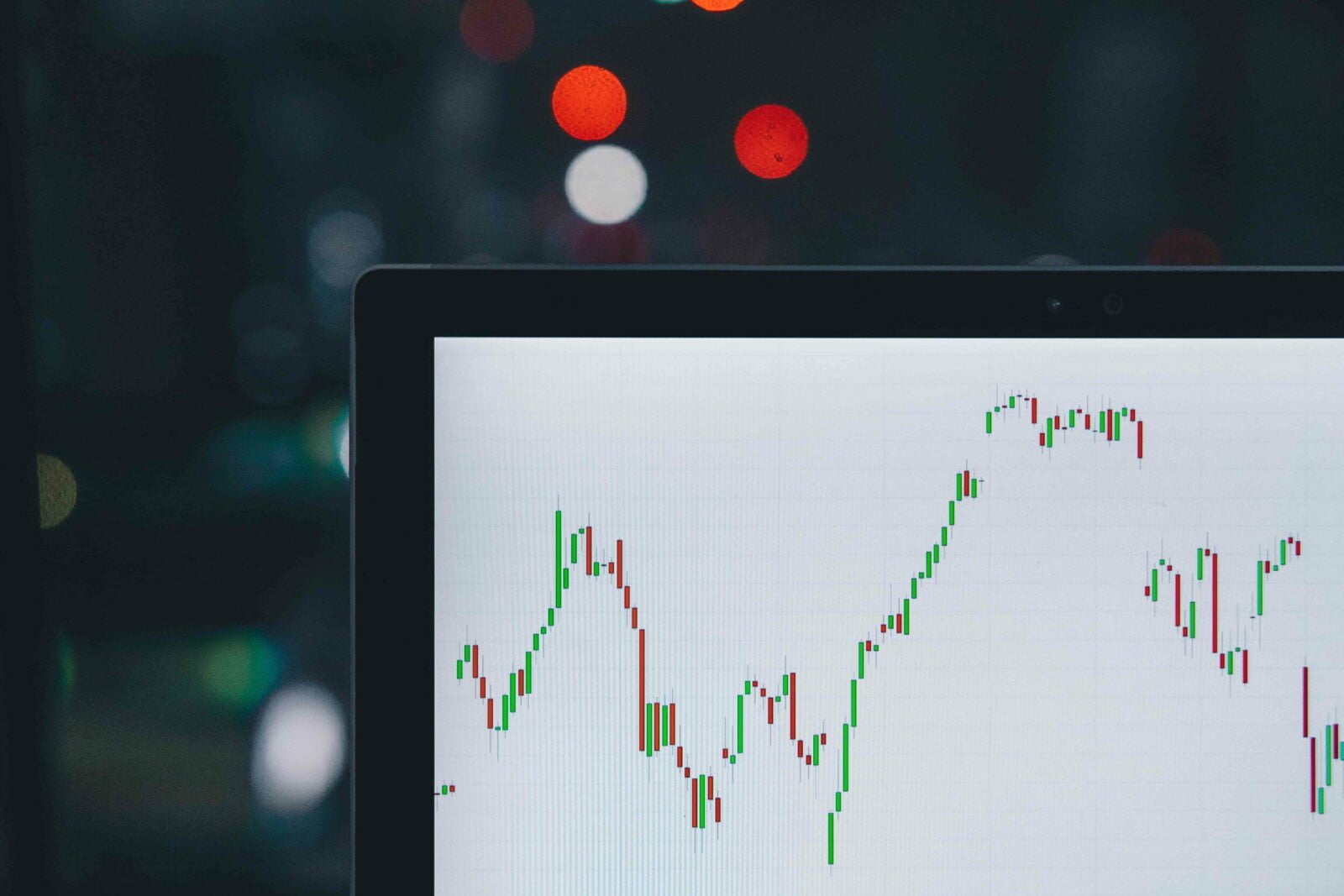
War-related events can change how Canadians feel about risk. Some may become more cautious and consider changing their investments. Reviewing personal risk tolerance helps in making informed decisions. Sudden changes without evaluation may lead to poor outcomes. Risk tolerance depends on financial goals, time horizon, and comfort level. Assessing these factors provides clarity. Adjustments should be made gradually and with planning. Avoiding emotional decisions supports better results. Understanding personal limits helps in managing investments effectively. A clear view of risk tolerance keeps financial decisions aligned with long-term plans.
Keep Emergency Funds Separate from Investments

During uncertain times, access to cash becomes important. Canadians should keep emergency funds separate from investment accounts. Mixing these funds may lead to unnecessary withdrawals. Investments are designed for long-term growth, not short-term needs. Having a dedicated emergency fund provides financial security. This reduces the need to sell investments during market drops. Keeping funds separate supports better planning. Reviewing emergency savings regularly helps maintain readiness. A clear distinction between savings and investments prevents disruption of long-term goals. This approach supports both stability and flexibility during uncertain periods.
Limit Portfolio Checks to Fixed Intervals

Frequent portfolio checks can increase stress during volatile periods. Canadians may react to daily changes that do not affect long-term performance. Setting fixed intervals for reviewing investments works better. Monthly or quarterly reviews provide a clearer perspective. This approach reduces unnecessary reactions. Constant monitoring often leads to impulsive decisions. Limiting checks helps maintain a calm mindset. Focusing on long-term trends instead of short-term movements supports better planning. A structured review schedule improves discipline. Managing how often investments are checked helps maintain control and supports better financial decisions over time.
Avoid Panic Selling During Market Drops

Market drops during war-related events can create fear among investors. Canadians may feel the urge to sell assets quickly. Panic selling often locks in losses and removes future recovery potential. Markets tend to recover over time, even after sharp declines. Selling during a downturn disrupts long-term strategies. Reviewing investment plans before taking action helps avoid mistakes. Staying patient supports better outcomes. Holding investments through volatility allows time for recovery. Avoiding panic selling helps maintain stability and supports consistent financial growth over time.
Do Not Chase Sudden Market Rallies

Market rallies can occur even during uncertain periods. Canadians may feel encouraged to invest quickly when prices rise. Chasing these rallies often leads to buying at higher prices. Market movements can reverse without warning. Acting without proper analysis increases risk. Following a planned strategy works better than reacting to short-term gains. Reviewing fundamentals helps guide decisions. Avoiding impulse buying supports better outcomes. Staying disciplined prevents unnecessary losses. A steady approach keeps investments aligned with long-term goals and reduces exposure to sudden market changes.
Rebalance Portfolio Gradually, Not Quickly

Portfolio rebalancing is important, but sudden changes can create risks. Canadians may try to adjust allocations quickly during volatile periods. Gradual rebalancing works better and reduces market timing risk. Reviewing asset distribution helps identify needed changes. Making small adjustments over time supports stability. Avoiding large shifts prevents unnecessary losses. A planned approach keeps portfolios aligned with financial goals. Regular rebalancing maintains balance without reacting to short-term changes. Staying consistent supports long-term performance and reduces the impact of sudden market movements.
Stick to a Pre-Planned Investment Strategy

Having a clear investment strategy helps during uncertain periods. Canadians who follow a plan are less likely to react impulsively. Strategies are usually designed based on goals and risk tolerance. Changing them frequently can disrupt progress. Reviewing the strategy regularly provides confidence. Adjustments should be based on changes in goals, not market noise. Staying committed supports consistency. A structured plan acts as a guide during volatility. Avoiding frequent changes helps maintain direction. Following a pre-planned strategy supports steady financial growth over time.
Avoid High-Risk Speculative Trades

Volatile markets may tempt Canadians to take high-risk positions. These trades often promise quick returns but carry significant risk. Acting without proper knowledge increases the chance of loss. Speculative trades depend on short-term market movements. Predicting these movements is difficult. Focusing on stable investments works better for most investors. Managing risk through diversification supports better outcomes. Avoiding high-risk trades protects financial stability. Staying disciplined reduces exposure to unnecessary losses. A cautious approach supports long-term success during uncertain market conditions.
Focus on Asset Allocation, Not Market Noise

Market noise increases during war-driven events. Canadians may feel overwhelmed by constant updates. Focusing on asset allocation helps maintain clarity. Allocation determines how investments are spread across asset types. This plays a key role in managing risk and returns. Adjusting allocation based on goals supports stability. Ignoring short-term noise reduces stress. Reviewing allocation regularly keeps investments balanced. A structured approach helps maintain control. Staying focused on allocation supports better financial decisions and reduces the impact of daily market changes.
Use Professional Advice When Needed

Uncertain periods can make financial decisions more complex. Canadians may benefit from professional advice during such times. Financial advisors provide guidance based on experience and knowledge. Consulting experts helps in understanding options clearly. Making decisions without proper information increases risk. Advisors can help align strategies with goals. Seeking advice when needed supports better outcomes. Clear communication with professionals adds confidence. Using reliable guidance helps maintain stability. This approach supports informed decision-making during uncertain market conditions.
Understand Currency Impact on Investments

War-related events can affect currency values. Canadians with global investments may see changes due to exchange rates. Understanding currency impact helps in evaluating performance accurately. Currency movements can increase or reduce returns. Reviewing exposure to foreign markets provides clarity. Diversifying across currencies can help manage risk. Avoiding sudden changes based on short-term currency shifts works better. Staying informed supports better decisions. A clear understanding of currency impact helps maintain balanced investment strategies during volatile periods.
Keep Debt Levels Under Control

Managing debt becomes important during uncertain market conditions. Canadians should review their debt levels regularly. High debt increases financial pressure during volatile periods. Reducing unnecessary borrowing helps maintain stability. Prioritizing repayments supports better financial health. Keeping debt under control provides flexibility. This allows investors to stay committed to their plans. Avoiding excessive debt reduces risk. A balanced approach supports both investment growth and financial security. Managing debt carefully helps maintain control during uncertain times.
Stay Patient and Give Investments Time

Patience plays a key role in successful investing. Canadians may feel pressure to act quickly during market swings. However, time allows investments to recover and grow. Short-term changes do not define long-term outcomes. Staying patient helps avoid unnecessary decisions. Reviewing performance over longer periods provides better insight. Trusting a well-planned strategy supports confidence. Avoiding rushed actions leads to better results. Giving investments time helps maintain stability and supports consistent financial growth.
19 Things Canadians Don’t Realize the CRA Can See About Their Online Income

Earning money online feels simple and informal for many Canadians. Freelancing, selling products, and digital services often start as side projects. The problem appears at tax time. Many people underestimate how much information the CRA can access. Online platforms, banks, and payment processors create detailed records automatically. These records do not disappear once money hits an account. Small gaps in reporting add up quickly.
Here are 19 things Canadians don’t realize the CRA can see about their online income.
This Options Discord Chat is The Real Deal
While the internet is scoured with trading chat rooms, many of which even charge upwards of thousands of dollars to join, this smaller options trading discord chatroom is the real deal and actually providing valuable trade setups, education, and community without the noise and spam of the larger more expensive rooms. With a incredibly low-cost monthly fee, Options Trading Club (click here to see their reviews) requires an application to join ensuring that every member is dedicated and serious about taking their trading to the next level. If you are looking for a change in your trading strategies, then click here to apply for a membership.