
35,000+ smart investors are already getting financial news, market signals, and macro shifts in the economy that could impact their money next with our FREE weekly newsletter. Get ahead of what the crowd finds out too late. Click Here to Subscribe for FREE.
As political tensions heat up with Canada’s southern neighbor, essential cross-border goods that were once taken for granted are at risk. From ingredients in pantries to pharmaceuticals and industrial parts, American export controls and trade disputes may squeeze Canadian supply chains. No one wants a sudden price hike or a product blackout, but here are 23 products Canadians might lose due to American politics:
Baby Formula
23 Products Canadians Might Lose Due to American Politics
- Baby Formula
- Over-the-Counter Pain Relievers
- Automotive Electronics
- Baby Diapers
- Gluten-Free and Specialty Foods
- Prescription Heart Medications
- Personal Care Items
- Craft Beer Hops & Yeast
- Tech Gadgets & Accessories
- Coffee Beans & Capsules
- Athletic & Outdoor Gear
- Cleaning Supplies
- Packaged Cheese & Dairy Products
- Salting Agents
- Specialty Automotive Fluids and Lubricants
- Baking Yeast and Specialty Flours
- Bicycle Components
- Specialty Tea and Coffee Blends
- Vitamin Supplements and Wellness Products
- Pet Food and Veterinary-Grade Products
- Frozen Convenience Foods
- Batteries and Portable Power Devices
- Infant Essentials
- 21 Products Canadians Should Stockpile Before Tariffs Hit

A significant portion of Canada’s supply of Enfamil, Similac, and Gerber relies on U.S. manufacturing. In periods of diplomatic tension, export restrictions, or even selective recalls, could disrupt distribution. Canadian families know that babies need stability, not bargaining chips. A shortage could force parents to switch formulas without preparation, risking both health and comfort. Even minor hiccups reverberate across the country, sending expectant parents scrambling. As a result, stockpiling formula can be a precaution and a buffer against political volatility.
Over-the-Counter Pain Relievers

Brands like Advil, Tylenol, and Aleve, as well as generics, are often produced or packaged in U.S. facilities. In a worst-case trade scenario, Canada could face sudden import limitations, making cold medicine, painkillers, and wartime staples like ibuprofen become high-value essentials. However, these medications have long shelf lives, so it’s wise to maintain a multi-month backup at home. Stocking up now could protect families during flu season or a healthcare disruption stemming from unexpectedly tightened trade regulations.
Automotive Electronics

From advanced driver-assistance units to engine control modules, many Canadian auto parts plants rely on U.S.-sourced microchips and sensors. American export licenses or semiconductor tariffs could delay manufacturing, or make cars uninsurable until parts shift northward, resulting in delays in deliveries, price increases, recalls, and interruptions in maintenance. Canadian drivers might suddenly find themselves with overpriced or undrivable vehicles. Since parts orders often flow months in advance, pre-purchasing spare sensors or basic replacement modules could save time and money, especially for those in remote areas or with aging vehicles.
Baby Diapers

Most mass-market diapers sold in Canada, such as Pampers and Huggies, are produced in U.S. factories. Tariffs, quotas, or new labeling regulations could significantly increase costs. Since infants use dozens of diapers a day, even a slight price increase quickly adds up. Those ultra-absorbent staples might start disappearing without warning, making it a reassuring buffer to keep a multi-month supply on hand, especially when political tensions flare.
Gluten-Free and Specialty Foods

Ingredients like almond flour, gluten-free oats, and vegan cheeses often cross the border. U.S. production dominates specific specialty niches, and shifts in export regulations, such as ingredient origin labeling, GMO taxes, or health-denial laws, could reduce shelf choice. For Canadians with allergies or dietary restrictions, losing these options can be inconvenient and risky, mainly since meal planning often relies on the consistent availability of trusted ingredients.
Prescription Heart Medications

Many Canadian prescriptions, like statins, beta-blockers, and ACE inhibitors, are filled with drugs manufactured in or packaged by U.S. plants. Changes in FDA policy or export restrictions may delay shipments or reduce the number of doses. Considering how essential consistent heart medication is, any disruption can be life-threatening. Americans rarely consider how policy changes affect Canadian pharmacies, but Canadians do. Keeping a doctor-approved extended supply or exploring Canadian-made generics can help prevent critical gaps.
Personal Care Items

Big-name personal care brands, such as Dove, Old Spice, and Neutrogena, often produce for Canadian markets in U.S. plants or rely on U.S. ingredient suppliers. If import tariffs hit beauty and hygiene products, Canadian shoppers could face limited options or sudden price spikes. For Canadians who rely on trusted personal care products for sensitive skin or specific routines, finding suitable substitutes may be challenging. Stocking up or discovering Canadian alternatives to Pantene or regional eco-friendly brands could be a smart move that keeps consumers safe from any disruptions.
Craft Beer Hops & Yeast

Canadian microbreweries and imports often rely on specialty hops and yeast strains sourced from the U.S., including Pacific Northwest centers like Yakima Valley. Export quotas, agricultural lobbying, or labeling mandates could limit Canadian breweries’ access. A disrupted hop supply would impact seasonal brews, collaborations, and beloved local IPAs. While craft beer lovers might assume that taps are permanent, the brewing world is fragile, making it essential for home brewers and the industry to consider stockpiling dry yeast packets or brewing ingredients.
Tech Gadgets & Accessories

Smart devices, from Echo speakers to Nest thermostats, are often shipped from U.S. ports or assembled with U.S.-made components. Should new tariffs or “Made in USA” pushes arise, pricing and availability could shift quickly. Even simple items like charging cables, adapters, and keyboards are frequently U.S.-origin. Tech-savvy Canadians may already have secondary backups, but casual consumers may be caught off guard.
Coffee Beans & Capsules

Popular brands like Starbucks, Keurig, and Dunkin’ export beans and pods from U.S. facilities. Regulations around food safety, packaging, or tariffs could make coffee more expensive or scarce. Without forethought, Canadians may face higher prices or fewer roast options. Buying a larger stock of fresh beans, investing in Canadian roasters, or switching to reusable filters provides a buffer, enabling Canadian consumers to maintain their coffee routine despite potential disruptions caused by political pressure.
Athletic & Outdoor Gear

Brands like New Balance, Columbia, and REI house-labels often flow into Canada from U.S. factories or are distributed through American headquarters. If cross-border sourcing is restricted, prices could rise for athletic and outdoor essentials, such as running shoes and winter jackets, which are essential daily items of clothing for Canadians in snow country or outdoor-dependent lifestyles. Stocking up on reliable gear or increasing support for Canadian manufacturers like MEC, Kanuk, or other local makers can shift purchasing habits and resilience without delay.
Cleaning Supplies

Tide, Clorox, Lysol, and other cleaning staples are produced in U.S. plants with just-in-time shipping. Tariffs or regulatory sweeps, such as VOC bans, could reduce the number of products on Canadian store shelves, especially during peak cleaning seasons. Households that rely on these products to maintain hygiene, especially during flu seasons or when remote learning or work increases, can find a significant mess in their homes. Having backup supplies or switching to eco-certified Canadian brands ensures continuity and enables consumers to protect themselves from the impacts of political collateral.
Packaged Cheese & Dairy Products

While Canada produces vast quantities of cheese, certain specialty American-style cheeses, such as aged cheddars or artisanal havarti, are produced in U.S. plants. Tariffs or traceability regulations could limit these imports, affecting menus and cheese boards. Foodies and families stocking lunchbox favorites may find that some items are missing. Cheese lovers can mitigate this risk by ordering ahead or diversifying with Canadian or European imports, which adds resilience.
Salting Agents

Epsom salt, baking soda buffer, and other U.S.-manufactured therapeutic salts often ship to Canadian pharmacies and bath retailers. A move toward manufacturing nationalism or border scrutiny could stall access. People who rely on them for relaxation, muscle care, or DIY remedies can consider bulk-buying or exploring Canadian-made alternatives to ensure that nightly soaks remain uninterrupted, even in the event of political fallout.
Specialty Automotive Fluids and Lubricants

While general motor oil is available locally, specific formulations, such as marine diesel, synthetic racing oil, and transmission fluids, often originate from U.S. facilities. Export controls or sanctions targeting industrial chemicals could undermine Canadian mechanics and marine users, affecting boaters heading out on the Great Lakes or motorsport fans maintaining high-performance engines. These individuals may find narrower choices and higher prices as a result.
Baking Yeast and Specialty Flours
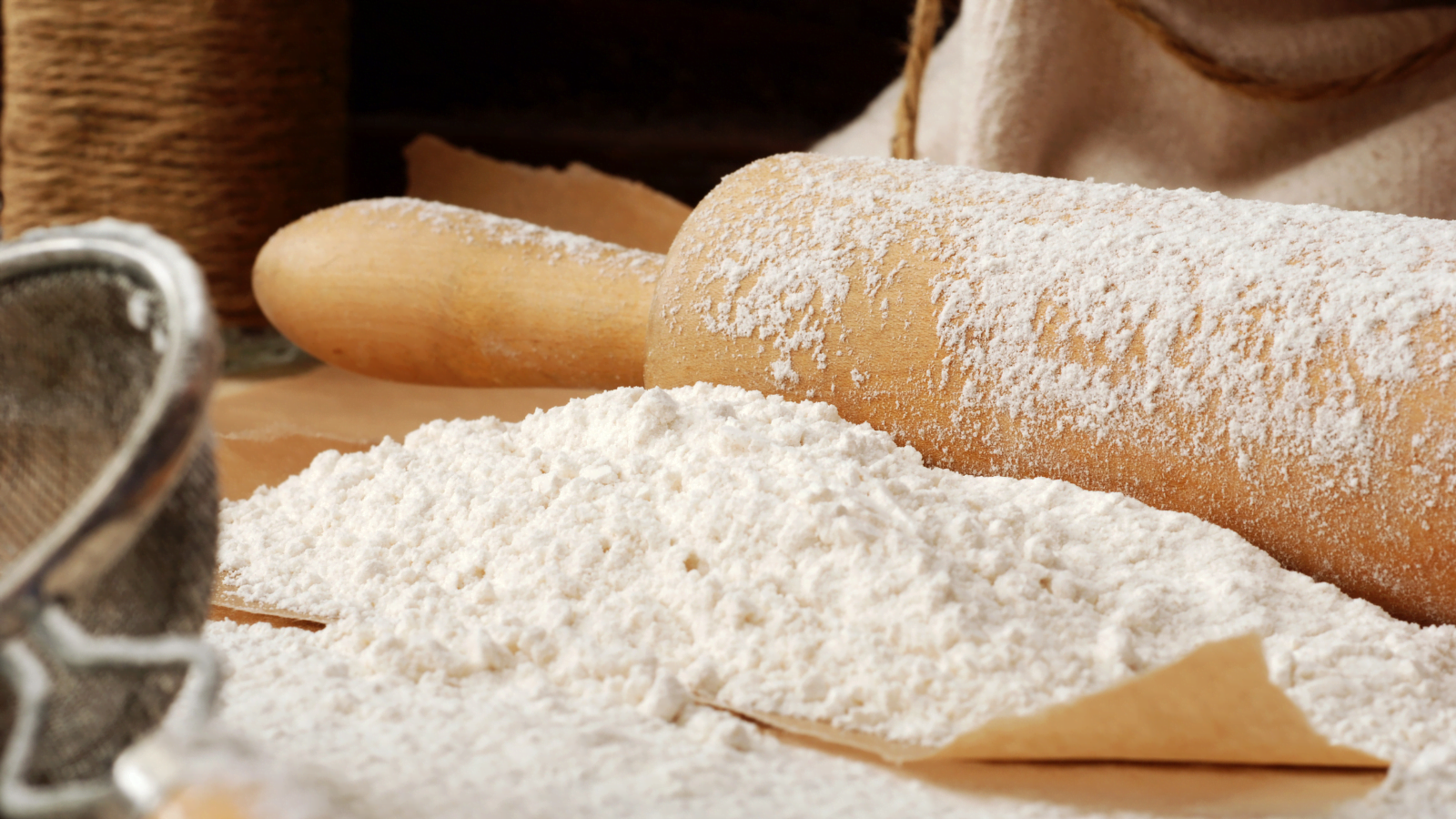
While basic flour is produced in Canada, some specialty varieties, such as high-protein bread flour, durum for pasta, or sprouted grain blends, come from U.S. mills, making them susceptible to political fallout. Similarly, yeast strains used for artisan baking may be limited due to intellectual property regulations. For serious bakers, missing ingredients mean missed loaves, making it a good option to buy additional baker’s yeast tins or imported flour to limit frustration.
Bicycle Components

High-performance bike components from U.S. suppliers, such as SRAM or specialized aftermarket brands, often fuel the repair kits of Canadian cyclists. If components face trade restrictions, Canadian cyclists may find standard shops out of stock, causing inconvenience for commuters, as well as liability. Cycling is part transit, part wellbeing in Canadian cities, and securing replacement cables, brake mechanisms, and cassettes now may be crucial to save rides in the event of a trade disruption.
Specialty Tea and Coffee Blends

Imported U.S.-blended teas and artisanal coffee roasts fuel niche cafes and home brewers. When origin labelling or trade standards change, imported blends may vanish, and may not be replenished by Canadian roasters. Small businesses and culinary seekers may find steep gaps. Pre-ordering or building relationships with Canadian roasters helps diversify sourcing and ensures that consumers continue to have access to their favorite teas and roasts.
Vitamin Supplements and Wellness Products

Popular wellness brands like Nature Made, One A Day, and SmartyPants are primarily manufactured in the U.S. Any disruption to cross-border health imports, whether from FDA reclassifications, trade disputes, or labeling laws, could hit Canadian shelves fast. For Canadians who depend on these supplements for chronic conditions, pregnancy, or immune support, the stakes are high, and local pharmacy chains may also face weeks-long delays if U.S. companies pause exports. Building a small stockpile or exploring Health Canada-approved domestic alternatives ensures continuity in personal health, ensuring that consumers are not vulnerable to foreign political whims.
Pet Food and Veterinary-Grade Products

Much of the premium pet food sold in Canada, especially for dogs and cats with specific dietary needs, is manufactured in the U.S. Brands like Blue Buffalo, Hill’s Science Diet, and Royal Canin source or package their products in the U.S. Veterinary-grade foods and meds could be held up if agricultural or pharmaceutical regulations shift. Canadian pet owners may face empty shelves or heartbreaking decisions that can put pets at risk.
Frozen Convenience Foods

Quick meals, ranging from frozen waffles and pizzas to pre-packed vegetarian entrees, often rely on American supply chains or packaging plants. Any policy targeting food processing or refrigeration standards could halt these imports abruptly, and families, students, and remote workers who depend on these convenient options could feel the impact quickly. While Canadian frozen food producers exist, brand favorites or dietary-specific lines may vanish from stores, making them difficult to access in Canada.
Batteries and Portable Power Devices

From AA batteries to high-capacity portable power banks, many energy storage products cross the border into Canada from the U.S. Manufacturers like Duracell and Anker rely on U.S. packaging hubs. At the same time, compliance labeling adheres to American standards. A tariff or import review on lithium-ion batteries or industrial components could interrupt access to both everyday and emergency-use power. For Canadians who rely on backup power during storms or keep tech charged on the go, planning may become a necessity that enables them to avoid any issues.
Infant Essentials

Though Canada produces a range of infant essentials, many trusted brands are manufactured or packaged in the U.S. In recent years, even American parents have witnessed empty shelves due to regulatory and supply issues. For Canadian parents, sudden import blocks or added inspection requirements could replicate that crisis, and stockpiling isn’t always possible due to expiration. Canadians can consider rotating small backup supplies and consulting with pediatricians for domestic alternatives to ensure access to solutions in case these products are no longer available in stores.
21 Products Canadians Should Stockpile Before Tariffs Hit

If trade tensions escalate between Canada and the U.S., everyday essentials can suddenly disappear or skyrocket in price. Products like pantry basics and tech must-haves that depend on are deeply tied to cross-border supply chains and are likely to face various kinds of disruptions
21 Products Canadians Should Stockpile Before Tariffs Hit
This Options Discord Chat is The Real Deal
While the internet is scoured with trading chat rooms, many of which even charge upwards of thousands of dollars to join, this smaller options trading discord chatroom is the real deal and actually providing valuable trade setups, education, and community without the noise and spam of the larger more expensive rooms. With a incredibly low-cost monthly fee, Options Trading Club (click here to see their reviews) requires an application to join ensuring that every member is dedicated and serious about taking their trading to the next level. If you are looking for a change in your trading strategies, then click here to apply for a membership.