
35,000+ smart investors are already getting financial news, market signals, and macro shifts in the economy that could impact their money next with our FREE weekly newsletter. Get ahead of what the crowd finds out too late. Click Here to Subscribe for FREE.
Spring in Canada feels like relief. Snow melts. Driveways reappear. Problems show up too. Ice, wind, and deep freezes take a toll on every home. Small cracks grow quietly over winter. Moisture sneaks into places you never check. Ignoring these issues can cost thousands by next year. A few focused weekends now can prevent major repairs later. This checklist covers practical tasks that protect your roof, foundation, plumbing, and systems. Each one is simple, direct, and worth your time. Here are 22 spring home maintenance tasks that save Canadians thousands later.
Inspect Your Roof for Winter Damage
22 Spring Home Maintenance Tasks That Save Canadians Thousands Later
- Inspect Your Roof for Winter Damage
- Clean and Flush Your Gutters and Downspouts
- Check the Foundation for Cracks and Shifting
- Service Your Air Conditioning System
- Test Your Sump Pump
- Examine Windows and Doors for Drafts
- Inspect Exterior Siding and Paint
- Clear Debris from Around the Foundation
- Inspect the Attic for Moisture or Pests
- Clean and Inspect the Chimney
- Test Smoke and Carbon Monoxide Detectors
- Drain and Store Winter Equipment Properly
- Inspect Decks and Outdoor Structures
- Check Plumbing for Leaks
- Inspect Driveways and Walkways
- Service Lawn and Garden Equipment
- Check Irrigation Systems
- Inspect the Water Heater
- Clean Dryer Vents
- Check Garage Doors and Openers
- Inspect Fencing and Property Boundaries
- Review Home Insurance Coverage
- 22 Groceries to Grab Now—Before another Price Shock Hits Canada
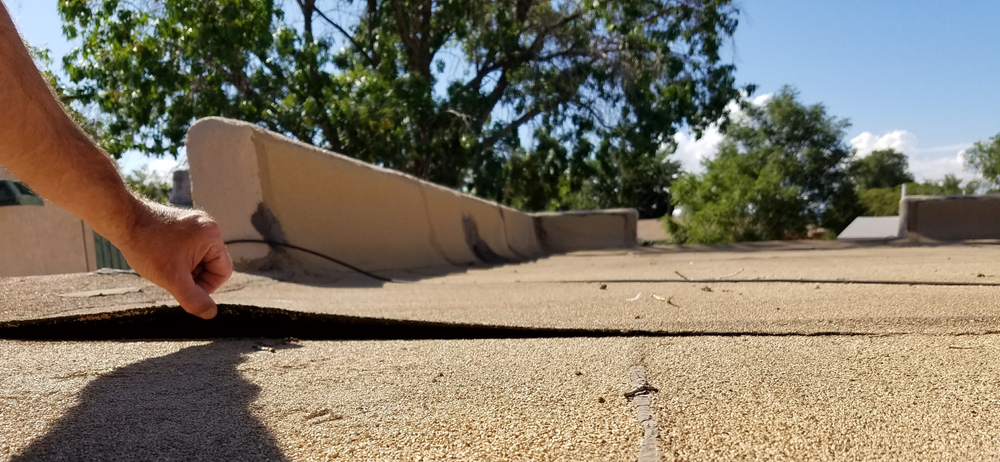
Canadian winters punish shingles with ice buildup and heavy snow loads. Start with a visual check from the ground. Look for curled, cracked, or missing shingles. Pay attention to dark patches or sagging areas. Damaged flashing around vents and chimneys can leak quietly. Small issues often turn into major water damage by fall. If you feel safe, clear loose debris from valleys. Otherwise, call a roofer for a quick inspection. Catching minor problems early prevents mold, insulation damage, and interior ceiling repairs that cost far more than a spring fix.
Clean and Flush Your Gutters and Downspouts
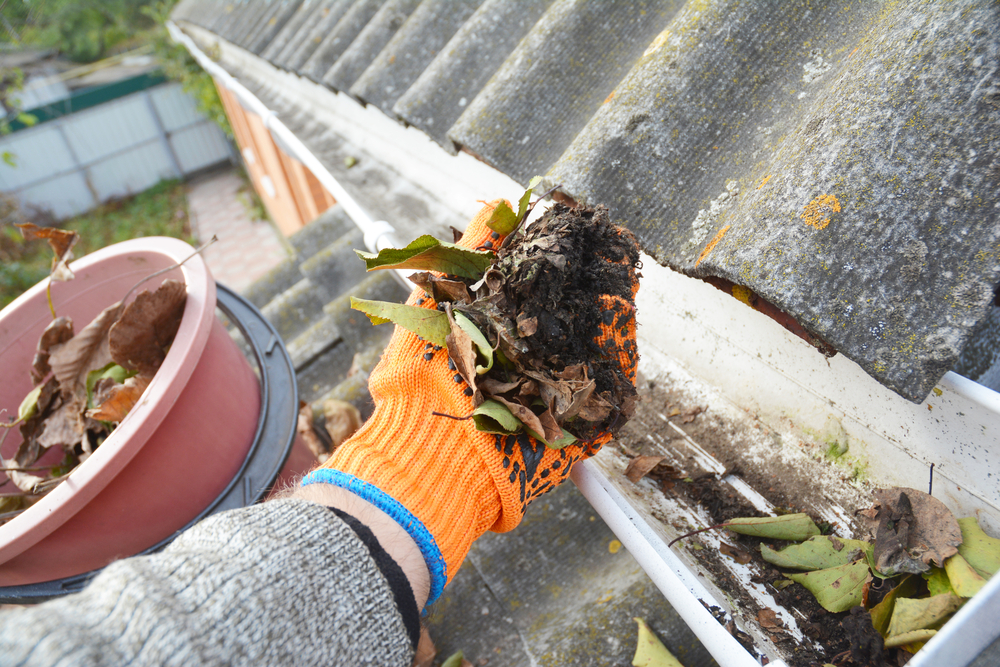
Gutters fill with leaves, grit, and shingle debris over winter. When clogged, water spills over and pools near your foundation. That standing water can seep into basements. Remove all debris by hand or with a scoop. Flush gutters using a garden hose. Check that downspouts direct water at least two meters away from your home. Install extensions if needed. Look for loose brackets or sagging sections. Tighten or replace hardware now. Proper drainage protects siding, landscaping, and foundation walls from slow damage that builds up with each rainfall.
Check the Foundation for Cracks and Shifting
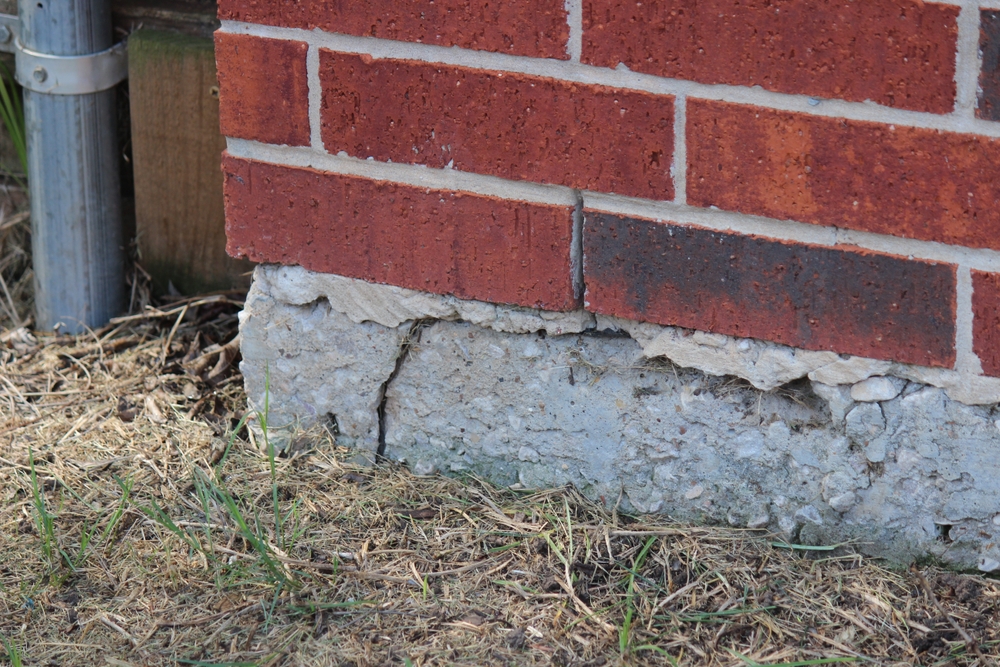
Walk around your home and examine the foundation closely. Freeze and thaw cycles cause small cracks to expand. Hairline cracks may be harmless. Wider gaps or stair-step cracks need attention. Seal minor cracks with appropriate masonry filler. Monitor any changes over time. Inside the basement, look for damp spots or white mineral residue. These signs suggest moisture intrusion. Address grading issues if the soil slopes toward your house. Proper drainage reduces pressure on foundation walls. Early repairs cost far less than structural fixes or extensive basement waterproofing later.
Service Your Air Conditioning System

After months of sitting idle, your air conditioner needs a checkup. Replace or clean the air filter first. Clear debris from the outdoor condenser unit. Trim back plants to improve airflow. Schedule a professional inspection if the system is older. Technicians can check refrigerant levels and electrical components. Catching small faults now prevents breakdowns during summer heat waves. Emergency repairs often come with premium fees. A well-maintained unit runs more efficiently. That means lower hydro bills and a longer lifespan for one of your home’s most expensive appliances.
Test Your Sump Pump
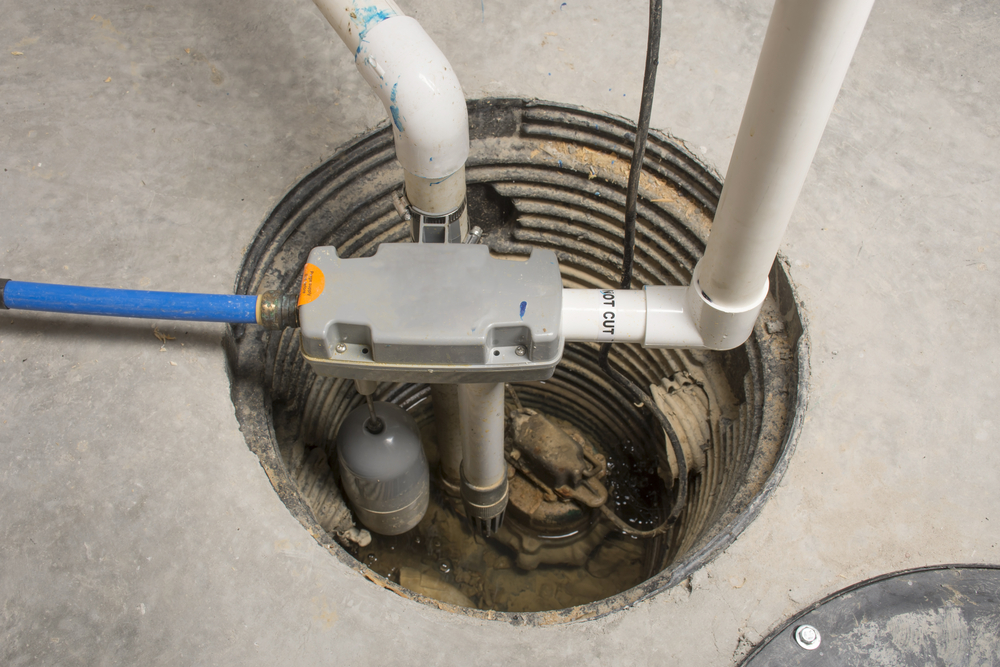
Spring melt can overwhelm drainage systems quickly. Your sump pump is the last line of defense. Pour a bucket of water into the sump pit. Confirm that the pump activates and drains properly. Listen for unusual noises or vibrations. Check the discharge line outside for blockages. Make sure it directs water away from the foundation. Consider installing a battery backup if you do not have one. Power outages often occur during storms. A failed pump during heavy rain can flood a basement within hours and cause costly repairs.
Examine Windows and Doors for Drafts
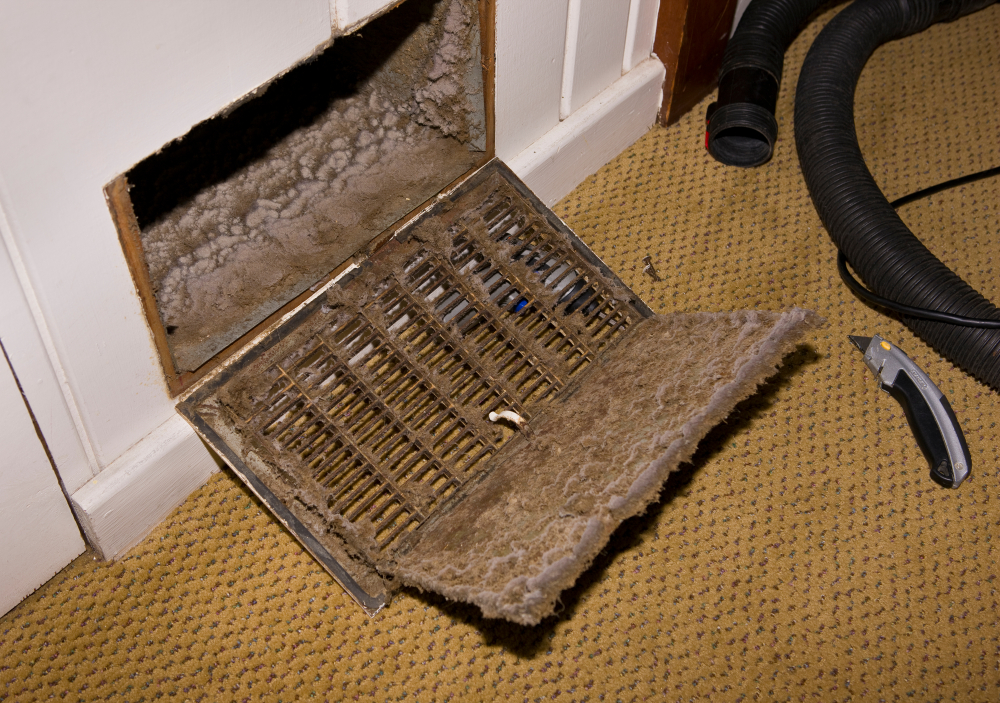
Cold weather can shrink seals and damage weatherstripping. Inspect caulking around window frames and door trims. Look for gaps or cracked sealant. Replace worn weatherstripping to improve insulation. Check that windows open and close smoothly. Repair any broken latches or hardware. Proper sealing reduces energy loss during both summer and winter. Moisture can also enter through small gaps. Over time, that leads to rot in wooden frames. A few tubes of caulk and basic repairs can prevent structural damage and reduce heating and cooling costs.
Inspect Exterior Siding and Paint
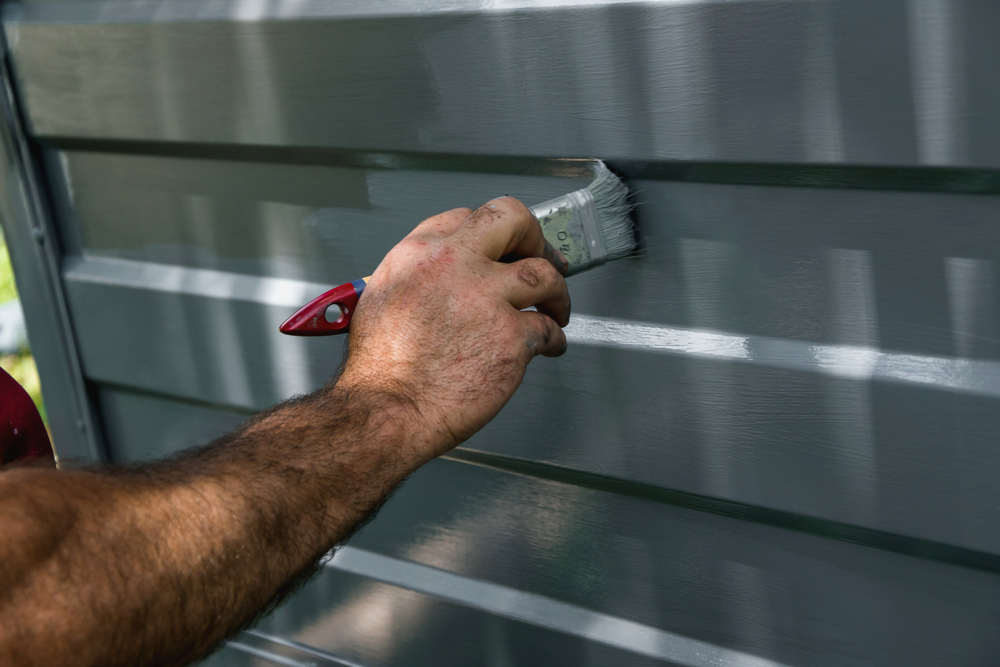
Siding protects your home from moisture and pests. Walk around the property and look for loose panels, cracks, or warped boards. Check for peeling paint on wood surfaces. Moisture can seep behind damaged siding and cause rot. Repair or replace compromised sections promptly. Repaint exposed wood to seal it from rain. Vinyl siding should be cleaned with mild detergent and water. Avoid high-pressure washing that forces water inward. Keeping the exterior intact prevents hidden damage that often remains unnoticed until expensive repairs become unavoidable.
Clear Debris from Around the Foundation

Leaves, branches, and soil buildup trap moisture against foundation walls. Rake debris away from the perimeter of your home. Maintain a clear space of several inches between soil and siding. This reduces the risk of rot and insect infestation. Check that landscaping slopes gently away from the house. Adjust grading if necessary. Avoid piling mulch too high near the foundation. Proper airflow and drainage protect structural materials. A simple yard cleanup can prevent moisture damage that leads to basement leaks and costly structural restoration work later.
Inspect the Attic for Moisture or Pests
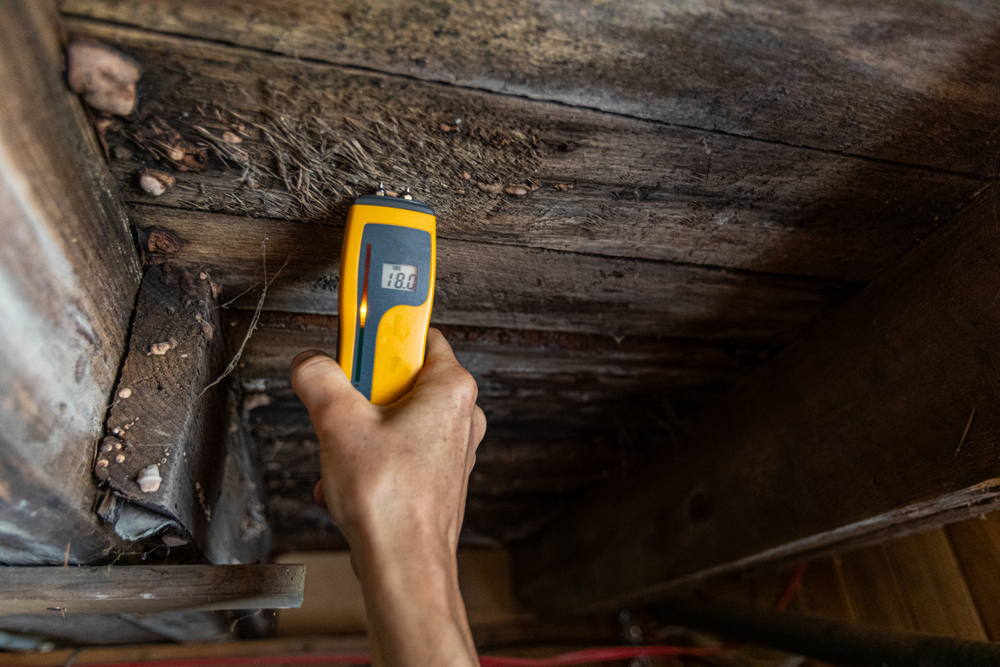
Climb into the attic during daylight hours. Look for water stains on rafters or insulation. Check for damp insulation or mold growth. Inspect vents to confirm they are unobstructed. Poor ventilation traps moisture and reduces roof lifespan. Look for signs of rodents, such as droppings or chewed materials. Seal entry points promptly. Replace damaged insulation if necessary. Proper attic conditions regulate temperature and reduce energy waste. Addressing small issues early prevents roof rot, pest infestations, and expensive remediation projects that disrupt your home.
Clean and Inspect the Chimney

Winter heating leaves behind soot and creosote buildup. These residues increase fire risk. Schedule a chimney inspection and cleaning each spring. Professionals can check for cracks in the flue liner. Look for loose bricks or deteriorating mortar. Water entering through damaged masonry causes structural problems. Install a chimney cap if one is missing. Caps prevent animals and debris from entering. Regular maintenance protects both your roof and your safety. Ignoring chimney issues may result in costly repairs or dangerous fire hazards during the next heating season.
Test Smoke and Carbon Monoxide Detectors
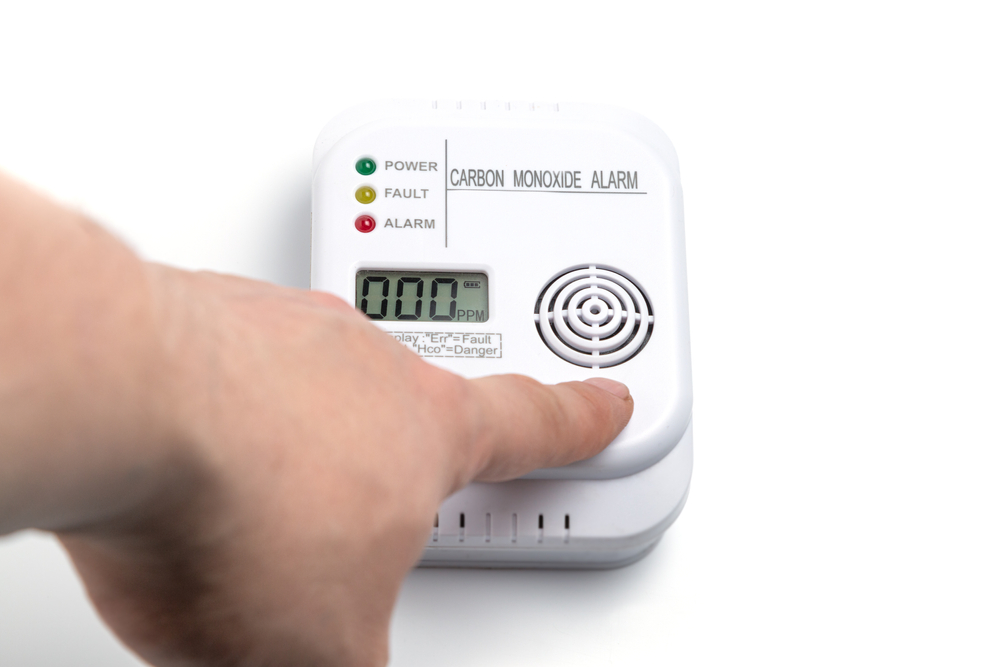
Safety devices need regular attention. Replace batteries in all smoke and carbon monoxide detectors. Press the test button to confirm they function properly. Check expiration dates on each unit. Most detectors require replacement every ten years. Install units on every level of your home. Place them near sleeping areas and mechanical rooms. Functional alarms provide early warnings during emergencies. Replacing a battery costs little. Replacing a home after a preventable fire or carbon monoxide incident costs far more. This simple task protects both property and lives.
Drain and Store Winter Equipment Properly

Snowblowers, shovels, and winter tools need care before storage. Drain old fuel from small engines. Add fuel stabilizer if storing gasoline. Clean equipment thoroughly to remove salt residue. Salt accelerates rust and corrosion. Inspect blades and belts for wear. Sharpen or replace parts as needed. Store tools in a dry location. Proper maintenance extends equipment lifespan. Replacing a neglected snowblower is expensive. Taking time now reduces repair costs next winter. Organized storage also frees up space and prevents clutter in garages and sheds.
Inspect Decks and Outdoor Structures
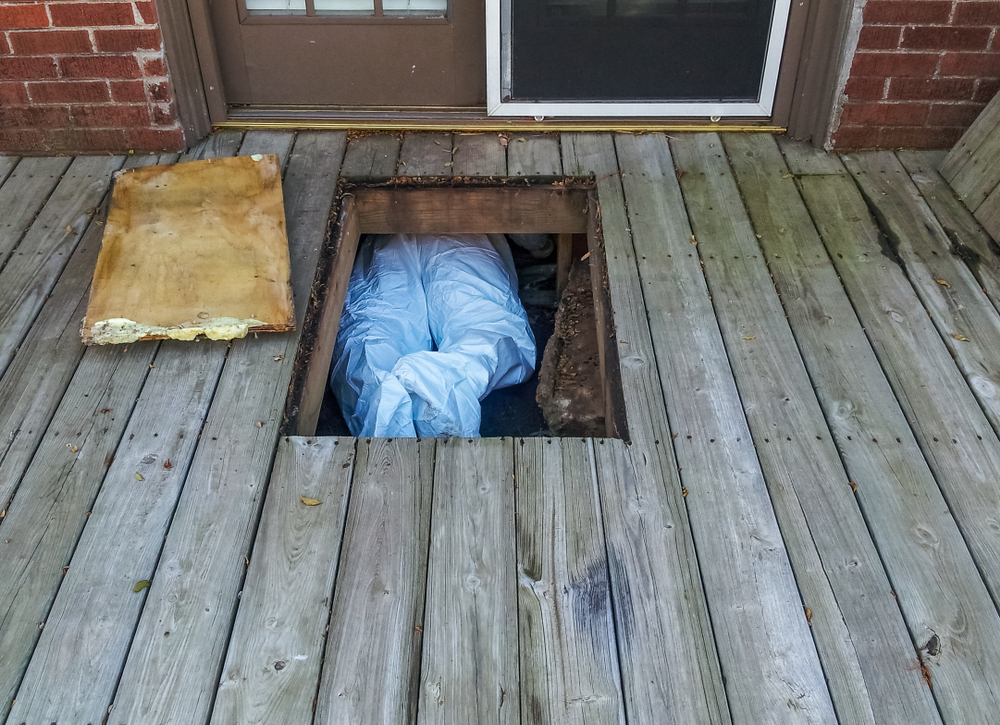
Canadian winters strain decks and fences. Check for loose boards, popped nails, and cracked railings. Test structural stability by applying gentle pressure. Replace damaged boards promptly. Look for signs of rot where wood meets the ground. Clean surfaces to remove mold and grime. Apply sealant or stain if needed. Well-maintained decks last longer and remain safe. Ignoring small issues can lead to structural failure. Rebuilding a deck costs thousands. Routine spring inspections protect both your investment and anyone using the space during warmer months.
Check Plumbing for Leaks

Inspect visible pipes under sinks and in basements. Look for drips, corrosion, or water stains. Turn on outdoor taps and watch for leaks. Freezing temperatures sometimes crack pipes unnoticed. Check hose bibs carefully. Small leaks waste water and increase utility bills. They also cause mold and wood damage over time. Tighten fittings or replace worn washers. Contact a plumber if you notice persistent issues. Addressing minor plumbing problems early prevents costly emergency repairs and protects flooring, drywall, and cabinetry from water damage.
Inspect Driveways and Walkways

Freeze and thaw cycles create cracks in concrete and asphalt. Examine surfaces for widening gaps or uneven sections. Fill small cracks with appropriate sealant. Sealing prevents water from entering and expanding during future freezes. Check for trip hazards that pose safety risks. Repairing minor damage now prevents larger structural issues. Neglected driveways often require full resurfacing later. That cost far exceeds simple patching work. Maintaining smooth, sealed surfaces also improves curb appeal and extends the life of your pavement investment.
Service Lawn and Garden Equipment
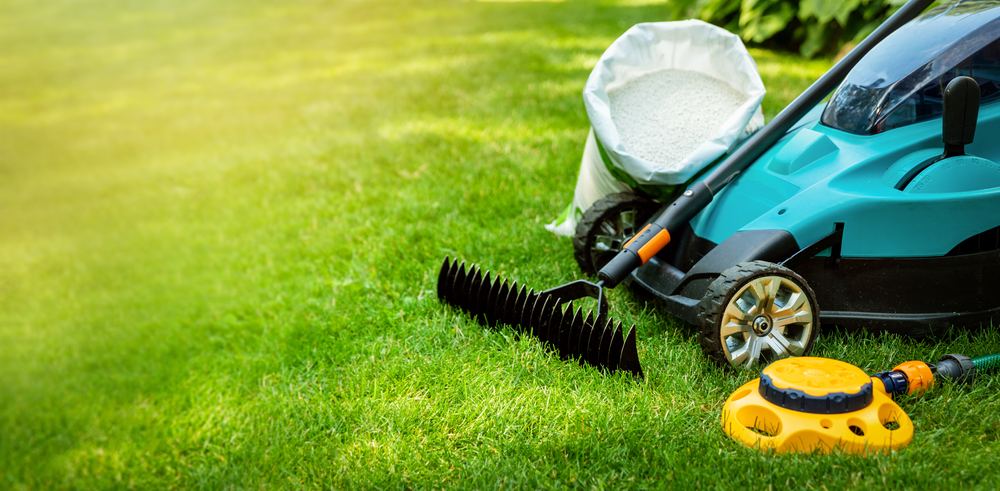
Spring yard work depends on reliable equipment. Inspect lawn mowers, trimmers, and other tools. Change engine oil and replace spark plugs if needed. Clean air filters and sharpen blades. Dull blades tear grass and stress your lawn. Check extension cords and batteries for damage. Proper maintenance improves efficiency and extends equipment life. Replacing neglected tools is expensive. Keeping machinery in good condition reduces breakdowns during peak season. A few basic checks now prevent frustration and unnecessary spending later in the summer.
Check Irrigation Systems

If you have a sprinkler system, inspect it carefully. Turn the system on and observe each zone. Look for broken heads or uneven spray patterns. Leaks waste water and raise utility costs. Adjust heads to avoid spraying sidewalks and driveways. Clear debris from nozzles. Proper irrigation protects your landscaping investment. Watering issues can damage lawns and plants. Repairs are far cheaper than replacing mature landscaping. Early detection of minor problems prevents soil erosion and foundation issues caused by oversaturation near your home.
Inspect the Water Heater
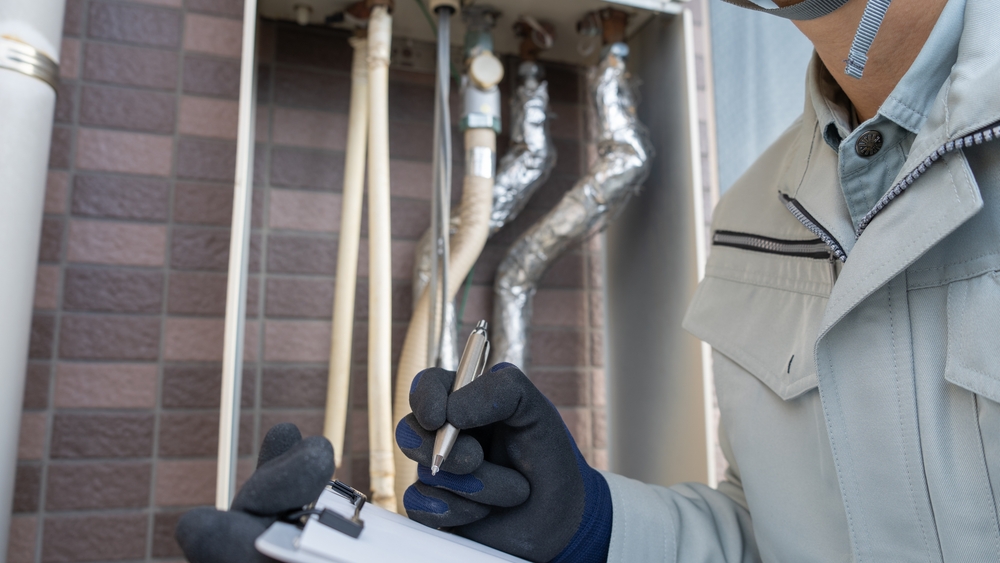
Look at your water heater for signs of rust or leaks. Check connections and valves for corrosion. Drain a few liters from the tank to remove sediment buildup. Sediment reduces efficiency and shortens lifespan. Listen for unusual noises during operation. Consider professional servicing if the unit is over ten years old. A failed water heater can flood a basement quickly. Replacing flooring and drywall costs far more than routine maintenance. Regular checks extend the life of this essential appliance and lower energy consumption.
Clean Dryer Vents
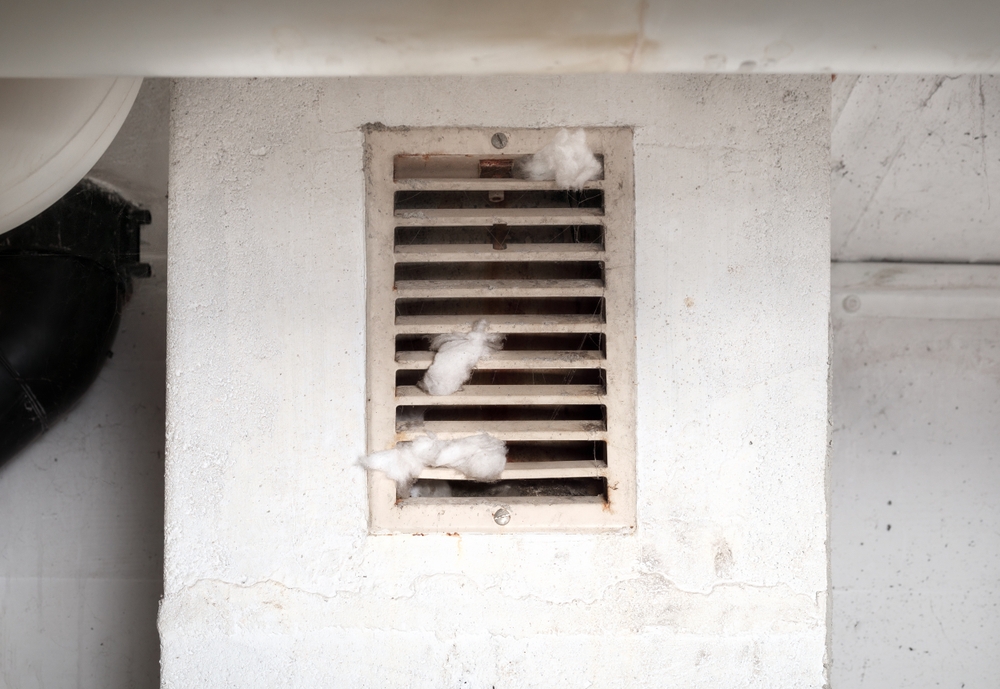
Lint buildup in dryer vents creates fire hazards. Disconnect the dryer and vacuum the vent hose. Clean the exterior vent flap. Confirm that it opens freely during operation. Restricted airflow forces the dryer to work harder. That increases energy use and wear on components. Annual cleaning improves efficiency and reduces fire risk. This task takes little time and basic tools. Ignoring it can result in appliance damage or worse. Preventative cleaning protects your home and saves on repair and replacement costs.
Check Garage Doors and Openers
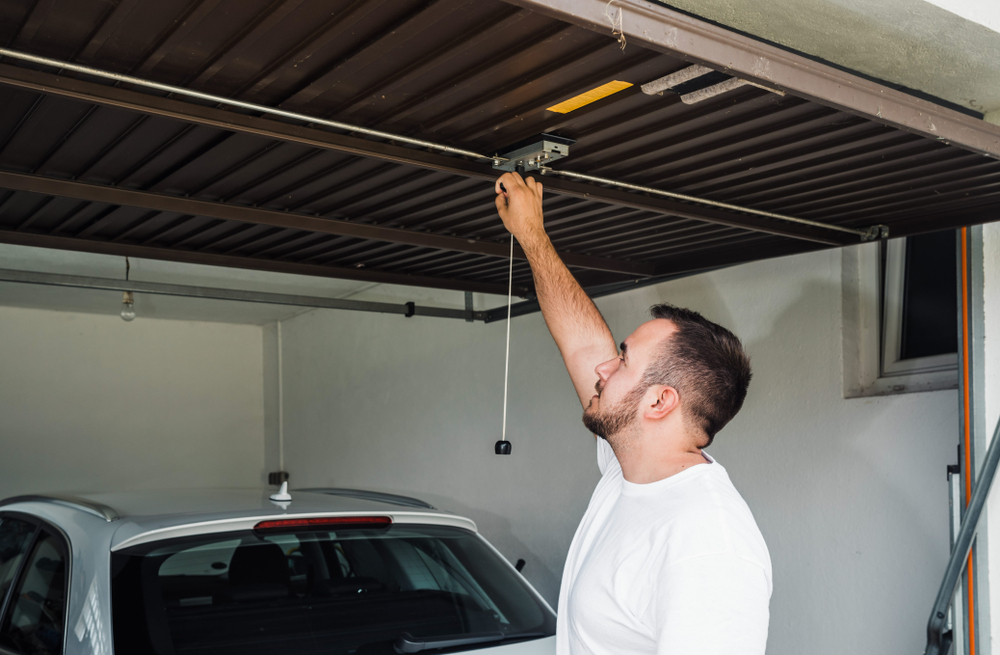
Garage doors endure heavy use year-round. Inspect springs, cables, and rollers for wear. Lubricate moving parts with appropriate products. Test the auto-reverse safety feature. Place an object under the door and confirm it reverses. Replace remote batteries if needed. Proper operation prevents accidents and extends equipment life. A failing spring can cause sudden damage. Emergency repairs often cost more than routine servicing. Regular checks keep your garage door reliable and reduce the chance of inconvenient breakdowns.
Inspect Fencing and Property Boundaries

Winter winds and snow can shift fence posts. Walk along your property line and check for leaning sections. Tighten loose fasteners and replace damaged boards. Look for soil erosion around posts. Reinforce weak areas before they collapse. Well-maintained fencing protects privacy and security. Replacing entire sections costs significantly more than small repairs. Addressing issues early also prevents disputes with neighbors. A stable boundary keeps your property secure and avoids unexpected expenses later in the year.
Review Home Insurance Coverage

Spring is a good time to review your insurance policy. Confirm that coverage reflects current rebuilding costs. Rising material prices affect replacement value. Check for exclusions related to flooding or sewer backup. Consider adding endorsements if necessary. Document recent renovations and upgrades. Keeping records simplifies future claims. Underinsurance can lead to major financial loss. A quick policy review costs nothing. It may save thousands after unexpected damage. Staying informed protects your investment and prepares you for the coming seasons.
22 Groceries to Grab Now—Before another Price Shock Hits Canada

Food prices in Canada have been steadily climbing, and another spike could make your grocery bill feel like a mortgage payment. According to Statistics Canada, food inflation remains about 3.7% higher than last year, with essentials like bread, dairy, and fresh produce leading the surge. Some items are expected to rise even further due to transportation costs, droughts, and import tariffs. Here are 22 groceries to grab now before another price shock hits Canada.
22 Groceries to Grab Now—Before another Price Shock Hits Canada
This Options Discord Chat is The Real Deal
While the internet is scoured with trading chat rooms, many of which even charge upwards of thousands of dollars to join, this smaller options trading discord chatroom is the real deal and actually providing valuable trade setups, education, and community without the noise and spam of the larger more expensive rooms. With a incredibly low-cost monthly fee, Options Trading Club (click here to see their reviews) requires an application to join ensuring that every member is dedicated and serious about taking their trading to the next level. If you are looking for a change in your trading strategies, then click here to apply for a membership.