
35,000+ smart investors are already getting financial news, market signals, and macro shifts in the economy that could impact their money next with our FREE weekly newsletter. Get ahead of what the crowd finds out too late. Click Here to Subscribe for FREE.
Many Canadians proudly support what they believe to be homegrown products, unaware that international corporations actually own some of these household names. While the packaging may still feature maple leaves or references to Canadian heritage, the reality is that ownership has often shifted overseas due to mergers, acquisitions, and global expansion strategies. Here are 22 products Canadians didn’t realize are foreign-owned.
Tim Hortons
22 Products Canadians Didn’t Realize Were Foreign-Owned
- Tim Hortons
- Molson Brewery
- Hudson’s Bay
- Canada Dry
- Club Monaco
- Joe Fresh
- Alexander Keith’s Brewery
- Roots Canada
- Bauer Hockey
- Sleeman Breweries
- West 49
- Herschel Supply Co.
- Laura Secord
- Purdy’s Chocolates
- Lululemon Athletica
- McCain Foods
- Mr. Lube
- Aldo
- BlackBerry
- Mountain Equipment Company (MEC)
- Couche-Tard (Circle K)
- Air Canada
- Saputo Inc.
- 21 Products Canadians Should Stockpile Before Tariffs Hit

Tim Hortons may still feel like the national coffee stop. Still, it has been owned by Restaurant Brands International since 2014, a company headquartered in Toronto but controlled by Brazil-based investment firm 3G Capital. While operations remain largely in Canada, corporate decisions, expansions, and significant financial strategies are influenced internationally. This has sparked debates over menu changes, cost-cutting measures, and the brand’s evolving image.
Molson Brewery

Founded in Montreal in 1786, Molson is one of North America’s oldest breweries. However, it merged with American brewer Coors in 2005, creating Molson Coors Beverage Company, headquartered in both the U.S. and Canada. While Molson beers are still brewed domestically, the brand is now part of a massive international portfolio that includes Coors Light, Miller Lite, and Blue Moon. Corporate decisions are made with a broader global market in mind, affecting everything from recipe tweaks to marketing strategies. For consumers, the beer may taste the same, but ownership means that the iconic Molson brand is no longer exclusively Canadian.
Hudson’s Bay
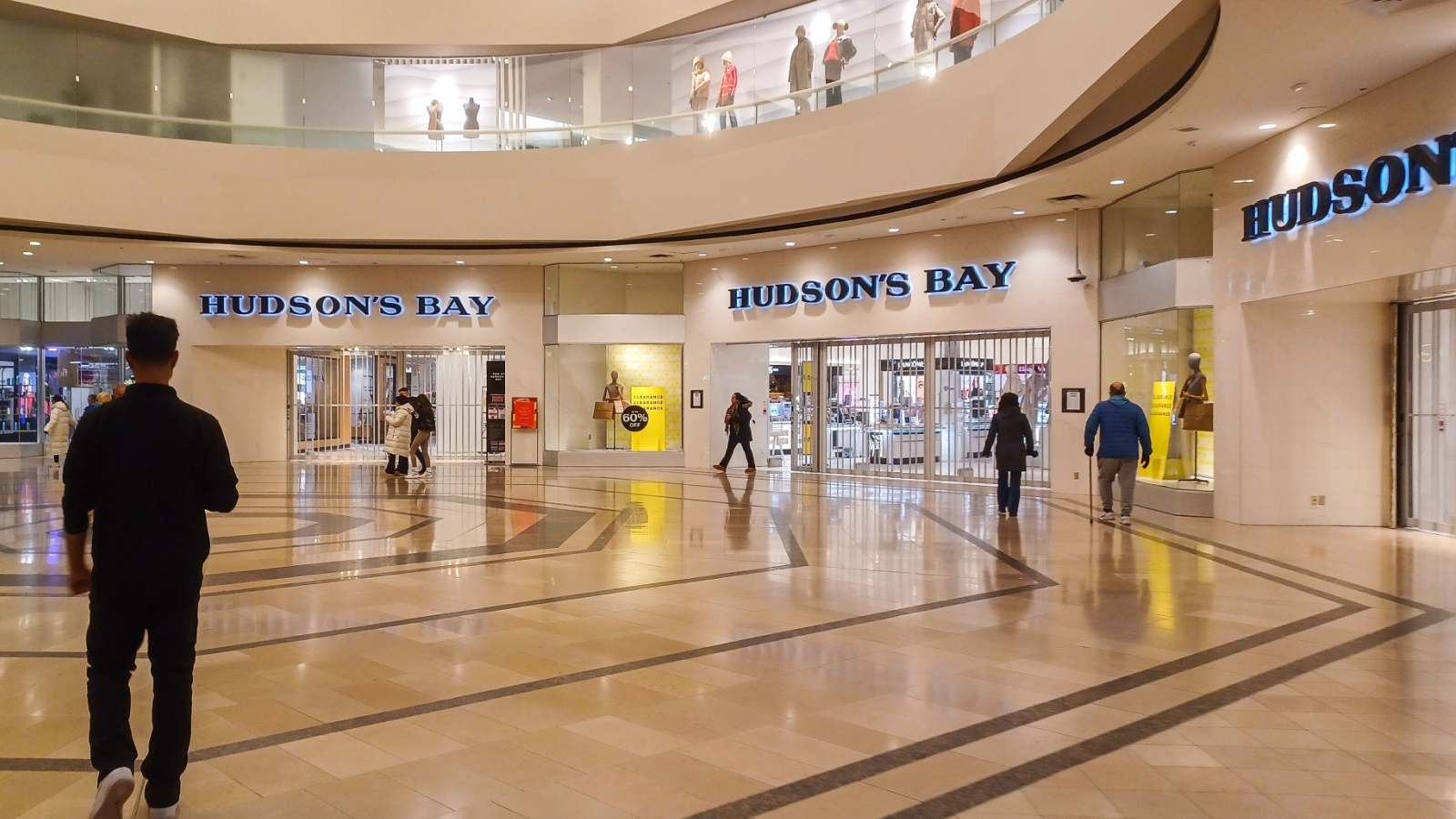
Hudson’s Bay Company, the iconic department store with a history dating back to 1670, was sold in 2008 to NRDC Equity Partners, a U.S.-based private equity firm. Although the head office is in Canada and the stores retain their signature branding, strategic decisions and financial planning are influenced by American ownership. This has impacted store closures, product lines, and e-commerce strategies. While the Hudson’s Bay name still carries historical significance in Canada, the business operations now reflect a cross-border corporate reality that many shoppers may not realize.
Canada Dry

Despite the name, Canada Dry is no longer a Canadian-owned beverage. The brand, famous for its ginger ale, is owned by Keurig Dr Pepper, an American company based in Texas. Originating in Toronto in the early 1900s, Canada Dry built its reputation on its crisp taste and marketing as a premium mixer. Today, production is spread across multiple countries, and branding decisions are made at the U.S. headquarters. While Canadians still consume large quantities of the drink, its profits and ownership are firmly tied to an American corporate structure.
Club Monaco

Once a trendy Toronto-based fashion retailer, Club Monaco was purchased by Ralph Lauren Corporation in 1999. The brand maintained its Canadian design team for years, but major creative and business decisions have long been driven from the United States. Stores still operate in Canada, but its global presence means that seasonal collections are designed to appeal to a wider international audience. And, while Club Monaco retains a modern, minimal aesthetic, its identity is shaped by its American parent company rather than by Canadian designers alone.
Joe Fresh

Launched by Loblaw Companies Limited in 2006, Joe Fresh made a splash in the affordable fashion market. However, in 2016, Loblaw sold its U.S. operations to American retailer The TJX Companies, which also owns Marshalls and TJ Maxx. While Joe Fresh clothing sold in Canada remains under Loblaw, the brand’s American expansion is now entirely controlled from the U.S. This partial ownership shift has influenced design and marketing approaches, adapting to global fast-fashion trends while still maintaining its Canadian grocery-store fashion roots domestically.
Alexander Keith’s Brewery
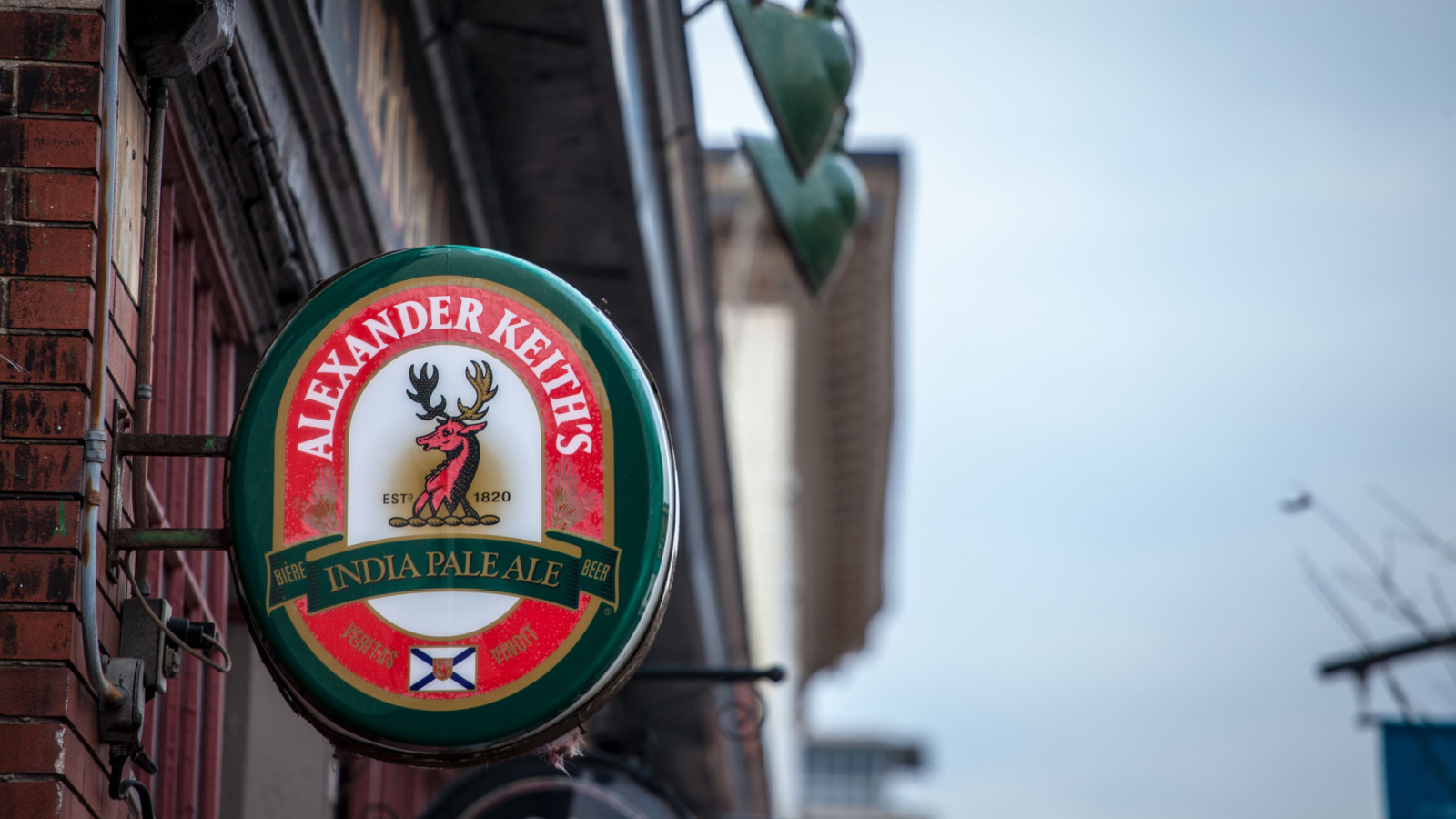
Alexander Keith’s, a Halifax-born brewery dating back to 1820, is now part of Anheuser-Busch InBev, the Belgian-based beer giant. While Keith’s branding emphasizes its Nova Scotian heritage, the company’s production and distribution strategies fall under the oversight of one of the largest brewing conglomerates in the world. This global ownership has allowed for broader distribution, but it has also meant decisions about ingredients, packaging, and pricing are influenced by international priorities.
Roots Canada

Known for its beaver logo and premium sweats, Roots Canada was sold in 2015 to Searchlight Capital Partners, a U.S.-based private investment firm. The brand still maintains its design headquarters in Toronto and markets itself heavily as a Canadian lifestyle company. However, expansion strategies, pricing, and retail decisions are now influenced by foreign investors. The change in ownership aimed to accelerate global growth, especially in Asia, where Canadian-themed apparel enjoys significant popularity.
Bauer Hockey

Bauer, initially founded in Kitchener, Ontario, in 1927, is now owned by Peak Achievement Athletics, which is based in the U.S. Bauer remains one of the top hockey equipment brands worldwide, outfitting both professionals and amateurs. While research and development still occur in Canada, high-level business strategies, marketing campaigns, and corporate operations are managed from American offices. Many Canadians still associate Bauer with the sport’s national identity, unaware that it has been under foreign ownership for years.
Sleeman Breweries

Sleeman Breweries, known for its clear bottle and distinctive taste, was founded in Guelph, Ontario, in 1834. Today, it is owned by Sapporo Breweries, a Japanese beer company. This acquisition in 2006 brought Japanese brewing expertise to the Canadian brand while expanding Sapporo’s reach in North America. Despite this, Sleeman continues to brew in Canada, retaining much of its original branding and marketing style. However, strategic investments, product innovations, and corporate oversight now come from Japan.
West 49

West 49, a popular Canadian skateboard and streetwear retailer, was acquired by U.S.-based YM Inc. after years of ownership changes. Although it still targets a youthful Canadian audience with skate-inspired fashion, its operational and business strategies align with the broader objectives of its American parent company. This includes supply chain management, marketing, and product sourcing, which often involve global suppliers and design influences beyond Canada’s borders.
Herschel Supply Co.

Despite its Vancouver origins, Herschel Supply Co. is partially owned by foreign investors, with significant stakes held by global equity firms. Known for its stylish backpacks and travel accessories, Herschel’s branding is still tied to its Canadian roots, but its expansion strategy and global operations are coordinated with international partners. This has allowed for rapid growth into European and Asian markets, but it also means a mix of Canadian and foreign interests influences the brand’s decision-making.
Laura Secord

Famous for its chocolates and ice cream, Laura Secord was founded in 1913 in Toronto but has been owned by Quebec-based Nutriart Inc., which itself has strong international investment ties. While production remains in Canada, many of the company’s financial and growth strategies are influenced by these global investors. This has helped Laura Secord expand internationally, but it also means the brand’s profits and direction are not purely Canadian-controlled.
Purdy’s Chocolates

Purdy’s remains a familiar name in Canadian confectionery, especially during the holiday seasons. Although its operations and chocolate production are still based in Vancouver, it has partial foreign investment, influencing expansion strategies and supply chain logistics. These investments help fuel its ability to scale operations and enter new markets, though they also shift some control abroad. While its branding stays rooted in Canadian pride, the direction of growth, seasonal offerings, and even ingredient sourcing are increasingly decided with multinational input.
Lululemon Athletica

Headquartered in Vancouver, Lululemon has become a global leader in athletic wear. As a publicly traded company listed on NASDAQ, a considerable portion of its ownership resides with American and international investors. This ownership structure shapes its aggressive growth into markets like China and the U.K., influences its investor relations policies, and impacts product development cycles. While its flagship stores and Canadian branding remain strong, many corporate decisions and strategic pivots are influenced by shareholders seeking global scalability and returns.
McCain Foods

McCain Foods has deep roots in New Brunswick and remains a symbol of Canadian agriculture and entrepreneurship. However, its global reach and international partnerships have introduced foreign investment into its operations. The company runs factories across several continents, and foreign market priorities can influence everything from product varieties to corporate initiatives. With a strong export focus, McCain’s global positioning means that while it retains Canadian identity, its business framework operates on an international scale, shaped by a wide range of stakeholders.
Mr. Lube

Mr. Lube started as a family business in British Columbia. Still, he later attracted interest from private equity firms, including those based in the U.S. This transition enabled rapid expansion across Canada and into potential international markets. While the stores continue offering the same drive-through oil change experience, many high-level business decisions—like pricing, service bundling, and partnerships- now reflect the priorities of foreign investors. The brand presents itself as distinctly local, but its growth trajectory and financial planning are now linked to broader investor interests.
Aldo

Aldo Shoes, though still headquartered in Montreal, is backed by global financial stakeholders who have helped the company expand across more than 100 countries. This multinational investment influences seasonal trends, product line choices, and retail formats. Decisions about which collections are released and where stores open are influenced by sales trends not just in North America, but globally. While Aldo still showcases a distinctly Canadian design flair, much of its business now operates according to metrics and goals set by an international investor base.
BlackBerry

While BlackBerry’s headquarters remain in Waterloo, Ontario, the company has shifted its focus from smartphones to cybersecurity and software solutions. It is publicly traded and thus subject to significant foreign shareholder influence. As the brand pivots into new tech sectors, international stakeholders shape its business decisions, including R&D priorities, mergers, and global outreach. Although Canadian engineers still play a key role, the company’s focus has shifted toward global enterprise needs, which often diverge from domestic market considerations.
Mountain Equipment Company (MEC)

MEC’s 2020 acquisition by U.S.-based Kingswood Capital Management shifted the company away from its co-operative roots into a standard corporate entity. Though MEC retained many of its Canadian store locations and outdoor ethos, major decisions are now driven by private equity performance goals. The new ownership introduced changes in product lines, pricing, and operational efficiency. MEC’s transformation reflects broader corporate ambitions, prioritizing profitability and growth over the community-oriented, member-first model it once proudly championed.
Couche-Tard (Circle K)

Alimentation Couche-Tard is still headquartered in Laval, Quebec, but its global expansion has introduced foreign ownership through shareholders and international operations. Circle K, its flagship convenience store chain, now spans Europe, Asia, and the U.S. While its roots remain Canadian, its financial reporting, branding, and growth plans are influenced by foreign market performance. As Couche-Tard scales further, more corporate strategies will prioritize international integration over purely domestic interests.
Air Canada

Air Canada, although legally Canadian, has seen growing foreign ownership due to international trading of its shares. These foreign holdings give international investors influence over decisions on aircraft purchases, alliance memberships, and global route development. It remains Canada’s largest airline, but many decisions are shaped to cater to international markets, partnerships like Star Alliance, and cost efficiency programs often driven by global shareholder expectations. Despite the maple leaf on its planes, the internal operations speak a more international language.
Saputo Inc.

Saputo began as a small cheese business in Montreal and has grown into a multinational dairy giant. Over the years, it has made strategic acquisitions across Australia, the U.S., and Europe. Though still controlled by the founding Saputo family to a degree, much of its financial growth is powered by global investor confidence. Foreign operations and expectations heavily influence corporate decisions, supply chain logistics, and new market entries. Its global positioning has helped it thrive, but it now functions beyond the bounds of Canadian ownership.
21 Products Canadians Should Stockpile Before Tariffs Hit

If trade tensions escalate between Canada and the U.S., everyday essentials can suddenly disappear or skyrocket in price. Products like pantry basics and tech must-haves that depend on are deeply tied to cross-border supply chains and are likely to face various kinds of disruptions
21 Products Canadians Should Stockpile Before Tariffs Hit
This Options Discord Chat is The Real Deal
While the internet is scoured with trading chat rooms, many of which even charge upwards of thousands of dollars to join, this smaller options trading discord chatroom is the real deal and actually providing valuable trade setups, education, and community without the noise and spam of the larger more expensive rooms. With a incredibly low-cost monthly fee, Options Trading Club (click here to see their reviews) requires an application to join ensuring that every member is dedicated and serious about taking their trading to the next level. If you are looking for a change in your trading strategies, then click here to apply for a membership.