
35,000+ smart investors are already getting financial news, market signals, and macro shifts in the economy that could impact their money next with our FREE weekly newsletter. Get ahead of what the crowd finds out too late. Click Here to Subscribe for FREE.
Across Canada, grocery carts look a little different in 2025. Shoppers aren’t filling them with flashy name brands anymore; they’re quietly trading them for cheaper alternatives that do the job just as well. It’s not desperation; it’s strategy. Years of inflation and shrinking packages have taught Canadians that brand loyalty rarely rewards the wallet. Here are 22 grocery items Canadians have downgraded, and are not regretting.
Milk and Dairy
22 Grocery Items Canadians Are Quietly Downgrading (And Not Regretting)
- Milk and Dairy
- Breakfast Cereals
- Olive Oil
- Coffee
- Yogurt
- Pasta Sauce
- Toilet Paper
- Frozen Vegetables
- Bottled Water
- Snack Chips
- Meat Cuts
- Eggs
- Bread and Bakery Items
- Frozen Pizza
- Salad Dressings
- Canned Soups
- Butter Alternatives
- Frozen Berries
- Cleaning Products
- Condiments
- Baking Ingredients
- Ice Cream
- 21 Products Canadians Should Stockpile Before Tariffs Hit

Milk prices have soared, but quality hasn’t changed much. That’s why many households now grab store-brand milk or butter instead of well-known labels like Natrel. They’re pasteurized, regulated, and nearly identical in taste. A 4-litre jug costs around $5.49 compared to $7 branded options. Even lactose-free and organic versions are cheaper under supermarket lines. Cheese lovers are doing the same, switching to local co-op or store cheese blocks without missing the difference. Milk remains milk, whether it comes in fancy packaging or not. This downgrade saves families dozens of dollars every month without losing comfort or consistency.
Breakfast Cereals

Once a morning staple, branded cereals like Cheerios and Special K are becoming rare in Canadian cupboards. With boxes now touching $9, families are turning to bagged store alternatives that taste nearly identical for half the price. Kids don’t notice the label swap, and parents appreciate that many generic options have less sugar and simpler ingredients. The shift has nothing to do with sacrifice, just common sense. When breakfast repeats daily, small savings add up fast. For most Canadians, pouring “Honey Rings” instead of “Honey Nut Cheerios” has become a quiet rebellion against overpriced marketing.
Olive Oil

Olive oil once symbolized culinary status, but shoppers now care more about function than flair. A $20 imported bottle no longer justifies the cost when a $9 store-brand version sautés, roasts, and dresses salads perfectly fine. Most Canadians realized they can’t taste the difference unless they’re chefs. The acidity, cold-pressed claims, and purity certifications are nearly identical across shelves. Many even prefer locally bottled blends with faster turnover. It’s less about compromise and more about cutting through marketing noise, proving good meals don’t require “Tuscan-sounding” packaging to taste authentic.
Coffee

Coffee lovers still crave their caffeine, just not the price tags. Branded beans like Starbucks or Kicking Horse can cost $18 a bag, while supermarket or Costco roasts deliver a similar aroma for $10. With automatic machines and pod alternatives everywhere, convenience outweighs prestige. Many now buy bulk grounds or grind beans themselves, finding equal satisfaction for half the price. The taste difference barely registers after cream and sugar. For most, it’s the same jolt, less guilt. Morning rituals remain sacred, just cheaper.
Yogurt

Yogurt aisles once screamed luxury, but shoppers have gone quiet and practical. Instead of paying $7 for Oikos or Activia, people are grabbing $4 tubs of store-brand Greek yogurt that taste just as thick and tangy. Ingredient lists, milk, cultures, and minimal sugar are nearly identical. For smoothies, desserts, or snacks, the cheaper version performs perfectly. Families save weekly, and no one’s complaining. The shift is small but symbolic: nutrition hasn’t changed, only the marketing has. Canadians are realizing the difference between “premium probiotic” and “plain yogurt” is often just the label design.
Pasta Sauce

Pasta nights still feel indulgent, just less expensive. The $8 imported jars of marinara or Alfredo have been replaced by $3 store-brand sauces that work wonders with a pinch of added herbs. Many are made in the same facilities as premium brands anyway. For busy households, the taste difference disappears once garlic, cheese, or olive oil hits the pan. This simple switch saves $5 each meal without sacrificing quality. It’s a downgrade only in price, because on the plate, no one can tell which jar it came from.
Toilet Paper

During the pandemic, Canadians learned the hard way that brand loyalty doesn’t pay off better. Now, $12 generic 12-packs have replaced $20 “ultra-soft” options with almost no loss in comfort. People realized that play count matters more than mascots or slogans. Even Costco’s Kirkland Signature rolls outperform pricier alternatives in strength tests. The savings, over $100 a year per household, make this switch permanent. It’s the least glamorous downgrade, but also one of the smartest. Canadians discovered that what really counts is practicality, not the cartoon bears on the packaging.
Frozen Vegetables

The frozen aisle has become a treasure chest for budget-conscious shoppers. Instead of reaching for Green Giant or Birds Eye, Canadians are opting for No Name, Compliments, and Kirkland Signature bags priced 30% lower. The nutritional content remains the same because all are flash-frozen at harvest. Whether tossed into stir-fries or soups, there’s no taste or texture loss. Buying in bulk also means less food waste and fewer midweek grocery runs. It’s one of those downgrades that quietly makes households more efficient. The frozen section, once overlooked, is now a pillar of smart, sustainable eating.
Bottled Water

The era of “designer” bottled water is over for most Canadians. Instead of paying $7 for Evian or Smartwater, shoppers are grabbing $3 cases of store-brand purified water, or skipping bottled water altogether. With tap filtration systems and refillable bottles, hydration has become cheaper and greener. The quality difference is virtually nonexistent, as all bottled water must meet federal safety standards. This shift has reduced plastic use and household costs significantly. For many, the real refreshment comes from realizing they’ve stopped paying extra for a fancy label on something that’s literally free from the tap.
Snack Chips

Snack cravings didn’t disappear; they just got smarter. Lays, Doritos, and Miss Vickie’s have all seen price hikes that pushed shoppers toward private-label chips priced under $3.50. The crunch, salt, and flavor intensity remain familiar, with some even claiming less grease. No Name, President’s Choice, and Compliments chips now dominate party bowls and movie nights alike. For families that snack often, the annual savings are considerable. The only thing missing is the flashy logo on the bag. Canadians have realized that taste satisfaction doesn’t require marketing, just good seasoning and a decent crunch.
Meat Cuts

Steak dinners and chicken roasts still happen; they’re just sourced differently. Instead of branded, “premium” cuts, households now choose store-brand meats or butcher’s specials that cost 20–40% less. With proper seasoning and cooking methods, cheaper cuts taste just as good. Air fryers, marinades, and slow cookers have become allies in this adjustment. Canadians are focusing more on meal planning than status labels, using creativity to stretch protein dollars further. Whether it’s buying in bulk or choosing family packs, the savings stack up quickly without compromising quality or nutrition.
Eggs

Eggs are another grocery staple where branding means little. Whether the carton says Burnbrae, Compliments, or a local farm, all eggs meet strict CFIA safety standards. Many households now buy medium or ungraded eggs to save $2–$3 per dozen. Local markets and co-ops have also become popular sources, offering freshness at better prices. The difference in taste? Minimal, if any. Scrambles, omelets, or baking results remain unchanged. The downgrade isn’t about frugality, it’s about practicality. Canadians discovered that breakfast doesn’t need a premium label to taste sunny-side-up.
Bread and Bakery Items

In-house bakery sections are thriving because of affordability and freshness. Instead of $7 loaves from national brands, shoppers grab $2–$3 options baked fresh daily in-store. Baguettes, buns, and bagels now come from the same ovens as premium-looking artisan goods. Even multigrain and sourdough styles are available at half the price. The shelf life is longer, and the texture softer, making sandwiches and breakfasts just as enjoyable. Consumers realized that quality comes from the recipe, not the logo. The bakery downgrade feels less like a compromise and more like a smart rediscovery of local value.
Frozen Pizza

Frozen pizza night remains sacred, but the brands have changed. Canadians are moving away from Delissio and Dr. Oetker in favor of $5 store-brand pizzas that bake up crispy and cheesy. Most recipes use the same basic ingredients: flour, tomato sauce, and mozzarella, and can be easily customized at home. Adding extra toppings turns a cheap pizza into something that tastes premium. For families feeding several people, the savings are massive. It’s comfort food that no longer drains the wallet. The box might look plain, but the satisfaction after a long day tastes exactly the same.
Salad Dressings

Bottled dressings have gone from fridge essentials to DIY inspiration. Instead of paying $7 for Kraft or Renee’s, Canadians are buying $3 store-brand vinaigrettes or mixing their own using olive oil, vinegar, and spices. The taste difference is minimal, but the control over ingredients is huge. Homemade or store-brand versions contain fewer preservatives and less sugar, which appeals to health-conscious shoppers. The switch saves money and encourages fresher eating habits. The once-overlooked salad dressing aisle now feels like a reminder that flavor doesn’t need a marketing team, it just needs good ingredients.
Canned Soups

Comfort in a can is still comforting, just less costly. Campbell’s and Heinz now share shelf space with $1.50–$2.00 store-brand soups that taste remarkably similar. The core recipes, tomato, chicken noodle, and minestrone, rarely differ much. When paired with grilled cheese or crackers, no one can tell which brand was used. Bulk-buying during sales further slashes costs, making these a reliable pantry staple for quick meals. The nostalgia remains intact; the price shock doesn’t. Canadians learned that warmth from a bowl doesn’t have to come at a premium anymore.
Butter Alternatives

Rising dairy prices have revived margarine and plant-based spreads. Once dismissed, these products now rival butter in taste and texture while costing half as much. A tub of margarine costs around $4 compared to $8 for butter. They work just as well for spreading, sautéing, and even baking. Health-conscious buyers also prefer the lower saturated fat content. For everyday use, the downgrade feels logical rather than limiting. It’s not about giving up flavor; it’s about maintaining it smartly. Butter may still feel indulgent, but margarine has reclaimed its rightful place on Canadian countertops.
Frozen Berries

Smoothie lovers and bakers have made an easy financial win with frozen berries. Instead of paying $13 per kilo for branded bags, they buy $8 store-brand versions that taste identical once blended or baked. All frozen berries are preserved at harvest, locking in nutrition and flavor. Some shoppers even buy fresh fruit in summer and freeze it themselves for year-round use. This shift saves money, reduces waste, and keeps morning routines just as colorful. Canadians discovered that “premium” berries don’t make better smoothies; consistency does. It’s a healthy habit with a thriftier twist.
Cleaning Products

The cleaning aisle has quietly joined the downgrading trend. Rather than spending $8 on Lysol sprays or Mr. Clean bottles, Canadians are picking $3–$4 store-brand disinfectants with identical active ingredients. Surfaces shine the same, germs vanish just as effectively, and homes smell just as fresh. Many households also opt for refill concentrates to cut costs and plastic waste. This downgrade doesn’t feel like a compromise; it feels like progress. Cleanliness, after all, depends on ingredients, not branding. It’s one of the few swaps that saves money and the planet simultaneously.
Condiments
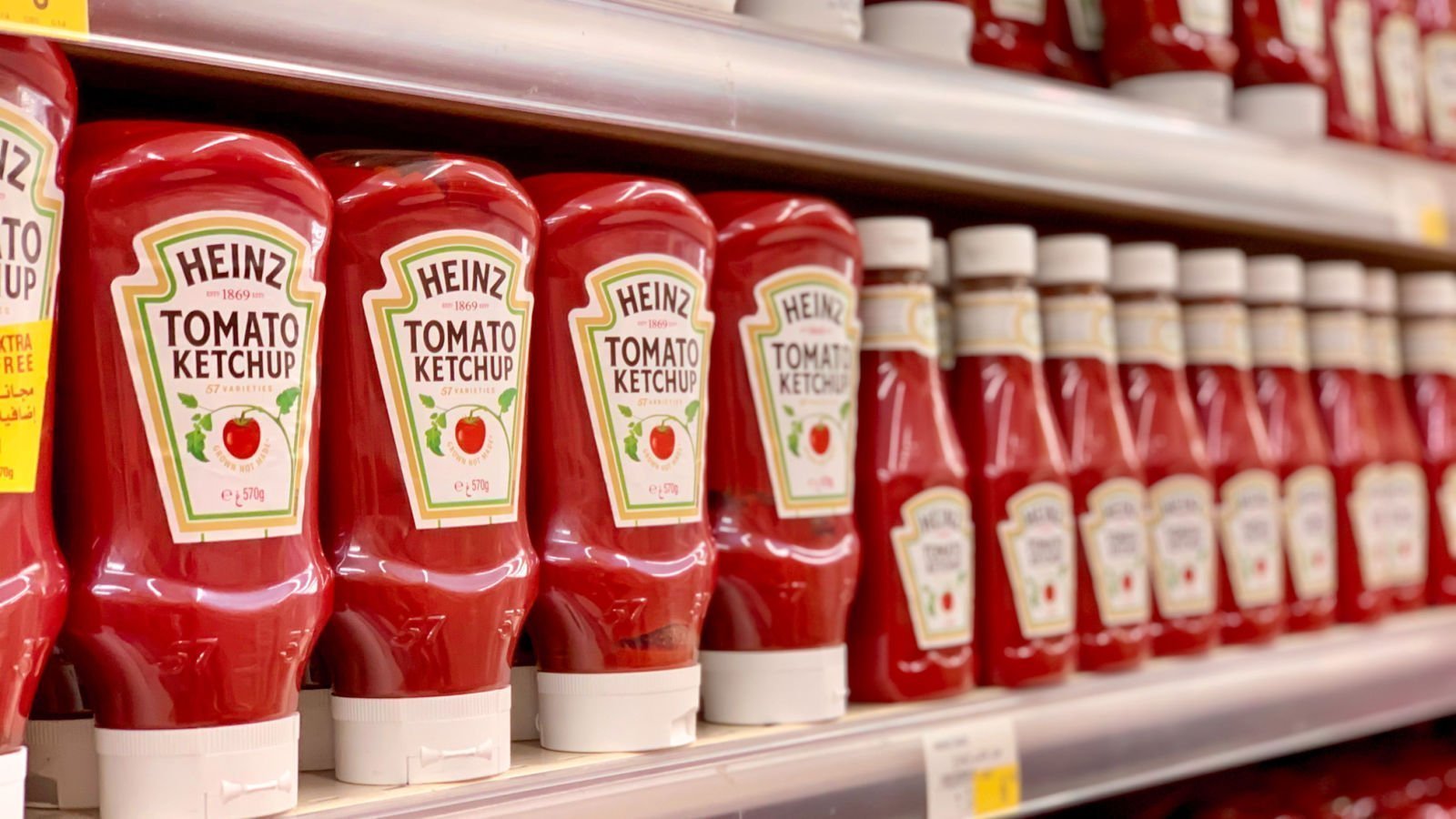
Ketchup, mustard, and mayo, those fridge staples, no longer come from name brands in many homes. Heinz and Hellmann’s prices have doubled, but their $3 store-brand counterparts perform just as well. Once spread on burgers, fries, or sandwiches, the difference disappears. Larger bottles, lower costs, and similar taste make the choice easy. Buying in bulk also extends savings throughout the year. For most households, it’s a no-brainer: condiments shouldn’t cost as much as a meal. The flavor is still there; the price guilt isn’t.
Baking Ingredients

Home bakers are skipping big-name staples like Robin Hood flour or Hershey’s cocoa in favor of store-brand alternatives priced 25–30% lower. The flour still rises, the sugar still sweetens, and the brownies still disappear just as fast. Ingredient sourcing is often identical, meaning results don’t change. With eggs, milk, and butter already expensive, saving on baking basics helps keep the hobby affordable. It’s the kind of downgrade that supports creativity instead of cutting it. Canadians are proving that delicious doesn’t need a logo, it just needs an oven and a little sugar.
Ice Cream

The ultimate comfort food has cooled down in price-conscious homes. Instead of paying $9 for Häagen-Dazs or Ben & Jerry’s, shoppers grab $4 tubs of President’s Choice or store-brand ice cream that deliver the same creamy satisfaction. Classic flavours like chocolate, vanilla, and cookie dough are nearly indistinguishable. With dessert inflation at an all-time high, this switch makes indulgence sustainable again. Families save while keeping Friday-night traditions alive. The texture’s smooth, the sweetness hits right, and no one feels deprived. The only real difference? A smaller receipt and a bigger smile.
21 Products Canadians Should Stockpile Before Tariffs Hit

If trade tensions escalate between Canada and the U.S., everyday essentials can suddenly disappear or skyrocket in price. Products like pantry basics and tech must-haves that depend on are deeply tied to cross-border supply chains and are likely to face various kinds of disruptions
21 Products Canadians Should Stockpile Before Tariffs Hit
This Options Discord Chat is The Real Deal
While the internet is scoured with trading chat rooms, many of which even charge upwards of thousands of dollars to join, this smaller options trading discord chatroom is the real deal and actually providing valuable trade setups, education, and community without the noise and spam of the larger more expensive rooms. With a incredibly low-cost monthly fee, Options Trading Club (click here to see their reviews) requires an application to join ensuring that every member is dedicated and serious about taking their trading to the next level. If you are looking for a change in your trading strategies, then click here to apply for a membership.