
35,000+ smart investors are already getting financial news, market signals, and macro shifts in the economy that could impact their money next with our FREE weekly newsletter. Get ahead of what the crowd finds out too late. Click Here to Subscribe for FREE.
Many travelers return from holidays loaded with snacks, gifts, and small treats they want to share at home. The problem starts when those foods meet Canadian border rules. Some items are banned outright because they can carry pests or diseases that threaten farms, wildlife, or local ecosystems. Others are restricted because they spoil fast or come from places with strict controls. You might think a little cheese or a packet of fruit is harmless, but border officers see it differently. Here are 22 foods you can’t bring back into Canada after your holiday trip.
Fresh Meat from Any Country
22 Foods You Can’t Bring Back into Canada After Your Holiday Trip
- Fresh Meat from Any Country
- Homemade Sausages
- Fresh Milk
- Unpasteurized Cheese
- Fresh Eggs
- Fresh Fruits With Seeds
- Fresh Citrus Fruit
- Fresh Vegetables with Soil
- Raw Potatoes
- Raw Fish Without Commercial Packaging
- Live Shellfish
- Honeycomb
- Raw Nuts with Shells
- Fresh Herbs with Roots
- Pickles Without Commercial Labels
- Homemade Jams
- Dried Meat from Unknown Sources
- Bird Nests Used in Soup
- Fresh Coconut with Husk
- Raw Poultry Products
- Foods Containing Fresh Pork
- Anything With Undeclared Meat Ingredients
- 22 Groceries to Grab Now—Before another Price Shock Hits Canada
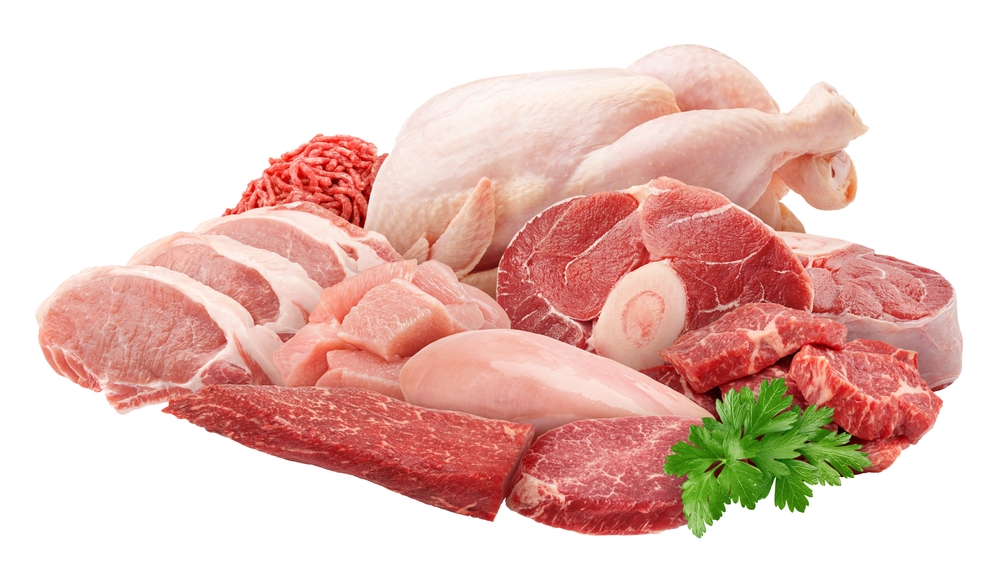
Fresh meat is one of the most commonly seized items at Canadian airports. Many travelers pack it for family or cultural reasons, but border rules treat it as high risk. Fresh meat can carry diseases that spread quickly. Even a small packet can cause an issue. The rules apply to beef, pork, poultry, goat, and lamb. Officers often ask detailed questions about packaging and origin. Most fresh cuts are rejected unless they meet strict commercial standards. Bringing them anyway usually ends with the food being taken away. It is easier to skip fresh meat altogether when returning.
Homemade Sausages
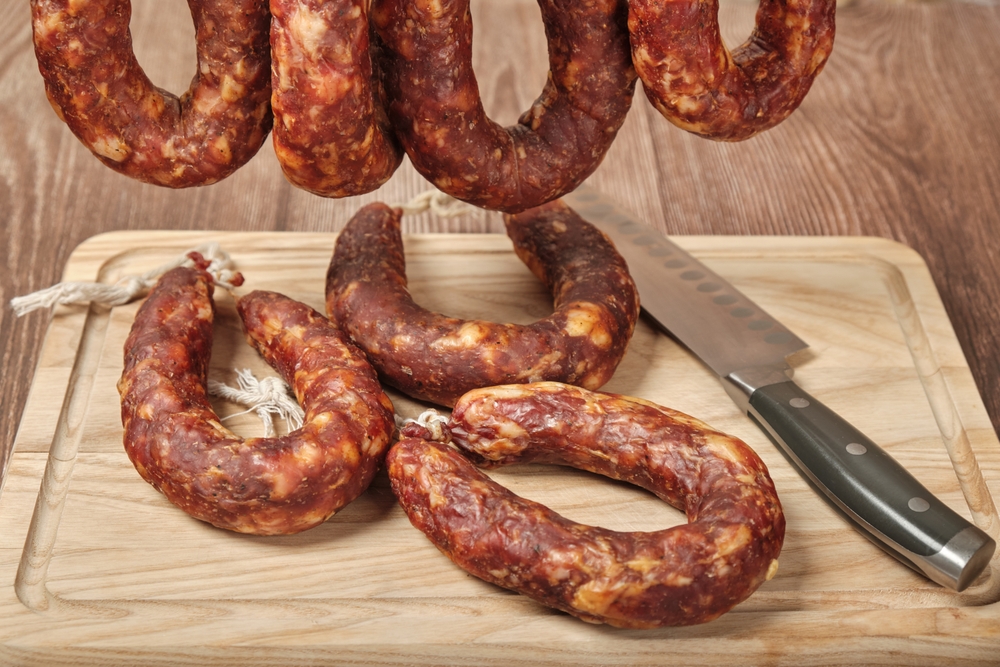
Sausages made at home or purchased from open markets are usually not allowed back into Canada. These products often skip regulated processing steps. That makes them unsafe to bring across borders. Officers cannot confirm the ingredients, handling process, or cooking temperature. Even vacuum-sealed packages still count as homemade unless they have clear commercial labels. Many travelers try to bring special holiday sausage recipes back for family dinners, but most are confiscated. The risk of bacteria or disease is simply too high. If you want sausage, look for a sealed commercial brand with full documentation.
Fresh Milk
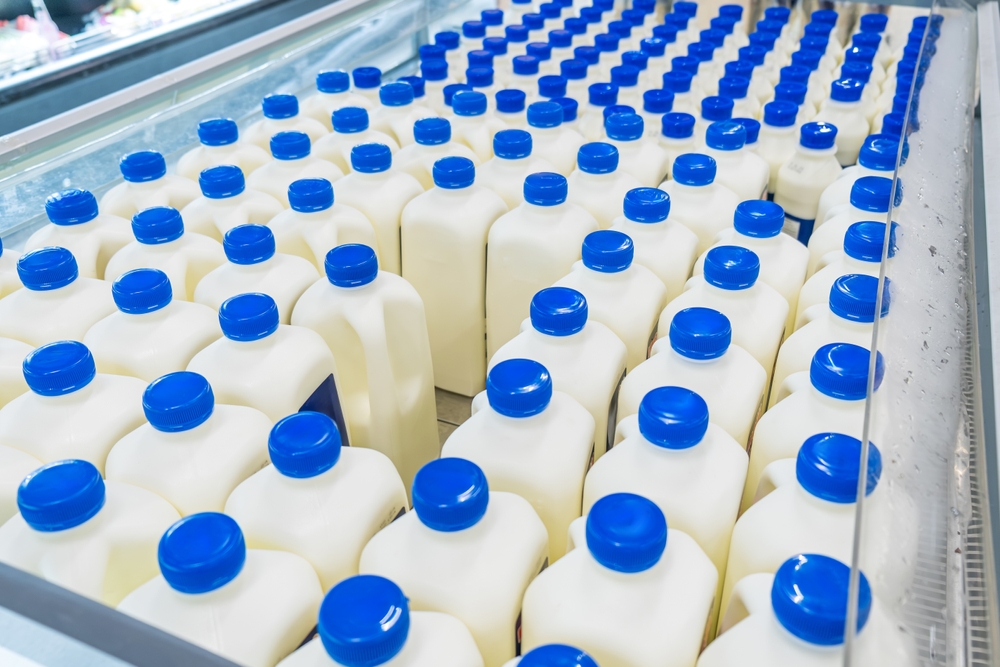
Fresh milk sounds harmless, but it is one of the most tightly controlled foods. Canada restricts it because raw or lightly processed milk can carry serious pathogens. Even pasteurized milk can be blocked if it is not sealed and labelled properly. Refrigerated dairy products often spoil during travel, which makes them even riskier at the border. Officers are strict because dairy rules tie into national supply management policies. Many travelers are surprised when even small bottles purchased abroad are refused. It is safer to buy milk at home instead of trying to bring foreign milk across international borders.
Unpasteurized Cheese
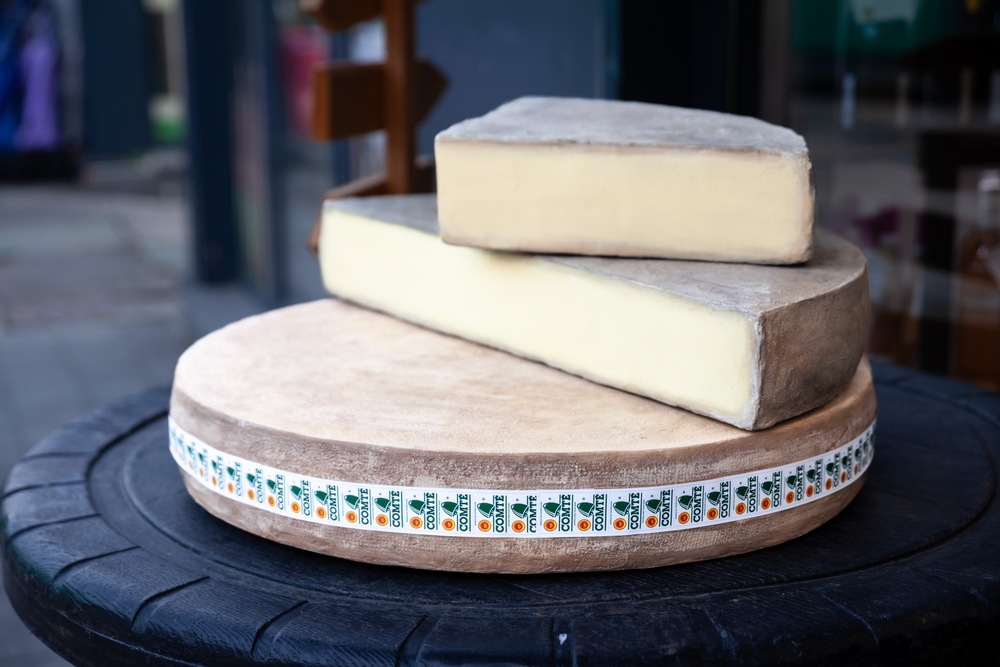
Unpasteurized cheese is popular in many countries, but it does not travel well through Canada’s border checks. These cheeses may contain harmful bacteria. CBSA treats them as high risk, especially when they come from small farms or local markets. Soft cheeses made this way are even more restricted due to moisture levels. Many travelers think handmade cheese is safer or more authentic, but officers cannot verify its preparation. Even a slice wrapped in paper triggers extra screening. Unless the cheese has clear labels that show pasteurization, it is almost always rejected. Hard cheeses face fewer issues than soft ones.
Fresh Eggs
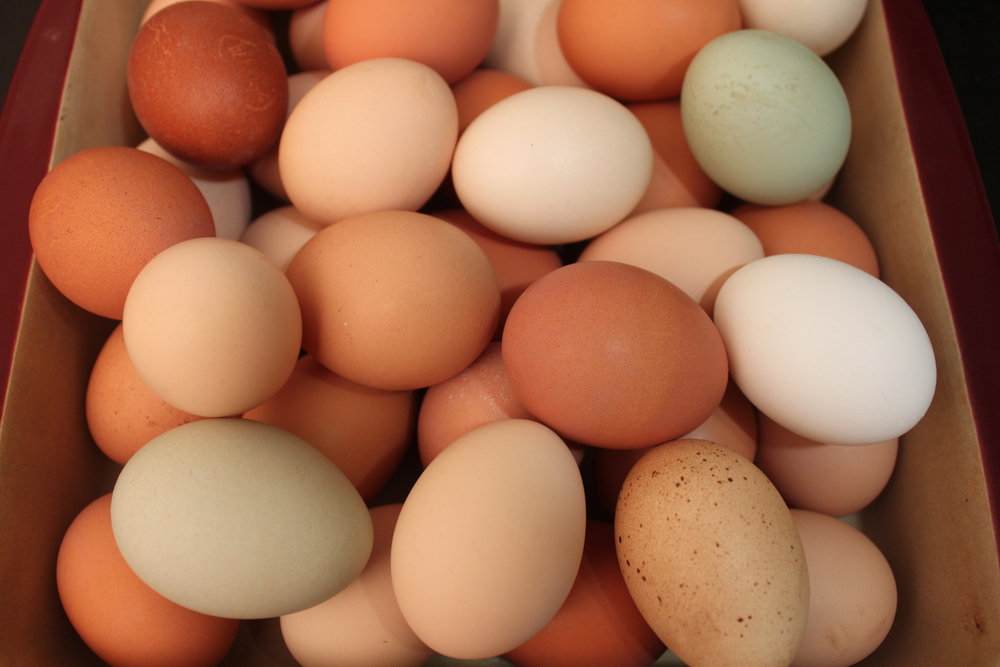
Fresh eggs are a frequent problem at Canadian airports. Many countries sell eggs without refrigeration or packaging, which raises concerns for border officers. Eggs can carry diseases that spread quickly between birds. If the origin is unclear, officers usually reject them. Farm-fresh or market eggs are especially restricted because they often lack standard labels. Travelers sometimes pack eggs for relatives who want unique flavours or colours, but they rarely make it past inspection. Only fully processed egg products have a chance of being accepted. Anything raw or cracked is immediately taken away.
Fresh Fruits With Seeds
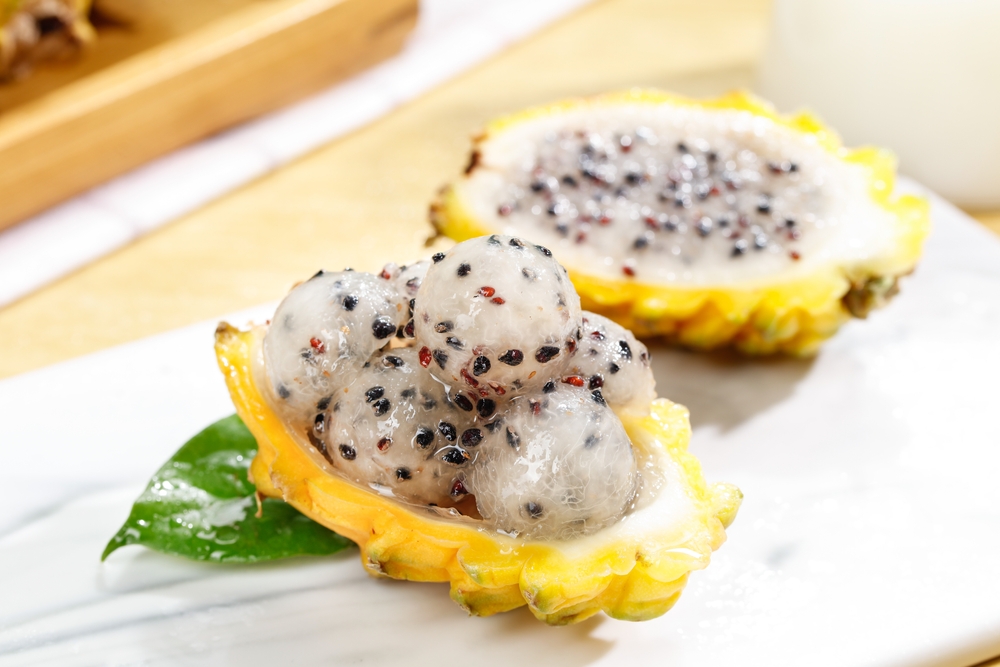
Fresh fruits that contain seeds are tightly controlled. Items such as apples, pears, and peaches seem harmless, but they can hide small insects that damage Canadian crops. Fruit flies and other pests spread easily. Border officers often ask travelers where the fruit was purchased because some regions have active infestations. Even a single apple in a backpack can cause trouble. Many fruits also carry soil or plant diseases. This makes them unsuitable for entry unless they come packaged with proper certification. Dried fruits usually pass inspection more easily. Fresh fruit rarely does, especially when seeds are still intact.
Fresh Citrus Fruit
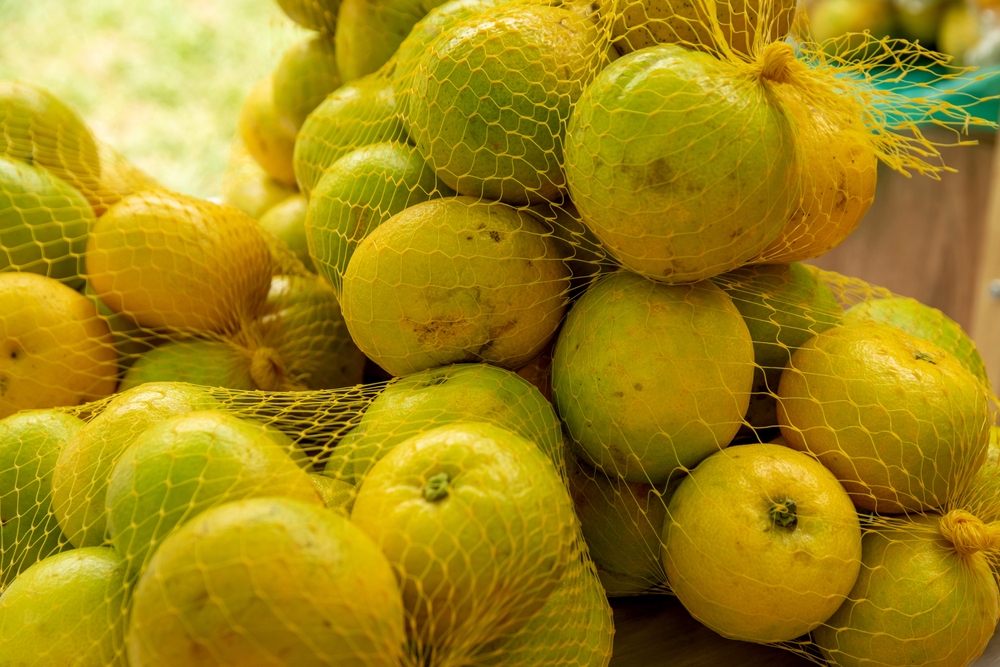
Citrus fruit has special restrictions because it can carry diseases like citrus canker. These infections spread fast and threaten commercial farms. Canada takes this risk seriously. Even fruit that looks perfect on the outside can be contaminated. People often buy oranges or lemons during holidays because they appear convenient for travel. Officers still remove them if they lack proper paperwork. Citrus from street markets is especially restricted. The rules apply to oranges, mandarins, limes, lemons, and grapefruit. Travelers are often surprised because citrus is common, but the risk level is high. Most citrus fruit is stopped at inspection.
Fresh Vegetables with Soil
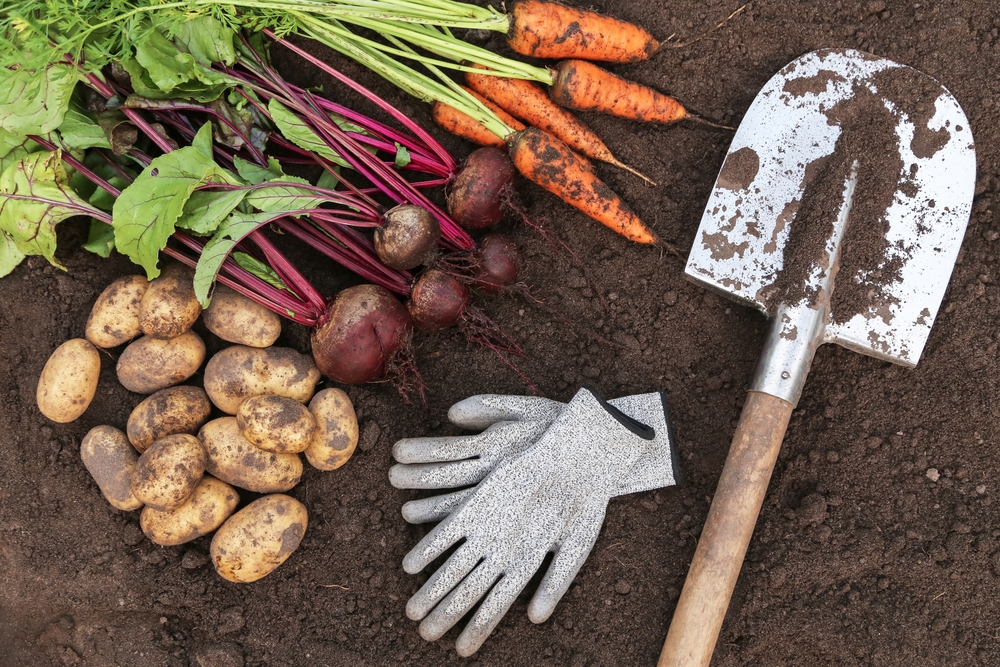
Vegetables that still have soil attached are almost always removed during border inspection. Soil can contain pests, fungi, or plant diseases. Even a small amount poses a threat. Many travelers pick vegetables from gardens or farms abroad and try to bring them home. Border officers reject them right away. Some vegetables are allowed if they are washed, packaged, and labelled. Anything pulled fresh from the ground is not accepted. Root vegetables like potatoes and carrots are especially restricted. Many of these items have been linked to past outbreaks. Clean, commercial packaging is the only safe option.
Raw Potatoes
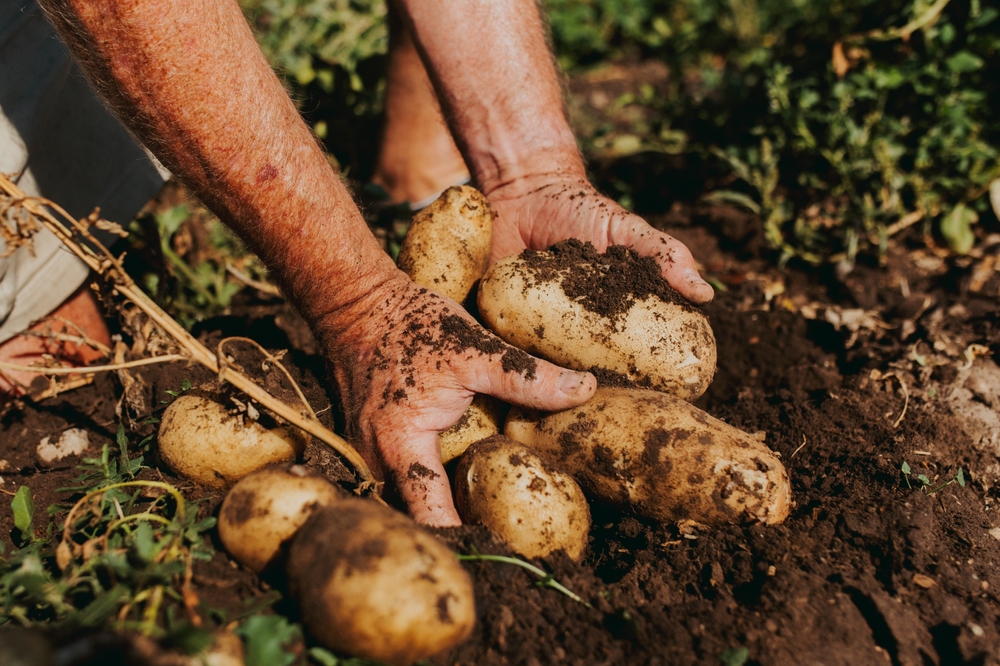
Potatoes might seem harmless, but they carry strict restrictions. Raw potatoes can host pests that cause major damage to Canadian agriculture. Soil clinging to the surface also increases the risk. The Canadian border looks closely at potatoes because certain regions face quarantine zones. Travelers often try to bring unique or rare potato varieties home. Most do not pass inspection. Only commercially packaged and fully certified potatoes have a chance. Homegrown or market potatoes are usually confiscated. The rules also apply to potato plants. Anything uncooked or unprocessed is treated as unsafe for entry.
Raw Fish Without Commercial Packaging
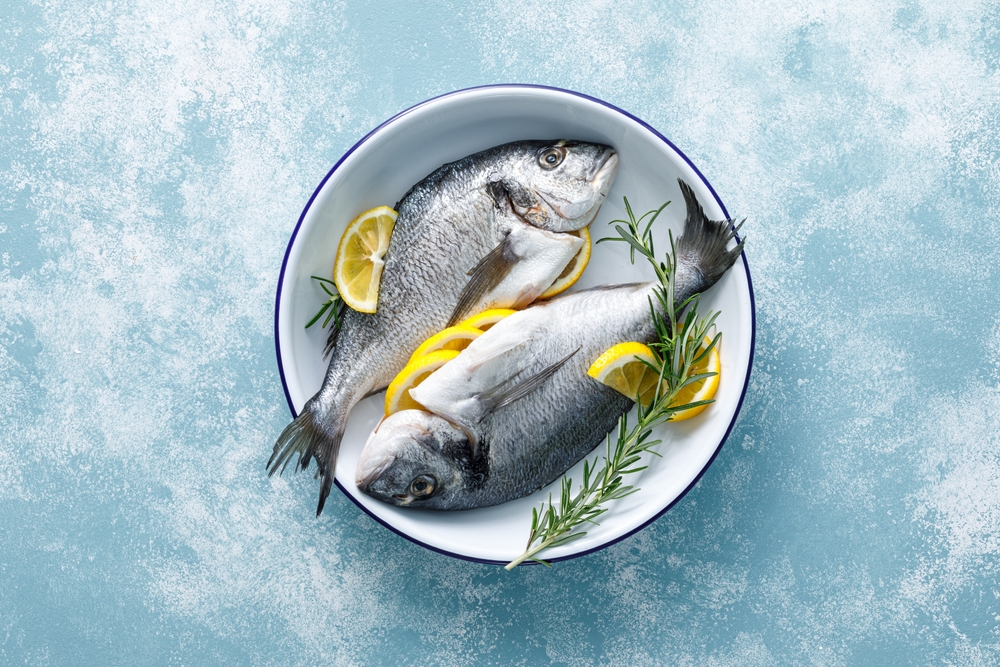
Raw fish is only accepted when it is sealed in commercial packaging from approved facilities. Anything else is taken away at the border. Travelers who fish during vacations often bring home fresh catches, but that is rarely allowed. Officers cannot confirm if the fish carries parasites or has been handled safely. Fish bought from markets also face strict rules if they have no clear label. Raw seafood spoils quickly, which makes it even more dangerous. Smoked or fully cooked fish is generally easier to bring back, but raw versions are almost always stopped.
Live Shellfish
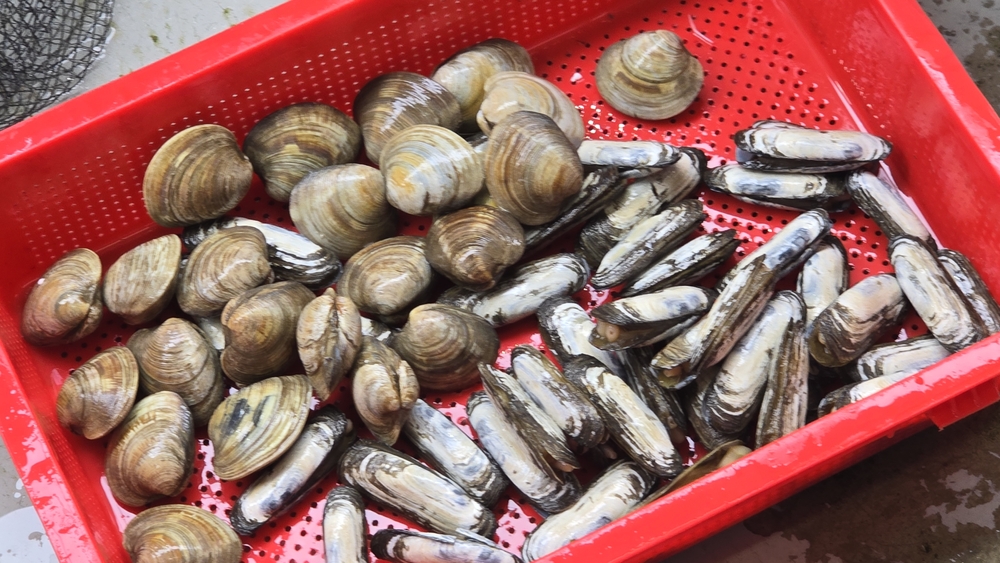
Live shellfish are high risk because they can carry toxins or bacteria that spread fast. Many travelers want to bring clams, mussels, or oysters home, especially after visiting coastal regions. Canada has tight rules on these products. Officers cannot verify the harvesting location, which matters because some waters contain harmful algae. Live shellfish also need exact storage temperatures. Even small temperature changes during a long flight can make them unsafe to eat. Frozen or fully cooked shellfish is sometimes accepted. Anything alive and unprocessed is usually confiscated without question.
Honeycomb
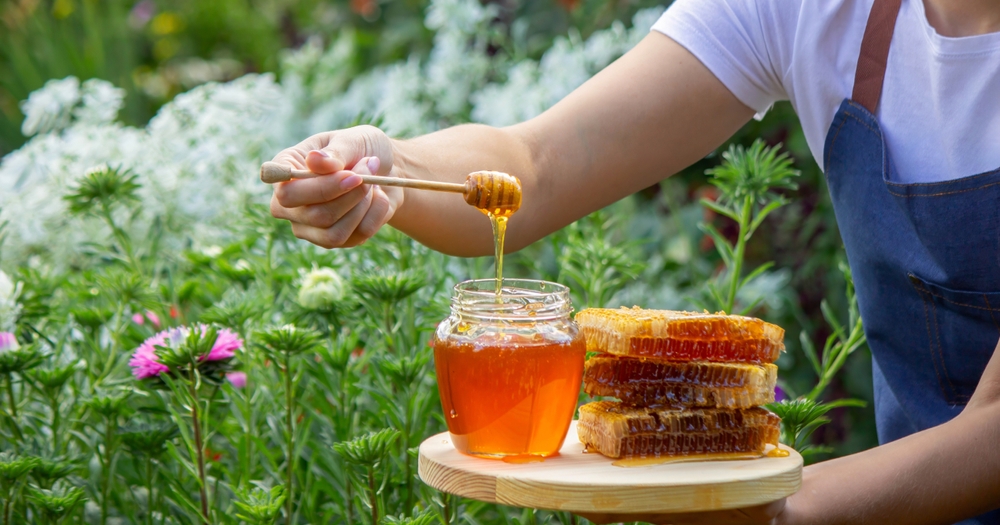
Honeycomb is more restricted than regular processed honey. The comb can contain pollen, wax, and sometimes bee parts. These materials might carry pests or diseases that harm local bees. Canada protects its beekeeping industry, so officers examine honey products closely. Honeycomb bought in markets or from small farms often lacks documentation. Many travelers buy it as a gift, but inspection rules treat it as a raw agricultural product. Commercial honey in sealed jars passes more easily. Honeycomb does not. It is usually removed and destroyed during inspection.
Raw Nuts with Shells
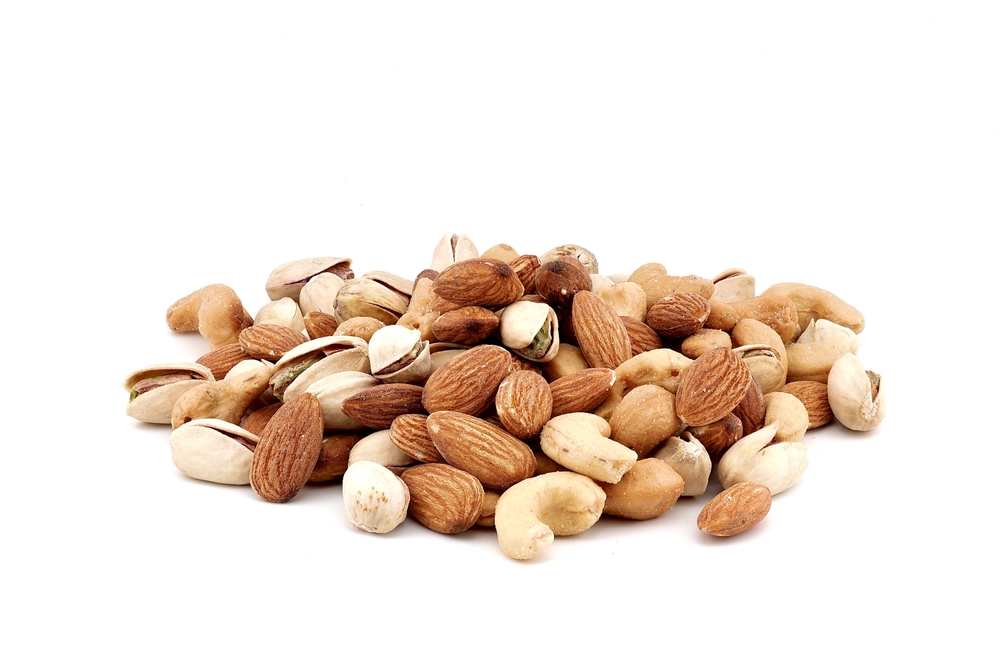
Raw nuts that still have shells often come with pests like beetles or larvae. Shells can hide insects. Many travelers buy fresh nuts from open markets because they taste different from packaged versions. Canada restricts these items because nut pests spread quickly. Officers are especially cautious with walnuts, pistachios, and almonds. Commercially processed nuts are usually fine. Raw, unprocessed nuts are not. Even small bags are confiscated. The shells themselves count as plant material. If the nuts look freshly harvested, they rarely pass inspection. Travelers lose them almost every time.
Fresh Herbs with Roots
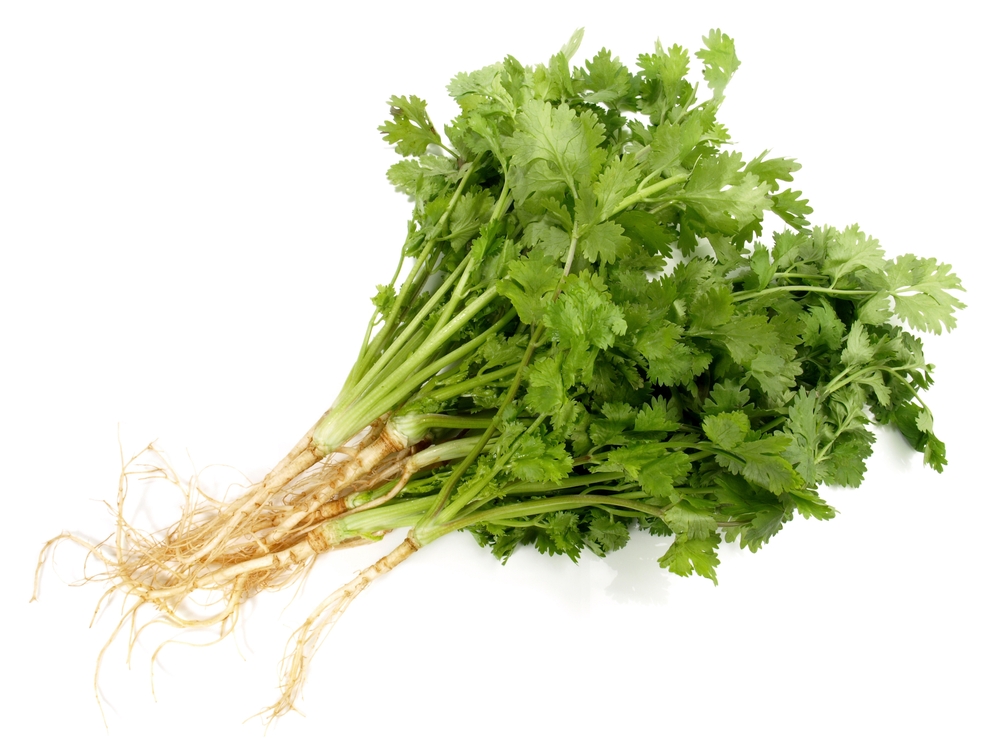
Fresh herbs that still have roots are treated as plants instead of food. This changes the rules at the border. Plants can carry soil, fungi, or insects that spread easily. Herbs like mint, basil, and cilantro are often sold with roots attached at markets. These products are usually blocked at the entry. Cut herbs without roots are sometimes allowed. Anything planted or capable of growing is treated strictly. Many travelers bring herbs for family recipes, but officers often reject them. Dried herbs are safer. Freshly rooted herbs are almost always removed.
Pickles Without Commercial Labels
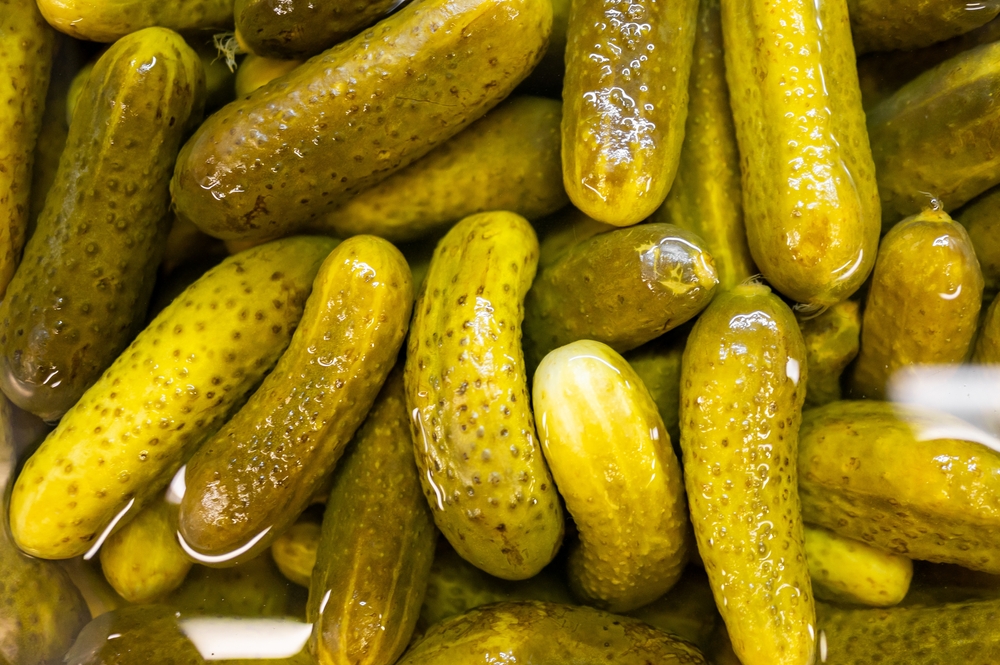
Pickled foods seem safe, but many travelers buy homemade jars without labels. These often fail inspection. Officers need clear details about ingredients and preparation. Without documentation, they cannot confirm that the product is shelf-stable. Many jars also lack pressure sealing. This raises safety issues. Pickles bought at open markets often fall into this category. Even if they look well-packed, they are treated as homemade food. Commercial jars with printed labels pass more often. Anything without a brand name faces stricter rules. Many travelers lose these jars during screening.
Homemade Jams
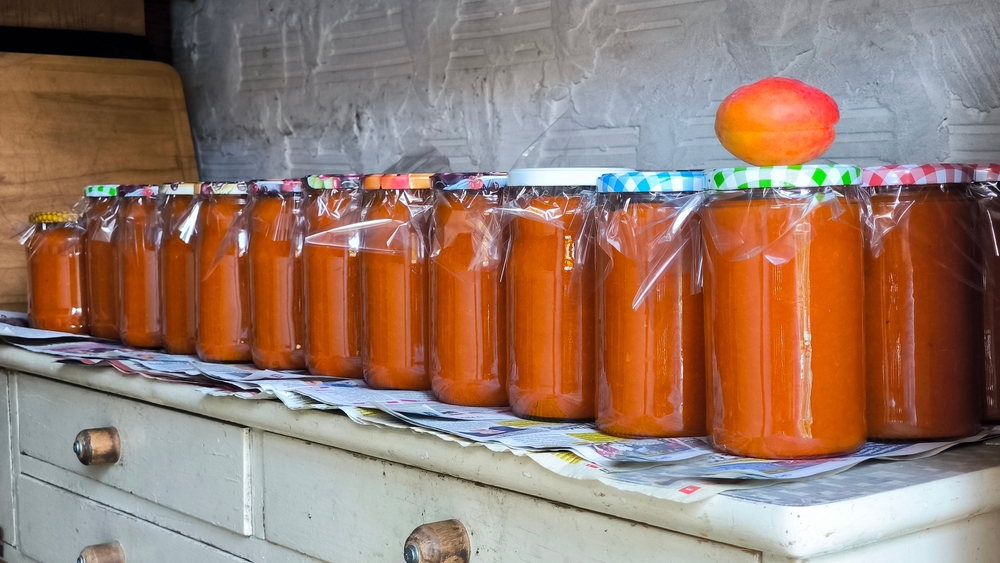
Homemade jams are treated like other unlabeled preserved foods. Even if the jar is sealed, border officers cannot confirm how it was prepared. Fruit pieces inside can still carry small pests or plant diseases. Sugar alone is not considered a safe barrier. Many travelers pack jam jars as gifts, but the lack of commercial labels raises red flags. Officers rely on documentation to assess safety. Without it, the jam is usually removed. Commercially packaged jams generally pass with ease. Homemade versions face tighter rules and often do not make it through inspection.
Dried Meat from Unknown Sources
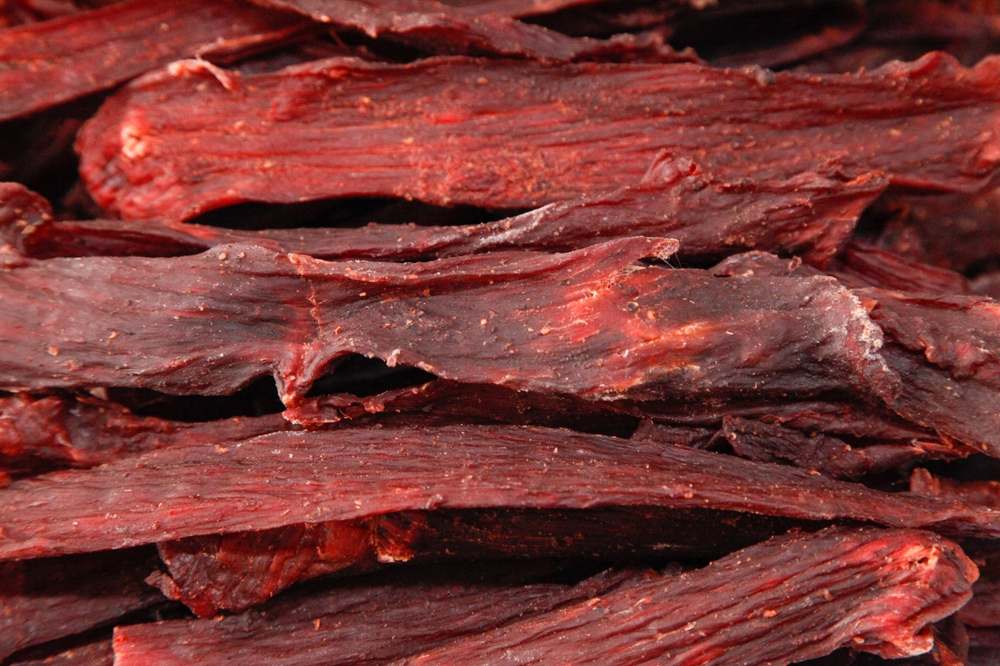
Dried meat can look safe because it has low moisture, but that does not mean it passes inspection. Many dried meats come from small shops or markets. These stores do not always meet Canada’s processing requirements. Officers check labels to verify heat treatment and handling. If the source is unclear, the product is confiscated. Some travelers buy dried meat as snacks or gifts. Without proper packaging, it will not be allowed. Commercial jerky is fine. Market-style dried meat is not. The rules apply to beef, pork, and poultry.
Bird Nests Used in Soup
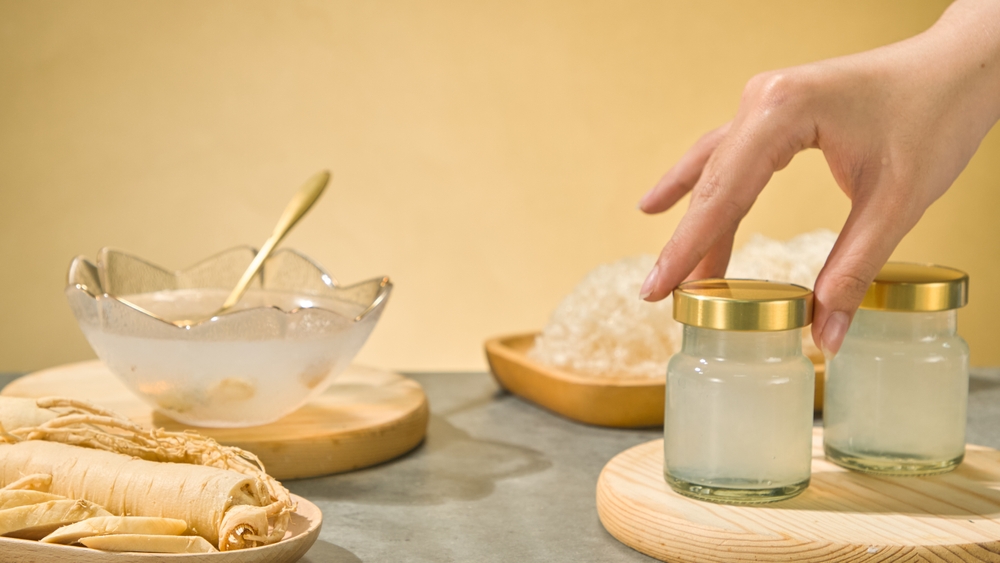
Bird nests used for traditional soups are one of the most restricted items. These nests come from specific swiftlet species. They often contain feathers or residue from the harvest. Canada restricts them due to disease and wildlife concerns. Many travelers try to bring them back as special gifts. Border officers remove them immediately because they are raw animal products. Commercially cleaned nests sometimes pass, but only with proper certification. Most nests sold in small shops or markets do not meet those standards. Travelers rarely succeed in bringing them into the country.
Fresh Coconut with Husk
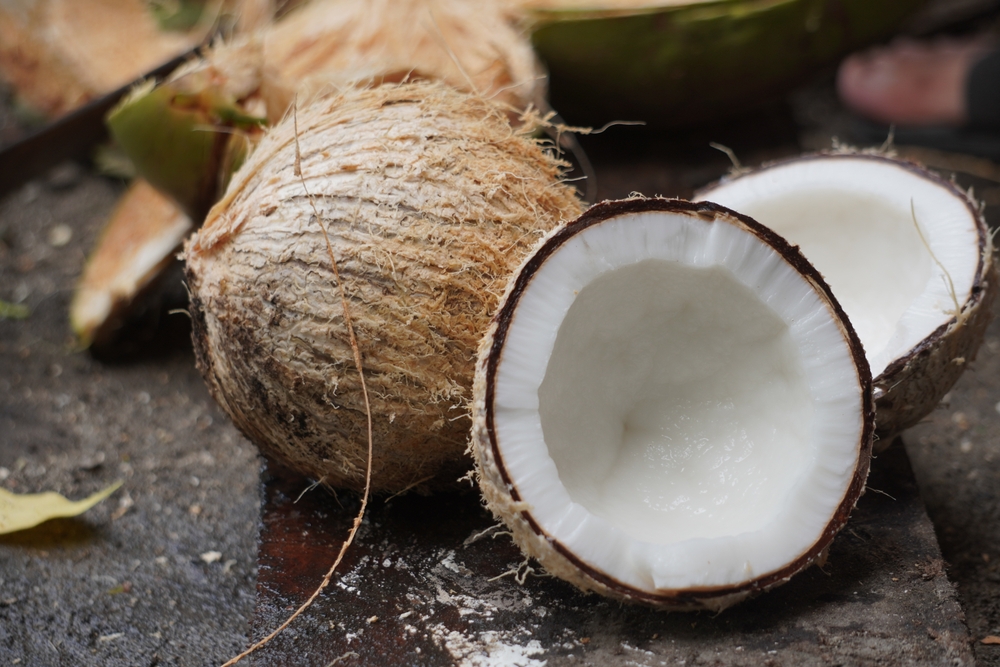
Fresh coconuts that still have their husks are treated as plant material. The husk can harbor insects or larvae. Canada’s agricultural rules classify them as higher risk. Many travelers bring coconuts after beach vacations, but officers often reject them. Husked coconuts are easier to accept. Anything with outer fibers still attached is examined closely. If the coconut looks freshly harvested, it usually fails inspection. Dried coconut products rarely cause problems. Fresh coconuts do. Most travelers end up losing them at the airport.
Raw Poultry Products
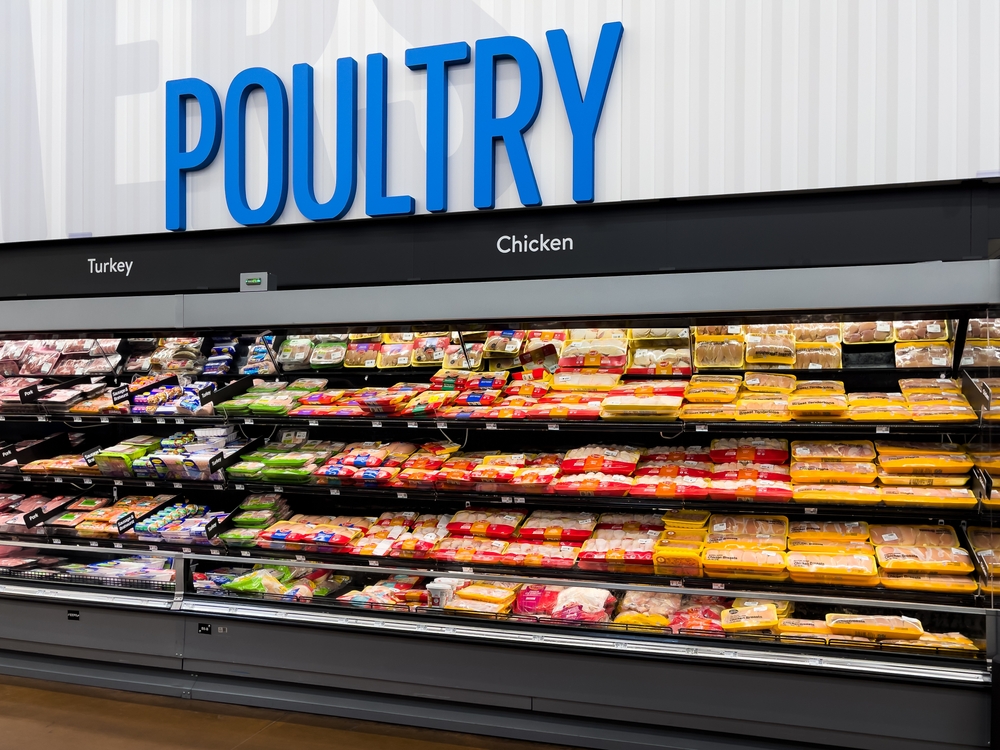
Raw poultry, including chicken and turkey, faces strict controls. These products can carry diseases that spread quickly between birds. Many countries have ongoing outbreaks that affect import rules. Officers look for commercial packaging, country certification, and handling details. Anything homemade or unlabeled is confiscated. Travelers often carry marinated or seasoned poultry for family meals. These still count as raw. Only fully cooked poultry passes with fewer issues. Raw versions are rejected almost every time because of the high level of risk involved.
Foods Containing Fresh Pork
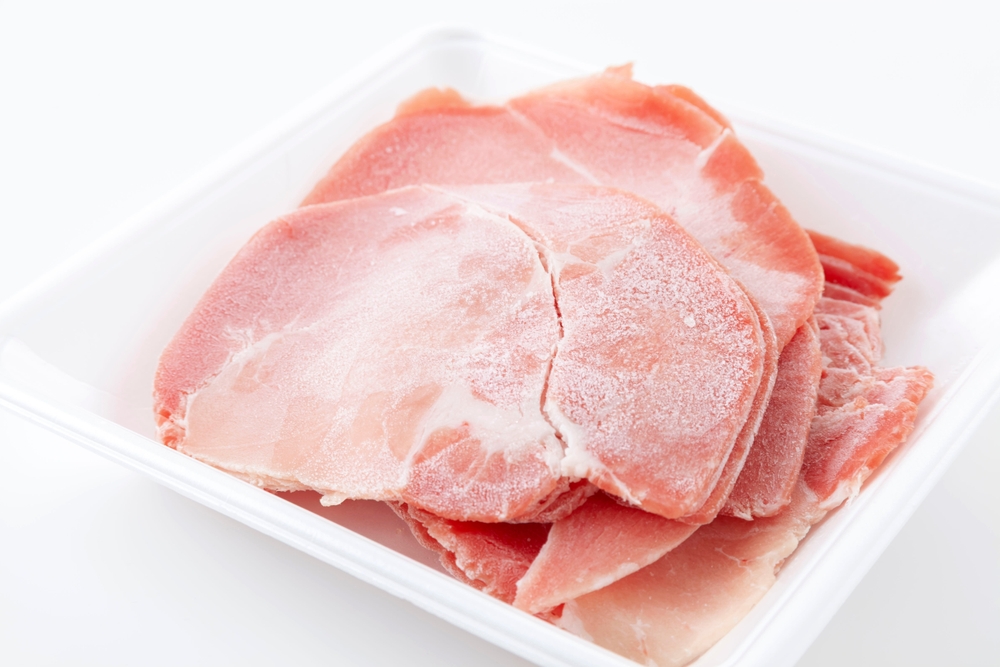
Pork products are highly regulated, especially fresh or lightly processed ones. Diseases affecting pigs spread quickly and have major economic impacts. Canada restricts pork that does not come from approved facilities. Sausages, dumplings, or pies that include pork are examined closely. Without proper labels, the food is confiscated. Even frozen items face problems if the origin is unclear. Many travelers buy pork dishes abroad for cultural reasons. The border rules still apply. Only commercially packaged items with full documentation have a chance of being accepted.
Anything With Undeclared Meat Ingredients
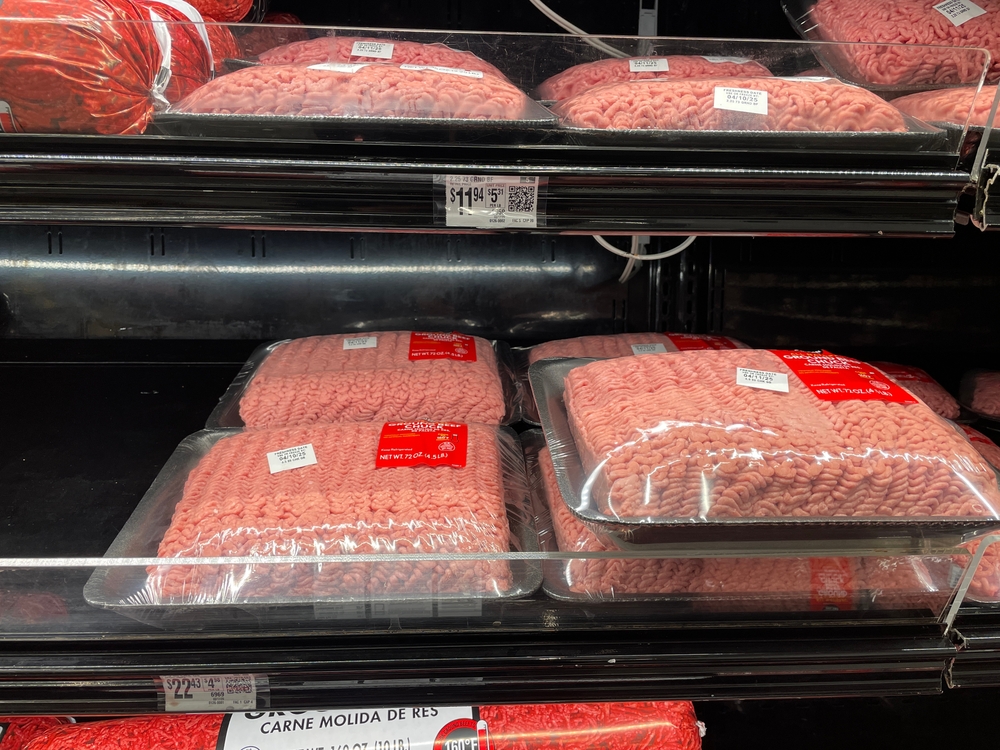
Many packaged foods look safe until officers read the ingredient lists. Some snacks contain small amounts of meat or broth. If these ingredients are not declared or come from restricted regions, the food is taken away. Instant noodles, soup packets, and dried snacks are common examples. Travelers often assume processed products are fine. If the meat source is unclear, they fail inspection. Officers check labels closely. Anything with vague descriptions is removed. Declared and documented products pass more easily. Hidden or uncertain ingredients cause the biggest issues.
22 Groceries to Grab Now—Before another Price Shock Hits Canada
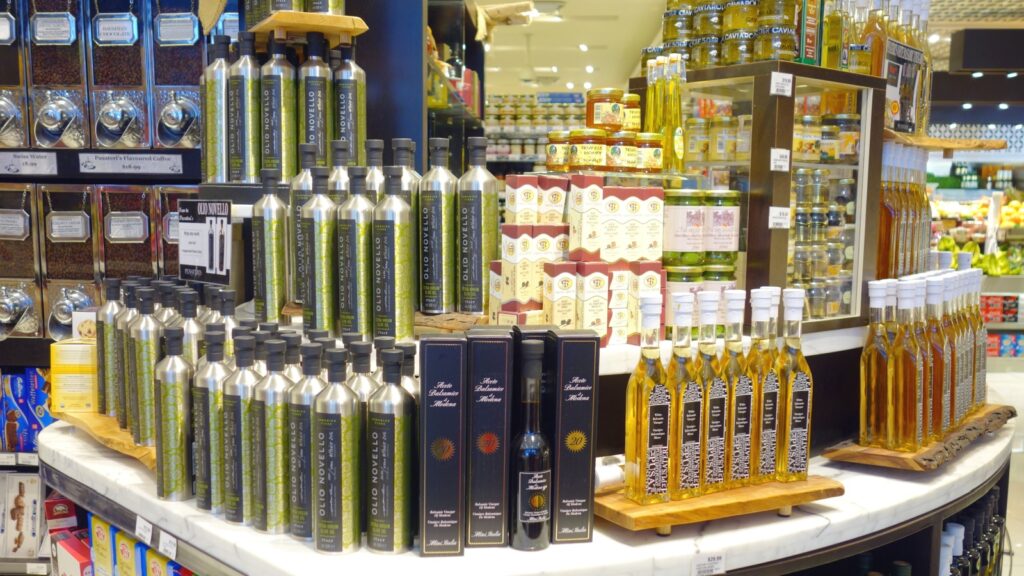
Food prices in Canada have been steadily climbing, and another spike could make your grocery bill feel like a mortgage payment. According to Statistics Canada, food inflation remains about 3.7% higher than last year, with essentials like bread, dairy, and fresh produce leading the surge. Some items are expected to rise even further due to transportation costs, droughts, and import tariffs. Here are 22 groceries to grab now before another price shock hits Canada.
22 Groceries to Grab Now—Before another Price Shock Hits Canada
This Options Discord Chat is The Real Deal
While the internet is scoured with trading chat rooms, many of which even charge upwards of thousands of dollars to join, this smaller options trading discord chatroom is the real deal and actually providing valuable trade setups, education, and community without the noise and spam of the larger more expensive rooms. With a incredibly low-cost monthly fee, Options Trading Club (click here to see their reviews) requires an application to join ensuring that every member is dedicated and serious about taking their trading to the next level. If you are looking for a change in your trading strategies, then click here to apply for a membership.