
35,000+ smart investors are already getting financial news, market signals, and macro shifts in the economy that could impact their money next with our FREE weekly newsletter. Get ahead of what the crowd finds out too late. Click Here to Subscribe for FREE.
Summer spending in Canada often feels harmless because the purchases arrive in small, familiar amounts: a tank of gas, a box of burgers, a bottle of sunscreen, a few cold drinks, or a weekend stop at a roadside restaurant. The trouble is that many of these ordinary seasonal costs have climbed at the same time, making warm-weather routines feel noticeably heavier on household budgets.
Here are 22 everyday summer purchases that have quietly become more expensive in Canada, from backyard staples and road-trip basics to personal care items, food, fuel, and recreation. Some increases are tied to global commodity markets, while others reflect transportation costs, weather disruptions, labour expenses, tariffs, packaging, and the long tail of inflation that still shows up at checkout.
Gasoline for Weekend Drives
22 Everyday Summer Purchases That Quietly Got More Expensive in Canada
- Gasoline for Weekend Drives
- Propane Tank Refills
- Ground Beef for Burgers
- Steaks and Premium Cuts
- Chicken for Grilling
- Hot Dogs, Sausages, and Deli Meats
- Hamburger and Hot Dog Buns
- Fresh Vegetables for Salads and Grilling
- Fresh Fruit and Berries
- Ice Cream and Frozen Treats
- Coffee and Iced Coffee
- Restaurant Patio Meals
- Takeout and Fast Food on Road Trips
- Bottled Drinks and Cooler Beverages
- Sunscreen
- Insect Repellent
- Swimwear and Summer Clothing
- Patio Furniture and Outdoor Accessories
- Barbecue Tools and Grill Accessories
- Disposable Plates, Foil, and Picnic Supplies
- Plants, Soil, and Garden Supplies
- Pet Food and Summer Pet Supplies
- 19 Things Canadians Don’t Realize the CRA Can See About Their Online Income
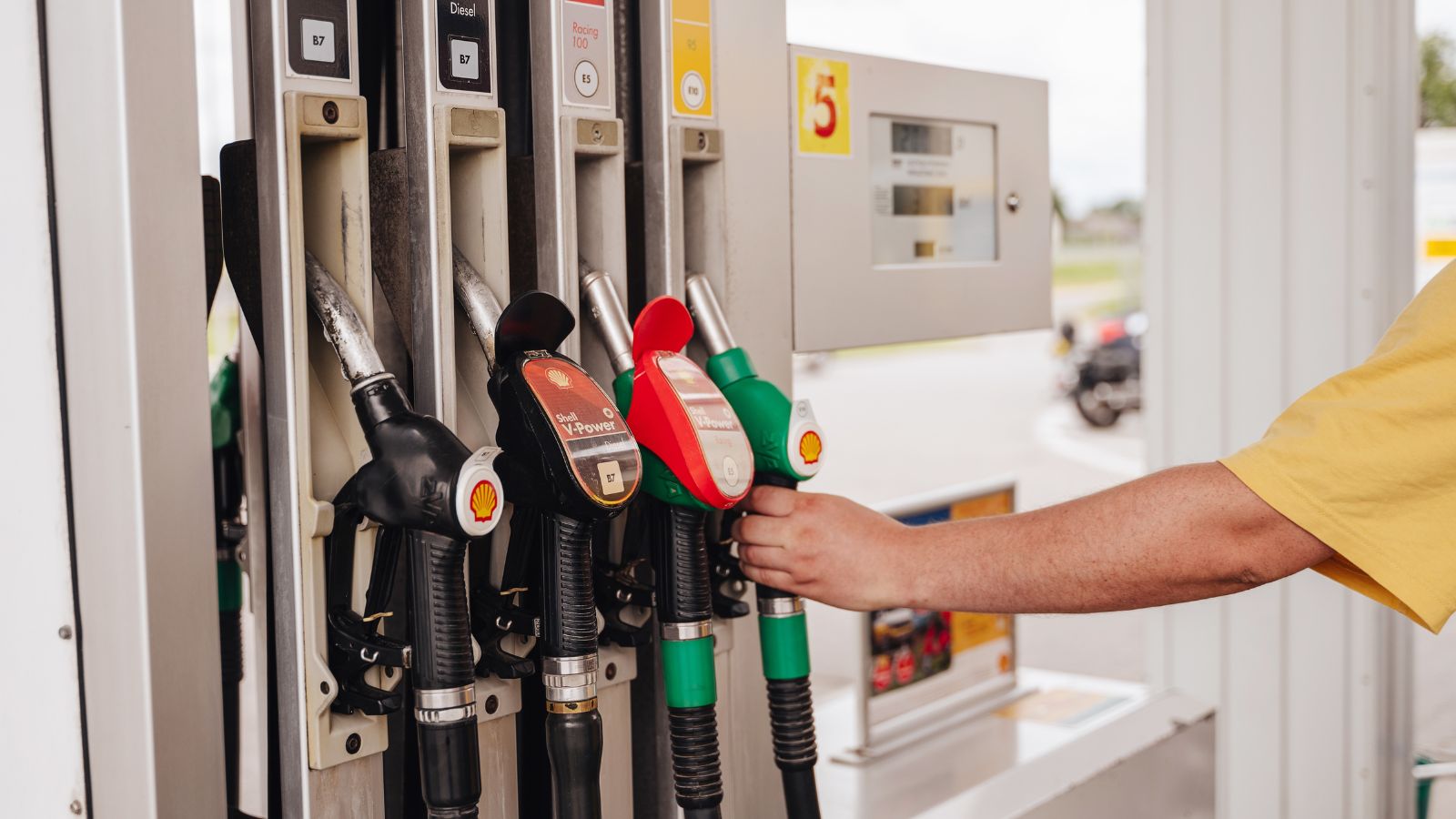
Gasoline is one of the clearest examples of a summer purchase that can rise before many households have time to adjust. Road trips, cottage weekends, camping runs, beach days, and extra errands all add kilometres, and even a few cents per litre can change the cost of a long drive. In April 2026, Canadian gasoline prices were reported sharply higher year over year, with energy prices helping push the national inflation rate upward.
The seasonal timing matters. Summer fuel blends are often more expensive to produce, and global oil disruptions can move pump prices quickly. For a family driving from Toronto to Muskoka, Calgary to Banff, or Vancouver to the Okanagan, the fuel bill may now feel less like a background cost and more like a planned expense. Even when governments offer temporary relief on fuel taxes, the pump price can still remain elevated enough to affect weekend habits.
Propane Tank Refills
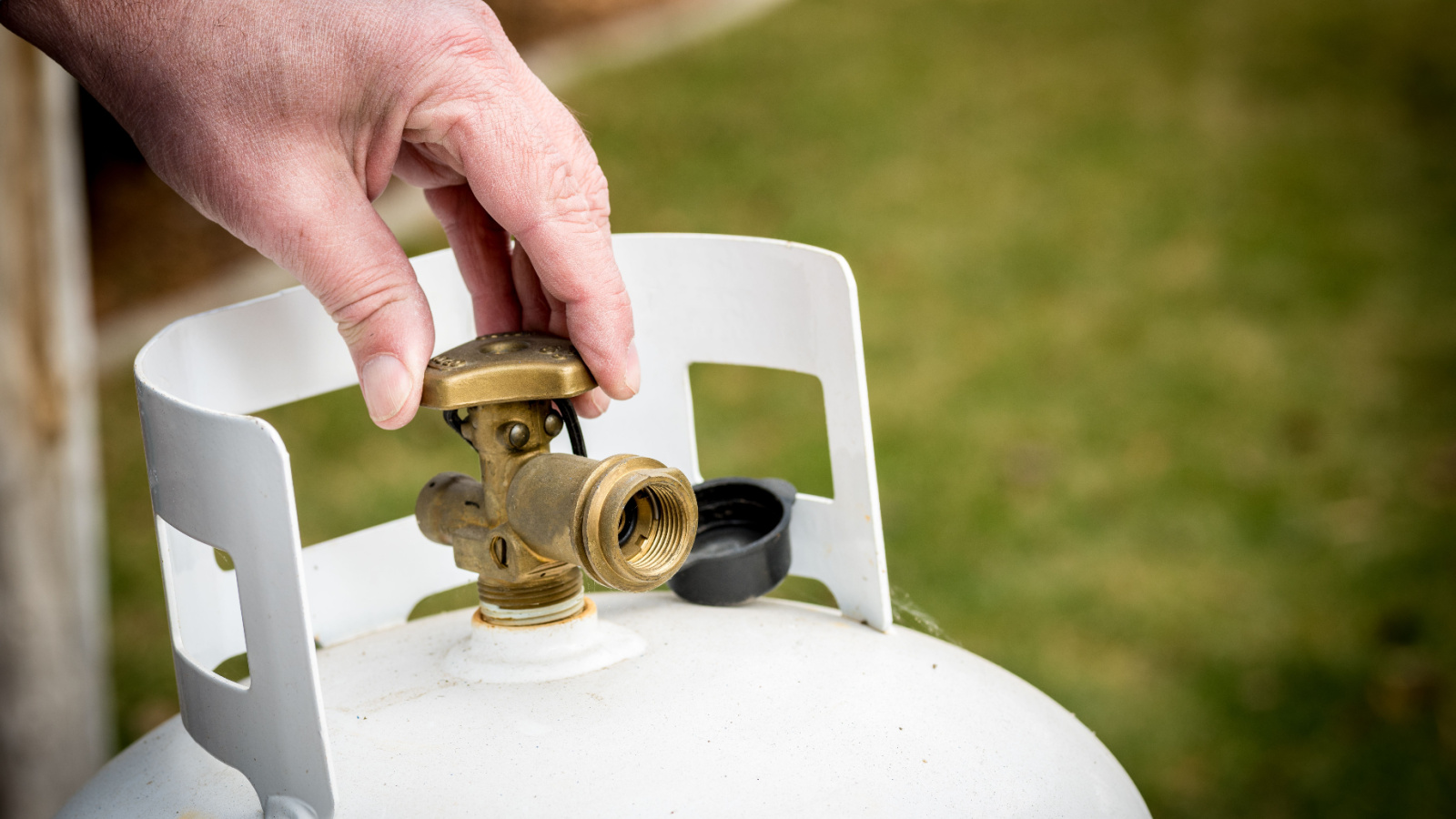
The backyard barbecue may look unchanged, but the cost of keeping it running has become more noticeable. Propane sits close to broader energy markets, so when oil and fuel prices rise, households can feel the pressure in grill season. A tank refill that once seemed like a minor errand can become one more line item in a summer grocery-and-fuel run.
For households that barbecue several nights a week, the increase can be easy to miss because refills are occasional rather than weekly. The sticker shock usually appears when the tank runs empty before a family gathering or long weekend. Higher delivery costs, retail margins, and energy-market volatility can all filter into the final price. That makes propane a classic quiet summer expense: not bought every day, but essential enough that many people pay the new price without much room to delay.
Ground Beef for Burgers

Burgers remain a summer staple, but ground beef has become harder to treat as the default low-cost grill option. Meat prices in Canada rose faster than many other grocery categories in 2025, and fresh or frozen beef saw especially strong increases. The pressure has been linked partly to historically low cattle inventories in North America, which take time to rebuild.
That matters because summer cooking habits are built around repetition. A pack of ground beef for a weeknight barbecue, patties for a birthday, or sliders for a cottage crowd can add up quickly. Some households respond by mixing in pork, turkey, lentils, mushrooms, or pre-made frozen patties bought on promotion. The familiar burger has not disappeared from Canadian grills, but it increasingly competes with cheaper proteins in a way that would have felt unnecessary a few summers ago.
Steaks and Premium Cuts
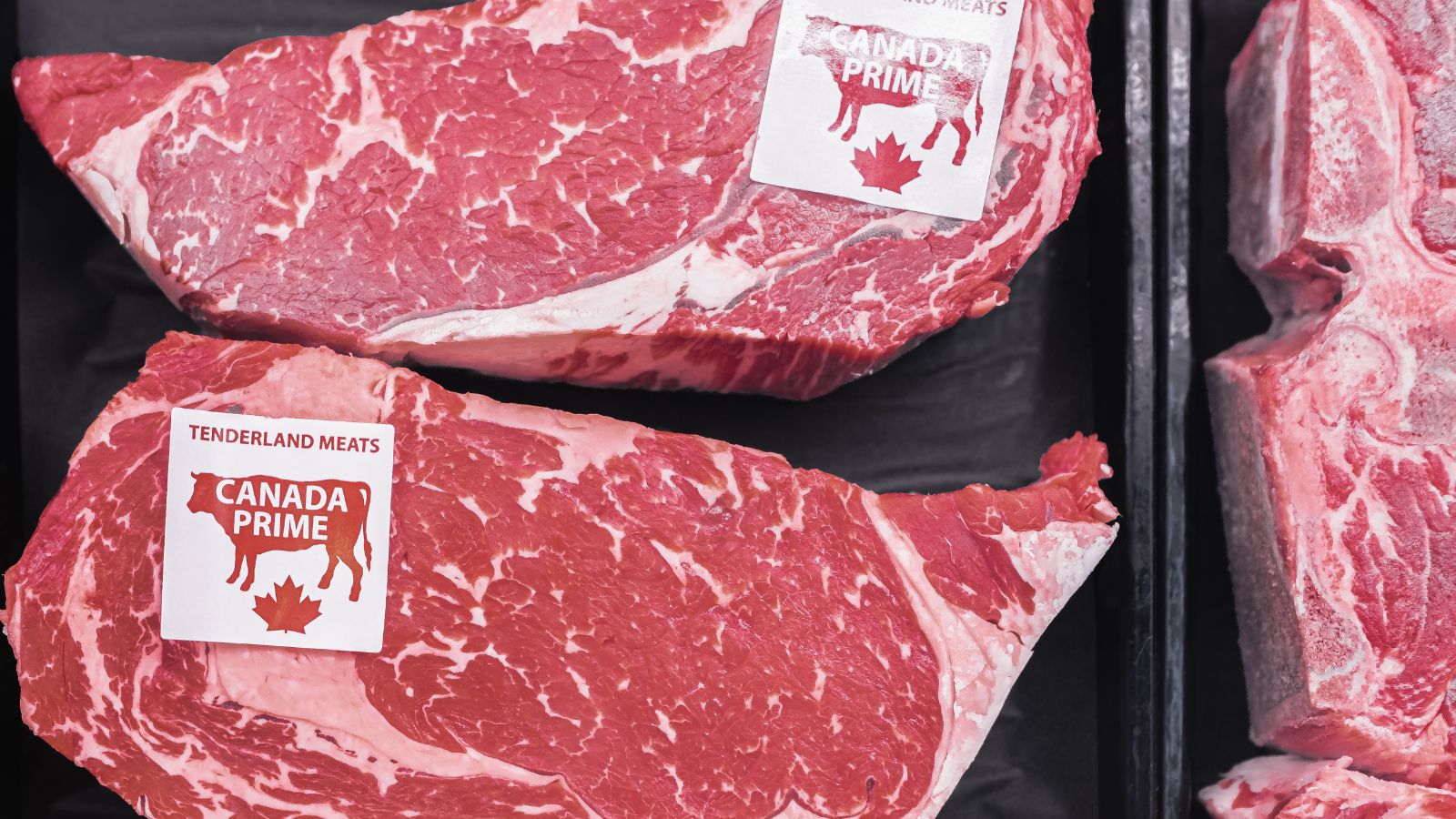
Steaks have always carried a premium, but the gap between a casual splurge and a serious grocery decision has widened. Beef price increases do not hit every cut equally, yet higher cattle costs tend to show up across the meat case. Rib-eyes, striploins, tenderloin medallions, and even modest sirloin packs can make a weekend barbecue feel more expensive than planned.
The human side of this increase shows up at the counter. A shopper may still buy steak for Father’s Day, Canada Day, or a graduation dinner, but choose fewer pieces, thinner cuts, or a cheaper grade. Restaurants face the same input-cost pressure, which can make steak entrées and barbecue platters climb as well. What used to be a simple “let’s grill tonight” purchase now often involves checking the flyer, comparing unit prices, or waiting for loyalty offers.
Chicken for Grilling
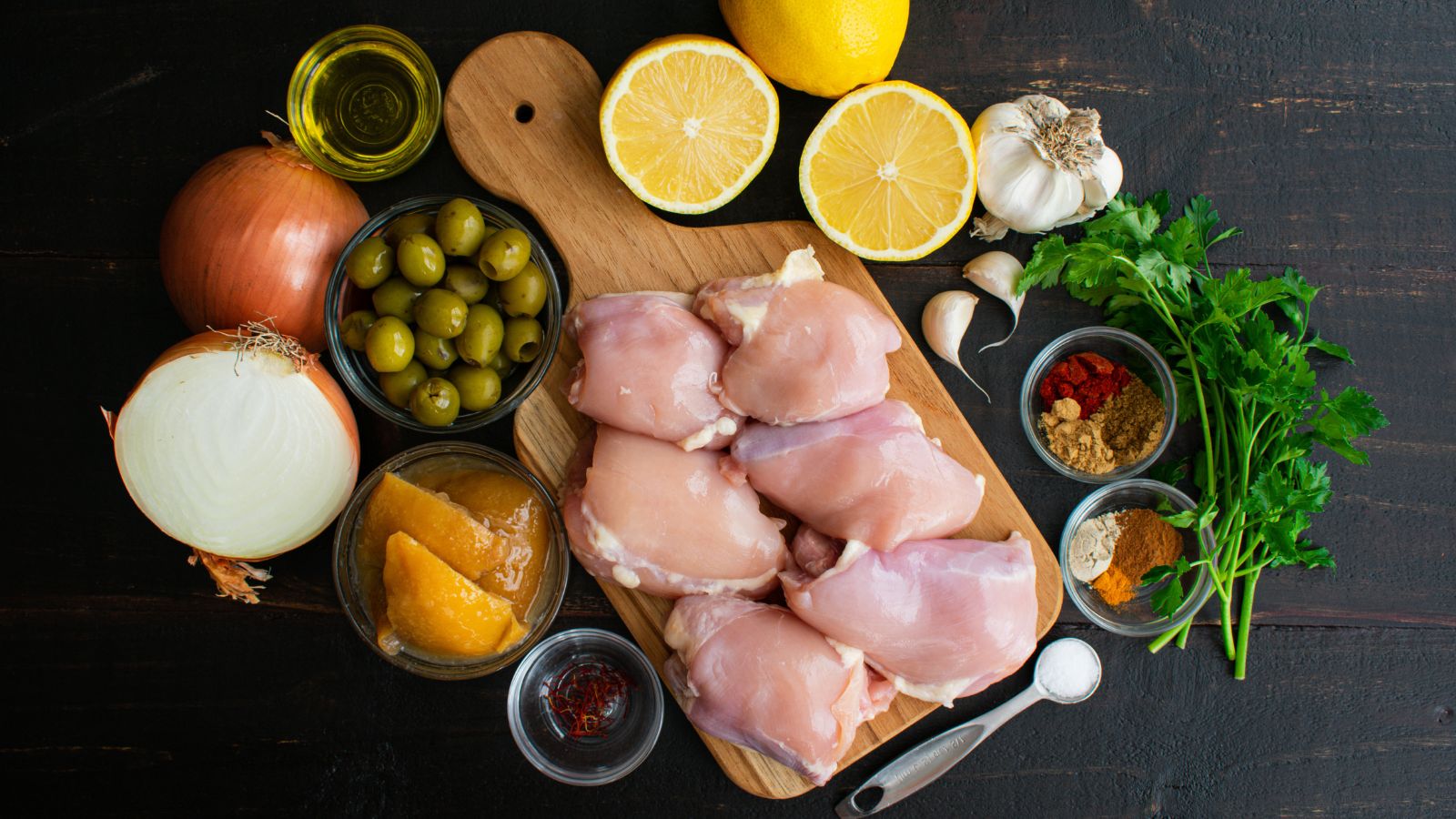
Chicken often becomes the substitute when beef gets pricey, but it has not been immune to higher grocery costs. Poultry is affected by feed, processing, transportation, labour, and packaging, all of which can move upward even when chicken remains cheaper than steak. In a summer meal plan, chicken breasts, thighs, drumsticks, kebabs, and marinated packs are now watched more closely than before.
This is especially noticeable for families that batch-cook or host often. A tray of boneless chicken breasts can disappear quickly at a barbecue, and prepared options such as skewers or seasoned grill packs may carry higher convenience pricing. Many shoppers now stretch chicken with rice bowls, salads, wraps, and pasta instead of serving it as the entire main event. The price increase may be quieter than beef’s, but it still changes how summer meals are planned.
Hot Dogs, Sausages, and Deli Meats

Processed meats often appear cheaper than fresh cuts, which is why hot dogs and sausages remain popular for picnics, sports nights, and cottage meals. Still, they rely on many of the same inputs that have become more expensive: meat, spices, packaging, refrigeration, transportation, and store labour. When those costs rise together, the sale price of a simple cookout pack can creep upward.
The change is easy to overlook because these products often appear in multi-buy promotions. A shopper might notice the “two for” price but not the smaller package size, narrower discount, or higher regular shelf price. Deli meats tell a similar story. Sandwiches for road trips, camp lunches, and beach coolers can cost more when sliced turkey, ham, salami, and prepared lunch kits rise at the same time as bread and condiments.
Hamburger and Hot Dog Buns
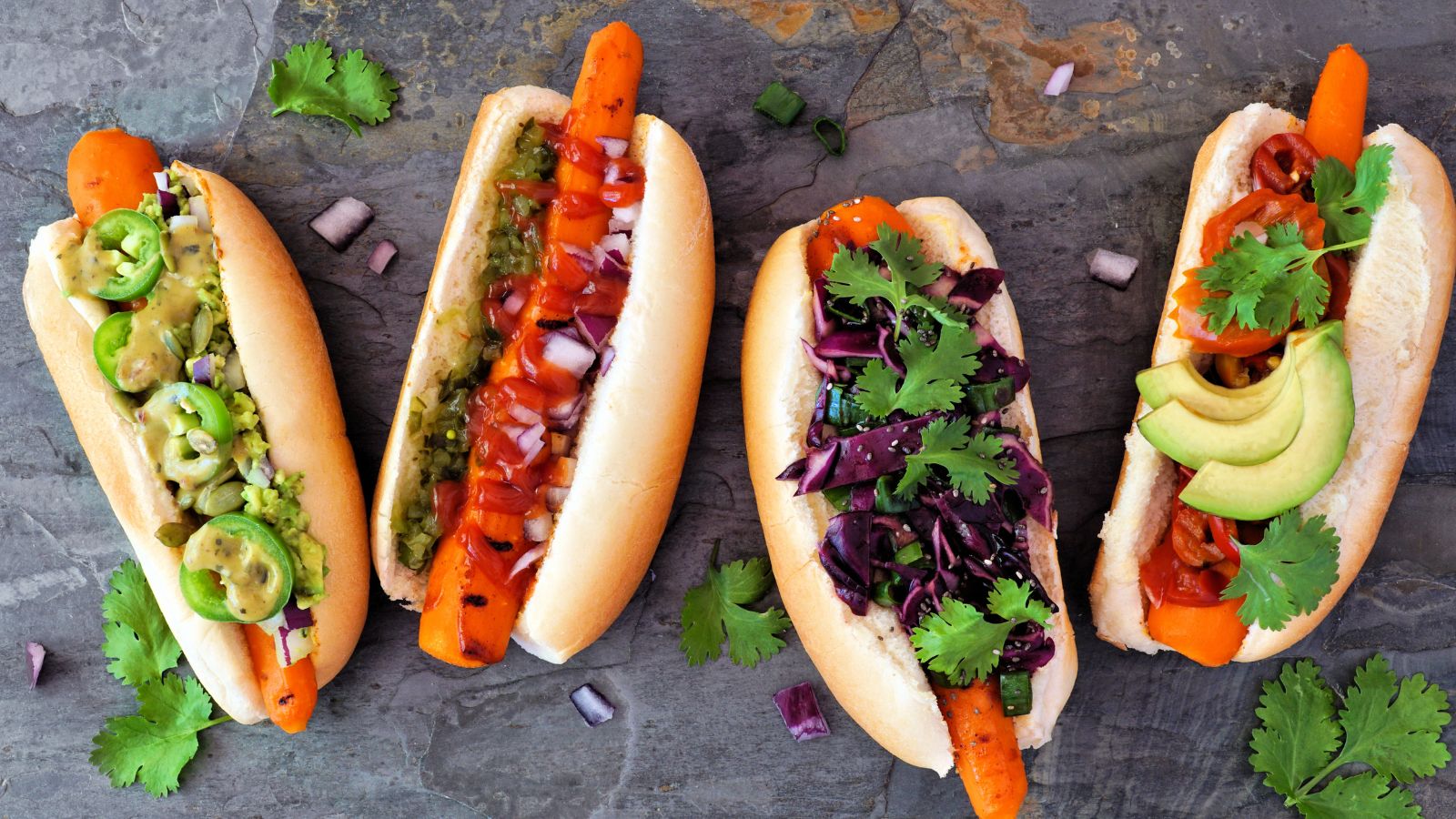
Buns are rarely the most expensive item in the cart, but they can make summer meals feel pricier because they are bought so often. Bakery products are exposed to wheat, energy, packaging, and transportation costs. When households are already paying more for meat and condiments, a higher price for buns becomes another small increase stacked onto the same meal.
The effect is most obvious when feeding a crowd. A barbecue for twelve people might require multiple packs, and specialty buns such as brioche, pretzel, potato, sesame, or gluten-free options often cost significantly more than basic white rolls. Some shoppers respond by buying store brands, freezing extras, or serving grilled items over salads and rice instead. The humble bun may not dominate the receipt, but it contributes to the rising price of a casual summer meal.
Fresh Vegetables for Salads and Grilling

Fresh vegetables become central in summer, from corn and peppers on the grill to cucumbers, tomatoes, lettuce, and bagged salads in the fridge. Prices can be sensitive to weather, labour, fuel, greenhouse energy, trucking, and import conditions. Even when local produce improves availability, not every vegetable benefits at the same time or in every province.
The practical impact is seen in everyday meals. A large salad, veggie tray, or grilled skewer platter may now cost more than expected, especially when prepared or pre-cut options are used. Families trying to eat lighter in hot weather may feel the pressure because fresh produce is not easily replaced by shelf-stable goods. Shopping seasonally, comparing loose versus packaged produce, and using frozen vegetables for cooked dishes can help, but the produce aisle remains one of summer’s most visible price checkpoints.
Fresh Fruit and Berries

Fruit has a strong emotional connection to Canadian summer: strawberries in June, cherries in July, peaches in August, and watermelon at nearly every gathering. But fresh fruit prices can move quickly when crops are affected by weather, disease, tariffs, transportation costs, or exchange rates. Statistics Canada has noted pressure in fresh fruit categories, including oranges, which were affected by citrus greening disease and trade factors.
Berries show how quietly the cost can climb. A clamshell may still look affordable, but families often buy several for breakfasts, snacks, desserts, and lunch boxes. When the container is smaller or the price rises by a dollar or two, the weekly effect becomes noticeable. Fruit remains a healthier and more popular warm-weather purchase, but many households now treat it like a seasonal treat rather than an unlimited fridge staple.
Ice Cream and Frozen Treats

Ice cream, popsicles, freezies, and frozen novelty bars are among the easiest summer purchases to justify. They are tied to heat, kids, beach days, and after-dinner routines. Yet dairy, sugar, cocoa, packaging, cold storage, and distribution costs all influence the final price. Even when the sticker price looks stable, smaller package sizes can make the real cost per serving higher.
A family that buys one tub for the freezer may not notice much change. The increase becomes clearer when adding cones, toppings, dairy-free alternatives, premium pints, or single-serve bars from convenience stores. The same applies at ice cream shops, where rent, wages, and ingredients shape the price of a scoop. A modest treat can still be worth it, but the days of assuming frozen desserts are cheap entertainment are fading.
Coffee and Iced Coffee

Coffee has become one of the most visible grocery increases in Canada, and summer does not make it cheaper. Statistics Canada reported that Canadians paid substantially more for coffee in 2025, with global weather problems and trade pressures affecting coffee and cocoa-related products. That flows into beans, ground coffee, pods, bottled cold brew, and café drinks.
Iced coffee adds another layer because convenience pricing is built into the ritual. A morning drive-through stop or afternoon cold brew can feel small in isolation, but repeated purchases quickly rival larger bills. At home, making iced coffee still costs more when coffee itself, cream, milk alternatives, syrups, and ice-cube-friendly tumblers rise in price. The summer caffeine habit has become a useful example of how inflation hides in routines people repeat without thinking.
Restaurant Patio Meals

Eating out tends to rise in summer because patios, road trips, festivals, and longer evenings all encourage spending. Restaurant food prices in Canada continued to rise in 2025, even as the pace was slower than the year before. Operators still face higher costs for food, rent, insurance, utilities, wages, and card fees, which can appear in menu prices, service charges, or smaller portions.
A casual patio meal can now surprise diners because the extras add up. Appetizers, soft drinks, kids’ meals, tax, tip, and delivery-style fees for takeout platforms can turn a simple meal into a larger expense. Many Canadians still value restaurants as a summer experience, but more are likely to choose lunch over dinner, share plates, skip alcohol, or reserve patio meals for occasions rather than treating them as a default weekend activity.
Takeout and Fast Food on Road Trips
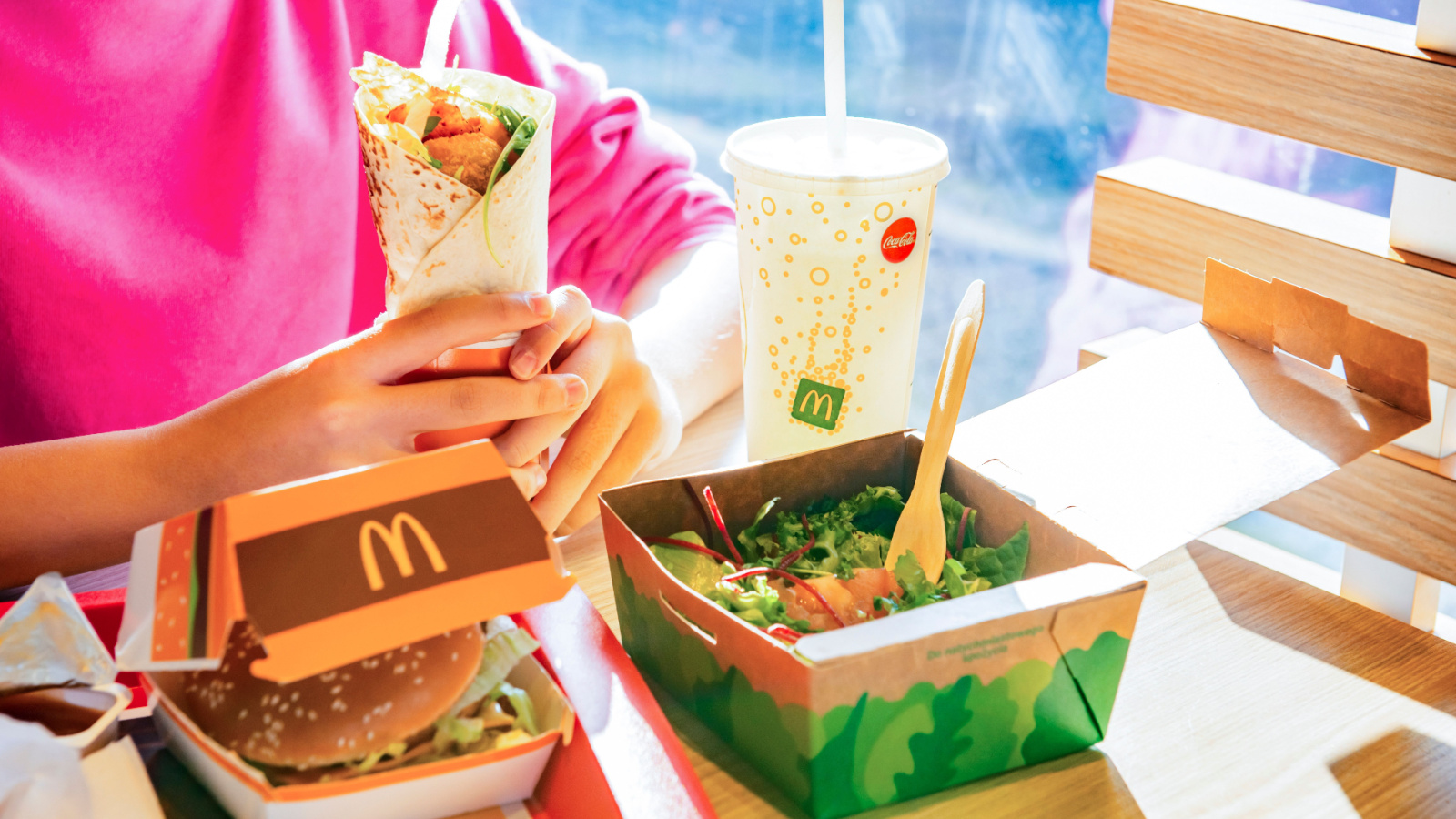
Fast food used to be the budget-friendly road-trip option, but it has become less predictable. Food purchased from restaurants rose in 2025, and quick-service chains face the same pressures as sit-down restaurants: ingredients, labour, rent, utilities, packaging, and transport. The result is that a family stop for burgers, wraps, fries, and drinks can cost far more than the old mental estimate.
The quiet increase is strongest when travellers are captive to highway locations, airports, ferry terminals, or tourist towns. Combo prices may be higher, value menus may be thinner, and drinks or sides can push totals upward. Many households now pack snacks, refillable bottles, sandwiches, or fruit to reduce the number of paid stops. Fast food remains convenient, but its role as the automatic low-cost summer meal is weaker than it used to be.
Bottled Drinks and Cooler Beverages

Cold beverages are everywhere in summer: bottled water, sports drinks, iced tea, sparkling water, juice boxes, canned coffee, and soft drinks. Their prices are shaped by sugar, aluminum, plastic, transportation, refrigeration, deposits, and store markups. Even where the base product is inexpensive, the packaging and convenience format can make single-serve drinks costly.
The increase often shows up in small moments: a gas-station bottle during a road trip, a case of sparkling water for guests, or juice boxes for day camp lunches. A two-dollar jump on a multi-pack may not seem dramatic, but buying several cases over the season adds up. Refillable bottles and powdered drink mixes have become more attractive for budget-conscious households. The summer cooler is still full, but filling it often costs more than expected.
Sunscreen

Sunscreen is a health essential, not a luxury, but it has become a more expensive seasonal purchase for many households. It sits within the broader health and personal care category, which has continued to rise. Specialty formulas—mineral, fragrance-free, sport, baby, reef-conscious, spray, face-stick, or dermatologist-branded—often carry higher prices than basic lotions.
The cost becomes more obvious for families because sunscreen is used quickly when applied properly and often. A bottle tossed into a beach bag may not last long through camp, swimming lessons, sports tournaments, and cottage weekends. Cheaper options may be available, but shoppers still need to consider SPF, broad-spectrum protection, skin sensitivity, and expiry dates. Unlike a patio meal, sunscreen is not easy to skip, which makes its price increase more frustrating.
Insect Repellent

Bug spray, mosquito coils, citronella candles, after-bite treatments, and tick-related products have become more important as Canadians spend more time outdoors. The purchase may seem minor until a camping trip, soccer evening, or lakeside weekend requires several products at once. Like sunscreen, insect repellent is connected to health and personal care, packaging, chemical inputs, and seasonal demand.
The quiet cost increase comes from timing. These items are often bought last minute, when there is little opportunity to compare prices. A family arriving near a campground may pay convenience-store prices for repellent they forgot at home. Products marketed for ticks, children, sensitive skin, or long-lasting protection can cost more than basic sprays. As warm seasons become more bug-conscious, repellent has shifted from optional cottage gear to a recurring summer necessity.
Swimwear and Summer Clothing

Summer clothing prices can be deceptive because sales are frequent, but the full basket has grown more expensive for many families. Clothing and footwear prices rose in April 2026 after declining the month before, with women’s clothing contributing to the increase. Swimwear, sandals, hats, athletic shorts, breathable shirts, and UV-protective items all arrive at the same time seasonal activities begin.
Parents feel this most when children outgrow last year’s gear. A single child may need swimsuits, water shoes, camp clothes, rain gear, and dressier items for weddings or family events. Adults may also replace worn sandals, sunglasses, or lightweight workwear. Promotions can help, but summer clothing is often bought under deadline pressure before travel, camp, or a heat wave. That urgency makes shoppers more likely to pay higher regular prices.
Patio Furniture and Outdoor Accessories

Patio furniture, umbrellas, cushions, lanterns, planters, outdoor rugs, and storage boxes turn backyards and balconies into summer living spaces. These purchases are linked to household furnishings and equipment, a category influenced by materials, freight, warehousing, and retail inventory costs. Even when headline inflation eases, bulky seasonal goods can remain pricey because they are expensive to ship and store.
The increase is especially noticeable for people replacing items damaged by winter, wind, moisture, or sun exposure. A cushion set, umbrella base, or small balcony table can cost more than expected, and matching pieces often encourage additional spending. Retailers use seasonal promotions, but the pre-sale price may already be higher than shoppers remember. Outdoor living still saves money compared with frequent nights out, but setting up the space has become less inexpensive.
Barbecue Tools and Grill Accessories

The barbecue itself is only part of the cost. Grill brushes, tongs, thermometers, skewers, foil trays, charcoal, pellets, covers, drip pans, lighters, cleaners, and replacement parts all add to summer cooking. Many of these items fall into household goods or related retail categories where materials and transportation costs matter. Individually they look small, but together they raise the price of a backyard meal setup.
A common example is the long-weekend hardware store run. Someone planning to grill discovers the brush is worn, the lighter is empty, the cover has torn, and the old thermometer no longer works. The bill can climb before any food is purchased. Higher-quality tools may last longer, but they require more upfront spending. As outdoor cooking becomes a seasonal routine, accessories have become a quiet but persistent part of summer inflation.
Disposable Plates, Foil, and Picnic Supplies

Paper plates, napkins, plastic cups, aluminum foil, freezer bags, cling wrap, and disposable cutlery are easy to overlook because they sit near the end of the shopping list. Yet paper, plastic, and foil supplies have been tracked as a distinct household category, and provincial data show that some of these products have seen notable increases. Packaging costs and material prices can move through the supply chain quickly.
These purchases surge in summer because households host more often and eat outdoors. A picnic, barbecue, kids’ birthday, or cottage weekend can use a surprising number of disposable items. Reusable dishes may be cheaper over time, but they are not always practical at parks, beaches, shared cabins, or large gatherings. The result is a recurring cost that feels minor at checkout but adds up across the season.
Plants, Soil, and Garden Supplies

Gardening looks like a wholesome low-cost hobby until the cart fills with soil, compost, mulch, seeds, annuals, herbs, planters, fertilizer, hoses, gloves, and pest-control products. Horticultural goods and household outdoor supplies can be affected by transportation, weather, labour, and input costs. Even small balcony gardens can become expensive when containers and soil are added.
The price increase is often disguised by optimism. A shopper buys tomato plants believing they will save money later, then adds cages, stakes, fertilizer, and replacement seedlings after a cold snap. For homeowners, a few bags of mulch or soil can become a large receipt because outdoor projects require volume. Gardening may still deliver value, beauty, and food, but the startup and maintenance costs are no longer as modest as many remember.
Pet Food and Summer Pet Supplies
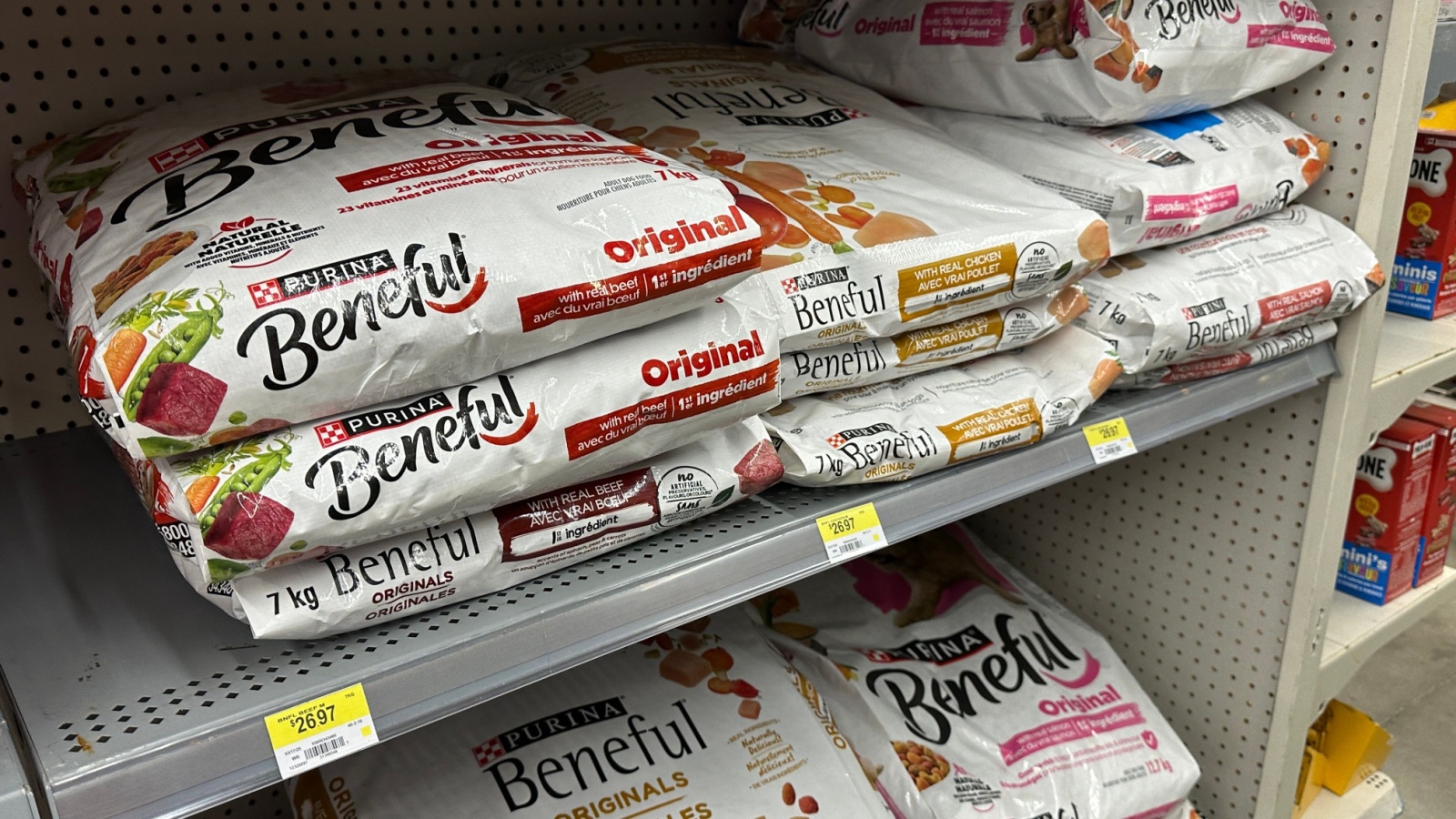
Pets add their own summer spending: food, flea and tick products, cooling mats, travel bowls, grooming, waste bags, life jackets, and boarding. Pet food and supplies have appeared in household goods tracking, and anyone with a dog or cat knows that recurring purchases can become a major monthly expense. Summer often adds travel-related items on top of the regular food bill.
The human example is familiar. A family planning a weekend away may need extra food, treats for the car, tick prevention, a new leash, or a boarding reservation. Heat also changes routines, pushing owners toward cooling products or grooming appointments. Because pets are non-negotiable members of the household, these purchases are rarely delayed. When prices rise, the adjustment usually happens elsewhere in the budget.
19 Things Canadians Don’t Realize the CRA Can See About Their Online Income

Earning money online feels simple and informal for many Canadians. Freelancing, selling products, and digital services often start as side projects. The problem appears at tax time. Many people underestimate how much information the CRA can access. Online platforms, banks, and payment processors create detailed records automatically. These records do not disappear once money hits an account. Small gaps in reporting add up quickly.
Here are 19 things Canadians don’t realize the CRA can see about their online income.
This Options Discord Chat is The Real Deal
While the internet is scoured with trading chat rooms, many of which even charge upwards of thousands of dollars to join, this smaller options trading discord chatroom is the real deal and actually providing valuable trade setups, education, and community without the noise and spam of the larger more expensive rooms. With a incredibly low-cost monthly fee, Options Trading Club (click here to see their reviews) requires an application to join ensuring that every member is dedicated and serious about taking their trading to the next level. If you are looking for a change in your trading strategies, then click here to apply for a membership.