
35,000+ smart investors are already getting financial news, market signals, and macro shifts in the economy that could impact their money next with our FREE weekly newsletter. Get ahead of what the crowd finds out too late. Click Here to Subscribe for FREE.
Over the years, Canadian businesses across industries have faced tariffs, regulatory hurdles, and shifting policies dictated by the U.S. However, Canadian exporters have found ways to adapt, innovate, and continue business. These companies have rethought strategies, found alternative markets, or weathered the storm. Here are 22 Canadian exporters and how they navigate the turbulent waters of U.S. trade restrictions.
Bombardier
22 Canadian Exporters Navigating the Storm of U.S. Trade Restrictions
- Bombardier
- Canola Farmers
- Maple Syrup Producers
- Softwood Lumber
- The Dairy Industry
- Fisheries
- BlackBerry
- Linamar
- SNC-Lavalin
- Gildan Activewear
- Saputo
- Uranium Miners
- The Wine Industry
- Steel and Aluminum Producers
- CGI
- Lobster Exporters
- Nutrien
- Teck Resources
- Hydrogen Fuel Companies
- Green Tech
- Aerospace Components
- The Gaming Industry
- 25 Countries Predicted to Become Economic Superpowers in the Next 20 Years

Bombardier is an aerospace giant with its fair share of turbulence with U.S. trade policies. In 2017, the company was hit with a nearly 300% tariff on its C Series jets after a complaint from Boeing. The result? Bombardier strategically transferred a majority stake in the C Series to Airbus, a European powerhouse, allowing the aircraft to be rebranded and built in Alabama, bypassing the tariff entirely.
Canola Farmers

Canadian canola farmers have faced a rocky road, especially after the U.S. slapped restrictions on biofuel imports. These tariffs are expected to have widespread, devastating impacts across the Canadian canola value chain, affecting farmers, input providers, and exporters. Canola is the largest contributor to Canadian farm crop cash receipts, grown by nearly 40,000 farmers nationwide. Additionally, Canada has invested in refining capabilities at home to reduce reliance on raw exports.
Maple Syrup Producers

The Federation of Quebec Maple Syrup Producers expressed concern over the possible major consequences for the industry. In response, producers are exploring alternative markets in Europe, Asia, and Australia and considering utilizing their strategic reserves to manage unsold syrup. The maple syrup industry also created the Global Strategic Maple Syrup Reserve, ensuring a stable supply and price, no matter the U.S. decides.
Softwood Lumber
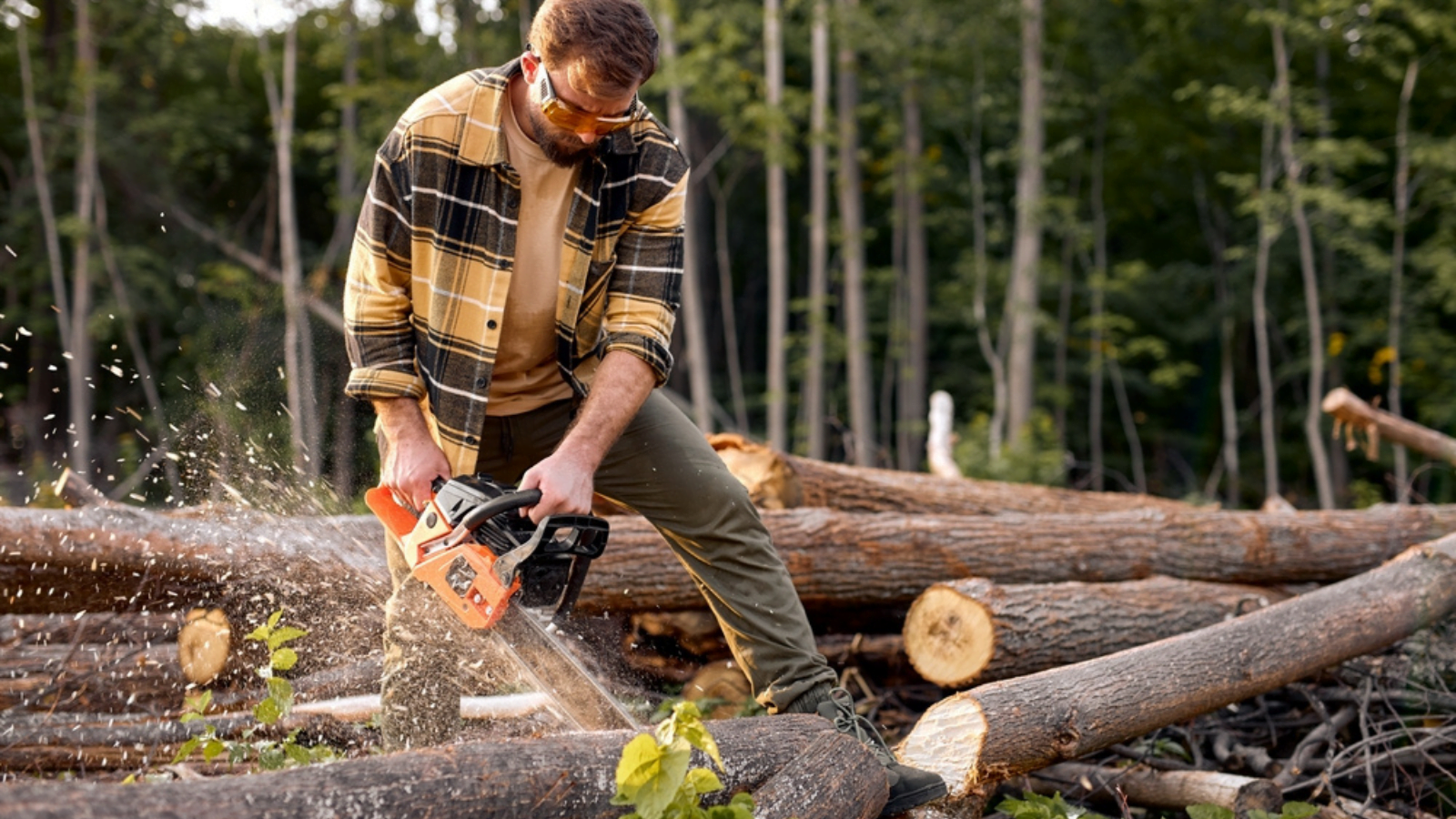 The U.S. and Canada have been at loggerheads over softwood lumber for decades. Canada has consistently challenged these duties through legal avenues under agreements like the Canada-United States-Mexico Agreement (CUSMA). These tariffs have raised costs for U.S. consumers, particularly affecting housing affordability. The ongoing trade tensions have prompted Canada to seek resolutions through negotiations and legal challenges to protect its lumber industry and the communities it supports.
The Dairy Industry

Under the USMCA, Canada had to ease restrictions on American dairy imports. This move exacerbates tensions over Canada’s dairy tariff-rate quota (TRQ) allocations, which the U.S. argues limit market access for American dairy producers. However, Canadian dairy farmers didn’t just accept defeat; they adapted by increasing cheese and butter exports to Europe and Asia while maximizing domestic supply management advantages.
Fisheries

The U.S. has introduced restrictions on Canadian seafood, citing sustainability concerns. In 2023, British Columbia exported $510 million worth of fish and seafood to the U.S., accounting for over 60% of its wild seafood sales. The tariffs threaten to disrupt this trade, leading to potential layoffs among fishermen and processing plant workers. Also, the Canadian salmon industry, already facing production declines due to domestic policy changes, risks further market share loss as U.S. buyers may turn to suppliers from Norway, Chile, and the UK.
BlackBerry

Once a mobile phone giant, BlackBerry faced U.S. tech trade challenges but pivoted into cybersecurity and software solutions. In December 2024, BlackBerry reported third-quarter revenues of $162 million, with its IoT division experiencing a 13% sequential growth, reaching $62 million. The company also achieved a positive operating cash flow of $3 million ahead of schedule. Now, it primarily sells high-tech security services to clients in government and enterprise sectors, reducing its vulnerability to traditional trade disputes.
Linamar

The auto sector has faced tariffs on steel and aluminum, but Linamar, a major auto parts manufacturer, countered by expanding operations in the U.S. and Mexico. In a strategic move to bolster its resilience, Linamar announced a nearly C$1 billion investment in electric vehicle technology programs at its Ontario plants, with the additional support of C$269.7 million from federal and provincial governments.
SNC-Lavalin

Faced with increasing scrutiny in the U.S., SNC-Lavalin diversified its project portfolio, shifting more focus toward the Middle East and Europe, reducing dependency on the American market. In May 2019, it announced that it would wind down operations in 15 countries and cease bidding on fixed-price mining contracts, aiming to focus on core regions and reduce financial risks.
Gildan Activewear

U.S. tariffs have impacted various sectors, including apparel. Gildan Activewear Inc., a leading Canadian apparel manufacturer, reported record revenues of $3.27 billion for 2024, a 2% increase from the previous year. As tariffs on textiles fluctuated, Gildan moved production to Central America while keeping design and intellectual property in Canada.
Saputo

A pricing system introduced in 2016 allowed processors to pay lower prices for domestic milk ingredients, much to the chagrin of U.S. counterparts. Saputo is eyeing opportunities in Mexico, hoping to fill the void left by U.S. exporters facing tariffs of up to 25% on cheese. With operations in Australia and Argentina, Saputo aims to turn this trade turmoil into a profitable opportunity for itself.
Uranium Miners

Canada, the world’s second-largest uranium producer, supplies about a quarter of the uranium used in U.S. nuclear reactors. So, companies like Cameco, a major Canadian uranium producer, are concerned that these tariffs could increase costs for U.S. utilities and potentially hinder the nation’s nuclear energy ambitions.
The Wine Industry

The U.S., citing “fair trade” (a phrase that often means “not fair for you”), has imposed restrictions that impact smaller wineries the most. Canada’s over 700 wineries, many in British Columbia and Ontario, rely on U.S. sales. Solutions? Diversifying into Europe and Asia is one option, while others push for stronger government negotiations. In the meantime, Americans might have to smuggle their favorite Okanagan Pinot Noir like it’s Prohibition 2.0. Cheers to complicated trade!
Steel and Aluminum Producers

Canada, the top foreign supplier of both metals to the U.S., exports around $16 billion worth of steel and aluminum annually. Tariffs and quotas disrupt supply chains, making production costlier than a Toronto condo. Retaliatory tariffs helped, but long-term solutions remain elusive. Producers are diversifying, eyeing Europe and Asia, while lobbying for more stable trade agreements.
CGI

Valued at over $3 billion annually, Canada’s VFX and animation sector thrives on Hollywood contracts, but new U.S. policies threaten to glitch the system. As a global IT giant, CGI has managed to circumvent many trade restrictions by focusing on services rather than physical exports, maintaining a strong foothold in the U.S. market.
Lobster Exporters

Canadian lobster exporters feel the pinch as U.S. trade restrictions threaten their $2 billion industry. The biggest issue? Maine lobster fishermen lobbying against Canadian imports, arguing for “fair competition” (a term that often means “less competition for us”). The solution? Diversifying exports to China and Europe, where demand for Canadian cold-water lobsters is booming.
Nutrien

The U.S. has pushed its fertilizer production, but replacing Nutrien’s supply overnight? That’s like switching from maple syrup to corn syrup—not the same magic. To counter this, Nutrien is diversifying sales to Brazil, India, and China, investing in clean ammonia projects, and lobbying for trade fairness.
Teck Resources

Teck Resources, Canada’s mining giant, is digging through a mess as U.S. trade restrictions throw rocks in its path. With over $17 billion in revenue and coal, copper, and zinc exports, Teck depends heavily on the U.S. market. Lately, however, Uncle Sam has been playing hard to get, with tariffs, stricter environmental regulations, and “Buy American” policies making trade more difficult.
Hydrogen Fuel Companies
 The Inflation Reduction Act (IRA), meant to boost American clean energy, is freezing out Canadian hydrogen with hefty subsidies for U.S.-made tech. To adapt, companies are shifting focus to Europe and Asia, where hydrogen demand is skyrocketing. Canada also pushes for “Buy North American” policies to sneak back into the U.S. market.
Green Tech

With demand for EV batteries, hydrogen fuel cells, and carbon capture tech soaring, Canadian companies were happily shipping their eco-friendly wizardry south. But, new rules favor U.S. manufacturers for EV tax credits, while tariffs and procurement policies make cross-border sales trickier than assembling IKEA furniture without instructions. So, to adapt, some are even setting up U.S. partnerships to qualify under the new rules.
Aerospace Components

With over 70% of Canadian aerospace exports headed to the U.S., U.S. laws, stricter defense regulations, and “Buy American” policies have made it harder for Canadian firms to land deals. Companies like U.S. Bombardier, Héroux-Devtek, and Magellan Aerospace now face red tape thicker than a jet engine manual. If restrictions tighten further, Americans may have to flap their arms hard to get off the ground.
The Gaming Industry

Canada’s gaming industry, home to giants like Ubisoft, EA, and a legion of indie developers, rakes in over $4.5 billion annually, with a massive chunk of that coming from U.S. gamers. But now, trade restrictions are making things trickier than a Dark Souls boss fight. Studios diversify into Europe and Asia to level up, strengthen remote work models, and lobby for fair trade policies.
25 Countries Predicted to Become Economic Superpowers in the Next 20 Years

The strength of an economy plays a crucial role in various international policies about trade and relations. Certain factors determine the strength of an economy, including population growth, availability of resources, and development and advancement. Here are 25 countries predicted to become economic superpowers in the next 20 years
25 Countries Predicted to Become Economic Superpowers in the Next 20 Years
This Options Discord Chat is The Real Deal
While the internet is scoured with trading chat rooms, many of which even charge upwards of thousands of dollars to join, this smaller options trading discord chatroom is the real deal and actually providing valuable trade setups, education, and community without the noise and spam of the larger more expensive rooms. With a incredibly low-cost monthly fee, Options Trading Club (click here to see their reviews) requires an application to join ensuring that every member is dedicated and serious about taking their trading to the next level. If you are looking for a change in your trading strategies, then click here to apply for a membership.