
35,000+ smart investors are already getting financial news, market signals, and macro shifts in the economy that could impact their money next with our FREE weekly newsletter. Get ahead of what the crowd finds out too late. Click Here to Subscribe for FREE.
Canada’s lakes once symbolized quiet wilderness escapes and untouched natural beauty. Clear waters, pristine shorelines, and fragile ecosystems offered peaceful retreats. Over the last decade, tourism surges have reshaped many of these landscapes dramatically. Social media exposure and short-term rental booms brought crowds into previously low-traffic regions. Infrastructure struggles to keep pace with visitor volume. Increased boating, shoreline development, littering, and noise disturb habitats long protected by isolation. Here are 22 beautiful Canadian lakes that are being ruined by tourism.
Lake Louise – Alberta
22 Beautiful Canadian Lakes That Are Being Ruined by Tourism
- Lake Louise – Alberta
- Moraine Lake – Alberta
- Emerald Lake – British Columbia
- Peyto Lake – Alberta
- Okanagan Lake – British Columbia
- Muskoka Lakes – Ontario
- Lake Simcoe – Ontario
- Lake Winnipeg – Manitoba
- Lake Superior – Ontario
- Lake Minnewanka – Alberta
- Lake Joseph – Ontario
- Abraham Lake – Alberta
- Harrison Lake – British Columbia
- Waterton Lakes – Alberta
- Cassis Lake – Quebec
- Shuswap Lake – British Columbia
- Great Bear Lake – Northwest Territories
- Lake Diefenbaker – Saskatchewan
- Bras d’Or Lake – Nova Scotia
- Kluane Lake – Yukon
- Bow Lake – Alberta
- Athabasca Lake – Alberta/Saskatchewan
- 22 Groceries to Grab Now—Before another Price Shock Hits Canada

Lake Louise’s turquoise waters attract millions annually. What was once a quiet alpine jewel now sees daily overcrowding. Parking congestion begins before dawn in peak season. Shuttle systems often sell out quickly. Heavy foot traffic erodes delicate shoreline soil. Boardwalk congestion forces visitors off designated paths. Litter accumulation increased despite additional waste collection. Wildlife encounters decline steadily as animal migration patterns change. Tour buses idle for hours, affecting air quality. Canoe rentals operate nonstop, disturbing waterfowl nesting areas. Locals avoid visiting altogether. The Instagram tourism boom transformed the experience into a crowded spectacle. Conservation crews struggle to repair constant trail degradation.
Moraine Lake – Alberta
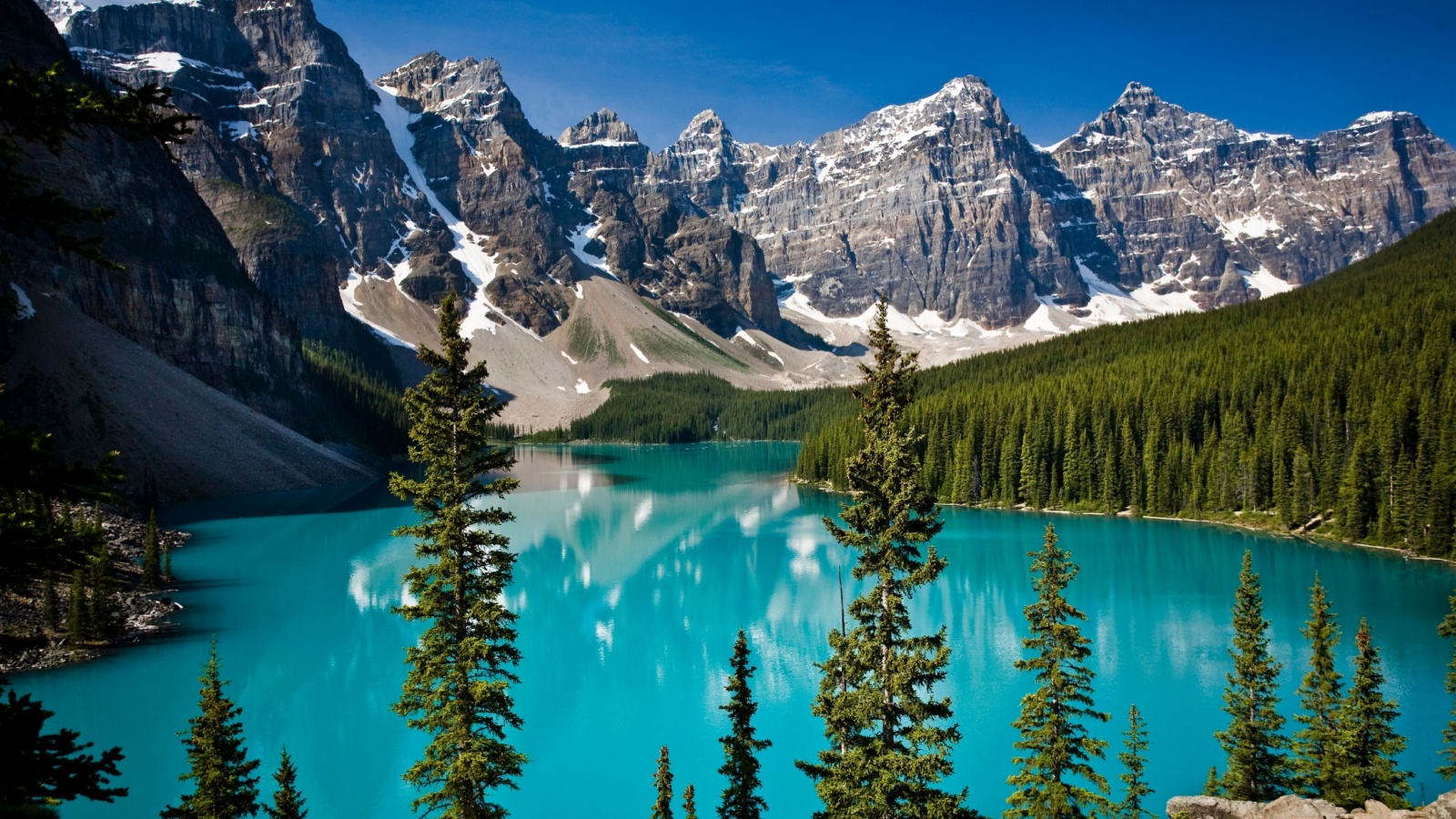
Moraine Lake’s iconic viewpoint receives overwhelming foot traffic daily. Parking bans now require shuttle-only access. Trail congestion compresses soil layers rapidly. Alpine vegetation recovery becomes nearly impossible due to trampling. Drone usage increased despite ongoing bans. Noise pollution disrupts nearby wildlife corridors. Staff regularly remove graffiti scratched into rock faces. Litter pickup crews operate hourly during high season. Dangerous overcrowding once caused frequent cliffside falls. Infrastructure limits were installed after multiple rescue emergencies. Canoe tours disturb quiet hours preferred by nesting birds. The surrounding Valley of the Ten Peaks now shows widening erosion scars from shortcut paths.
Emerald Lake – British Columbia
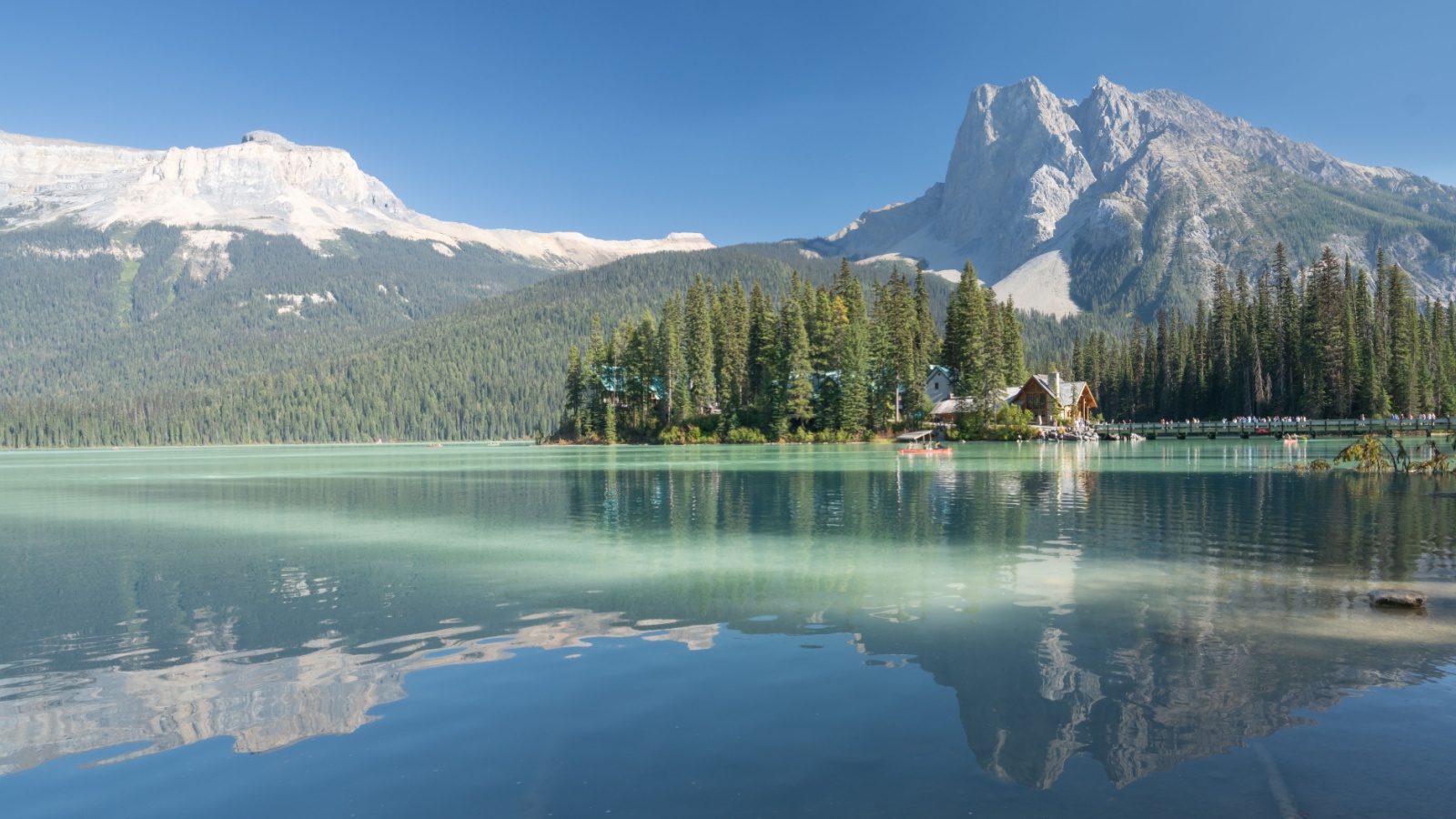
Tourism surged at Emerald Lake after social media exposure accelerated. Day visitor numbers exceed park management projections. Shoreline walking paths expanded beyond original designs. New informal trails harm wetland vegetation. Photography traffic creates bottlenecks near fragile viewpoints. Unregulated paddleboarding introduced shoreline wake erosion. Picnic waste attracts wildlife near human areas. Staff frequently warn visitors about food storage violations. Water clarity has declined due to sediment disturbance. Tour shuttle traffic congests rural access roads. Locals avoid visiting on summer weekends. Wildlife sightings around the lake decrease each year.
Peyto Lake – Alberta
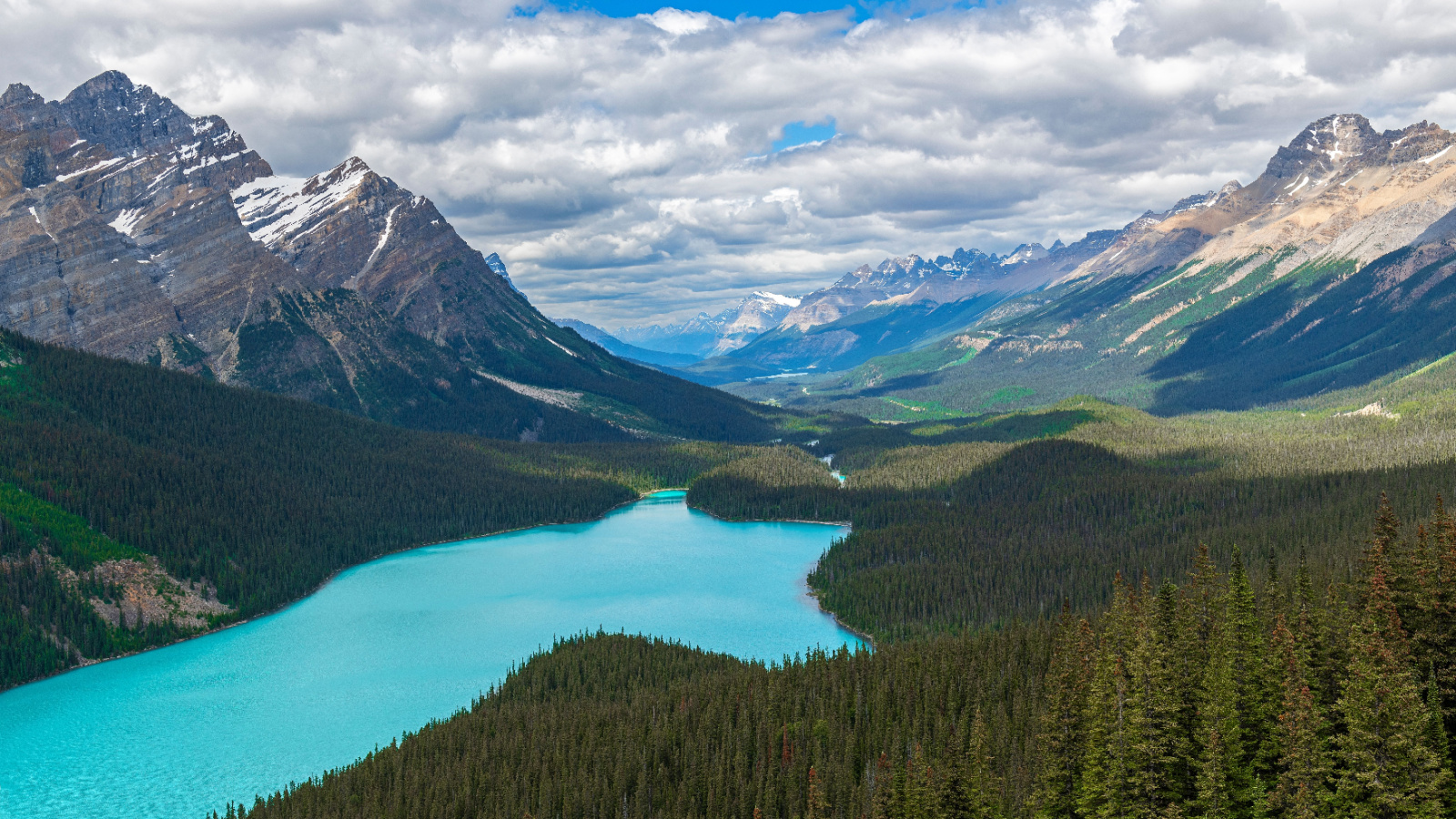
Once reachable through quiet, short hikes, Peyto Lake now hosts packed observation platforms daily. Large coach tours dominate parking availability. Pathway congestion leads visitors off maintained trails. Soil erosion near viewpoints worsens annually. Freshwater runoff dulls the famous blue coloration during peak months. Noise disrupts mountain goats previously roaming the area. Drone intrusions continue despite enforcement efforts. Emergency medical callouts rise from accidents caused by overcrowding. Trail barriers constantly require repair due to off-limits scramble routes. Environmental teams report declining moss regrowth restoration efforts.
Okanagan Lake – British Columbia
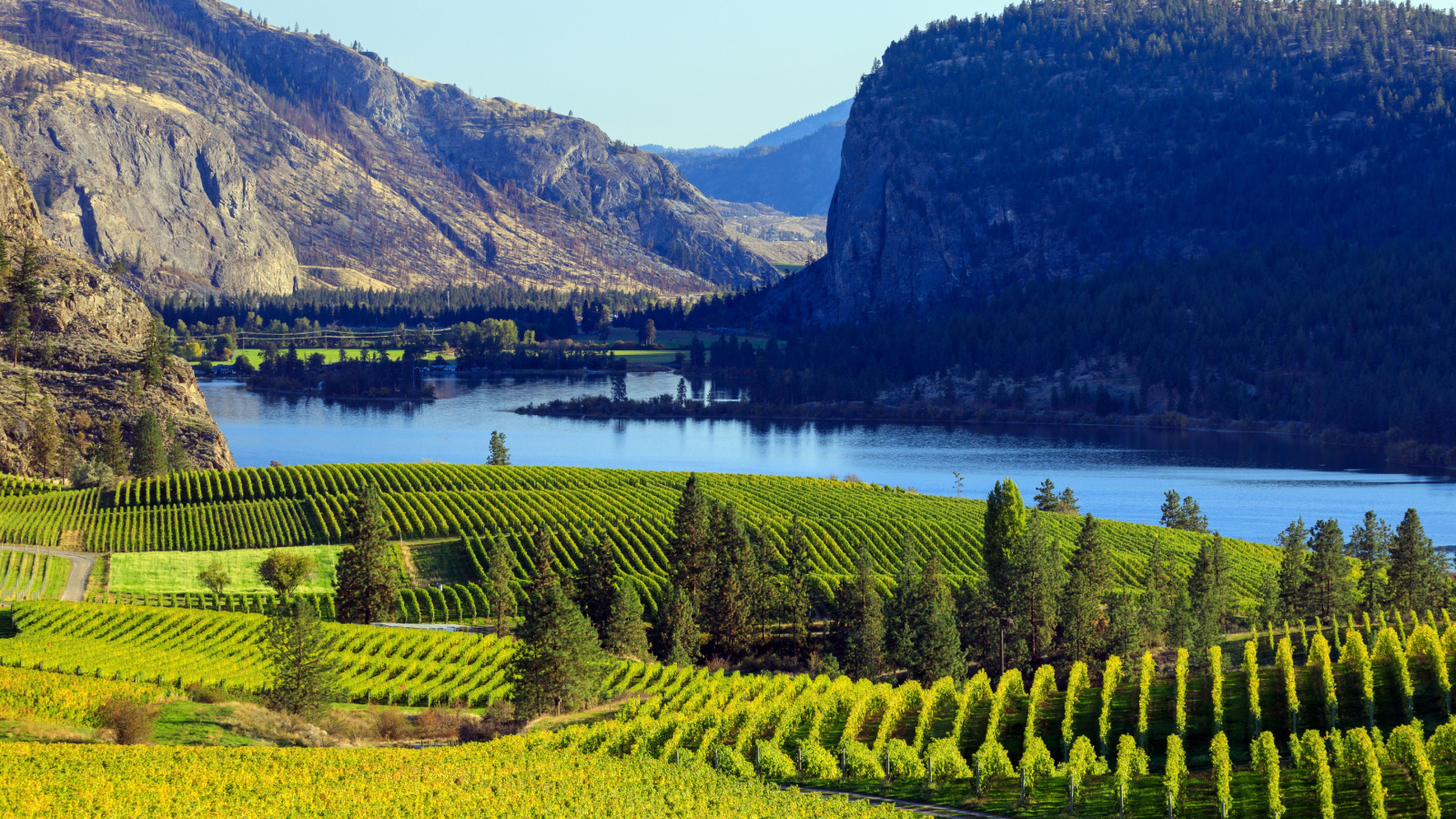
Okanagan Lake experiences intense motorized boating during the summer. Wake erosion damages shoreline properties and fish spawning beds. Fuel spills from recreational boats increase localized water contamination. Overdevelopment of vacation rentals strains septic systems. Algae blooms appear more often than in prior decades. Loud nightlife tourism disturbs residential communities. Plastic debris accumulates along public beaches weekly. Wildlife habitats shrink as shoreline construction expands. Fishing stocks face declining populations due to water disturbances. Water temperature rises are linked partially to reduced vegetation buffers. Conservation monitoring identifies biodiversity loss trends developing. Okanagan tourism generates revenue but accelerates long-term degradation concerns across the entire lake system.
Muskoka Lakes – Ontario
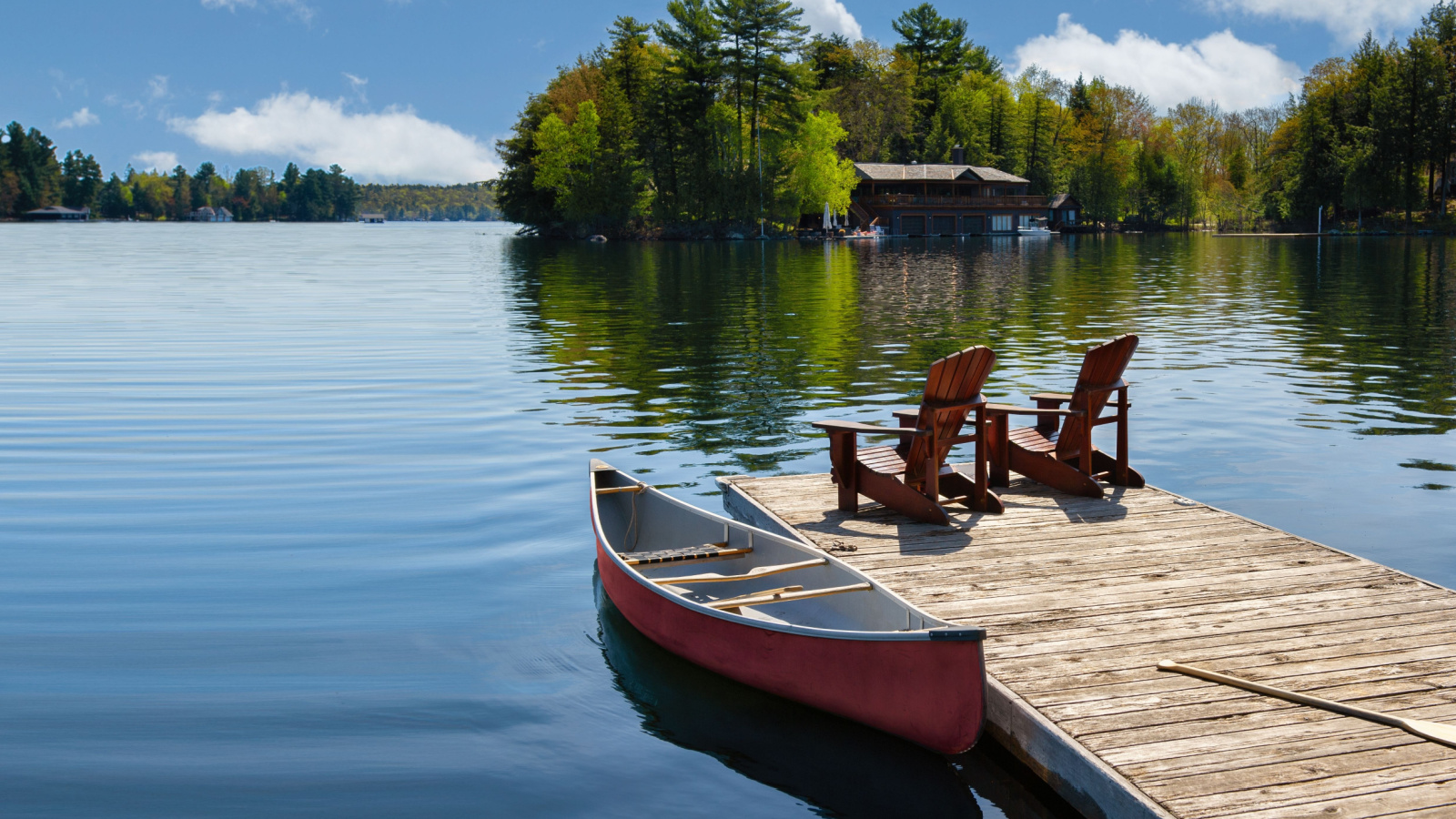
Muskoka’s cottage tourism exploded rapidly after remote work normalization. Shoreline development intensifies unchecked. Septic runoff threatens water quality. Increased boat traffic disturbs fish nurseries. Noise pollution disrupts local wildlife routines. Forest clearing for vacation properties increases runoff sediment flow. Short-term rental turnover encourages overcrowded dock usage. Local residents voice escalating concerns about noise and water safety. Invasive plant species spread through transported boats. Lake turbidity tests now exceed historical averages. Emergency services strain responding to boating accidents.
Lake Simcoe – Ontario
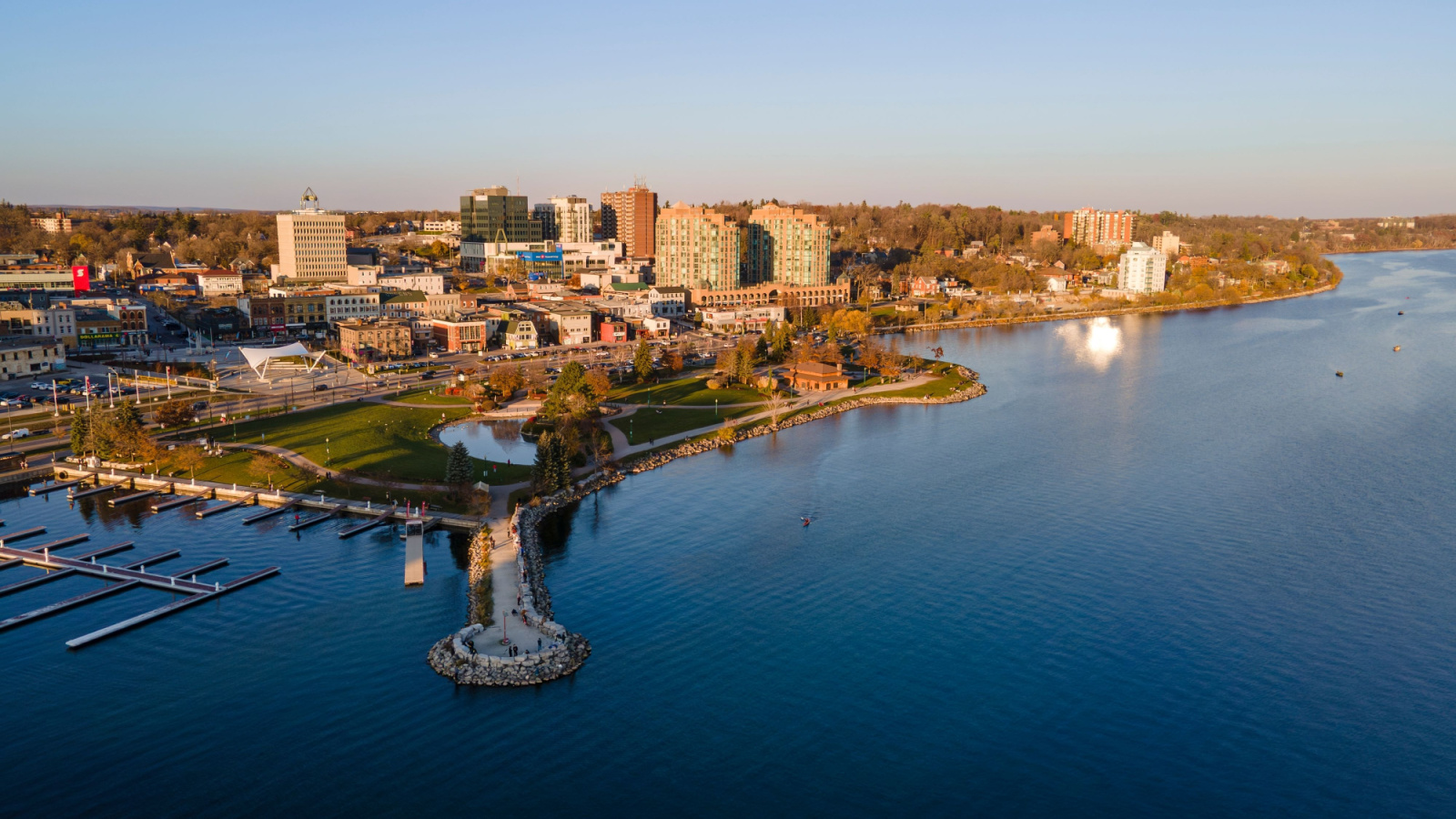
Accessible to Toronto within an hour, Lake Simcoe attracts enormous weekend visitor volumes. Ice fishing congestion intensified during the winter. Watercraft numbers increased sharply during the summer. Phosphorus pollution worsened from runoff and overuse. Blue-green algae blooms reappear annually. Shoreline vegetation removal accelerates erosion. Busy marinas struggle with waste containment. Wildlife nesting zones shrink steadily. Recreational pressure disrupts fish reproduction cycles. Community environmental groups attempt restoration initiatives. Sewage overflow risks grew alongside dense shoreline developments.
Lake Winnipeg – Manitoba

One of Canada’s largest lakes now struggles with tourism and agricultural runoff. Beach traffic expanded rapidly alongside music festivals and lakefront events. Algae blooms plague swimming advisories yearly. Increased boating worsens shoreline erosion. Littering along beaches remains persistent. Septic seepage threatens microbial contamination levels. Fish consumption advisories have expanded recently. Local communities face declining recreational water quality. Wildlife populations retreat from heavily trafficked zones. Tourism masks underlying water management challenges. Cleanup efforts remain reactive rather than preventative. Without intervention, long-term viability faces serious concerns.
Lake Superior – Ontario

Although vast, Lake Superior’s most accessible bays suffer from overtourism. Popular beaches experience trash overflow during peak weekends. Off-trail hiking tramples fragile lichen zones. Campground expansion threatens forest ecosystems. Paddleboarding congestion disrupts bird nesting grounds. Driftwood souvenir harvesting damages natural shoreline processes. Regional waste systems struggle seasonally. Commercial tour boats generate significant shoreline wakes. Once pristine coves now exhibit erosion scars. Local advocates push visitation limits. Superior’s massive scale hides growing localized damage unnoticed by most tourists.
Lake Minnewanka – Alberta
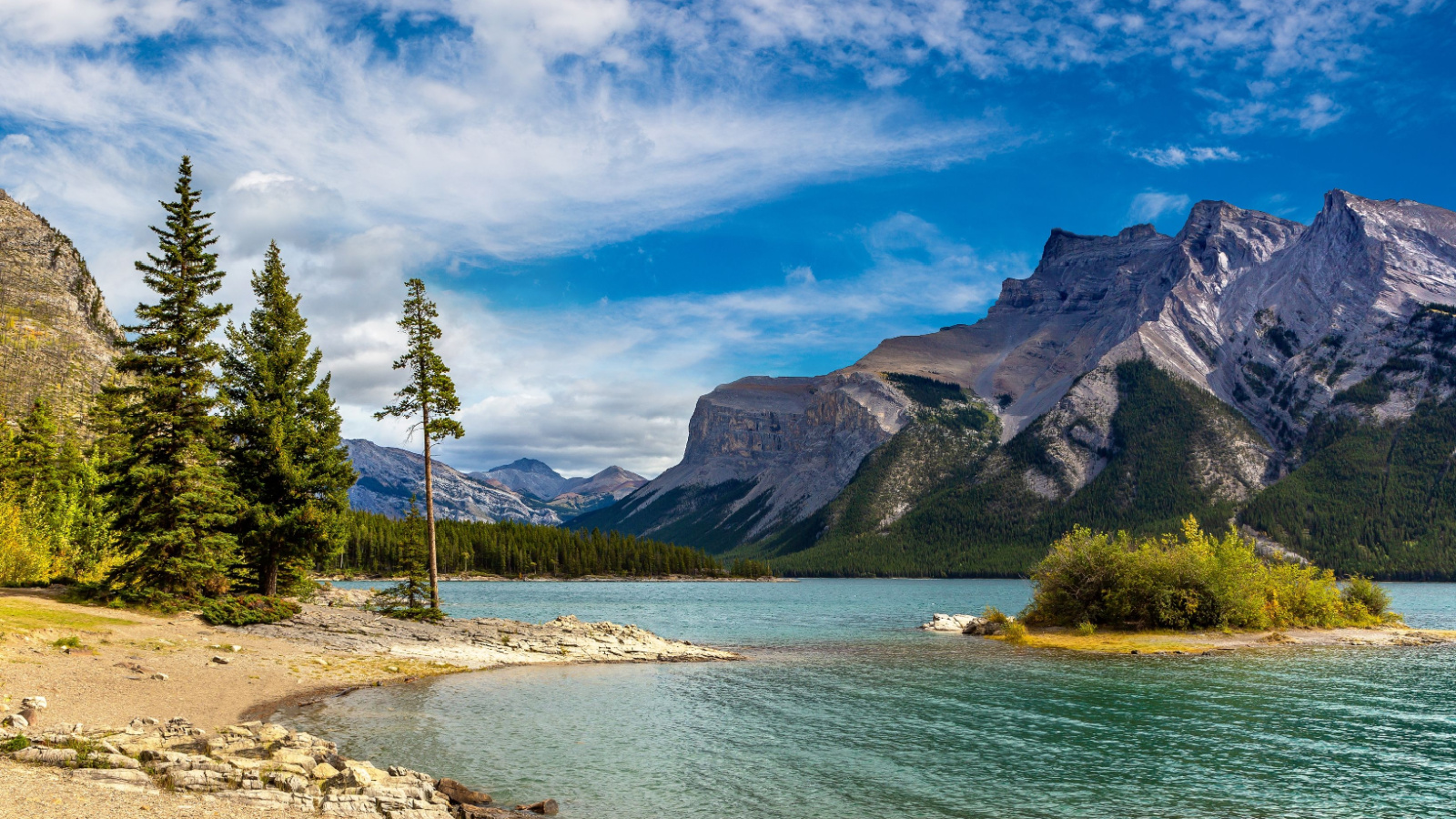
Located near Banff, Lake Minnewanka sees nonstop tourist boat tours. Motorized traffic disturbs trout spawning zones. Frequent wakes erode fragile shorelines. Wildlife corridors narrow with constant shoreline activity. Picnic litter attracts problem bears requiring relocation. Tour operations increase noise pollution significantly. Rental watercraft worsens congestion. Trail wear increases daily under crowds. Alpine vegetation faces trampling risks. Water quality studies show rising fuel residue traces. Despite stunning mountain backdrops, Minnewanka shows sustained ecosystem stress signs year after year.
Lake Joseph – Ontario
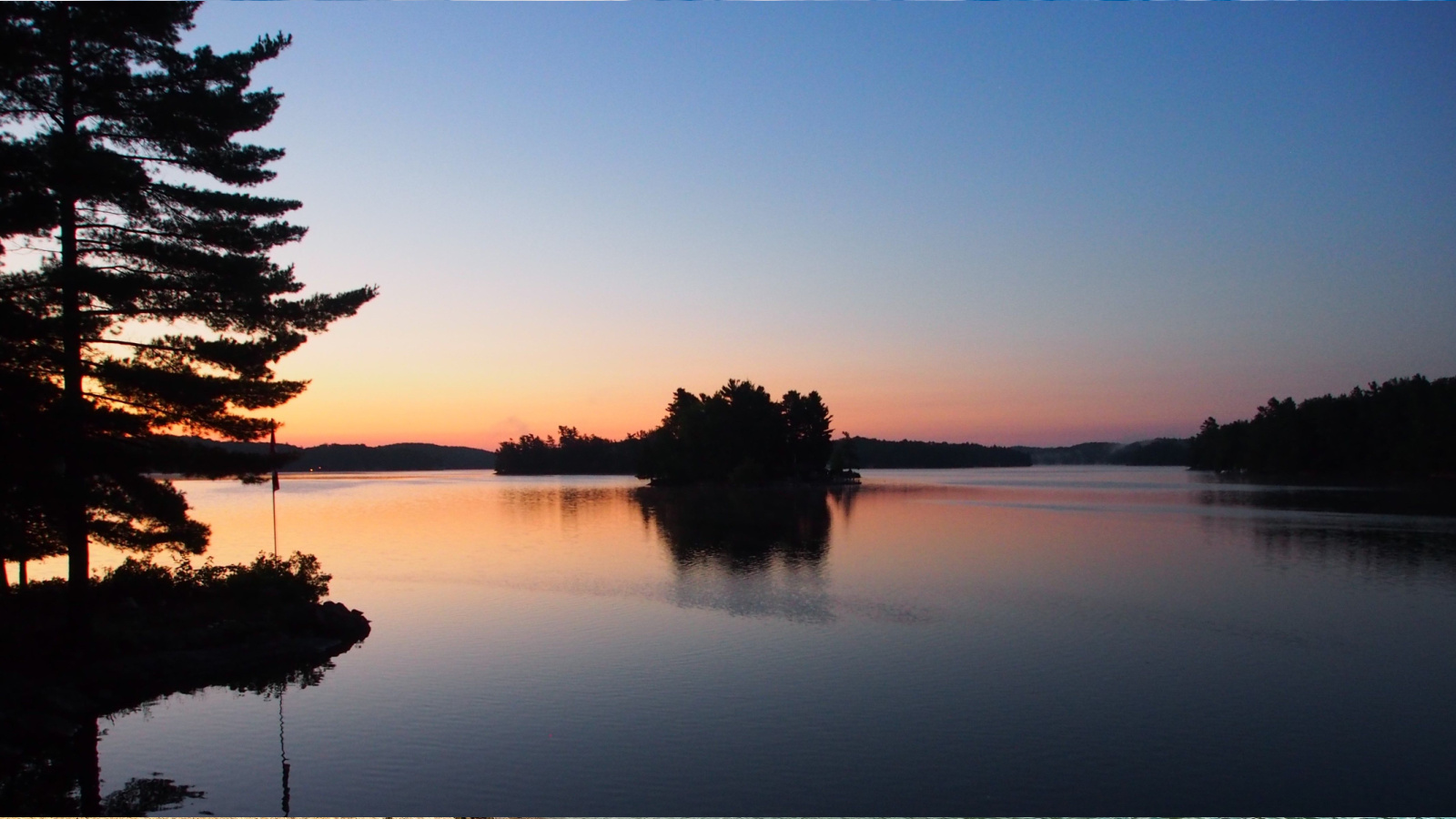
Luxury cottage developments dominate Lake Joseph’s shoreline. Private marina construction restricts fish movement. Motorboat congestion grows annually. Shoreline clearing removes habitat buffers. Septic failures contribute to nutrient contamination. Jet ski noise disrupts bird nesting colonies. Water quality sampling detects rising phosphorous concentrations. Cottage density increases wildfire risks. Public access dwindles as property privatization expands. Environmental remediation struggles to match development speed. Lake Joseph exemplifies the environmental cost burden of exclusive tourism.
Abraham Lake – Alberta

Abraham Lake rose to fame for its winter methane ice bubbles, which were photographed worldwide. Visitor volume exploded rapidly after viral exposure. Cars crowd narrow shoulders along Highway 11 daily. Informal parking crushes roadside vegetation. Foot traffic scars fragile ice edges and shore plants. Visitors walk across unsafe ice without safety awareness. Rescue callouts rise each winter season. Litter accumulates faster than volunteer cleanup efforts can handle. Snowmobile congestion damages shoreline stability. Drone noise disturbs wildlife corridors. Unauthorized fires damage sensitive areas. No formal infrastructure exists to manage crowds safely. Conservation authorities lack staffing presence on most peak days.
Harrison Lake – British Columbia
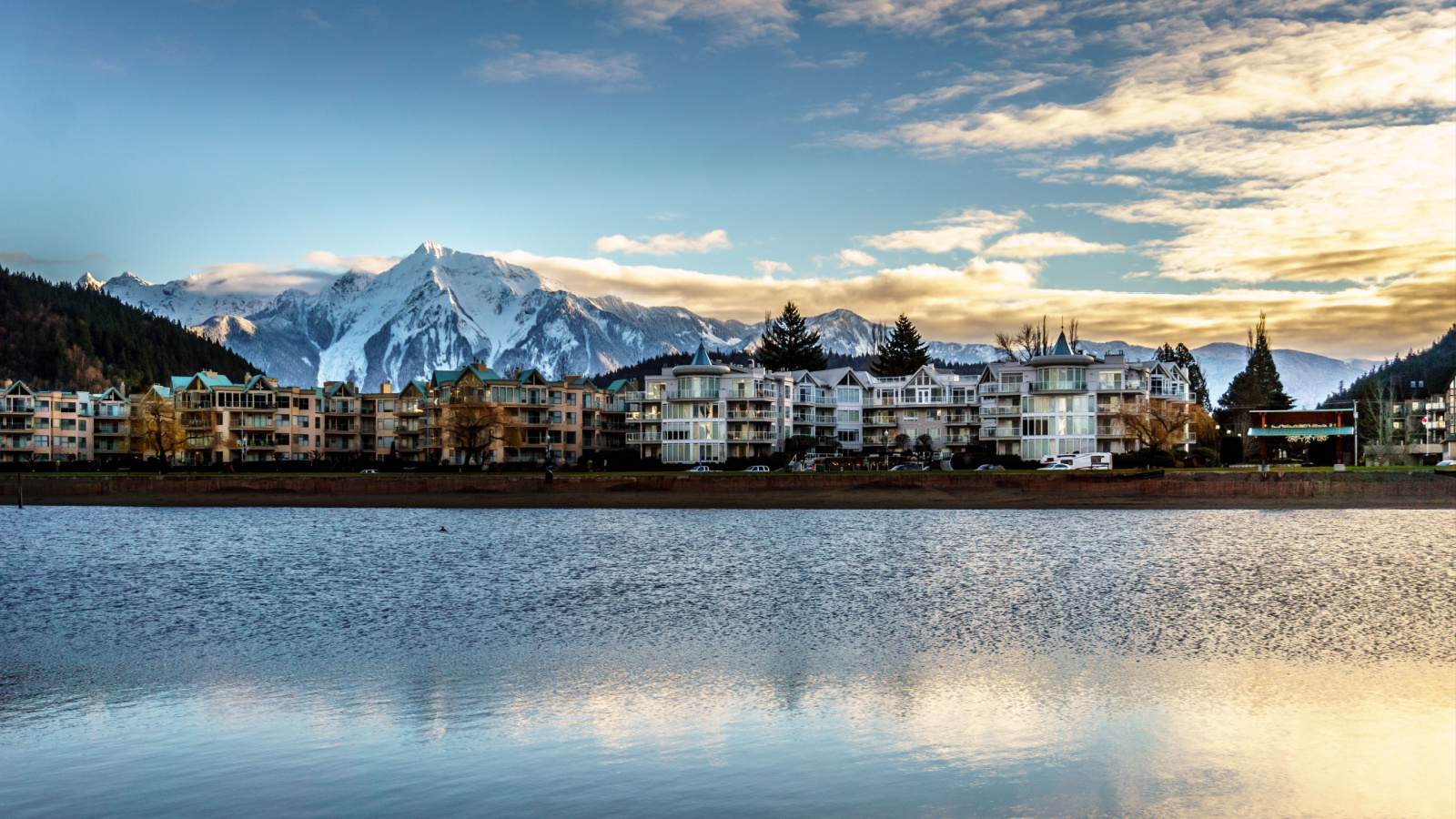
Harrison Lake’s proximity to Vancouver encourages heavy weekend tourism. Beachfront overcrowding stresses waste systems. Paddlecraft congestion disrupts fish habitat zones. Shoreline litter spikes during warmer months. Noise pollution affects nearby bird nesting sites. Improvised camping damages vegetation near access points. Drone overuse persists despite signage restrictions. Increased septic strain threatens water quality stability. Emergency responders face high seasonal call volumes for kayaking accidents. Swimming safety concerns rise due to boat traffic overlapping areas. Community volunteers organize frequent cleanups. Local residents express concern over growing ecological neglect.
Waterton Lakes – Alberta

Waterton’s serene shoreline now attracts heavy tourism through social sharing trends. Footpath congestion accelerates erosion near lake edges. Boat docks see constant pressure. Noise disturbances affect riparian wildlife corridors. Algae blooms appear intermittently during peak season. Day-use parking limitations push visitors onto natural vegetation spaces. Litter patrols increase without preventing volume growth. Park services struggle with staffing coverage. Wildfire recovery zones remain vulnerable to trampling. Kayak congestion disturbs waterfowl feeding grounds. Indigenous land stewardship programs warn of long-term impacts.
Cassis Lake – Quebec
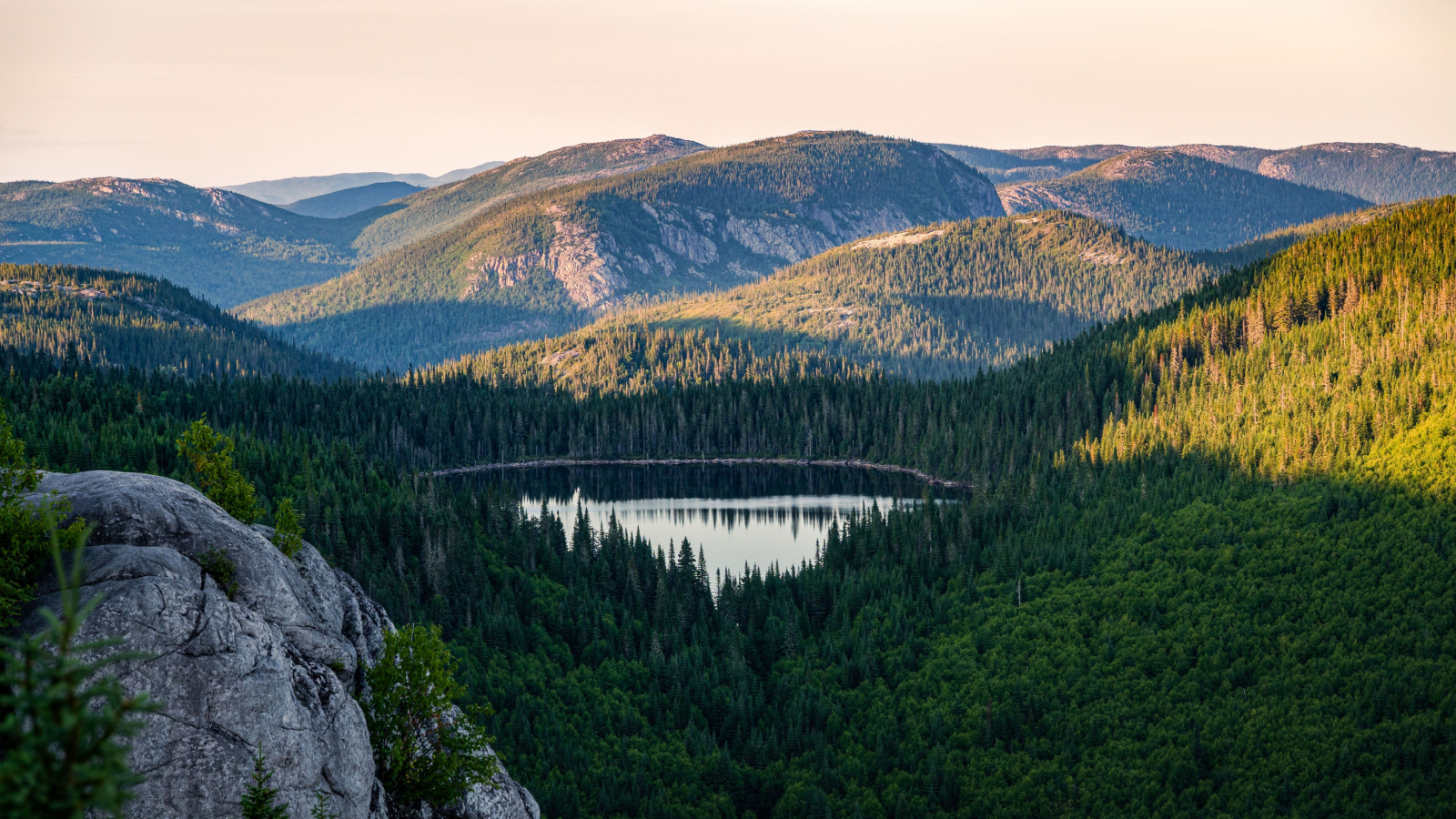
Remote Cassis Lake gained sudden fame through influencer photography campaigns. Access roads expanded unsustainably. Trail widening damages the surrounding peat habitats. Unregulated swimming stirs sediment layers. Portable camping worsens shoreline erosion. No waste management services operate onsite. Litter accumulates in coves weekly. Drone disturbances disrupt migratory bird patterns. Social gatherings increase evening noise pollution. Emergency response remains limited due to remote geography. Provincial rangers face enforcement limitations. Cassis Lake now experiences visitor levels far beyond design capacity. A quiet haven shifted into unmanaged tourism exposure nearly overnight.
Shuswap Lake – British Columbia
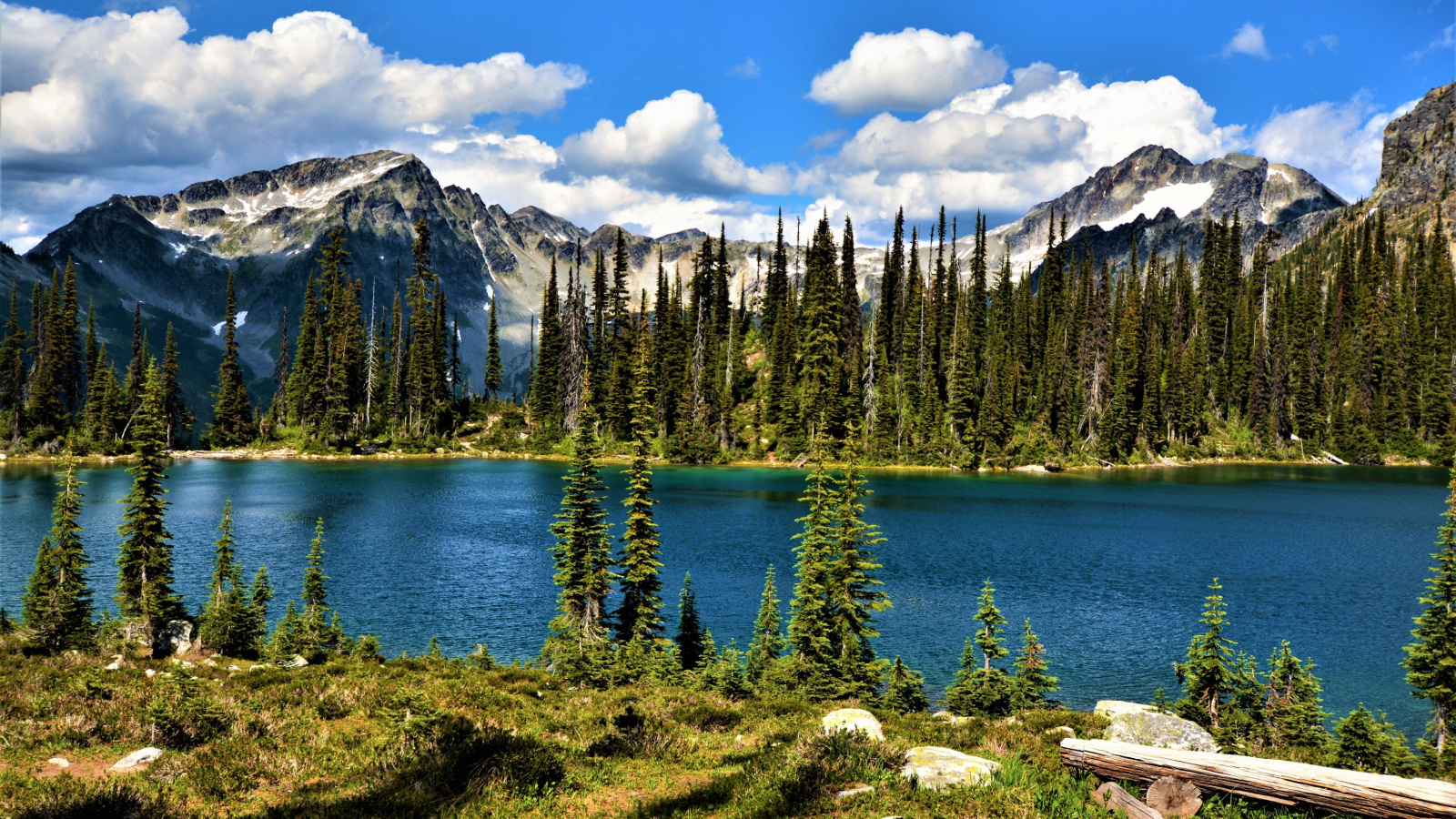
Shuswap has become a houseboat tourism hotspot. Large rentals bombard narrow waterways. Waste pump-outs strain lake sanitation systems. Anchor dragging damages aquatic vegetation beds. Fuel sheen occasionally reported near marinas. Wake erosion chips fragile shore slopes. Noise complaints dominate peak weekend periods. Seasonal wildlife displacement continues expanding outward. Septic runoff from lakeside cabins increases eutrophication risks. Conservation groups struggle to enforce quiet zoning compliance. Removing invasive plants becomes an annual battle. Tourism dollars thrive while ecological costs accumulate steadily.
Great Bear Lake – Northwest Territories
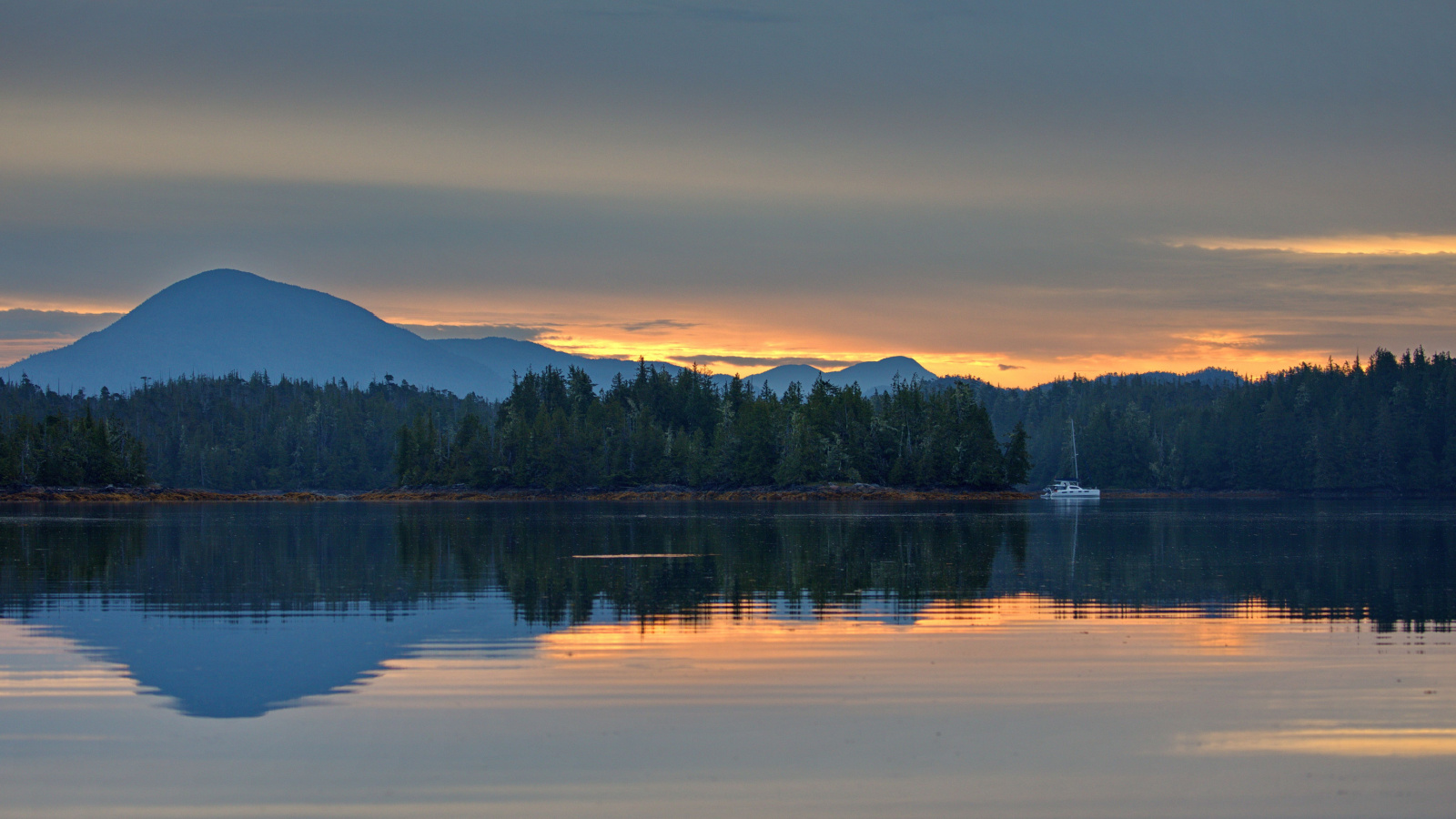
Despite its remoteness, adventure tourism expands access to Great Bear Lake. Sport fishing lodges increase watercraft activity. Floatplane landings disturb nesting waterfowl zones. Shoreline camps leave waste needing frequent remediation. Fishing pressure concerns Indigenous monitoring programs. Remote enforcement limitations allow rule violations. Cultural heritage sites occasionally see visitor damage. Satellite expeditions bring drone disturbances. Conservation partnerships warn of creeping commercialization risks. Environmental surveillance struggles across an immense lake. What remains pristine now faces emerging tourism exposure pressures.
Lake Diefenbaker – Saskatchewan
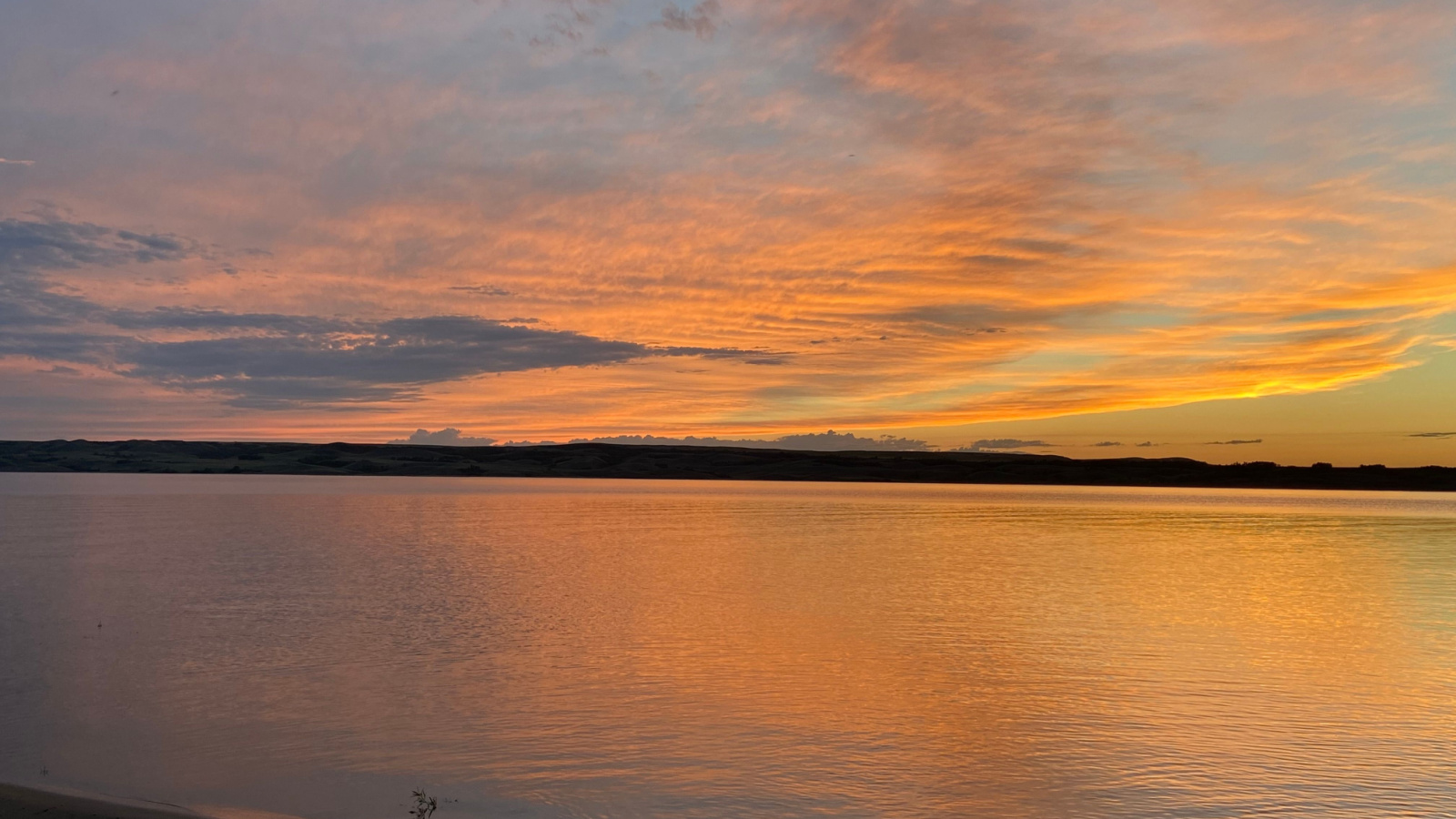
Recreational boating grew swiftly around Lake Diefenbaker. Summer marinas face sanitation overload risks. Fuel leaks are occasionally detected near ramps. Fish habitat disruption follows anchor scarring. Offshore island camping leaves waste imprints. Shoreline erosion increased after vessel traffic scaling. Local bird habitats shrink as beach recreation expands. Emergency response coverage remains stretched thin. Rural enforcement officers struggle with seasonal surges. Community environmental reporting grows annually. Agricultural runoff compounds tourism damage pressures. Saskatchewan faces balancing water recreation growth with habitat preservation challenges here.
Bras d’Or Lake – Nova Scotia
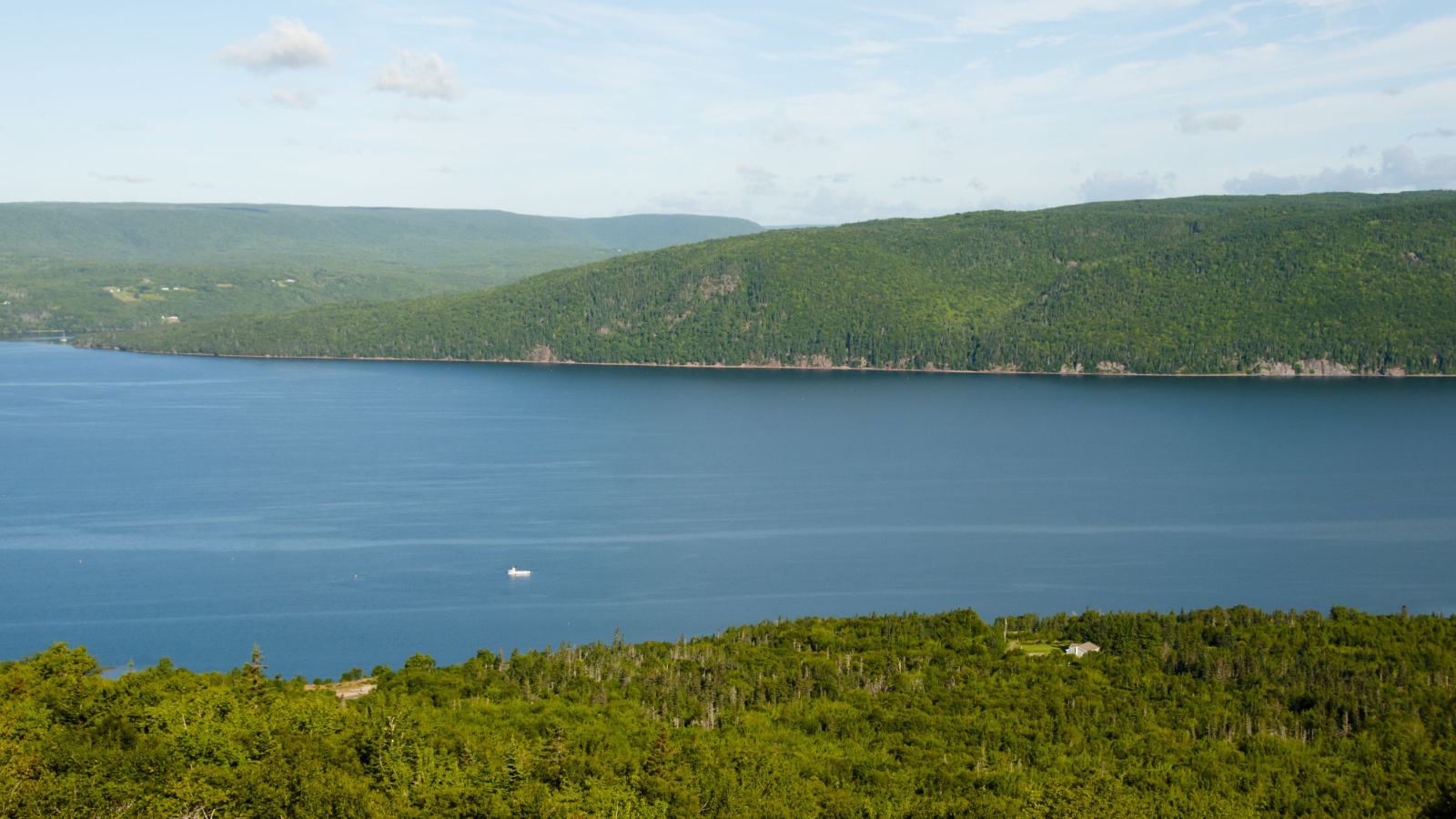
Tourism growth introduced recreational boating surges into this inland sea. Wake damage harms eelgrass ecosystems critical to marine life. Contaminants from vessel runoff increase turbidity. Unregulated mooring zones restrict fish migration channels. Shoreline development accelerates habitat fragmentation. Visitor kayaking tours expand without ecological oversight. Indigenous stewardship leaders advocate for protective zoning. Litter accumulation increases near public beaches. Seasonal aircraft sightseeing adds noise pollution. Restoration projects struggle against rapid tourism scaling. Bras d’Or’s biodiversity quietly faces mounting pressure.
Kluane Lake – Yukon
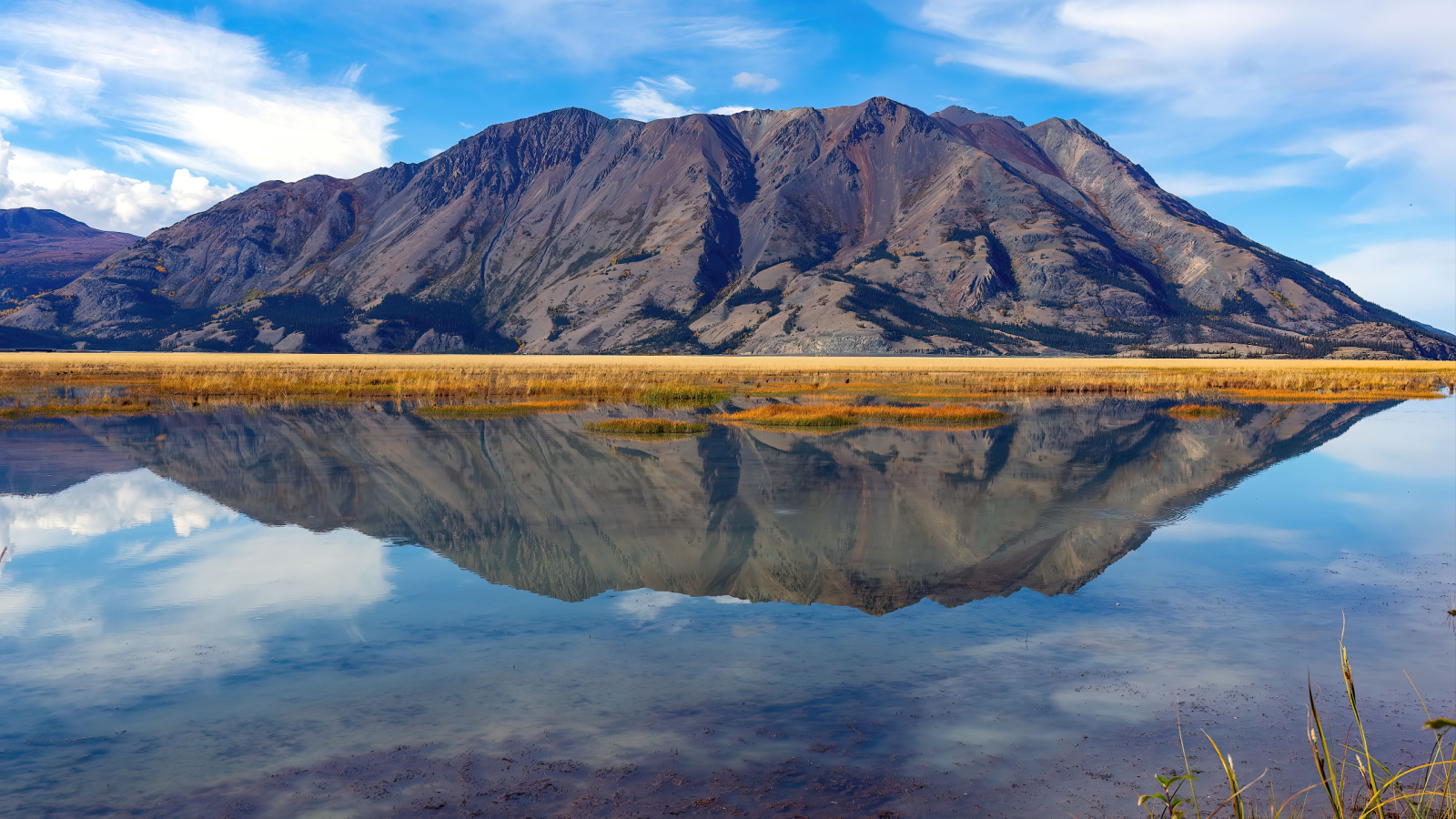
Adventure road travel increased traffic along the Alaska Highway viewpoints. Improvised parking erodes shoreline soils. Drone filming disrupts migrating birds. Backpack camping spreads into sensitive alpine plant areas. Waste management remains inadequate in peak months. Fishing pressure rises annually. Ice roads for winter tourism exacerbate erosion during melt seasons. Rangers face staffing shortages. Indigenous guardians advocate better protection measures. Tour operators expand unsustainably around glacier viewing demand. Kluane’s isolation once safeguarded it. Visitor growth now tests protective limits.
Bow Lake – Alberta
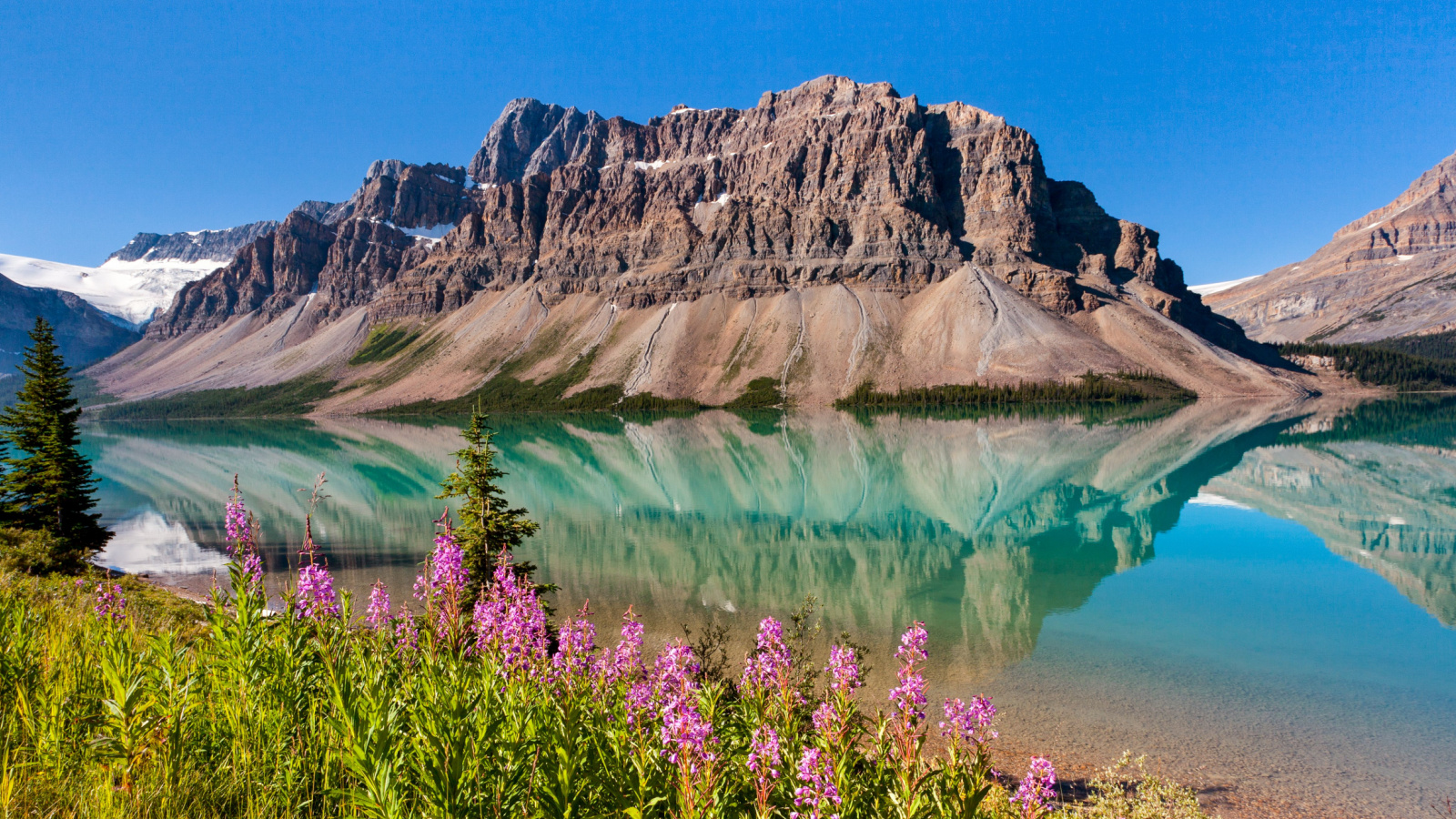
Located directly off the Icefields Parkway, Bow Lake welcomes nonstop tour bus arrivals. Overcrowding pushes visitors off boardwalks. Shoreline vegetation declines rapidly. Drone activity disrupts bird nesting areas. Canoe congestion interferes with aquatic feeding ecozones. Littering persists despite frequent collection. Emergency response teams address recurring slip hazards on eroded rock areas. Water clarity studies reveal sediment increases. Photo tourism continues to expand demand. NATURAL area signage fails to control foot traffic. Even short stops collectively degrade the ecosystem heavily.
Athabasca Lake – Alberta/Saskatchewan
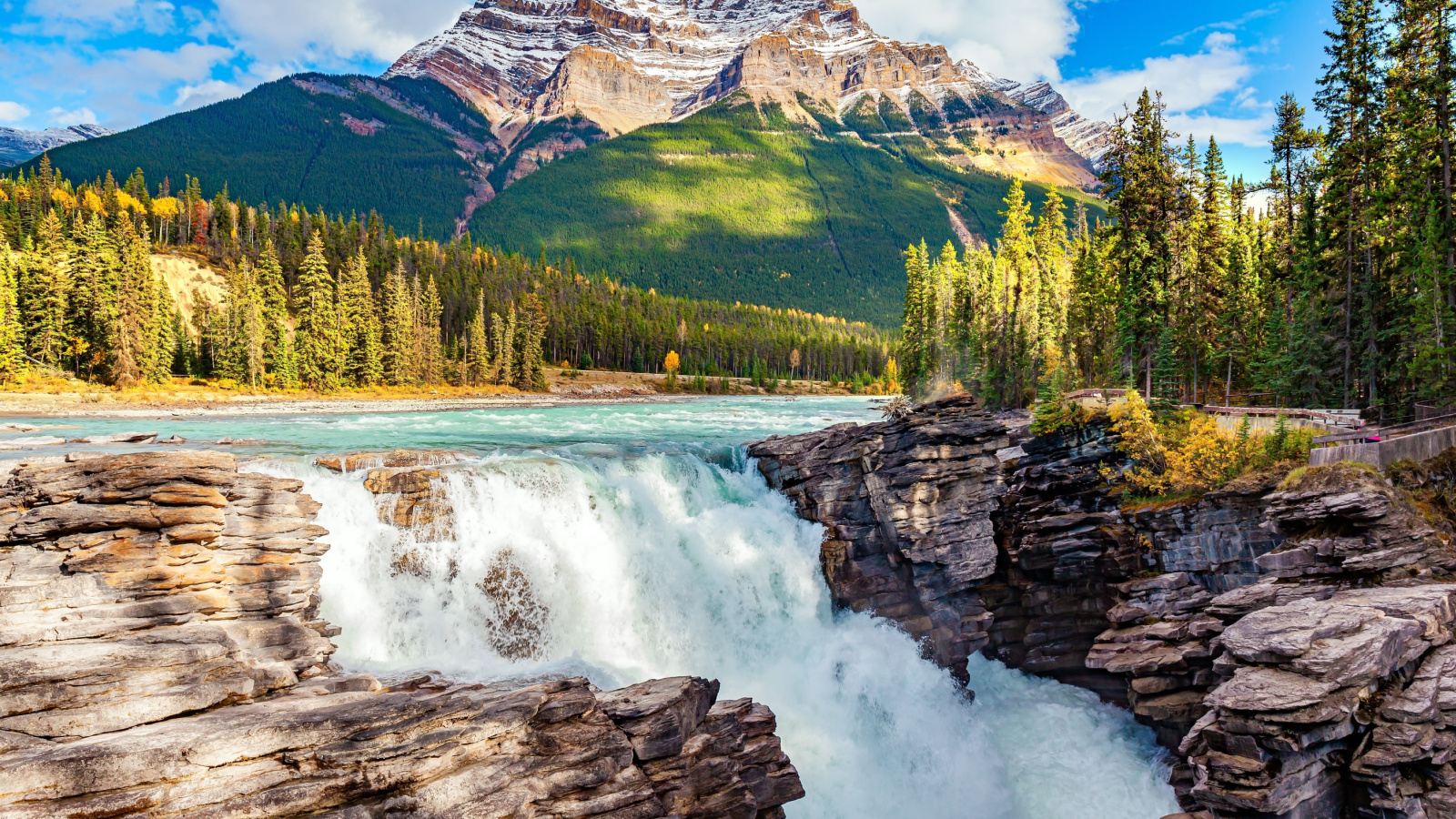
Industrial tourism and access route expansions affect Athabasca Lake increasingly. Fishing lodges multiply annually. Floatplane traffic displaces wildlife corridors. Shoreline refuse accumulates near camp operations. Invasive species risks escalate through visiting watercraft. Indigenous environmental monitors report fish population stress signals. Minimal tourism infrastructure enforcement allows accidental degradation. Storage fuel spills occasionally impact sensitive coves. Cultural sites see visitation wear. Athabasca remains majestic yet vulnerable. Tourism pressures remain early-stage but are accelerating rapidly. Protective policy actions lag behind visitation growth, increasing long-term ecological risk exposures.
22 Groceries to Grab Now—Before another Price Shock Hits Canada

Food prices in Canada have been steadily climbing, and another spike could make your grocery bill feel like a mortgage payment. According to Statistics Canada, food inflation remains about 3.7% higher than last year, with essentials like bread, dairy, and fresh produce leading the surge. Some items are expected to rise even further due to transportation costs, droughts, and import tariffs. Here are 22 groceries to grab now before another price shock hits Canada.
22 Groceries to Grab Now—Before another Price Shock Hits Canada
This Options Discord Chat is The Real Deal
While the internet is scoured with trading chat rooms, many of which even charge upwards of thousands of dollars to join, this smaller options trading discord chatroom is the real deal and actually providing valuable trade setups, education, and community without the noise and spam of the larger more expensive rooms. With a incredibly low-cost monthly fee, Options Trading Club (click here to see their reviews) requires an application to join ensuring that every member is dedicated and serious about taking their trading to the next level. If you are looking for a change in your trading strategies, then click here to apply for a membership.