
35,000+ smart investors are already getting financial news, market signals, and macro shifts in the economy that could impact their money next with our FREE weekly newsletter. Get ahead of what the crowd finds out too late. Click Here to Subscribe for FREE.
Often flying under the radar, Canada’s economic and policy interventions have quietly stabilized markets during moments of global uncertainty. From unconventional oil supplies to diplomatic mediation and strategic industries, Canada has stepped in more than once to calm financial turbulence. Here are 21 times Canada secretly saved global markets:
Stabilizing Oil Markets via Keystone XL Fallout (2015)
21 Times Canada Secretly Saved Global Markets
- Stabilizing Oil Markets via Keystone XL Fallout (2015)
- Providing Wheat During Global Shortages (2020)
- Enbridge Spills and Reinsurance Payouts
- North American COVID Vaccine Rollout Coordination (2021)
- Canadian FX Interventions (Bank of Canada, 2008–2009)
- Timber Export Ceasefire in Softwood Dispute (1990s)
- Stabilizing Global Uranium Prices (2010)
- Saving the Maple Syrup Market During Global Shortage (2021)
- Canada’s Role in Lithium Supply Chain Stability (2023)
- Backing AI Standards to Avoid Global Tech Trade Disruptions (2024)
- Canadian Banks Buffering Crypto Fallout (2022)
- Resolving WTO Agricultural Subsidy Disputes
- Canadian Ports Stepping In During U.S. Strikes (2023)
- Shoring Up Rare Earth Supply for Allies (2022)
- Carbon Credit Markets Stabilized by Canadian Protocols
- Mitigating Dairy Market Disruptions Post-Brexit
- Supporting Global Vaccine R&D Through CEPI
- Taking in Ukrainian Grain After Black Sea Disruptions (2022)
- Supporting Arctic Navigation Routes for Global Trade
- Quiet Leadership in ESG Governance Standards
- Preventing Currency Panic During U.S. Debt Ceiling Showdown (2023)
- 21 Products Canadians Should Stockpile Before Tariffs Hit

After the U.S. cancelled the Keystone XL pipeline in 2015, investors feared North American oil dynamics would destabilize. Instead, Canada quietly boosted exports through existing pipelines and expanded production in Alberta. This action helped offset supply concerns, reducing volatility in global crude prices. International buyers, especially in Asia and Europe, continued to receive stable shipments, calming market fears, while Canadian energy firms also increased long-term contracts, signaling stability. This led to oil markets being steadied, and traders could model supply without panic.
Providing Wheat During Global Shortages (2020)

During global wheat shortages triggered by droughts in major producers, Canada ramped up exports to fill the gap. With robust harvests in Saskatchewan and Manitoba, Canadian wheat shipments surged to markets in Africa, the Middle East, and South Asia. International governments praised Canada’s rapid response and logistical agility, and by keeping global inventory afloat, Canada helped prevent food inflation and supply disruptions. While less visible than financial bailouts, this agricultural backup strategy showcased how Canadian stability can underpin essential markets, ensuring a steady supply when others struggle.
Enbridge Spills and Reinsurance Payouts

After a significant spill in the U.S.-Canada border region, Enbridge’s Canadian-based reinsurance partners absorbed billions in claims. American insurers and banking partners were able to honor settlement obligations without fear of ripple effects because Canada’s financial safety net held firm. The payout mechanism avoided default risk, helped protect cross-border counterparties, and reassured bondholders. While not a headline story, this episode highlighted how Canada’s financial architecture shields global exposure and helps prevent systemic shocks when industrial incidents occur.
North American COVID Vaccine Rollout Coordination (2021)

When COVID vaccine supply chains faltered globally, Canada quietly brokered trilateral coordination with the U.S. and Mexico. By redistributing deliveries, facilitating export waivers, and offering cold-chain support, Canada helped other countries fill temporary gaps. The strategy reduced delays across multiple nations, stabilized expectations, and prevented vaccine commodity prices from exploding. Canada’s pragmatic diplomacy and logistical flexibility prevented unnecessary panic and helped keep global vaccine markets functional.
Canadian FX Interventions (Bank of Canada, 2008–2009)

During the Global Financial Crisis, Canada’s central bank conducted discreet currency swap lines and liquidity backstops that supported cross-border banking operations. These interventions, which were made quietly in coordination with international central banks, injected stability into shaky lending markets. By preventing frozen liquidity in partner systems, Canada’s actions helped support interbank lending and avoided runaway currency devaluation. Ultimately, these behind-the-scenes measures reinforced confidence in North American credit markets, keeping shockwaves from turning into full-blown panic.
Timber Export Ceasefire in Softwood Dispute (1990s)

During protracted NAFTA-era softwood lumber disputes, Canada agreed to temporary production ceilings to appease U.S. tariffs. In exchange, the U.S. agreed to avoid sweeping bans on Canadian mills. The ceasefire defused trade tensions, prevented retaliatory tariffs, and maintained a steady cross-border lumber flow. This quiet agreement helped stabilize prices in North American construction markets, allowing builders and developers to avoid material shortages and enabling downstream manufacturers to plan costs more predictably. Despite political drama, Canadian restraint helped keep markets functioning rather than collapsing under policy pressure.
Stabilizing Global Uranium Prices (2010)

Following the Fukushima disaster in 2011, global uranium prices plunged amid nuclear skepticism. Canada’s uranium producers, chiefly in Saskatchewan, held production steady and avoided price crashes by coordinating output levels with other major suppliers like Australia and Kazakhstan. This stabilizing strategy prevented speculative volatility in uranium futures and gave power producers confidence in planning long-term fuel procurement. It also helped stem the risk of broader disruption in energy markets, particularly in Asia and Europe, where nuclear power remained critical. Canada’s measured approach again helped steady a specialized global commodity market.
Saving the Maple Syrup Market During Global Shortage (2021)

When the global supply of maple syrup dipped dangerously low due to poor harvests and skyrocketing demand, Quebec’s Strategic Maple Syrup Reserve released over 22,000 tonnes. This move single-handedly prevented global prices from spiraling. It reassured importers from Japan to the U.S. Canada’s role as the world’s top maple syrup supplier gave it the leverage to stabilize a niche but economically significant global market. With shelves restocked and international buyers calmed, this sweet intervention demonstrated how even an agricultural strategy can become a global market triage.
Canada’s Role in Lithium Supply Chain Stability (2023)

With rising demand for EV batteries, global lithium markets have become increasingly volatile. In 2023, Canada’s government fast-tracked new mining licenses in Quebec and northern Ontario while also partnering with automakers on domestic battery plants. This stabilized supply expectations for U.S. and European manufacturers, reducing investor panic and raw material inflation. Quietly and efficiently, Canada inserted itself into the global battery conversation, while analysts credited Canadian reliability with preventing deeper supply chain chaos across the tech and auto sectors.
Backing AI Standards to Avoid Global Tech Trade Disruptions (2024)

As the world debated AI regulation frameworks, Canada helped lead a coalition advocating for interoperability and open standards. Canadian agencies helped prevent major trade disruptions by aligning their emerging AI policies with both U.S. and EU models. Canadian companies like Shopify and Coveo were instrumental in bridging cross-continental tech compatibility. With markets nervous about conflicting rules derailing global platforms, Canada’s policy moderation acted as a calming influence. While others focused on dominance, Canada focused on cohesion and smoothing out volatility in an industry prone to geopolitical flashpoints.
Canadian Banks Buffering Crypto Fallout (2022)

Following the collapse of major crypto platforms, global markets braced for broader contagion. Canadian banks, known for conservative risk models and regulatory safeguards, absorbed local shocks and shielded consumer portfolios. Their resilience reassured foreign observers, and international analysts cited Canada as a model for balanced digital asset oversight. Canada’s financial steadiness indirectly boosted global confidence during a time when crypto headlines were causing massive investor skittishness.
Resolving WTO Agricultural Subsidy Disputes

Canada played an underappreciated role in brokering WTO negotiations on agricultural subsidies, which were threatening to break down trade talks in the early 2000s. As both a major exporter and a moderate voice, Canada worked behind the scenes to align developing and developed nations on compromise positions. These moves helped unlock stuck trade negotiations, reframe tariff structures, and keep global agricultural markets moving. Without Canada’s intervention, food importers in the Global South might’ve faced higher prices and restricted access to staples.
Canadian Ports Stepping In During U.S. Strikes (2023)
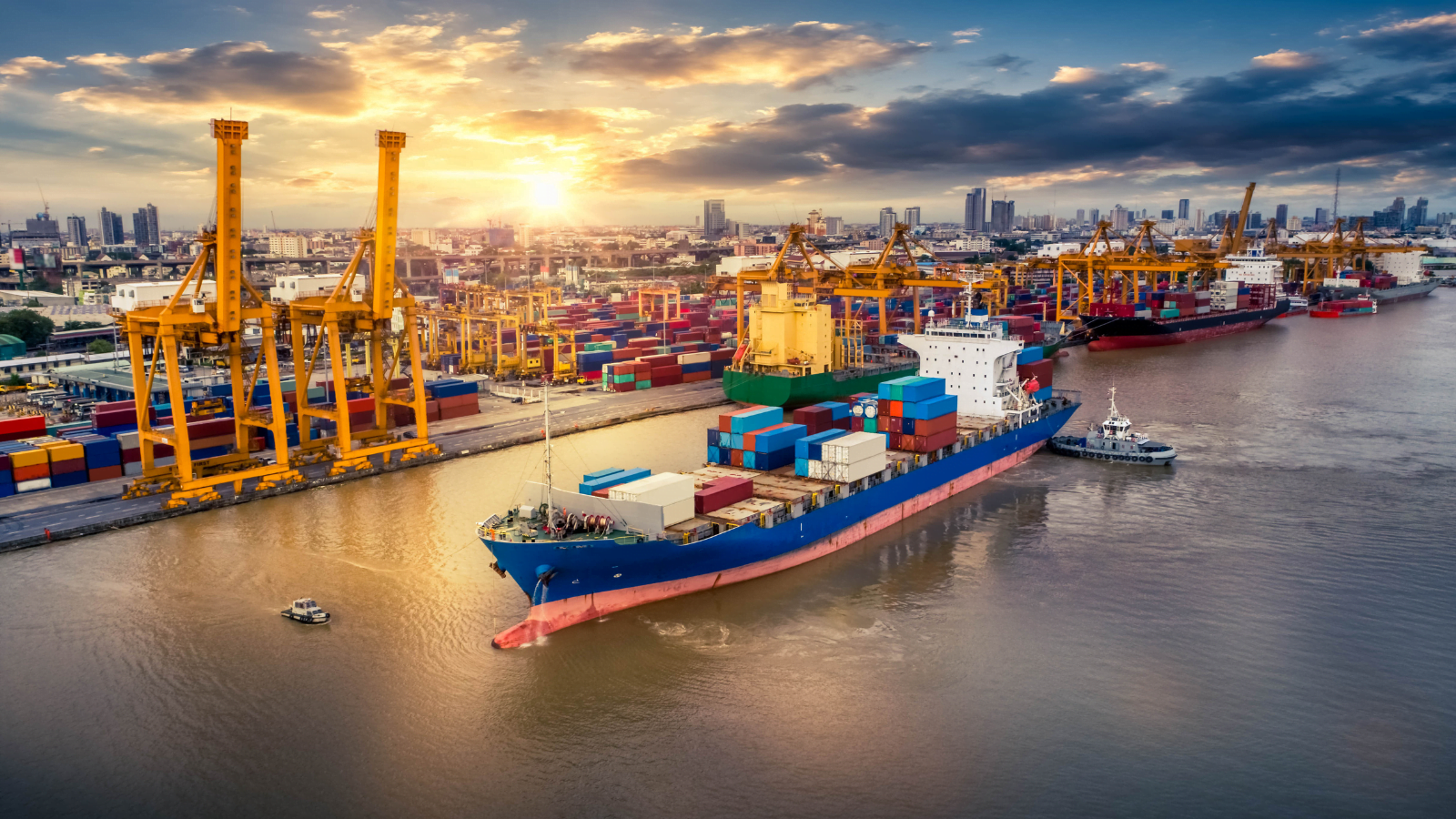
When labor strikes shut down major U.S. ports in 2023, many international shippers rerouted through Vancouver and Halifax to avoid costly delays. Canadian port authorities expanded operations temporarily, absorbing container overflow and easing the strain on Pacific and Atlantic trade routes. This allowed supply chains to keep moving, particularly for electronics and auto parts bound for the Midwest. As Canada’s ability to step in as a neutral and functioning transit partner prevented even broader market disruptions, especially in time-sensitive logistics sectors.
Shoring Up Rare Earth Supply for Allies (2022)

With growing tensions between China and Western countries, the rare earth mineral supply chain became a global concern. Canada, with new projects in northern Quebec and the Northwest Territories, accelerated exploration and output to provide Western allies with alternatives. This move helped reassure markets wary of monopolized access to critical components for everything from smartphones to fighter jets. Canada’s stable governance and transparent mining practices brought much-needed confidence to a sensitive and high-stakes corner of the global commodities market.
Carbon Credit Markets Stabilized by Canadian Protocols

As global carbon markets exploded in both demand and confusion, Canada’s well-regarded offset protocols were quietly adopted as templates by emerging systems in Latin America and Southeast Asia. This intellectual export helped reduce regulatory uncertainty in volatile green finance markets. Canadian firms like CarbonCure and NatureBank provided both credibility and infrastructure, which helped settle fluctuating carbon credit prices. By lending legitimacy and standards to a chaotic marketplace, Canada offered a stabilizing model that made emissions trading more predictable and trustworthy worldwide.
Mitigating Dairy Market Disruptions Post-Brexit

After Brexit, U.K. consumers faced dairy price hikes and supply inconsistencies. Canada stepped in via new trade partnerships under the CPTPP and the U.K.-Canada Trade Continuity Agreement, enabling fresh cheese and dairy exports that plugged some of the gaps. These new routes stabilized consumer expectations and relieved pressure from European suppliers navigating post-Brexit bureaucracy. Though it was modest in volume, Canada’s participation had a significant psychological impact on European markets that feared prolonged shortages.
Supporting Global Vaccine R&D Through CEPI

Canada has been one of the largest funders of CEPI (Coalition for Epidemic Preparedness Innovations), which bankrolls vaccine research for global pandemics. Its early funding was crucial in developing COVID-19 vaccines and in preparing for future zoonotic outbreaks. This financial support indirectly calms pharmaceutical markets by keeping innovation pipelines steady, especially when national governments hesitate. The downstream effects on drug patents, distribution rights, and R&D equity are subtle but powerful, while Canadian consistency acted like a stabilizer for one of the most volatile sectors in global health.
Taking in Ukrainian Grain After Black Sea Disruptions (2022)

When Russia’s blockade threatened Ukraine’s grain exports, Canada allowed ports to receive and redistribute diverted grain shipments, ensuring vital crops reached Africa and the Middle East. Canadian logistics networks, including CN Rail and Atlantic shipping routes, helped buffer the shock to global grain markets. By rerouting trade flows without inflaming geopolitical tensions, Canada helped protect the global food supply while maintaining neutrality. This humanitarian pivot also calmed futures markets and reduced pressure on importers fearing famine-scale disruption.

As melting sea ice opened new Arctic shipping channels, Canada invested in coast guard upgrades and navigational infrastructure to ensure safe passage. While not aimed at profit, these measures reassured global shippers who feared accidents or legal uncertainty. Canada’s presence, coordination with NORAD, and investment in Indigenous maritime surveillance helped establish the Arctic as a viable, stable route for time-sensitive cargo, reducing global logistics stress and offering alternatives to chokepoints like the Suez Canal.
Quiet Leadership in ESG Governance Standards

Canadian pension funds like CPP Investments and Ontario Teachers’ were early adopters of rigorous ESG (Environmental, Social, Governance) standards. Their influence on global institutional investors helped normalize responsible investing and minimize speculative risk in energy and resource markets. By setting transparent, long-term sustainability goals, Canadian funds made global markets more stable and predictable. Their advocacy also pressured multinational corporations to adopt clearer reporting standards, reducing uncertainty for retail and institutional investors alike.
Preventing Currency Panic During U.S. Debt Ceiling Showdown (2023)

As the U.S. teetered on the edge of default, investors sought safe havens. While the euro and yen spiked briefly, it was the Canadian dollar, backed by stable monetary policy and strong commodity exports, that quietly became a go-to hedge. Canadian bond markets remained calm, absorbing capital inflows without dramatic rate swings, as Canada’s central bank worked discreetly to ensure foreign exchange liquidity, helping to prevent panic that might have tipped fragile emerging markets into crisis.
21 Products Canadians Should Stockpile Before Tariffs Hit

If trade tensions escalate between Canada and the U.S., everyday essentials can suddenly disappear or skyrocket in price. Products like pantry basics and tech must-haves that depend on are deeply tied to cross-border supply chains and are likely to face various kinds of disruptions
21 Products Canadians Should Stockpile Before Tariffs Hit
This Options Discord Chat is The Real Deal
While the internet is scoured with trading chat rooms, many of which even charge upwards of thousands of dollars to join, this smaller options trading discord chatroom is the real deal and actually providing valuable trade setups, education, and community without the noise and spam of the larger more expensive rooms. With a incredibly low-cost monthly fee, Options Trading Club (click here to see their reviews) requires an application to join ensuring that every member is dedicated and serious about taking their trading to the next level. If you are looking for a change in your trading strategies, then click here to apply for a membership.