
35,000+ smart investors are already getting financial news, market signals, and macro shifts in the economy that could impact their money next with our FREE weekly newsletter. Get ahead of what the crowd finds out too late. Click Here to Subscribe for FREE.
Canada has often played a quiet but crucial role in protecting global stability, diplomacy, and human progress. From peacekeeping missions to climate leadership, the country has repeatedly stepped up when others hesitated. Whether in humanitarian crises, arms control efforts, or environmental agreements, Canada’s steady hand has helped restore balance and hope in moments of uncertainty. Here are 21 times Canada quietly saved the world’s reputation.
Canada’s Role in the Suez Crisis Peacekeeping Mission
21 Times Canada Quietly Saved the World’s Reputation
- Canada’s Role in the Suez Crisis Peacekeeping Mission
- The Iranian Hostage Rescue (“Canadian Caper”)
- Leadership in the Montreal Protocol to Protect the Ozone Layer
- Founding of the United Nations Peacekeeping Concept
- Mediation in the Vietnam War and Paris Peace Talks
- Canada’s Role in Ending Apartheid Through Sanctions
- Support for the Rwanda Genocide Relief and Peacekeeping Efforts
- Leadership in the Ottawa Treaty to Ban Landmines
- Hosting the 1985 North American Acid Rain Agreement
- Contributions to Global Climate Agreements, including the Paris Accord
- Humanitarian Leadership in Refugee Resettlement Programs
- Canada’s Role in Strengthening Global Nuclear Non-Proliferation Efforts
- The James Webb Space Telescope Collaboration for Global Science
- Canada’s Role in the G7 and International Economic Stabilization Efforts
- Diplomatic Bridge-Building During the Cold War Era
- Leadership in Global Health and Vaccine Distribution
- Environmental Stewardship Through the Boreal Forest Conservation Initiatives
- The Arctic Council and Canada’s Role in Northern Cooperation
- Defending Press Freedom and Democratic Governance Abroad
- Canada’s Mediation in the Haiti and Balkan Peace Processes
- Support for International Aid, Education, and Human Rights Advocacy
- 21 Products Canadians Should Stockpile Before Tariffs Hit

In 1956, during the Suez Crisis, Canada stepped forward as a global mediator when tensions between Egypt, Israel, France, and the United Kingdom threatened world peace. Then–External Affairs Minister Lester B. Pearson proposed the creation of a United Nations peacekeeping force, the first of its kind. His idea was adopted by the UN, marking the birth of modern peacekeeping. The mission helped stabilize the region and earned Pearson the Nobel Peace Prize in 1957. Canada’s diplomatic innovation during this crisis redefined how international conflicts could be managed through cooperation rather than military confrontation.
The Iranian Hostage Rescue (“Canadian Caper”)

During the 1979 Iranian Revolution, six American diplomats escaped capture and sought refuge at the Canadian Embassy in Tehran. Canadian Ambassador Ken Taylor and his team sheltered the Americans for weeks, while Ottawa covertly coordinated their escape. Using fake Canadian passports and a fabricated film project as cover, the group was safely evacuated in January 1980. This daring humanitarian effort, later dubbed the “Canadian Caper,” highlighted Canada’s courage, ingenuity, and commitment to international solidarity.
Leadership in the Montreal Protocol to Protect the Ozone Layer

In 1987, Canada played a pivotal role in shaping the Montreal Protocol, a landmark global agreement to phase out substances responsible for ozone depletion. Canadian scientists provided key research linking chlorofluorocarbons (CFCs) to ozone damage, and Ottawa helped broker consensus among major industrialized nations. The Protocol became one of the most successful environmental treaties in history, leading to the gradual recovery of the ozone layer. Canada’s leadership in environmental diplomacy not only demonstrated its scientific credibility but also set a precedent for future international cooperation on climate and sustainability issues.
Founding of the United Nations Peacekeeping Concept

Canada’s legacy in peacekeeping began with its instrumental role in creating the concept itself. Following World War II, Canadian diplomats helped design UN frameworks that would allow nations to maintain peace through multinational cooperation rather than domination. The Suez Crisis later proved the model’s effectiveness, solidifying Canada’s reputation as a global peacebroker. Over the decades, thousands of Canadian soldiers, medics, and diplomats have served under the UN flag in hotspots worldwide.
Mediation in the Vietnam War and Paris Peace Talks

Though not a combatant in the Vietnam War, Canada played a crucial diplomatic role in pursuing peace. As a member of the International Control Commission (ICC), Canada monitored ceasefires and investigated violations throughout the conflict. Later, during the Paris Peace Talks of 1973, Canadian diplomats provided essential mediation and logistical support. This helped finalize the accords ending U.S. involvement in Vietnam. Canada’s quiet diplomacy and impartiality allowed it to bridge divided parties.
Canada’s Role in Ending Apartheid Through Sanctions
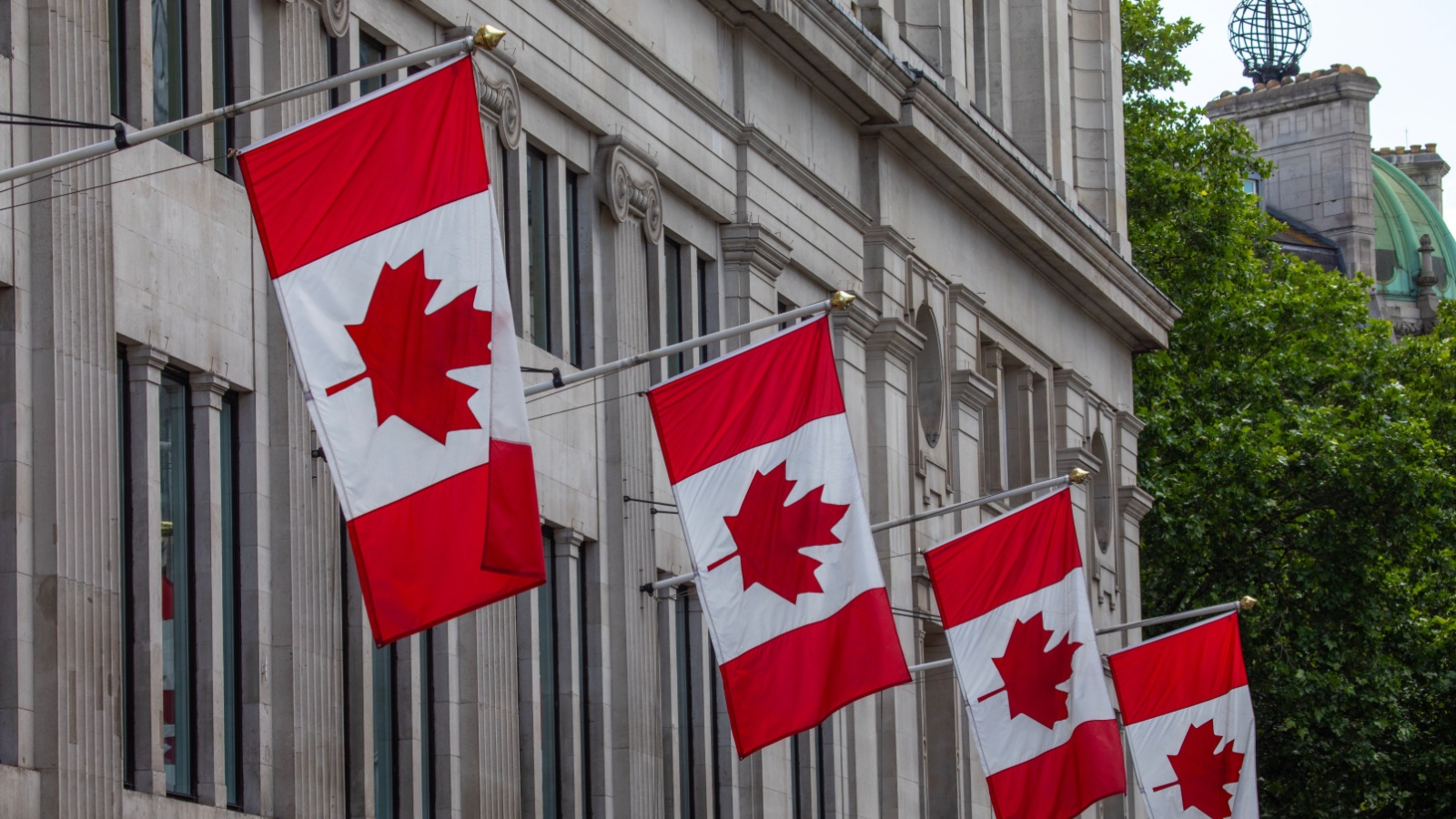
During the 1980s, Canada was among the first Western nations to impose economic sanctions on South Africa in protest of apartheid. Under Prime Minister Brian Mulroney, Canada led Commonwealth efforts to isolate the regime economically and diplomatically, pushing other nations to follow suit. Canadian advocacy extended beyond government policy, as civil society groups and churches mobilized to support the anti-apartheid cause. These measures contributed to the eventual dismantling of apartheid and the establishment of a democratic South Africa.
Support for the Rwanda Genocide Relief and Peacekeeping Efforts
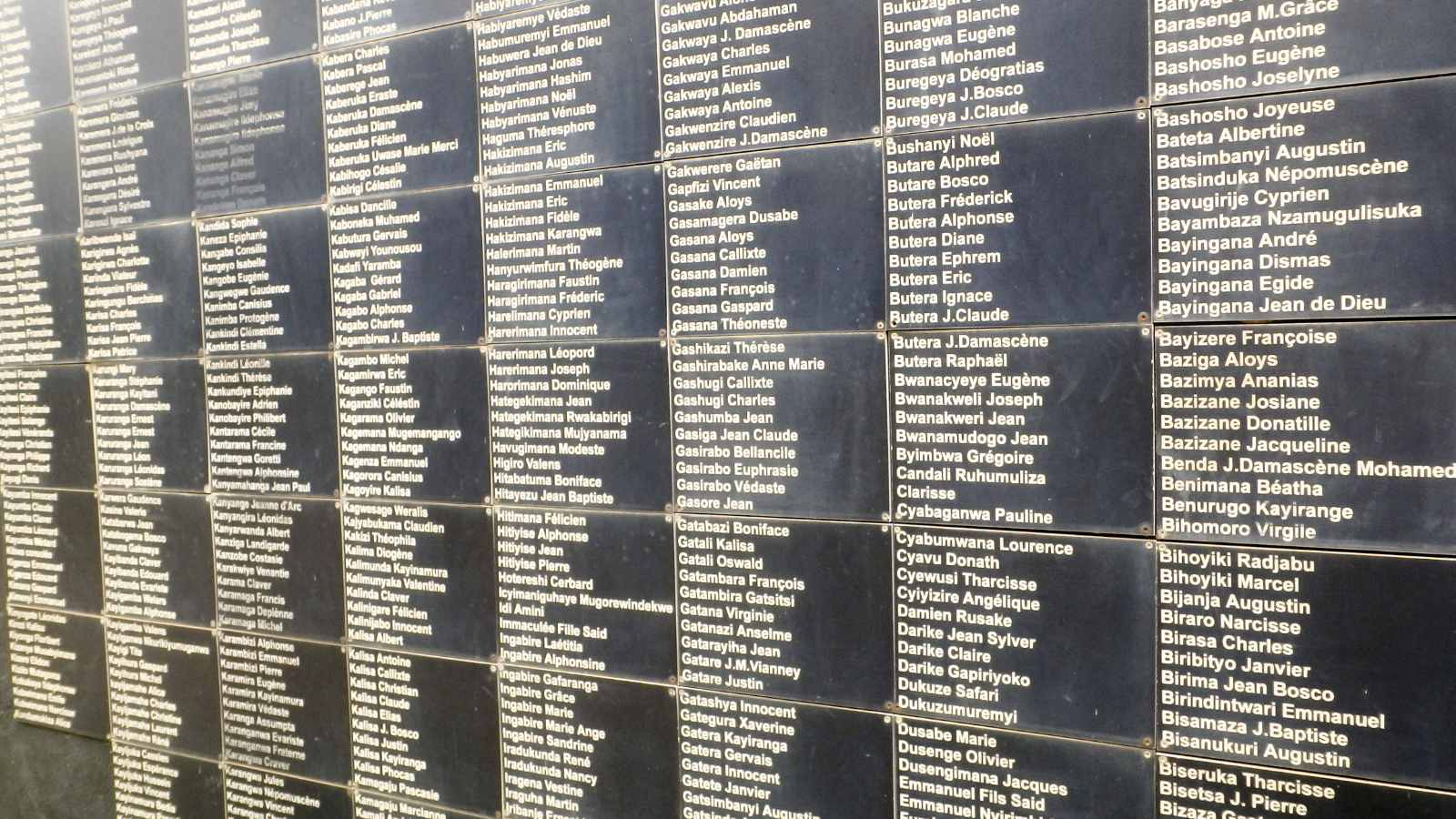
In 1994, when genocide erupted in Rwanda, Canada played a pivotal role in the global humanitarian response. Lieutenant-General Roméo Dallaire, leading the UN Assistance Mission for Rwanda (UNAMIR), exemplified Canada’s commitment to peacekeeping under impossible conditions. Despite limited international support, Dallaire’s team protected thousands of civilians and documented the atrocities for future accountability. Canada later supported post-genocide recovery efforts through aid, reconstruction, and justice initiatives. The experience shaped global discussions about humanitarian intervention, with Canada advocating for the “Responsibility to Protect” doctrine.
Leadership in the Ottawa Treaty to Ban Landmines

In 1997, Canada led the world in negotiating the Ottawa Treaty, a landmark agreement to ban anti-personnel landmines. The treaty was spearheaded by Foreign Minister Lloyd Axworthy, who brought together over 120 nations and numerous NGOs to address the devastating human cost of landmines. Canada’s leadership helped establish a global framework for mine clearance, victim assistance, and disarmament monitoring. The treaty became one of the fastest-adopted international agreements in history.
Hosting the 1985 North American Acid Rain Agreement

In the 1980s, acid rain emerged as a major environmental crisis, damaging forests, lakes, and wildlife across North America. Canada took the initiative to work with the United States on a binational solution. The 1985 Canada-U.S. Air Quality Agreement, commonly known as the Acid Rain Agreement, was hosted and heavily advocated by Ottawa. It established shared emissions targets and scientific monitoring programs. The collaboration led to a dramatic reduction in sulfur dioxide emissions on both sides of the border. Canada’s diplomatic persistence demonstrated how cross-border environmental cooperation could produce measurable, lasting benefits.
Contributions to Global Climate Agreements, including the Paris Accord

Canada has consistently played an influential role in shaping international climate policy. From the 1992 Rio Summit to the 2015 Paris Agreement, Canada has been a vocal advocate for emissions reduction, climate adaptation, and financial support for developing nations. Under the Paris Accord, Canada committed to ambitious national targets and global collaboration toward carbon neutrality. Canadian expertise in clean energy, environmental monitoring, and carbon capture technologies has supported other nations’ climate transitions.
Humanitarian Leadership in Refugee Resettlement Programs

Canada’s approach to refugee resettlement has become a global benchmark for compassion and organization. Since the 1970s, Canada has welcomed refugees from Vietnam, Syria, Afghanistan, and Ukraine through both government and private sponsorship programs. This dual sponsorship model, unique to Canada, empowers communities to directly support newcomers and ease integration. International organizations have since replicated this framework in other countries. Canada’s sustained leadership in refugee protection reflects its core values of inclusivity and human rights.
Canada’s Role in Strengthening Global Nuclear Non-Proliferation Efforts
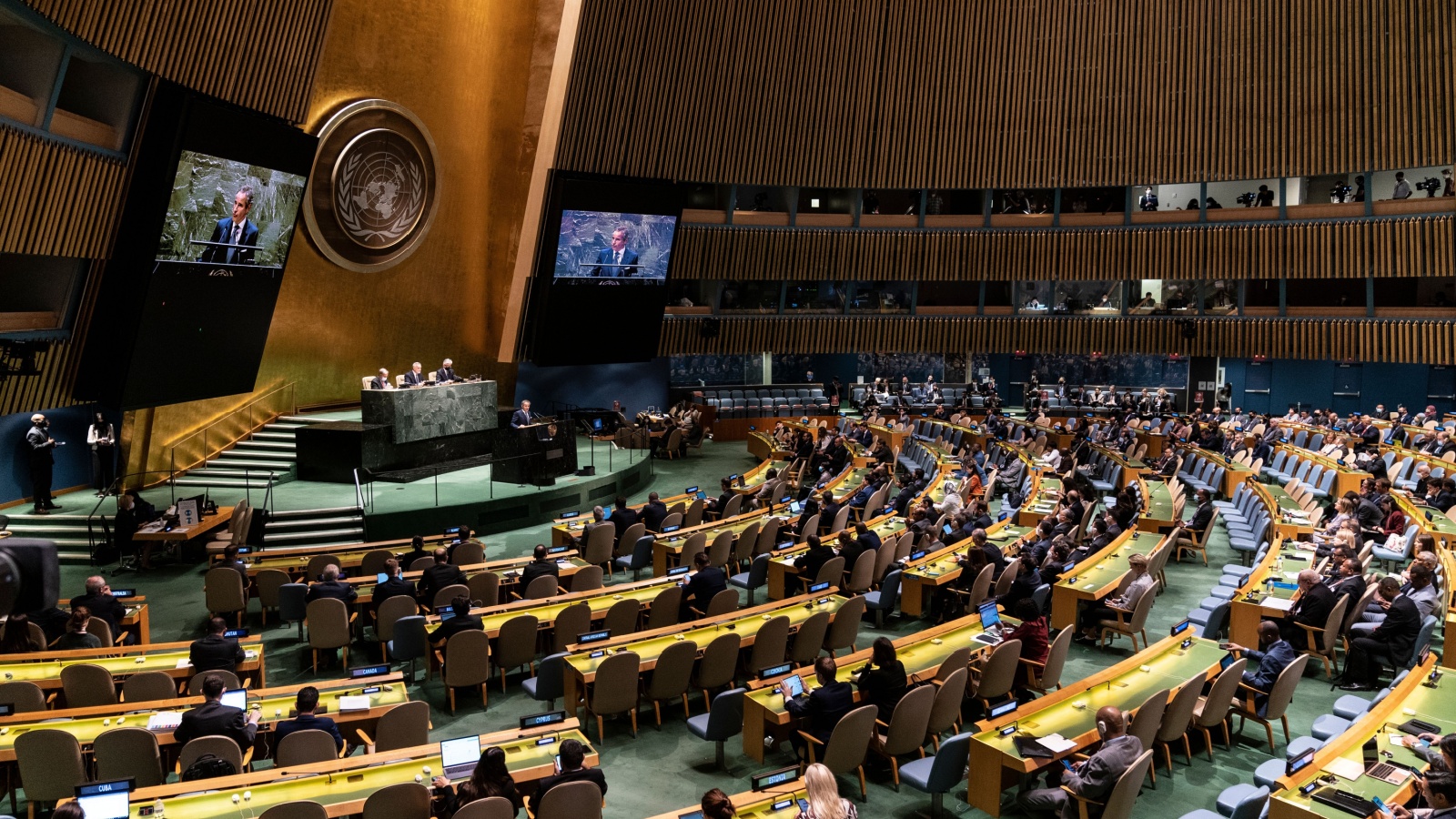
As a founding member of the International Atomic Energy Agency (IAEA) and a key signatory of the Nuclear Non-Proliferation Treaty, Canada has been central to global nuclear safety and arms control. Its CANDU reactor technology is exported under strict safeguards, ensuring peaceful use of nuclear energy. Canada has also played a diplomatic role in promoting disarmament and preventing illicit weapons development. Through technical expertise, transparency, and multilateral dialogue, Canada continues to reinforce international confidence in nuclear regulation.
The James Webb Space Telescope Collaboration for Global Science

Canada’s contributions to the James Webb Space Telescope highlight its scientific and engineering excellence on a global scale. The Canadian Space Agency provided two critical instruments: the Fine Guidance Sensor (FGS) and the Near-Infrared Imager and Slitless Spectrograph (NIRISS). These tools allow the telescope to capture ultra-precise images of distant galaxies and exoplanets. In return, Canadian scientists gained guaranteed observation time, advancing national expertise in astrophysics.
Canada’s Role in the G7 and International Economic Stabilization Efforts

As a founding member of the Group of Seven (G7), Canada has consistently championed balanced economic growth, global financial stability, and equitable development. From the debt crises of the 1980s to the 2008 financial recession and post-pandemic recovery, Canada’s sound fiscal management and pragmatic diplomacy have influenced collective decision-making among major economies. Ottawa often acts as a bridge between developed and developing nations, promoting inclusive trade and sustainable finance.
Diplomatic Bridge-Building During the Cold War Era
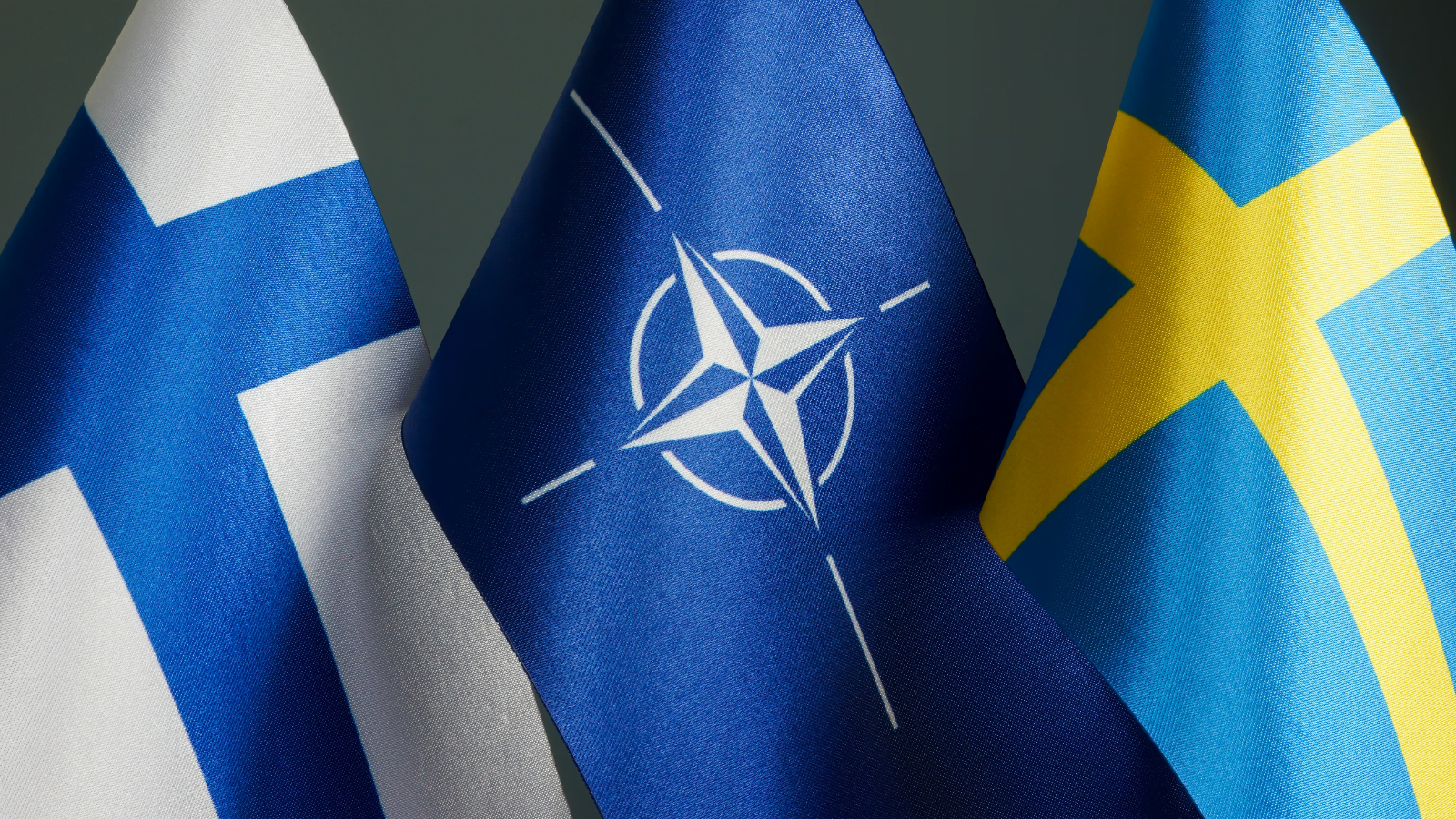
Throughout the Cold War, Canada established itself as a diplomatic bridge between rival superpowers. Positioned between the United States and the Soviet Union, Canada pursued an independent yet cooperative foreign policy that prioritized peace, dialogue, and moderation. Its participation in organizations like NATO and the United Nations allowed Canada to act as a trusted intermediary during tense negotiations. Canadian diplomats helped maintain communication channels, reduce nuclear escalation risks, and support international peace efforts.
Leadership in Global Health and Vaccine Distribution

Canada has played a crucial role in advancing global health initiatives, especially through partnerships with organizations like Gavi, the Vaccine Alliance, and the World Health Organization. During the COVID-19 pandemic, Canada contributed significant funding to COVAX, ensuring equitable vaccine access for lower-income countries. Beyond emergency responses, Canadian institutions such as the Public Health Agency of Canada and major universities have supported research on infectious diseases, maternal health, and global health systems.
Environmental Stewardship Through the Boreal Forest Conservation Initiatives

Canada’s boreal forest, one of the largest intact ecosystems on Earth, has been the focus of major national and international conservation efforts. The Canadian Boreal Forest Agreement brought together industry leaders, environmental organizations, and Indigenous communities to protect millions of hectares of forest and wildlife habitat. Canada’s stewardship model emphasizes both sustainability and economic opportunity through responsible forestry practices. These initiatives have inspired similar environmental frameworks around the world, balancing ecological preservation with industry cooperation.
The Arctic Council and Canada’s Role in Northern Cooperation

Canada was one of the founding members of the Arctic Council in 1996, an intergovernmental forum that promotes collaboration among Arctic nations and Indigenous communities. The council addresses critical issues such as environmental protection, sustainable development, and northern security. Canada’s advocacy for Indigenous participation within the council has become a model for inclusive international governance. Through scientific research, policy coordination, and diplomatic engagement, Canada continues to guide discussions on climate adaptation, maritime navigation, and resource management.
Defending Press Freedom and Democratic Governance Abroad

Canada has long supported efforts to strengthen press freedom, independent media, and democratic governance around the world. Through programs like the Media Freedom Coalition and partnerships with UNESCO, Canada funds initiatives that protect journalists and promote transparent governance. Canadian diplomats often advocate for human rights and civil liberties in global forums, emphasizing accountability and freedom of expression.
Canada’s Mediation in the Haiti and Balkan Peace Processes
Canada played an important peacebuilding role in both the Haiti and Balkan conflicts, supporting dialogue, reconstruction, and institution-building efforts. In Haiti, Canada led several missions through the UN and the Organization of American States to restore political stability and rebuild governance systems. During the Balkan conflicts of the 1990s, Canadian diplomats and peacekeepers contributed to NATO operations and facilitated post-conflict reconciliation. These efforts highlighted Canada’s capacity to operate as a neutral, constructive partner in complex regional crises.
Support for International Aid, Education, and Human Rights Advocacy

Canada’s international development programs have consistently prioritized education, gender equality, and poverty reduction. Through Global Affairs Canada and partnerships with organizations such as UNICEF and the World Bank, Canada supports schools, healthcare systems, and human rights initiatives in developing nations. Its Feminist International Assistance Policy underscores a focus on empowering women and marginalized communities. By combining financial aid with advocacy for inclusive governance, Canada has helped foster long-term resilience in vulnerable regions.
21 Products Canadians Should Stockpile Before Tariffs Hit

If trade tensions escalate between Canada and the U.S., everyday essentials can suddenly disappear or skyrocket in price. Products like pantry basics and tech must-haves that depend on are deeply tied to cross-border supply chains and are likely to face various kinds of disruptions
21 Products Canadians Should Stockpile Before Tariffs Hit
This Options Discord Chat is The Real Deal
While the internet is scoured with trading chat rooms, many of which even charge upwards of thousands of dollars to join, this smaller options trading discord chatroom is the real deal and actually providing valuable trade setups, education, and community without the noise and spam of the larger more expensive rooms. With a incredibly low-cost monthly fee, Options Trading Club (click here to see their reviews) requires an application to join ensuring that every member is dedicated and serious about taking their trading to the next level. If you are looking for a change in your trading strategies, then click here to apply for a membership.