
35,000+ smart investors are already getting financial news, market signals, and macro shifts in the economy that could impact their money next with our FREE weekly newsletter. Get ahead of what the crowd finds out too late. Click Here to Subscribe for FREE.
A checkout page can turn a tempting U.S. deal into a surprisingly complicated Canadian purchase. The price may be in U.S. dollars, taxes may appear only at the border, and the carrier can add fees that the retailer never displayed. Returns, warranties, product standards, and import restrictions can also work differently once a parcel crosses the border.
These 21 things Canadians should know before shopping U.S. websites explain how to calculate the real cost, recognize avoidable risks, and protect a purchase from checkout through delivery. The goal is not to discourage cross-border shopping. It is to separate genuine bargains from orders that become expensive, difficult to return, unsafe to use, or impossible to import after currency conversion, customs processing, and Canadian rules are taken into account.
Sticker Prices Usually Mean U.S. Dollars
21 Things Canadians Should Know Before Shopping U.S. Websites
- Sticker Prices Usually Mean U.S. Dollars
- Card Foreign-Exchange Fees Can Erase the Discount
- Paying in Canadian Dollars Is Not Always Cheaper
- The Mail Exemption Is Still Only C$20
- Courier Shipments Use Different Low-Value Thresholds
- Duty and Sales Tax Are Separate Charges
- Shipping From America Does Not Mean Made in America
- Targeted Tariffs Can Apply Beyond Normal Duty
- Brokerage Fees Are Not Government Taxes
- Delivered Duty Paid Is Worth Looking For
- Canada Post Adds a Handling Fee to Assessed Mail
- Returns Can Cost More Than the Original Shipping
- Import Taxes Are Not Automatically Refunded With the Purchase
- Currency Changes Can Shrink a Refund
- The Marketplace May Not Be the Actual Seller
- Cross-Border Consumer Remedies Can Be Harder to Enforce
- Manufacturer Warranties May Stop at the Border
- Electrical Products Need Canadian Approval Marks
- U.S. Listings Can Include Recalled or Non-Compliant Products
- Food, Plants, Medicines, and Other Goods Face Extra Rules
- Fraud Protection and Records Matter More Across Borders
- 16 Costco Canada Habits That Could Be Costing Shoppers More Than They Save

A familiar dollar sign can make a U.S. bargain look closer to a Canadian price than it is. Unless a retailer clearly labels prices as Canadian dollars, shoppers should assume the amount is in U.S. currency. A US$100 item can become C$135 to C$145 before shipping, taxes, duty, or card fees, depending on the exchange rate used when the transaction is processed.
The safest comparison is a landed-cost estimate in Canadian dollars, not the product page price. That means converting the merchandise price, adding shipping, estimating import charges, and allowing for payment fees. A jacket advertised at US$80 may still be worthwhile, but the comparison changes once US$20 shipping and a card conversion charge are included. Keeping a currency converter open while browsing prevents the psychological trap of reading “$79” as though it were C$79 and makes Canadian alternatives easier to evaluate.
Card Foreign-Exchange Fees Can Erase the Discount

The exchange rate shown in a search result is rarely the exact rate appearing on a credit-card statement. Canadian financial institutions may apply a conversion method and then add a foreign-currency conversion charge. The Financial Consumer Agency of Canada uses a 2.5% fee in its example: after converting a foreign purchase to Canadian dollars, that percentage is added to the converted amount.
On a C$600 equivalent order, a 2.5% conversion fee adds C$15. That may sound small, but it can consume most of a cross-border discount when shipping is expensive. Some cards waive foreign-transaction fees, while U.S.-dollar cards can help frequent shoppers, but costs and repayment rules still matter. Before ordering, shoppers should check the cardholder agreement rather than assuming all cards handle currency identically. A card offering strong domestic rewards is not automatically the cheapest choice for U.S. websites for Canadian buyers.
Paying in Canadian Dollars Is Not Always Cheaper

U.S. websites may display and charge the order in Canadian dollars. This is convenient: the checkout total looks familiar and budgeting becomes easier. However, the retailer or processor may perform dynamic currency conversion, setting a rate that includes a markup. Visa advises that foreign merchants’ Canadian-dollar conversions usually include a markup and that paying in the merchant’s local currency may cost less.
The useful question is not simply “USD or CAD?” but “who sets the exchange rate?” A shopper comparing a US$200 checkout with a C$292 option should calculate the implied rate and compare it with the card’s likely USD conversion cost. Choosing U.S. dollars lets the card issuer perform the conversion; choosing Canadian dollars accepts the merchant’s rate. Neither choice is automatically superior, but the Canadian-dollar button is not a free service. A quick, careful comparison can expose a hidden spread worth several percentage points.
The Mail Exemption Is Still Only C$20

Canada’s postal exemption is much lower than shoppers expect. When goods arrive by mail, items valued at C$20 or less can generally enter without duty or tax. Once the value exceeds C$20, duty and sales taxes may be assessed on the full value, not merely on the amount above C$20. Alcohol, tobacco, and some other goods do not qualify for the exemption.
This matters because a seller using the U.S. Postal Service will hand the parcel to Canada Post after it crosses the border. A US$25 accessory can be taxable even though it feels like a low-value order. Assessment may vary from parcel to parcel, but shoppers should never build a budget around the hope that charges will be overlooked. The approach is to assume the rules will be applied, then treat a charge-free delivery as a surprise rather than an entitlement or predictable outcome.
Courier Shipments Use Different Low-Value Thresholds

Packages arriving by courier from the United States or Mexico can receive more low-value relief than mailed parcels. Courier shipments valued up to C$40 may be free of duty and tax. From above C$40 through C$150, customs duty may be waived while GST, HST, or provincial tax can still be collected. Above C$150, duty and taxes may apply, depending on origin.
This is easy to miss because shoppers focus on the retailer’s country. The thresholds depend on the shipment being imported from the United States or Mexico by courier; they are not a universal exemption. A C$120 pair of shoes sent by courier could generate sales tax even when no customs duty is charged. The same value arriving through the postal stream is assessed under the C$20 mail rule. Shipping method changes more than delivery speed—it can change how low-value relief is calculated.
Duty and Sales Tax Are Separate Charges

“No duty” does not mean “no border charges.” Customs duty is a tariff tied to the product’s classification, origin, and applicable trade treatment. GST, HST, and sometimes provincial sales tax are separate. Most imported goods are subject to the 5% federal GST unless an exemption applies, and tax can be higher in harmonized-tax provinces. A duty-free item may therefore still arrive with a tax bill.
Consider a C$140 courier shipment qualifying for low-value duty relief. In Ontario, the absence of customs duty may not prevent HST from being assessed. Conversely, some goods may have a zero regular duty rate but remain taxable. Retailers use “duty-free” loosely, encouraging shoppers to overlook sales tax. Before checkout, the better question is whether landed cost includes duty, federal and provincial taxes, brokerage, and carrier fees. Each category should be checked separately rather than compressed into one vague idea of “customs” at delivery time.
Shipping From America Does Not Mean Made in America

A product can sit in a U.S. warehouse and still have been manufactured in China, Vietnam, Italy, or another country. For customs purposes, origin helps determine the duty rate and eligibility for preferential treatment. CUSMA benefits are designed for qualifying North American goods, not every product purchased from an American retailer. Preferential treatment may also require origin information or certification.
This distinction often appears with clothing, footwear, tools, and electronics. A Canadian shopper may order sneakers from a New York website, but the label inside may identify a non-U.S. manufacturing country. The shipment route is American; the product origin is not. Product pages that omit origin make landed-cost estimates less reliable, so asking the seller is worthwhile for expensive items. The practical rule is simple: “ships from the U.S.” describes logistics, while “made in the U.S.” addresses origin. Those phrases should never be treated as interchangeable.
Targeted Tariffs Can Apply Beyond Normal Duty

Canada’s tariff environment can change during trade disputes, and targeted surtaxes may supplement ordinary customs duty. As of August 2026, Canada’s counter-tariffs on specified U.S.-origin steel, aluminum, and automotive imports remain in effect. The federal government identifies affected classifications, while CBSA guidance explains that the measures turn on origin and product type rather than the location of the checkout page.
Most online orders will not fall into these categories, but metal goods, vehicle-related purchases, and higher-value specialty items deserve checking. A 25% surtax on a C$400 affected product would add C$100 before sales tax and carrier fees. The CBSA’s general estimator may not capture all surtaxes, so it should be treated as an estimate rather than a guarantee. For purchases with substantial steel or aluminum content, shoppers should review the current federal tariff list or ask the carrier for a landed-cost quote in advance before committing.
Brokerage Fees Are Not Government Taxes

may charge for customs-clearance work in addition to collecting duty and taxes for the government. Depending on the service, an invoice can include brokerage, clearance-entry, disbursement, advancement, or administration fees. FedEx explains that it may advance duties and taxes to CBSA and charge a disbursement fee. CBSA notes that brokerage fees are private transactions between the broker and client.
Thus, two parcels with the same value can produce different bills. An express service may include routine brokerage in its transportation price, while a lower-cost ground service may charge clearance separately. A C$30 tax assessment can arrive with an administrative charge that feels large. Before ordering, shoppers should identify the carrier and service level, then consult its Canadian import-fee schedule. “Free shipping” from the retailer describes transportation charged at checkout; it does not necessarily cover brokerage, duty, tax, or the carrier’s cost of advancing money to customs after delivery.
Delivered Duty Paid Is Worth Looking For
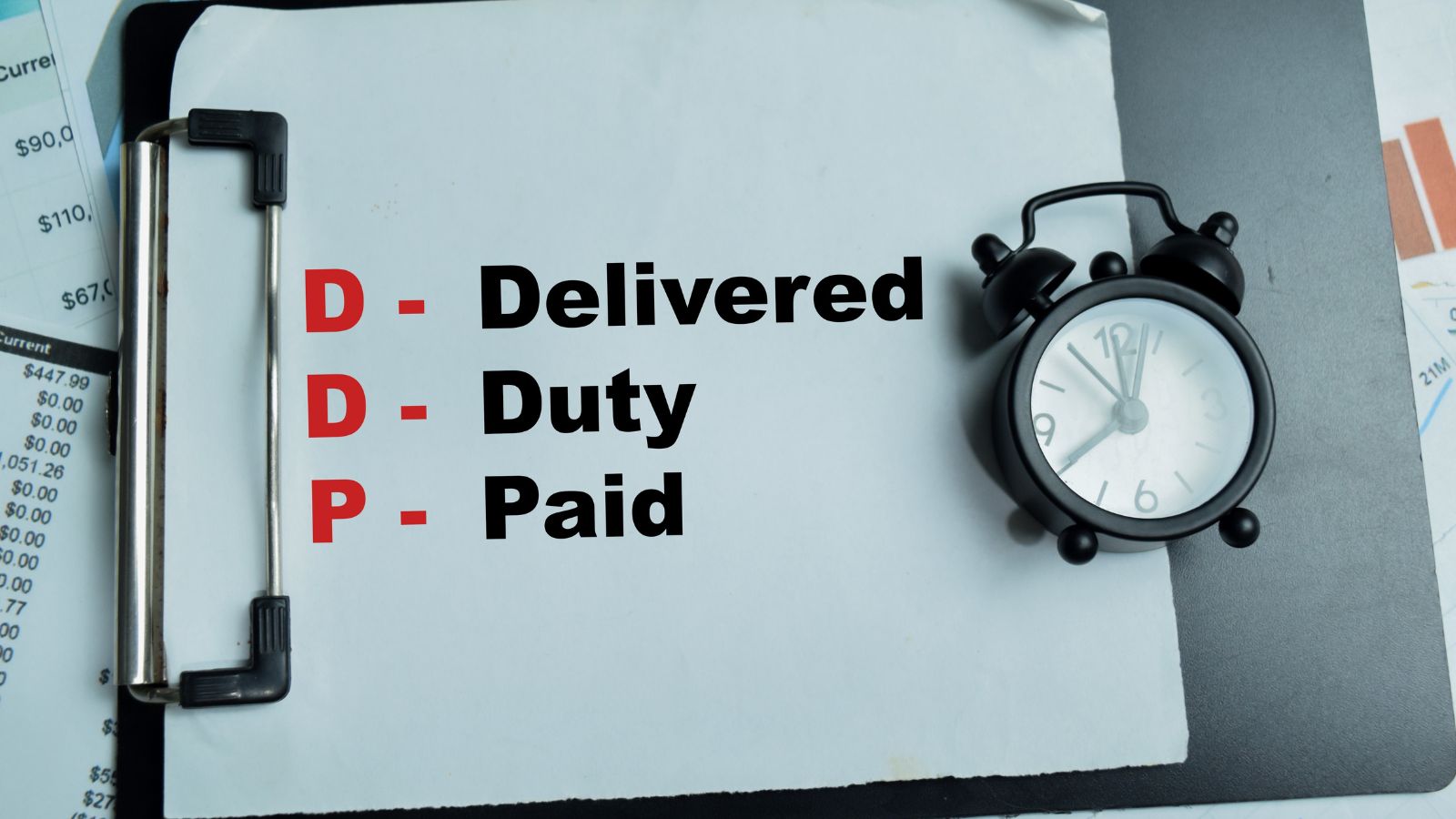
Cross-border checkout terms determine who is responsible for import costs. Under a delivered-duty-paid arrangement, shown as DDP, the seller or shipper covers transportation, brokerage, import duties, and requirements, usually by collecting the landed cost at checkout. When duties are unpaid or charged to the receiver, the Canadian customer may face a bill before or after the parcel arrives.
DDP does not make import charges disappear; it reveals them and shifts administration to the seller. That transparency helps Canadian buyers compare costs. A US$160 item with US$35 prepaid import charges may be easier to budget than a US$150 item leaving border costs open-ended. Shoppers should still read the fine print because some checkouts provide estimates and reserve the right to adjust charges. Useful phrases include “duties and taxes included,” “landed cost guaranteed,” and “no additional fees on delivery.” Without those assurances, assume more charges may follow later anyway.
Canada Post Adds a Handling Fee to Assessed Mail

When CBSA assesses duty or tax on an imported postal item, Canada Post collects the amount and adds a handling fee. Canada Post lists the fee as C$9.95 per taxable or dutiable mail item. The fee is separate from the government’s duty and tax calculation, so even a modest assessment can create a larger payment at delivery.
For example, a mailed purchase assessed C$7 in tax could produce a C$16.95 collection including the handling fee. That affects splitting one order into several parcels: taxable packages can attract repeated handling fees. Consolidating purchases may reduce fees, although a larger shipment can cross thresholds or attract more duty, so the calculation is not automatic. Canada Post allows duty and taxes on trackable parcels to be paid online before delivery. Keeping the tracking number and watching for official notifications can simplify payment and deter fraudulent messages at delivery.
Returns Can Cost More Than the Original Shipping

A generous return policy may be designed for U.S. customers, not Canadian ones. The buyer may pay international postage, complete customs paperwork, meet a short deadline, and accept deductions for original shipping or restocking. Bulky footwear, winter coats, and electronics can cost so much that a technically returnable purchase becomes economically final.
Before ordering, shoppers should confirm return address, allowed carrier, deadline, condition rules, and responsibility for shipping. A retailer offering a prepaid U.S. label may not provide a usable Canadian label. Package-forwarding addresses add complications because the retailer may regard delivery to the U.S. warehouse as completion of its obligation. A US$70 garment that costs C$35 to return with tracking leaves a significant loss even after a full merchandise refund. For uncertain sizing or fit, the safest discount may be a Canadian seller with simpler returns, even when the price is slightly higher overall.
Import Taxes Are Not Automatically Refunded With the Purchase

Returning merchandise to a U.S. seller does not automatically reverse the duty and taxes paid at the Canadian border. CBSA’s Casual Refund Program offers refunds or adjustments for eligible personal-use imports, but the shopper must submit a claim and supporting records. Evidence may include the sales receipt, customs accounting document, proof that charges were paid, and proof the goods were returned to the seller.
The paperwork matters before discarding boxes or delivery forms. A return receipt, carrier tracking page, seller credit note, and CBSA assessment may be essential. CBSA’s service standard for a complete casual refund request is 30 business days, and an approved cheque may take additional weeks to arrive. The border refund can therefore trail the retailer’s refund by months. For a low-value item, the administrative effort may exceed the amount recoverable; for a costly purchase, keeping a complete document trail can preserve a meaningful claim later.
Currency Changes Can Shrink a Refund

A foreign-currency refund may not match the original Canadian-dollar charge. Credit-card transactions are converted using the exchange rate and fee rules when each transaction is processed. If exchange rates change between purchase and return, the refunded amount can differ slightly. Issuers may handle conversion charges differently on refunds, so the card agreement matters.
Suppose a US$300 purchase posts at C$420 and is returned weeks later. If the refund converts to C$410, the shopper has lost C$10 even though the retailer refunded the full US$300. The opposite occurs, but budgeting should not assume a perfect reversal. Other fees can deepen the gap. This is why shoppers should not treat a return policy as risk-free. Screenshots of the original checkout, card statement, and refund confirmation help explain discrepancies to the issuer. The merchant controls the U.S.-dollar refund; the issuer controls its Canadian-dollar conversion.
The Marketplace May Not Be the Actual Seller

Large U.S. websites often combine their own inventory with listings from independent third-party sellers. The marketplace may process payment or store the parcel, yet the seller’s return, warranty, and service rules can still control the transaction. Health Canada advises shoppers to check the “sold by” and “shipped by” information because marketplace policies may not apply the same way to third-party goods.
This distinction becomes crucial when a product is counterfeit, defective, or missing. A listing fulfilled by a famous platform can feel equivalent to buying directly from it, but ownership may remain with a small seller in another country. Before ordering, Canadians should record the seller’s legal name, location, rating history, and contact details. A model number and screenshot are also valuable if the page later changes. The platform’s logo provides convenience, not a universal guarantee that every seller offers identical Canadian returns, warranties, safety compliance, or after-sales support.
Cross-Border Consumer Remedies Can Be Harder to Enforce
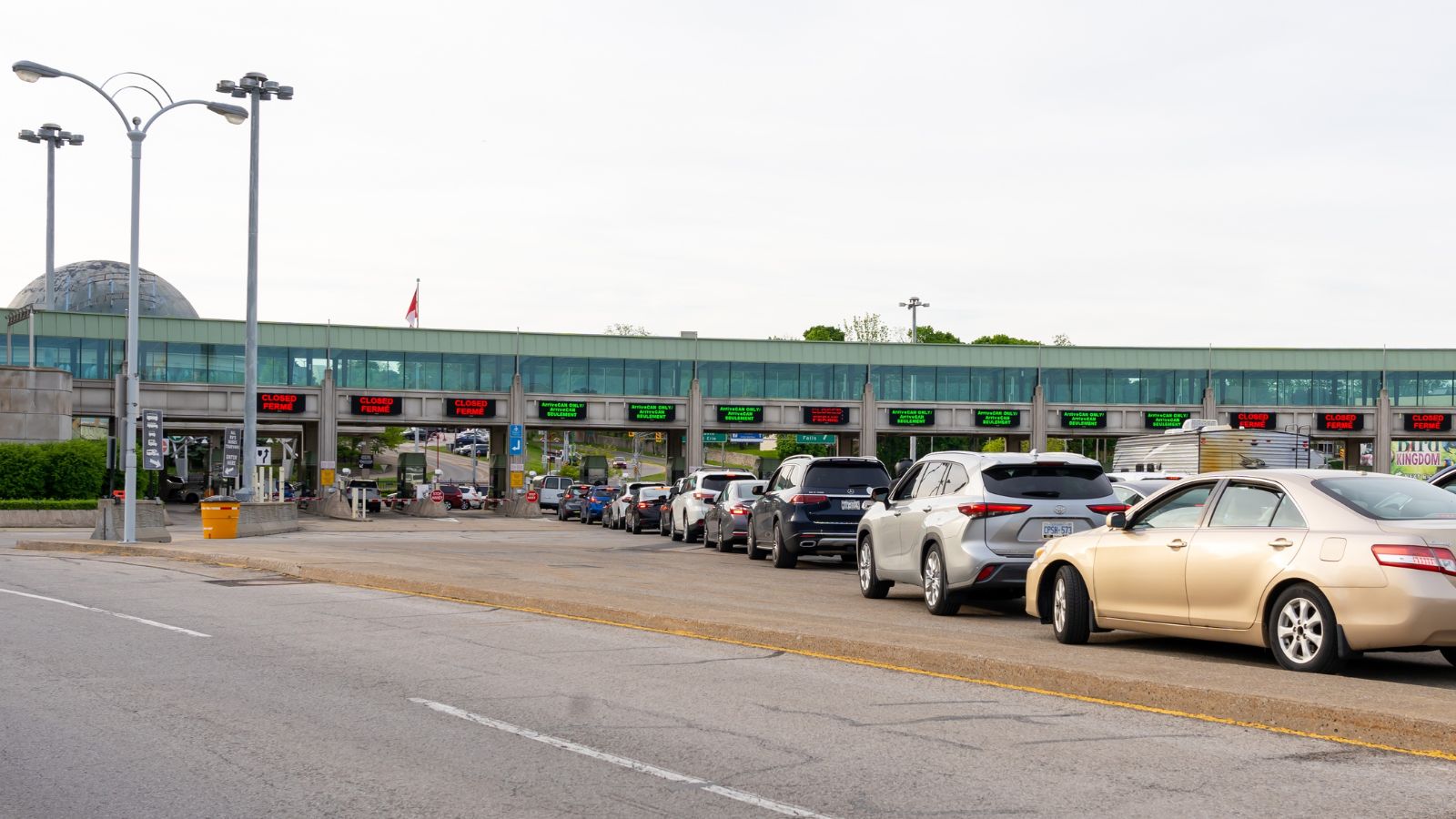
Canadian agencies warn buying from another country can be riskier because laws, standards, and complaint processes may differ. Provincial protections may offer avenues, and federal rules can address misleading marketing directed at Canadians, but enforcement against a distant seller can be slower and harder than resolving a dispute with a Canadian business.
A retailer without Canadian offices or assets may ignore a complaint that might reach a domestic regulator. Cross-border small claims litigation is rarely sensible for a modest order. Prevention matters: read the refund policy, save the product description, confirm the business address, and use a payment method with a dispute process. Credit cards can provide stronger recourse for non-delivery than wire transfers, cryptocurrency, or gift cards. The goal is not avoiding every foreign seller; it is recognizing that a low price can bring weaker, slower, or more expensive remedies when the transaction goes wrong in practice today.
Manufacturer Warranties May Stop at the Border
A product sold by an authorized U.S. dealer may have a warranty restricted to the United States. Manufacturers can divide distribution and service by country, require proof of purchase from an authorized Canadian retailer, or not reimburse international shipping. When coverage applies, the nearest authorized repair centre may reject a U.S. model or lack compatible parts.
Risk rises with electronics, appliances, power tools, and specialty equipment. Saving C$80 on a device is less attractive if the first warranty claim requires shipping it to Texas at personal expense. Before checkout, shoppers should ask the manufacturer—not only the retailer—whether the model will receive warranty service in Canada. Save the answer in writing. Also check whether Canadian and U.S. model numbers differ, since similar-looking products may have different components or certifications. A 30-day return window is not a substitute for a one-year warranty that works locally reliably.
Electrical Products Need Canadian Approval Marks

A U.S. plug shape does not prove that an electrical product is approved for use in Canada. Health Canada advises consumers not to buy products that plug into an outlet unless they display a recognized Canadian certification mark, such as CSA, cUL, or cETL. They indicate assessment against required Canadian safety standards. Uncertified products can create shock, burn, or fire hazards.
The detail matters for chargers, power bars, lighting, appliances, and smart-home devices. A listing saying “UL certified” without the Canadian identifier may not establish Canadian approval. Counterfeit marks are possible, so certification should be checked against the product model and certification records for critical items. A US$15 charger is not a bargain if it damages a C$1,000 phone or causes a fire. Canadians should inspect listing photographs before purchase and the physical label on arrival, and return products that lack the promised recognized mark immediately.
U.S. Listings Can Include Recalled or Non-Compliant Products

Products offered online may be recalled, banned from sale, mislabelled, or manufactured for standards that differ from Canada’s. Health Canada recommends checking its Recalls and Safety Alerts database before buying, especially for children’s products, cosmetics, electrical goods, and items with traceable model numbers. Consumers can also subscribe to new alerts and report safety incidents.
This check is quick and can reveal issues that customer reviews miss. A smoke alarm may receive positive reviews for easy installation while lacking Canadian certification or appearing in a safety warning. Third-party listings can remain visible after a recall, especially when sellers reuse photographs or vague descriptions. Shoppers should compare the listing with the manufacturer’s official page, record the model number, and register eligible products after delivery. If a recalled item arrives, Health Canada advises stopping use and following instructions. A low price never compensates for missing safety information or an untraceable manufacturer today.
Food, Plants, Medicines, and Other Goods Face Extra Rules

A U.S. website’s willingness to accept payment does not guarantee that Canada will admit the product. Food, plants, seeds, animal products, weapons, health products, and regulated goods may require permits, documentation, quantity limits, or may be prohibited. CFIA states that food import requirements apply to online purchases, while Health Canada restricts prescription-drug and controlled-substance shipments.
Examples include garden seeds carrying plant-health requirements and meat products barred from mail or courier entry. Health products may be limited to personal-use quantities, and controlled drugs cannot be mailed across the border. CBSA says certain automatic, centrifugal, and butterfly knives are prohibited weapons. Before ordering anything biological, medicinal, weapon-like, or dangerous, shoppers should check Canadian agency rules using the product and origin country. If a parcel is refused, seized, or destroyed, the retailer may not refund shipping, and border authorities will not treat “the website sold it to me” as proof of admissibility.
Fraud Protection and Records Matter More Across Borders

Fraudsters create convincing retail websites, copy brand photographs, and use slightly misspelled domains to collect payments or sell counterfeit goods. The Canadian Anti-Fraud Centre recommends verifying seller contact information, checking independent reviews, understanding market value, and using a payment method with fraud protection. Credit cards provide a clearer dispute path than cryptocurrency, wire transfers, or gift cards.
Recordkeeping strengthens that protection. Shoppers should save the product page and checkout, delivery promise, return policy, order confirmation, tracking, and seller messages. A screenshot can prove what was advertised after a page disappears. Strong, unique passwords and updated devices also reduce privacy and account risks, while avoiding public Wi-Fi for checkout limits exposure. If an order never arrives, the evidence helps the merchant, card issuer, marketplace, or regulator assess the complaint. Cross-border shopping works best when the purchase is treated like an import transaction—not a casual click that leaves no paper trail.
16 Costco Canada Habits That Could Be Costing Shoppers More Than They Save

The Executive Membership can feel like an obvious upgrade because the 2% annual reward sounds straightforward. For households that spend heavily at Costco Canada, the extra fee may be easy to justify. But the habit becomes costly when shoppers upgrade first and calculate later. A Gold Star Membership costs less, while Executive costs more and only pays off if eligible annual spending is high enough to offset the difference.
16 Costco Canada Habits That Could Be Costing Shoppers More Than They Save
This Options Discord Chat is The Real Deal
While the internet is scoured with trading chat rooms, many of which even charge upwards of thousands of dollars to join, this smaller options trading discord chatroom is the real deal and actually providing valuable trade setups, education, and community without the noise and spam of the larger more expensive rooms. With a incredibly low-cost monthly fee, Options Trading Club (click here to see their reviews) requires an application to join ensuring that every member is dedicated and serious about taking their trading to the next level. If you are looking for a change in your trading strategies, then click here to apply for a membership.