35,000+ smart investors are already getting financial news, market signals, and macro shifts in the economy that could impact their money next with our FREE weekly newsletter. Get ahead of what the crowd finds out too late. Click Here to Subscribe for FREE.
A trunk full of bargains can feel like the perfect ending to a U.S. shopping run—until a small customs misunderstanding turns the drive home into an expensive delay. Canada’s border rules distinguish between personal exemptions, duty, sales taxes, restricted goods and items that must be documented separately. Those details matter whether the trip lasted three hours, three days or a full week.
These 16 customs mistakes show where returning Canadian shoppers can create avoidable problems: miscounting time away, pooling family allowances, forgetting gifts, assuming U.S. purchases are automatically duty-free, and overlooking special rules for alcohol, tobacco, food, cannabis, repairs and shipped goods. Careful declarations do not guarantee that nothing will be payable, but they make the process clearer, faster and far less risky.
Treating a Same-Day Trip as Exempt
16 Customs Mistakes Canadians Make After a Cross-Border Shopping Trip
- Treating a Same-Day Trip as Exempt
- Miscounting the 24-, 48-Hour or Seven-Day Window
- Declaring Only the Amount Above the Allowance
- Pooling Family Exemptions for One Expensive Item
- Forgetting Gifts, Prizes and Free Items
- Assuming Worn, Opened or Used Purchases No Longer Count
- Arriving Without Receipts or a Clear Purchase List
- Reporting the Total in U.S. Dollars
- Believing Everything Bought in the U.S. Is Duty-Free
- Confusing Duty-Free With Tax-Free
- Under-Declaring Alcohol, Tobacco or Vaping Products
- Bringing Cannabis or CBD Across the Border
- Failing to Declare Food, Plants or Animal Products
- Forgetting U.S. Repairs or Alterations
- Mishandling Purchases Shipped Home Separately
- Treating Resale Goods as Personal—and Ignoring the Consequences
- 16 Costco Canada Habits That Could Be Costing Shoppers More Than They Save

The most basic mistake happens before the shopping bags are even unloaded: assuming every Canadian resident receives a tax-free allowance after crossing the border. A same-day trip does not create a personal exemption. Someone who drives to Buffalo in the morning, buys clothing and household items, and returns that evening must still declare the full value of the purchases. A border services officer may decide whether duties or taxes are collected, but the traveller should never build a budget around being waved through without payment.
This matters because the exemption clock is based on the length of the absence, not the distance travelled, the amount spent or how frequently someone crosses. Even a modest purchase can be assessed when there is no exemption. Keeping a simple running total during the day makes the return easier. The declaration should include every item acquired abroad, including duty-free purchases and gifts, rather than only the expensive purchases that seem likely to attract attention.
Miscounting the 24-, 48-Hour or Seven-Day Window
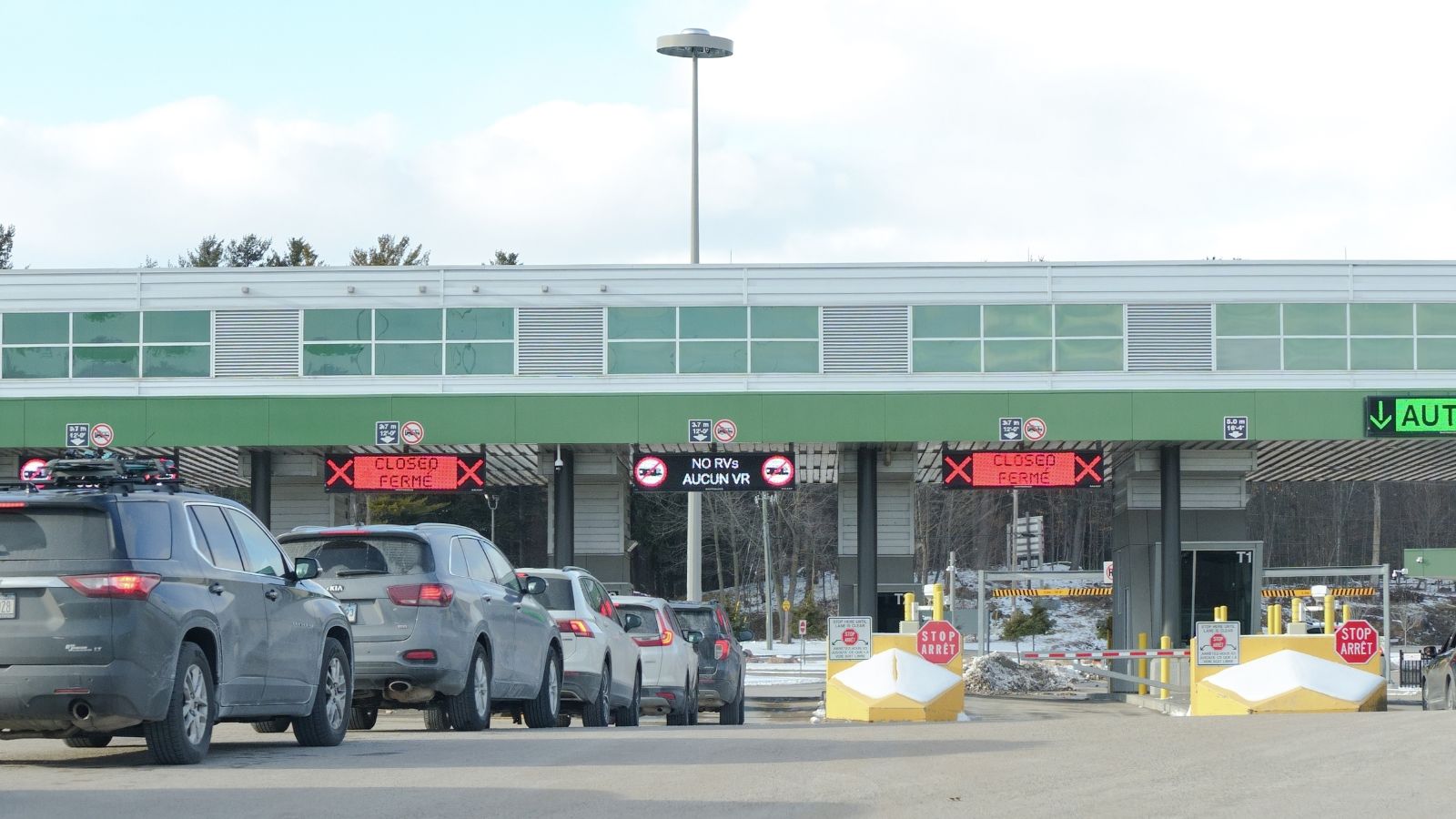
A traveller can lose an expected exemption by returning a little too early. The 24-hour and 48-hour thresholds are measured as minimum periods, not as calendar dates. Leaving Canada at 7 p.m. Friday and returning at 5 p.m. Saturday does not satisfy a 24-hour absence, even though the trip touched two dates. The same principle applies to the 48-hour exemption. Hotel receipts and phone timestamps can help reconstruct the schedule if the timing is close.
The seven-day rule is counted differently: the day of departure is excluded, while the day of return is included. That distinction can surprise shoppers who assume six nights automatically equal seven days. A family returning early to avoid traffic may unintentionally change which exemption applies. Before planning purchases around an allowance, travellers should calculate the exact absence and leave a reasonable buffer. Border lineups do not change when a traveller actually presents for entry, so relying on an optimistic estimate can turn a carefully planned shopping weekend into an unexpected tax bill.
Declaring Only the Amount Above the Allowance

Many shoppers understand the exemption amount but misunderstand how an overage is treated. After an absence of at least 24 hours, the exemption is up to CAN$200. If the total value exceeds CAN$200, that exemption cannot be claimed and duty and taxes may apply to the entire amount. A traveller returning with CAN$230 in goods should not automatically assume that only CAN$30 is assessable. That rule is very different from the larger exemption available after 48 hours.
After at least 48 hours, a returning resident may claim up to CAN$800, and applicable duty and taxes are generally calculated only on the amount above that threshold. The contrast is easy to miss when receipts are spread across several stores. A practical approach is to total purchases in Canadian dollars before reaching the booth and keep the 24-hour and 48-hour rules separate. The declaration should state the full value, not a self-calculated taxable portion, because the officer determines the final assessment.
Pooling Family Exemptions for One Expensive Item

Travelling as a family does not create one large household exemption that can be assigned however the group prefers. Personal exemptions cannot be transferred or combined to cover a single item worth more than one person’s limit. Two adults returning after 48 hours may each have a CAN$800 exemption, but they cannot automatically split a CAN$1,600 laptop between them if the item belongs to only one person. Each traveller remains responsible for an individual declaration.
Children can have personal exemptions too, but the goods must be for the child’s own use or benefit. A parent cannot place an adult purchase under a child’s allowance simply because the child was in the vehicle. This becomes especially important when a family buys electronics, designer goods or sporting equipment. Keeping receipts grouped by the person who will own and use each item creates a cleaner record. It also prevents an innocent-looking attempt at “sharing” allowances from appearing like a deliberate effort to reduce the declared value.
Forgetting Gifts, Prizes and Free Items
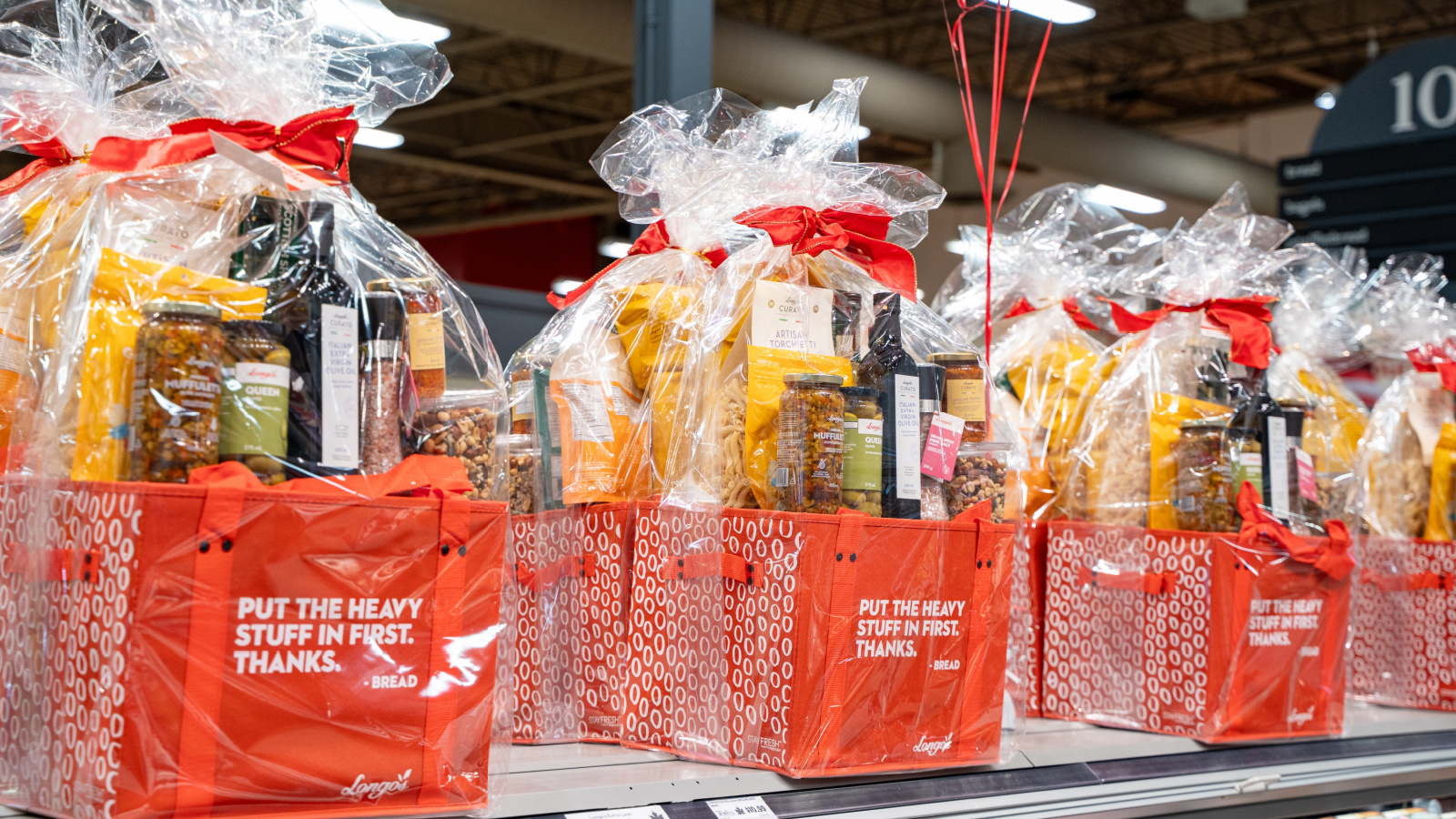
A customs declaration is not limited to merchandise paid for at a checkout. Returning residents must account for items acquired abroad, including gifts received from relatives, prizes won at an event and purchases made at a duty-free store. A free promotional watch, a birthday present or a raffle prize still has a value for customs purposes. The absence of a credit-card charge does not make the item invisible at the border.
This often catches travellers after family visits. A relative may hand over a boxed appliance or several pieces of clothing just before departure, leaving no receipt and little time to estimate the value. The safer approach is to ask for a sales record, product listing or reasonable market-value evidence. Gifts may fit within a returning resident’s personal exemption, but they still need to be declared. The separate CAN$60 gift rule commonly discussed for visitors or mailed gifts should not be treated as permission for returning residents to omit gifts from their declaration.
Assuming Worn, Opened or Used Purchases No Longer Count
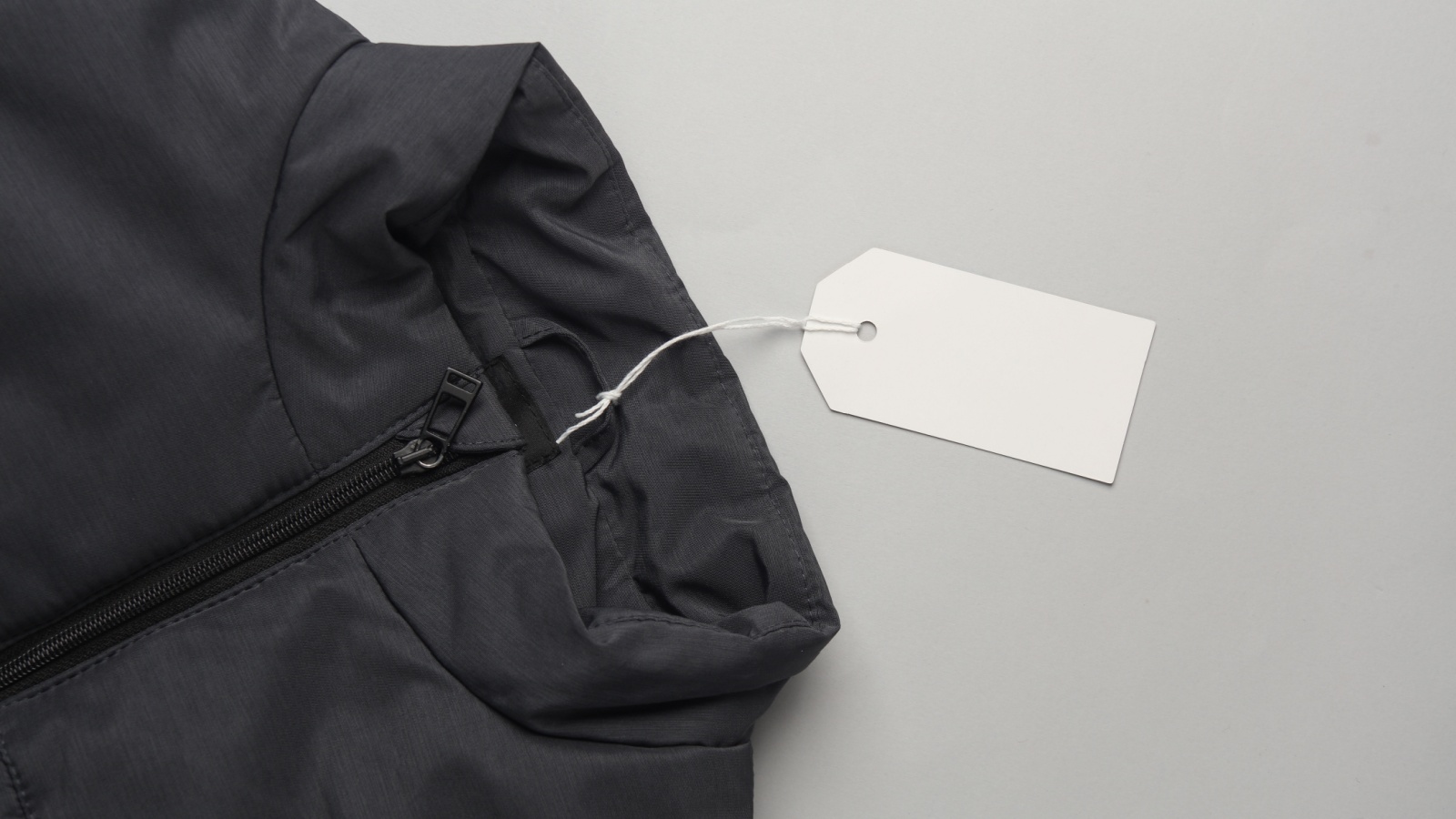
Removing tags, opening packaging or wearing a new jacket home does not change the fact that the item was acquired outside Canada. Customs rules focus on what was obtained abroad and brought back, not whether the product still looks new. A traveller who changes into newly purchased shoes before reaching the border should include them in the declaration just as if they were still in the shopping bag.
This mistake often grows from confusion between belongings taken out of Canada and goods bought during the trip. A phone, watch or camera already owned before departure is not a new purchase merely because it returns to Canada. By contrast, a replacement phone bought in the United States remains declarable even after it has been activated and used. For costly personal items already owned, proof such as an earlier receipt, serial-number record or registration can help establish Canadian ownership. Trying to make a new purchase look old creates unnecessary suspicion and can lead to a longer examination.
Arriving Without Receipts or a Clear Purchase List
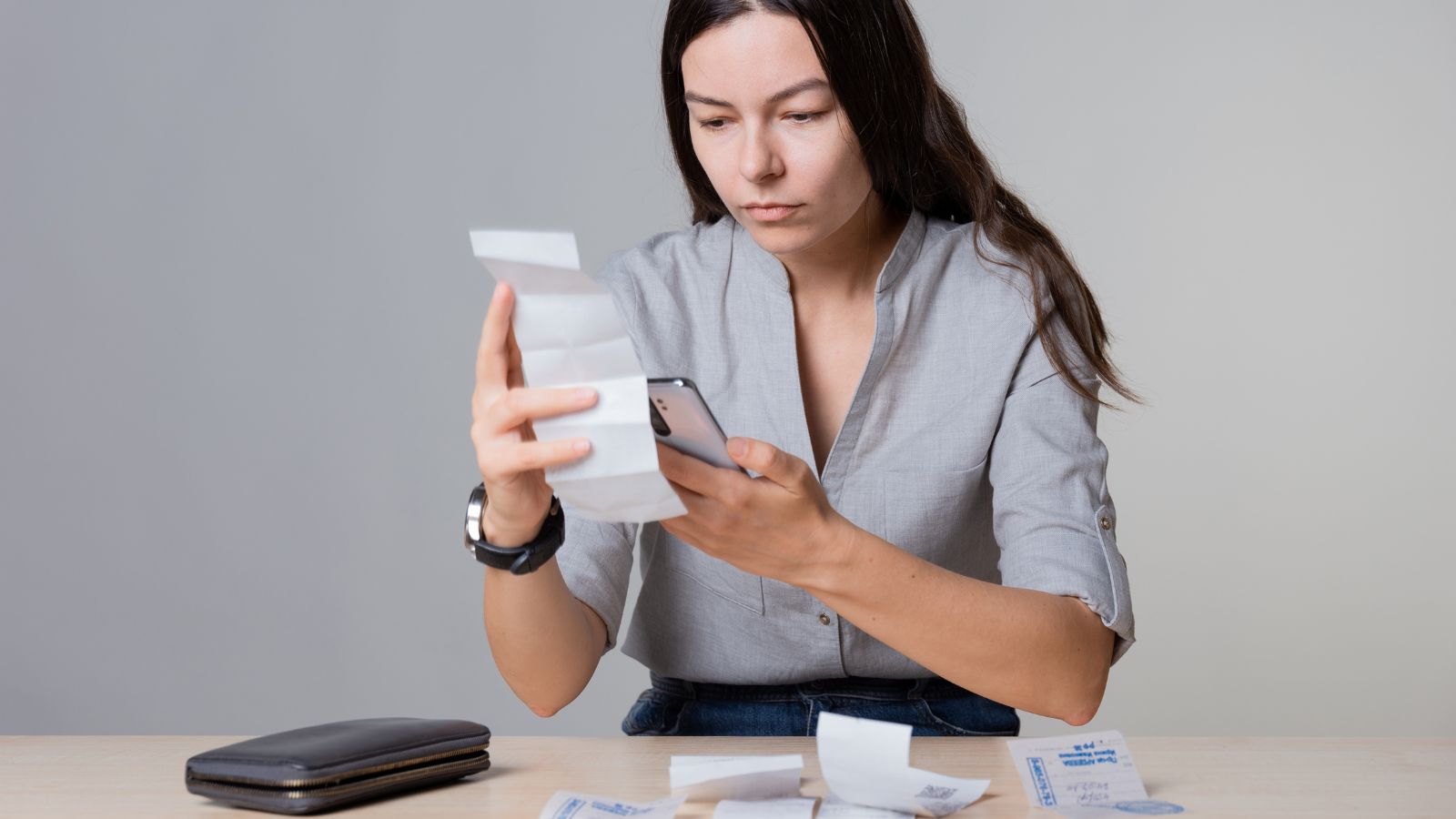
Receipts are not just useful for personal budgeting; they help border officers verify what was purchased, what it cost and where it came from. The CBSA advises returning travellers to declare all purchases and keep receipts readily available. A glove compartment filled with loose bags, missing invoices and unexplained card charges makes a simple declaration harder to assess. Digital receipts are useful, but screenshots or downloaded copies are wiser than relying on weak cellular service at the crossing.
A clear list should show the item, purchase price, store, currency and intended owner. Returns, discounts and refunds should also be documented. For example, a shopper who bought two coats but returned one should keep both the original receipt and the return confirmation. Country-of-origin labels may matter for duty or current tariff measures, so packaging should not be discarded too quickly. Good records do not guarantee a lower assessment, but they reduce guesswork and help the officer distinguish an honest total from an unsupported estimate.
Reporting the Total in U.S. Dollars

Canadian customs declarations require values in Canadian funds. Simply telling an officer that the purchases totalled “$600” without specifying the currency can create confusion, especially after a U.S. shopping trip. Foreign amounts, including foreign sales taxes, must be converted using an exchange rate recognized by the CBSA. The rate used for customs purposes may not match the final amount shown on a credit-card statement, which can include the card issuer’s conversion spread or foreign-transaction fee.
The practical mistake is calculating the declaration from memory while sitting at the booth. A shopper with several receipts from different days can easily omit U.S. sales tax or apply a rough exchange rate that understates the total. Before returning, receipts should be added in U.S. dollars and converted into a clearly written Canadian-dollar total. Keeping the original figures beside the converted amount lets the officer follow the calculation. The declaration should still present the full value; the CBSA, not the traveller’s banking app, makes the final customs determination.
Believing Everything Bought in the U.S. Is Duty-Free
The location of the store does not automatically determine the origin of the product. A handbag purchased in Michigan may have been manufactured in Italy, while a tool bought in New York may be marked as made in the United States. Under CUSMA rules for personal-use goods, qualifying goods marked as made in Canada, the United States or Mexico may enter without regular customs duty. Goods clearly made elsewhere can face a different tariff treatment, depending on classification and other rules.
Current Canadian surtaxes on certain U.S.-origin steel, aluminum and auto imports also focus on where the goods originated, not merely where they were purchased. That makes labels, invoices and product descriptions important. “Bought in America” and “made in America” are not interchangeable statements. Shoppers should avoid promising themselves a duty-free return based only on the retailer’s address. Even when no customs duty applies, GST, HST, PST or other charges may still be assessed, so a zero-duty product is not necessarily a zero-cost import.
Confusing Duty-Free With Tax-Free

Duty and sales tax are separate parts of a border assessment. Customs duty is a tariff that can vary by product type, origin and trade agreement. Imported personal goods may also attract GST and, depending on the province or territory and the circumstances, HST or provincial sales tax. An item can therefore qualify for a zero duty rate while still generating taxes. This is why the phrase “duty-free” is often misunderstood in casual conversation.
Consider a pair of U.S.-made boots that qualifies for duty-free treatment under CUSMA but exceeds the traveller’s available personal exemption. The regular customs duty may be zero, yet applicable sales taxes can still be collected. Alcohol, tobacco and certain other products can involve additional excise or provincial charges. The CBSA’s online estimator can provide a planning estimate for personal-use goods, but the agency notes that the final amount may differ. Shoppers should treat the purchase price as only one part of the landed cost and keep room in the budget for border charges.
Under-Declaring Alcohol, Tobacco or Vaping Products

Alcohol, tobacco and vaping products have their own quantity, age and timing rules. They are not included in the CAN$200 exemption after a 24-hour absence. After at least 48 hours, the alcohol allowance may include up to 1.5 litres of wine, 1.14 litres of other alcoholic beverages or 8.5 litres of beer or ale. The traveller must also meet the minimum age in the province or territory where entry occurs. Amounts above the allowance can attract duty, tax and provincial or territorial levies.
Tobacco and vaping products are similarly detailed. Stamped and unstamped products can be treated differently, and unstamped tobacco may attract a special duty even when claimed within an exemption. A common error is declaring “one case” or “a few bottles” without knowing the actual volume. Receipts and package sizes should be easy to inspect. Travellers should state the exact quantity and type, because undeclared alcohol and tobacco can be seized permanently. A bargain disappears quickly when the product is lost and enforcement consequences follow.
Bringing Cannabis or CBD Across the Border

Legalization inside Canada does not authorize travellers to carry cannabis across the international border. Bringing cannabis into or out of Canada in any form—including products containing THC or CBD—without a Health Canada permit or exemption remains a serious offence. The rule applies regardless of the quantity, whether the traveller has medical authorization, or whether the product came from a U.S. state where cannabis is legal.
The mistake can be surprisingly ordinary: a CBD sleep aid left in a toiletry bag, an edible forgotten in a jacket pocket or a vape cartridge stored in the console. A traveller who discovers such a product while approaching the border should not hide it or provide an inaccurate description. Cannabis must be declared, and unauthorized cross-border movement can lead to confiscation, monetary penalties, arrest or prosecution. CBSA guidance notes that cannabis penalties can reach CAN$2,000 and that enforcement records may affect eligibility for trusted-traveller programs. Checking every bag and vehicle compartment before departure is far safer than assuming a small amount will be ignored.
Failing to Declare Food, Plants or Animal Products
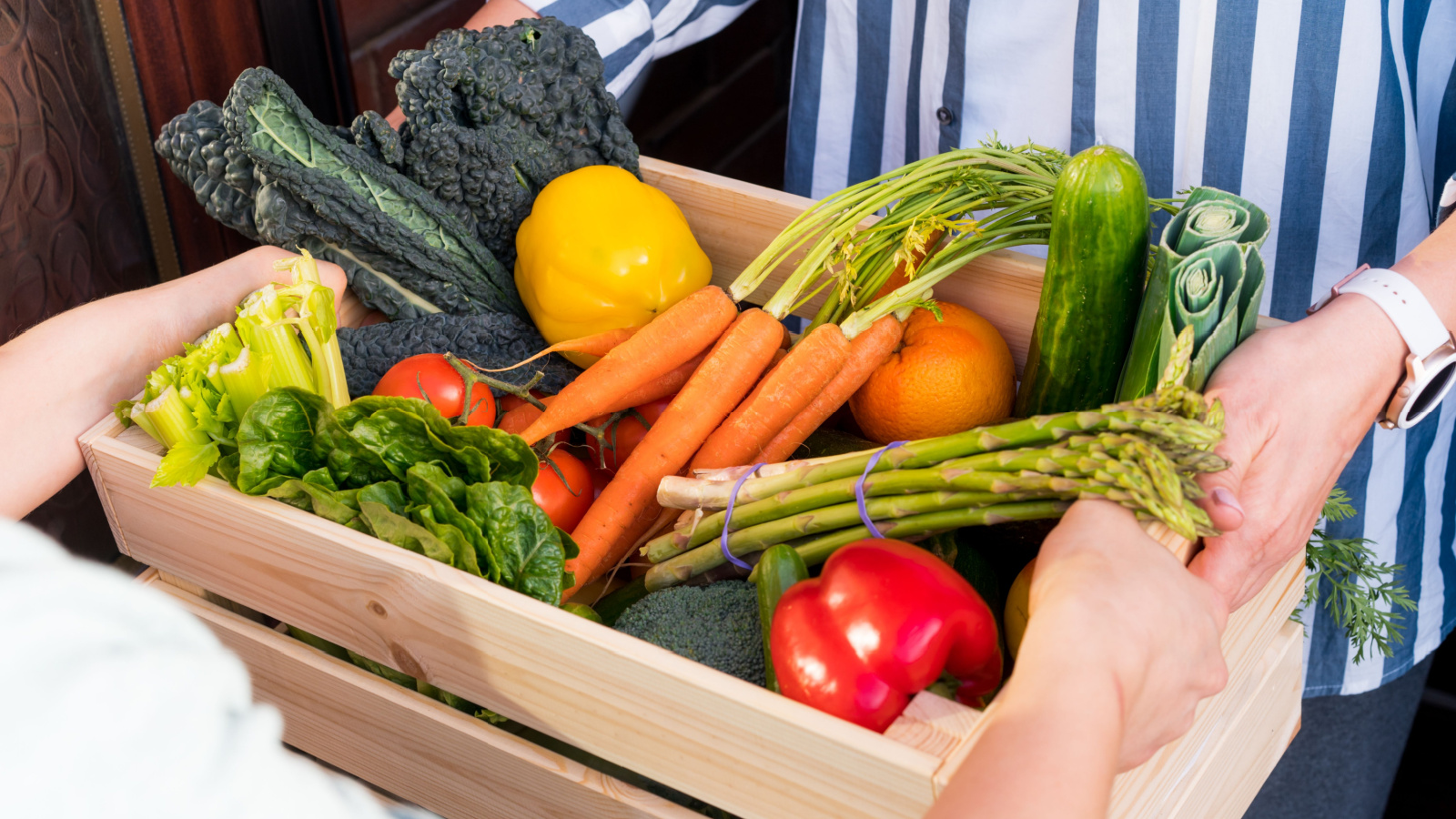
Groceries and farm-market purchases can create some of the most overlooked border problems. All food, plant and animal products must be declared, including processed foods, homemade items, meat, dairy products, fruits, vegetables, seeds, wooden crafts, soil and some pet products. Declaration does not automatically mean the item will be refused; it gives officers the information needed to determine whether the product is admissible and whether inspection or documents are required.
Rules can change as animal diseases, invasive pests and other risks emerge. The Canadian Food Inspection Agency’s Automated Import Reference System is updated frequently and should be checked by product and country of origin before travel. A package that crossed without difficulty months ago may face different requirements later. Failure to declare can lead to confiscation, disposal costs or penalties of up to CAN$1,300 for agri-food violations. The safest habit is simple: when an item was grown, made from an animal, intended as food or contains plant material, declare it and let the officer decide.
Forgetting U.S. Repairs or Alterations

Cross-border shopping is not limited to buying new goods. Canadian-owned items taken to the United States for repairs, upgrades or alterations must also be reported when they return. Common examples include a vehicle repair, jewellery restoration, camera servicing, tailoring or equipment modification. The original Canadian item may be eligible for relief, but the foreign value added can still matter for GST or HST and other assessments.
Documentation is crucial. CBSA guidance for qualifying repairs or alterations calls for invoices showing the value of the work and proof that the same goods were previously exported from Canada. Serial numbers, model information and earlier ownership records can help. Warranty repairs may receive different tax treatment from non-warranty work, while major processing that creates a commercially different product may not qualify as a simple repair or alteration. A traveller who says, “I already owned it,” has answered only half the question. The officer also needs to know what was done abroad, what it cost and whether parts were added.
Mishandling Purchases Shipped Home Separately

Sending purchases home by courier does not remove them from the traveller’s declaration. Goods shipped separately must be reported when the traveller returns. The special “goods to follow” treatment generally belongs to the seven-day CAN$800 exemption, and alcohol and tobacco must accompany the traveller rather than arrive later. The traveller should tell the officer about the shipment and obtain the appropriate personal-exemption declaration documentation.
The paperwork needs to be retained until every package has arrived and been accounted for. CBSA guidance indicates that qualifying unaccompanied goods should generally be claimed within 40 days of the traveller’s return. Without the form or supporting receipts, a courier or postal shipment may be assessed as an ordinary import, creating charges that could have been avoided. A common example is furniture ordered in person during a week-long trip and delivered later. The purchase still belongs in the border declaration on return day, even though the truck carrying it has not yet crossed into Canada.
Treating Resale Goods as Personal—and Ignoring the Consequences
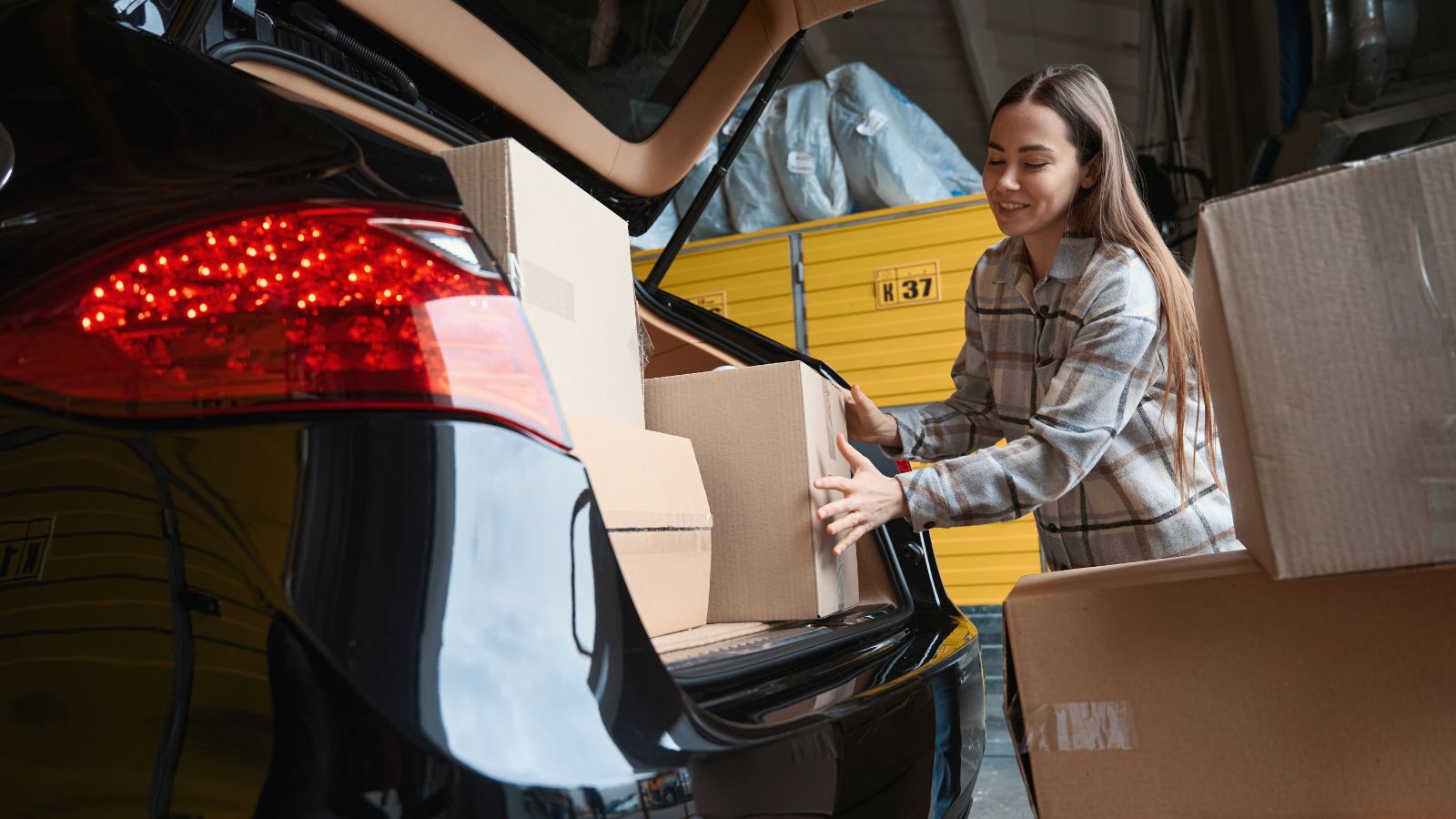
Personal exemptions are intended for personal or household use. Goods brought in for commercial use, resale, another person or promotional purposes do not qualify. A traveller who returns with 10 identical handbags for an online shop cannot simply spread the value across family members or describe the shipment as personal shopping. Commercial goods can require different accounting, documentation and importer procedures, and NEXUS lanes cannot be used when commercial goods are present.
The consequences of an inaccurate declaration can extend far beyond paying the missed tax. CBSA may seize undeclared or falsely declared goods, and the penalty to recover seized goods can range from 25% to 70% of their value in some circumstances. Undeclared alcohol and tobacco may be permanently seized, and vehicles used to import goods unlawfully can also be detained. Trusted-traveller status is vulnerable as well: failing to declare goods above an exemption can result in a one-year NEXUS suspension. Honest, complete answers are usually the least expensive part of the trip home.
16 Costco Canada Habits That Could Be Costing Shoppers More Than They Save

The Executive Membership can feel like an obvious upgrade because the 2% annual reward sounds straightforward. For households that spend heavily at Costco Canada, the extra fee may be easy to justify. But the habit becomes costly when shoppers upgrade first and calculate later. A Gold Star Membership costs less, while Executive costs more and only pays off if eligible annual spending is high enough to offset the difference.
16 Costco Canada Habits That Could Be Costing Shoppers More Than They Save
This Options Discord Chat is The Real Deal
While the internet is scoured with trading chat rooms, many of which even charge upwards of thousands of dollars to join, this smaller options trading discord chatroom is the real deal and actually providing valuable trade setups, education, and community without the noise and spam of the larger more expensive rooms. With a incredibly low-cost monthly fee, Options Trading Club (click here to see their reviews) requires an application to join ensuring that every member is dedicated and serious about taking their trading to the next level. If you are looking for a change in your trading strategies, then click here to apply for a membership.