
35,000+ smart investors are already getting financial news, market signals, and macro shifts in the economy that could impact their money next with our FREE weekly newsletter. Get ahead of what the crowd finds out too late. Click Here to Subscribe for FREE.
A cruise fare or all-inclusive resort package can make a major vacation look wonderfully simple: one booking, one destination, and much of the trip seemingly paid in advance. The reality becomes more complicated once exchange rates, insurance, gratuities, transportation, excursions, documentation rules, cancellation policies, and destination-specific charges enter the picture.
For Canadians, that extra homework matters because many popular cruises are priced in U.S. dollars and many resort trips involve countries with different entry, health, weather, and consumer rules. These 21 things Canadians should know before booking a cruise or resort can help separate an attractive headline price from a vacation that genuinely fits the budget, travel style, and level of risk a household is comfortable accepting.
21 Things Canadians Should Know Before Booking a Cruise or Resort
- Compare the Final Price, Not the Teaser Price
- Check the Entry Rules for Every Stop on the Itinerary
- Make Sure Every Name Matches the Travel Documents
- Read Government Travel Advisories Before Paying
- Buy Insurance That Actually Covers the Trip
- Pre-Existing Conditions Need Extra Scrutiny
- Credit-Card Travel Insurance Is Not Automatically Complete Coverage
- Budget for Currency Conversion Before Comparing Prices
- Gratuities Can Become a Significant Daily Expense
- Drink and Dining Packages Need Their Own Math
- Shipboard Internet and Mobile Roaming Need a Plan
- Shore Excursions Involve a Trade-Off Between Price and Protection
- A Cruise Itinerary Is Not a Guarantee of Every Port
- “All-Inclusive” Does Not Mean Identical Inclusions Everywhere
- Transfers and Arrival Timing Deserve Their Own Budget Line
- Hurricane Season Changes the Risk Equation
- Cancellation Rules Can Become Expensive Surprisingly Quickly
- Health Preparation Should Start Before the Suitcase Comes Out
- Accessibility Should Be Confirmed, Not Assumed
- Families May Need More Paperwork Than Expected
- Remember the Canadian Customs Rules on the Way Home
- 16 Costco Canada Habits That Could Be Costing Shoppers More Than They Save

A low advertised fare can be a useful starting point, but it should never be treated automatically as the final vacation cost. Cruise pricing can involve government taxes, port expenses, required charges, gratuities, specialty dining, beverages, internet, shore excursions, transportation to the ship and perhaps a pre-cruise hotel. Resort packages can be more inclusive, yet individual properties may still have services or charges payable locally. The meaningful comparison is therefore the amount expected to leave the household budget from departure through return.
That distinction becomes especially important when comparing two vacations that initially appear similarly priced. One package might include checked luggage, airport transfers, hotel taxes and most meals, while another requires several of those expenses separately. Cruise lines also sell an increasingly large menu of optional upgrades. Canadians comparing vacations can create a simple “door-to-door” total covering flights, accommodation, meals, tips, transportation, connectivity, activities and a reasonable spending allowance before deciding which offer really costs less.
Check the Entry Rules for Every Stop on the Itinerary

Cruise passengers sometimes assume that boarding the ship settles the documentation question. It does not. Canadians may need a valid passport, visa, electronic authorization or other document not merely for the departure country but for destinations visited during the voyage. Passport-validity requirements can also extend beyond the planned departure date from a country. A Caribbean cruise involving several islands can therefore create more documentation homework than a one-country beach vacation.
The practical solution is to inspect the entry and exit requirements for every destination before paying a non-refundable deposit. That includes the embarkation country, ports of call, disembarkation country and any place used for an airline connection when separate entry is required. Government of Canada cruise guidance specifically tells travellers to confirm the documents required to board and enter planned destinations. Requirements can also change after a vacation is booked, making another check closer to departure worthwhile rather than relying solely on information remembered from a previous trip.
Make Sure Every Name Matches the Travel Documents

Something as small as a missing middle name or an outdated married surname can become a much bigger problem at a cruise terminal. Major cruise operators tell passengers that the name attached to a reservation should match the government identification being used for boarding. Princess likewise warns passengers to ensure the booking name matches the travel document. That makes accuracy at the payment screen more important than it may appear when a vacation is still months away.
Canadians should compare each traveller’s booking confirmation against the passport before considering the reservation finished. This is particularly useful after marriage, divorce, adoption or another legal name change. Waiting until check-in to discover the discrepancy can leave little time to fix it, and changing a passenger name may also be restricted by the operator’s booking rules. A family booking several cabins can reduce the risk by having one person perform a final document-by-document check rather than assuming everyone entered their information correctly.
Read Government Travel Advisories Before Paying

A beautiful beach photograph says nothing about local transportation risks, crime patterns, demonstrations, health concerns, laws or regional security conditions. Government of Canada Travel Advice and Advisories provide destination-specific information that can materially change how attractive a trip looks. For a cruise, the Canadian government recommends reviewing not only the departure and arrival destinations but the planned stops, because conditions can differ substantially from one port to another.
Advisories also matter because they can interact with insurance. The Government of Canada notes that many travel insurance policies may restrict coverage when a traveller goes to a place under an “avoid non-essential travel” or “avoid all travel” advisory. That does not mean every advisory requires cancelling a vacation, but it makes checking before booking valuable. Canadians can then revisit the advisory before departure, particularly when the vacation was purchased many months earlier. A destination’s resort infrastructure may appear unchanged even when the broader safety or health environment has shifted.
Buy Insurance That Actually Covers the Trip

Provincial health coverage should not be confused with comprehensive international medical protection. The Government of Canada warns that provincial or territorial plans may cover none or only a small portion of medical treatment abroad and will not pay foreign bills upfront. Canadian officials also do not pay travellers’ hospital bills or medical evacuation costs. On a cruise, where a serious medical problem can require treatment in another country or evacuation from a remote location, that distinction can become financially significant.
A suitable policy should therefore be evaluated for the actual itinerary rather than purchased simply because it says “travel insurance.” Canadian guidance specifically recommends cruise coverage that includes accidental injury, hospitalization outside Canada and medical evacuation. Activities on shore should also be covered if snorkelling, diving or other recreation is planned. Trip cancellation and trip interruption are separate considerations. A traveller who has excellent emergency medical insurance could still have limited reimbursement if an unrelated covered event forces the vacation to be cancelled before departure.
Pre-Existing Conditions Need Extra Scrutiny

Travel insurance becomes more complicated when a traveller has an existing medical condition, recently changed medication, undergone testing or experienced new symptoms. Government of Canada guidance specifically recommends asking insurers to explain definitions, exclusions and restrictions related to pre-existing medical conditions. It also discusses stability clauses, which can require a medical condition to remain unchanged during a specified period before travel for coverage to apply.
This is an area where assumptions can be costly. Someone whose condition feels completely routine may still fall outside a policy’s definition of “stable” after a medication adjustment or investigation. Canadians with medical histories should therefore disclose information accurately and ask the insurer to confirm coverage in writing where appropriate. The goal is not simply to obtain an insurance certificate but to understand whether the condition most likely to cause an emergency is actually insured. The same care applies when coverage comes through a workplace benefit, bank account or other group plan rather than a separately purchased policy.
Credit-Card Travel Insurance Is Not Automatically Complete Coverage

A premium Canadian credit card can provide valuable travel protection, but the words “travel insurance included” do not reveal the full picture. Coverage can vary by card, age and trip length. TD, for example, tells cardholders that medical-insurance time frames vary according to age, trip duration and card type. CIBC notes that some travel benefits may depend on charging the trip to the card and remain subject to the insurance certificate’s terms and conditions.
Before spending thousands of dollars on a cruise or resort, Canadians should locate the current certificate for the exact card being used. Important questions include how many travel days are insured, whether every traveller is eligible, how much of the trip must be charged to the card, which cancellation reasons qualify and whether cruise-specific circumstances are addressed. A credit card may be an excellent foundation without being a complete solution. Longer trips or older travellers, in particular, may discover that additional medical coverage or an extension is necessary.
Budget for Currency Conversion Before Comparing Prices

Many Canadians shopping for cruises encounter U.S.-dollar pricing at some stage, while resorts can create additional purchases in U.S. dollars or local currencies. Currency movement alone can change the Canadian-dollar cost between researching a vacation and paying the final balance. Credit cards can also impose foreign-currency charges, and the Financial Consumer Agency of Canada advises consumers to examine fees when choosing and using a card.
The safest comparison is therefore made in Canadian dollars after accounting for the payment method. A US$100 onboard purchase does not necessarily translate into the exchange rate displayed during a casual internet search because the card issuer’s conversion process and applicable fee may affect the posted Canadian amount. The same applies to pre-booked excursions, spa services and resort extras. Travellers who expect significant foreign-currency spending can review their card agreement beforehand instead of discovering the cost line by line after returning home to a much larger statement.
Gratuities Can Become a Significant Daily Expense

Cruise gratuities are easy to underestimate because they are often discussed as a daily, per-person amount rather than as a cabin total for the entire voyage. Policies vary by cruise line and accommodation category. Current Royal Caribbean information, for example, describes automatic daily service gratuities as well as separate gratuities on purchases such as beverages and specialty dining. Carnival similarly publishes daily gratuity policies and service charges for a number of onboard purchases.
The impact grows with the size of the travelling party. A per-person charge that appears modest can become a noticeable expense for two adults over a week and much larger for a multi-cabin family group. Canadians should check whether gratuities are prepaid, bundled into a package, automatically posted onboard or charged separately to specific purchases. Resort guests should make the same inquiry about service charges and tipping customs. Understanding the system beforehand avoids two common problems: unintentionally budgeting too little or effectively tipping twice because an automatic service charge was overlooked.
Drink and Dining Packages Need Their Own Math

Unlimited-sounding packages can be attractive because they transform variable spending into a predictable amount, but the terms deserve as much attention as the price. Cruise beverage packages may have per-drink value limits, service charges, age restrictions and cabin-wide purchase rules. Royal Caribbean, for example, states that guests buying its alcoholic beverage package generally must purchase it for other guests of legal drinking age in the same stateroom, while an automatic gratuity is added to beverage-package purchases.
Dining and beverage bundles therefore work best when they match actual habits. Someone who mainly drinks included coffee, water and an occasional cocktail may spend less without a premium package, while a traveller who regularly buys specialty drinks may appreciate both the value and predictability. Similar reasoning applies at resorts, where premium liquor, à-la-carte restaurants, room service or particular dining experiences may have separate rules. Reading the detailed inclusion list turns “unlimited” from a marketing word into something that can actually be compared.
Shipboard Internet and Mobile Roaming Need a Plan

A Canadian phone can behave very differently once a ship leaves terrestrial cellular coverage. Cruise lines sell Wi-Fi packages, while Canadian carriers have their own policies for shipboard roaming. Those policies differ sharply. Rogers currently sells certain cruise-and-land travel passes, while Bell states that its consumer roaming services are not available aboard cruise ships. TELUS publishes separate cruise-ship pay-per-use treatment, including charges for calls and texts while blocking shipboard data in the circumstances described by its current travel information.
The lesson is to check the exact carrier and plan instead of relying on what worked during a previous vacation. A couple travelling with work phones, tablets and children’s devices may otherwise face a confusing combination of ship Wi-Fi and cellular settings. Before departure, Canadians can decide which devices genuinely need connectivity and whether airplane mode, Wi-Fi calling or a cruise-specific package is appropriate. Connectivity becomes much cheaper when it is treated as a planned travel expense rather than something discovered after the ship reaches open water.
Shore Excursions Involve a Trade-Off Between Price and Protection

Independent shore tours can sometimes offer smaller groups, different itineraries or attractive prices, but timing becomes the passenger’s responsibility. Government of Canada cruise advice recommends booking with the cruise line or a reputable, insured tour operator and respecting ship departure times. The distinction matters because cruise-line excursion programs can provide protections that an independent booking does not.
Royal Caribbean, for example, states that the ship will wait for guests delayed on one of its excursions or make arrangements if it cannot, while passengers exploring independently are responsible for returning before departure. Princess advertises a comparable guaranteed-return benefit for its excursions. That does not automatically make a ship-sponsored tour the best choice, but the difference has financial value. Canadians comparing a cheaper private excursion with a cruise-line option should consider transportation reliability, cancellation policies, insurance and the possible cost of meeting the ship at another port if something goes wrong.
A Cruise Itinerary Is Not a Guarantee of Every Port

A cruise may be chosen because of one dream destination, yet a scheduled port can be altered or removed. Weather, operational problems and other circumstances can affect itineraries. Royal Caribbean’s published policy states that scheduled sailings and ports may be cancelled, advanced, postponed or changed under various circumstances. Canadian government cruise guidance likewise notes that severe weather can lead operators to reroute ships for safety.
That makes the itinerary itself an important part of evaluating value. Travellers who would be devastated if a particular island disappeared from the schedule may prefer a land vacation there rather than a cruise that visits for several hours. Refund treatment can also differ between the cruise fare and ancillary purchases. Royal Caribbean, for example, says its shore excursions are refunded when the ship misses a port. Independently booked tours may have different terms. Canadians should check cancellation policies before buying non-refundable activities tied to a single port.
“All-Inclusive” Does Not Mean Identical Inclusions Everywhere

The phrase “all-inclusive” is useful, but it is not a standardized promise that every resort provides the same package. Transat currently describes many of its all-inclusive packages as including round-trip flights, checked baggage, airport-hotel transfers, buffet meals, hotel taxes and service fees. Individual properties, however, can have their own restrictions, and Air Canada Vacations listings warn that some hotels may charge an additional fee payable by guests at the destination.
That means comparison shopping should move beyond the resort’s star rating and room photograph. Canadians should verify whether airport transfers, Wi-Fi, premium drinks, à-la-carte restaurants, room service, water sports, childcare and destination charges are included in the particular rate being purchased. Even room categories at the same hotel can receive different benefits. A cheaper property that includes the activities a family will actually use can deliver better value than a more luxurious option where desired experiences carry daily supplements. The detailed inclusions page is often more useful than the headline label.
Transfers and Arrival Timing Deserve Their Own Budget Line

Getting from an airport to a resort or cruise terminal can be part of the package, an optional extra or entirely the traveller’s responsibility. Transat lists round-trip airport-hotel transfers among its standard all-inclusive package inclusions, while other vacation products can differ. Cruise travel adds another complication: embarkation has a firm deadline. Princess specifically recommends arriving in the departure city at least one day before a cruise when flying, reducing the risk that a disruption prevents boarding.
That extra hotel night can make a cruise comparison look less inexpensive, but it can function as a valuable buffer. A traveller flying from Winnipeg through Toronto to Fort Lauderdale on embarkation morning has more points of failure than someone already sleeping near the port. Canadians should price airport transportation, parking, pre-cruise accommodation and post-cruise transfers before booking. Resort travellers should similarly confirm whether the included transfer is shared or private and where the representative will be located after arrival.
Hurricane Season Changes the Risk Equation

Caribbean bargains often become especially tempting during months when tropical-weather risk is higher. Government of Canada destination guidance notes that Atlantic, Caribbean and Gulf of Mexico hurricane season generally runs from early June through the end of November. Storms can disrupt transportation and essential services, while cruise ships may alter routes to avoid dangerous conditions.
Travelling during that period is not automatically a poor decision, but flexibility becomes more valuable. Canadians can examine cancellation and interruption insurance, airline change terms and the operator’s storm policies before accepting a lower seasonal rate. Cruise passengers should also understand that avoiding the storm does not guarantee the original port schedule. Resort travellers face a different exposure because the hotel itself remains in the affected region. Someone choosing between an expensive February Caribbean vacation and a cheaper September trip is therefore comparing more than weather averages; the price difference also reflects a different level of operational uncertainty.
Cancellation Rules Can Become Expensive Surprisingly Quickly

A deposit does not necessarily mean the rest of the vacation can be cancelled without consequence. Cancellation penalties often increase as departure approaches, and some promotional fares are intentionally less flexible. Sunwing’s published schedule, for example, shows vacation-package cancellation charges escalating as the departure date gets closer, reaching the total price within its shortest cancellation window. Princess likewise uses a sliding cancellation schedule for cruises, with penalties increasing nearer departure.
Canadians should read those rules before choosing between a refundable or heavily discounted offer. The cheapest rate can become the most expensive option if family schedules, health concerns or work obligations make cancellation reasonably possible. It is also important to distinguish a supplier’s cancellation policy from travel insurance: paying for insurance does not make every personal decision to cancel an insured event. Deposits, future travel credits and cash refunds can have different rules as well. Saving the terms that applied on the booking date can be useful if an issue arises months later.
Health Preparation Should Start Before the Suitcase Comes Out

A tropical vacation can involve health considerations that are invisible from the pool deck. Government of Canada cruise guidance recommends consulting a healthcare provider or travel-health clinic ideally about six weeks before departure. Advice can involve routine vaccines, destination-specific vaccines or medications, seasickness, travellers’ diarrhea and sufficient prescription medication if the return home is unexpectedly delayed.
The destination matters as much as the accommodation. Canadian travel guidance also recommends food and water precautions and protection from insect bites during shore visits. Mosquito-borne illnesses occur in a number of warm-weather destinations, with risks varying by location and season. That makes “staying at an all-inclusive” an insufficient reason to skip destination research. Canadians with prescriptions should also check rules for taking medication abroad, because countries can regulate medicines differently. Health planning rarely provides the most exciting part of vacation preparation, but it can prevent a relatively ordinary medical issue from becoming the defining memory of an expensive trip.
Accessibility Should Be Confirmed, Not Assumed

A modern cruise ship or large resort may appear accessible online without every part of the vacation being equally usable. Government of Canada cruise advice tells travellers with mobility issues to check accessibility and accommodations both on the vessel and during shore excursions. Ports can present particular challenges because transportation, sidewalks, tender boats and historic attractions may be less accessible than the ship itself.
Advance notice can also matter. Royal Caribbean, for example, requests advance notice for certain accessibility services and states that some requests involving equipment or services should be made well before sailing. Accessible shore excursions are offered only in certain destinations and can have limited capacity. Canadians who require wheelchair-accessible transportation, refrigeration for medication, sign-language interpreting, mobility-equipment handling or other accommodations should therefore contact providers before final payment whenever possible. A general “accessible” icon should be treated as the beginning of the conversation, not confirmation that every doorway, transfer and activity fits an individual’s needs.
Families May Need More Paperwork Than Expected
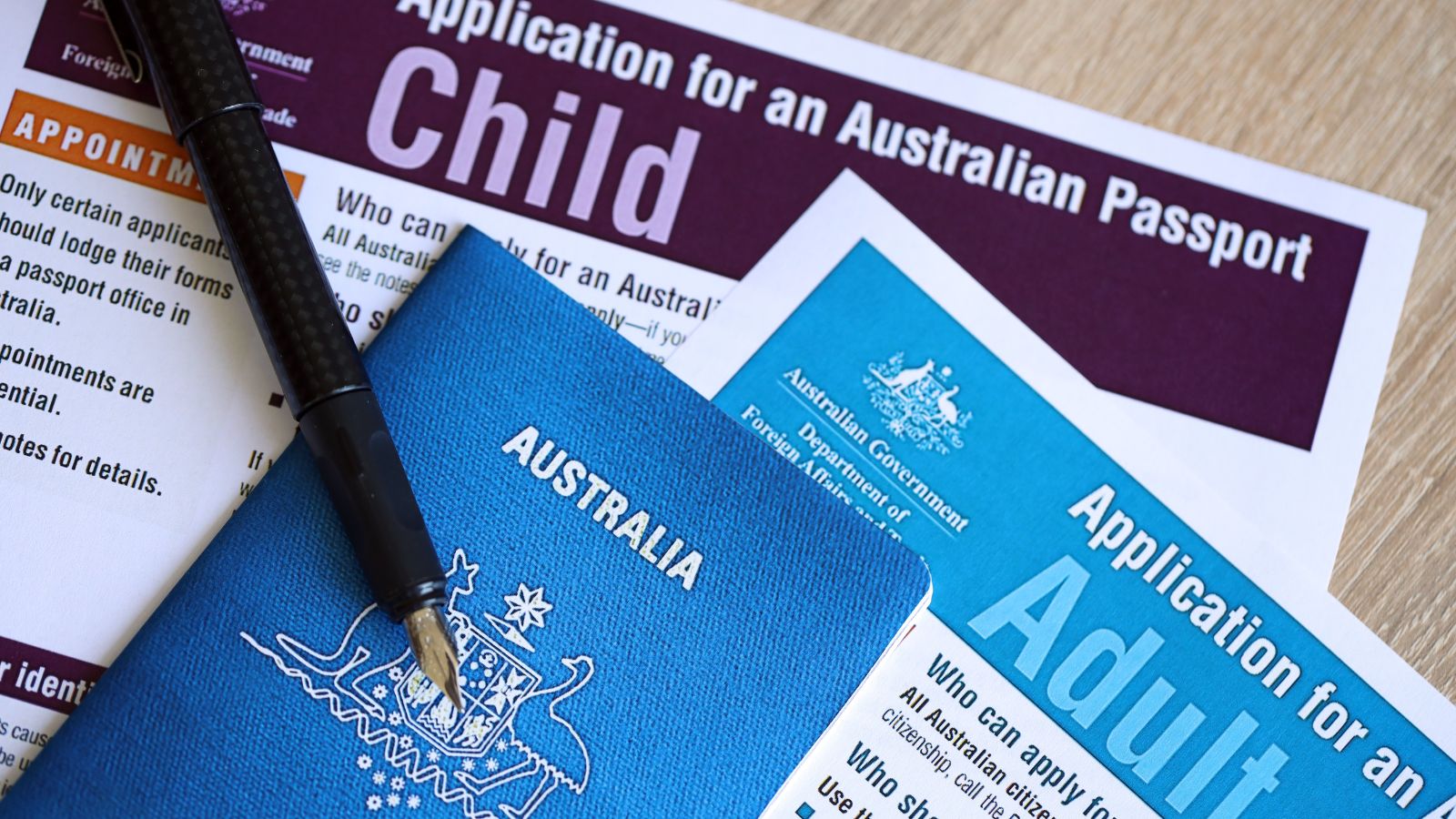
International family travel involves more than adding a child’s name to the reservation. The Government of Canada recommends that children travelling abroad without one or both parents or people with decision-making responsibility carry a signed consent letter. Although the letter is not legally required in Canada, foreign immigration officials, airline personnel or Canadian authorities may request it, and not having one can cause delays or difficulty entering or leaving another country.
Families should also review passport and documentation rules for each child rather than assuming an adult’s documents cover the group. Canadian guidance says children travelling internationally should carry their own valid passport, while custody arrangements or different surnames can justify carrying additional supporting documents. Cruise lines can impose their own age, cabin and identification requirements as well. This makes family documentation worth organizing well before the trip. A folder containing passports, consent documentation where appropriate, insurance details and relevant custody records is much easier to assemble at home than at an airport check-in counter.
Remember the Canadian Customs Rules on the Way Home

A vacation budget does not necessarily end when the ship docks or the resort transfer reaches the airport. Canadians returning home must declare goods brought into the country, and eligibility for personal exemptions depends partly on how long the traveller has been outside Canada. The Canada Border Services Agency currently lists an exemption of up to CAN$200 after an absence of at least 24 hours and up to CAN$800 after at least 48 hours, subject to the applicable conditions.
Alcohol and tobacco have additional quantity rules, making a cruise-ship duty-free shop or airport purchase worth considering in the context of Canadian limits rather than simply the advertised price. Receipts can make the declaration process easier, particularly after a week of purchases in several currencies. The sensible approach is straightforward: keep track of what was bought and declare it accurately. A suitcase filled with souvenirs should be treated as part of the vacation budget, not as an invisible expense after the return flight lands.
16 Costco Canada Habits That Could Be Costing Shoppers More Than They Save

The Executive Membership can feel like an obvious upgrade because the 2% annual reward sounds straightforward. For households that spend heavily at Costco Canada, the extra fee may be easy to justify. But the habit becomes costly when shoppers upgrade first and calculate later. A Gold Star Membership costs less, while Executive costs more and only pays off if eligible annual spending is high enough to offset the difference.
16 Costco Canada Habits That Could Be Costing Shoppers More Than They Save
This Options Discord Chat is The Real Deal
While the internet is scoured with trading chat rooms, many of which even charge upwards of thousands of dollars to join, this smaller options trading discord chatroom is the real deal and actually providing valuable trade setups, education, and community without the noise and spam of the larger more expensive rooms. With a incredibly low-cost monthly fee, Options Trading Club (click here to see their reviews) requires an application to join ensuring that every member is dedicated and serious about taking their trading to the next level. If you are looking for a change in your trading strategies, then click here to apply for a membership.