
35,000+ smart investors are already getting financial news, market signals, and macro shifts in the economy that could impact their money next with our FREE weekly newsletter. Get ahead of what the crowd finds out too late. Click Here to Subscribe for FREE.
Airports have a way of turning tiny oversights into expensive, stressful problems. A bottle that seemed harmless, a passport with months left before expiry, or a battery packed in the wrong suitcase can suddenly matter once check-in or security begins. Canadian travellers also face several layers of rules at once: airline policies, CATSA screening requirements, Canadian border laws, and destination-country entry requirements.
These 18 rules Canadian travellers commonly forget until they reach the airport cover documents, baggage, security, children, medication, border declarations, electronics, and other situations where a little preparation can prevent a much bigger problem at the terminal.
Passport Expiry Can Matter Months Before the Trip
18 Rules Canadian Travellers Forget Until They Reach the Airport
- Passport Expiry Can Matter Months Before the Trip
- The Name on the Ticket Has to Match the ID
- Airport Arrival Time Is Not the Same as the Check-In Deadline
- The 100 mL Rule Applies to the Container, Not What Is Left Inside
- Some Powders Have a 350 mL Carry-On Limit
- Essential Medication Is an Exception to the Usual Liquid Limit
- Power Banks and Spare Lithium Batteries Belong in the Cabin
- E-Cigarettes Cannot Be Packed in Checked Baggage
- Sharp-Object Rules Change on U.S.-Bound Flights
- Security Approval Does Not Equal Airline Baggage Approval
- Duty-Free Liquids Need to Stay Sealed During Connections
- Legal Cannabis in Canada Cannot Simply Cross the Border
- Food, Plants and Animal Products Must Be Declared on Return
- CAN$10,000 or More Must Be Reported at the Border
- Advance Declaration Is Optional, but It Can Save Time
- Children Travelling Without Both Parents Should Carry Consent Documentation
- Not Every Child Seat Is Approved for Use on an Aircraft
- Alcohol Has Different Limits in Carry-On and Checked Bags
- 16 Costco Canada Habits That Could Be Costing Shoppers More Than They Save
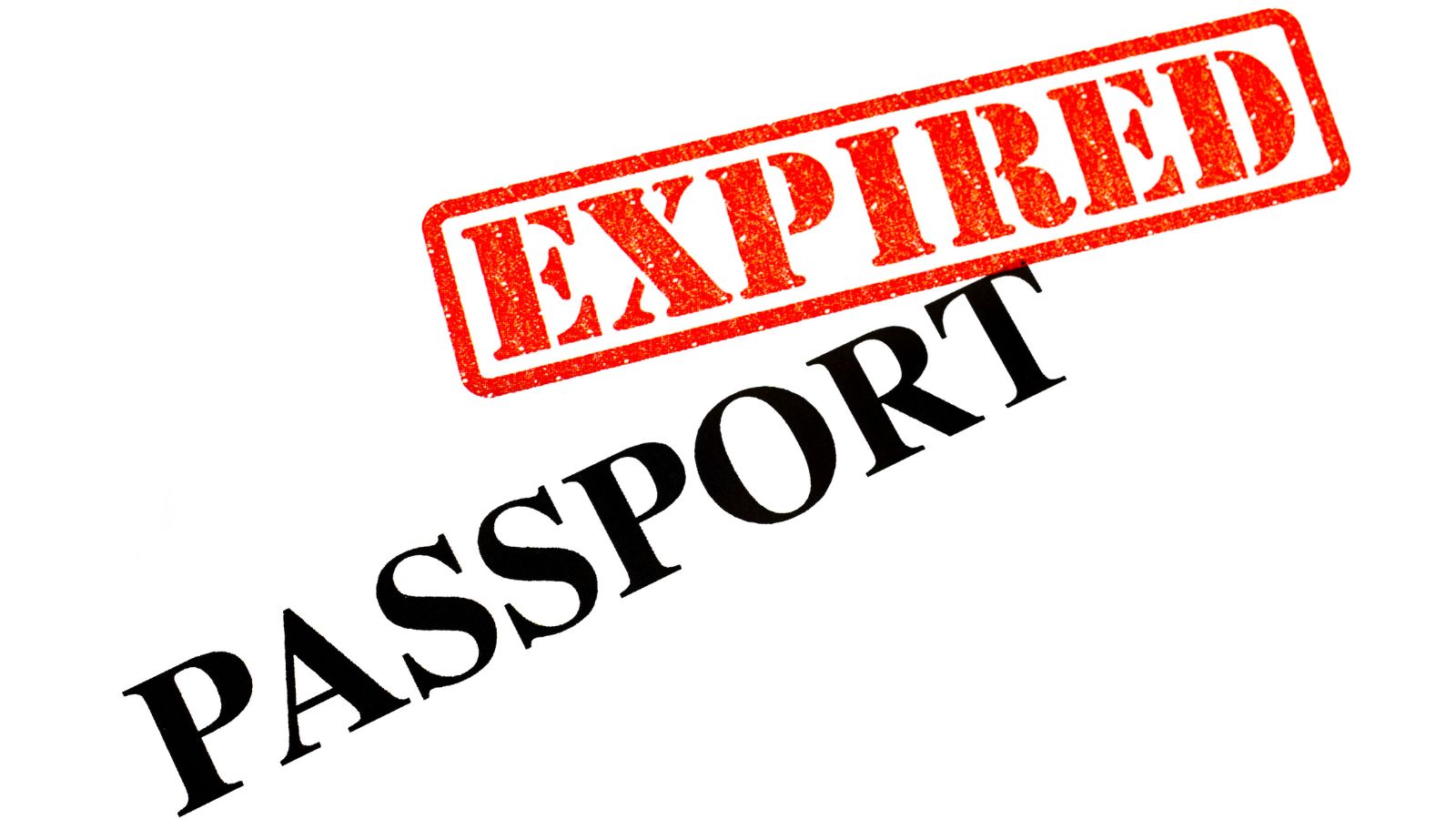
A Canadian passport can still be technically valid and yet be unusable for a particular trip. Foreign governments set their own entry rules, and some require a passport to remain valid for months beyond the planned departure date. That detail often becomes urgent only when an airline agent checks documents at the airport. A traveller with a few weeks left on a passport may discover that the destination’s rules—not the passport’s printed expiry date—decide whether boarding is possible.
The safest habit is to check the Government of Canada’s destination-specific entry and exit requirements before departure and again close to travel. Airlines may also apply document checks because they can be responsible for carrying inadmissible passengers back. The practical lesson is simple: “not expired” does not automatically mean “good for this trip.” A passport renewal that seemed unnecessary at home can become the difference between starting a holiday and never leaving the terminal.
The Name on the Ticket Has to Match the ID
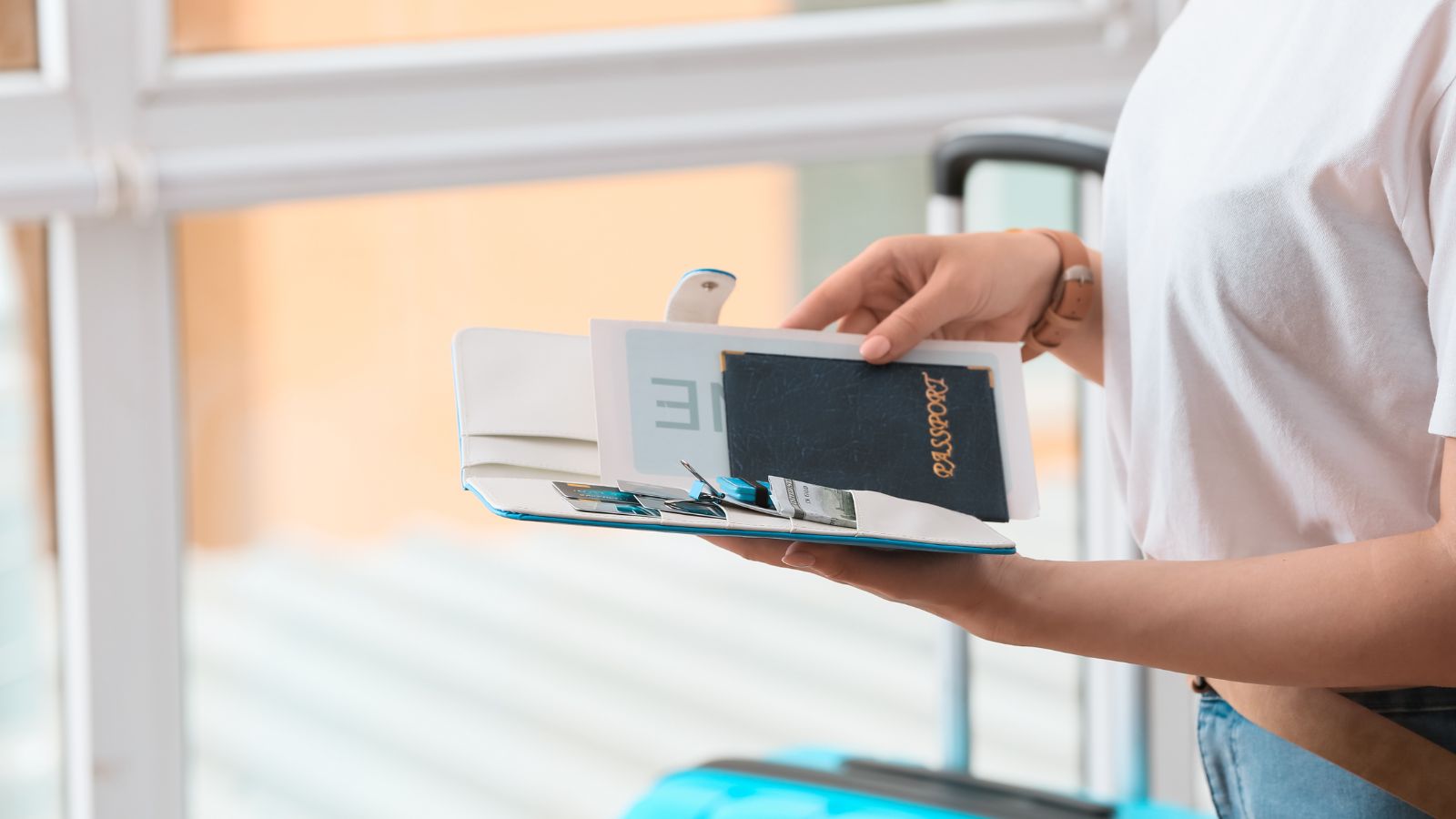
Airport check-in is a poor place to discover that a booking was made under a nickname, an old surname, or a spelling that does not match government identification. Canada’s pre-boarding guidance says the name on identification must match the name on the airline ticket and boarding pass. That is why a harmless-looking typo can create a surprisingly complicated problem when the traveller is already standing in a queue with bags packed.
Domestic and international trips also have different identification requirements, so the correct document matters just as much as the spelling. Travellers should review the reservation as soon as it is issued, especially after a legal name change or when someone else booked the ticket. Fixing a discrepancy days or weeks in advance is usually far easier than negotiating it at a crowded counter shortly before departure. The boarding pass is not merely a receipt; it is part of an identity-verification chain.
Airport Arrival Time Is Not the Same as the Check-In Deadline

Arriving “an hour early” can sound reasonable until check-in, bag-drop, security, and boarding deadlines are added together. The Government of Canada recommends arriving about two hours before a domestic departure and two to three hours before an international flight. Airlines then impose their own hard cutoffs for check-in and checked baggage, and those deadlines can arrive well before the aircraft leaves the gate.
Current airline examples show why travellers should not rely on memory. Air Canada and WestJet publish route- and airport-specific deadlines, and some locations have exceptions. A traveller can therefore reach the terminal while the flight is still visibly on the departures board yet be too late to hand over a suitcase or complete check-in. The better rule is to work backward from the carrier’s cutoff, not the scheduled takeoff time. Airport traffic, parking, security queues, and U.S. preclearance can all consume the buffer that looked generous at home.
The 100 mL Rule Applies to the Container, Not What Is Left Inside
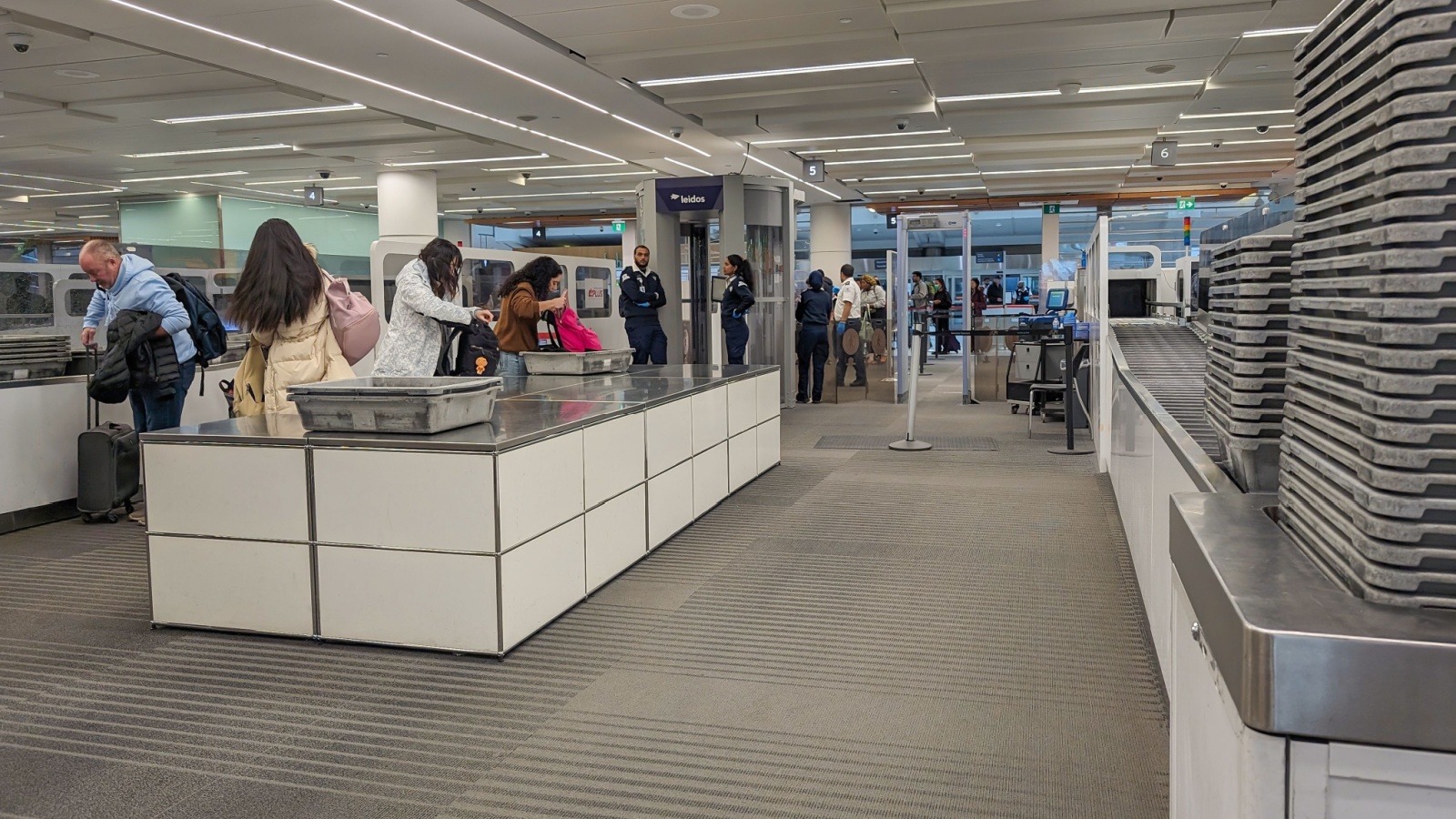
A half-empty full-size shampoo bottle can still fail at security. CATSA limits liquids, aerosols, gels, non-solid foods, and many personal-care products in carry-on baggage to containers of 100 mL or 100 g or less. Those containers must fit into one clear, closed, resealable plastic bag with a capacity of no more than one litre per passenger. The amount remaining inside a larger bottle does not shrink the container’s official capacity.
That distinction catches people because bathroom packing is usually done by eye. A nearly empty 250 mL sunscreen may feel like less than 100 mL, but the package is still too large for the standard carry-on rule. Toothpaste, lotion, hand sanitizer, maple syrup, yogurt, and similar gel-like or pourable items can all fall into the same screening logic. Decanting products into properly sized containers before leaving home is far easier than surrendering an expensive item at the checkpoint itself unnecessarily.
Some Powders Have a 350 mL Carry-On Limit
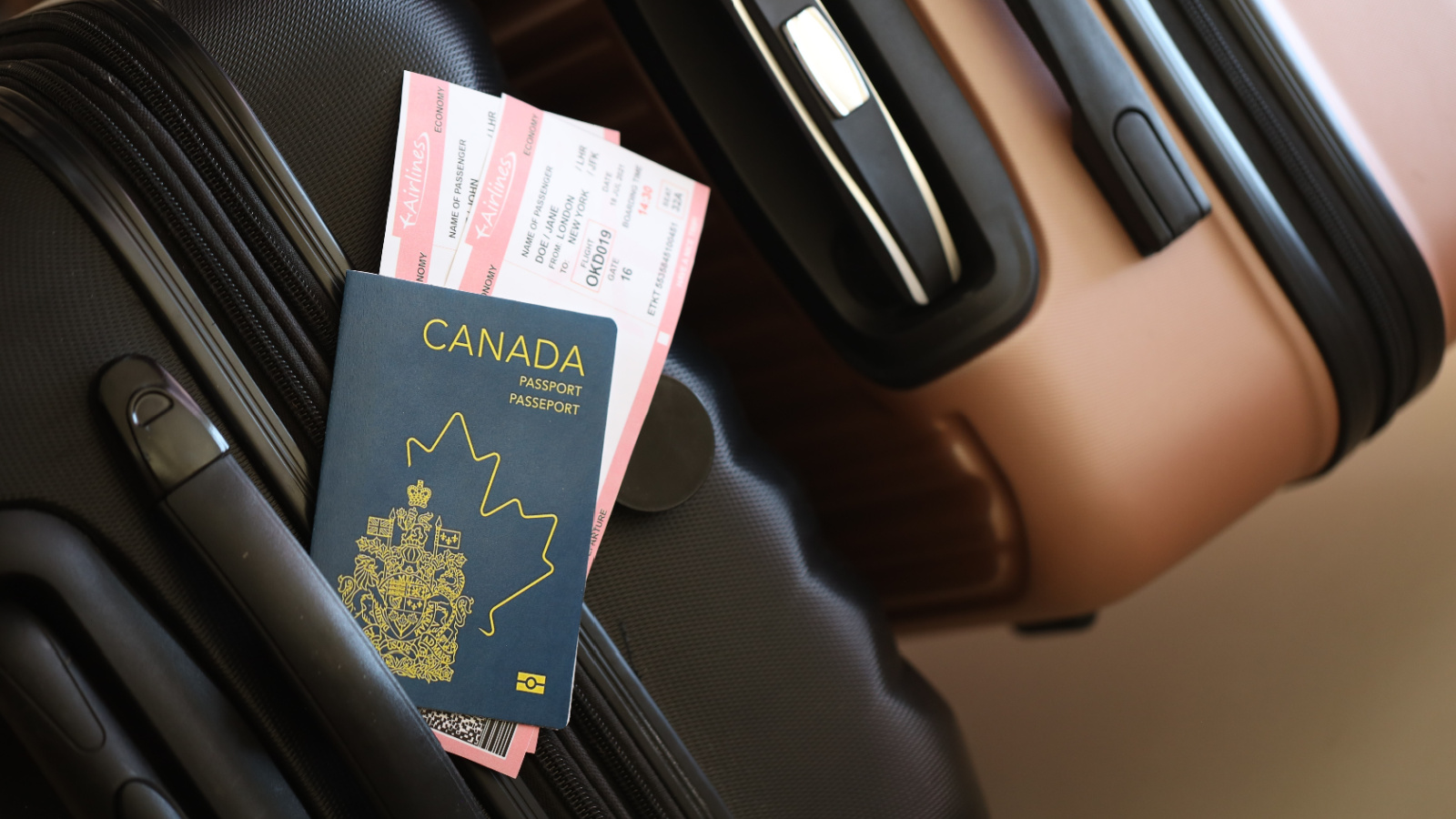
Liquids get most of the attention, but CATSA also places limits on certain powders and granular materials in carry-on baggage. Its packing guidance says items such as baby powder, inorganic baby formula, foot powder, some cooking powders and seasonings, and sand are limited to a combined total quantity of 350 mL or less in carry-on baggage. That can surprise travellers who assume only bottles and gels are measured.
The rule matters for more than cosmetics. Someone returning with a decorative container of sand, travelling with powdered supplements or seasonings, or packing a large talc container may be pulled into an avoidable repacking decision. Because powders are easy to overlook, they often remain buried deep in a cabin bag until screening. Checking CATSA’s “What Can I Bring?” database before packing unusual items is the practical move. If a powder is not needed during the flight, placing it in checked baggage can simplify the checkpoint experience.
Essential Medication Is an Exception to the Usual Liquid Limit

The standard 100 mL liquid rule does not mean travellers must squeeze essential medication into travel-size containers. CATSA allows prescription and essential non-prescription liquid or gel medication in quantities greater than 100 mL in carry-on baggage. These items should be presented separately for screening, and CATSA recommends proper labelling so officers can identify them more easily. Inhalers and diabetic supplies are also permitted.
This is one of the most useful exceptions to know before packing because medication is often safest and most practical in the cabin, where it remains accessible if checked baggage is delayed. A traveller carrying cough syrup, liquid prescription medicine, eye solution, or another medically necessary product should not assume it belongs in the one-litre toiletries bag. At the same time, destination-country drug rules can be stricter than Canadian screening rules. Airport security permission answers whether an item can pass the checkpoint; it does not automatically settle whether another country allows that medication to enter.
Power Banks and Spare Lithium Batteries Belong in the Cabin
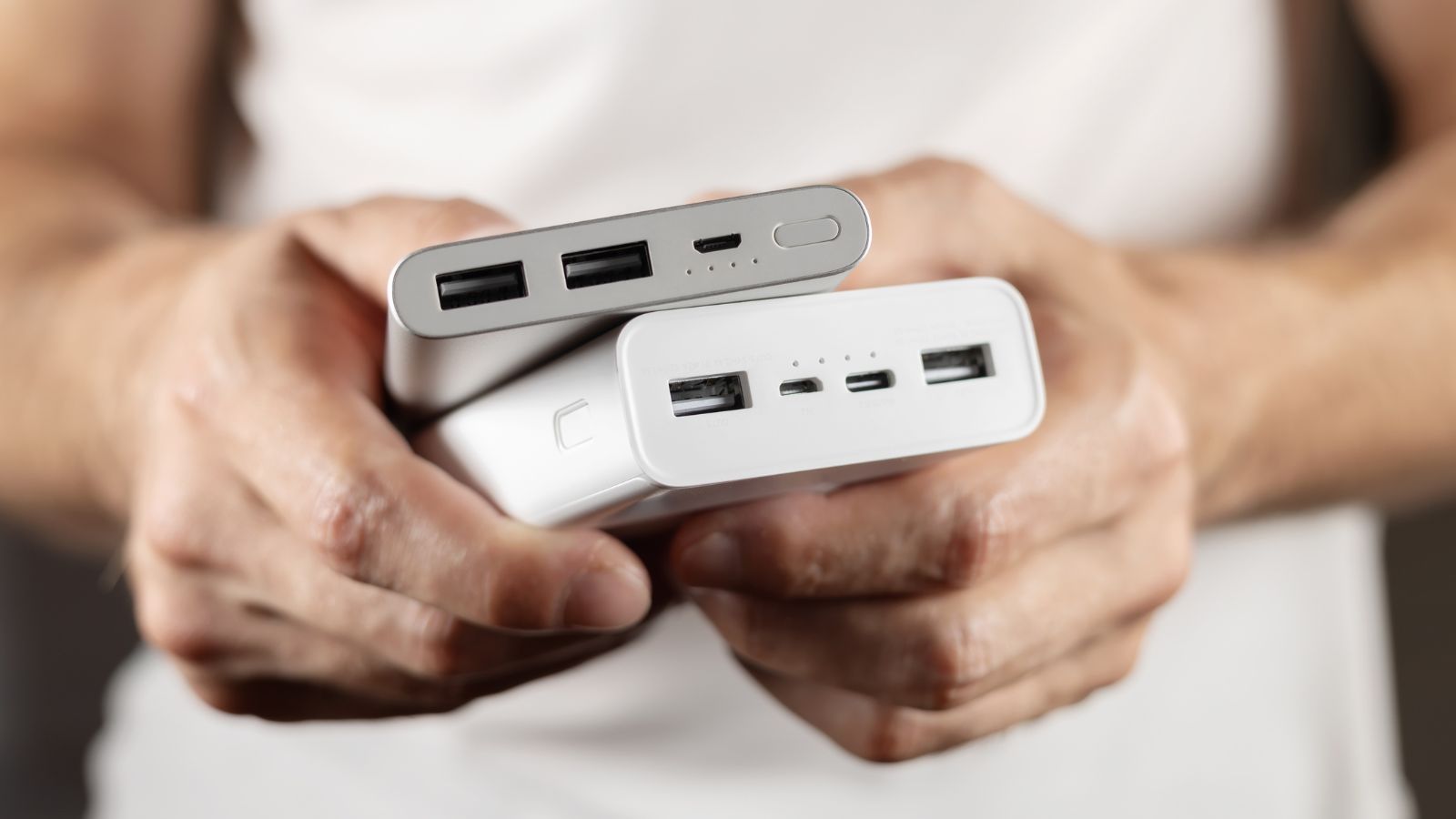
The power bank that keeps a phone alive on a long travel day should not disappear into a checked suitcase. Transport Canada states that spare lithium batteries, including power banks and battery-charging cases, must be carried in carry-on baggage rather than checked baggage. Terminals should be protected against short circuits, and damaged or recalled batteries should not be brought aboard. Airline-specific limits may also apply.
This rule becomes especially important when a carry-on bag is unexpectedly gate-checked. A passenger who packed a power bank in the side pocket can no longer simply hand over the bag and walk onto the aircraft; spare lithium batteries should be removed first and kept in the cabin. The reason is fire safety: a battery incident is far easier for crew to detect and address in the passenger compartment than in the cargo hold. Before leaving home, battery-powered gear deserves its own packing check rather than being treated like ordinary electronics.
E-Cigarettes Cannot Be Packed in Checked Baggage
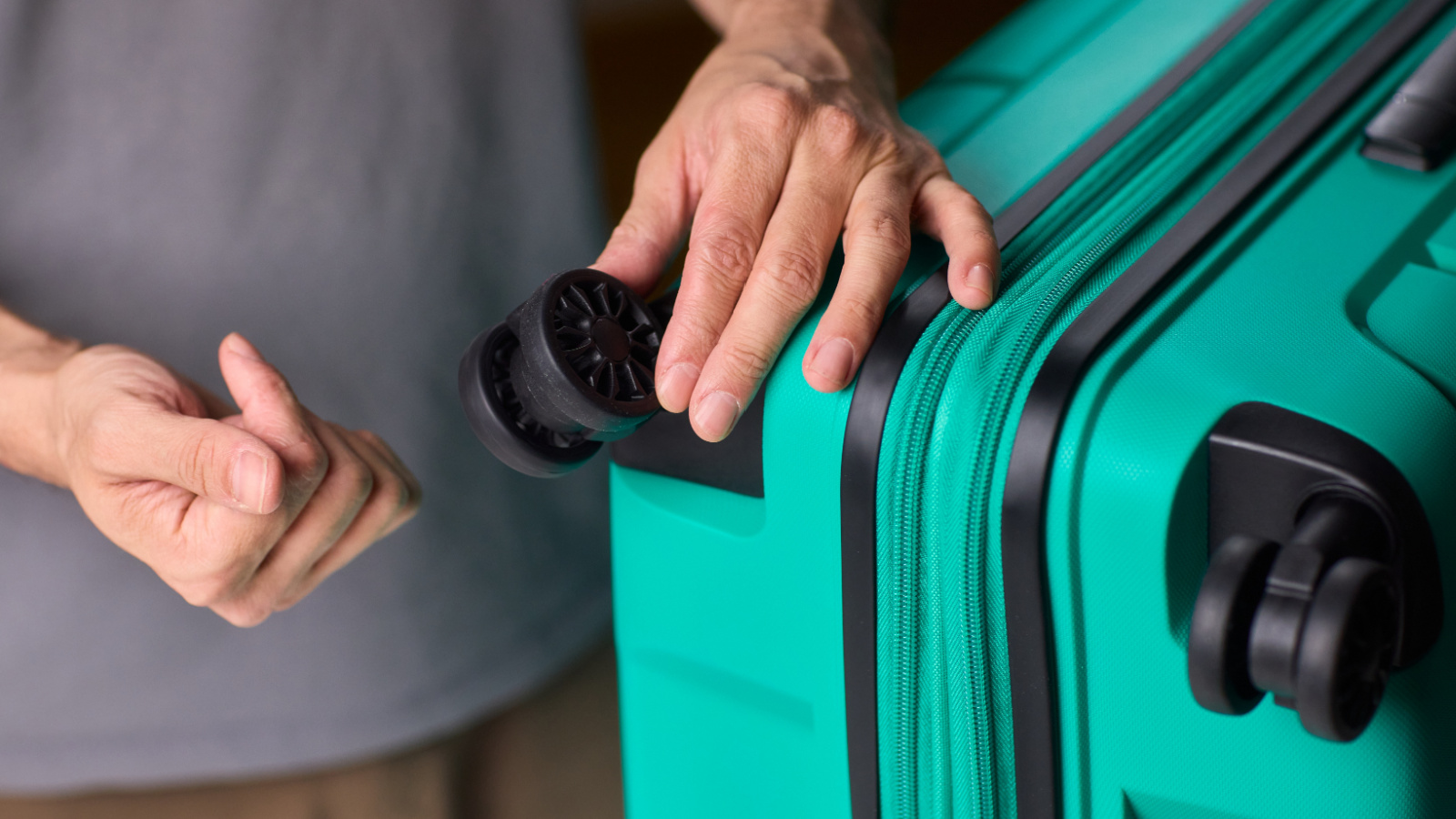
Vapes and e-cigarettes have a rule of their own. Transport Canada requires e-cigarettes to be carried in the aircraft cabin rather than checked baggage because accidental activation or battery overheating can create a fire risk. Spare batteries also belong in carry-on baggage and should be protected from short circuits. A traveller who casually drops a vape into a suitcase before bag drop may have to reopen and repack it.
This is an easy mistake because the device may look more like a personal item than dangerous goods. The airport consequence, however, can be disproportionate to its size: checked bags may be screened after the passenger has moved on, creating delays or requiring intervention if a prohibited item is found. Airline rules can impose additional restrictions on use or charging, and destination laws may regulate vaping products themselves. The sensible approach is to check both transport rules and local laws before travelling, rather than assuming a legal product in Canada is uncomplicated everywhere else.
Sharp-Object Rules Change on U.S.-Bound Flights

A small pocketknife can be treated differently depending on where the flight is going. CATSA permits some knives with blades of 6 cm or less in carry-on baggage on domestic and international non-U.S. flights, but knives of any type or length are not permitted in carry-on baggage on flights to the United States. Larger blades generally belong in checked baggage, while prohibited weapons are subject to separate rules.
That destination-specific distinction is exactly the kind of detail travellers remember only after a screening officer finds the item. Someone may have flown within Canada with a small multitool and assume the same packing choice will work on a Toronto-to-New York trip. It may not. Sporting equipment and tools can create similar problems, particularly when blades or heavy components are involved. CATSA’s searchable item database is more reliable than memory because the answer can depend on the object, its dimensions, and the destination.
Security Approval Does Not Equal Airline Baggage Approval
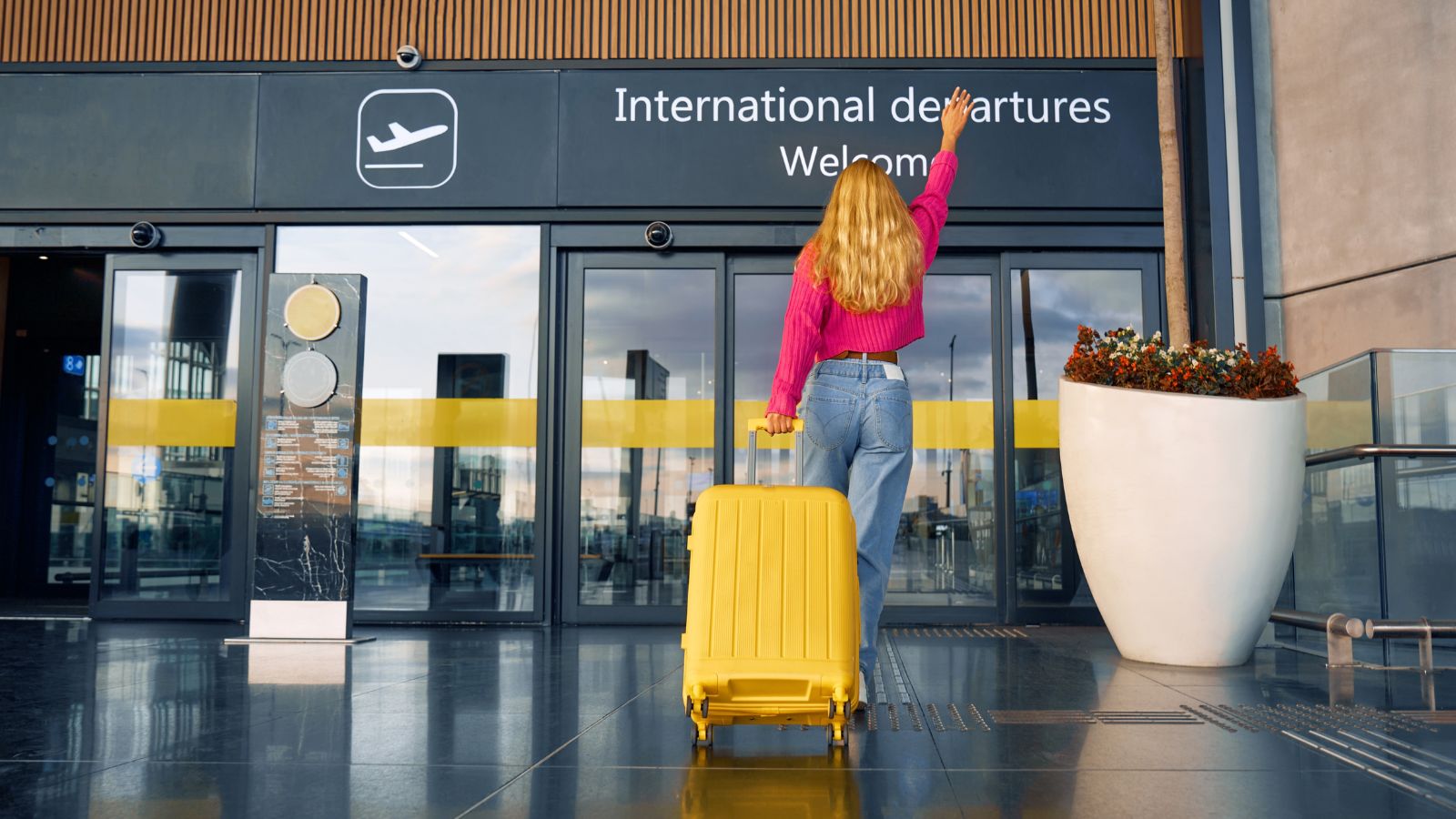
Passing CATSA rules is only one half of the carry-on question. CATSA explains what may pass through security, while airlines set their own limits for bag size, weight, number of pieces, and excess-baggage charges. Transport Canada permits up to two carry-on bags, but a carrier can apply more restrictive commercial rules depending on the fare, route, aircraft, or ticket conditions.
This separation explains a common airport argument: “security says it is allowed” does not mean the airline must accept it in the cabin. A backpack may contain nothing prohibited yet still be too large, too heavy, or outside the allowance attached to a low-cost fare. On multi-airline itineraries, baggage rules can be even less intuitive, although applicable allowances and fees should be disclosed with the ticket. Travellers should therefore check the operating carrier’s current baggage page after booking, not rely on what was permitted on a previous trip with another airline or fare type.
Duty-Free Liquids Need to Stay Sealed During Connections
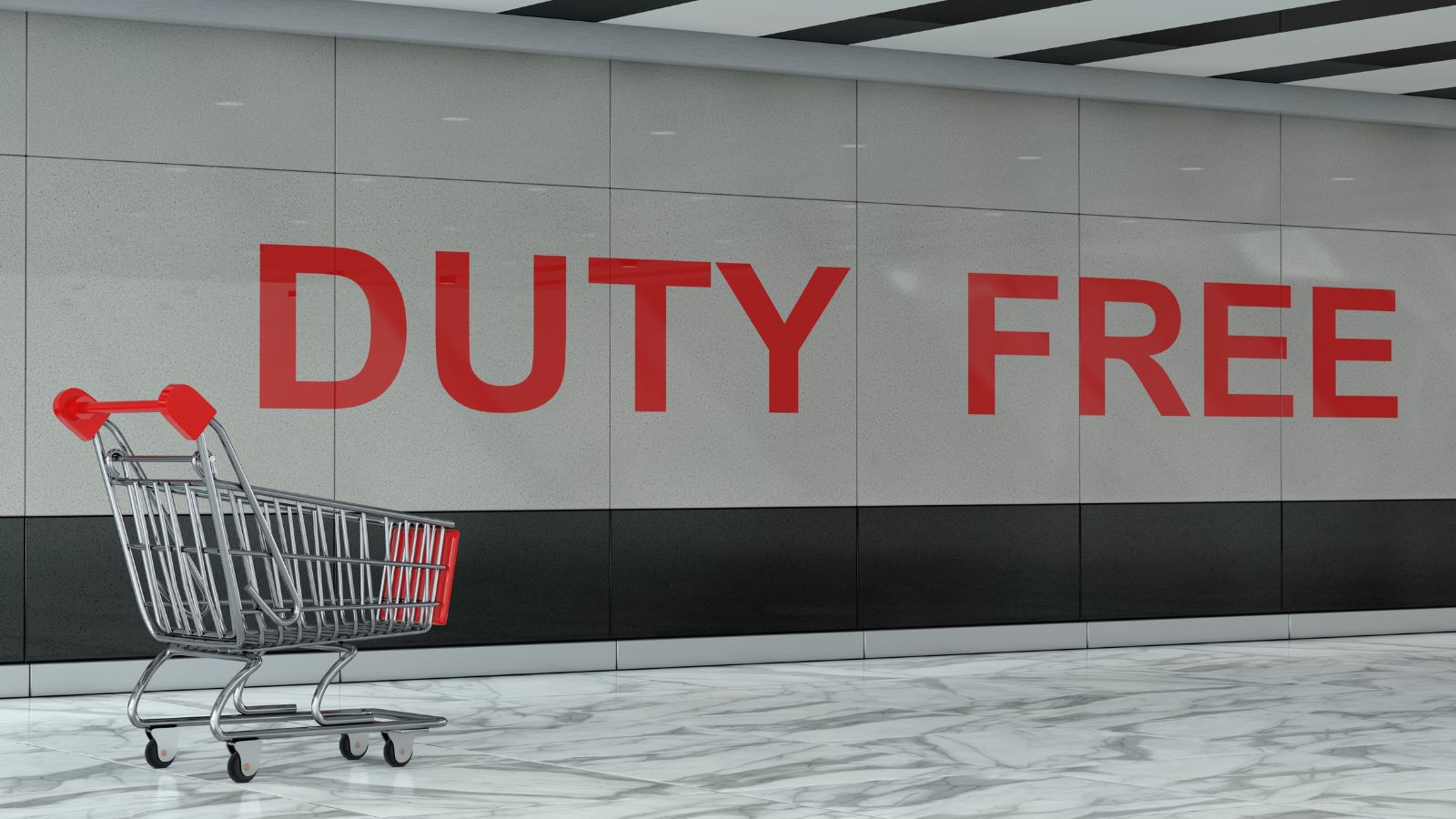
Duty-free shopping after security can create a false sense that liquid restrictions are finished for the day. For travellers connecting through a Canadian airport and passing security again, CATSA accepts duty-free liquids only when they are properly sealed in an official security bag and accompanied by the itemized receipt. Opening the bag before screening can make the purchase unacceptable, and CATSA says the official security bags are valid for two calendar days.
The classic example is a bottle bought abroad and carried through a Canadian connection. It may be perfectly legitimate at the first airport but become a problem after customs if the passenger opens the tamper-evident bag or discards the receipt. The safest move is almost boring: leave the package alone until the final destination. If a connection or transfer falls outside the security-bag conditions, travellers may need to place the liquid in checked baggage when permitted. A celebratory airport purchase is not exempt from the rules simply because it came from duty-free.
Legal Cannabis in Canada Cannot Simply Cross the Border

Canada’s domestic cannabis laws do not make cannabis an ordinary international travel item. The Government of Canada states that, unless specifically authorized by Health Canada and the relevant authorities, it is illegal to take cannabis or cannabis-containing products across the Canadian border, whether entering or leaving. That includes products containing cannabidiol, or CBD, and applies even when cannabis is for medical purposes.
The airport version of this mistake often begins with familiarity: an edible, oil, vape cartridge, or medical product has become so routine at home that it stays in a pocket or toiletry bag. At an international border, that assumption can have serious consequences. A destination may also impose penalties far more severe than Canada’s. Travellers should therefore treat the border itself as the dividing line, not the legality of possession in the province where the trip begins. Before an international flight, every bag and jacket pocket deserves a deliberate cannabis check.
Food, Plants and Animal Products Must Be Declared on Return

A sandwich, sausage, fruit, seed packet, wooden souvenir, or pet-related item can become a border issue when returning to Canada. CBSA says travellers must declare food, plant, animal, and related products when entering the country, whether or not they believe the item is permitted. The requirement exists because these goods can carry pests and diseases, and admissibility can depend on the product and country of origin.
This is where travellers sometimes confuse “declare” with “admit guilt.” Declaring an item does not automatically mean it will be confiscated; it gives border officers the information needed to decide whether it can enter. Failing to declare can lead to seizure and penalties. The practical rule is to declare when in doubt, including homemade foods and seemingly harmless natural souvenirs. A small bag of fruit from a flight lounge can be forgotten in a backpack just as easily as an expensive specialty food purchased overseas, but both still matter at the border.
CAN$10,000 or More Must Be Reported at the Border

Carrying a large amount of money is not itself illegal in Canada, but the reporting rule is strict. CBSA requires travellers entering or leaving Canada to declare currency and monetary instruments with a total value of CAN$10,000 or more. The threshold can include Canadian or foreign cash, cheques, money orders, bank drafts, and combinations of these instruments.
The airport detail is particularly important on departure. CBSA says a traveller leaving Canada by air with reportable currency or monetary instruments must report to the CBSA office at the airport before clearing security. That is easy to miss because most passengers associate customs declarations with arrival, not departure. Someone travelling with funds for a property transaction, family event, business purpose, or extended trip should not wait until the gate to ask what to do. The money is not banned; the failure to report it is the problem. Planning the declaration step before joining the security queue prevents an avoidable scramble.
Advance Declaration Is Optional, but It Can Save Time
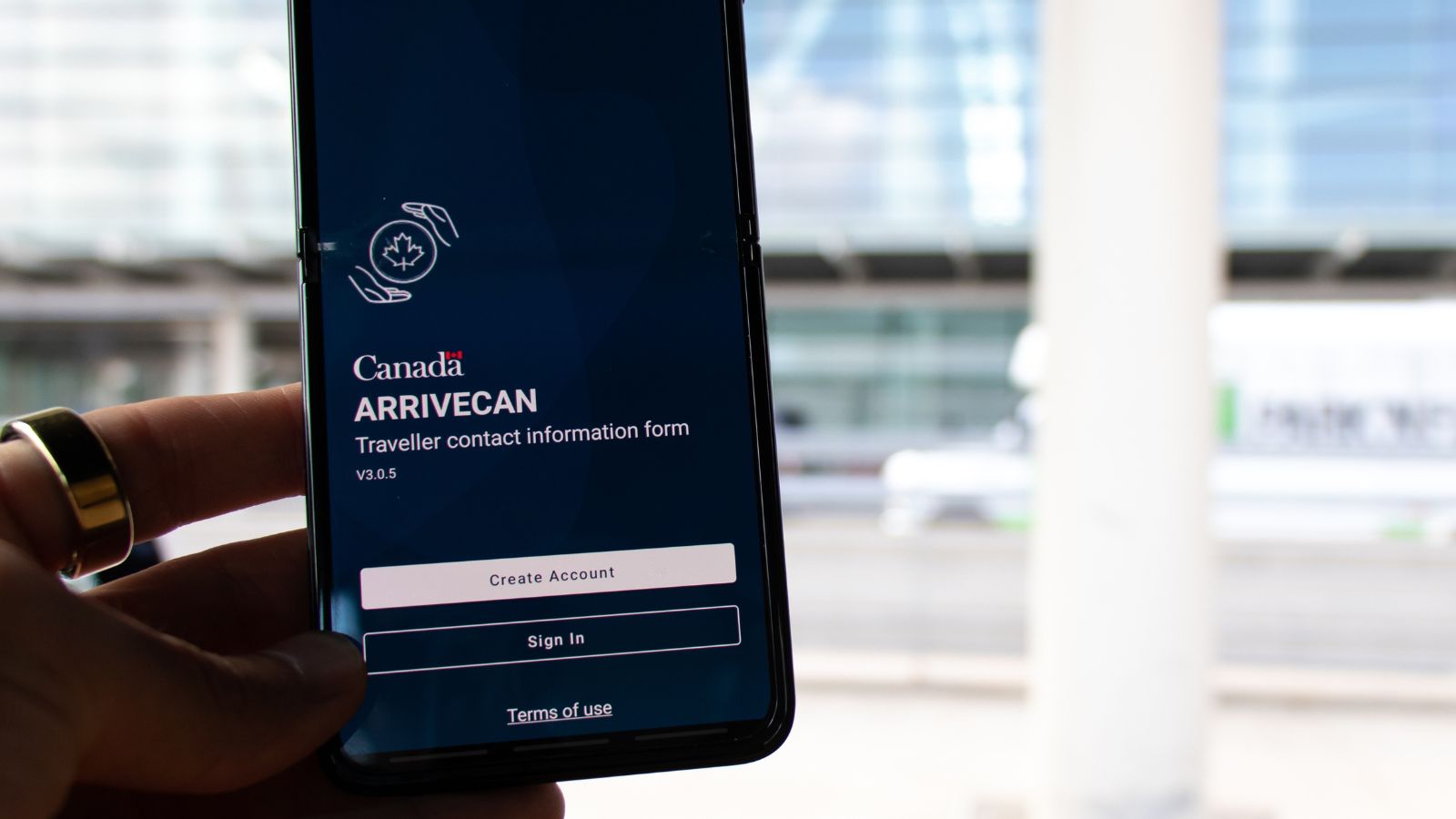
Travellers flying back to Canada can prepare their customs and immigration declaration before landing. CBSA’s Advance Declaration feature, available through ArriveCAN at participating airports, allows eligible travellers to submit information up to 72 hours before arrival. It is optional, not a general requirement for entering Canada, but CBSA says using it can reduce the time spent at an airport kiosk or eGate.
This is worth remembering because old memories of pandemic-era ArriveCAN requirements can cause confusion. The current useful feature is a voluntary pre-arrival declaration, not a blanket rule that every returning traveller must use the app. CBSA lists participating airports, so availability should be checked for the specific itinerary. For a family arriving after an overnight flight, completing the declaration in advance can remove one small piece of terminal administration. It will not eliminate border processing, but it can make the arrival sequence more predictable and reduce the amount of information that must be entered while tired.
Children Travelling Without Both Parents Should Carry Consent Documentation
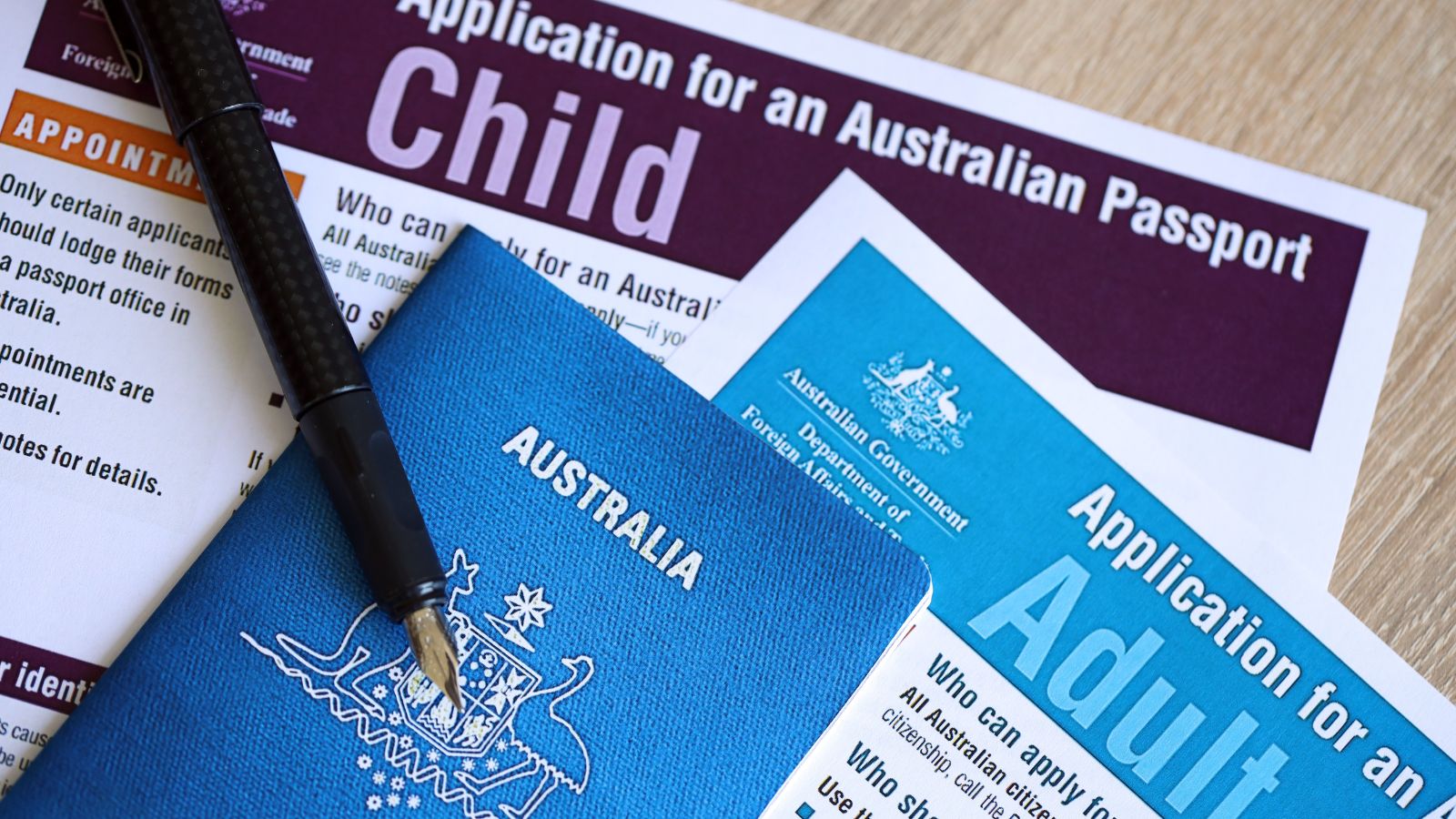
A child’s passport may not be the only document that matters on an international trip. The Government of Canada recommends a consent letter when a child travels abroad without both parents or all legal guardians. Border officials or airline staff may ask for evidence that the non-accompanying parent or person with decision-making responsibility agrees to the trip, even in some situations where a parenting arrangement already addresses travel.
The letter is especially relevant for solo parents, grandparents, relatives, school groups, and children travelling alone. It can help explain the travel arrangement before questions become delays. Global Affairs Canada provides a sample form, and families may also need supporting documents depending on custody arrangements or the destination’s own entry rules. The important distinction is that a consent letter is generally recommended Canadian practice, while another country may impose its own mandatory documentation. Families should check both Canadian guidance and destination requirements well before airport day rather than treating the child’s passport as the complete file.
Not Every Child Seat Is Approved for Use on an Aircraft
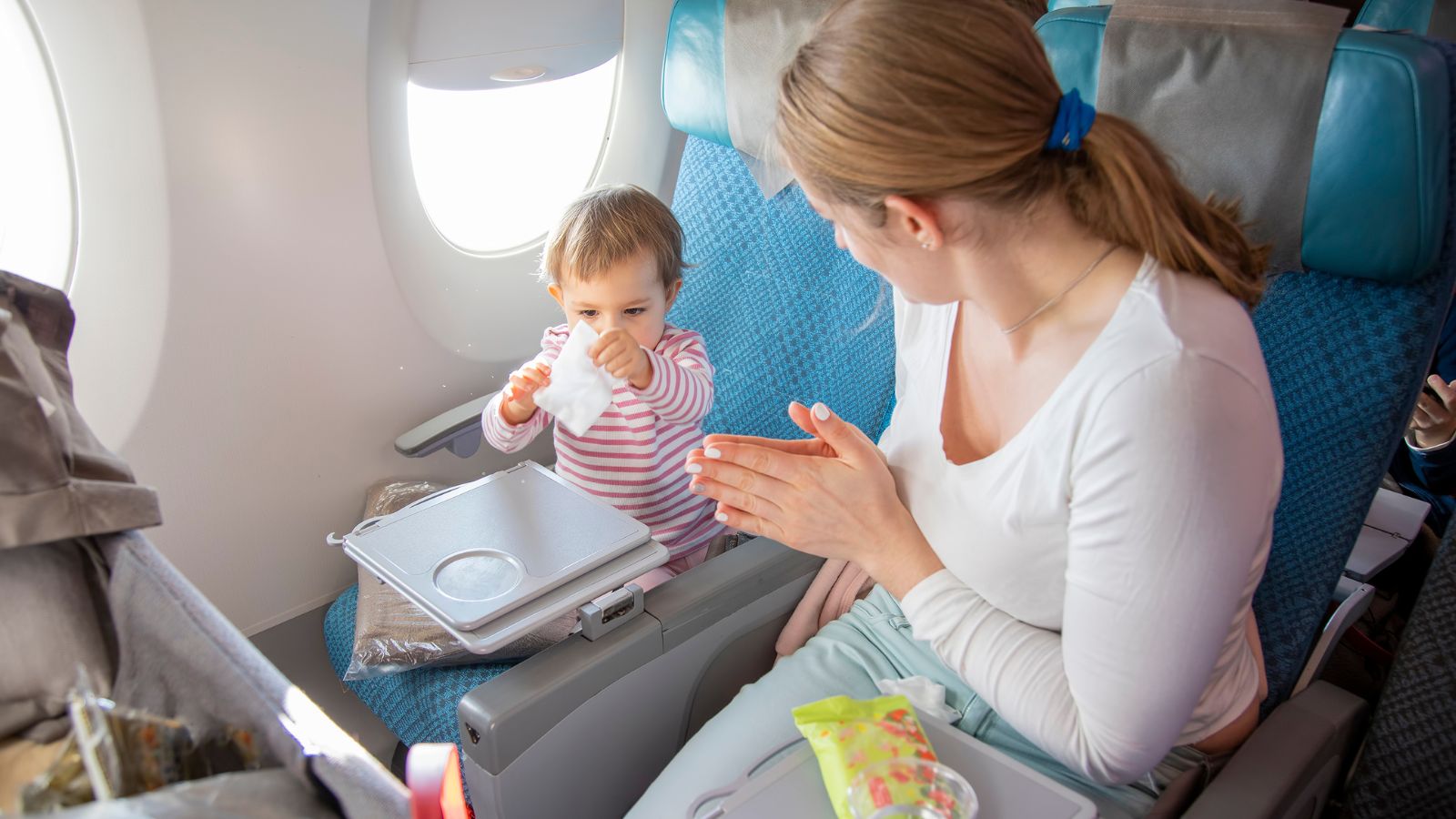
Parents who bring a familiar car seat for a flight need to check more than whether it fits through the airport doors. Transport Canada highly recommends an approved child restraint system for young children, but a seat intended for aircraft use must carry a compliance label showing that it meets the applicable design standard. Booster seats, belly belts, and several other restraint devices are not approved for use as child restraint systems on aircraft.
This can become a frustrating gate-side discovery after a parent has hauled a bulky device through the terminal expecting to use it onboard. Airline policies still matter as well, including seat placement and installation requirements. Children under two may be held by an adult in some circumstances, but Transport Canada’s safety guidance favours an approved restraint. Before travel, parents should inspect the car seat label, confirm the airline’s policy, and understand how the seat installs with an aircraft lap belt. Familiar equipment is useful only when the aircraft rules allow it to be used.
Alcohol Has Different Limits in Carry-On and Checked Bags

A bottle of wine or spirits is not treated like an ordinary solid souvenir. Outside the duty-free exception, CATSA applies the standard 100 mL liquid rule to alcohol in carry-on baggage. Checked baggage is more flexible, but alcohol strength matters: beverages above 70% alcohol by volume are not permitted, while alcoholic beverages between 24% and 70% are limited to five litres per person. Beverages at 24% alcohol or less are not subject to that quantity limit under CATSA’s dangerous-goods guidance.
That means packing decisions depend on both size and strength. A standard wine bottle cannot simply be carried through pre-board screening from home, while a high-proof spirit may face restrictions even in a checked suitcase. Travellers also need to consider customs allowances and destination import rules separately from aviation security. The airport lesson is that “sealed bottle” is not a universal exemption. Checking the label for volume and alcohol percentage before packing can prevent an expensive bottle from becoming an airport disposal problem.
16 Costco Canada Habits That Could Be Costing Shoppers More Than They Save

The Executive Membership can feel like an obvious upgrade because the 2% annual reward sounds straightforward. For households that spend heavily at Costco Canada, the extra fee may be easy to justify. But the habit becomes costly when shoppers upgrade first and calculate later. A Gold Star Membership costs less, while Executive costs more and only pays off if eligible annual spending is high enough to offset the difference.
16 Costco Canada Habits That Could Be Costing Shoppers More Than They Save
This Options Discord Chat is The Real Deal
While the internet is scoured with trading chat rooms, many of which even charge upwards of thousands of dollars to join, this smaller options trading discord chatroom is the real deal and actually providing valuable trade setups, education, and community without the noise and spam of the larger more expensive rooms. With a incredibly low-cost monthly fee, Options Trading Club (click here to see their reviews) requires an application to join ensuring that every member is dedicated and serious about taking their trading to the next level. If you are looking for a change in your trading strategies, then click here to apply for a membership.