35,000+ smart investors are already getting financial news, market signals, and macro shifts in the economy that could impact their money next with our FREE weekly newsletter. Get ahead of what the crowd finds out too late. Click Here to Subscribe for FREE.
Small money leaks rarely feel dangerous in the moment. A few dollars in fees, one skipped bill review, a forgotten subscription, or a rushed grocery trip can seem harmless beside rent, mortgage payments, insurance, and taxes. But in Canadian households already managing higher living costs, small financial habits can quietly become expensive patterns.
Here are 21 small financial mistakes that add up fast for Canadians—the everyday oversights that can drain budgets, increase debt, reduce savings, and create avoidable stress. Most are not dramatic mistakes. They are ordinary, repeatable decisions that become costly because they happen monthly, weekly, or even daily.
Paying Only the Minimum on Credit Cards
21 Small Financial Mistakes That Add Up Fast for Canadians
- Paying Only the Minimum on Credit Cards
- Ignoring Monthly Bank Account Fees
- Letting Subscriptions Renew Unchecked
- Missing Payment Due Dates by a Few Days
- Keeping Too Much Cash in a No-Interest Account
- Forgetting About NSF and Overdraft Costs
- Buying Groceries Without a Plan
- Paying Convenience Fees Without Noticing
- Using Out-of-Network ATMs
- Overlooking Foreign Transaction Charges
- Taking Cash Advances From Credit Cards
- Not Comparing Insurance Renewals
- Skipping Maintenance Until It Becomes Urgent
- Paying for Unused Data, Channels, or Phone Features
- Letting Loyalty Points Expire or Go Unused
- Over-Contributing to a TFSA
- Missing RRSP Planning Opportunities
- Ignoring Small Tax Credits and Deductions
- Shopping Sales Without Calculating Real Need
- Relying on Payday or High-Cost Loans for Small Gaps
- Forgetting to Cancel Free Trials
- 19 Things Canadians Don’t Realize the CRA Can See About Their Online Income
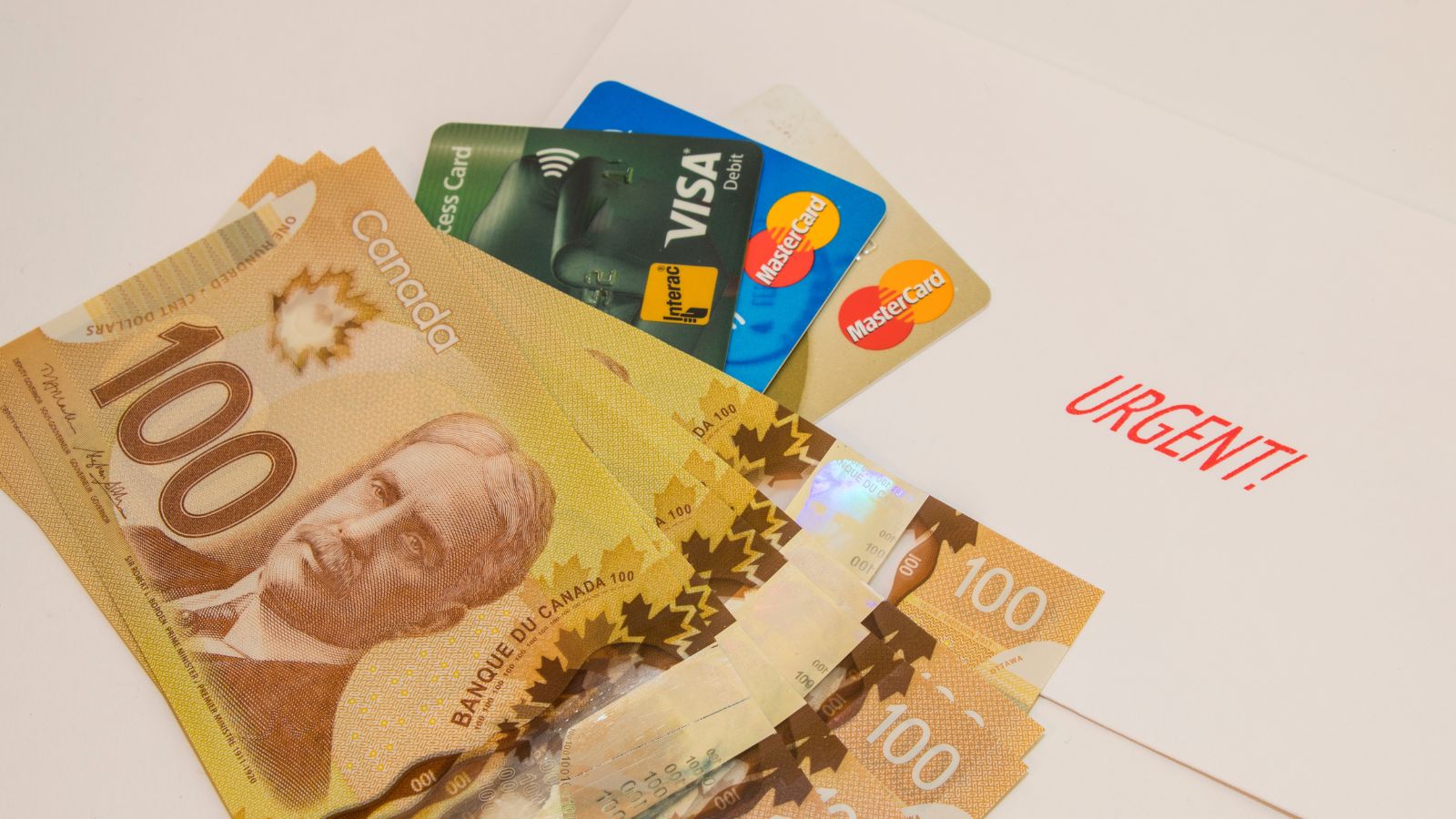
Credit card minimum payments can make a balance feel manageable, but they often stretch repayment far longer than expected. A Canadian carrying a few thousand dollars at a typical card interest rate may feel progress after every payment, yet most of that payment can go toward interest rather than the original purchase. The danger is psychological: the account remains open, the card still works, and the balance becomes background noise.
A common example is a household that puts car repairs or holiday spending on a card and then pays only the minimum while continuing to use it for groceries or gas. The balance stops looking like one emergency and starts acting like a permanent bill. Over time, small purchases made on high-interest credit can cost far more than their shelf price, especially when payments arrive late or new spending continues before the old balance is cleared.
Ignoring Monthly Bank Account Fees

A monthly chequing account fee may look minor beside a mortgage or rent payment, but it can become a quiet annual expense. Many Canadian banks charge monthly fees unless a minimum balance is maintained or the account is bundled with other products. A $10 to $17 monthly charge can turn into well over $100 a year, even before transaction charges, overdraft fees, or paper statement fees are considered.
The mistake is often inertia. Someone opens an account as a student, keeps it for years, and never checks whether a lower-cost option fits their current banking habits. A person who rarely uses branches may not need a premium package. Another who maintains a steady balance may qualify for a fee waiver but forget to ask. The money is not lost all at once, which is why it rarely causes alarm. It simply disappears from the account on schedule.
Letting Subscriptions Renew Unchecked

Streaming services, cloud storage, app memberships, meal kits, fitness platforms, and news subscriptions can quietly multiply. Each one may feel affordable alone, but the combined total can surprise Canadians when several renew within the same billing cycle. The problem is especially common when free trials convert automatically or when annual plans renew after the original purchase has long been forgotten.
The financial damage is not only the fee itself. It is the lack of visibility. A household may cut restaurant spending while leaving five unused digital services active. A student may keep paying for an app tied to an old email address. A family may pay for overlapping entertainment platforms because each person signed up separately. Reviewing card statements every month can reveal “small” renewals that have become part of the budget without earning their place.
Missing Payment Due Dates by a Few Days

A late payment does not need to be large to become expensive. Credit card issuers, lenders, telecom providers, utilities, and insurance companies may apply late charges, interest, or service consequences when payments are missed. More importantly, repeated missed payments can affect a borrower’s credit profile, making future borrowing more expensive or harder to access.
This mistake often happens during busy weeks, not financial crises. A bill arrives by email, gets buried under promotions, and is remembered after the due date. A person changes banks and forgets to update automatic payments. A household assumes payday will arrive before the withdrawal, but the timing is off by one day. Calendar reminders, automatic payments, and keeping a small buffer in the account can prevent a tiny scheduling error from turning into a repeated penalty.
Keeping Too Much Cash in a No-Interest Account

Cash needs to be accessible for bills and emergencies, but leaving large amounts in a no-interest chequing account can reduce purchasing power over time. When prices rise, idle money buys less unless it earns something. Many Canadians keep savings in the same account as day-to-day spending because it feels simple, yet that convenience can mean missing out on interest from high-interest savings accounts, cashable GICs, or other low-risk options.
This is not about chasing risky returns with emergency money. It is about matching money to its purpose. Rent due next week belongs in cash. A three-month emergency fund may still need liquidity, but it does not necessarily need to sit in an account earning nothing. A family saving for property taxes, insurance, or tuition can often separate those funds and earn modest interest while keeping them available. Small missed interest becomes meaningful when balances stay idle for years.
Forgetting About NSF and Overdraft Costs

Non-sufficient funds and overdraft charges usually come from timing mistakes, not reckless spending. A pre-authorized payment may hit before a paycheque clears, or an annual insurance withdrawal may arrive earlier than expected. Historically, these charges could be painful for people already short on cash, and even with newer limits on NSF fees at federally regulated banks, repeated incidents still create avoidable costs and stress.
The bigger issue is that one failed payment can trigger a chain reaction. A missed insurance payment may need manual correction. A rent transfer may require an explanation. A subscription may retry several times. A small buffer account, low-balance alerts, and a list of pre-authorized withdrawals can reduce the risk. The mistake is not having a perfect bank balance every day; it is assuming automatic payments will always line up with income without active tracking.
Buying Groceries Without a Plan

Food inflation has made grocery habits more important in Canada. Shopping without a list can lead to duplicate items, impulse snacks, forgotten staples, and meals that do not fit together. A cart filled with “good deals” can still produce a high bill if the purchases do not become actual meals. The cost grows when food expires before it is used or when missing ingredients lead to takeout anyway.
A practical example is buying fresh vegetables, meat, and specialty sauces with good intentions, then losing half the produce in the fridge by Friday. Another is making several small grocery runs each week, each one adding a few unplanned items. Planning does not need to be rigid. Even a loose three-meal plan, a pantry check, and a rule for using leftovers can prevent money from turning into waste. The savings come from fewer surprises, not from perfect frugality.
Paying Convenience Fees Without Noticing

Convenience fees, service fees, booking fees, delivery fees, and processing charges can make a listed price misleadingly low. The Competition Bureau has warned about drip pricing, where mandatory charges appear late in the buying process. Canadians may see this when buying event tickets, booking travel, ordering delivery, or paying bills by credit card through third-party processors.
The mistake is treating checkout as a formality. A $3 fee on a small bill may not matter once, but repeated across parking, tickets, food delivery, and online orders, it becomes a category of spending. A family planning a night out may compare ticket prices but overlook mandatory online fees. A tenant may pay rent through a platform that adds a card charge. Slowing down before clicking “confirm” can reveal whether the convenience is worth the extra cost or whether another payment method avoids the fee.
Using Out-of-Network ATMs
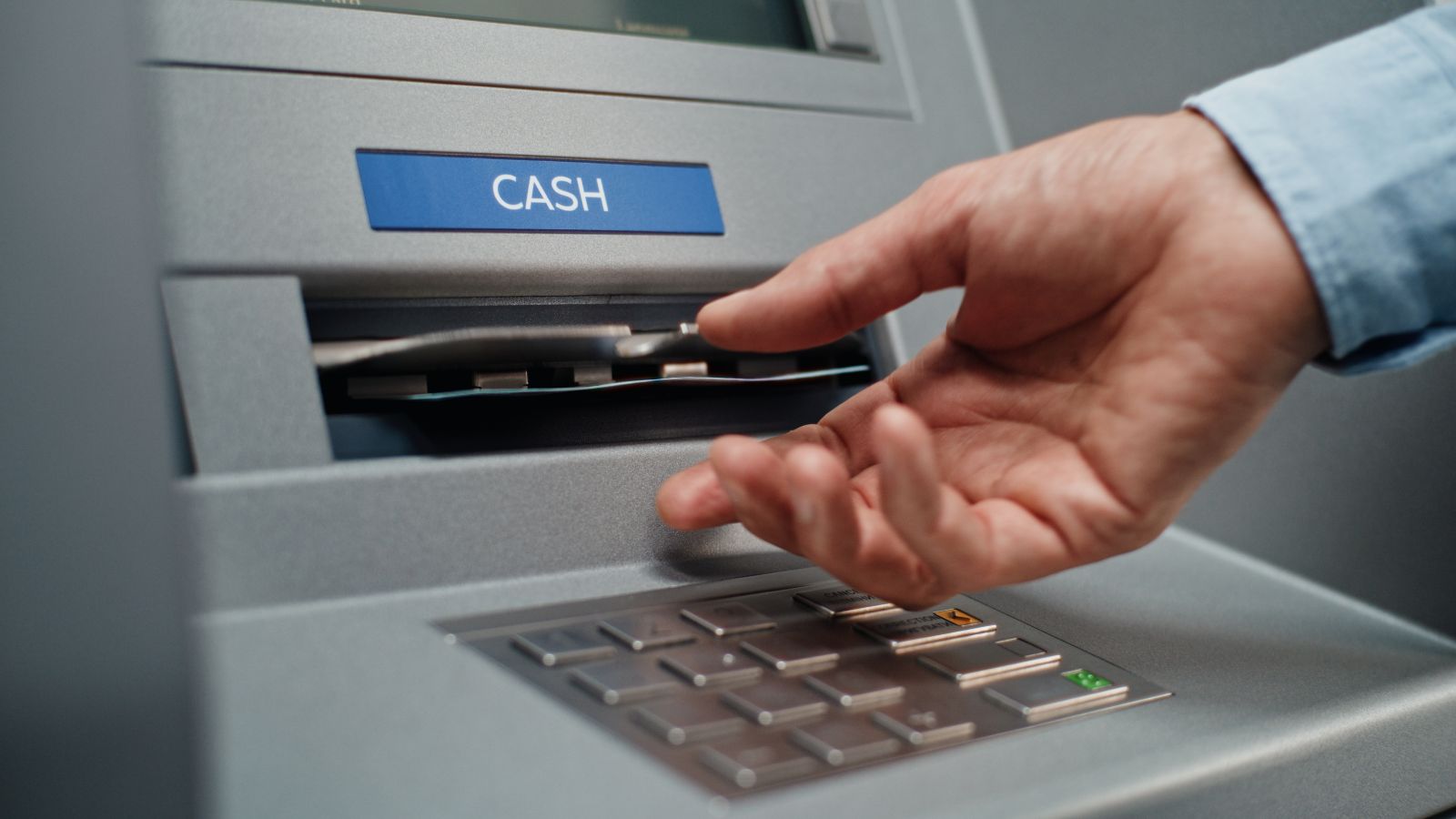
ATM fees are easy to justify in the moment, especially when cash is needed quickly. The cost may come from the machine operator, the cardholder’s bank, or both. A single withdrawal can carry multiple small charges, and the smaller the withdrawal, the larger the fee becomes as a percentage of the cash received. Taking out $40 and paying several dollars in fees is effectively an expensive short-term convenience.
This mistake often happens during travel, nights out, festivals, or visits to small businesses that prefer cash. The person withdrawing money is usually focused on the immediate need, not the fee disclosure screen. Planning ahead helps: withdrawing cash from the home bank before an event, using debit where available, or choosing accounts with broader ATM access can keep a small habit from becoming a needless annual drain.
Overlooking Foreign Transaction Charges

Canadians who shop online from international retailers or travel outside the country may face foreign transaction charges on credit cards. These charges can apply even when a website displays Canadian dollars, depending on how the transaction is processed. Currency conversion spreads can also make the final cost higher than expected. The difference may be small on one purchase, but it adds up across travel bookings, subscriptions, clothing orders, and app payments.
The mistake is assuming the displayed price is the final financial impact. A traveller may compare hotel rates carefully, then use a card that adds a foreign transaction fee to every meal and museum ticket. An online shopper may buy from a U.S. merchant because the sticker price looks lower, only to pay more after conversion, shipping, duties, and fees. Checking card terms and using appropriate travel payment tools can prevent cross-border spending from becoming quietly inflated.
Taking Cash Advances From Credit Cards
A credit card cash advance can look like a quick solution, but it is one of the more expensive ways to access money. Unlike regular purchases, cash advances often start accruing interest immediately and may include a separate fee. They can also carry a higher interest rate than purchases. For someone already short on cash, the repayment burden can grow quickly.
The pattern often begins with a small emergency: a debit card problem, rent due before payday, or cash needed for a service provider. The amount borrowed may not seem large, which makes the choice feel harmless. But a cash advance can become a bridge to the next shortfall rather than a one-time fix. Lower-cost alternatives, such as an emergency fund, a line of credit, or a payment arrangement, are usually worth exploring before turning a credit card into cash.
Not Comparing Insurance Renewals
Insurance renewals for auto, home, tenant, and life coverage can rise quietly. Many Canadians allow policies to renew automatically because switching feels tedious or because the monthly payment still fits the budget. But premiums can change due to claims history, location, replacement costs, vehicle type, market conditions, and insurer pricing models. A small monthly increase can become significant over a full year.
The mistake is treating renewal documents as paperwork instead of a negotiation point. A driver may keep the same coverage long after a vehicle’s value has changed. A renter may forget to update belongings coverage. A homeowner may miss discounts for bundling, security systems, higher deductibles, or loyalty alternatives. Comparing quotes annually does not guarantee savings, but it reveals whether the current price still makes sense. Even a modest premium reduction can free up cash every month.
Skipping Maintenance Until It Becomes Urgent

Delaying maintenance can feel like saving money, but it often turns manageable costs into larger repairs. This applies to cars, appliances, furnaces, plumbing, dental care, and even winter gear. A small leak, worn tire, overdue oil change, or neglected furnace filter may not demand attention immediately. The bill arrives later, usually when the problem becomes harder to ignore.
For Canadians, seasonal conditions can make this mistake especially costly. A vehicle with weak tires may be more expensive and less safe during winter. A furnace problem ignored in autumn can become an emergency call during a cold snap. A minor dental issue can become a root canal. Budgeting for maintenance is less exciting than saving for a vacation, but it protects the larger assets households rely on. The mistake is confusing postponed spending with avoided spending.
Paying for Unused Data, Channels, or Phone Features

Telecom bills are full of small choices that can outlive their usefulness. A mobile plan may include more data than a person uses, especially after a job change or a shift to working from home. A TV package may include channels nobody watches. A home internet plan may exceed the household’s real speed needs. Because these services are billed automatically, the mismatch can continue for years.
The opposite problem can also be costly: a plan that is too small may trigger overage charges or roaming add-ons. The CRTC’s Wireless Code includes protections around roaming and overage limits, but consumers still benefit from matching plans to actual use. Reviewing usage history before renewing or upgrading can reveal whether the household is paying for comfort, fear, or genuine need. A 20-minute review can turn a recurring bill into a better-fit expense.
Letting Loyalty Points Expire or Go Unused

Loyalty points can be useful, but they are not savings until they are redeemed wisely. Canadians often collect grocery, gas, travel, or credit card rewards and then forget about them, redeem them poorly, or allow accounts to become inactive. Points can lose value when programs change redemption rates, limit availability, or alter partner rules. The longer points sit unused, the more uncertainty surrounds their future value.
The mistake is treating points like a guaranteed investment. A household may have enough grocery points to offset a week’s shopping but continue paying cash during a tight month. A traveller may save airline points for a “perfect” trip, only to find fees, blackout dates, or devaluations reduce their usefulness. Rewards should support spending already planned, not encourage extra purchases. Used strategically, they can soften real bills; ignored, they become a fragile promise.
Over-Contributing to a TFSA
The Tax-Free Savings Account is one of Canada’s most flexible savings tools, but contribution-room mistakes can be costly. Withdrawals create new room only in the next calendar year, not immediately. Someone who withdraws money and recontributes it too soon can accidentally exceed their limit. CRA records may also lag behind financial institution activity, so relying only on an online estimate can create confusion.
This mistake often affects people who use a TFSA like a regular savings account. A person may move money in and out for a car repair, vacation, or down payment, then replace it in the same year without checking room. The account still looks ordinary, but the tax rules are specific. Keeping a simple contribution spreadsheet or confirming transactions with each institution helps prevent an account designed for tax-free growth from generating avoidable penalties.
Missing RRSP Planning Opportunities
RRSP contributions can reduce taxable income, but poor timing or lack of planning can reduce their usefulness. Some Canadians rush to contribute near the deadline without considering their income, tax bracket, employer pension, cash-flow needs, or whether a TFSA would be more flexible. Others miss the deadline entirely and lose the chance to apply a deduction to the prior tax year.
The mistake is seeing the RRSP as a last-minute tax move rather than part of a yearly plan. A worker expecting a higher income next year may benefit from carrying forward a deduction. Someone with high-interest debt may need to address that first. A parent trying to manage benefits and credits may need to understand how taxable income affects other calculations. RRSPs can be powerful, but the small mistake is making contributions automatically without checking whether the timing and amount fit the broader financial picture.
Ignoring Small Tax Credits and Deductions

Small tax items can be easy to overlook: medical expenses, charitable donations, moving expenses in eligible situations, union or professional dues, tuition amounts, interest on student loans, and home office rules when applicable. Each item may not transform a return on its own, but together they can affect refunds or balances owing. Canadians who file quickly without gathering receipts may leave money unclaimed.
The human side is familiar. A shoebox of pharmacy receipts gets tossed during spring cleaning. A donation receipt stays in an email folder. A professional membership fee is paid by card and forgotten by tax season. Tax software can only help when the information is entered accurately. Keeping a yearly digital folder for receipts and reviewing CRA guidance before filing can turn scattered paperwork into legitimate savings.
Shopping Sales Without Calculating Real Need

A sale can save money only when the purchase was needed or was already planned. Discounts often encourage Canadians to buy extra clothing, electronics, pantry items, cosmetics, or home goods because the price appears temporary. The problem is that the “savings” are measured against a price that may never have been worth paying. A half-price item still costs money if it sits unused.
This mistake becomes common during seasonal promotions, Black Friday events, Boxing Day sales, and grocery multi-buy offers. A shopper buys three items to unlock a discount, then uses only one. A household upgrades a device because the monthly financing looks small, not because the old one failed. A better test is simple: would the item still be purchased without the sale sign? If not, the discount may be a spending trigger rather than a saving opportunity.
Relying on Payday or High-Cost Loans for Small Gaps

Short-term loans can seem practical when the gap is small and urgent. A bill is due, the car needs gas, or groceries cannot wait until payday. But payday and high-cost loans can carry fees and interest that make repayment difficult, especially when the next paycheque is already committed to rent, food, transportation, and debt payments. The result can be a cycle where each loan creates the need for another.
The mistake is underestimating how expensive a small emergency can become when financed at a high cost. A $200 shortfall is not just $200 if fees, interest, and rollover pressure enter the picture. Canadians facing repeated gaps may benefit more from negotiating due dates, asking about hardship options, using lower-cost credit, or building a small emergency cushion. The best solution is not always available immediately, but recognizing the true cost is a crucial first step.
Forgetting to Cancel Free Trials

Free trials are designed to reduce hesitation. They can be helpful when someone genuinely wants to test a service, but they become expensive when cancellation depends on memory. A trial for software, streaming, fitness, language learning, or delivery can roll into a monthly or annual charge before the user has decided whether it is worth keeping. The charge may remain unnoticed if it appears under a billing name that is not obvious.
The mistake is signing up without a cancellation plan. A person may intend to cancel after a weekend project, then miss the reminder because the trial ends midweek. Another may use a trial once and forget the account exists. A simple rule helps: set a cancellation reminder at the moment of sign-up, not later. Better yet, review whether the trial requires payment details and whether the service is valuable enough to justify that risk.
19 Things Canadians Don’t Realize the CRA Can See About Their Online Income

Earning money online feels simple and informal for many Canadians. Freelancing, selling products, and digital services often start as side projects. The problem appears at tax time. Many people underestimate how much information the CRA can access. Online platforms, banks, and payment processors create detailed records automatically. These records do not disappear once money hits an account. Small gaps in reporting add up quickly.
Here are 19 things Canadians don’t realize the CRA can see about their online income.
This Options Discord Chat is The Real Deal
While the internet is scoured with trading chat rooms, many of which even charge upwards of thousands of dollars to join, this smaller options trading discord chatroom is the real deal and actually providing valuable trade setups, education, and community without the noise and spam of the larger more expensive rooms. With a incredibly low-cost monthly fee, Options Trading Club (click here to see their reviews) requires an application to join ensuring that every member is dedicated and serious about taking their trading to the next level. If you are looking for a change in your trading strategies, then click here to apply for a membership.