35,000+ smart investors are already getting financial news, market signals, and macro shifts in the economy that could impact their money next with our FREE weekly newsletter. Get ahead of what the crowd finds out too late. Click Here to Subscribe for FREE.
Autumn grocery shopping can make food inflation feel more noticeable. Familiar staples for stews, roasted dinners, packed lunches and colder mornings are taking up more room in Canadian grocery budgets, even when individual increases seem small at first. Statistics Canada reported that food purchased from stores was 2.8% more expensive in August 2026 than a year earlier, while grocery prices were 29% higher than in August 2021.
The increases have been anything but uniform. Some products have barely edged higher, while particular cuts of meat and vegetables have posted double-digit gains. These 21 fall grocery items show how higher prices can accumulate across an ordinary Canadian shopping cart.
Ground Beef
21 Fall Grocery Items That Quietly Got More Expensive in Canada
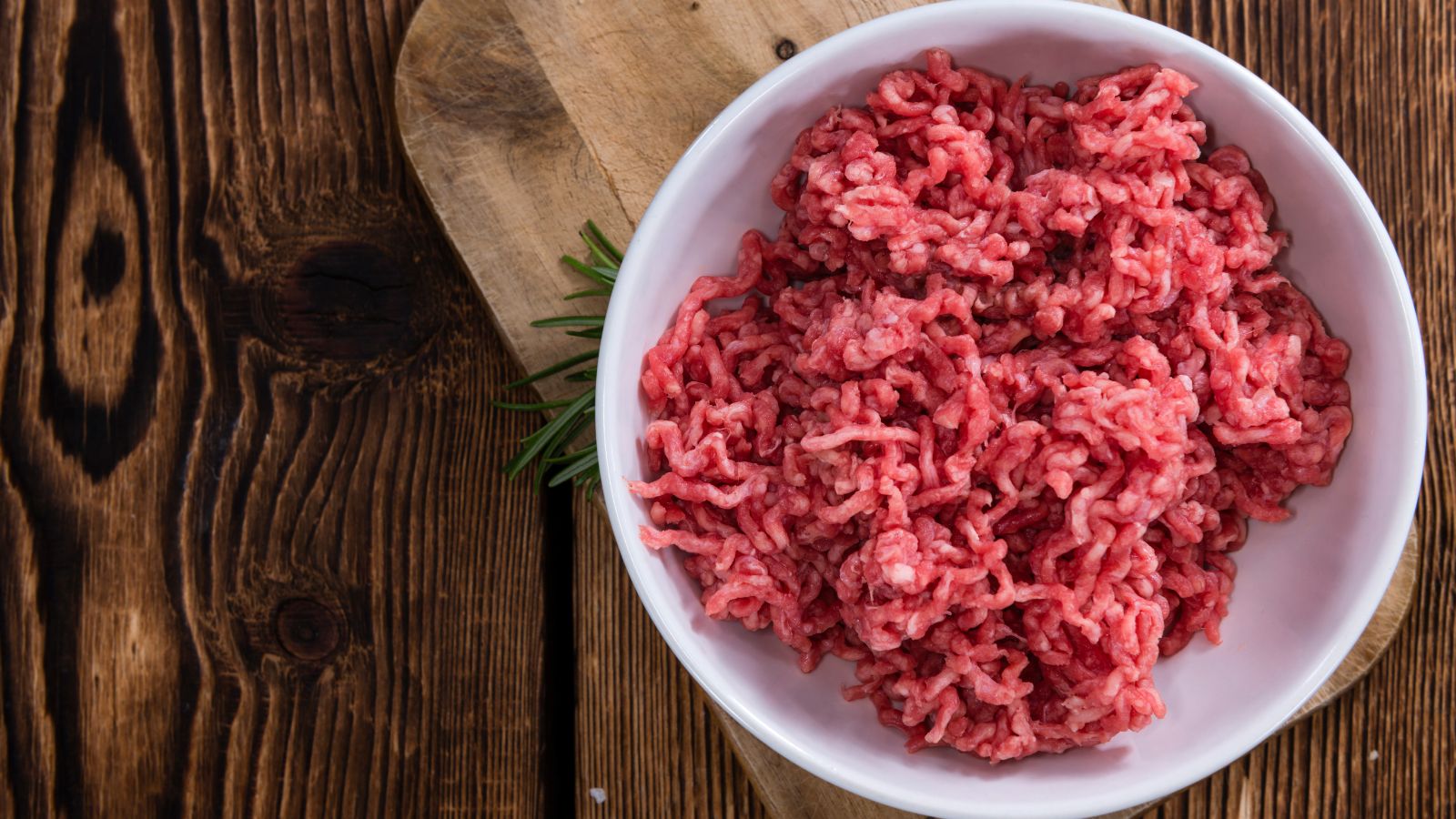
Ground beef has long been the practical alternative when steaks and roasts feel too expensive, but that value proposition has become harder to maintain. Statistics Canada’s national average retail-price data put ground beef at about $16.49 per kilogram in July 2026. A price tracker using the agency’s monthly retail series calculated that the figure was roughly 11.6% higher than 12 months earlier. Compared with prices several years ago, the increase is even more striking.
That matters because ground beef stretches across so many inexpensive fall meals. Chili, shepherd’s pie, meatloaf, pasta sauce and homemade burgers all depend on a product that families often buy without considering it a premium cut. Canada’s Food Price Report had already identified beef as one of the major sources of meat inflation, pointing to constrained cattle supplies after years of difficult production conditions. A few extra dollars on a family-sized package can therefore ripple through several meals rather than affecting only an occasional special dinner.
Beef Stewing Cuts
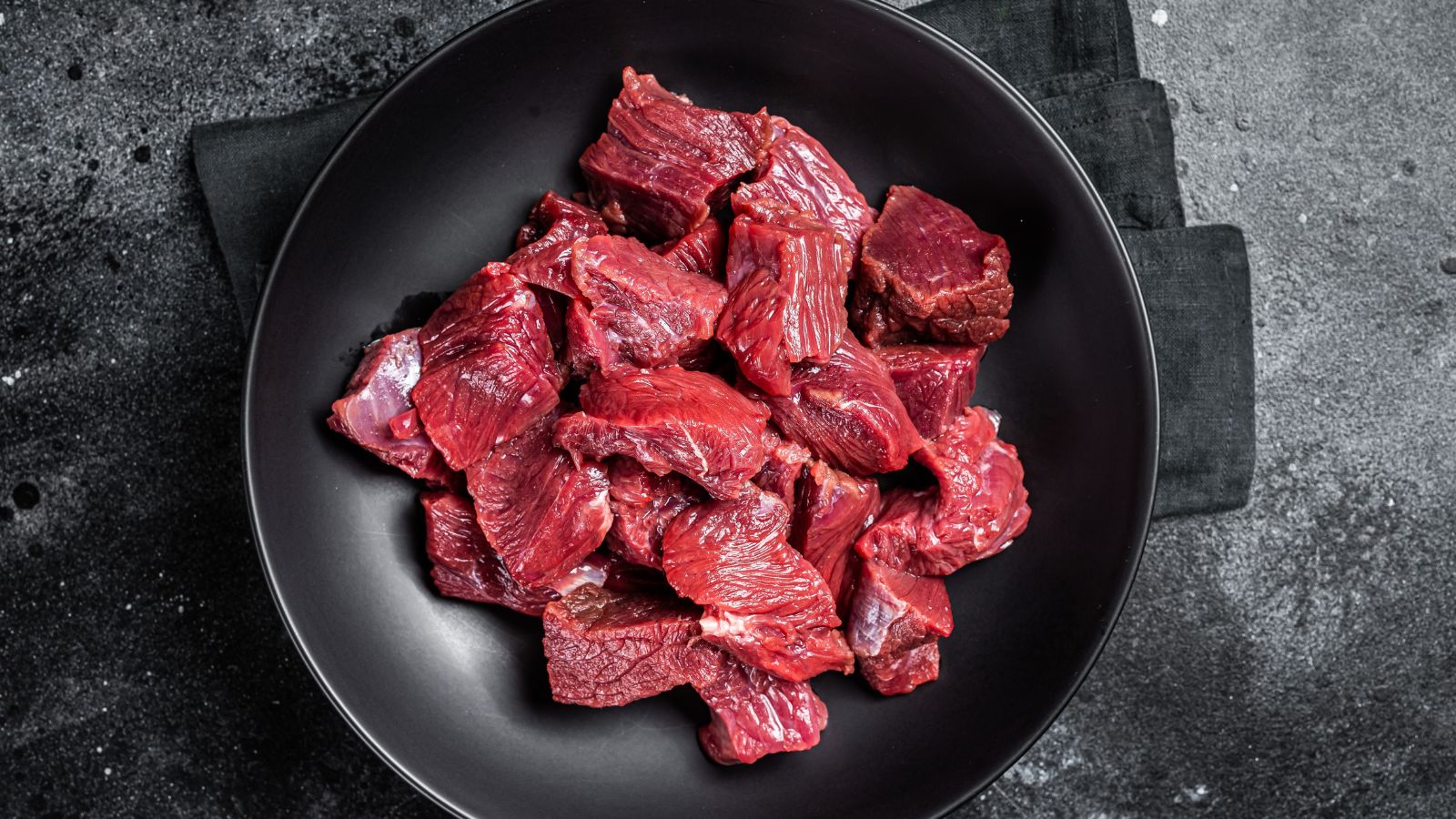
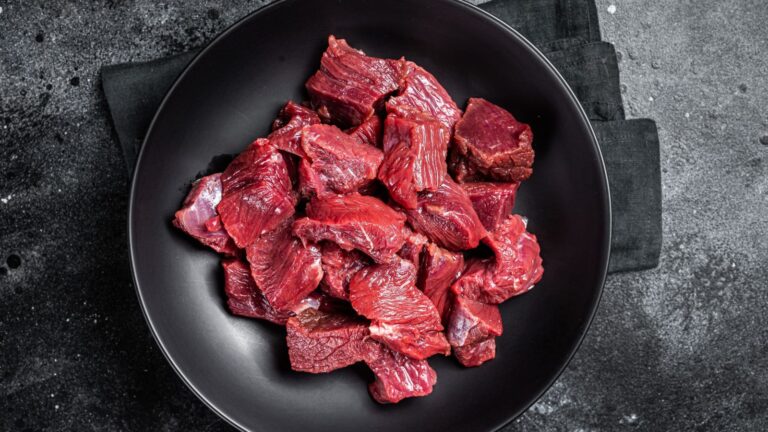
The arrival of cooler weather usually makes stewing beef look like one of the more economical ways to put beef on the table. The numbers suggest it is no longer the bargain it once appeared to be. A national price tracker built from Statistics Canada’s retail-price series placed beef stewing cuts at roughly $25.68 per kilogram in its latest estimate, about 21.8% above the comparable level a year earlier. The series had climbed above $26 per kilogram during the summer.
For a household making a large pot of beef stew, the increase can be easy to miss because carrots, potatoes, onions and broth still make the meal feel inexpensive. Yet the beef can now account for most of the grocery cost before anything else reaches the pot. The broader Canadian beef market has also been dealing with historically tight cattle supplies, a factor highlighted in recent food-price research. Stretching a package with more vegetables may still lower the per-serving cost, but the starting price of the main ingredient has changed substantially.
Beef Striploin
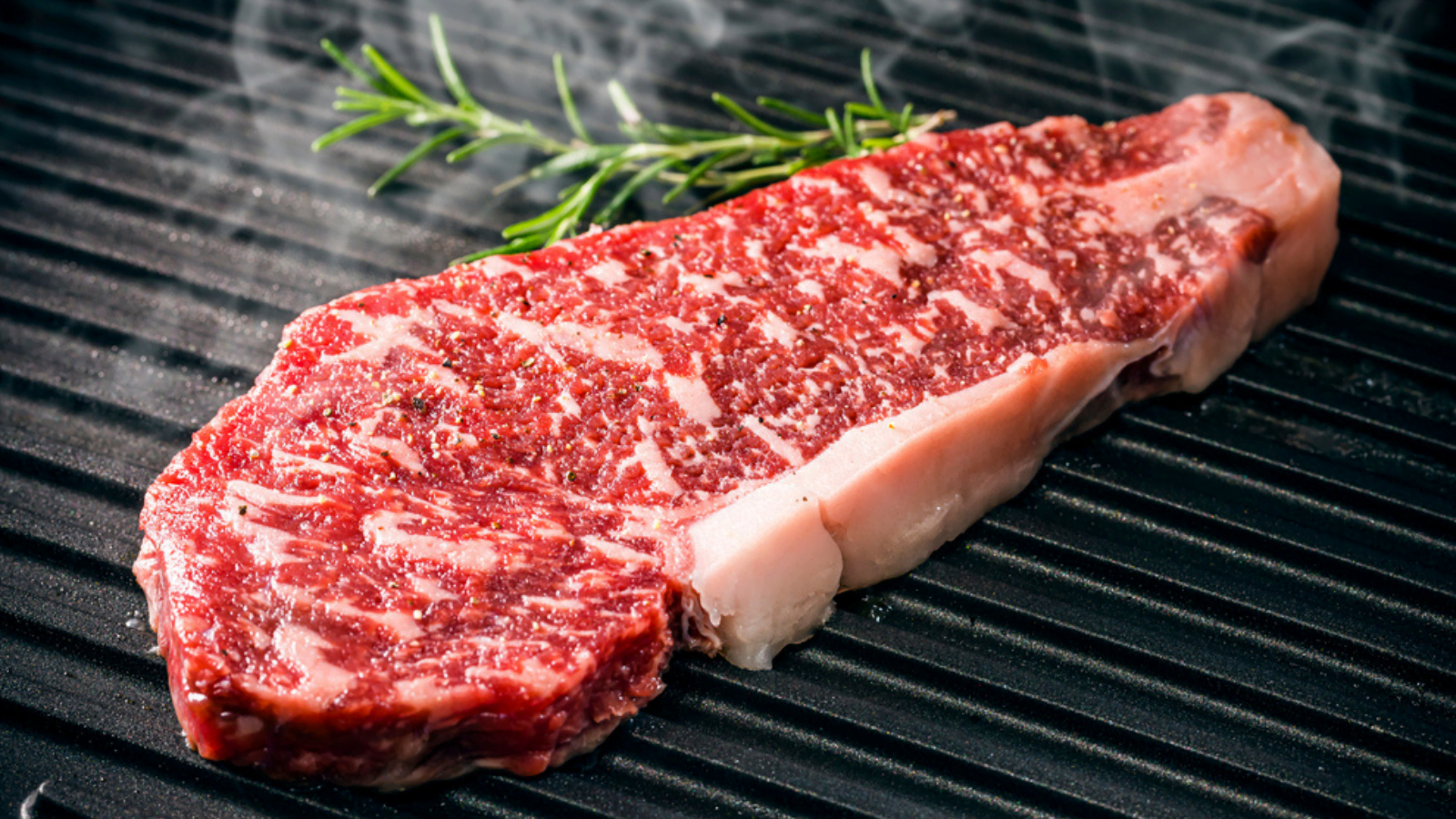
Striploin has always occupied the more expensive end of the meat counter, but the latest increases have pushed it further into special-occasion territory. A Canadian retail-price tracker using Statistics Canada data recently placed beef striploin at about $38.36 per kilogram, roughly 24.5% higher than a year earlier. During the spring, the tracked national price briefly exceeded $42 per kilogram, illustrating just how quickly premium beef prices can move.
For fall shoppers, that can change the mathematics of a weekend steak dinner. Two or three moderately sized steaks may now cost as much as the ingredients for several other meals, even before potatoes, vegetables or salad are added. Canada’s Food Price Report forecast meat as one of 2026’s fastest-rising food categories after substantial beef inflation during 2025. Striploin is a particularly visible example because its price is already high enough that a double-digit percentage increase produces a meaningful dollar difference at the checkout.
Whole Chicken

A whole chicken is often treated as one of the best ways to make meat stretch: roast it for dinner, save leftover meat for lunches and turn the bones into stock. That strategy remains useful, but the bird itself has become more expensive. A national tracker drawing on Statistics Canada’s retail-price data showed whole chicken at approximately $7.62 per kilogram, nearly 19.4% higher over 12 months. The series reached an even higher level earlier in 2026 before easing.
The increase is especially notable because chicken is frequently the substitute households choose when beef becomes too costly. Canada’s Food Price Report anticipated stronger chicken prices in 2026, noting that demand could shift toward poultry as consumers react to expensive beef. That does not mean every chicken in every store rises at the same rate; weekly promotions can still create large differences. But when the underlying national price moves higher, even sale prices can begin from a more expensive baseline than shoppers remember from previous autumns.
Chicken Thighs
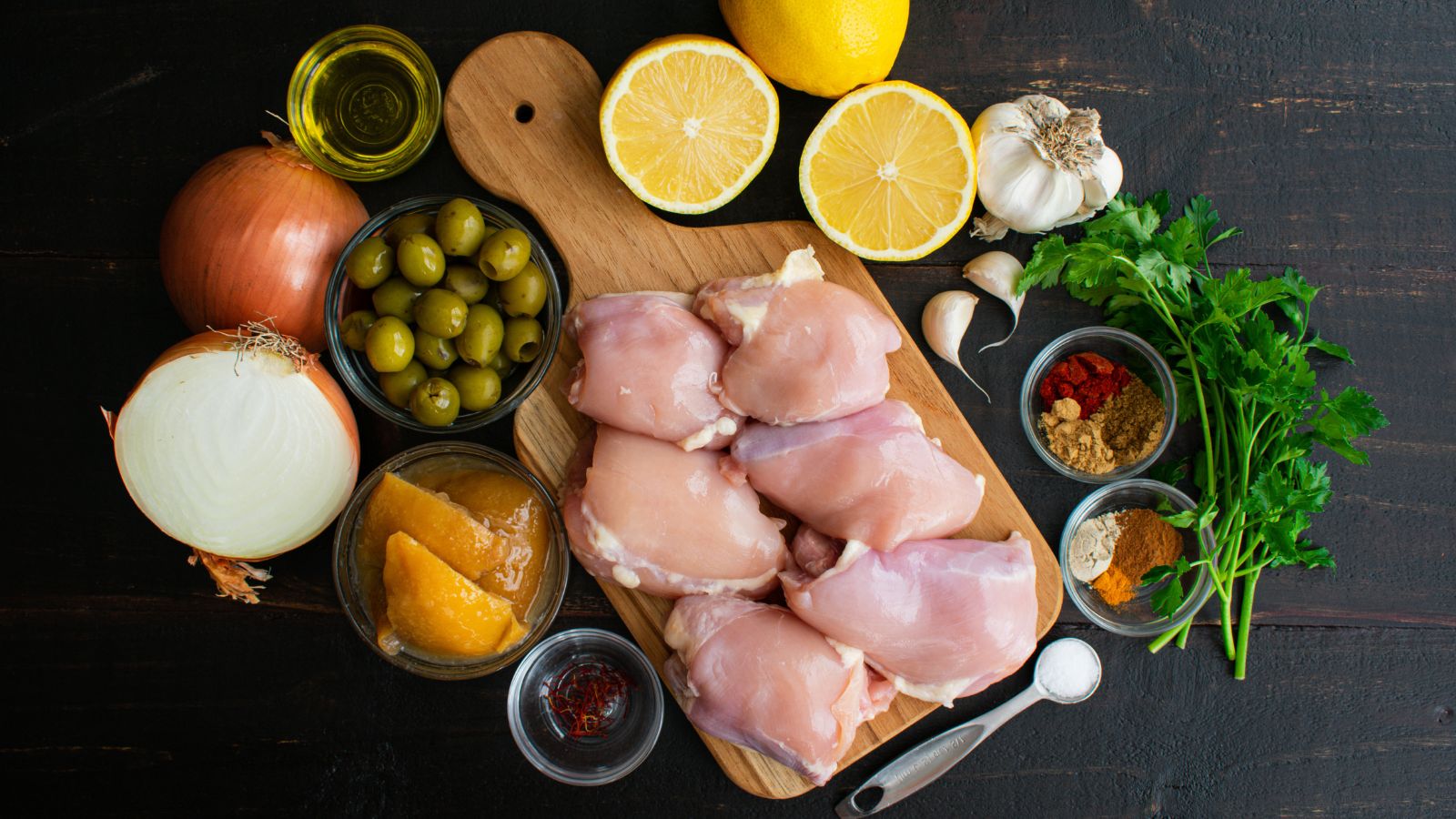
Chicken thighs have earned a reputation as the budget-friendly cut that is forgiving in soups, curries and sheet-pan dinners. Their price advantage over boneless breasts can still exist, but the gap does not make thighs immune to food inflation. National retail-price tracking based on Statistics Canada data recently put chicken thighs around $13.45 per kilogram, approximately 9.8% higher than the comparable price 12 months earlier. The series had climbed even higher during the spring.
That increase can be surprisingly visible for households that buy larger family packs. Adding roughly 10% to a package purchased every week or two creates a much bigger annual cost than an occasional restaurant splurge. Thighs are also common in the kind of batch cooking that becomes popular as temperatures cool: braises, casseroles and slow-cooker meals. Poultry therefore illustrates an important feature of grocery inflation. Consumers can trade down from a premium protein, yet still encounter higher prices in the supposedly cheaper substitute.
Salmon

Salmon is another protein whose national price has moved noticeably higher. Recent Canadian retail-price tracking based on Statistics Canada’s monthly series placed salmon at roughly $28.55 per kilogram, with the tracked price about 17.7% higher than a year earlier. Seafood prices vary considerably by species, cut, origin and whether a product is fresh or frozen, so that national figure will not match every package in a supermarket cooler.
Still, the increase changes the calculation for households that once used salmon as a regular weeknight alternative to beef or chicken. A fillet for several people can quickly become one of the most expensive items in the cart, particularly when no promotion is available. Frozen portions may sometimes offer a lower effective cost, while smaller servings paired with rice or seasonal vegetables can stretch the purchase further. The larger point is that switching proteins does not necessarily provide an escape from higher grocery bills when multiple categories are rising at the same time.
Milk
Milk has not experienced the dramatic double-digit movement seen in some meats and vegetables, but small increases matter because it is purchased so frequently. Statistics Canada’s national average retail-price data placed a two-litre container of milk at about $5.53 in July 2026. A tracker using the same federal retail-price series showed the price running roughly 2% above its level a year earlier. The latest CPI figures indicate that dairy inflation has recently cooled, but cooling inflation does not mean prices have returned to earlier levels.
That distinction becomes important at breakfast time. Milk goes into cereal, coffee, baking and school lunches, so even a modest increase can repeat through dozens of purchases over a year. Families buying multiple containers each week feel a 2% change differently from someone making an occasional purchase. Dairy is a good example of “quiet” grocery inflation: there may be no dramatic one-week price shock, yet the normal shelf price gradually settles a little higher and the household grocery total follows it.
Butter

Butter is another refrigerator staple where a few cents of inflation can spread across a surprising amount of fall cooking. Statistics Canada’s national retail data put a 454-gram block at roughly $5.92 in July 2026. A secondary tracker built from the federal price series showed the latest level about 3% higher over 12 months, with prices fluctuating around the mid-$5 range during much of the period.
A single block does not necessarily create sticker shock, but autumn is when butter use often increases. Pie crusts, Thanksgiving side dishes, cookies, mashed potatoes and weekend baking can quickly turn one package into several. Multiplying a modest increase across repeated purchases makes the change more meaningful than the percentage suggests. Recent CPI data also show that overall dairy-price growth has slowed substantially, which is encouraging, but shoppers are comparing today’s shelf price with what they remember paying in previous years—not merely with the rate at which prices are currently increasing.
Yogurt

Yogurt tends to receive less attention than meat or produce when grocery costs are discussed, yet it has also edged upward. A Canadian retail-price tracker using Statistics Canada data recently estimated a typical 500-gram container at around $3.80, approximately 3% higher than a year earlier. The underlying series has stayed within a relatively narrow range, making this a much quieter increase than the swings seen in beef or fresh vegetables.
That small movement is still relevant because yogurt is frequently purchased as a routine breakfast, lunchbox or snack item. A household buying several containers each week experiences the increase repeatedly, and specialty varieties can cost substantially more than the national benchmark. It is also easy for shoppers to overlook changes when package formats, multipacks and promotions differ from week to week. A product does not need to jump 20% to add pressure to a grocery budget; several everyday items increasing by 2% to 5% at the same time can have a similar cumulative effect.
Apples

Apple season can create an expectation of cheaper fruit, especially when Canadian orchards are harvesting, but national averages do not always produce the bargain shoppers expect. Statistics Canada reported an average retail price of about $6.45 per kilogram for apples in July 2026. Historical tracking of the agency’s data put that price roughly 4.4% above the level recorded a year earlier. Fresh fruit prices more broadly were also higher year over year in the latest August CPI release.
Local varieties and large harvest-season bags can still provide much better value than the national average, particularly in apple-growing regions. Even so, apples matter because they are one of the most common fall lunchbox fruits and often appear in pies, crisps and baked dishes. A seemingly modest percentage increase becomes noticeable when several kilograms are purchased at once. Variety also matters: premium cultivars and pre-packed fruit can carry very different price points, meaning the national average is best understood as a broad benchmark rather than a promise of what every store will charge.
Celery
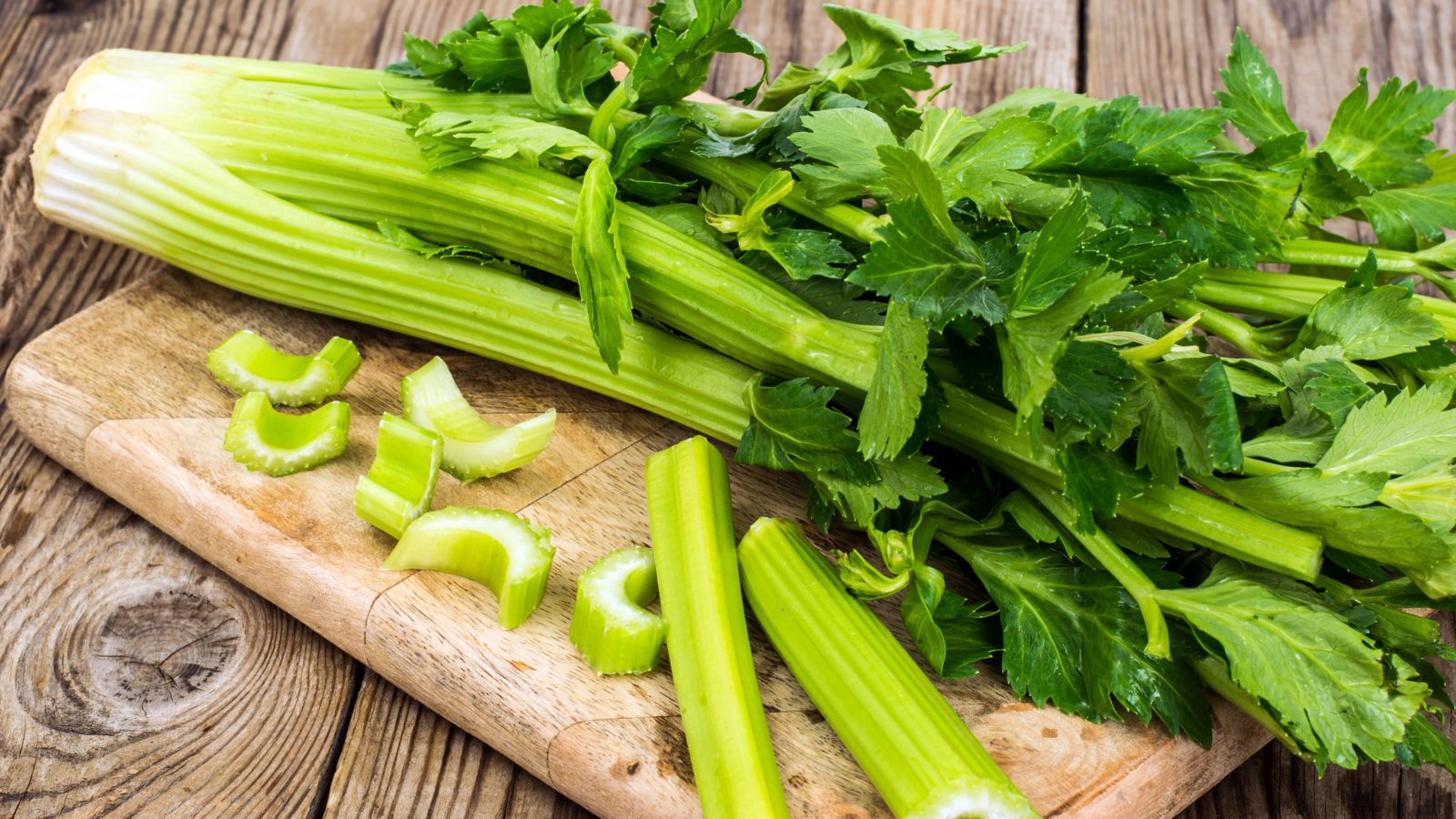
Celery rarely commands much of the grocery budget on its own, which is exactly why a sharp increase can slip by unnoticed. A Canadian tracker based on Statistics Canada’s monthly price series recently put a unit of celery at approximately $3.30 and showed a 12-month increase of about 30.4%. Prices had moved substantially during the year, demonstrating how volatile an individual fresh vegetable can be even when overall grocery inflation looks relatively moderate.
That matters during fall because celery becomes a background ingredient in many seasonal meals. It joins onions and carrots in soup bases, goes into Thanksgiving stuffing and appears in stews, stocks and lunch snacks. Nobody builds an entire grocery budget around one bunch, so an extra 50 or 75 cents rarely causes a purchase to be abandoned. Yet this is precisely how quiet food inflation accumulates: several secondary ingredients each cost a little more, and the final receipt rises even when the household has bought essentially the same foods as last year.
Cabbage
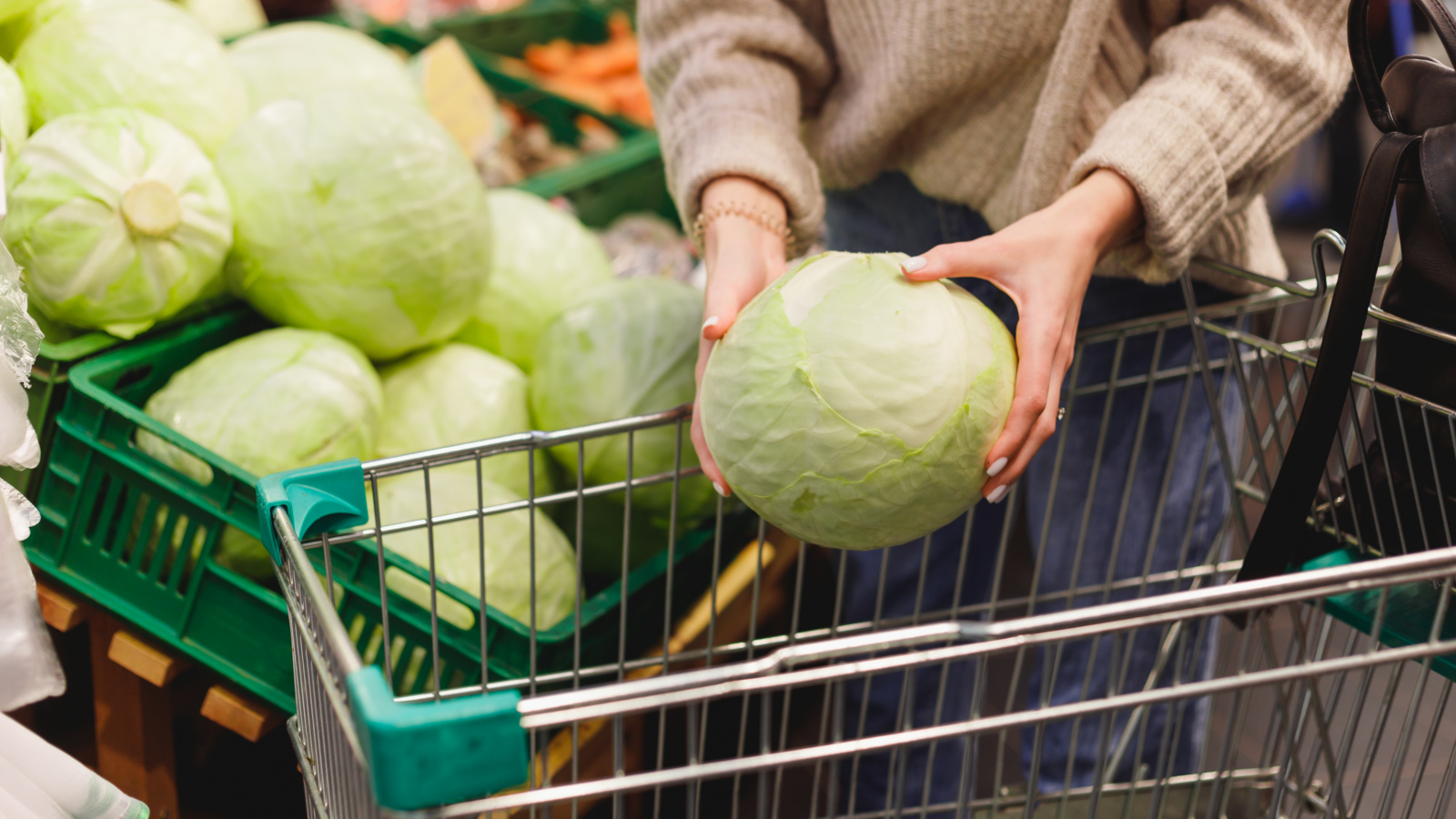
Cabbage has traditionally been one of the vegetables households can rely on when more delicate produce becomes expensive. Recent data show that even this durable staple has faced upward pressure. A retail-price tracker using Statistics Canada data and a CPI-adjusted latest-month estimate placed cabbage close to $3 per kilogram, approximately 16% above its year-earlier level. Because the newest figure is an estimate rather than a finalized national monthly average, the exact amount should be treated cautiously, but the direction of the tracked increase is still notable.
Cabbage remains economical in one important sense: a single head can produce many servings. It works in soups, slaws, stir-fries, roasted dishes and cabbage rolls, making it particularly useful during colder months. But a double-digit increase in a traditionally inexpensive vegetable chips away at the strategy of substituting cheaper produce for expensive meat. When low-cost ingredients rise alongside proteins, the number of easy ways to protect a household food budget begins to narrow.
Romaine Lettuce

Romaine lettuce has been anything but boring on the price front. Recent national tracking based on Statistics Canada’s retail data placed a unit at about $3.45, roughly 24.5% above the level a year earlier. The same series showed even higher prices during parts of the previous fall, including a peak of roughly $4.69. Fresh vegetables often experience substantial month-to-month swings, which means a single store visit can look very different from the national trend.
For households trying to keep fresh produce on the table as summer ends, that volatility can be frustrating. A Caesar salad that once seemed like an inexpensive side can cost considerably more after lettuce, Parmesan and dressing are combined. Romaine also illustrates why the overall inflation rate can feel disconnected from personal experience. A grocery category may rise only a few percentage points on average while one frequently purchased vegetable climbs far faster. What matters to a household is not the theoretical average basket but the specific products that regularly end up in its cart.
Broccoli
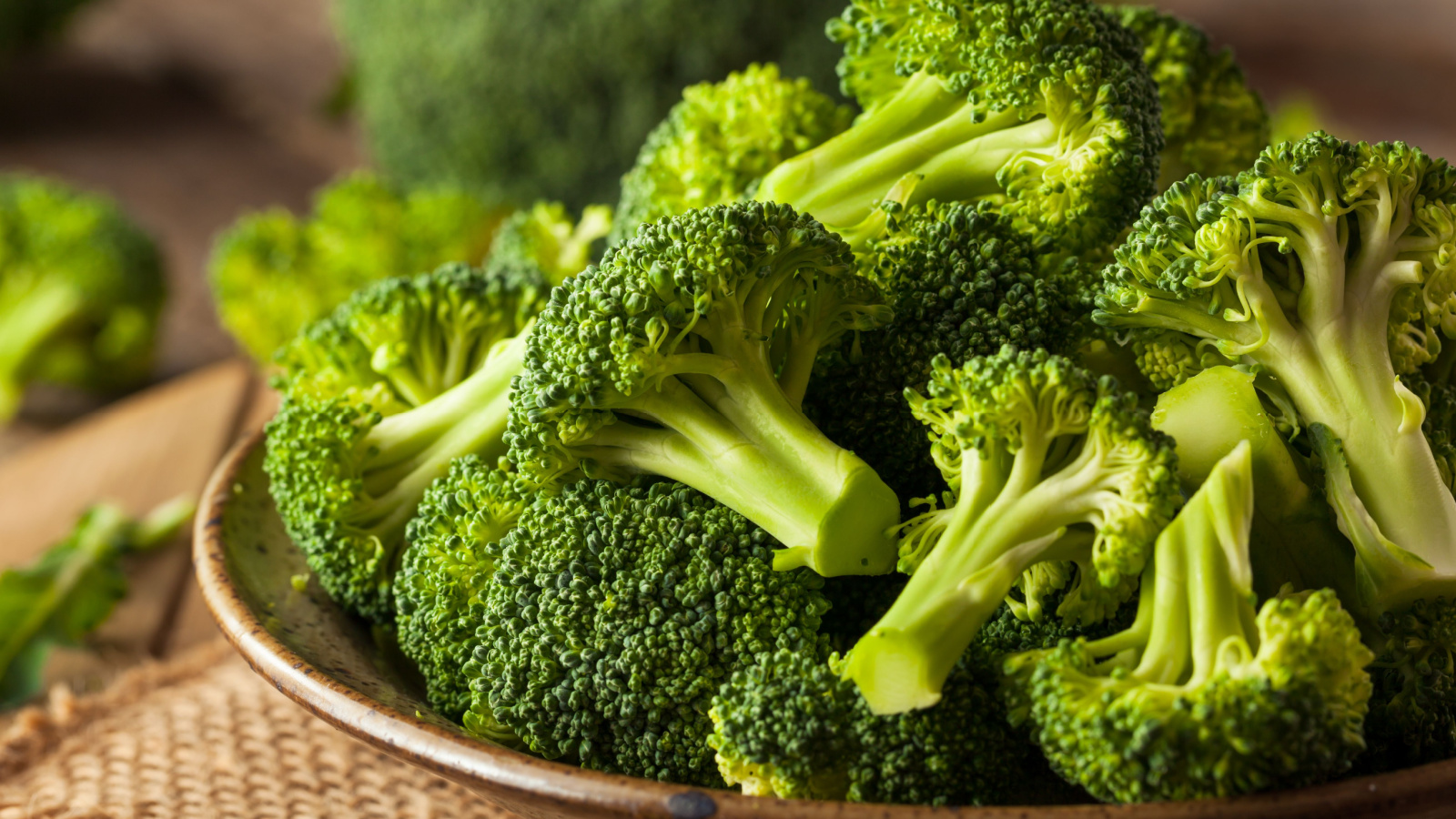
Broccoli is another familiar cold-weather side dish showing a sizeable increase in recent price tracking. A Canadian tracker using Statistics Canada’s monthly retail-price series and an estimated latest-month figure placed a unit at roughly $2.64, about 15.3% higher than a year earlier. Because fresh produce prices move with seasons, supply and regional conditions, supermarket prices can differ materially from the national figure from one week to the next.
Even so, the increase matters because broccoli is often the kind of vegetable purchased almost automatically. It can accompany roasted chicken, pasta, casseroles or stir-fries without turning the meal into something expensive. When that dependable side rises by double digits, the effect is larger than its small individual price tag suggests. Shoppers may respond by moving between fresh and frozen formats, buying only during promotions or substituting another vegetable. Those choices are increasingly part of ordinary grocery planning as Canadian households encounter different inflation rates in different parts of the produce aisle.
Onions

Onions are one of the hardest grocery ingredients to avoid. They form the base of soups, stews, curries, sauces and countless fall comfort foods, which makes their recent price movement particularly relevant. A Canadian tracker built from Statistics Canada’s retail-price series placed a 1.36-kilogram package at around $5.04 in its latest estimate, approximately 11.5% higher than a year earlier. That is a substantial increase for an ingredient normally associated with inexpensive cooking.
A bag still lasts longer than many fresh vegetables, so the higher price may not attract the same attention as a costly steak or roast. But onions reveal how inflation can hide inside recipes rather than headline purchases. A pot of soup may require only one or two onions, leaving the immediate cost looking insignificant. Across dozens of meals, however, the higher replacement cost keeps returning. When onions, celery, potatoes and meat all become more expensive at once, an economical homemade stew can rise in price without any change in the recipe.
Sweet Potatoes

Sweet potatoes fit naturally into Canadian fall meals, from roasted sheet-pan dinners to Thanksgiving sides. Recent national price tracking using Statistics Canada data placed them at close to $4.97 per kilogram in a CPI-adjusted latest-month estimate, about 5.5% above the comparable level a year earlier. The estimated price was also near the top of the tracker’s recent range, although individual stores and provinces can show very different shelf prices.
A 5% increase is not dramatic beside the jumps recorded for beef or lettuce, but sweet potatoes are a good example of how the grocery bill grows in layers. A household might accept a dollar more for meat, a few extra cents for butter and another small increase for vegetables without reconsidering any individual purchase. At checkout, those changes become one larger number. Sweet potatoes still provide a filling, versatile ingredient, but their rise shows that even relatively basic root vegetables are not automatically insulated from broader food-cost pressures.
Potatoes

Few foods are more closely associated with economical fall cooking than potatoes. Statistics Canada’s national average retail-price data put potatoes at about $5.23 per kilogram in July 2026. Historical analysis of the federal series showed the price running roughly 3% above a year earlier and more than 20% above levels seen five years earlier. The annual increase is modest, but the longer-term change helps explain why a bag of potatoes may no longer feel as inexpensive as memory suggests.
The effect is amplified by how often potatoes are used. Mashed potatoes, roasted wedges, soups, stews and casseroles can all appear within the same month, particularly once colder weather arrives. A small percentage increase therefore repeats far more often than the price of a specialty ingredient. Potatoes remain one of the easiest foods to use for stretching a meal, so higher prices do not erase their value. They simply mean that one of the traditional tools for keeping dinner inexpensive is itself costing a little more.
Vegetable Oil

Vegetable oil is easy to overlook because a large bottle may last for weeks, but replacing it has become more expensive. Recent Canadian tracking based on Statistics Canada’s retail-price data placed a three-litre container around $10.23, with the series roughly 15.3% higher over 12 months. That is a sizeable increase for a pantry staple whose cost is spread invisibly across frying, baking, marinades and everyday cooking.
The long replacement cycle can actually make the increase feel more surprising. A shopper who has not purchased a large jug for two months may remember the previous price far more clearly than someone who sees an item every week. Oil also functions as an input into many homemade foods, so its cost is rarely considered separately when calculating the price of pancakes, muffins or roasted vegetables. Fall baking and holiday cooking can increase usage just as the shelf price matters more. This is the kind of pantry inflation that appears suddenly only when the bottle is nearly empty.
Canned Soup

Canned soup remains one of the classic cold-weather convenience foods, but even this inexpensive pantry item has moved higher. Canadian retail-price tracking based on Statistics Canada data recently put a 284-millilitre can at roughly $1.56 on average, about 8.3% higher than a year earlier. Individual brands, varieties and promotional prices differ considerably, yet the national series points to a meaningful increase for a product usually purchased precisely because it is simple and affordable.
The dollar change on one can may seem trivial. The story changes when several cans are purchased for lunches, emergency pantry meals or recipes that use condensed soup as an ingredient. An 8% increase repeated across a case or several shopping trips becomes much easier to notice. Canned soup also competes with homemade soup, which is facing its own pressure from higher meat and vegetable prices. That leaves households choosing between two options that may both cost more than they did a year earlier, rather than simply substituting away from the expensive one.
White Bread

Bread is another staple where price increases rarely arrive with much drama. Statistics Canada’s July 2026 national retail data put a 675-gram loaf of white bread at about $3.60. A Canadian tracker based on the federal price series showed the comparable price roughly 4.6% higher over 12 months. The increase is moderate, but bread’s unusually high purchase frequency makes even small movements relevant to the weekly grocery bill.
A family using bread for toast, sandwiches and quick dinners may buy a loaf every few days, turning a difference of only a few cents into dozens of repeated purchases over the year. Branded and specialty loaves can cost much more than the national benchmark, while promotions, private labels and freezing extra loaves can lower the effective cost. Canada’s Food Price Report had forecast continued, though comparatively moderate, pressure in the bakery category during 2026. Bread shows why modest inflation in an everyday staple can matter as much as a larger increase in something purchased only occasionally.
Coffee

Coffee provides a fitting example of a grocery item whose increase can hide inside a daily routine. Recent Canadian price tracking based on Statistics Canada’s retail series placed a 340-gram package of roasted or ground coffee at roughly $9.54, with the tracked 12-month increase around 2%. That movement is much smaller than the increases seen in some meats or vegetables, but coffee has already become a relatively expensive item compared with many pantry staples.
For regular coffee drinkers, the important number is not the percentage printed in an inflation report but how often another bag is needed. A household buying coffee every week or two can absorb dozens of slightly higher purchases over a year. Promotions can make the increase less visible, especially when shoppers alternate between brands or package sizes. Eventually, however, the regular shelf price becomes the new reference point. That gradual reset is what makes coffee a good example of the quieter side of grocery inflation: no dramatic shock is required for the annual cost of a familiar habit to climb.
16 Costco Canada Habits That Could Be Costing Shoppers More Than They Save

The Executive Membership can feel like an obvious upgrade because the 2% annual reward sounds straightforward. For households that spend heavily at Costco Canada, the extra fee may be easy to justify. But the habit becomes costly when shoppers upgrade first and calculate later. A Gold Star Membership costs less, while Executive costs more and only pays off if eligible annual spending is high enough to offset the difference.
16 Costco Canada Habits That Could Be Costing Shoppers More Than They Save
This Options Discord Chat is The Real Deal
While the internet is scoured with trading chat rooms, many of which even charge upwards of thousands of dollars to join, this smaller options trading discord chatroom is the real deal and actually providing valuable trade setups, education, and community without the noise and spam of the larger more expensive rooms. With a incredibly low-cost monthly fee, Options Trading Club (click here to see their reviews) requires an application to join ensuring that every member is dedicated and serious about taking their trading to the next level. If you are looking for a change in your trading strategies, then click here to apply for a membership.