
35,000+ smart investors are already getting financial news, market signals, and macro shifts in the economy that could impact their money next with our FREE weekly newsletter. Get ahead of what the crowd finds out too late. Click Here to Subscribe for FREE.
Canada has a long history of businesses and innovators turning economic hardship into opportunity. Even during recessions, Canadian companies have found ways to grow, adapt, and redefine entire industries. From technology startups to retail giants and financial institutions, these success stories demonstrate resilience, creativity, and strategic thinking. Here are 21 Canadian success stories that were born during recessions.
Shopify – Rising from the 2008 Financial Crisis
21 Canadian Success Stories Born in Recession
- Shopify – Rising from the 2008 Financial Crisis
- Dollarama – Expanding During Economic Downturns
- WestJet – Building a Budget Airline in the 1990s Slump
- Bombardier – Innovating Through Global Market Volatility
- Aritzia – Scaling a Fashion Brand Amid Retail Uncertainty
- Canada Goose – Transforming Luxury Outerwear During Hard Times
- Lululemon – Redefining Activewear in an Unstable Economy
- Magna International – Growing Automotive Innovation in Recession Years
- Couche-Tard – Expanding Convenience Retail During Global Slowdowns
- BlackBerry – Revolutionizing Mobile Tech in a Tough Market
- Cineplex – Reinventing Entertainment During Industry Contraction
- Roots – Strengthening Canadian Identity in Economic Hardship
- Tim Hortons – Expanding Nationally Amid Financial Challenges
- RBC and TD Bank – Stability and Growth During Financial Crises
- Canadian Tire – Reinventing Retail Through Economic Cycles
- Shopify Capital – Empowering Businesses During Post-Recession Recovery
- Bomb Energy Drink – Thriving in Competitive Markets During Slowdowns
- Spin Master – Innovating Toys and Games Through Market Shifts
- CAE Inc. – Advancing Flight Simulation Through Industry Downturns
- Gildan Activewear – Growing Manufacturing During Trade Disruptions
- Sun Life Financial – Expanding Global Reach During Economic Uncertainty
- 21 Products Canadians Should Stockpile Before Tariffs Hit

Founded in Ottawa in 2006, Shopify emerged during one of the toughest global economic periods. As the 2008 financial crisis pushed traditional retailers into decline, Shopify empowered small businesses to move online with affordable e-commerce tools. The platform’s simplicity and scalability helped thousands of entrepreneurs survive when physical stores struggled. By focusing on accessibility, transparent pricing, and robust integrations, Shopify turned economic adversity into an opportunity. It is now one of Canada’s most valuable tech companies, proving that innovation and adaptability can thrive even during global financial uncertainty.
Dollarama – Expanding During Economic Downturns

Dollarama’s steady rise was fueled by its ability to meet consumer needs during difficult times. Founded in 1992 in Quebec, the company expanded rapidly during economic recessions, when affordability became a priority for households. By focusing on low-cost essentials and maintaining efficient supply chains, Dollarama turned frugality into a growth engine. Even when other retailers faced shrinking margins, Dollarama added stores nationwide. Its resilience through economic downturns demonstrated that understanding consumer behavior in hard times could lead to long-term dominance in the retail landscape.
WestJet – Building a Budget Airline in the 1990s Slump

WestJet began operations in 1996 when Canada’s aviation industry was struggling with high costs and competition. Instead of imitating large carriers, WestJet adopted a low-cost model inspired by efficiency, simplicity, and employee ownership. This approach appealed to price-conscious travelers during a time of financial restraint. Despite industry challenges, WestJet grew rapidly, expanding across North America and becoming one of Canada’s most trusted airlines. Its focus on affordability, culture, and customer service turned a recession-born idea into a global aviation success story.
Bombardier – Innovating Through Global Market Volatility

Bombardier’s growth has consistently aligned with its ability to adapt during uncertain times. The company, rooted in Quebec, strengthened its position in aerospace and transportation by investing in long-term research and product diversification during market downturns. When global demand slowed, Bombardier focused on innovation, developing efficient business jets and high-speed trains. These efforts paid off as the company’s technology gained worldwide recognition. Despite facing financial turbulence, Bombardier repeatedly demonstrated how Canadian engineering resilience and forward-thinking design can sustain leadership in complex global industries.
Aritzia – Scaling a Fashion Brand Amid Retail Uncertainty

Vancouver-based Aritzia grew from a boutique label into a national retail powerhouse despite fluctuating markets and global economic pressure. By emphasizing quality, minimalist design, and direct consumer engagement, Aritzia avoided heavy discounting and instead built brand loyalty. The company expanded strategically through recessions by maintaining tight cost control and focusing on long-term style appeal rather than trends. This steady, measured growth transformed Aritzia into one of Canada’s most admired fashion retailers, proving that discipline and brand consistency can thrive in a volatile retail economy.
Canada Goose – Transforming Luxury Outerwear During Hard Times

Canada Goose turned its origins as a functional cold-weather gear maker into a global luxury brand during economically challenging years. Headquartered in Toronto, the company doubled down on craftsmanship, domestic manufacturing, and authenticity when other brands cut costs. Its commitment to quality and performance attracted international consumers seeking durable, high-end outerwear. Even during global recessions, Canada Goose maintained profitability through direct-to-consumer sales and strategic marketing. The brand’s evolution from practical apparel to a symbol of resilience reflects how Canadian-made excellence can prevail through financial uncertainty.
Lululemon – Redefining Activewear in an Unstable Economy

Founded in Vancouver in 1998, Lululemon began growing rapidly during the early 2000s, a time of retail uncertainty and global market shifts. The brand revolutionized the activewear industry by blending athletic performance with everyday fashion. Instead of competing on price, it built a loyal community around quality, lifestyle, and innovation. Even during economic downturns, Lululemon expanded its presence globally through smart product development and strong customer engagement. Its success proved that consumer loyalty and a clear brand identity could outperform market instability.
Magna International – Growing Automotive Innovation in Recession Years

Magna International, based in Aurora, Ontario, strengthened its global position in automotive manufacturing during periods of economic slowdown. Rather than cutting back, Magna continued investing in research, robotics, and electric vehicle components when competitors reduced spending. This forward-looking approach allowed the company to emerge stronger after each recession. Magna’s focus on technology-driven production and strategic partnerships helped maintain stability and profitability, making it one of the world’s largest and most respected auto parts suppliers through even the toughest economic climates.
Couche-Tard – Expanding Convenience Retail During Global Slowdowns

Alimentation Couche-Tard, founded in Laval, Quebec, expanded its convenience store empire precisely when others were consolidating. Through careful acquisitions and efficient management, the company grew during global slowdowns by focusing on essential products and accessible pricing. Its Circle K brand became one of the largest global convenience store networks. By identifying consistent consumer demand and managing operations with precision, Couche-Tard transformed economic uncertainty into opportunity, proving that strong logistics and smart expansion can lead to international retail dominance.
BlackBerry – Revolutionizing Mobile Tech in a Tough Market

BlackBerry, originally Research In Motion, became a global technology leader from Waterloo, Ontario, during a highly competitive and uncertain tech era. While many startups struggled after the dot-com bubble burst, BlackBerry introduced secure mobile communication solutions that reshaped business communication. Its focus on innovation and cybersecurity helped it dominate the early smartphone market worldwide. Though the company later faced challenges, its pioneering influence on mobile technology and global communications remains one of Canada’s most significant recession-era success stories.
Cineplex – Reinventing Entertainment During Industry Contraction

Cineplex, based in Toronto, navigated major challenges as streaming services and economic uncertainty disrupted the entertainment industry. Instead of retrenching, Cineplex diversified its offerings, adding premium cinema experiences, gaming centers, and live event broadcasts. These innovations kept audiences engaged even as global movie attendance declined. By investing in customer experience and technological upgrades, Cineplex managed to sustain profitability during downturns. The company’s adaptability illustrates how creative reinvention can preserve cultural relevance and business strength in an evolving market.
Roots – Strengthening Canadian Identity in Economic Hardship

Roots, founded in Toronto in 1973, built its brand during periods of financial instability by emphasizing authenticity and national pride. When luxury retail faltered, Roots leaned into craftsmanship, comfort, and sustainable production. Its focus on Canadian-made quality and heritage allowed it to maintain strong domestic loyalty while expanding abroad. Even in recessions, the company’s timeless designs and ethical manufacturing practices resonated with consumers. Roots stands as an example of how cultural identity and consistent values can sustain a brand through economic hardship.
Tim Hortons – Expanding Nationally Amid Financial Challenges

Tim Hortons grew from a single coffee shop in Hamilton, Ontario, into a national icon by focusing on affordability and community connection during challenging economic times. Through recessions and inflationary periods, the brand maintained consistent quality and low prices, becoming a daily essential for Canadians. Its franchise model allowed steady expansion even when larger restaurant chains slowed growth. By understanding local markets and offering comfort at value-driven prices, Tim Hortons turned financial headwinds into long-term success across Canada and abroad.
RBC and TD Bank – Stability and Growth During Financial Crises
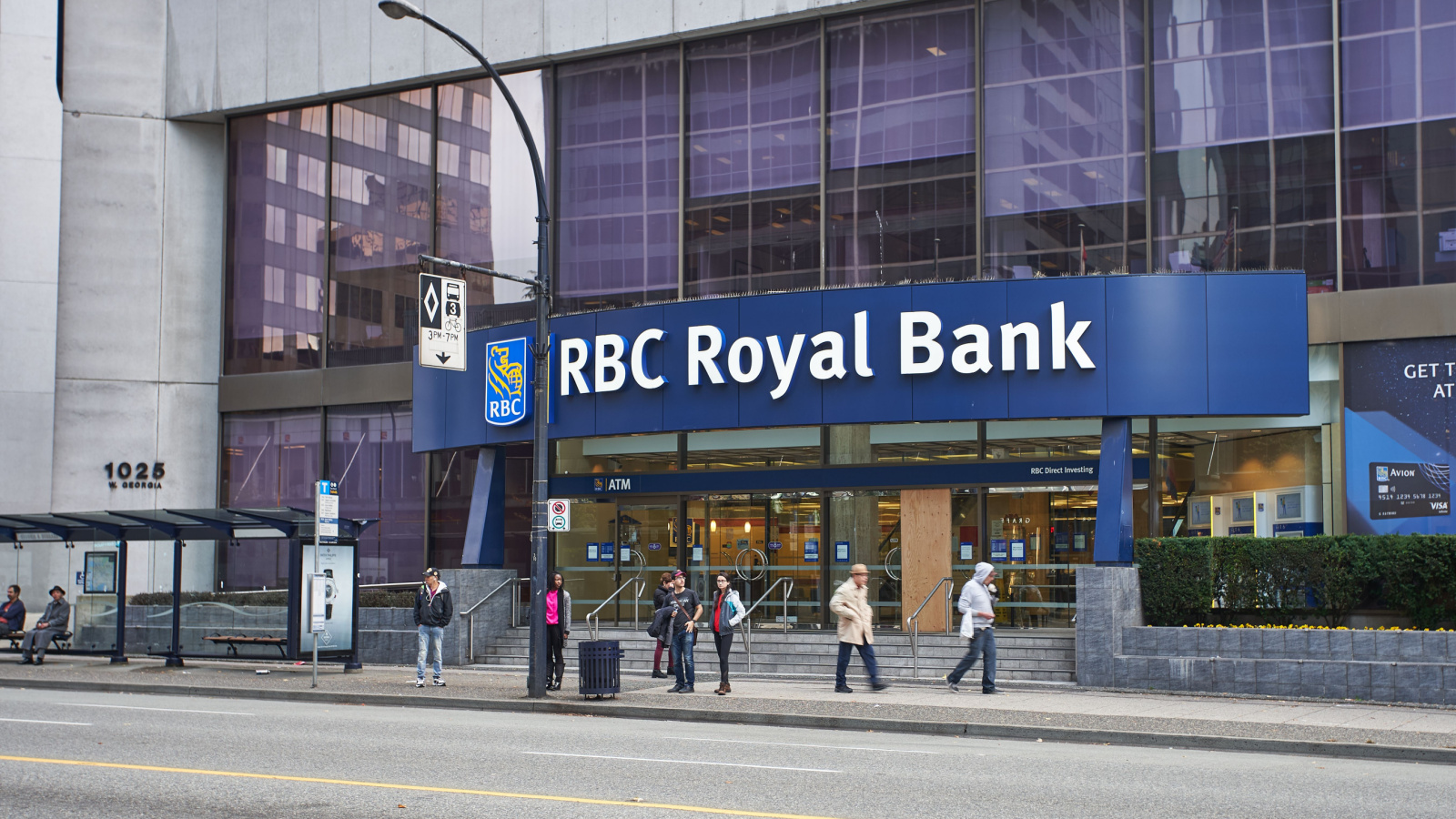
The Royal Bank of Canada (RBC) and Toronto-Dominion Bank (TD) emerged as two of the world’s most stable financial institutions during global economic crises. Their conservative lending practices and strong capital reserves helped them avoid the collapses that hit many U.S. and European banks in 2008. Instead of retreating, both expanded internationally while maintaining public trust at home. Their resilience through global recessions reinforced Canada’s reputation for sound banking governance and prudent financial management, positioning them as global models of fiscal responsibility.
Canadian Tire – Reinventing Retail Through Economic Cycles

Canadian Tire has survived nearly every major economic downturn since its founding in 1922 by constantly reinventing its retail model. During recessions, it focused on essential goods such as automotive supplies, tools, and household items. The company also adapted through loyalty programs, e-commerce innovation, and private-label brands that offered value to cost-conscious consumers. Its ability to blend tradition with modernization ensured that Canadian Tire remained relevant through shifting market conditions and consumer habits across decades of economic change.
Shopify Capital – Empowering Businesses During Post-Recession Recovery

Building on its e-commerce foundation, Shopify launched Shopify Capital to support small and medium-sized businesses after the 2008 recession. By offering quick, data-driven funding without traditional banking barriers, it empowered entrepreneurs to grow when credit access was limited. This initiative strengthened Shopify’s ecosystem and contributed to economic recovery across North America. The program’s success demonstrated how technology-enabled financing could help small businesses thrive even in uncertain post-recession environments.
Bomb Energy Drink – Thriving in Competitive Markets During Slowdowns

Bomb Energy Drink, founded in London, Ontario, built its brand during tough market conditions by offering an affordable alternative to global energy drink giants. Through clever marketing, youth-focused branding, and efficient local production, it found success despite competition from larger multinational players. By capitalizing on changing consumer preferences and maintaining strong distribution within Canada, Bomb Energy Drink demonstrated that innovation and price accessibility could drive growth even in a saturated and economically strained beverage market.
Spin Master – Innovating Toys and Games Through Market Shifts

Toronto-based Spin Master began in the 1990s and flourished during multiple economic downturns by constantly innovating in the toy and entertainment sector. Rather than cutting back during recessions, it invested in creativity and global partnerships, producing hits like Air Hogs and Paw Patrol. Its adaptability and design-driven focus allowed it to outperform larger competitors. Spin Master’s resilience through fluctuating consumer spending proved that innovation, brand storytelling, and global diversification can sustain success in challenging times.
CAE Inc. – Advancing Flight Simulation Through Industry Downturns

CAE Inc., headquartered in Montreal, solidified its global position as a leader in flight simulation during periods when the aviation industry faced major slowdowns. Instead of reducing operations during downturns, CAE invested in next-generation simulation technology and training programs. As airlines sought cost-effective pilot training, CAE’s services became essential. Its focus on innovation, safety, and global collaboration ensured continued growth, showing how a forward-thinking strategy can turn an industry slowdown into a long-term opportunity.
Gildan Activewear – Growing Manufacturing During Trade Disruptions

Montreal-based Gildan Activewear expanded its global manufacturing footprint amid trade and market uncertainties. By vertically integrating its supply chain and investing in sustainable production, Gildan reduced costs while maintaining quality and efficiency. During recessions and shifting trade policies, the company continued to grow through diversification and operational discipline. Gildan’s success story highlights how strategic investment in sustainability and efficiency can drive stability and growth even when global manufacturing faces disruptions.
Sun Life Financial – Expanding Global Reach During Economic Uncertainty

Sun Life Financial, one of Canada’s oldest financial institutions, used periods of global uncertainty to expand internationally. During downturns, it focused on building long-term partnerships and growing its presence in Asia, where demand for insurance and investment products was rising. By maintaining disciplined risk management and emphasizing financial security, Sun Life strengthened its brand globally. Its measured expansion during recessions showcased how steady, strategic planning can turn uncertain economic climates into opportunities for sustainable growth.
21 Products Canadians Should Stockpile Before Tariffs Hit

If trade tensions escalate between Canada and the U.S., everyday essentials can suddenly disappear or skyrocket in price. Products like pantry basics and tech must-haves that depend on are deeply tied to cross-border supply chains and are likely to face various kinds of disruptions
21 Products Canadians Should Stockpile Before Tariffs Hit
This Options Discord Chat is The Real Deal
While the internet is scoured with trading chat rooms, many of which even charge upwards of thousands of dollars to join, this smaller options trading discord chatroom is the real deal and actually providing valuable trade setups, education, and community without the noise and spam of the larger more expensive rooms. With a incredibly low-cost monthly fee, Options Trading Club (click here to see their reviews) requires an application to join ensuring that every member is dedicated and serious about taking their trading to the next level. If you are looking for a change in your trading strategies, then click here to apply for a membership.