35,000+ smart investors are already getting financial news, market signals, and macro shifts in the economy that could impact their money next with our FREE weekly newsletter. Get ahead of what the crowd finds out too late. Click Here to Subscribe for FREE.
The final hours before a vacation often become a blur of suitcases, charging cables, reservation emails and last-minute errands. Yet the details forgotten at home can create far more trouble than an overpacked bag. An expired passport may stop a trip before it begins, while an unnoticed plumbing leak, missed insurance condition or unattended delivery can turn a relaxing getaway into an expensive emergency.
A dependable departure routine protects both the journey and everything left behind. These 20 essential checks cover travel documents, health preparations, finances, transportation, digital security, household systems, pets and property protection. Completing them before the door is locked can reduce avoidable costs, prevent disruptions and allow the vacation to begin with genuine peace of mind.
Check Every Passport’s Expiry Date and Condition
20 Things Canadians Should Never Forget Before Leaving Home for Vacation
- Check Every Passport’s Expiry Date and Condition
- Recheck Entry, Exit and Transit Requirements
- Review the Latest Travel Advice and Register the Trip
- Confirm That Travel Insurance Is Active and Adequate
- Pack Medication Correctly and Check Its Legal Status
- Review Vaccinations and Assemble a Health Kit
- Reconfirm Flights, Check-In Rules and Baggage Details
- Create Secure Copies of Important Documents
- Prepare More Than One Way to Pay
- Set Up Mobile Service and Digital Security
- Stop Mail and Manage Every Expected Delivery
- Check Home-Insurance Absence Requirements
- Secure Doors, Windows, Garages and Alarm Systems
- Reduce the Risk of Water Damage
- Set Heating and Cooling for the Season
- Unplug Unnecessary Devices and Inspect the Kitchen
- Clear Perishable Food, Garbage and Recycling
- Confirm Detailed Care for Pets and Plants
- Prepare Any Vehicle Being Left Behind
- Complete a Final Room-by-Room Departure Sweep
- 19 Things Canadians Don’t Realize the CRA Can See About Their Online Income
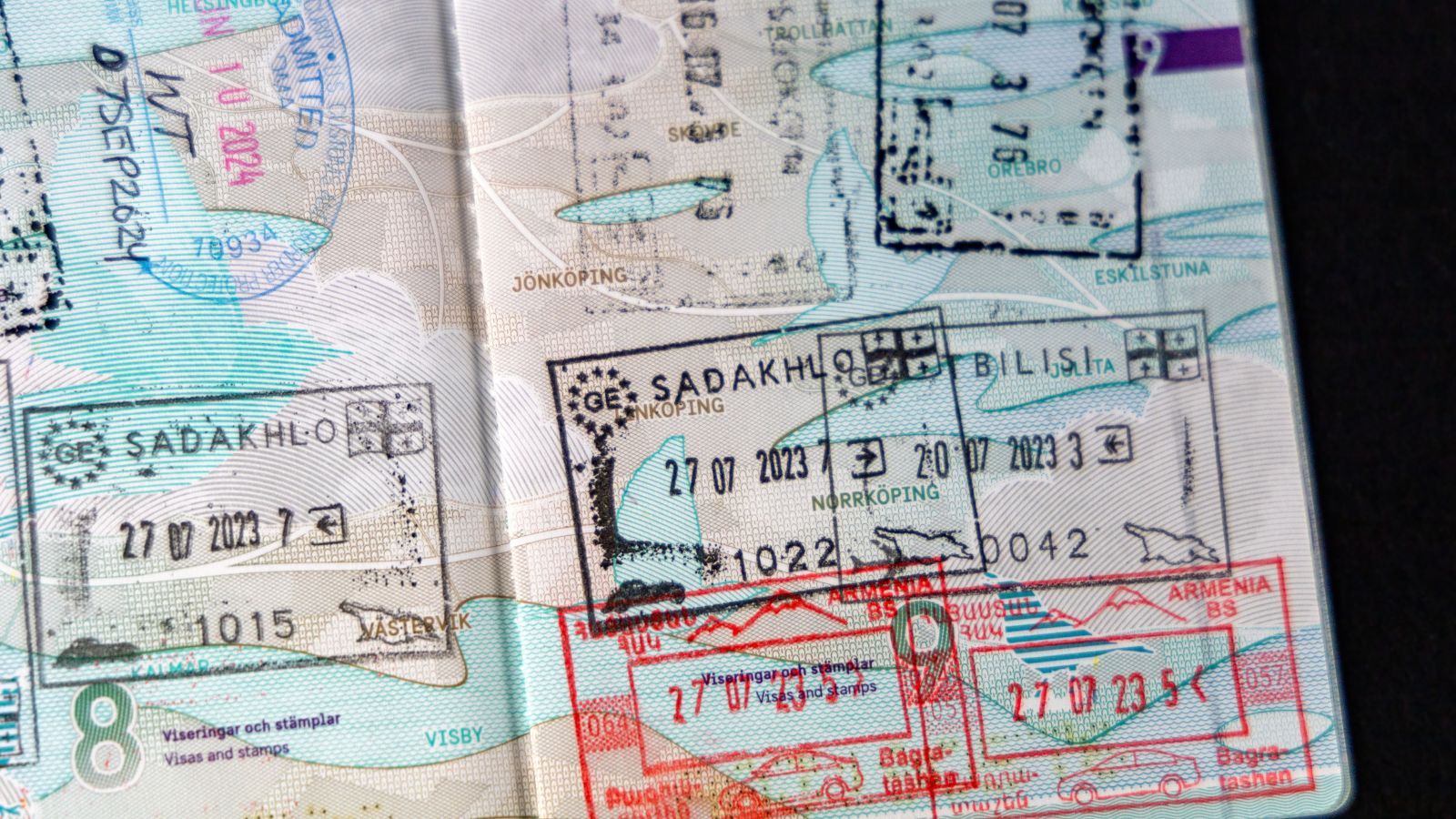
A passport should be checked long before luggage reaches the front hallway. Travellers need to confirm not only that it remains valid on departure, but that it meets the destination’s rules for the entire trip. Many countries require passports to remain valid for several months beyond the planned return date. A passport that expires shortly after the vacation may therefore be technically current but still unacceptable for entry.
Physical damage can also cause problems. Torn pages, water damage, a lifting identification page or an unreadable machine-readable zone may lead an airline or border official to reject the document. Families should examine every passport individually rather than assuming that everyone’s documents were renewed together. Children’s passports cannot simply be renewed like qualifying adult passports; a new application is required each time. A traveller discovering an expiry date at the airport may lose prepaid flights, accommodation and activities before leaving Canada.
Recheck Entry, Exit and Transit Requirements

Having a valid Canadian passport does not automatically guarantee admission to another country. Depending on the destination, Canadians may need a visa, electronic travel authorization, arrival registration, proof of onward travel or evidence of sufficient funds. Some countries also require travellers to complete a health or customs form shortly before departure. These rules can change between the date a trip is booked and the day the traveller leaves home.
Transit rules deserve equal attention. A connection through another country may trigger visa or documentation requirements even when the traveller never leaves the airport. Dual citizens can face additional rules because some countries expect their citizens to enter using that country’s passport. Parents travelling alone with children may also be asked for a consent letter from the absent parent or guardian. Checking official destination information one final time can prevent an unpleasant discovery at airline check-in, where staff are responsible for confirming that passengers appear eligible to enter their destination.
Review the Latest Travel Advice and Register the Trip

Safety conditions can change quickly because of political unrest, severe weather, disease outbreaks, transportation disruptions or natural disasters. The Government of Canada’s destination pages provide risk levels along with information about security, local laws, entry requirements, health concerns, climate hazards and nearby Canadian offices. A destination that seemed routine when booked months earlier may require additional precautions by departure day.
Canadians travelling abroad can also use the free Registration of Canadians Abroad service. Registration allows federal officials to send important information before or during emergencies, including civil unrest and natural disasters. It may also help officials reach a traveller when a personal emergency occurs at home. Registration does not replace insurance or personal planning, but it adds a useful communication channel. For example, a Canadian family in an area affected by a hurricane may receive official instructions or evacuation information even when local news and unfamiliar emergency systems are difficult to navigate.
Confirm That Travel Insurance Is Active and Adequate
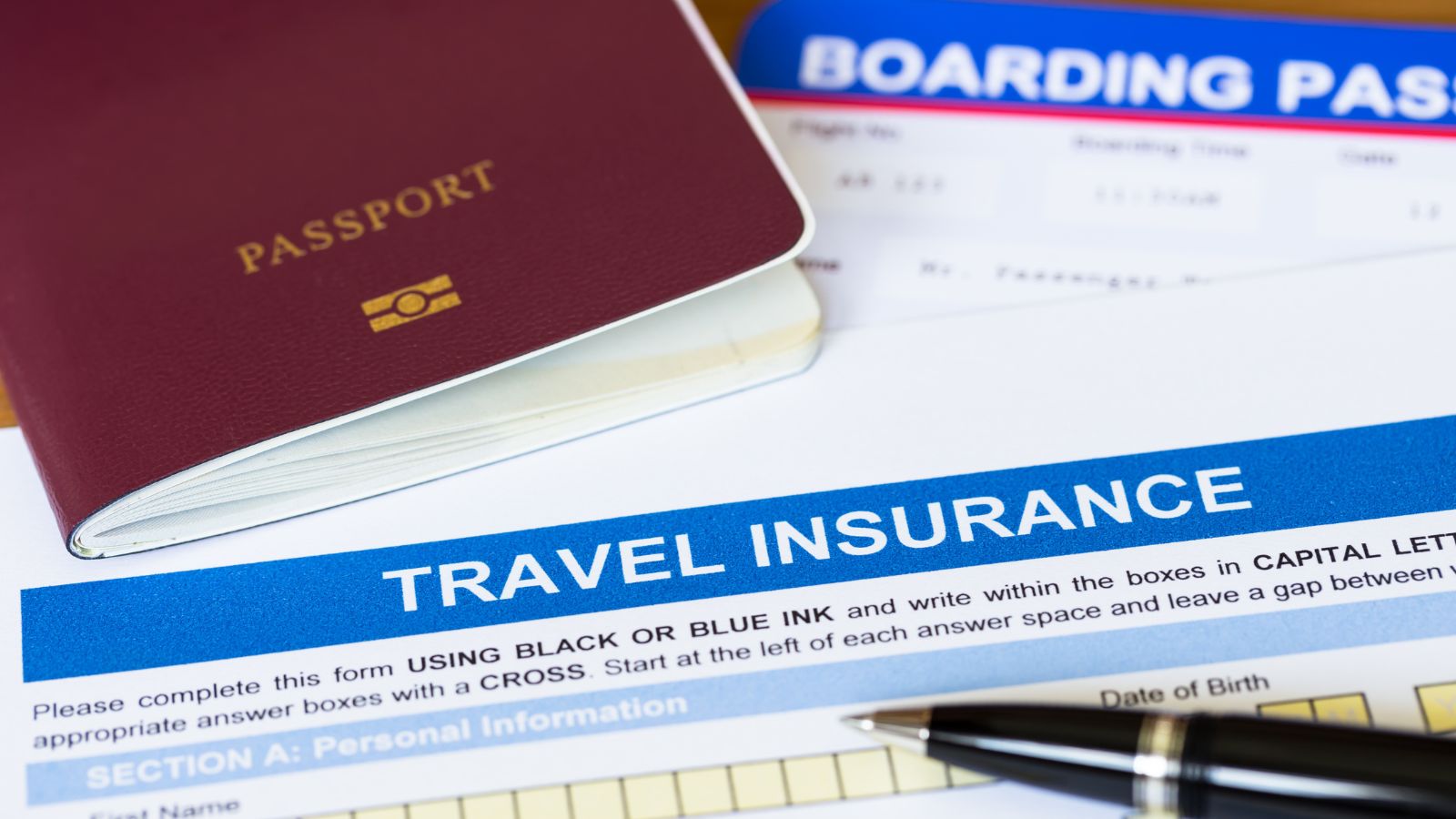
Travel insurance should be reviewed as carefully as the flight booking. Provincial and territorial health plans may cover little or none of the cost of treatment outside Canada, and they generally do not pay foreign hospitals in advance. Even a brief visit to the United States can result in significant medical expenses if an accident, infection or unexpected illness requires emergency care.
Travellers should confirm the policy’s effective dates, coverage limits, deductible, exclusions and emergency-assistance number. Pre-existing medical conditions may be covered only when they have remained stable for a defined period. Activities such as scuba diving, mountaineering or operating certain vehicles may require extra protection. Trip interruption, medical evacuation and return-of-remains coverage also deserve attention. A credit card may include travel benefits, but only when specific booking and eligibility conditions are met. Saving the policy electronically and carrying a printed copy makes it easier to contact the insurer before agreeing to treatment or paying a large medical bill.
Pack Medication Correctly and Check Its Legal Status

Prescription drugs should be packed in their original, pharmacy-labelled containers rather than combined in an unmarked organizer. Travellers should carry a medication list showing both brand and generic names, along with a copy of each prescription. A physician’s letter may be useful when medication is injectable, temperature-sensitive, medically necessary during a flight or classified as a controlled substance.
The rules of the destination and any transit country must also be checked. A medication commonly prescribed in Canada may be restricted or prohibited elsewhere. Controlled medications can be subject to strict limits on quantity, documentation and declaration. Essential medicine belongs in carry-on baggage whenever permitted because checked luggage can be delayed or lost. An extra supply may help if a flight cancellation extends the trip, although it should remain within legal import limits. Someone who arrives abroad with loose tablets in an unlabelled container may face questioning precisely when reliable access to that medicine matters most.
Review Vaccinations and Assemble a Health Kit

Routine and destination-specific vaccinations should be considered well before departure. Canadian guidance recommends consulting a travel health clinic or health-care provider preferably six weeks before a trip, allowing time for vaccines that require multiple doses or take time to become effective. Even when departure is close, professional advice can still identify useful precautions, medications or current health notices.
A practical health kit reduces the need to search for unfamiliar products while sick or injured. Common items include adhesive bandages, antiseptic, hand sanitizer, oral rehydration salts, sunscreen, insect repellent, pain medication, allergy treatment and any destination-specific medicine. Extra glasses, contact lenses or a copy of an eyewear prescription can prevent a minor accident from affecting the entire vacation. The kit should also include emergency contacts, proof of insurance and relevant immunization records. A traveller heading to a remote cottage, island or rural region may be hours from a well-stocked pharmacy, making a modest collection of familiar supplies unexpectedly valuable.
Reconfirm Flights, Check-In Rules and Baggage Details

Transportation details should be checked directly with the airline or operator before leaving home. Departure times, terminals, connection lengths and aircraft schedules can change. Online check-in may open 24 hours before departure, while some international routes require passengers to present documents at a counter even after checking in electronically. Travellers should also verify when baggage drop and boarding close, not merely when the flight is scheduled to depart.
Baggage preparation deserves documentation. The Canadian Transportation Agency recommends photographing luggage, listing important contents and placing contact information both outside and inside the bag. A tracker can provide additional location information, although it does not replace an airline claim. Claim deadlines can be surprisingly short: damaged baggage generally must be reported within seven days, while delayed baggage on an international flight generally has a 21-day claim deadline. Keeping baggage tags, receipts and photographs makes a later claim far easier than attempting to reconstruct everything after returning home.
Create Secure Copies of Important Documents
A passport, insurance policy and itinerary should not exist in only one physical location. Travellers can create encrypted digital copies and keep paper copies separate from the originals. Copies should include the passport identification page, insurance information, visa or authorization details, emergency contacts and essential booking confirmations. Sensitive documents should not be stored in an openly accessible photo album or unprotected shared folder.
A trusted person at home should receive the basic itinerary, including accommodation information and expected travel dates. Government guidance specifically recommends leaving copies of the itinerary, passport identification page and insurance policy with family or friends. This can make a major difference when a passport is lost, a traveller cannot be reached or relatives need to contact an insurer. The trusted person does not need every restaurant reservation, but should know the countries, cities, transportation plans and emergency contact route. A few organized files can replace hours of frantic searching during an already stressful situation.
Prepare More Than One Way to Pay

Relying on one payment card creates unnecessary risk. A card can be lost, blocked, retained by an ATM or rejected by a merchant. Travellers should carry at least two payment methods and store them separately, along with a modest amount of local or widely accepted currency. Bank contact numbers should be saved somewhere other than the back of the card itself.
Fees and compatibility should also be reviewed. Canadian credit cards may apply foreign-currency conversion charges, while foreign ATMs can add operator fees and cash-advance costs. A 2.5% conversion charge, for example, adds $25 to every $1,000 converted before other possible fees. Some foreign ATMs may not recognize PINs longer than four digits, and certain financial institutions may freeze a card after unexpected overseas activity. Notifying the issuer may therefore still be useful where the institution recommends it. Travellers should also know their daily withdrawal limit and avoid keeping every card and all cash in the same wallet.
Set Up Mobile Service and Digital Security

International roaming can begin as soon as a phone connects to a foreign network. Before departure, travellers should compare their carrier’s roaming package with a local SIM, eSIM or Wi-Fi-based plan. Automatic app updates, cloud photo backups and video streaming can consume data without obvious warning. Downloading maps, tickets, translation files and entertainment over home Wi-Fi reduces the need for expensive mobile data later.
Security preparation matters just as much as cost. Devices should be updated, backed up and protected with a strong passcode and multi-factor authentication. The Canadian Centre for Cyber Security advises caution with unknown public Wi-Fi and recommends cellular data for sensitive activity when possible. Bluetooth, location sharing and automatic connection features can be turned off when unnecessary. Banking or work accounts should not be accessed through an unsecured network simply because it is convenient. Delaying public vacation posts also avoids broadcasting that a residence may be empty, while still allowing photographs to be shared after everyone is safely home.
Stop Mail and Manage Every Expected Delivery

An overflowing mailbox or stack of parcels can advertise that nobody is home. Canada Post’s Hold Mail service temporarily stops eligible mail delivery and stores that mail at a secure facility. The service generally needs to be arranged in advance rather than on the morning of departure. Travellers should also remember that the service does not cover every type of item.
Parcels, privately delivered newspapers, flyers and some prepaid envelopes may not be included. Online orders should therefore be rescheduled, redirected or collected by a trusted person. Automatic delivery subscriptions for groceries, meal kits, medication or household supplies should be paused. A delivery photograph showing a large package outside the front door is not a substitute for secure storage. Apartment residents may also need to inform a concierge or building manager. Managing deliveries protects purchases from theft, prevents weather damage and keeps the entrance from becoming an obvious sign of a prolonged absence.
Check Home-Insurance Absence Requirements

Home, tenant and condominium insurance often continues during an ordinary vacation, but policies can impose conditions when a residence is unoccupied. Insurance Bureau of Canada guidance says that people planning to be away for more than 30 days should inform their insurance representative. The insurer may require scheduled visits, continued utilities or other protective measures.
Winter conditions can create stricter obligations. Some policies require a responsible person to check the property regularly to confirm that heating is operating and pipes have not frozen. Insurance Bureau of Canada guidance notes that checks every three days may be expected in some winter situations. Requirements vary, so assumptions based on a neighbour’s policy can be costly. The person checking the home should know what to inspect and how to contact the owner, insurer, plumber or building manager. A brief phone call before departure may reveal conditions that determine whether a later water-damage claim is accepted or denied.
Secure Doors, Windows, Garages and Alarm Systems

The final security check should cover every possible entry point, not only the front door. Basement windows, balcony doors, patio sliders, side entrances and doors connecting the garage to the house are easily overlooked. Garage-door remotes should not be left in a vehicle parked outside, and spare keys should not remain in predictable places such as under a mat or flowerpot.
Alarm systems and cameras should be tested before departure rather than trusted blindly. Batteries, internet connections, motion zones and notification settings can fail without obvious signs. Temporary access codes are safer for a house sitter than sharing the owner’s permanent code. Interior lights on varied timers can make a home appear normally occupied, while permanently closed curtains may signal the opposite. A neighbour who occasionally moves a garbage bin, clears snow or parks in the driveway can provide additional reassurance. The goal is not to create an elaborate performance, but to remove obvious clues that the residence has been unattended for days.
Reduce the Risk of Water Damage
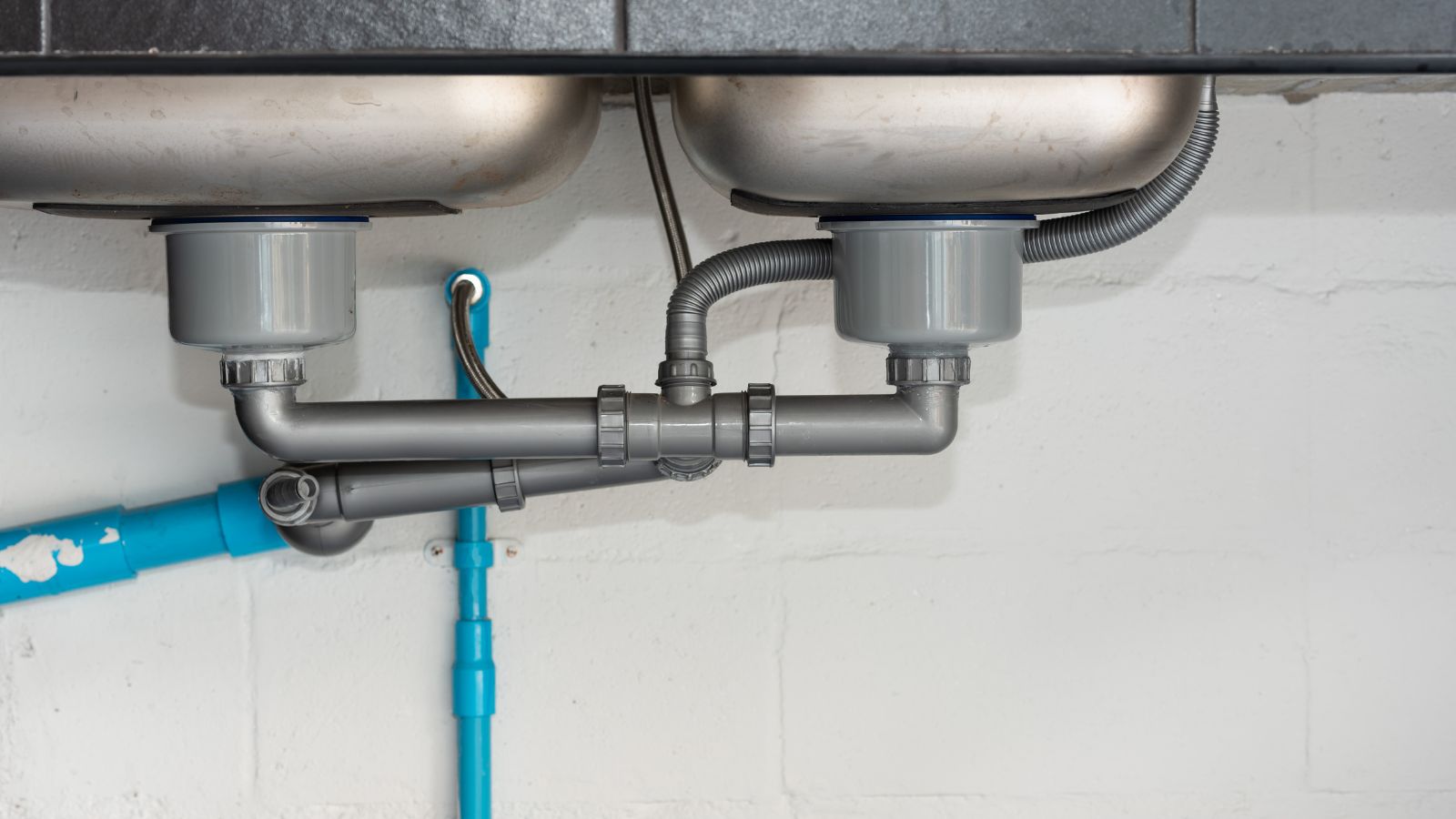
A small plumbing problem can become a major loss when nobody is present to notice it. Before departure, homeowners should inspect toilets, faucets, water heaters, exposed pipes, washing-machine hoses and the areas beneath sinks. Dampness, corrosion, staining or a toilet that continues running after flushing deserves attention before the trip.
Where safe and appropriate, shutting off the main water supply can reduce the amount of water available if a pipe or appliance hose fails. Homes with boilers, sprinkler systems, water-based heating, water softeners or other specialized equipment may require professional guidance before any valve is closed. Individual supply valves to washing machines, dishwashers or ice makers may offer another option. Leak sensors can provide alerts, but they are most useful when someone nearby can respond. A trusted checker should know where the main shutoff is located. Ten minutes spent inspecting plumbing can prevent a returning family from opening the door to warped flooring, damaged drywall and weeks of restoration work.
Set Heating and Cooling for the Season

Turning a heating or cooling system completely off may create more risk than savings. During a Canadian winter, sufficient heat is needed to protect plumbing and comply with insurance conditions. In summer, excessive indoor heat and humidity can damage belongings, affect pets or plants and encourage mould. The appropriate setting depends on the home, climate, building rules and mechanical system.
Programmable or smart thermostats can maintain a safe temperature while reducing unnecessary energy use. Remote alerts may reveal a power outage or furnace failure, although somebody must still be available to investigate. Travellers should replace weak thermostat batteries and avoid making unfamiliar programming changes immediately before departure. In winter, a home checker may need to confirm physically that the furnace is operating because an app can lose its connection. Natural Resources Canada has reported that residential energy-efficiency improvements have produced substantial household savings, but efficient operation does not mean shutting down systems that protect the building. Safety and policy compliance should remain the priority.
Unplug Unnecessary Devices and Inspect the Kitchen
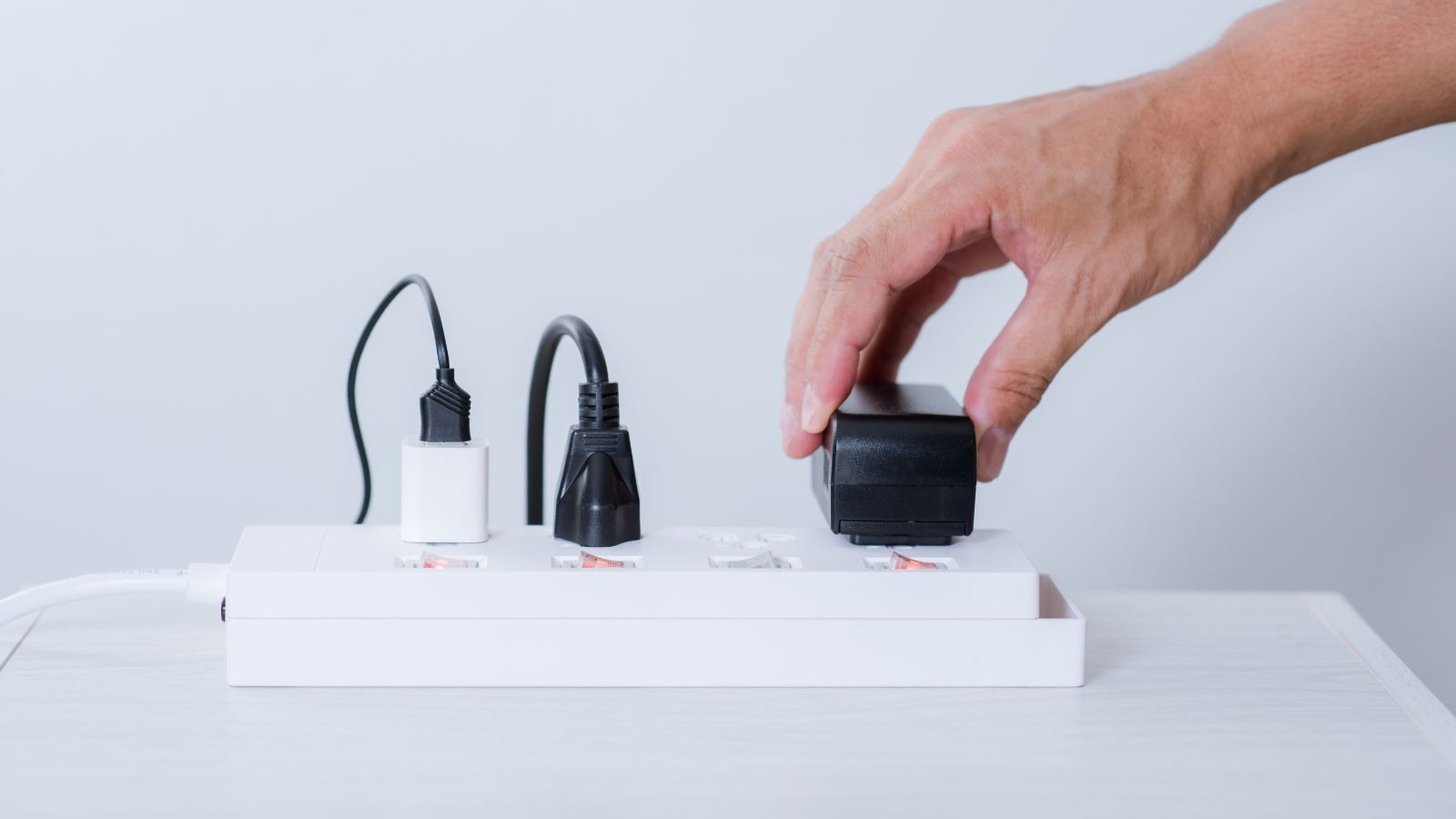
A kitchen deserves a deliberate final inspection. Stove elements, ovens, countertop burners and small appliances should be confirmed off. Ontario fire-safety guidance recommends ensuring that electric stove elements and small appliances are off or unplugged, particularly because power can be restored unexpectedly after an outage. Coffee makers, kettles, hair tools and portable heaters are common sources of last-minute doubt once travellers are kilometres from home.
Unplugging nonessential electronics can also protect them from power surges and eliminate standby consumption. Refrigerators, freezers, sump pumps, security systems, internet equipment and medically necessary devices may need to remain connected. Extension cords should not be hidden beneath rugs or left powering temporary arrangements. The dryer lint screen can be cleaned, and the dishwasher or washing machine should not be left operating after departure. A simple photograph of the cold stove and unplugged appliances may reduce the familiar worry that appears halfway to the airport, but the photograph should document a completed inspection rather than replace one.
Clear Perishable Food, Garbage and Recycling

A forgotten bag of garbage can make the return home memorable for the wrong reason. Kitchen and bathroom bins should be emptied, recycling handled and compost taken out according to local rules. Food scraps left in warm conditions attract insects and produce odours that can spread through an entire residence. Outdoor bins should be secured so that animals, wind or storms cannot scatter their contents.
Refrigerators should be checked for milk, meat, produce and leftovers that will spoil before the scheduled return. Food can be frozen, donated or discarded instead of left to become an unpleasant experiment. Travellers taking an extended absence may choose to empty and switch off a secondary refrigerator, but the door should remain open to prevent mould and odour. Dishes, coffee grounds and wet cloths should not be left in the sink. This routine may sound minor compared with passports and insurance, yet returning late at night to a clean kitchen can make the end of a long journey considerably easier.
Confirm Detailed Care for Pets and Plants

Pet care requires more than arranging for someone to refill a bowl. A sitter should receive feeding quantities, medication instructions, veterinary contacts, behavioural warnings, emergency authorization and the owner’s itinerary. Supplies should last longer than the planned absence in case the return is delayed. Identification tags and microchip information should be current, while carriers, leashes and pet medical records should be easy to locate.
The BC SPCA recommends keeping vaccination information, medications, veterinary details and written descriptions or photographs available for emergencies. A written routine helps prevent misunderstandings when several animals have different diets or prescriptions. Plants also need realistic planning: one heavy watering may not sustain delicate plants through an extended summer absence, while overwatering can be equally harmful. A sitter should know which plants require attention and which should be left alone. Trusted care protects the animal or plant, but it also gives the traveller confidence that a flight delay will not immediately become a crisis at home.
Prepare Any Vehicle Being Left Behind

A vehicle parked at home or at an airport should be cleared of visible valuables, personal documents and anything sensitive that identifies the residence. Insurance Bureau of Canada notes that theft of belongings from a vehicle is generally handled through home, tenant or condominium insurance rather than the auto policy. Theft or damage to the vehicle itself may depend on whether optional comprehensive coverage was purchased.
For a lengthy absence, the parking location, battery condition and local restrictions should be considered. A weak battery may be dead by the time the owner returns, particularly during extreme cold. Tires should be properly inflated, windows closed and parking brakes used according to the vehicle manufacturer’s guidance and storage conditions. Drivers who permit someone else to use the vehicle should confirm that the person is licensed and understand that lending a vehicle can also involve lending the associated insurance coverage. Registration, garage remotes and house keys should never be left together in a car parked away from home.
Complete a Final Room-by-Room Departure Sweep

The most reliable final check follows a fixed route rather than depending on memory. Starting at one end of the home, a traveller can inspect faucets, toilets, appliances, windows, lights, thermostats, waste bins, chargers and exterior doors. Each person can take responsibility for a category, but one adult should confirm that the entire checklist has been completed.
The final minutes should also include checking that passports, wallets, phones, medication and keys are physically present. Digital tickets are of little use when the phone holding them remains on the kitchen counter. Once outside, the garage should be confirmed closed and the main door tested after locking. A written checklist may feel excessive until the day it prevents a missed passport or running tap. Repeating the same order before every vacation turns dozens of small decisions into a familiar routine, allowing the household to leave without the nagging uncertainty that something important was forgotten.
19 Things Canadians Don’t Realize the CRA Can See About Their Online Income

Earning money online feels simple and informal for many Canadians. Freelancing, selling products, and digital services often start as side projects. The problem appears at tax time. Many people underestimate how much information the CRA can access. Online platforms, banks, and payment processors create detailed records automatically. These records do not disappear once money hits an account. Small gaps in reporting add up quickly.
Here are 19 things Canadians don’t realize the CRA can see about their online income.
This Options Discord Chat is The Real Deal
While the internet is scoured with trading chat rooms, many of which even charge upwards of thousands of dollars to join, this smaller options trading discord chatroom is the real deal and actually providing valuable trade setups, education, and community without the noise and spam of the larger more expensive rooms. With a incredibly low-cost monthly fee, Options Trading Club (click here to see their reviews) requires an application to join ensuring that every member is dedicated and serious about taking their trading to the next level. If you are looking for a change in your trading strategies, then click here to apply for a membership.