
35,000+ smart investors are already getting financial news, market signals, and macro shifts in the economy that could impact their money next with our FREE weekly newsletter. Get ahead of what the crowd finds out too late. Click Here to Subscribe for FREE.
A student lease can look straightforward when the priority is securing a room before classes begin. Yet a signature can create obligations involving thousands of dollars, roommates, utilities, deposits, insurance and an end date that may not work the way expected. Canadian rental rules also vary considerably by province and territory, while some university- or college-operated residences are treated differently from ordinary private rentals.
A careful review before money changes hands can prevent expensive surprises after move-in day. These 20 things Canadians should do before signing a student lease cover the legal fine print, practical costs, property condition, roommate risks and everyday details that can turn an affordable-looking rental into a much bigger commitment.
Confirm Which Tenancy Law Actually Applies
20 Things Canadians Should Do Before Signing a Student Lease
- Confirm Which Tenancy Law Actually Applies
- Verify the Landlord and the Listing
- Read Every Page, Including Addenda
- Check Deposit Rules Before Paying
- Put All Included Costs in Writing
- Inspect the Unit and Record Its Condition
- Get Repair Promises in Writing
- Understand What Roommates Can Cost Each Other
- Check the Sublet and Assignment Rules
- Know What Happens When the Fixed Term Ends
- Research Rent-Increase Rules Before Committing
- Understand When the Landlord Can Enter
- Review Rules on Pets, Guests and Smoking
- Price Tenant Insurance Before Signing
- Check Basic Safety, Not Just Appearance
- Confirm Local Licensing and Occupancy Rules
- Build a Full Housing Budget, Not a Rent-Only Budget
- Test the Commute and Neighbourhood in Real Life
- Protect Personal Information During Screening
- Save the Paper Trail Before Moving In
- 16 Costco Canada Habits That Could Be Costing Shoppers More Than They Save

One of the most important checks happens before the lease itself: determine which provincial or territorial tenancy rules cover the accommodation. Canada does not have a single national landlord-and-tenant law governing ordinary rentals. Provincial and territorial governments set much of the framework, meaning advice that is correct for a student renting in Vancouver may be wrong for somebody studying in Toronto, Halifax or Montréal. Rules governing deposits, rent increases, lease endings and landlord entry can differ substantially.
The type of student accommodation matters as well. Ontario says its Residential Tenancies Act generally does not apply to students living in a university or college residence. British Columbia similarly excludes living accommodation owned or operated by educational institutions and provided to students from its Residential Tenancy Act. A privately owned apartment across the street from campus may therefore carry protections that an institution-operated residence does not. Students should identify the governing law, rental authority and any residence-specific contract rules before signing.
Verify the Landlord and the Listing

Rental fraud can be particularly effective when students are searching from another city and feel pressure to secure accommodation before September. The Financial Consumer Agency of Canada identifies several warning signs, including rents far below the market rate, demands for deposits before a formal agreement exists and requests to send security deposits to landlords outside Canada. The Canadian Anti-Fraud Centre has also warned about classified advertisements using stolen photographs and below-average prices to trigger quick payments.
Before transferring money, students should confirm that the property exists, that the advertised unit matches the actual one and that the person collecting money has legitimate authority to rent it. An in-person or live video viewing can help, as can comparing photographs with other property listings and checking available ownership, management-company or municipal records. A claim that the landlord is overseas, cannot show the unit and needs an immediate e-transfer deserves extra scrutiny. Losing a deposit before school starts can leave both housing plans and a student budget in serious trouble.
Read Every Page, Including Addenda

A lease should never be treated like the terms-and-conditions screen on an app. CMHC advises renters to review the terms, conditions and duration before signing, while provincial agreements may contain mandatory standard terms alongside additional clauses. Those extra pages can contain some of the conditions that matter most to student life, including rules about parking, smoking, pets, snow removal, shared spaces or changing occupants.
Anything promised verbally should also appear in the written agreement. Suppose a property manager says during a viewing that a parking space is included, the bedroom will be repainted and summer subletting will be permitted. If the lease later says parking costs extra, alterations are not promised and subletting requires approval, the signed document may become far more important than the earlier conversation. Students should take enough time to read every clause, highlight anything unclear and ask for explanations before signing. A rushed signature can turn what sounded like an informal understanding into a year-long contractual dispute.
Check Deposit Rules Before Paying

A request for “first and last, plus damage deposit, key deposit and cleaning deposit” should not automatically be accepted simply because other applicants are interested. Deposit rules vary across Canada. CMHC specifically advises renters to consult the applicable provincial or territorial rules, while Ontario, British Columbia and Quebec provide useful examples of just how different those systems can be.
Ontario generally permits a last-month rent deposit and a refundable key deposit subject to legal limits, while its standard-lease guidance says landlords cannot simply demand pet or damage deposits. British Columbia permits security deposits, but the Residential Tenancy Act limits a security deposit to half of one month’s rent and separately regulates pet damage deposits. Quebec, meanwhile, does not generally require tenants to pay a security deposit. Those differences are significant for a student assembling several thousand dollars before classes begin. Before sending any deposit, students should identify what the payment is legally for, whether the amount is permitted and what documentation proves it was paid.
Put All Included Costs in Writing

The advertised rent is rarely enough information to understand the monthly cost of a student home. Electricity, heat, water, internet, parking, laundry and even air-conditioning arrangements can change the real price considerably. Immigration, Refugees and Citizenship Canada specifically advises renters to ask whether heat, water, electricity and internet are included and, if they are not, to determine who must arrange and pay for those services.
Students should turn those answers into written lease terms rather than relying on a statement such as “utilities are usually pretty cheap.” Consider two rooms advertised at $850 a month. One could include heat, water, internet and laundry, while the other requires separate electricity, internet and coin-operated laundry payments. The cheaper-looking option can quickly lose its advantage. Parking deserves the same attention, particularly at properties near campuses where spaces are limited. The agreement should specify included services, utility-sharing formulas, parking charges and any recurring fees so that “$850 rent” does not become a noticeably larger monthly bill after move-in.
Inspect the Unit and Record Its Condition

A clean-looking bedroom during a five-minute showing does not reveal everything. Students should check walls, flooring, windows, plumbing, appliances, locks and signs of moisture, damage or pests, then preserve evidence of the condition. CMHC recommends documenting a rental at move-in with photographs or video and completing an inspection with the landlord. Formal inspection requirements are even stronger in some provinces.
British Columbia requires condition inspection reports, while Alberta requires landlords and tenants to conduct move-in and move-out inspections within prescribed periods. The practical reason is straightforward: documentation creates a baseline. A scratched floor, cracked refrigerator shelf or damaged wall that existed before move-in should not mysteriously become a student’s responsibility months later. Taking dated photographs is especially valuable in shared houses where several people may be blamed for damage. Students should also avoid signing an inspection document that says everything is in excellent condition when obvious problems remain. The written report should reflect what is actually visible before belongings arrive.
Get Repair Promises in Writing

Students sometimes accept a less-than-perfect unit because a landlord promises that problems will be fixed before move-in. That can be reasonable, but “the maintenance person is coming next week” is very different from a written commitment identifying the problem and expected work. CMHC says landlords generally have responsibilities to maintain rental housing in good repair and meet applicable health, safety, housing and maintenance standards, although specific legal obligations depend on the jurisdiction.
Existing defects should therefore be documented before signing. A loose railing, leaking faucet, broken bedroom lock, non-functioning appliance or damaged window should be discussed explicitly. If a repair is part of the reason the student is willing to take the unit, the commitment should ideally be recorded in writing. CMHC also advises tenants to handle repair problems in writing once a tenancy is underway. An email trail may later establish when the landlord was informed and what was promised. That matters far more than trying to reconstruct a hallway conversation several months after the problem began.
Understand What Roommates Can Cost Each Other

A shared lease can create much more financial exposure than simply paying one quarter of the rent. The Financial Consumer Agency of Canada says that when two or more tenants sign the same rental agreement, each may be responsible for payments and damages, whereas tenants with separate agreements are generally responsible for what their individual agreements require. CMHC similarly warns that landlords may be able to enforce a shared lease against one or more signatories.
Students should determine whether they are renting one bedroom under an individual contract or jointly renting the entire house or apartment. Imagine four students sign one lease for $3,600 monthly and one roommate abruptly leaves. Depending on the contract and governing law, the remaining tenants may not be able to simply tell the landlord that the missing roommate’s $900 is somebody else’s problem. The same concern applies to damage. A roommate agreement covering bill splitting, cleaning, guests and replacement tenants cannot override tenancy law, but it can reduce disputes within the household by making expectations clear before problems begin.
Check the Sublet and Assignment Rules

A twelve-month student lease often collides with an eight-month academic calendar. Summer employment, co-op placements, exchange programs and graduation can also require students to leave town before the lease expires. That makes subletting and assignment rules especially important. A sublet generally involves another person temporarily occupying the unit while the original tenancy remains in place, while an assignment typically transfers the tenancy to another person.
The exact rights and procedures vary by jurisdiction. British Columbia requires written landlord consent before assignment or subletting and restricts unreasonable refusal in certain fixed-term situations. Ontario also requires landlord consent and has rules surrounding unreasonable refusal. CMHC cautions that an original tenant may remain responsible for a subtenant’s conduct, including damage or unpaid rent. Students should therefore ask about summer subletting before signing rather than assuming they can post the room online in April. A lease that cannot easily be transferred may cost several months of rent when academic or employment plans change unexpectedly.
Know What Happens When the Fixed Term Ends

The words “12-month lease” do not necessarily mean everybody must leave exactly twelve months later. Rules about fixed-term expiries differ across Canada, and confusing the contract end date with an automatic eviction date can lead students to make unnecessary housing decisions. Ontario provides a particularly important example: provincial guidance explains that when a fixed-term agreement expires, a tenant generally does not have to move out merely because the term has ended.
In Ontario, the tenancy can normally continue on a monthly basis unless it is properly ended under the applicable rules. Other provinces have their own requirements and exceptions, so students should check locally rather than assuming Ontario’s system applies everywhere. The reverse question matters too: a student who intends to leave when the school year ends may still have to give proper notice. Before signing, students should identify the lease end date, required notice period, renewal process and what happens if nobody takes action. That can prevent both accidental overstay problems and unwanted extra rent obligations.
Research Rent-Increase Rules Before Committing

The starting rent is important, but students expecting to stay for several academic years should also understand how that rent can change. CMHC notes that the permitted frequency, amount and notice for rent increases depend on provincial or territorial rules. Some jurisdictions use annual guidelines or limits, while exemptions and special circumstances may apply.
Current rules show why checking the location matters. Ontario set its 2026 rent increase guideline at 2.1 per cent for most rent-controlled units, while British Columbia set its 2026 residential rent increase limit at 2.3 per cent for covered tenancies. Not every unit is necessarily subject to the headline percentage, however; building age, housing type, tenancy status and other statutory exceptions can matter. A student thinking about staying in the same apartment through a four-year degree should determine whether the unit is covered by rent regulation and how often increases may occur. A seemingly manageable first-year rent can become a larger planning issue if the unit falls outside ordinary restrictions.
Understand When the Landlord Can Enter

Renting a unit does not generally mean accepting surprise visits whenever the owner feels like checking the property. Entry rules protect both a landlord’s legitimate need to inspect, repair or show a rental and a tenant’s expectation of reasonable privacy. Federal newcomer guidance says that in most provinces and territories, landlords generally need at least 24 hours of written notice before entering, except in circumstances such as emergencies.
Ontario and British Columbia both have detailed 24-hour notice requirements in many ordinary situations, though the exact purposes, timing and exceptions differ. Students should check the relevant provincial law and compare it with the lease. This matters particularly in large student houses, where frequent maintenance visits, property showings or landlord access can otherwise become a source of conflict. A clause suggesting unrestricted entry should not simply be assumed enforceable. Knowing the rules beforehand also helps students respond appropriately when legitimate notice is provided. Privacy is easier to protect when both parties understand the lawful process from the beginning.
Review Rules on Pets, Guests and Smoking

Student rentals often have house rules, condominium rules and lease restrictions layered on top of provincial law. Pets provide a good example. CMHC notes that pet and smoking rules vary by province and territory, meaning a prohibition that is enforceable in one jurisdiction may be treated differently elsewhere. Ontario guidance, for example, says landlords generally cannot enforce a simple “no pets” clause in the same way landlords may be able to elsewhere, although important exceptions can still apply.
Smoking restrictions can also operate at several levels. Ontario prohibits smoking or vaping in indoor common areas of apartment buildings and university or college residences, while individual leases may contain additional restrictions relating to smoking inside units. Condominium corporations may have their own rules as well. Students should similarly clarify overnight-guest and occupancy provisions instead of relying on assumptions about student housing culture. The practical question is not whether a rule sounds normal; it is whether the rule actually applies to that property and whether the lease accurately describes it.
Price Tenant Insurance Before Signing

A landlord’s property insurance should not be confused with insurance for a student’s laptop, bicycle, furniture and personal liability. The Financial Consumer Agency of Canada explains that tenant insurance may cover possessions, accidental damage caused to the rented property, liability for injuries to visitors and additional living expenses when a covered loss temporarily makes the home uninhabitable.
That distinction can become painfully clear after a fire, flood or theft. The federal government’s flood guidance notes that landlords’ policies generally cover their property and physical building rather than a renter’s personal possessions. Some leases also require tenants to carry liability insurance and provide evidence of coverage. Students should check this requirement before signing and obtain a realistic quote, especially when expensive electronics, musical instruments or bicycles will be stored in the unit. Insurance should also be examined for exclusions and optional water coverage rather than chosen solely by price. A small monthly premium can protect belongings worth many thousands of dollars, but only if the policy actually covers the relevant risk.
Check Basic Safety, Not Just Appearance

Fresh paint and new furniture can make a rental photograph well while hiding more important weaknesses. Health Canada advises renters to check for Canadian-certified smoke and carbon monoxide alarms in their homes. Students should also look at locks, windows, stairs, exterior lighting and routes out of bedrooms and basements. A bedroom should be evaluated as a living space, not simply as somewhere a bed happens to fit.
Basement units deserve particularly careful attention because questions about windows, exits, moisture and fire separation may not be obvious during a quick viewing. Students do not need to become building inspectors, but visible warning signs should prompt questions before a contract is signed. Testing faucets and included appliances during a viewing is also recommended by federal rental guidance. In a five-person student house, a faulty smoke alarm or blocked exit is far more consequential than a scratched countertop. Attractive décor can be replaced; fundamental safety problems deserve investigation before anyone commits to sleeping there.
Confirm Local Licensing and Occupancy Rules

Provincial tenancy law is not the only regulation that can affect student rentals. Municipalities may impose rental licensing, rooming-house standards, occupancy rules, zoning requirements or property inspections. These systems are particularly relevant in cities with large post-secondary populations and many converted houses.
Waterloo offers a current example. New rental-licensing requirements took effect July 1, 2026, and the city provides an online system for tenants to check whether covered rental properties hold valid licences. Toronto requires operators of multi-tenant houses to be licensed, while Hamilton also operates rental-housing licensing requirements in designated areas. A licence is not a guarantee that a tenancy will be problem-free, but checking municipal status can reveal whether the property is operating within a local regulatory framework. Students considering a converted basement, rooming house or low-rise property should search the municipality’s website, confirm whether licensing applies and ask questions if the landlord appears reluctant to discuss inspections, occupancy limits or legal use.
Build a Full Housing Budget, Not a Rent-Only Budget

A lease should be tested against a monthly budget before it is tested against a pen. CMHC has traditionally used housing costs below 30 per cent of before-tax household income as an affordability benchmark, although CMHC itself has noted that the 30 per cent rule does not fully capture whether a household can afford other necessities. For students with irregular employment or loan income, a cash-flow budget can be more useful than relying on a single ratio.
Statistics Canada reported that in 2022, 33 per cent of renters spent at least 30 per cent of household income on shelter costs, compared with 16.1 per cent of owners. Student finances can be even less predictable because income may change between academic terms and summer employment. Rent should therefore be combined with utilities, internet, insurance, transportation, laundry, groceries and expected tuition-related expenses. A room that appears only $100 more expensive can represent $1,200 over a twelve-month lease before any associated utility or commuting difference is counted.
Test the Commute and Neighbourhood in Real Life
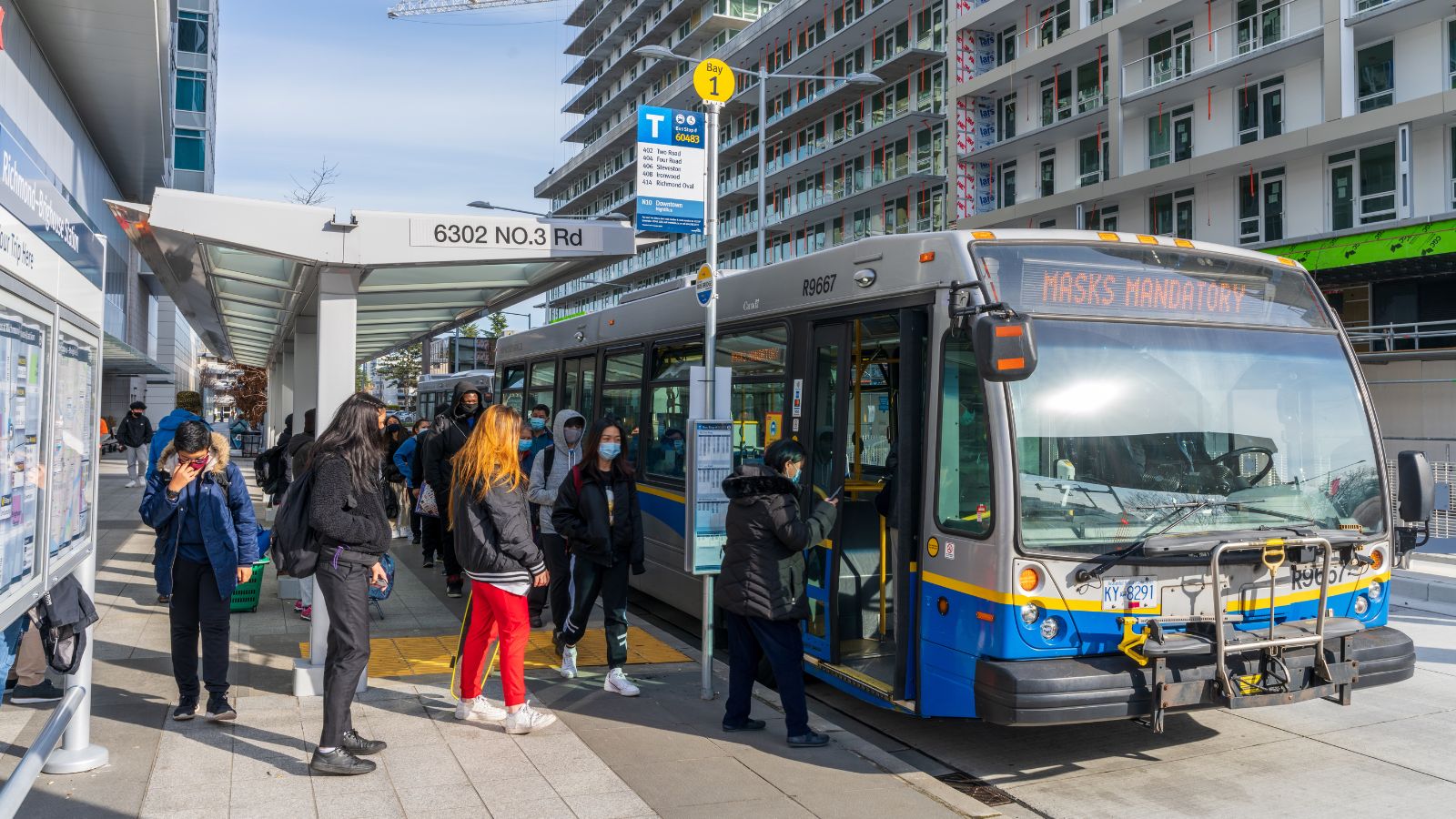
A map showing “12 minutes to campus” does not necessarily describe a January morning, an evening lab or a missed bus connection. The federal government’s neighbourhood-selection guidance recommends considering daily commute time and public-transport access when choosing housing. Those questions are especially important for students who may travel to campus at irregular hours rather than during a conventional workday.
Before signing, students should try the route using the transportation method they will actually depend on. Check evening and weekend schedules, bicycle storage, winter walking conditions, grocery access and whether late-night transit is available after libraries or labs close. A slightly more expensive room within walking distance can sometimes cost less overall than a cheaper suburban unit requiring transit passes, rideshares or a car. The neighbourhood should also be visited outside the landlord’s preferred viewing time when practical. Noise, lighting and traffic can look very different at 11 p.m. than at 2 p.m. A lease lasts longer than the ten-minute showing used to sell it.
Protect Personal Information During Screening

Rental applications can involve highly sensitive information, particularly when students have limited credit history and are asked for guarantors. CMHC notes that landlords may conduct credit checks in some provinces and territories, while the Financial Consumer Agency of Canada explains that renters with little or damaged credit history may be asked to provide a guarantor who agrees to pay if the tenant cannot.
Students should understand what information is being requested, why it is needed and who will receive it. The federal Office of Consumer Affairs notes that privacy law can require consent before a prospective landlord shares personal information with third parties such as credit-reporting services, depending on the applicable legal framework. Rental scams add another reason for caution: federal warnings specifically identify fake websites seeking personal or financial information as a danger sign. Documents containing identification, banking information or financial details should not be sent simply because an anonymous listing claims dozens of applicants are waiting. Verify the recipient first and provide only information reasonably needed for the legitimate application process.
Save the Paper Trail Before Moving In

The final task is simple but surprisingly powerful: preserve everything. Keep the signed lease, addenda, inspection report, deposit records, emails, photographs and any written agreements about repairs or included services. Ontario has specifically advised student renters to keep copies of documents given to landlords, and its standard-lease guidance says landlords must provide receipts for rent or other payments when properly requested.
Other provinces have their own documentary requirements. British Columbia, for example, requires landlords to provide tenants with a copy of the tenancy agreement within 21 days of signing. Written amendments should also be preserved. Cloud storage can be useful because a lease kept only on a phone that later breaks is not much of a record. A dedicated folder containing the original advertisement, payment confirmations and move-in photographs can turn a later disagreement from competing memories into a documented timeline. Before the keys are handed over, students should know where their evidence is stored and which provincial tenancy authority handles disputes if something goes wrong.
16 Costco Canada Habits That Could Be Costing Shoppers More Than They Save

The Executive Membership can feel like an obvious upgrade because the 2% annual reward sounds straightforward. For households that spend heavily at Costco Canada, the extra fee may be easy to justify. But the habit becomes costly when shoppers upgrade first and calculate later. A Gold Star Membership costs less, while Executive costs more and only pays off if eligible annual spending is high enough to offset the difference.
16 Costco Canada Habits That Could Be Costing Shoppers More Than They Save
This Options Discord Chat is The Real Deal
While the internet is scoured with trading chat rooms, many of which even charge upwards of thousands of dollars to join, this smaller options trading discord chatroom is the real deal and actually providing valuable trade setups, education, and community without the noise and spam of the larger more expensive rooms. With a incredibly low-cost monthly fee, Options Trading Club (click here to see their reviews) requires an application to join ensuring that every member is dedicated and serious about taking their trading to the next level. If you are looking for a change in your trading strategies, then click here to apply for a membership.