
35,000+ smart investors are already getting financial news, market signals, and macro shifts in the economy that could impact their money next with our FREE weekly newsletter. Get ahead of what the crowd finds out too late. Click Here to Subscribe for FREE.
35,000+ smart investors are already getting financial news, market signals, and macro shifts in the economy that could impact their money next with our FREE weekly newsletter. Get ahead of what the crowd finds out too late. Click Here to Subscribe for FREE.
Summer has a way of loosening household budgets. Patio meals, road trips, festivals, vacations and spontaneous weekends can turn ordinary spending patterns into something much harder to sustain once fall routines return. That reset matters in 2026, when many Canadian households are still balancing elevated debt, higher grocery bills and mortgage costs that remain substantially different from the ultra-low-rate years. Statistics Canada reported a household saving rate of 3.5% in the first quarter of 2026, underscoring how little breathing room can exist when expenses jump unexpectedly. Before September changes the rhythm again, these 16 money habits are worth reviewing—from budgeting and credit-card use to savings, banking fees, mortgages and recurring charges.
Replace the Summer Budget With a Real One
16 Money Habits Canadians Should Reset Before Summer Ends
- Replace the Summer Budget With a Real One
- Rebuild Emergency Savings Before Fall
- Stop Treating Minimum Credit-Card Payments as a Plan
- Audit Every Recurring Charge
- Reset Grocery Shopping Around Unit Prices
- Start Sinking Funds for Fall Costs
- Re-Shop the Chequing Account
- Put Savings on Autopilot
- Check TFSA Room Before Adding More Money
- Prepare for Mortgage Renewal Before the Letter Arrives
- Put Buy Now, Pay Later Plans Back on a Short Leash
- Pull and Actually Read the Credit Reports
- Recheck Insurance Instead of Auto-Renewing Blindly
- Give Idle Cash a Better Job
- Stop Ignoring Banking Alerts
- Put a Monthly Money Review on the Calendar
- 16 Costco Canada Habits That Could Be Costing Shoppers More Than They Save

A budget built in May may bear little resemblance to what actually happened in July and August. Summer often brings irregular spending on travel, restaurants, entertainment, fuel and children’s activities, which can make old monthly targets increasingly fictional. The Financial Consumer Agency of Canada recommends comparing budgeted amounts with actual spending and adjusting figures when differences become persistent. That makes late August an ideal checkpoint. Instead of simply promising to spend less, households can examine recent bank and credit-card statements and identify which categories genuinely changed. Even seemingly small habits matter: FCAC illustrates that spending $3 every day on coffee adds up to more than $1,000 over a year.
The reset should also distinguish between a temporary summer splurge and a permanent increase in expenses. Higher insurance, rent, groceries or commuting costs belong in the new baseline; a cottage weekend does not. A realistic September budget should therefore start with current take-home income, fixed bills, debt payments and necessary variable costs before discretionary spending is added. When the numbers no longer balance, the useful question is not whether the old budget can somehow be rescued. It is which spending commitments need to change so the new budget reflects real life rather than an optimistic version of it.
Rebuild Emergency Savings Before Fall

An emergency fund can quietly become a summer fund. A vehicle repair before a road trip, an unexpected flight, a larger-than-planned vacation bill or simply several expensive weekends can pull money from savings that was originally meant to protect the household. FCAC recommends eventually aiming for the equivalent of three to six months of regular expenses, while acknowledging that such a target can seem intimidating. Its guidance emphasizes starting gradually: even $20 saved each week amounts to $1,040 over a year before interest.
The important reset is to stop treating a depleted emergency account as something that can be rebuilt “later.” Fall brings its own financial risks, from car repairs and home maintenance to interruptions in employment. A modest automatic contribution beginning with the next paycheque can restore the habit before another expense appears. Emergency money should also remain distinct from predictable seasonal bills. FCAC specifically separates true emergencies from expenses such as school supplies, winter tires and holiday spending, which should be planned in the regular budget. Keeping those categories separate prevents every predictable expense from repeatedly draining the same financial safety net.
Stop Treating Minimum Credit-Card Payments as a Plan
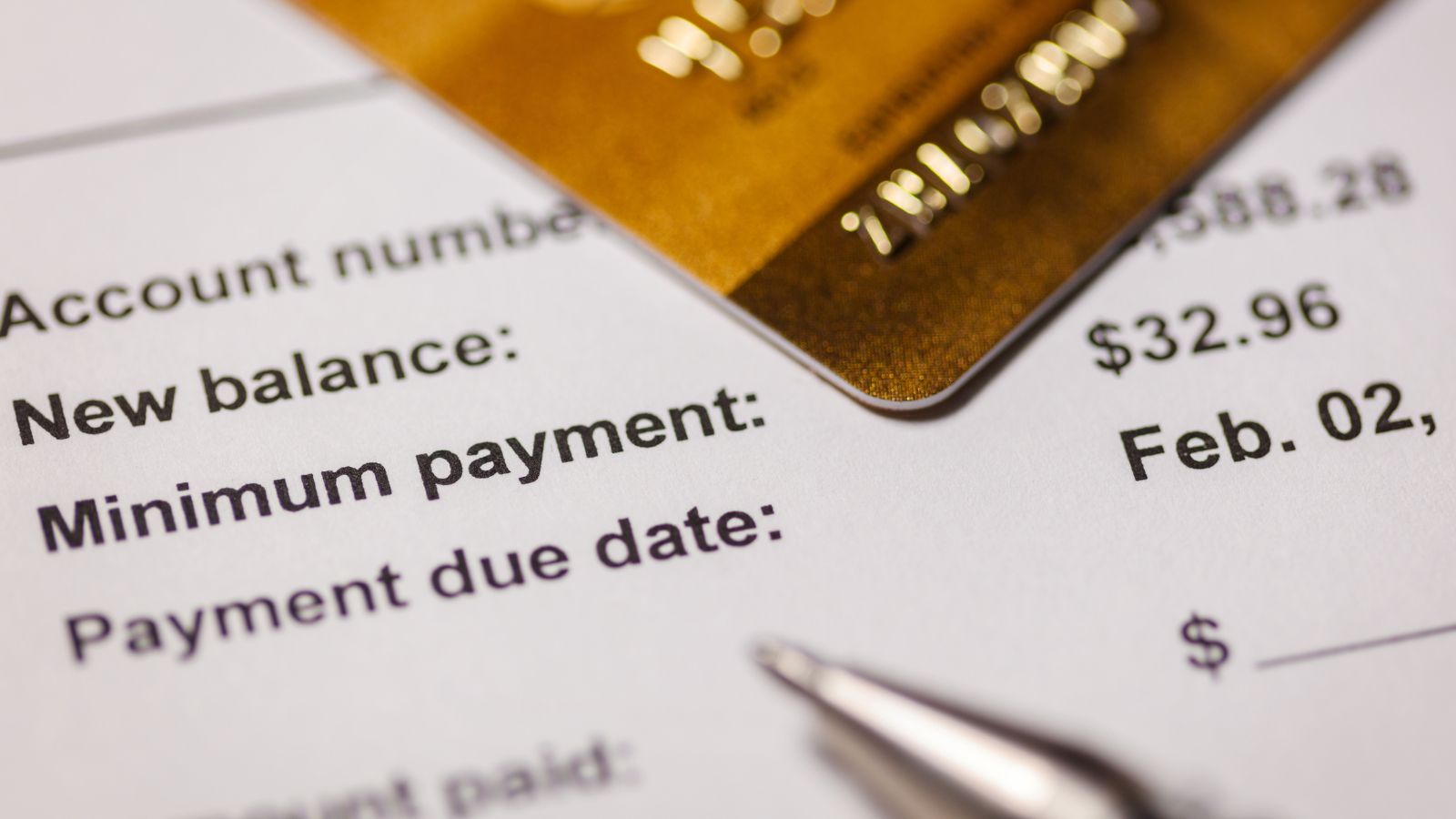
A minimum payment keeps an account current, but it is not an efficient debt-repayment strategy. FCAC demonstrates the difference with a $2,000 credit-card balance at 18% interest. At a $60 monthly payment, the example takes three years and 11 months to eliminate and generates $793 in interest. Increasing the payment to $160 cuts the repayment period to one year and two months and reduces the interest to $231. That is a $562 difference caused by the repayment pattern rather than by buying anything else.
Summer balances deserve particular attention before fall expenses begin landing on the same cards. Canadians carrying balances can list each card’s outstanding amount, interest rate and minimum payment, then decide how much additional cash can consistently be directed toward repayment. FCAC notes that standard purchase rates can be around 19%, while cash advances may cost more, although actual rates vary by card. Paying the statement balance in full remains the least expensive approach because interest generally applies when the balance is not cleared by the due date. Rewards points are difficult to celebrate when interest charges cost substantially more than the rewards are worth.
Audit Every Recurring Charge

Subscriptions are easiest to overlook when each one feels inexpensive. A streaming service here, cloud storage there, a fitness app, delivery membership, software package or forgotten free trial can turn into a surprisingly large fixed monthly expense. The strongest way to find them is not to rely on memory but to review several months of bank and credit-card statements. FCAC specifically advises identifying automated transactions when reviewing or transferring financial accounts. That process frequently exposes charges that have faded into the background because no fresh buying decision is required each month.
Pre-authorized debits deserve the same attention. FCAC recommends checking accounts regularly to make sure withdrawals match what was approved. Consumers may cancel a pre-authorized debit agreement by notifying the biller according to the agreement’s terms, although stopping the debit does not automatically cancel an underlying contract or erase money legitimately owed. The late-summer reset is therefore a line-by-line test: Is the service still being used? Is a cheaper tier sufficient? Has the price increased? Could a household plan replace multiple individual subscriptions? Eliminating even $25 of forgotten monthly spending redirects $300 a year toward something deliberately chosen.
Reset Grocery Shopping Around Unit Prices

Food remains one of the clearest places where an outdated budget can fail. Statistics Canada reported that prices for food purchased from stores were 3.9% higher in June 2026 than a year earlier, compared with a 2.8% increase in the overall Consumer Price Index. Its Food Price Data Hub showed national June averages including $4.88 for a dozen eggs, $5.94 for 454 grams of butter and $16.61 per kilogram for ground beef. Individual households will see different prices, but the broader point is difficult to miss: grocery routines deserve active management rather than a fixed dollar target carried forward from earlier years.
Health Canada recommends planning meals, shopping with a list and comparing unit prices rather than assuming the largest package or familiar brand is cheapest. Generic and brand-name products can also be compared directly. A practical reset can begin with a weekly meal plan built around food already in the refrigerator, freezer and pantry, followed by a list of only the missing ingredients. That reduces duplicate purchases and food waste while making weekly spending easier to anticipate. Grocery savings do not require turning every meal into a mathematical exercise; they require making fewer expensive decisions while hungry, rushed or standing in an aisle.
Start Sinking Funds for Fall Costs

Some expenses feel unexpected only because they arrive infrequently. School supplies, winter tires, holiday gifts, annual memberships, vehicle registration, property-related bills and seasonal clothing can be entirely predictable even when they do not appear every month. FCAC specifically warns against confusing these occasional expenses with emergencies and says costs such as school supplies, winter tires and holiday expenses should already be incorporated into the budget. Late summer provides a useful dividing line for turning those known future bills into planned savings targets.
A household expecting to spend $800 on several fall and early-winter costs, for example, faces a much different problem if the entire amount must come from one November paycheque than if money starts accumulating months earlier. Dividing anticipated costs by the number of pay periods remaining creates a simple sinking-fund contribution. Separate savings buckets can make the money harder to accidentally spend elsewhere. Families with students may have tuition, textbooks, technology or transportation expenses layered on top of ordinary household costs, while drivers may be approaching tire changes and winter maintenance. None of those bills is mysterious. The habit to reset is waiting until predictable expenses become urgent.
Re-Shop the Chequing Account

Banking fees often survive simply because changing accounts feels inconvenient. That deserves a fresh look in 2026. Under Canada’s modernized Commitment on Low-Cost and No-Cost Accounts, all Canadians can access qualifying low-cost chequing accounts charging no more than $4 per month from participating institutions. These accounts include at least 18 debit transactions each month. Eligible groups—including students, Canadians aged 18 or younger, Guaranteed Income Supplement recipients, Registered Disability Savings Plan beneficiaries and newcomers during their first year in Canada—may qualify for no-cost versions, with additional eligible groups varying among participating institutions.
That does not mean a $4 account is automatically the best choice. Someone making dozens of transactions could save more with an unlimited package, while another person may find a digital institution with a suitable no-fee option. FCAC’s Account Comparison Tool allows consumers to compare monthly fees, transaction costs, interest rates and services. The useful habit is comparison rather than loyalty by inertia. Reviewing ATM charges, e-transfer fees, minimum-balance requirements and unused premium features can reveal whether the account still fits. A monthly fee that made sense five years ago should not receive permanent protection simply because it has become familiar.
Put Savings on Autopilot

Saving only what happens to remain at the end of the month gives every other expense first claim on income. FCAC recommends turning that order around by automating transfers from a regular account into savings or investments, potentially scheduling them for payday. Automatic saving reduces the need to make the same decision repeatedly and makes the contribution part of the household’s normal cash flow. The amount does not need to be dramatic. Consistency matters because small amounts can accumulate while financial circumstances improve.
For example, a household transferring $50 from every biweekly paycheque would direct roughly $1,300 into savings over 26 pay periods, before any interest or investment return. The transfer can later increase after a raise, debt payoff or cancelled subscription. FCAC also recommends reviewing savings goals when circumstances change, because a new home, child, utility increase or other life event can alter what is realistic. Automation should therefore not mean neglect. If summer spending caused automatic contributions to be repeatedly reversed, the amount may need adjusting. A sustainable transfer that stays invested or saved is more useful than an ambitious one that continually bounces back into chequing.
Check TFSA Room Before Adding More Money
A Tax-Free Savings Account can be useful for many goals, but the word “savings” sometimes makes it sound more forgiving than it is. Contribution limits still matter. The CRA set the 2026 TFSA annual dollar limit at $7,000, while unused room from eligible previous years can carry forward. The amount a particular Canadian can contribute is therefore personal rather than automatically $7,000. Residency history, previous contributions and withdrawals all affect available room. CRA advises checking its records together with financial-institution records before contributing.
One especially important rule catches people who withdraw and then quickly replace TFSA money. A withdrawal does not create replacement contribution room immediately; generally, that withdrawn amount is added back on January 1 of the next calendar year. Re-contributing during the same year without sufficient unused room can therefore produce an over-contribution. CRA states that an excess TFSA amount can be subject to a 1% tax per month while it remains in the account. Before directing a late-summer bonus, tax refund or accumulated cash toward a TFSA, checking actual contribution room is a better habit than guessing. Tax-free growth is valuable; paying avoidable over-contribution tax is not.
Prepare for Mortgage Renewal Before the Letter Arrives

Mortgage renewal should not begin when the lender’s offer appears in the mailbox. FCAC recommends starting to shop around a few months before the mortgage term ends and notes that borrowers do not have to renew with their existing lender. Competing offers can also provide leverage when negotiating. That preparation is especially relevant in 2026 because many borrowers are still transitioning from mortgages negotiated during exceptionally low-rate years to higher-rate contracts.
Bank of Canada analysis estimated that about 60% of mortgage holders renewing in 2025 and 2026 would see payments rise relative to December 2024. The averages conceal substantial differences: its analysis suggested five-year fixed borrowers renewing in 2026 could face particularly significant increases. Households with a renewal approaching can use late summer to model several payment scenarios, check the remaining amortization, review prepayment options and decide whether the existing budget has enough room. Even Canadians whose renewal is months away benefit from knowing the likely range. A $300 monthly increase discovered early can be planned around; the same increase discovered days before renewal feels like an emergency.
Put Buy Now, Pay Later Plans Back on a Short Leash

Buy now, pay later can make a large purchase feel strangely small because attention shifts from the full price to one installment. FCAC is clear that BNPL is still credit. Depending on the plan, missed payments can produce fees, lost promotional rates or higher borrowing costs. Some retail credit arrangements can move from a 0% promotional rate to a much higher interest rate when conditions are not met. Multiple installment plans also make it easier to underestimate how much of the next paycheque has already been committed.
FCAC’s Canadian BNPL pilot study illustrates the risk. Among a small group of users studied, 15% of those who made their payments on time and in full still reported making unfavourable financial trade-offs, such as delaying another bill, using overdraft, cutting essentials or borrowing elsewhere. Before fall shopping begins, every outstanding installment can be listed beside its remaining balance, payment dates and funding account. New BNPL purchases can then face a simple affordability test: if the full price would be uncomfortable today, dividing it into four pieces does not necessarily make it affordable. Convenience is useful only when future income has not already been promised elsewhere.
Pull and Actually Read the Credit Reports
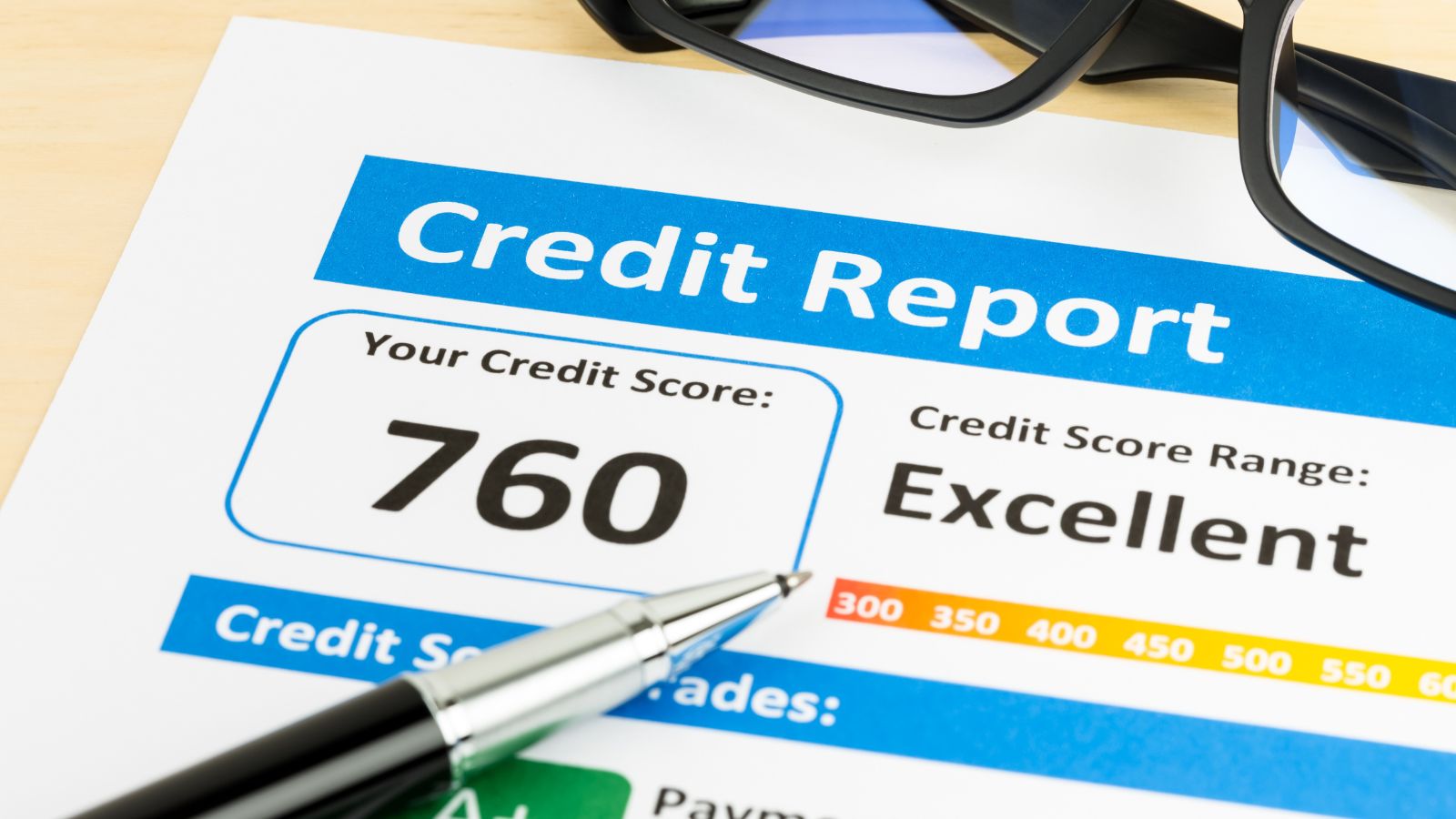
Credit reports tend to attract attention only before a mortgage, apartment application or major loan. By then, correcting a mistake can become stressful. FCAC says Canada has two main credit bureaus, Equifax and TransUnion, and recommends checking credit information for errors and signs of fraud. A person’s own check does not lower the credit score. Reports may include credit cards, loans, lines of credit, collections, lender inquiries and, in some cases, phone, utility or mortgage information.
The habit worth resetting is treating the report as a financial maintenance document rather than a judgment. Someone may discover an account believed to be closed, an incorrect balance or credit activity that is unfamiliar. FCAC states that consumers have the right to dispute information they believe is wrong and that credit bureaus must correct verified errors without charging for the correction. Payment history, debt levels, proximity to credit limits and applications for new credit can all influence creditworthiness. A late-summer review is particularly useful before the heavier borrowing season that can accompany vehicles, home projects, tuition or holiday spending. Finding a problem before credit is urgently needed preserves options.
Recheck Insurance Instead of Auto-Renewing Blindly

Insurance is designed to protect against financial risks, but a policy that matched life several years ago may no longer match it today. FCAC advises consumers to consider their circumstances and life stage when determining insurance needs and to understand what policies cover and exclude. A move, marriage, new child, different vehicle, home purchase, business venture or significant change in personal property can all change the appropriate level of protection. At the same time, paying for overlapping or unnecessary coverage can quietly inflate monthly costs.
The reset is not simply to cut premiums. Higher deductibles can lower some insurance costs, for example, but they also increase the amount a household must absorb when making a claim. FCAC notes that drivers facing higher premiums can discuss options such as changing deductibles, reconsidering collision coverage on a low-value vehicle or bundling policies. Credit-card balance insurance deserves similar scrutiny because other life or disability coverage may already overlap with it. Before automatically accepting another renewal, households can compare coverage limits, deductibles, exclusions and competing quotes. Saving $20 a month is useful only if the replacement policy still protects the risks that would be financially difficult to absorb.
Give Idle Cash a Better Job

Money needed for next month’s rent should not be gambled in volatile investments, but that does not mean every dollar of short-term savings needs to sit in a non-interest-bearing chequing account. FCAC notes that savings accounts generally provide quick access to funds and that consumers can compare interest rates, transaction fees and conditions. Some accounts use tiered rates or pay higher rates only after balances cross particular thresholds, so the headline percentage does not always apply equally to every dollar deposited.
This matters most when balances have accumulated without a specific purpose. A household might keep upcoming bill money in chequing, emergency savings in an accessible interest-bearing account, and longer-term money in appropriate registered or investment accounts depending on risk tolerance and goals. The habit to reset is allowing cash placement to happen accidentally. Promotional savings rates also deserve careful reading because temporary offers may expire or apply only to new deposits. Even modest interest is better than none when money needs to remain safe and liquid, but accessibility and fees matter too. The right home for cash depends on when it will be needed, not merely which institution happens to receive the paycheque.
Stop Ignoring Banking Alerts

Low-balance alerts can feel like digital clutter until they prevent a missed payment or overdraft. Under Canada’s federal consumer-protection framework, banks must send electronic alerts when the balance in a chequing or savings account falls below $100—or another threshold selected by the customer—and when available credit on a credit card or line of credit falls below a similar threshold. Those alerts are intended to give consumers an opportunity to act before a transaction creates additional financial trouble.
They also belong beside a second habit: regularly reviewing accounts for unfamiliar transactions. FCAC recommends contacting the financial institution promptly when an unauthorized or suspicious transaction appears, changing passwords or PINs where appropriate and continuing to monitor accounts afterward. Setting a personally useful alert threshold can therefore turn a generic notification into an early-warning system. Someone with a $250 automatic insurance payment coming up may want an account-balance alert well above $100, for example. Alerts cannot replace budgeting, but ignoring them removes useful information. A five-minute response to a warning can be cheaper than discovering a problem after payments have failed or fraudulent activity has continued for days.
Put a Monthly Money Review on the Calendar

The strongest reset is the one that prevents another full reset from being necessary. FCAC recommends comparing actual spending with the budget at the end of each month and asking where the largest differences occurred, whether those differences were unusual and whether savings remain sufficient to reach financial goals. That turns money management from an occasional crisis response into routine maintenance. A monthly check-in does not need spreadsheets covering every coffee; it needs enough information to reveal whether income, bills, debt and savings are moving in the intended direction.
A useful 20-minute review can cover chequing balances, credit-card statements, upcoming irregular expenses, debt totals, savings transfers and any large bills expected during the next month. Financial goals can be adjusted when circumstances change rather than abandoned because the original plan became unrealistic. August is an especially natural starting point because summer spending is visible while fall costs are beginning to arrive. By September, the household is operating with current numbers instead of assumptions carried over from spring. Money habits rarely improve because of one dramatic decision. They improve when small decisions are reviewed often enough that expensive patterns are noticed before they become permanent.
16 Costco Canada Habits That Could Be Costing Shoppers More Than They Save

The Executive Membership can feel like an obvious upgrade because the 2% annual reward sounds straightforward. For households that spend heavily at Costco Canada, the extra fee may be easy to justify. But the habit becomes costly when shoppers upgrade first and calculate later. A Gold Star Membership costs less, while Executive costs more and only pays off if eligible annual spending is high enough to offset the difference.
16 Costco Canada Habits That Could Be Costing Shoppers More Than They Save
This Options Discord Chat is The Real Deal
While the internet is scoured with trading chat rooms, many of which even charge upwards of thousands of dollars to join, this smaller options trading discord chatroom is the real deal and actually providing valuable trade setups, education, and community without the noise and spam of the larger more expensive rooms. With a incredibly low-cost monthly fee, Options Trading Club (click here to see their reviews) requires an application to join ensuring that every member is dedicated and serious about taking their trading to the next level. If you are looking for a change in your trading strategies, then click here to apply for a membership.