35,000+ smart investors are already getting financial news, market signals, and macro shifts in the economy that could impact their money next with our FREE weekly newsletter. Get ahead of what the crowd finds out too late. Click Here to Subscribe for FREE.
Tax-Free Savings Accounts sound simple, but many Canadians discover the hard way that small mistakes can cost real money. The rules look forgiving at first glance. Withdraw when you want. Invest how you like. Grow tax-free. The problem is what happens when timing, contribution limits, or account tracking go wrong. The CRA does not send warnings before penalties start. Interest charges can quietly pile up for months. Even careful savers make errors because the rules change, balances shift, and records fall out of sync. Here are 20 TFSA errors Canadians keep making (and the penalties nobody warns you about).
Overcontributing Without Realizing It
20 TFSA Errors Canadians Keep Making (And the Penalties Nobody Warns You About)
- Overcontributing Without Realizing It
- Re-Depositing Withdrawals Too Soon
- Assuming CRA Contribution Limits Are Always Accurate
- Forgetting Old Accounts Still Counts
- Contributing Before You Are Eligible
- Using a TFSA for Day Trading
- Holding Non-Qualified Investments
- Avoiding Withdrawals Because of Benefit Fears
- Contributing While Living Outside Canada
- Moving Money Incorrectly Between TFSAs
- Waiting Too Long to Remove Excess Contributions
- Forgetting Growth Expands Future Room
- Mixing TFSA and RRSP Rules
- Treating a TFSA Like a Joint Account
- Naming the Wrong Beneficiary
- Leaving TFSA Money in Cash Too Long
- Assuming Investment Losses Create New Room
- Mishandling TFSA Inheritances
- Assuming the Annual TFSA Limit Always Increases
- Expecting TFSA Penalties to Be Automatically Forgiven
- 22 Groceries to Grab Now—Before another Price Shock Hits Canada
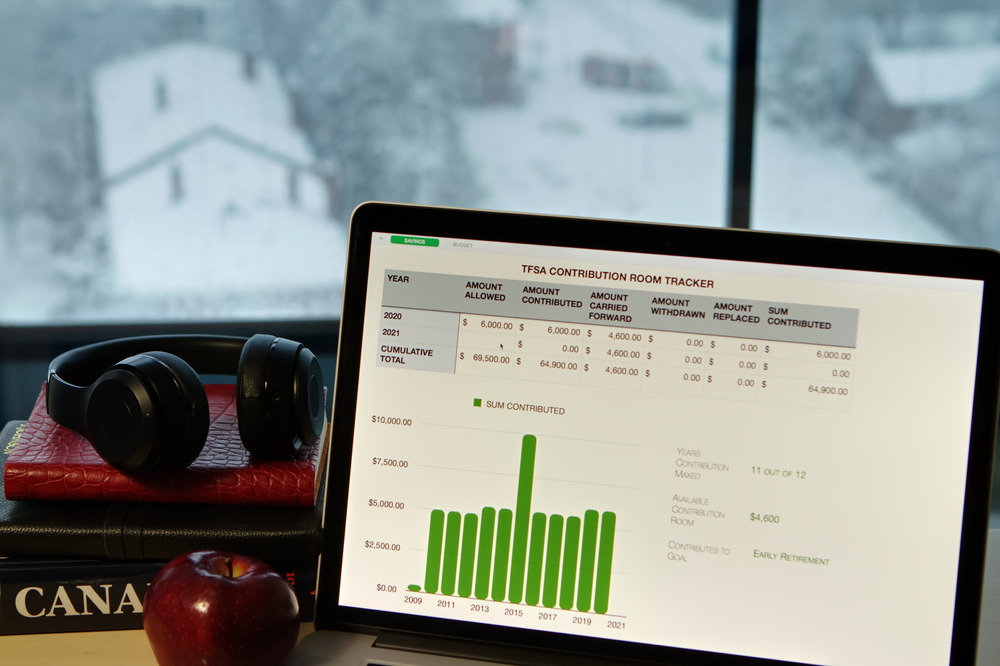
Overcontributions are the most common TFSA mistake in Canada. Many people rely on memory instead of records. The contribution room does not reset after each deposit. It builds over time. If you exceed your limit, the CRA charges a one percent tax per month on the excess. That tax applies until the overage is removed. Even small overages can grow costly when left unnoticed. Banks do not stop you from depositing too much. Tracking is your responsibility. CRA account balances may lag in real-time. One missed detail can trigger months of penalties.
Re-Depositing Withdrawals Too Soon

Withdrawing money does not instantly restore TFSA room. Withdrawn amounts are added back on January first of the following year. Many Canadians redeposit funds within the same year. That move creates an overcontribution. The penalty applies even if the money only sits briefly. This mistake often happens during short-term cash needs. Emergency withdrawals followed by quick repayment feel logical. The CRA does not see it that way. Timing matters more than intent. Waiting until the next calendar year avoids unnecessary penalties.
Assuming CRA Contribution Limits Are Always Accurate
CRA TFSA records are not always current. Financial institutions report data with delays. Contributions made late in the year may not appear until months later. Many people rely on the CRA portal alone. That creates false confidence. Overcontributions can occur when personal tracking is ignored. The CRA still enforces penalties even if its records lag. Your own spreadsheet or bank summaries matter more. Accurate personal records protect you when official numbers fall behind.
Forgetting Old Accounts Still Counts
Closed or forgotten TFSAs still affect the contribution room. Accounts opened years ago continue to matter. Some Canadians open multiple TFSAs across banks. Others forget early accounts entirely. The CRA tracks totals, not individual institutions. Moving money between banks does not reset limits. Closing an account does not erase contribution history. Lost paperwork can cause confusion years later. Every TFSA you ever opened counts toward your lifetime tracking responsibility.
Contributing Before You Are Eligible

TFSA eligibility starts at age eighteen with a valid Social Insurance Number. New residents face different rules. The contribution room does not accumulate before eligibility begins. Some Canadians mistakenly deposit early. Others assume residency alone creates room. The CRA treats early contributions as overcontributions. Penalties apply immediately. This error often affects young adults and newcomers. Timing eligibility correctly prevents early penalties that compound quickly.
Using a TFSA for Day Trading

Many Canadians assume any trading inside a TFSA stays tax-free. That is not always true. The CRA allows investing, not operating a business. Frequent buying and selling can trigger scrutiny. There is no official trade limit. The CRA looks at frequency, intent, and holding periods. Using charts daily and executing rapid trades raises flags. If classified as a business activity, profits become taxable. Losses still receive no relief. The TFSA can lose its tax-free advantage for those gains. Casual investors usually face no issue. Aggressive strategies carry real risk.
Holding Non-Qualified Investments

Not every investment is allowed inside a TFSA. Some private shares, foreign listings, and certain structured products are prohibited. Holding a non-qualified investment triggers serious penalties. The CRA may charge a fifty percent tax on the asset’s value. Income earned may face additional taxes. Many investors assume platforms screen eligibility. Responsibility still rests with the account holder. Even one improper holding can undo years of tax-free growth. Reviewing eligibility before purchase matters. Ignorance does not remove penalties. Checking CRA rules avoids expensive mistakes later.
Avoiding Withdrawals Because of Benefit Fears

Many Canadians avoid TFSA withdrawals due to benefit concerns. This fear is misplaced. TFSA withdrawals do not count as taxable income. Programs like OAS and GIS ignore them. Withdrawing from taxable accounts instead can increase income and reduce benefits. This misunderstanding leads to higher taxes and unnecessary clawbacks. TFSAs offer flexibility during retirement and income gaps. Knowing when withdrawals are safe improves planning. Using the TFSA strategically preserves benefits and reduces stress. Fear-driven decisions often cost more over time.
Contributing While Living Outside Canada

TFSA rules change when residency changes. Non-residents cannot contribute to a TFSA. The contribution room stops accumulating while abroad. Any deposit during non-residency triggers a one percent monthly penalty. Many Canadians forget to pause automatic contributions. Banks do not block deposits based on residency status. The CRA still applies penalties. Returning to Canada restores eligibility, not missed room. Understanding residency rules matters before cross-border moves. Ignoring them can create months of avoidable penalties.
Moving Money Incorrectly Between TFSAs

Transferring a TFSA incorrectly can cause penalties. Direct transfers between institutions do not affect the contribution room. Withdrawing cash and re-depositing does. Many Canadians choose speed over process. That choice creates overcontributions. Proper transfers require institution-to-institution forms. Skipping them triggers CRA penalties. The money destination does not matter. The method does. Taking extra time prevents errors. One rushed transfer can undo years of careful planning. Process protects your room.
Waiting Too Long to Remove Excess Contributions

Excess contributions trigger penalties monthly. Removing them stops future charges, not past ones. Many Canadians wait until tax season. That delay increases costs. The CRA charges interest on penalties owed. Acting quickly limits damage. Voluntary disclosures help, but do not erase taxes. Waiting never improves outcomes. Immediate removal reduces stress and expense. Speed matters more than explanation. Every month adds cost. Quick action is the only real solution.
Forgetting Growth Expands Future Room

TFSA withdrawals restore the contribution room equal to the amount withdrawn. That includes investment growth. Many Canadians track deposits only. Ignoring growth leads to underestimating future room. This mistake limits flexibility rather than creating penalties. Understanding growth helps planning. Long-term gains increase future contribution power. The TFSA rewards patience. Tracking balances accurately allows smarter withdrawals. Growth is a benefit, not a complication.
Mixing TFSA and RRSP Rules
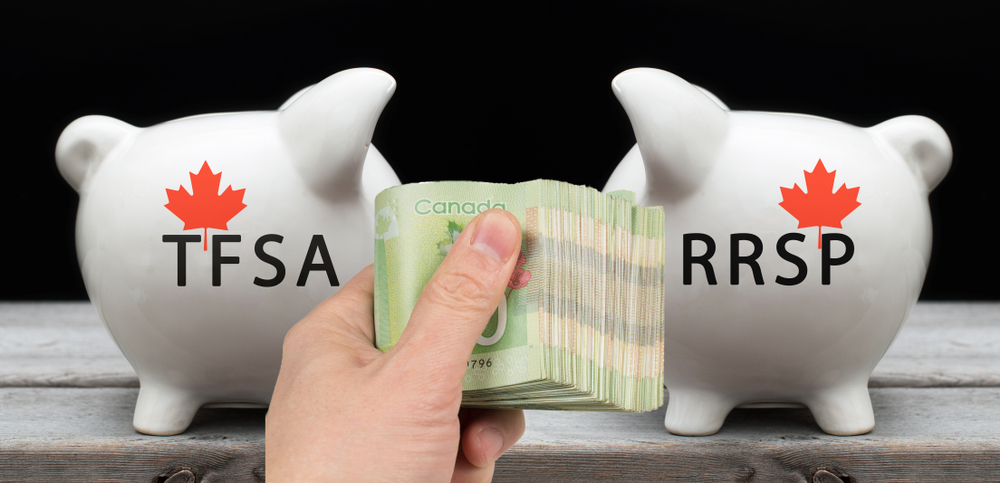
TFSA and RRSP rules differ sharply. TFSA room does not depend on income. RRSP room does. TFSA withdrawals are tax-free. RRSP withdrawals are taxable. TFSA withdrawals restore room later. RRSP withdrawals permanently reduce the room. Confusing these rules leads to planning errors. Many Canadians assume both accounts work similarly. They do not. Understanding differences prevents costly mistakes. Each account serves a different purpose. Mixing rules causes frustration and penalties.
Treating a TFSA Like a Joint Account

A TFSA cannot be joint. Each account belongs to one person. Spouses cannot share the contribution room. Some couples combine funds incorrectly. Gifting money is allowed. Ownership must remain individual. Improper pooling can trigger CRA reviews. Relationship status does not change TFSA rules. Clear ownership protects both partners. The following structure avoids reassessment risk. Intent does not override rules.
Naming the Wrong Beneficiary

Incorrect beneficiary designations cause problems. Naming the estate can trigger probate fees. Naming a successor holder allows spouses to continue the TFSA. Many Canadians skip this step. Others misunderstand options. Poor choices can remove tax protection after death. Simple paperwork avoids legal delays. Planning matters. Beneficiary errors affect heirs during stressful times. Proper designation preserves value and simplicity.
Leaving TFSA Money in Cash Too Long
A TFSA is a tax shelter, not an investment by itself. Leaving money in cash for years reduces its value. Inflation quietly erodes purchasing power over time. Many Canadians hesitate to invest in a TFSA due to market fear. This caution creates an opportunity cost. While no CRA penalty applies, the financial impact is real. Lost tax-free growth compounds over decades. Cash has a purpose for short-term needs. Long-term stagnation weakens the account’s benefit. A TFSA works best when money is put to work thoughtfully.
Assuming Investment Losses Create New Room

Investment losses inside a TFSA do not generate new contribution room. Only withdrawals restore space. Some Canadians expect room to reset after losses. That assumption leads to overcontributions. The CRA does not adjust limits for performance. Losing money reduces future flexibility. Gains help expand the room. Losses permanently shrink potential. This rule surprises many investors during market downturns. Emotional decisions often follow. Understanding this rule prevents risky assumptions. TFSA math stays fixed regardless of outcomes. Performance never changes contribution rules.
Mishandling TFSA Inheritances
TFSA inheritance rules depend on relationship status. Spouses can receive transfers without affecting their own room. Other beneficiaries cannot. Non-spouse recipients may receive funds tax-free but lose TFSA protection. Improper handling can create penalties or lost shelter. Many mistakes happen during emotional periods. Clear planning reduces confusion later. Naming successor holders simplifies transfers. Beneficiary errors often surface too late. Understanding inheritance rules before death protects heirs and preserves value. Proper setup prevents unnecessary tax exposure.
Assuming the Annual TFSA Limit Always Increases

TFSA limits change year to year. Some years increase. Others remain unchanged. Assuming growth every year causes overcontributions. Many Canadians rely on memory instead of verification. The CRA announces limits annually. Using outdated figures triggers penalties. Small errors add up quickly. Habit-based assumptions lead to avoidable mistakes. Checking limits takes minutes. Verification prevents months of charges. Limits are fixed, not estimated. One incorrect deposit can create lasting consequences. Accuracy matters more than habit.
Expecting TFSA Penalties to Be Automatically Forgiven
TFSA penalties are not automatically forgiven. Relief requires a formal request. Approval is discretionary. Interest continues during review. Many Canadians assume small mistakes will be overlooked. The CRA applies rules strictly. Appeals take time and documentation. Outcomes are uncertain. Prevention works better than forgiveness. Tracking contributions reduces risk. Accuracy avoids stress. Hope does not reverse penalties. Understanding enforcement encourages caution. Following rules consistently protects savings and peace of mind.
22 Groceries to Grab Now—Before another Price Shock Hits Canada

Food prices in Canada have been steadily climbing, and another spike could make your grocery bill feel like a mortgage payment. According to Statistics Canada, food inflation remains about 3.7% higher than last year, with essentials like bread, dairy, and fresh produce leading the surge. Some items are expected to rise even further due to transportation costs, droughts, and import tariffs. Here are 22 groceries to grab now before another price shock hits Canada.
22 Groceries to Grab Now—Before another Price Shock Hits Canada
This Options Discord Chat is The Real Deal
While the internet is scoured with trading chat rooms, many of which even charge upwards of thousands of dollars to join, this smaller options trading discord chatroom is the real deal and actually providing valuable trade setups, education, and community without the noise and spam of the larger more expensive rooms. With a incredibly low-cost monthly fee, Options Trading Club (click here to see their reviews) requires an application to join ensuring that every member is dedicated and serious about taking their trading to the next level. If you are looking for a change in your trading strategies, then click here to apply for a membership.