
35,000+ smart investors are already getting financial news, market signals, and macro shifts in the economy that could impact their money next with our FREE weekly newsletter. Get ahead of what the crowd finds out too late. Click Here to Subscribe for FREE.
Move over McMansions. Tiny homes are stealing the spotlight! These pint-sized powerhouses are all the rage across the US and Canada. From eco-conscious millennials to retirees looking to downsize, tiny homes offer big benefits in small packages. Here are 20 reasons why thousands are swapping sprawling for snug homes.
Affordable Living
20 Reasons Why More People Are Opting for Life in Tiny Homes
- Affordable Living
- Eco-Friendly Lifestyles
- Freedom to Travel
- Fewer Maintenance Costs
- Minimalist Mindset
- Built to Last
- Flexibility in Space
- Off-grid Potential
- Lower Property Taxes
- Community Living
- Energy Efficiency
- Easy to Clean
- Ideal for Downsizing
- Disaster Resilience
- Zoning Flexibility
- Lower Carbon Footprint
- Healthier Living
- Strong Investment Returns
- Suitable for Any Lifestyle
- The Cool Factor
- 25 Countries Predicted to Become Economic Superpowers in the Next 20 Years

Forget big mortgages—”mini homes” cost an average of $30,000 to $60,000, while the average US home price in 2024 was $436,800. Tiny homes offer much-needed relief to the wallet. Even when adding land purchase costs, they’re still much more affordable. In addition, with many homemakers building their homes themselves, the construction cost is saved by 40%, making it the perfect choice for the cash-strapped but handy-with-a-tool individual.
Eco-Friendly Lifestyles

Tiny houses are not only small but also green. According to the Tiny Home Industry Association, a person residing in a house consumes 45% less energy than the average on-site dwelling. While an average home consumes a whopping 10,399 kWh, an average tiny one consumes just about 914 kWh annually. In addition, the owners of tiny houses use upcycled materials like recovered wood, metal, and even vinyl siding, thus reducing construction waste by up to 90%.
Freedom to Travel

Thanks to the wheels that now sit under your kitchen sink, it’s easier than ever to kiss the nine-to-five goodbye and hello to the open road. After all, a staggering 72% of tiny homeowners use their home as a mobile base for adventure, according to a 2022 survey. With towing equipment and vehicle upgrades costing less than $5,000, achieving that kind of freedom, comfort, and style is easier than ever. In addition, tiny living means fewer ties to any one place—many owners spend less than 6 months in the same spot.
Fewer Maintenance Costs

The average maintenance of a 2,500-square-foot house costs $3,000 annually. On the other hand, tiny houses would only cost $600 because they require fewer repairs, fewer complicated systems, and even smaller spaces to clean. Compact plumbing and electrical setups allow for 50% less repair cost since such systems are smaller and easier to repair without professional help.
Minimalist Mindset

The average North American home contains over 300,000 items, yet 80% of that clutter is never used. Tiny homes provoke a “less is more” attitude, leaving only what matters to the residents. Decluttering has been found to reduce stress levels by 40%, with some owners reporting increased productivity and creativity based on simpler living.
Built to Last

Modern tiny homes are built with quality materials such as recycled steel, bamboo, and high-grade composites. They do not easily clog even during hurricane-force winds, as they can endure up to 150 mph gusts. Some tiny homes feature reinforced frames and solar paneling, ensuring long use while lessening environmental harm. Such houses last for around 60 to 70 years, with minimal upgradation throughout its usage.
Flexibility in Space
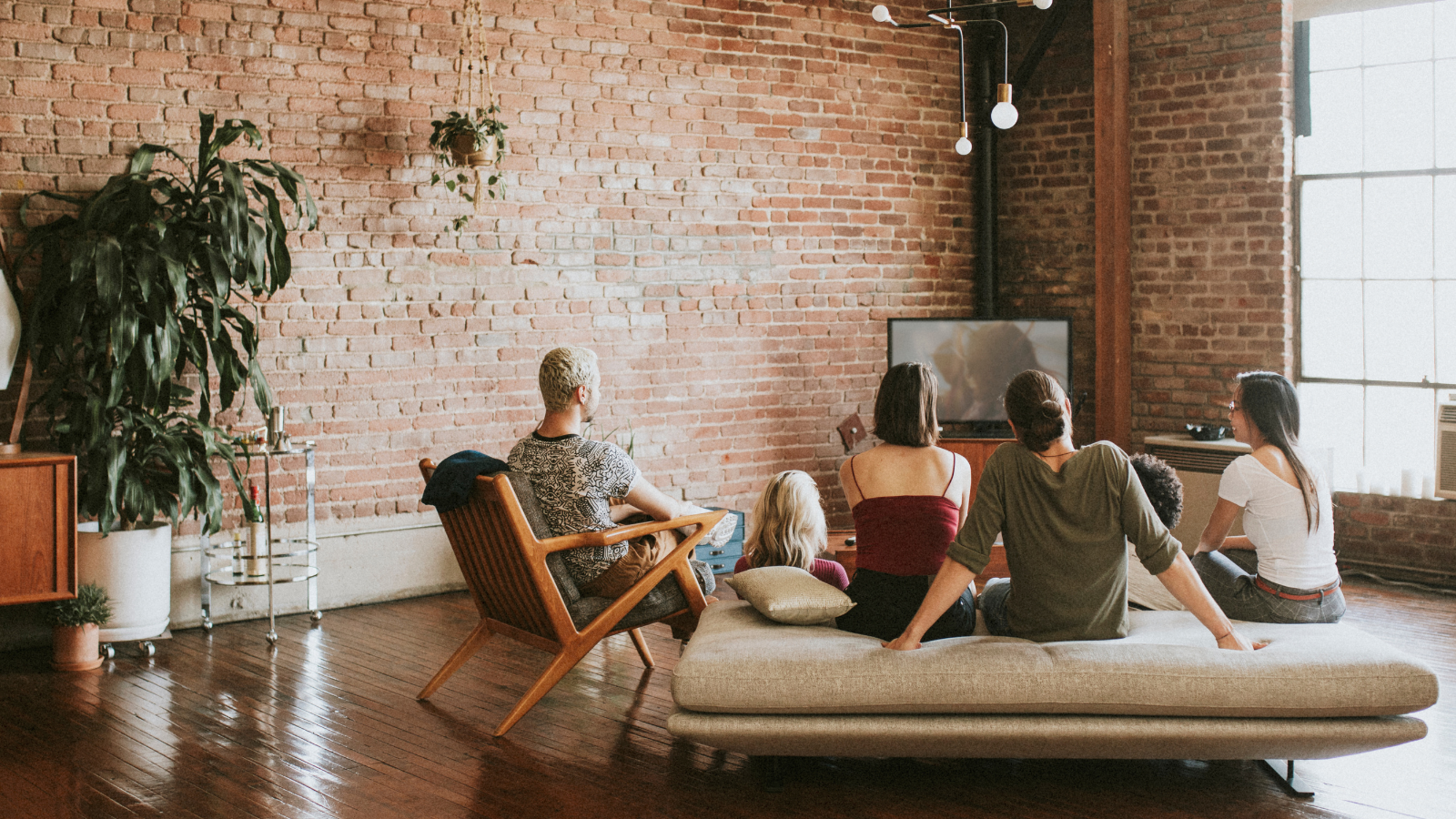
A National Association of Home Builders survey discovered that 82% of tiny home buyers customize their layout, including hidden storage, multiple-use furniture, and even quirky features like rooftop gardens. Standard upgrades include foldable walls to create additional space, Murphy beds with built-in shelving units, and creative uses of loft areas.
Off-grid Potential
 Tiny houses fitted with solar panels, composting toilets, and water collection systems allow 68% of the owners to live completely off the grid. Solar installations cost around $10,000, a fraction of the usual solar setups. Most owners combine features like these with wind turbines or hydro systems to achieve 100% energy independence.
Lower Property Taxes

In the US, property taxes on a tiny home can be as low as $300 a year, compared to the national average of $3,500. In Canada, taxes are determined based on the size of the home and its location, saving owners up to 75% of their annual dues. For mobile tiny homes, many states and provinces eliminate property taxes.
Community Living

Tiny home villages are sprouting across North America, laying the foundation for tight-knit communities. A few notable examples are Quixote Village in Washington State, where shared resources cut the cost for individuals, and Laneway Communities in Vancouver, another place for sharing resources. According to a 2023 study, 57% of tiny home people cite improved mental health from these supportive networks.
Energy Efficiency

Tiny homes are the energy champions, requiring seven times less energy than their traditional counterparts. While tiny homeowners consume only 914 kWh annually, large-scale homes consume up to 10,399 kWh annually. Most tiny homes are equipped with features such as solar panels that can generate the energy needed in the home up to 100% and tankless water heaters, which provide on-demand hot water without storing water, thus not consuming much energy.
Easy to Clean
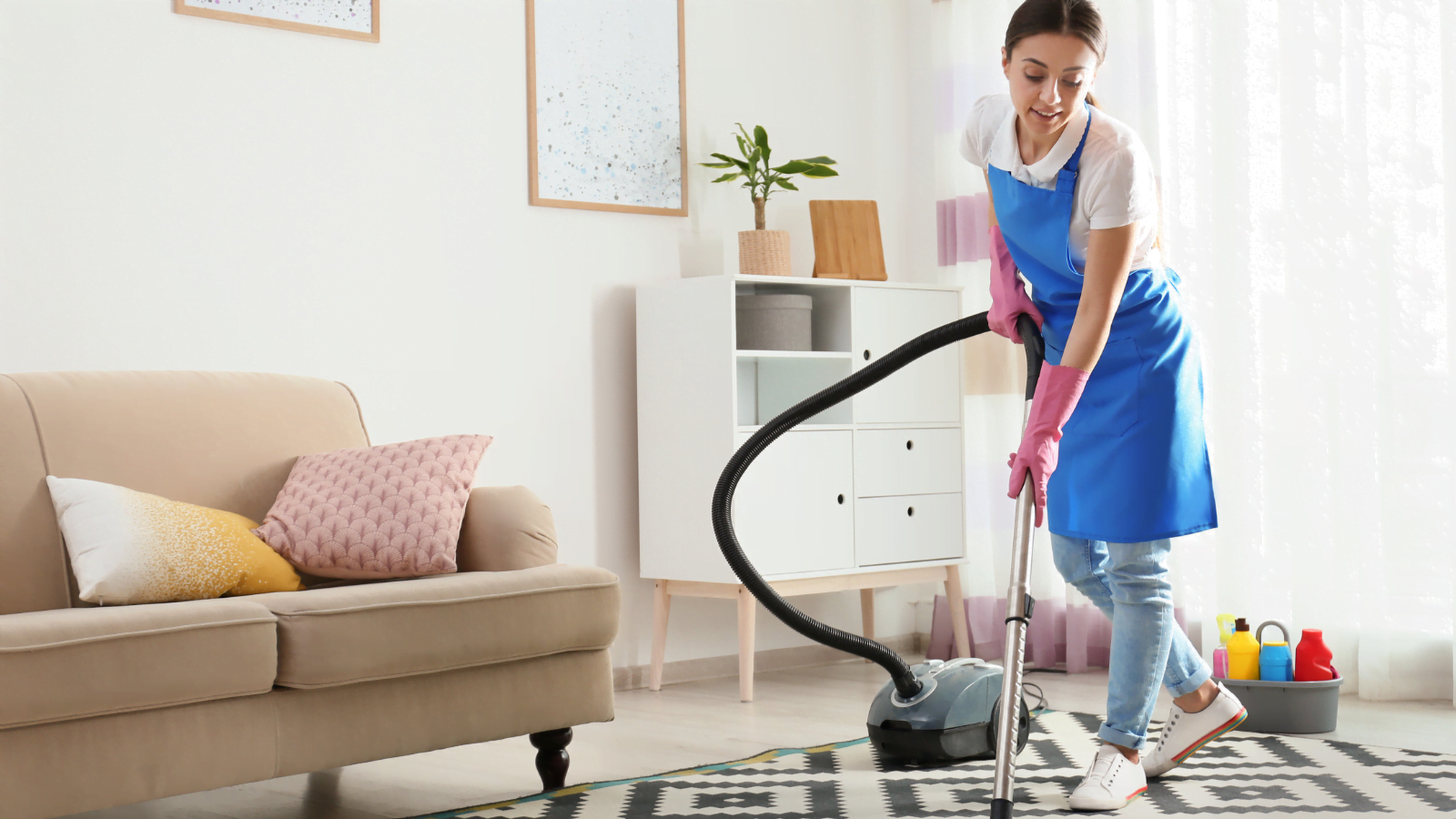
Nobody loves cleaning. While keeping an enormous house takes hours of scrubbing, sweeping, and dusting, tiny houses are a piece of cake to clean. Cleaning an ordinary 2,500-square-foot house takes up to 4 hours, while a tiny home, around 200 to 400 square feet, can be cleaned in 30 minutes to 1 hour. Not having too much to clean and nearly no clutter is why homeowners claim to save 50% of what they spend on cleaning products and time.
Ideal for Downsizing

Life transitions result in different kinds of living needs. Retirees are the fastest-growing tiny homeowners, and 40% of tiny homeowners are over 55 years old. Those downsizing from a regular residence often break free from annual expenditures of $4,000 or more in property taxes and $2,500 in utilities. In addition to saving money, downsizing has another emotional payback: fewer things generally mean less stress and more time for pastimes, travel, or family.
Disaster Resilience

Tiny homes are built tough. Many tiny home manufacturers build these dwelling places according to or even exceed FEMA standards, making them hurricane-resistant, earthquake-resistant, and even resistant to wildfires. The “Earthquake Tiny Home” model, for example, is supposed to withstand tremors of 8.5 magnitude, giving residents a haven in regions known for their earthquakes, such as California. Tiny homes in hurricane-prone regions are built with reinforced steel frames and hurricane straps that can withstand winds up to 150 mph.
Zoning Flexibility

One of the biggest hurdles to homeownership is navigating zoning laws, but tiny homes are changing the game. Many US states and Canadian provinces are revising regulations to accommodate tiny living. In California, tiny homes are now allowed as Accessory Dwelling Units (ADUs), enabling homeowners to rent them out or house extended family members. Tiny house communities are also being adopted by cities such as Portland, Oregon, and Toronto, Ontario, to help address housing shortages as part of their urban planning.
Lower Carbon Footprint

If saving the planet is on your list of things to do, a tiny home is one giant step in the right direction. Traditional homes produce 28,000 pounds of CO2 each year; tiny homes produce just 2,000 pounds—a reduction of 93%. That’s equivalent to planting 200 trees per year! Moreover, a tiny home requires about 10 times fewer materials than a regular home. It will decrease reforestation and industrial waste. Since most mini houses are built off-grid, homeowners can reduce their carbon footprint further by focusing on renewable energy sources such as solar and wind.
Healthier Living

A tiny home makes one live an active and not too sedentary life by nature. There are only a few indoor spaces to get lost in, so people tend to spend more time outdoors, appreciating nature or engaging in physical activity. A 2022 study revealed that the respondents living in tiny homes reported fewer sick days at a 30% level, attributing this to improved air quality, better natural light availability, and reduced exposure to household pollutants such as mold and dust mites, which are difficult to control in larger homes. Mental health also gets a boost, with many residents experiencing less stress thanks to simpler living and financial freedom.
Strong Investment Returns

In addition to affording tiny homes, the investment is wise. Unlike traditional vacation rentals, Airbnb shows that tiny houses win 20% higher rates per night due to their unique and increasing attraction. A small, well-designed home can charge anywhere from $150 to $250 per night, which will soon recover its initial cost. Plus, most tiny homeowners claim their cash payback of 50% within a much shorter period than standard rental real estate investments.
Suitable for Any Lifestyle

The tiny house is highly flexible, suiting the digital nomad and the family with kids. They make the best of each inch with lofted sleeping areas, foldable walls, and modular furniture. Families may personalize the layout to add bunk beds or a play area, while remote workers add high-tech offices with ergonomic desks and noise-canceling features. Pet owners are included, too, with 25% of tiny homeowners incorporating built-in pet spaces.
The Cool Factor
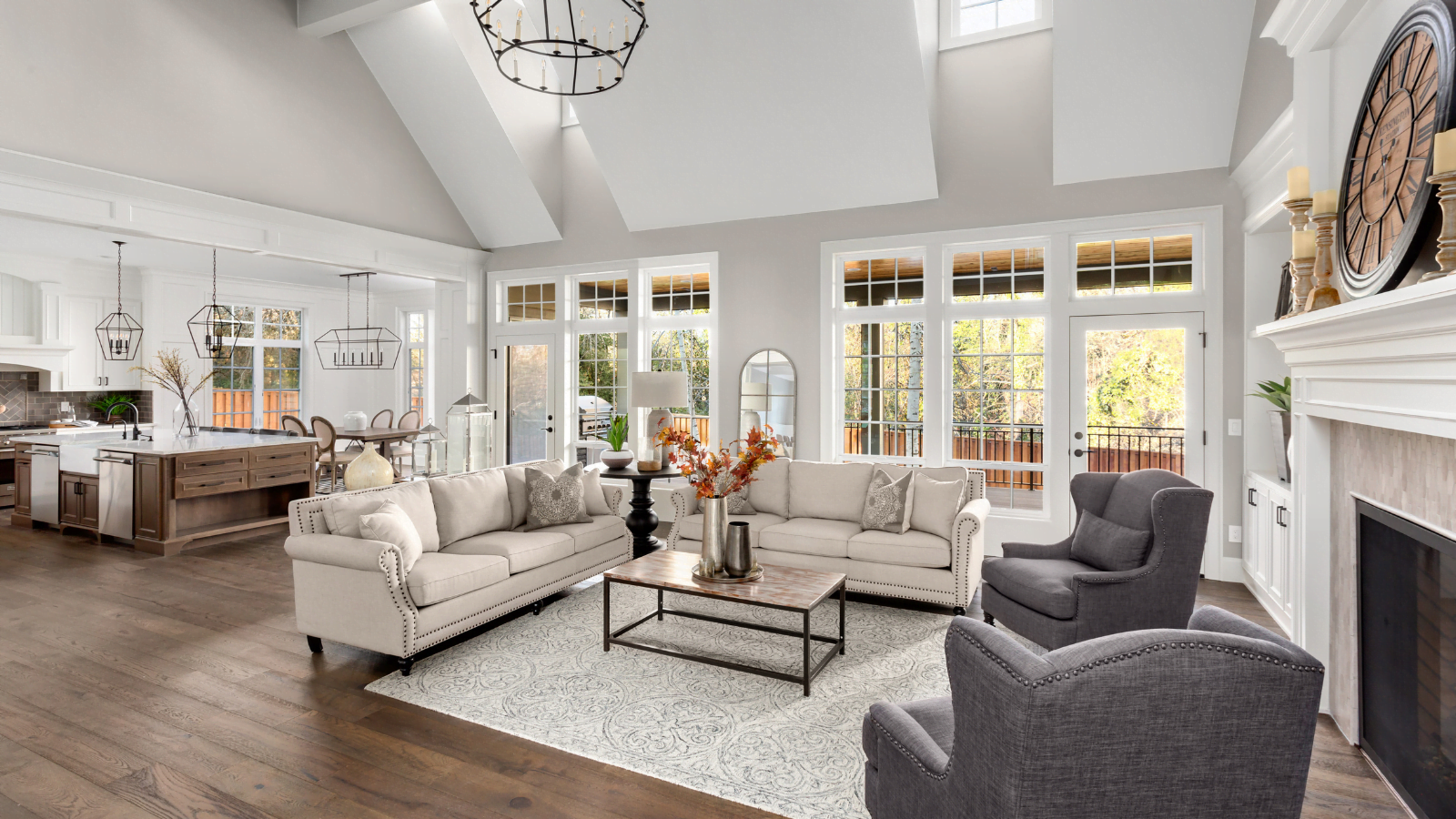
Tiny houses are not just functional-they’re cool. According to a 2024 survey, 75% of millennials look at tiny homes for their aesthetic appeal, the top design inspirations being Scandinavian simplicity, rustic chic, and boho vibes. Adorned with envy-inducing photos of these homes on Instagram and Pinterest, the home is featured with various ideals such as rooftop decks, cozy little lofts, and dreamy décor. Small living has never looked so good!
25 Countries Predicted to Become Economic Superpowers in the Next 20 Years

The strength of an economy plays a crucial role in various international policies about trade and relations. Certain factors determine the strength of an economy, including population growth, availability of resources, and development and advancement. Here are 25 countries predicted to become economic superpowers in the next 20 years
25 Countries Predicted to Become Economic Superpowers in the Next 20 Years
This Options Discord Chat is The Real Deal
While the internet is scoured with trading chat rooms, many of which even charge upwards of thousands of dollars to join, this smaller options trading discord chatroom is the real deal and actually providing valuable trade setups, education, and community without the noise and spam of the larger more expensive rooms. With a incredibly low-cost monthly fee, Options Trading Club (click here to see their reviews) requires an application to join ensuring that every member is dedicated and serious about taking their trading to the next level. If you are looking for a change in your trading strategies, then click here to apply for a membership.