
35,000+ smart investors are already getting financial news, market signals, and macro shifts in the economy that could impact their money next with our FREE weekly newsletter. Get ahead of what the crowd finds out too late. Click Here to Subscribe for FREE.
Driven by mounting trade tensions and rising nationalism, Canadians have embarked on a sweeping boycott of American goods, travel, and entertainment. Responses to U.S. tariffs have sparked political outrage, turning everyday shopping choices into acts of protest. Here are 20 reasons Canadians are saying goodbye to U.S. brands forever:
Tariff-Driven Patriotism Fuels the Boycott
20 Reasons Canadians Are Saying Goodbye to U.S. Brands Forever
- Tariff-Driven Patriotism Fuels the Boycott
- Grocery Label Laws Expose “Maplewashing”
- Liquor Bans Impact U.S. Spirit Sales
- Travel to the U.S. Slumps by 40%
- Social Media and Influencers Amplify the Boycott
- Download Surge for “Buy Canadian” Apps
- Homegrown Brands Finally Get Their Moment
- Politicians Fuel Anti-American Spending Habits
- American Chains Face Boycott Backlash
- Pride in Canadian Manufacturing Rebounds
- American Price Hikes Spark Consumer Revolt
- Corporate Activism Feels Too American
- Border Closures Changed Consumer Habits
- Shipping Costs and Delays Aren’t Worth It
- U.S. Companies Keep Abandoning the North
- American Brands Still Struggle With Bilingual Packaging
- U.S. Fast Fashion Is Losing Its Allure
- U.S. Chains Keep Misreading the Canadian Market
- Canadian Alternatives Are Finally Competing
- The Shift Is About More Than Products
- 21 Products Canadians Should Stockpile Before Tariffs Hit

When the U.S. imposed 25% tariffs on Canadian steel, aluminum, and autos in early 2025, Canada’s federal government responded with retaliatory tariffs and a strong patriotic push. According to the Angus Reid Institute, 91% of Canadians expressed a desire to reduce dependence on U.S. goods, with 68% reporting a decline in favorable views of the U.S., and up to 63% of consumers explicitly stated they would avoid U.S.-made products whenever possible.
Grocery Label Laws Expose “Maplewashing”

Canadians are increasingly frustrated with misleading labels in grocery stores, where U.S. products are often labeled as “Prepared in Canada.” The Competition Bureau and the Canadian Food Inspection Agency have received dozens of complaints, and consumers are resorting to marking so-called Canadian labels with Sharpies and demanding accuracy. Public outrage over false Canadian branding, dubbed “maplewashing”, has intensified, causing retailers like Sobey’s and Metro to tighten their labeling standards under scrutiny.
Liquor Bans Impact U.S. Spirit Sales

Provinces such as Ontario and British Columbia removed U.S. spirits, including bourbon and whiskey, from their liquor shelves entirely in early 2025. In Ontario, sales of U.S. spirits plummeted by 80%, and national sales declined by over 66% in just two months. While some provinces, such as Alberta, have since resumed stocking U.S. brands, the bans serve as both economic retaliation and symbols of protest. Canadian consumers also shifted to domestic or other foreign spirits, which in turn influenced broader alcohol spending trends.
Travel to the U.S. Slumps by 40%

In early 2025, Canadian bookings for U.S. vacations decreased by approximately 40% year-over-year. Road crossings at key border points decreased by nearly 30%, indicating a consumer intention to avoid visiting the U.S. in protest, as travel agencies confirm a surge in bookings for Mexico, Portugal, and Europe instead. Canadian travelers openly cite tariff fallout and political unease, prioritizing domestic or alternative destinations over long-standing snowbird habits.
Social Media and Influencers Amplify the Boycott

Consumers and influencers on platforms like X, Reddit, and Instagram have amplified the boycott narrative, pushing hashtags such as #BuyCanadian and #BoycottUSGoods. Influencer communities share crowdsourced tips, app recommendations, and complaints about U.S. goods on social media. Some grocery stores and restaurants have publicly pledged to avoid American ingredients, turning everyday purchases into political statements, while retailers are also advertising Canadian alternatives directly to resonate with patriotic consumers.
Download Surge for “Buy Canadian” Apps

Apps like “Made in Canada” and “Canadian Barcode Checker” have seen a surge in downloads as Canadians actively seek out tools to avoid American products. The Barcode Scanner Canada app jumped to #3 in the App Store’s lifestyle category in July 2025, thanks to TikTok influencers promoting its “country of origin” feature. Consumers scan labels in grocery aisles and hardware stores, only to discover many brands they trusted were U.S.-owned. This technological shift is empowering consumers to make informed decisions and driving awareness that transcends traditional media channels.
Homegrown Brands Finally Get Their Moment

As U.S. brand loyalty wanes, long-overlooked Canadian companies are finally getting the spotlight. Shoppers are turning to local grocery staples like Chapman’s Ice Cream, Canadian Tire’s Motomaster products, and even small-town coffee roasters. This pivot is both symbolic and economic, resulting in domestic sales of homegrown alternatives rising, with some seeing revenue bumps of 20–30% since the boycott began. Many brands have leaned into the movement with red-and-white rebranding, making their Canadian identity front and center.
Politicians Fuel Anti-American Spending Habits

Canadian MPs across party lines have publicly endorsed buying local and avoiding U.S. imports, especially after the 2025 trade escalation. Cabinet members have posted photos of their favorite Canadian brands, tagged small businesses, and even called out misleading “Product of Canada” claims. Public statements from elected officials helped legitimize the movement, especially in rural ridings where agriculture and small manufacturing have been hardest hit. Government contracts are also shifting, with some provinces requiring “Canadian-only” sourcing for new infrastructure, uniforms, and even school supplies.
American Chains Face Boycott Backlash

Major U.S. brands, including Starbucks, Walmart, and McDonald’s, have seen their Canadian sales decline since early 2025. A poll by Ipsos shows nearly 35% of Canadian shoppers actively avoiding American chains, even if it means going further or spending more. Stores seen as “too American” are losing ground to Canadian competitors like Tim Hortons, Canadian Tire, and Dollarama, and local communities are holding “Buy Canadian” weekends and protesting new American franchise openings.
Pride in Canadian Manufacturing Rebounds

For the first time in years, Canadian-made products are being embraced not just for their quality, but for what they represent. From Nova Scotia lobster to Saskatchewan wheat to Quebec maple syrup, there is renewed national pride in supporting domestic supply chains. The pandemic era revealed Canada’s vulnerability in foreign supply reliance, and trade tensions with the U.S. have made that pain personal. Buying Canadian has become an emotional decision that reconnects shoppers with local workers, family businesses, and a national economy under pressure.
American Price Hikes Spark Consumer Revolt

When U.S.-based brands hiked Canadian prices in 2024, often without explanation, consumers took notice. Everyday essentials, such as cereal, toiletries, and electronics, began costing 10-25% more in Canada than in the U.S., even when accounting for exchange rates. The backlash was swift, and social media exploded with side-by-side price comparisons from border towns, as well as hashtags like #CanadianMarkup and #BoycottAmericanBrands, which started trending. Rather than accept inflated prices, shoppers began switching to domestic alternatives, many of which proved to be just as reliable and, in some cases, even better.
Corporate Activism Feels Too American
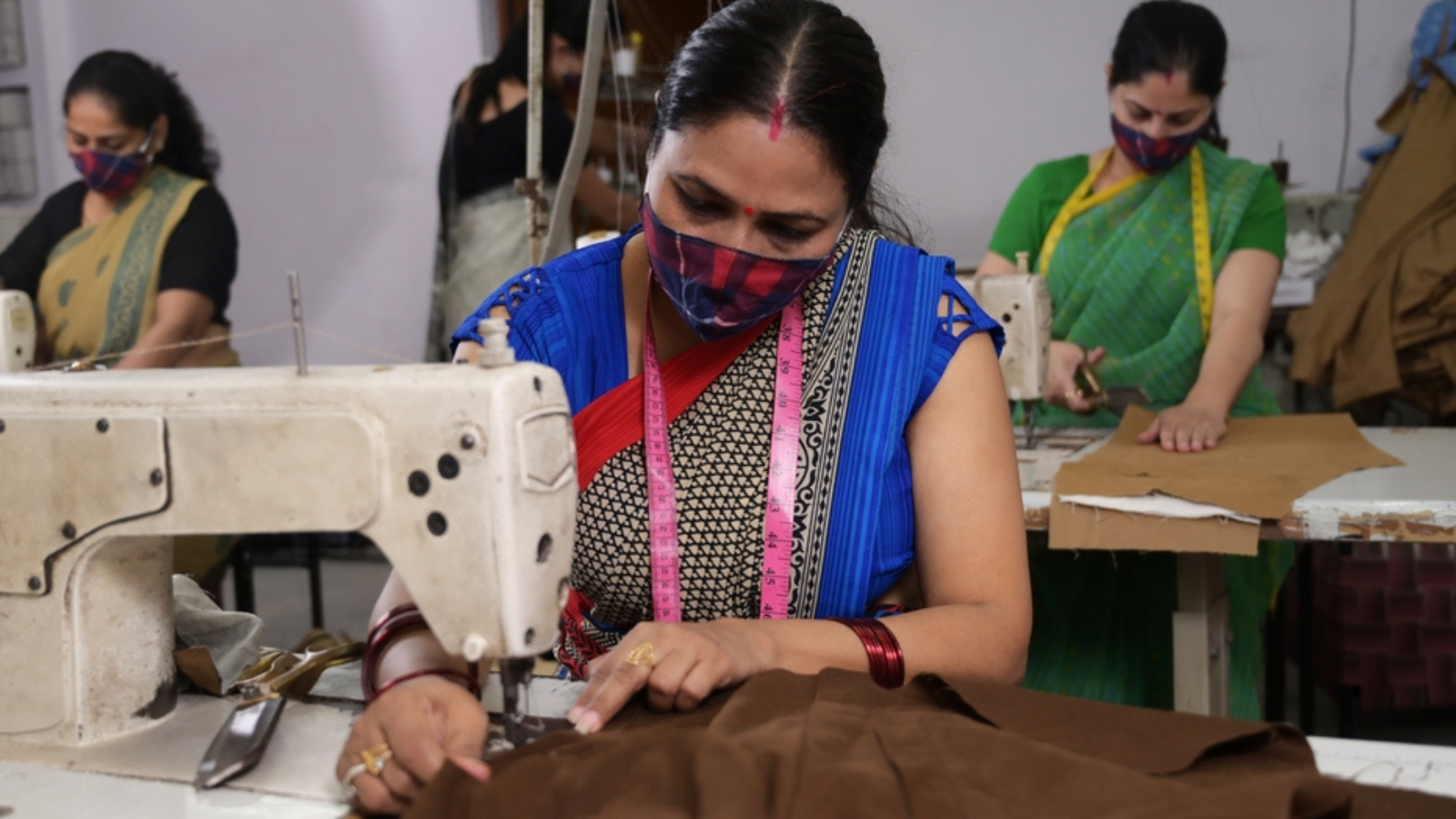
More Canadians are turning away from U.S. brands because of what they perceive as performative corporate activism. Multinational companies have tried to appeal to progressive values, but their messages often feel disconnected from Canadian realities. While slogans flood social media, many Canadians point out that these same companies offshore labor, dodge taxes, or engage in anti-union behavior. The contrast between glossy statements and real-world ethics has bred cynicism, as Canadian shoppers increasingly prefer quieter, community-driven companies.
Border Closures Changed Consumer Habits

The COVID-era border closures reshaped how Canadians shop, especially those living in proximity to U.S. towns. With cross-border shopping restricted, consumers who once filled carts at Target or Wegmans were forced to discover local stores and brands. This disruption lingered, and many found Canadian alternatives they liked better, developing loyalty that outlasted the pandemic. Even as travel resumed, the urgency to support the national economy, particularly in hard-hit local retail, continued. For many, the closure served as a wake-up call, reconnecting them with products and producers in their backyard.
Shipping Costs and Delays Aren’t Worth It

U.S.-based e-commerce giants once dominated Canadian online shopping, but in recent years, rising shipping costs, customs fees, and border delays have made them far less appealing. What once took two days can now take two weeks, and come with surprise duties at the door. Canadian consumers, weary of inconsistent fulfillment and inflated prices, have begun favoring homegrown platforms with faster delivery and transparent pricing. Whether it’s fashion, electronics, or pet supplies, Canadians are finding that local retailers can compete on speed and service and with less environmental impact due to shorter supply chains.
U.S. Companies Keep Abandoning the North

Several prominent American brands have scaled back or exited the Canadian market entirely, leaving customers feeling abandoned. Target’s dramatic 2015 retreat is still referenced in marketing classes, but more recently, chains like Bed Bath & Beyond, Nordstrom, and David’s Bridal have shuttered Canadian locations. Each exit has reinforced a sense that Canada is often treated as an afterthought, as a “testing ground” or secondary market, which has led to long memories and short patience. When Canadian shoppers feel like an afterthought, they vote with their wallets, and increasingly, those dollars are staying home.
American Brands Still Struggle With Bilingual Packaging

Despite operating in Canada for decades, many American companies still fail to provide bilingual packaging and advertising consistently. French-speaking Canadians, especially in Quebec, frequently encounter products with incomplete or awkward translations, if any at all. This oversight is inconvenient and viewed as disrespectful. When Canadian companies seamlessly incorporate both official languages, it highlights how out of touch some U.S. brands remain. This has led Francophone consumers to shift their loyalty toward domestic or European brands that respect the linguistic landscape of Canada.
U.S. Fast Fashion Is Losing Its Allure

Once beloved for their affordability and trendiness, American fast fashion brands are rapidly losing favor in Canada. Growing awareness around unethical labor practices, environmental destruction, and overconsumption has sparked a shift. Canadian consumers, particularly younger ones, are increasingly turning toward sustainable, ethically produced alternatives, many of which are homegrown. What was once a shopping spree at the mall has become a thoughtful purchase online or at Canadian boutiques, making fast fashion feel increasingly outdated.
U.S. Chains Keep Misreading the Canadian Market

Over the years, American companies entering the Canadian market have frequently misjudged local tastes and expectations. From product selection to store layouts to advertising tone, U.S. chains often assume Canadian shoppers are “Americans with different coins”. The failure of Target Canada is just one example among many. Canadians tend to value quality over flash, service over slogans, and community connection over corporate dominance. As a result, brands that don’t localize or underestimate their audience are finding themselves irrelevant.
Canadian Alternatives Are Finally Competing

For years, Canadian brands struggled to match the scale and visibility of their American competitors. However, thanks to e-commerce, social media, and a renewed interest in local goods, domestic brands are now thriving. From coffee roasters to skincare and outerwear, Canada now boasts a vibrant marketplace of homegrown alternatives that rival U.S. imports in terms of quality, price, and innovation. As Canadians increasingly discover these options, they are realizing they no longer need to compromise or look south for excellence.
The Shift Is About More Than Products

Ultimately, the growing rejection of U.S. brands in Canada isn’t just about pricing, packaging, or performance, as it is also emotional. In a world defined by identity and values, Canadian consumers are making intentional choices about who they support. Many view buying local as an act of quiet resistance and a means to protect culture, the environment, and the economy from the homogenizing forces of globalization. After years of importing American influence, Canadians are redefining what “homegrown” really means.
21 Products Canadians Should Stockpile Before Tariffs Hit

If trade tensions escalate between Canada and the U.S., everyday essentials can suddenly disappear or skyrocket in price. Products like pantry basics and tech must-haves that depend on are deeply tied to cross-border supply chains and are likely to face various kinds of disruptions
21 Products Canadians Should Stockpile Before Tariffs Hit
This Options Discord Chat is The Real Deal
While the internet is scoured with trading chat rooms, many of which even charge upwards of thousands of dollars to join, this smaller options trading discord chatroom is the real deal and actually providing valuable trade setups, education, and community without the noise and spam of the larger more expensive rooms. With a incredibly low-cost monthly fee, Options Trading Club (click here to see their reviews) requires an application to join ensuring that every member is dedicated and serious about taking their trading to the next level. If you are looking for a change in your trading strategies, then click here to apply for a membership.