
35,000+ smart investors are already getting financial news, market signals, and macro shifts in the economy that could impact their money next with our FREE weekly newsletter. Get ahead of what the crowd finds out too late. Click Here to Subscribe for FREE.
Over the past few years, Canadians have been increasingly stepping away from American brands, favoring homegrown options instead. This change isn’t just about buying local – it’s a reflection of rising costs, growing values, and evolving expectations. From economic pressures to stronger emotional ties with Canadian-made products, people are rethinking what they purchase and who they support. Here are the top 20 reasons why Canadians are increasingly quitting American brands.
Rising Import Costs
20 Reasons Canadians Are Quitting American Brands
- Rising Import Costs
- Stronger Canadian Alternatives
- Poor After-Sales Service
- Preference for Local Manufacturing
- Ethical Sourcing Concerns
- Shift to Sustainable Brands
- Support for Canadian Jobs
- Lower Shipping Delays
- Currency Exchange Disadvantages
- Better Quality Control at Home
- Tariff and Duty Hikes
- More Transparent Canadian Brands
- Cultural Relevance and Identity
- Better Customer Service Experiences
- Mismatched Product Needs
- Local Brand Loyalty Programs
- Negative Perception of Big U.S. Corporations
- Increase in E-commerce Options in Canada
- Rising Interest in Indigenous and Ethical Brands
- Social Media Support for Local Brands
- 21 Products Canadians Should Stockpile Before Tariffs Hit

Canadians are facing higher import costs due to fluctuating exchange rates, customs duties, and additional shipping fees on American goods. What once seemed affordable now often comes with unexpected charges at checkout or delivery. These extra costs are prompting consumers to reconsider whether buying American is worth the final price. With rising inflation and tighter household budgets, shoppers are looking for better value within Canada. Local brands offer more predictable pricing and no surprise import duties. As a result, Canadians are increasingly turning to domestic products to avoid the financial unpredictability tied to cross-border shopping.
Stronger Canadian Alternatives

The rise of high-quality Canadian brands across industries has made it easier for consumers to skip American imports. Whether it’s apparel, skincare, or electronics, many local businesses now match or exceed their U.S. counterparts in design, performance, and reliability. Brands like Canada Goose, Lululemon, and Jamieson have earned strong reputations both at home and abroad. With more Canadians discovering homegrown excellence, the need to rely on American brands is steadily decreasing. Consumers are realizing they no longer have to compromise on quality or style by buying local.
Poor After-Sales Service

American brands often struggle to provide effective after-sales support in Canada. Long wait times, high return shipping costs, and limited repair options frustrate consumers when something goes wrong. In contrast, Canadian companies offer easier communication, localized customer service, and faster resolutions. Buyers are also more likely to receive in-warranty service without extra international fees. With support being a key part of the purchase experience, Canadians are choosing brands that offer peace of mind after the sale. This shift highlights a growing desire for accessible and reliable post-purchase care, which many American brands fail to deliver across the border.
Preference for Local Manufacturing

Canadians are becoming more mindful of where their products are made. Buying locally manufactured goods supports domestic jobs, ensures better oversight, and often reduces environmental impact. Local production also aligns with the growing demand for supply chain transparency. As Canadian manufacturers expand and modernize, consumers are seeing real value in products made closer to home. The appeal goes beyond patriotism. It reflects a desire for traceability, accountability, and trust in the production process. With these values in mind, many Canadians are actively choosing homegrown items over American brands.
Ethical Sourcing Concerns

Consumers today are placing more emphasis on how and where products are sourced. American brands are often criticized for using cheap overseas labor or raw materials tied to questionable practices. This raises ethical red flags among Canadian buyers who prefer to support brands with transparent, responsible sourcing. Many Canadian companies are stepping up by ensuring fair labor standards, eco-friendly materials, and socially conscious supply chains. With these commitments communicated, Canadians are shifting their spending toward businesses that align with their values. Ethical sourcing is no longer a niche concern; it’s a driving factor in consumer loyalty and trust.
Shift to Sustainable Brands

Sustainability has become a priority for many Canadians, especially younger consumers who consider environmental impact when making purchases. American brands are often slower to adopt eco-friendly practices or lack transparency about their efforts. In contrast, Canadian companies are introducing recyclable packaging, carbon-neutral shipping, and locally sourced ingredients or materials. This growing green movement is encouraging shoppers to seek out brands with sustainability at their core. From fashion to food, Canadian-made products that reduce waste and emissions are gaining ground.
Support for Canadian Jobs

More Canadians are choosing to support local businesses to help strengthen the national economy and protect jobs. Buying Canadian-made products directly contributes to job creation in manufacturing, retail, and logistics. With economic uncertainty on the rise, many consumers feel a stronger sense of responsibility to back companies that keep jobs within Canada. This support goes beyond a one-time purchase — it reflects long-term loyalty to brands that invest in local workers. As awareness grows about where products come from and who benefits, Canadians are increasingly shifting away from American brands that do not contribute to the domestic economy.
Lower Shipping Delays

American brands often face cross-border shipping issues that lead to longer delivery times for Canadian customers. Delays at customs, limited tracking, and extended transit periods are common complaints. In contrast, Canadian companies can fulfill orders more quickly and reliably using domestic networks. Faster shipping has become a key expectation in online shopping, especially with the rise of same-day and next-day delivery options. Consumers are no longer willing to wait weeks for a product to arrive from the U.S. By switching to local brands, Canadians enjoy shorter delivery windows and better shipping experiences without added complications.
Currency Exchange Disadvantages

Fluctuating exchange rates can make buying from American brands unpredictable and expensive. A product that appears affordable in US$ often becomes significantly costlier once converted to CA$, especially with added conversion fees from banks or credit cards. This hidden expense makes budgeting harder and leaves customers feeling like they’re overpaying. In comparison, Canadian brands offer transparent pricing in CA$, allowing buyers to shop with confidence. As exchange rate fluctuations continue, more Canadians are choosing to avoid the unpredictability and stick with local brands that provide stable, upfront pricing without financial surprises.
Better Quality Control at Home

Canadian manufacturers are often praised for their consistent quality and stricter production standards. Domestic brands are more likely to monitor their facilities, respond to issues quickly, and maintain higher levels of product integrity. In contrast, some American brands outsource production to countries with varying quality standards, leading to inconsistencies in materials and craftsmanship. Canadian consumers are becoming more aware of these differences and prefer products made under closer supervision. Local brands offer greater transparency, faster improvements, and fewer defects. This emphasis on quality control is leading shoppers to choose reliable Canadian goods over less dependable American imports.
Tariff and Duty Hikes

Tariffs and import duties have added extra costs to many American goods coming into Canada. From clothing and electronics to food and household items, these additional charges often make imported products far less competitive in price. Canadian consumers are increasingly frustrated with surprise fees at checkout or upon delivery. As a result, many are opting to shop locally to avoid these added expenses altogether. With more high-quality Canadian options available, the incentive to pay extra for an imported version has dropped.
More Transparent Canadian Brands

Canadian companies are gaining trust for their transparency in how products are made, priced, and delivered. From ingredient sourcing to labor practices, many homegrown brands provide clear information on every part of the process. This level of openness is often missing from larger American corporations that operate on a global scale. Canadians want to know where their money is going and how it supports ethical business practices. Local brands are responding by publishing sustainability reports, sharing behind-the-scenes content, and staying accountable. This commitment to openness builds stronger customer relationships and draws consumers away from less transparent American competitors.
Cultural Relevance and Identity

Canadian consumers are showing a growing interest in products that reflect their own culture, values, and experiences. American brands sometimes miss the mark by offering styles, messaging, or features that feel disconnected from Canadian life. Whether it’s language, climate, or regional preferences, local companies tend to design with a better understanding of the Canadian audience. Supporting brands that speak to Canadian identity helps strengthen national pride and personal connection. From winter gear designed for harsh Canadian winters to marketing that resonates with local values, culturally relevant products are giving Canadian consumers another reason to shift away from U.S. brands.
Better Customer Service Experiences

Canadians are increasingly favoring local brands that offer fast, friendly, and accessible customer support. With American companies, service can often feel distant or slow, mainly when representatives are based outside Canada. Issues like warranty claims, product replacements, or general inquiries are more complex to resolve across borders. In contrast, Canadian brands are easier to reach, more responsive, and better equipped to handle Canada-specific concerns like local regulations or shipping zones. Personalized service goes a long way in building trust. As expectations rise, more consumers are prioritizing companies that offer dependable, Canada-based customer support over harder-to-reach American alternatives.
Mismatched Product Needs
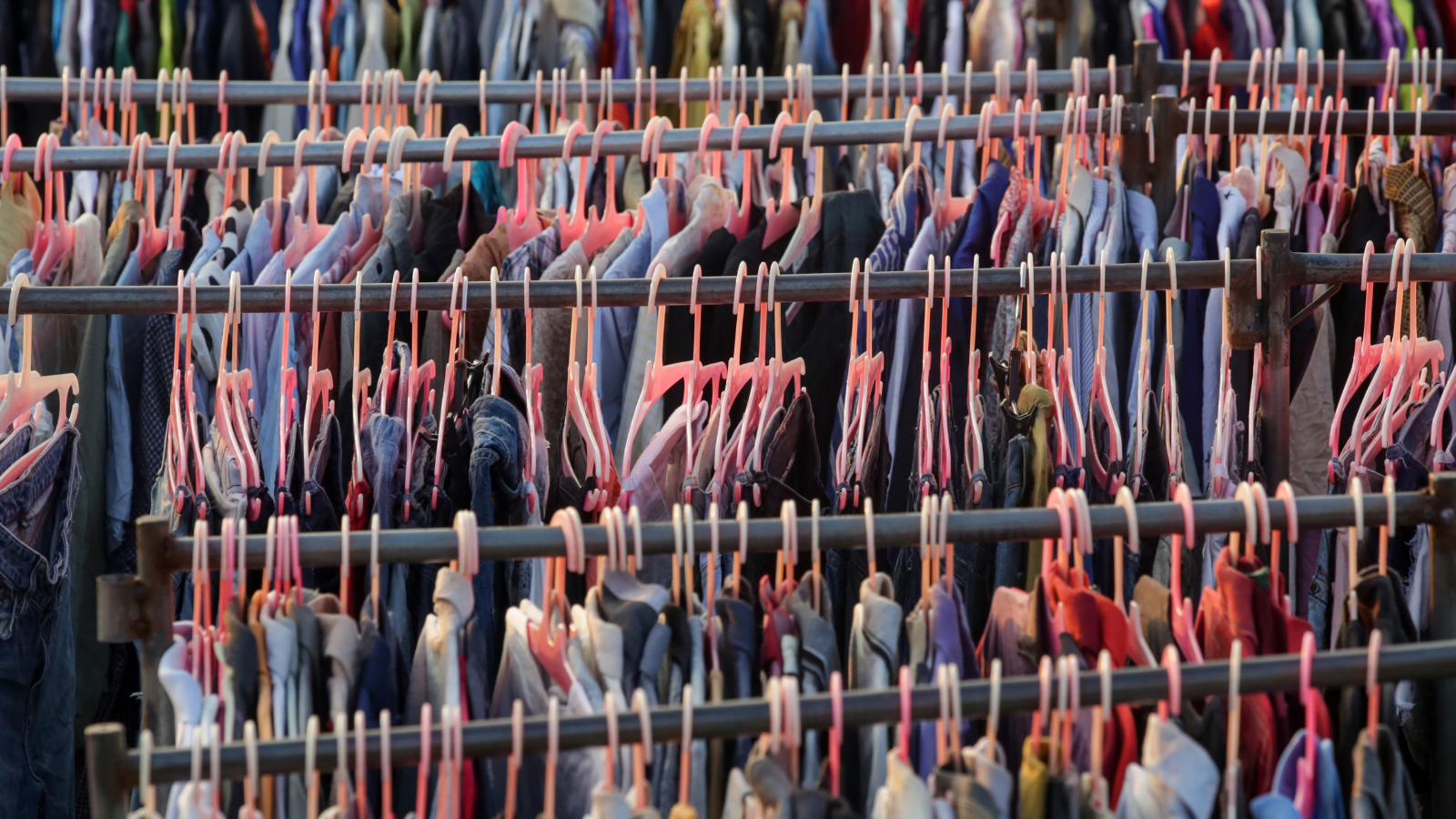
Many American products are designed with U.S. consumers in mind, which can lead to mismatches in function, fit, or features for Canadian buyers. Items like home appliances, clothing, and tech accessories often fail to consider Canadian measurements, electrical standards, or climate differences. For example, winter wear built for mild U.S. regions may not meet the demands of Canadian winters. Canadian brands, on the other hand, create products tailored to local lifestyles and conditions. This alignment makes them more practical and efficient. As a result, shoppers are moving away from American goods that don’t meet their real-world needs in Canada.
Local Brand Loyalty Programs

Canadian brands are stepping up with loyalty programs that offer real value to domestic shoppers. These programs often include exclusive discounts, birthday rewards, referral bonuses, and early access to sales — all designed specifically for Canadian consumers. American brands may run similar offers, but they often exclude Canadian customers or provide limited perks due to shipping or regional restrictions. Local programs are easier to access and come with fewer limitations, making them more rewarding. As these incentives grow more personalized and relevant, Canadians are finding it more beneficial to stick with local brands that appreciate their loyalty.
Negative Perception of Big U.S. Corporations

A growing number of Canadians are distancing themselves from large U.S. corporations due to concerns over monopolistic practices, tax avoidance, and questionable ethics. Headlines about worker treatment, environmental violations, or aggressive business tactics have caused trust to erode. This has created space for smaller Canadian companies to stand out with fair policies, community involvement, and transparent operations. Supporting these businesses allows consumers to feel good about where their money is going. As skepticism toward large American conglomerates increases, more Canadians are choosing values-based local alternatives that align with their beliefs and long-term interests.
Increase in E-commerce Options in Canada

Canadian online shopping platforms have rapidly improved in recent years, making it easier to find, order, and receive local products. Improved logistics, faster delivery networks, and wider product availability have eliminated many of the advantages American brands once held. Consumers no longer need to rely on U.S. websites for selection or price. Platforms like Well.ca, Simons, and Canadian Tire now offer everything from wellness products to fashion and electronics. As e-commerce within Canada becomes more convenient and competitive, shoppers are staying local. The rise of digital options tailored to Canadians is further reducing dependence on American retailers.
Rising Interest in Indigenous and Ethical Brands

Canadian consumers are showing greater interest in Indigenous-owned and ethically run businesses that reflect cultural authenticity and social responsibility. Brands like Manitobah Mukluks and Birch Bark Coffee are gaining attention for their commitment to community, tradition, and sustainable practices. These businesses offer more than products — they represent values and stories that resonate deeply with Canadians. In contrast, many American brands struggle to demonstrate the same level of cultural awareness or local engagement. The shift toward ethical, Indigenous, and socially conscious brands is helping Canadians move away from generic imports and toward meaningful, values-driven purchases.
Social Media Support for Local Brands

Social media has made it easier for Canadians to discover and support local businesses. Platforms like Instagram, TikTok, and Facebook are filled with Canadian influencers and shoppers promoting homegrown brands. Word-of-mouth now spreads faster than ever, and positive reviews from real customers build trust quickly. Many local brands also engage directly with followers, offer special deals, and showcase behind-the-scenes stories that strengthen community ties. In comparison, American brands often feel more distant and less responsive. This growing online support for Canadian businesses is helping shift consumer preferences and encouraging more people to shop local.
21 Products Canadians Should Stockpile Before Tariffs Hit

If trade tensions escalate between Canada and the U.S., everyday essentials can suddenly disappear or skyrocket in price. Products like pantry basics and tech must-haves that depend on are deeply tied to cross-border supply chains and are likely to face various kinds of disruptions
21 Products Canadians Should Stockpile Before Tariffs Hit
This Options Discord Chat is The Real Deal
While the internet is scoured with trading chat rooms, many of which even charge upwards of thousands of dollars to join, this smaller options trading discord chatroom is the real deal and actually providing valuable trade setups, education, and community without the noise and spam of the larger more expensive rooms. With a incredibly low-cost monthly fee, Options Trading Club (click here to see their reviews) requires an application to join ensuring that every member is dedicated and serious about taking their trading to the next level. If you are looking for a change in your trading strategies, then click here to apply for a membership.