
35,000+ smart investors are already getting financial news, market signals, and macro shifts in the economy that could impact their money next with our FREE weekly newsletter. Get ahead of what the crowd finds out too late. Click Here to Subscribe for FREE.
Spring is busy in Canadian real estate. Listings bloom with the tulips. So do bidding wars. Warmer weather brings more open houses, more competition, and more pressure. Buyers scroll faster and decide quicker. Fear of missing out can push smart people into rushed choices. Mortgage rates, tighter lending rules, and rising prices add to the stress. A home is often the largest purchase you will make. It deserves a clear head and a steady plan. Before you join the weekend crowds, slow down and read this. Here are 20 house-hunting mistakes Canadians make in spring (FOMO Season).
Shopping Without a Firm Mortgage Pre-Approval
20 House-Hunting Mistakes Canadians Make in Spring (FOMO Season)
- Shopping Without a Firm Mortgage Pre-Approval
- Letting FOMO Set the Budget
- Skipping a Home Inspection
- Ignoring the Neighborhood in a Rush
- Forgetting About Closing Costs
- Overlooking the Mortgage Stress Test
- Falling for Fresh Paint and Staging
- Bidding Without Comparable Sales
- Underestimating Renovation Costs
- Ignoring Condo Fees and Rules
- Making Emotional Offers
- Draining Savings for the Down Payment
- Ignoring Commute and Lifestyle Changes
- Trusting Verbal Promises
- Forgetting About Property Taxes
- Relying Only on Online Listings
- Not Comparing Lenders
- Rushing to Match the Crowd
- Skipping Professional Advice
- 22 Groceries to Grab Now—Before another Price Shock Hits Canada

Many buyers start touring homes before securing a firm mortgage pre-approval. A quick online estimate is not enough. Sellers prefer offers backed by verified financing. Without pre-approval, you may bid on homes outside your true budget. That wastes time and sets up disappointment. Spring markets move fast, and hesitation can cost you. A lender will review income, debts, and credit history. They will confirm how much you can borrow under the current stress test rules. This step also locks in a rate for a set period. Walking in prepared strengthens your offer and protects you from emotional overspending later.
Letting FOMO Set the Budget

Spring competition can stretch budgets beyond comfort. Buyers see packed open houses and panic. They raise their price ceiling just to stay in the game. That decision follows them for decades. A larger mortgage means higher monthly payments. Property taxes and insurance also rise with price. Maintenance never gets cheaper. Stretching leaves little room for savings or emergencies. Life changes fast, especially with job shifts or rate increases. Set a maximum number based on math, not mood. If bidding climbs past it, walk away. There will always be another listing, even in a hot market.
Skipping a Home Inspection

Waiving inspection conditions is common during busy months. It can also be costly. A home may look fresh after staging. Cosmetic updates can hide deeper problems. Roofing issues, foundation cracks, or outdated wiring are expensive surprises. An inspection gives you facts before you commit. In competitive markets, some buyers choose pre-inspections before offering. That costs money upfront but reduces risk. Buying blind may win the house. It can also win you a repair bill you never planned for. Spring excitement should not override due diligence. A few hours of review can save years of regret.
Ignoring the Neighborhood in a Rush

A house can be perfect while the area is not. Spring buyers often focus on finishes and layout. They forget to study the surroundings. Visit at different times of day. Check traffic patterns and noise levels. Look at nearby schools, transit, and future developments. Construction projects can change a street quickly. Research local crime statistics and zoning plans. Walk to nearby shops and parks. A home sits in a community, not in isolation. Resale value depends on more than square footage. Slow down and study the bigger picture before signing anything.
Forgetting About Closing Costs
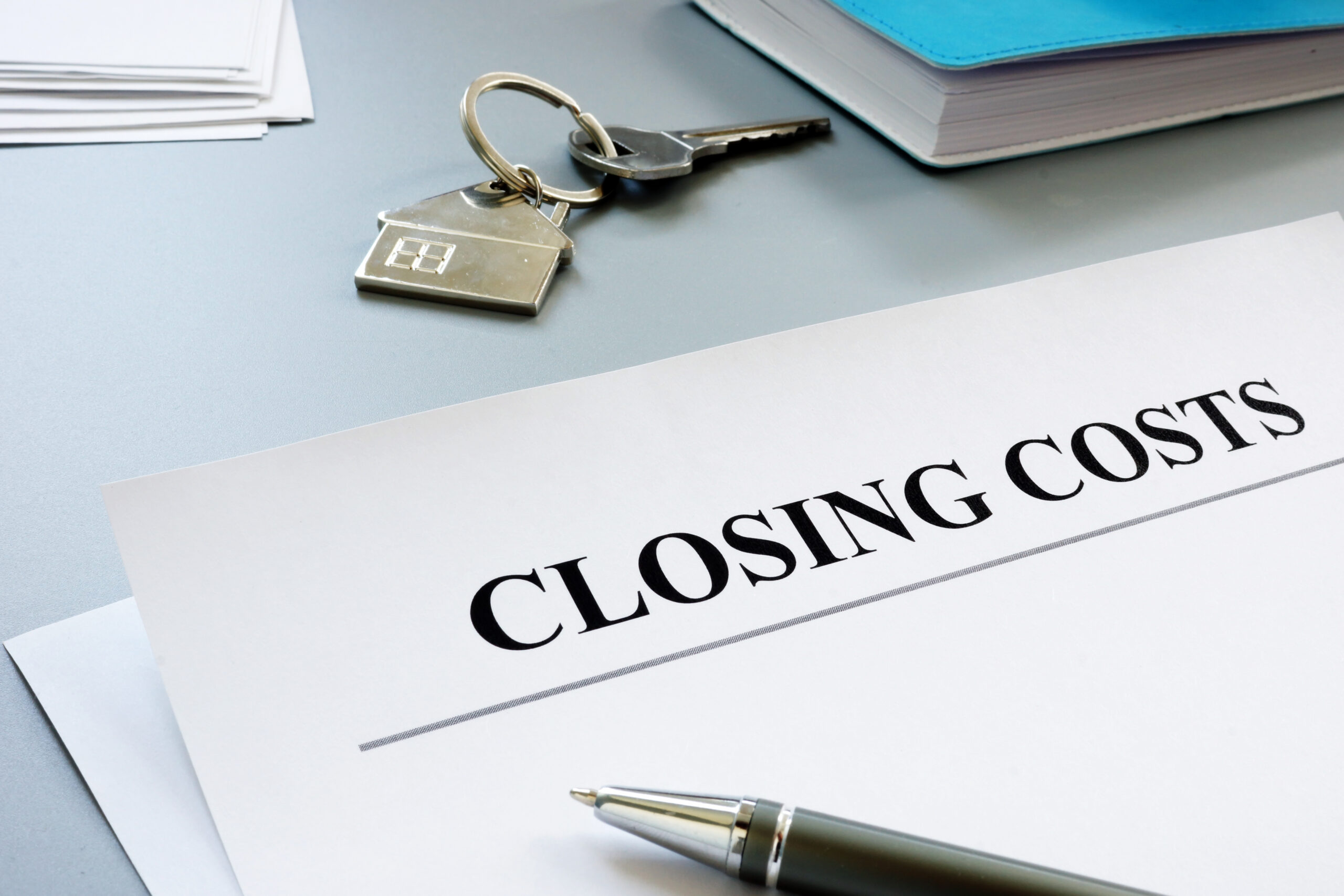
The purchase price is only part of the expense. Many first-time buyers overlook closing costs. In Canada, the land transfer tax can be significant. Legal fees, title insurance, and appraisal costs add up. Moving expenses and utility setup fees also appear quickly. Some provinces charge additional taxes. Budgeting only for the down payment creates stress near closing day. Lenders expect proof that you can cover these extras. Plan for several percent of the purchase price. Having a buffer prevents last-minute borrowing. A calm closing starts with realistic planning.
Overlooking the Mortgage Stress Test

Canadian borrowers must qualify at a higher rate than their contract rate. This stress test protects lenders and buyers. Still, many people forget it exists. They assume approval will match advertised rates. Rising interest rates tighten affordability. A small increase can lower your maximum loan. Spring competition may tempt you to offer near your limit. That leaves no cushion if rates shift before closing. Speak with your lender about worst-case scenarios. Ask how payment amounts change with rate increases. Understanding this rule helps you avoid painful surprises later.
Falling for Fresh Paint and Staging

Staging works. Neutral colours and soft lighting make rooms feel larger. Buyers can mistake style for substance. Fresh paint hides cracks and water stains. New flooring might cover uneven surfaces. Updated cabinets may mask aging plumbing. Take your time during viewings. Open closets and check under sinks. Ask about the age of major systems. Heating, cooling, and roofing matter more than throw pillows. Emotional reactions fade after possession. Structural problems do not. Focus on long-term function over short-term appearance.
Bidding Without Comparable Sales

In heated markets, buyers sometimes ignore comparable sales. They focus only on winning. Overpaying affects more than pride. It can limit future equity growth. Lenders also review recent sales when approving mortgages. If your offer far exceeds local data, financing could stall. Work with an agent who provides recent comparables. Study similar properties in size and condition. Understand the average price per square foot. Knowing the market range grounds your decision. Paying slightly above market may make sense. Paying far above it rarely does.
Underestimating Renovation Costs

Spring buyers often dream about quick upgrades. They assume renovations will be simple. Costs in Canada have climbed in recent years. Labour shortages and material prices add pressure. Small projects can grow once walls open. Electrical or plumbing upgrades may become mandatory. Permits also cost time and money. Before offering, price out realistic renovations. Speak with contractors, not just friends. Add a buffer for surprises. A fixer-upper can be rewarding. It should not become a financial strain.
Ignoring Condo Fees and Rules

Condominiums attract many spring buyers. They offer lower purchase prices and less maintenance. Monthly condo fees are easy to overlook. These fees cover shared services and reserves. They also rise over time. Review the building’s financial statements. Check the reserve fund health. Special assessments can arrive without warning. Rules about rentals or renovations may limit flexibility. Read the status certificate carefully. A condo is more than an apartment. It is a shared financial commitment.
Making Emotional Offers

Competition fuels emotion. Buyers picture holidays and family dinners. That vision can blur judgment. An emotional offer often exceeds logic. Removing conditions or increasing the price may feel necessary. Sellers appreciate strong offers. They also benefit from buyer impatience. Step back before submitting paperwork. Review numbers with a calm mindset. Ask yourself if the payment still works in five years. A home should fit your life, not just your mood. Clear thinking protects long-term stability.
Draining Savings for the Down Payment
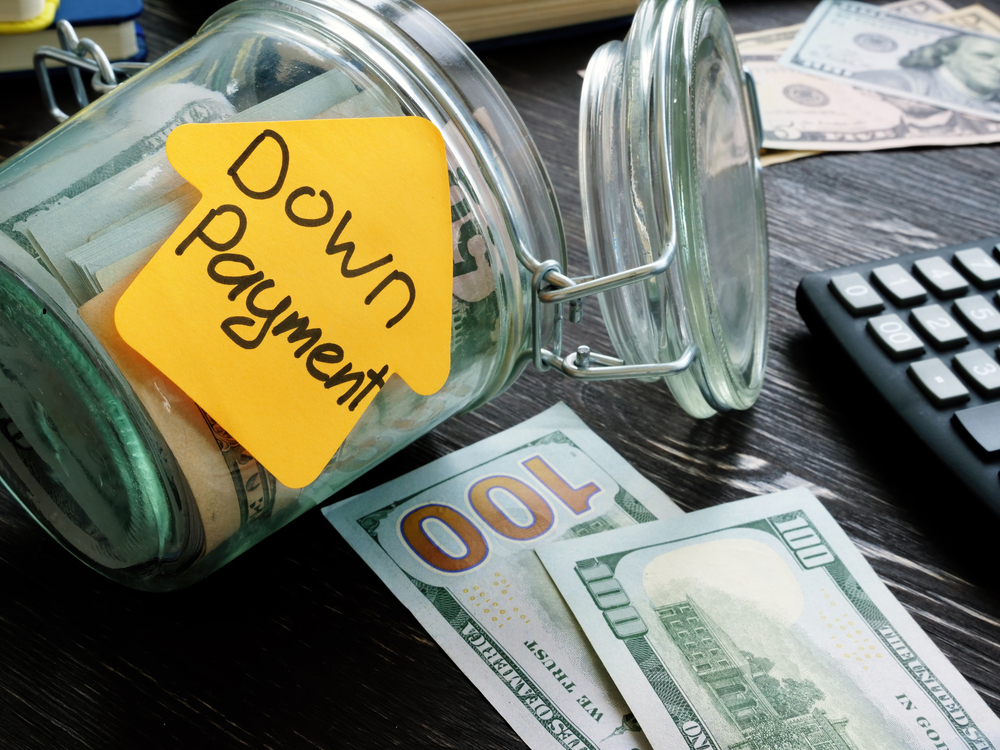
A larger down payment lowers mortgage insurance costs. It can also empty savings. Buyers sometimes use every dollar to reach a round number. That leaves little emergency cushion. Homeownership brings surprise expenses. Appliances fail. Roofs leak. Income can change. Financial stress grows when savings sit at zero. Keep a reserve fund after closing. Three to six months of expenses is common advice. Stability matters more than optics. Owning a home feels better when you can handle the unexpected.
Ignoring Commute and Lifestyle Changes

Spring weather makes every neighborhood seem pleasant. Daily routines tell a different story. A longer commute adds fuel costs and lost time. Transit access may vary by season. Consider winter driving conditions as well. Proximity to work, schools, and family affects quality of life. Think about grocery runs and medical services. A beautiful home far from essentials can create frustration. Visit during rush hour if possible. Picture your weekday schedule, not just weekend visits.
Trusting Verbal Promises

Real estate deals involve paperwork for a reason. Verbal assurances carry little weight. Sellers or agents may mention planned repairs or inclusions. If it is not written, it may not happen. Appliances, fixtures, and timelines should appear in the agreement. Clarify closing dates and occupancy details. Misunderstandings delay possession and cause conflict. Review documents carefully before signing. Ask questions about unclear clauses. Protect yourself with clear terms in writing.
Forgetting About Property Taxes

Property taxes vary widely across Canada. Buyers often focus on mortgage payments alone. Taxes can add hundreds per month. Municipal budgets shift from year to year. New builds sometimes face reassessment after purchase. That can increase the bill. Ask for recent tax statements. Confirm whether amounts reflect current assessments. Include taxes in your affordability calculation. Ignoring them creates budgeting gaps. A realistic monthly figure should include every fixed cost.
Relying Only on Online Listings

Photos and descriptions rarely tell the full story. Wide-angle lenses make rooms appear larger. Descriptions highlight positives while omitting flaws. Online listings are a starting point. They are not the whole evaluation. Attend viewings or virtual tours with a critical eye. Ask for disclosure documents. Review floor plans and measurements. Digital browsing is convenient. Final decisions require deeper review. Do not treat filtered photos as complete evidence.

Buying is emotional, selling is financial. Even if you plan to stay long term, life can change. Job transfers, family needs, or financial shifts happen often. Think about how future buyers may view the property. Unusual layouts or highly customized spaces can limit appeal. Proximity to transit, schools, and amenities supports stronger demand. Research neighborhood trends and average days on market. Consider long-term development plans nearby. Choosing with resale in mind adds protection. A balanced purchase today protects flexibility and equity tomorrow.
Not Comparing Lenders

Mortgage rates vary across banks, credit unions, and brokers. Many buyers accept the first approval they receive. Small rate differences can cost thousands over time. Ask about fixed versus variable options. Review penalties for breaking the mortgage early. Some lower rates come with strict conditions. Compare prepayment privileges and refinancing flexibility. Request written estimates from multiple lenders. Look at the annual percentage rate, not just the headline number. Taking time to compare offers can reduce total borrowing costs and improve long-term financial comfort.
Rushing to Match the Crowd

Crowded open houses can trigger urgency. Seeing other buyers take notes raises anxiety. You may feel pressured to submit an offer quickly. Sellers understand this psychological effect. Acting fast can help in competitive markets. Acting without reflection can create regret. After visiting, step outside and review your impressions calmly. Revisit your budget and non-negotiables. Discuss concerns with your agent or partner. A home should fit your needs beyond the bidding war. Clear thinking beats rushed decisions every time.
Skipping Professional Advice

Real estate transactions include legal contracts and financial commitments. Some buyers try handling everything alone to save money. Online advice cannot replace professional guidance. A real estate agent provides market data and negotiation support. A lawyer reviews documents and protects your interests. A mortgage broker explains lending options clearly. These professionals reduce risk during complex steps. Their fees reflect accountability and experience. Skipping guidance may expose you to costly mistakes. Reliable advice supports confident decisions and smoother closings.
22 Groceries to Grab Now—Before another Price Shock Hits Canada

Food prices in Canada have been steadily climbing, and another spike could make your grocery bill feel like a mortgage payment. According to Statistics Canada, food inflation remains about 3.7% higher than last year, with essentials like bread, dairy, and fresh produce leading the surge. Some items are expected to rise even further due to transportation costs, droughts, and import tariffs. Here are 22 groceries to grab now before another price shock hits Canada.
22 Groceries to Grab Now—Before another Price Shock Hits Canada
This Options Discord Chat is The Real Deal
While the internet is scoured with trading chat rooms, many of which even charge upwards of thousands of dollars to join, this smaller options trading discord chatroom is the real deal and actually providing valuable trade setups, education, and community without the noise and spam of the larger more expensive rooms. With a incredibly low-cost monthly fee, Options Trading Club (click here to see their reviews) requires an application to join ensuring that every member is dedicated and serious about taking their trading to the next level. If you are looking for a change in your trading strategies, then click here to apply for a membership.